Tag: Brand Finance

  • Nongfu Spring Brand Value Surges 38% to US$15.3 Billion

    Nongfu Spring Brand Value Surges 38% to US$15.3 Billion

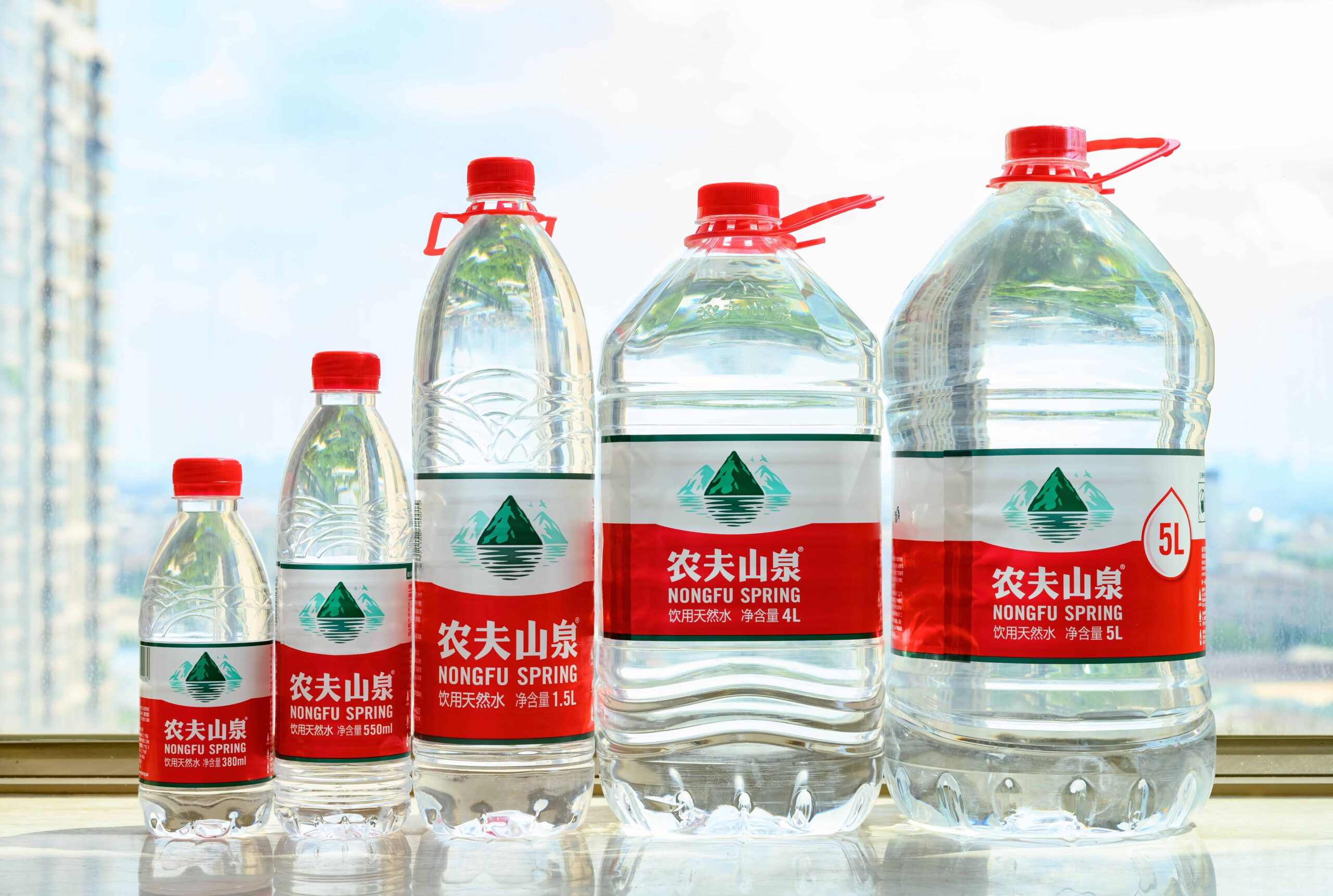
    China’s Nongfu Spring expanded its brand value by 38 per cent to US$15.3bn in 2026, according to the Top 50 Non-Alcoholic Drinks report released this week by Brand Finance.

    The domestic drinks producer added US$4.24bn in value over the past year while US rival Pepsi shed US$5.74bn, falling to US$16.8bn from US$22.5bn in 2025.

    Coca-Cola held onto the top spot at US$46.1bn despite a US$243mn decline from its 2025 valuation. Nongfu Spring climbed from US$11.1bn in 2025, driven by strong demand across bottled water, ready-to-drink tea, and no-sugar drinks.

    Beyond absolute dollar value, the Chinese bottler surpassed Coca-Cola on underlying brand health metrics. Nongfu Spring recorded a Brand Strength Index score of 89.8 out of 100, earning an AAA+ rating. It stands as the only brand among the world’s top ten non-alcoholic beverage makers to retain that top-tier grade. Coca-Cola slipped from AAA+ to AAA, while Pepsi fell from AAA to AAA-.

    Eastroc Enters the Global Top Ten

    China’s presence among global beverage leaders widened further down the table. Eastroc claimed the tenth position globally with a brand value of US$4.99bn and an AAA brand rating.

    The functional drinks specialist lifted its valuation by 62 per cent from US$3.08bn in 2025. That jump followed a deliberate shift away from pure energy drink production into broader hydration categories, backed by export shipments into Southeast Asia, the Middle East, and the United States. Eastroc lifted its Brand Strength Index score to 85.4, up from 82.8 last year.

    Beyond its financial performance, Nongfu Spring has also overtaken Coca-Cola in terms of brand strength to become the strongest non-alcoholic drink brand in 2026, securing an impressive 89.8/100 BSI score.

    Western Incumbents Yield Ground in Asia

    The reordering reflects a structural operational challenge for Western soda giants across Asian retail shelves. For two decades, multinational conglomerates held distribution dominance by trading on universal brand recognition and bottling partnerships. Domestic Asian operators now build distribution routes that are faster and cheaper to run, leaning directly into consumer flight from high-sugar carbonated drinks.

    Retail buyers in primary Asian markets allocate refrigerator shelf space based on inventory turns. Unsweetened ready-to-drink teas and domestic electrolyte waters turn over faster than imported colas in modern trade. That shift pressures margin structures for Coca-Cola and PepsiCo bottlers, who face defensive price discounting to protect volume share against domestic rivals carrying lower production overheads.

    Shifting Consumer Formulations

    The valuation divergence deepens an earlier divide visible in 2025 trading results. While Coca-Cola preserved stability through its Zero Sugar product line, Pepsi absorbed volume contractions across multiple emerging territories as cost-conscious shoppers traded down to local alternatives.

    Nongfu Spring founder Zhong Shanshan countered price wars in mainland China by pairing basic hydration items with higher-margin functional teas. The strategy allowed the producer to absorb retail price deflation while pulling revenue growth out of adjacent categories. Competitor Eastroc mirrored this approach, using electrolyte formulations to establish quick traction in convenience chains across Southeast Asia.

    The test for Asian beverage operators shifts to their overseas balance sheets. Eastroc faces rising marketing costs as it scales shelf distribution in North American and Middle Eastern retail stores, where local listing fees squeeze working capital. Nongfu Spring must protect its mainland operating margins against retail price discounting as competitors prepare their upcoming summer product runs.
  • Penfolds Brand Value Drops 32% to $776 Million as Still Wine Slumps

    Penfolds Brand Value Drops 32% to $776 Million as Still Wine Slumps

    Penfolds suffered a 32 per cent drop in brand value to US$776 million this year. It posted the sharpest decline among top global wine labels in Brand Finance’s Alcoholic Drinks 2026 report.

    The Australian label led a broad retreat across still wine assets for parent company Treasury Wine Estates. Chinese producer Changyu shed 22 per cent of its brand valuation to finish at US$641 million. Beringer dropped 16 per cent, and Yellow Tail declined 14 per cent. Four of the six still wine labels tracked in the top ten lost value over the period.

    Champagne Widens Gap Over Still Wine

    Sparkling wine houses took the opposite trajectory and captured premium trade. Moët & Chandon defended its position as the world’s most valuable wine and Champagne brand. Its value rose 12 per cent to US$2.3 billion, backed by an AAA- brand strength rating and a score of 80.3 out of 100.

    Veuve Clicquot climbed to second place overall after expanding its brand value 39 per cent to US$1.4 billion. Dom Pérignon advanced 21 per cent to reach US$300 million, taking ninth place in the ranking. Prestige sparkling houses maintained pricing power despite softer total shipment volumes across key consumer markets.

    Mass Market Labels Hold Ground

    Everyday table wines held up better than mid-tier and prestige still brands. Barefoot ranked as the strongest overall label in the index with an AAA rating and a score of 85.1 out of 100. Wide retail distribution helped lift its valuation 2 per cent to US$1.3 billion.

    Carlo Rossi gained 8 per cent to reach US$313 million. Value brands retained steady household penetration. Higher-priced still wines felt the pullback in discretionary spending.

    “Meanwhile, declines for brands such as Penfolds and Changyu reflect the broader pressures facing still wine, where changing consumption patterns are making growth harder to achieve.”

    Henry Farr, global sector head of alcoholic drinks at Brand Finance, noted that premium perceptions and emotional ties allowed sparkling labels to decouple from broader category stagnation.

    Asian Demand Reshuffles Portfolio Strategy

    For distributors and retail buyers across Asia, the valuation drop reflects shifting consumer habits in key commercial hubs. Mainland China’s retail wine trade has contracted. Younger urban consumers are diversifying into ready-to-drink beverages, craft beer and spirits, eroding baseline volumes for domestic giants like Changyu.

    Treasury Wine Estates faces a split market reality. High-end allocations still find private collectors, but commercial lines struggle to clear inventory through traditional dining and corporate entertainment channels in Australia and East Asia. Retail shelf space is migrating toward lower-cost daily pours and celebration-linked Champagne labels.

    Consumption Contraction Sets Baseline

    Falling valuations follow consecutive years of cooling volume. Data from the International Organisation of Vine and Wine showed global wine consumption contracted nearly 3 per cent in 2025 to 208 million hectolitres. Demographic shifts in mature markets and tighter household budgets drove the decline.

    Treasury Wine Estates and regional competitors now face their next test in upcoming year-end inventory audits and festive wholesale reorders, which will reveal whether recent price adjustments can stabilise commercial still wine margins.

  • Rolex Tops Asia Brand Advocacy Ranking as Wholesale Revenue Hits $13.38 Billion

    Rolex Tops Asia Brand Advocacy Ranking as Wholesale Revenue Hits $13.38 Billion

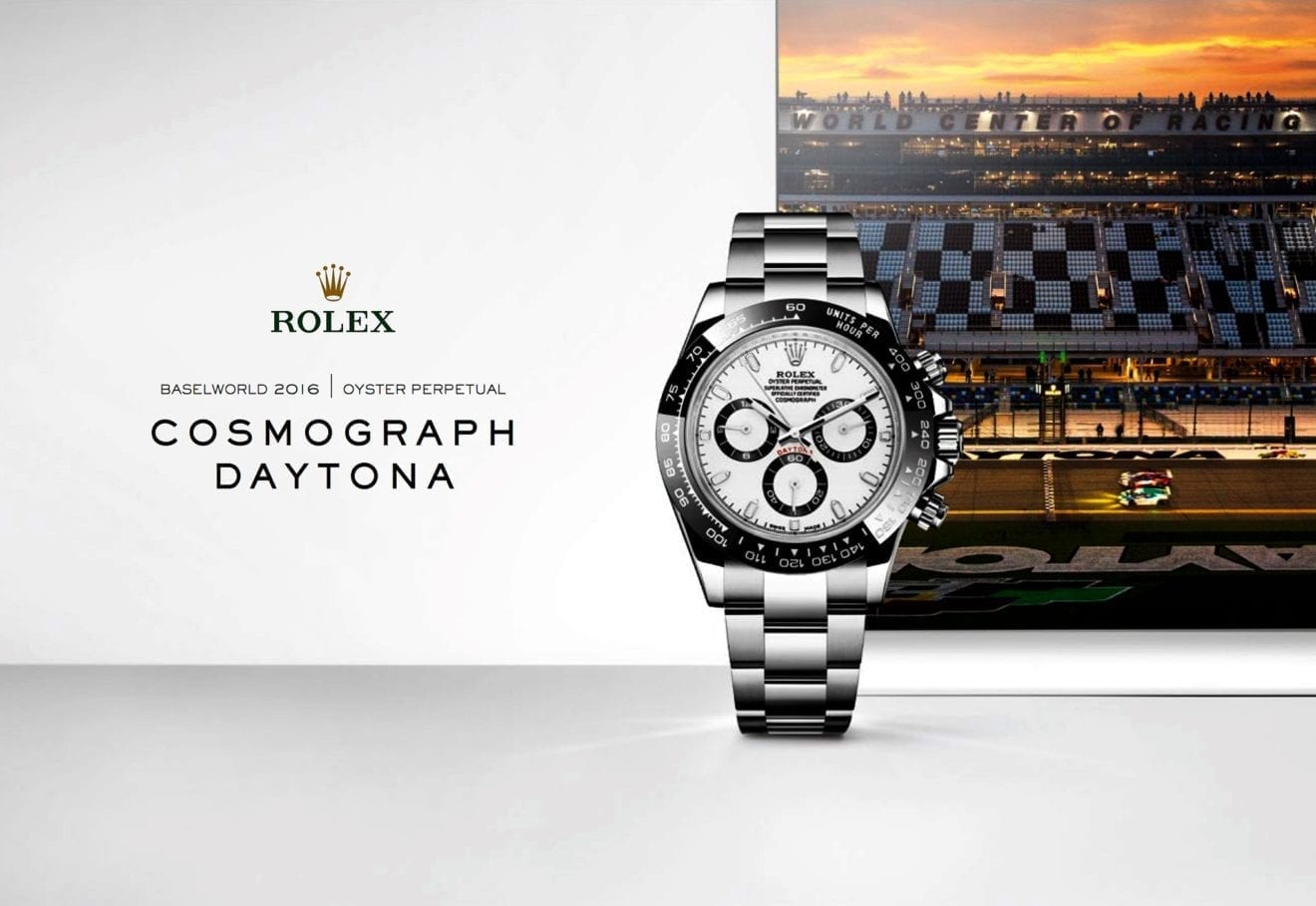
    Rolex took the top spot in Asia’s inaugural Brand Conviction Index, outranking regional retail competitors as its brand valuation jumped 36 per cent to US$18.8 billion.

    Morgan Stanley and Luxe Consult estimate the Geneva-based watchmaker generated wholesale sales of just over US$13.375 billion in 2025, taking market share even after trimming production volume for two consecutive years.

    Advocacy outpaces actual purchasing power

    The index evaluated consumer sentiment across three primary metrics: current purchasing activity, willingness to recommend the brand to peers, and future purchase intent. Rolex led the regional table because its advocacy extends far beyond its active customer base.

    Most respondents who recommend Rolex across Asian markets do not own one. A substantial share of shoppers who stated an intention to buy a piece have never completed a transaction with the company, giving the brand unmatched mental real estate across the region.

    Disciplined output maintains secondary pricing

    For multibrand luxury retailers and department store operators across Hong Kong, Singapore and Tokyo, this dynamic protects floor productivity. While Swiss competitors flooded wholesale channels during the post-pandemic correction, Rolex restricted supply allocations to authorized dealers, keeping secondary market premiums intact.

    The deliberate scarcity shifts inventory risk away from retail partners and onto aspiring buyers who remain on multi-year waiting lists. Department store landlords in key Asian shopping districts continue to prioritize Rolex boutique footprints because the footfall generated by unfulfilled demand feeds surrounding luxury concessions.

    Artificial intelligence mirrors human consensus

    Machine learning platforms reflect the same concentration of consumer desire. A recent survey evaluating how leading artificial intelligence engines answer luxury watch recommendations showed all major systems named Rolex more frequently than any competing manufacture.

    Brand Finance’s 2025 Luxury and Premium 50 ranking confirmed the financial momentum, listing the company’s valuation gain among the steepest in the personal luxury goods sector.

    Sustained strategy through sector pullbacks

    Executive leadership has maintained this positioning through broader market downturns. In 2024, Rolex chief executive Jean-Frederic Dufour rejected discounting and short-term volume expansion during an industry-wide sales contraction, keeping retail distribution tight across Asia and North America.

    Industry attention now turns to upcoming Swiss export data and secondary watch price indices for the final quarter of 2026, which will reveal whether Rolex can sustain its wholesale margins as wider luxury demand moderates.

  • Twelve Chinese Food and Beverage Brands Reach $63.4 Billion Valuation

    Twelve Chinese Food and Beverage Brands Reach $63.4 Billion Valuation

    Twelve Chinese food and beverage brands expanded their collective brand valuation to $63.4 billion this year, according to valuation data from consultancy Brand Finance.

    The gain reflects steady domestic volume and pricing power across packaged food, dairy, and drinks makers in China. Brand valuation measures the net economic benefit that a brand owner achieves by licensing the name in the open market.

    Domestic Scale and Category Strength

    Consumer staples manufacturers across the country have focused on product differentiation and distribution depth in lower-tier cities. Brand Finance tracks consumer enterprises globally, applying royalty relief methodology to calculate future revenue attributable to brand equity.

    Chinese producers have converted local consumer familiarity into commercial resilience. Direct control over supply chains and rapid adaptation to retail trends helped the 12 brands maintain their valuation trajectory.

    Shifting Competition Across Asian Aisles

    For multinational food groups operating in East Asia, the strength of domestic Chinese labels presents a persistent competitive hurdle. Global conglomerates face rivals that command supermarket shelf space while dominating live-commerce channels and local delivery apps.

    Several Chinese packaged goods producers have also expanded distribution across Southeast Asia, placing products directly into supermarkets in Singapore, Malaysia, and Thailand.

    Investors and retail operators now look to upcoming quarterly financial filings from Chinese consumer staple producers to see whether higher brand value translates directly into operating margin expansion.

  • Vietnam remains among 50 most valuable national brands

    Vietnam remains among 50 most valuable national brands

    Brand Finance has released its annual report on the world’s 100 leading nation brands, and Vietnam is in 43rd place. Its brand value is estimated at $235 billion, up $32 billion from the previous year. It has risen two places in the list this year.

    The global brand valuation consultancy firm evaluates a country’s national brand on the brands based there and the economy as a whole by weighing up various socio-economic factors.

    A “strong” national brand denotes a highly attractive environment for investment, encouraging inward investment, adding value to exports, and attracting tourists and skilled migrants, it explained.

    Vietnam’s continuing rise in the list is primarily due to “Vietnam Value”, a national program to endorse products and services that meet minimum standards set out by the government, and concentrated efforts to promote economic growth by the government, it said.

    In Southeast Asia, Vietnam is only in sixth place in terms of value, below Indonesia, Singapore, the Philippines, Malaysia, and Thailand.

    The Top 10 in the world did not see much change with the U.S., China and Germany continuing to lead in terms of value.

    The U.S.’ value has shot up by 23 percent to $25.9 trillion this year as a result of falling tax rates and a more business-friendly environment despite the negative public image that President Trump may have cultivated, the report said.

    Founded in 1996, Brand Finance is the world’s leading independent branded business valuation and strategy consultancy. Headquartered in London, the firm is present in over 20 countries.

  • Nike is world’s most valuable apparel brand, says Brand Finance Top 50

    Nike is world’s most valuable apparel brand, says Brand Finance Top 50

    Despite losing popularity with American teenagers and a drop in brand value of 41 per cent, Nike is still way out in front in the Brand Finance Top 50 list of the most valuable apparel brands in the world.

    In the list, just been release by the independent brand valuation and strategy consultancy, Nike’s main competitor Adidas was fourth behind H&M and Zara with an increase in brand value of 41 per cent.

    In the realm of luxury brands, Hermes overtook Louis Vuitton, jumping two spots from 7th to 5th from last year. Luxury brands including Cartier, Gucci, Hermes and LV had strong growth in value as more consumers in emerging markets buy into the market.

    Japan’s Uniqlo was the only Asian brand in the top 10, with Hong Kong jeweller Chow Tai Fook and China’s Anta Sports taking up the 13th and 33rd spots respectively.

    These are the top 50 most-valuable apparel brands in the world this year:

      1. Nike (brand value, US$2.8 billion)
      2. H&M ($1.8 billion)
      3. Zara ($1.7 billion)
      4. Adidas ($1.4 billion)
      5. Hermes ($11.3 billion)
      6. Louis Vuitton ($10.4 billion)
      7. Cartier ($9.8 billion)
      8. Gucci ($8.5 billion
      9. Uniqlo ($8 billion)
      10. Rolex ($6.3 billion)
      11. Coach ($6.1 billion); 12. Victoria’s Secret ($6.1 billion); 13. Chow Tai Fook ($5 billion); 14. Tiffany & Co ($4.6 billion); 15. Burberry ($4.5 billion);16. Christian Dior ($4 billion); 17. Polo Ralph Lauren ($4 billion); 18. Prada ($3.8 billion); 19. Under Armour ($3.7 billion); 20. Armani ($3.5 billion)
      12. Puma ($3.3 billion); 22. Ray-Ban ($3.2 billion); 23. Omega ($3.1 billion); 24. The North Face ($3.1 billion); 25. Pandora ($3 billion); 26. Michael Kors ($2.7 billion); 27. Tommy Hilfiger ($2.6 billion); 28. Anta ($2.6 billion); 29. Old Navy ($2.3 billion); 30. Bulgari ($2.2 billion)
      13. Bershka ($2.2 billion); 32. Calvin Klein ($2.2 billion); 33. Levi’s ($2.2 billion); 34. Primark/Penneys ($2.1 billion); 35. Moncler ($2 billion); 36. Boss ($2 billion) 37. Gap ($2 billion); 38. Ferragamo ($1.9 billion); 39. Saint Laurent ($1.8 billion); 40. Bottega Veneta ($1.8 billion)
      14. Valentino ($1.8 billion); 42. Skechers ($1.6 billion); 43. Swatch ($1.6 billion); 44. Tag Heuer ($1.5 billion); 45. Timberland ($1.4 billion); 46. Massimo Dutti ($1.3 billion); 47. Reebok ($1.3 billion); 48. Woolworths ($1.2 billion); 49. Stradivarius ($1.2 billion); 50. Pull and Bear ($1.2 billion).