Retail News CRM

Tag: branding

  • Beyond Meat Rebrands To ‘beyond’, Pivots To Direct Plant-derived Proteins

    Beyond Meat Rebrands To ‘beyond’, Pivots To Direct Plant-derived Proteins

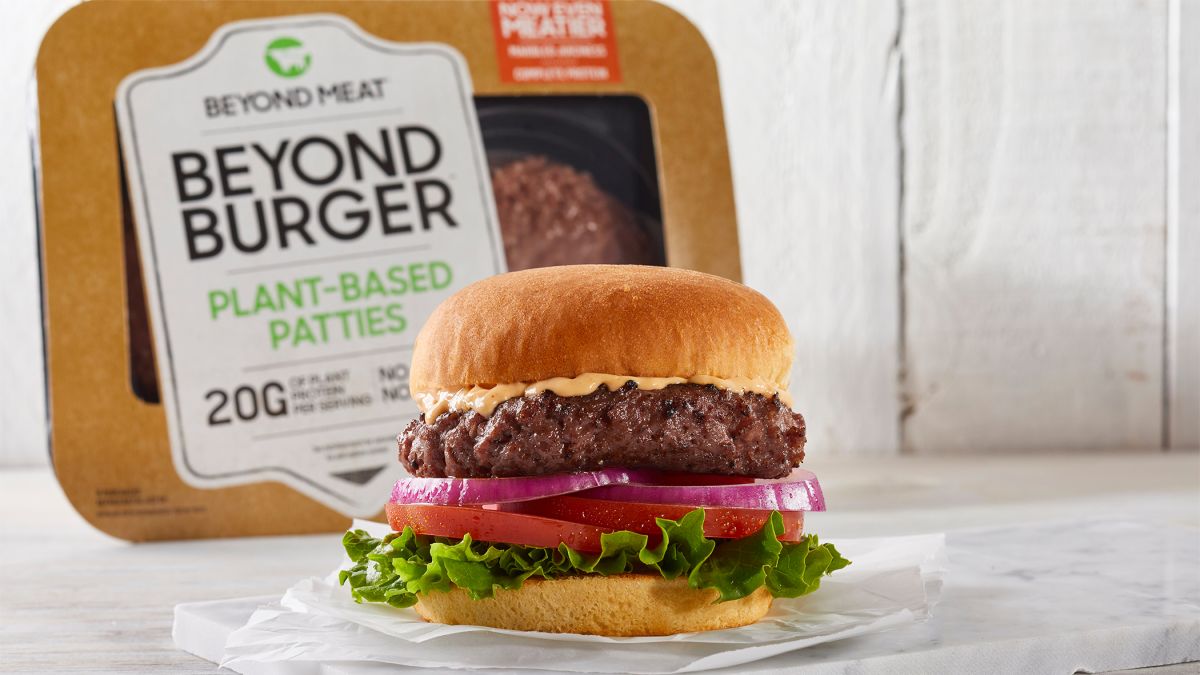
    Leading provider of plant-based alternative meat products, Beyond Meat, is set to rebrand itself as “Beyond.” This transition is part of the company’s efforts to expand its scope beyond meat substitutes and highlight its commitment to creating proteins derived directly from plants.

    Beyond’s initiative underpins the company’s strategy to construct its products directly from plant sources, rather than simulating meat-based products. This shift in brand identity comes in the wake of financial challenges encountered by the California-based enterprise, which the rebranding strategy could help overcome by opening up additional segments of the protein market for competition.

    To coincide with the rebranding, Beyond will introduce a new product known as Beyond Ground. Slated for release this month, Beyond Ground is positioned as a sustainable alternative to traditional ground beef. The product boasts a simple blend of nutritious ingredients, including fava beans, potato starch, water, and psyllium husk.

    The development and introduction of Beyond Ground align with consumer preferences for recognizable ingredients, straightforward production methods, and less emphasis on mimicking meat. According to Julian Cottee, Senior Corporate Engagement Manager at ProVeg International, aiding consumers in transitioning from predominantly meat-centric diets to more plant-based ones requires various tactics, one of which is offering products that bear familiar flavors and appearances.

    Cottee emphasizes the importance of options in facilitating such dietary transitions, stating, “The more options on the table, the better.”

    Questions & Answers

    Why is Beyond Meat rebranding itself as Beyond?
    The company is rebranding to reflect its commitment to creating proteins derived directly from plants, rather than just mimicking meat-based products. This strategy aims to help overcome the recent financial challenges faced by the company by tapping into new segments of the protein market.

    What is the new product that Beyond is launching?
    Beyond’s new product is called Beyond Ground, a sustainable alternative to traditional ground beef. It is made of simple and recognizable ingredients, including fava beans, potato starch, water, and psyllium husk.

    What is the significance of offering products that bear familiar flavors and appearances?
    Providing products that look and taste familiar can help facilitate consumers’ transition from a meat-heavy diet to a more plant-based one. The more options consumers have, the easier it is for them to make the switch.
  • Facebook has a new corporate name and vision

    Facebook has a new corporate name and vision

    As expected, Facebook today announced a new corporate name. Earlier today during the Facebook Connect event, the company said that it will now be known as Meta. Keep in mind that the website and the app will not have a new name and will still be known as Facebook.

    CEO Mark Zuckerberg said that the Facebook name isn’t a valid reflection of what the company does now and said that Facebook is only one of its products. “We are a company that builds technology to connect. Together, we can finally put people at the center of our technology. And together, we can unlock a massively bigger creator economy.”

    The executive added that “But over time, I hope we are seen as a metaverse company.” A metaverse is “a virtual-reality space in which users can interact with a computer-generated environment and other users.”

    In a blog post disseminated today, Zuckerberg wrote, “The next platform will be even more immersive — an embodied internet where you’re in the experience, not just looking at it. We call this the metaverse, and it will touch every product we build.”

    Zuckerberg added, “The defining quality of the metaverse will be a feeling of presence — like you are right there with another person or in another place. Feeling truly present with another person is the ultimate dream of social technology. That is why we are focused on building this. In the metaverse, you’ll be able to do almost anything you can imagine — get together with friends and family, work, learn, play, shop, create — as well as completely new experiences that don’t really fit how we think about computers or phones today.”

    In the blog, the beleaguered executive writes about a future where you can teleport as a hologram and arrive at your office without a commute. Or attend a concert, or even visit your parents without losing the time it takes to travel and deal with traffic. Many of the things that are part of the physical world right now could end up being holograms in the future such as “your TV, your perfect work setup with multiple monitors, your board games and more — instead of physical things assembled in factories, they’ll be holograms designed by creators around the world.”

    According to the Facebook co-founder, “You’ll move across these experiences on different devices — augmented reality glasses to stay present in the physical world, virtual reality to be fully immersed, and phones and computers to jump in from existing platforms. This isn’t about spending more time on screens; it’s about making the time we already spend better.” He repeated a comment made in his original founder’s letter: “We don’t build services to make money; we make money to build better services.”

    That last comment may not be sincere. Recently, Facebook whistleblower Frances Haugen said that the company would rather make money than change its algorithm and make the world a safer place. Haugen stated, “Facebook makes more money when you consume more content. People enjoy engaging with things that elicit an emotional reaction. And the more anger that they get exposed to, the more they interact and the more they consume.”

    Zuckerberg appears to realize the need for change, and not just changing the company’s name. He says that privacy and safety need to be built into the metaverse from the beginning. And from now on, the company will be metaverse first instead of Facebook first. Eventually, you won’t need to have a Facebook account to use the company’s other services. He says, “As our new brand starts showing up in our products, I hope people around the world come to know the Meta brand and the future we stand for.”

    By the way, for you Facebook stock traders, the company’s stock symbol will change from FB to MVRS.

  • Apple is a “lifestyle company” says incoming Intel CEO in bid to motivate employees

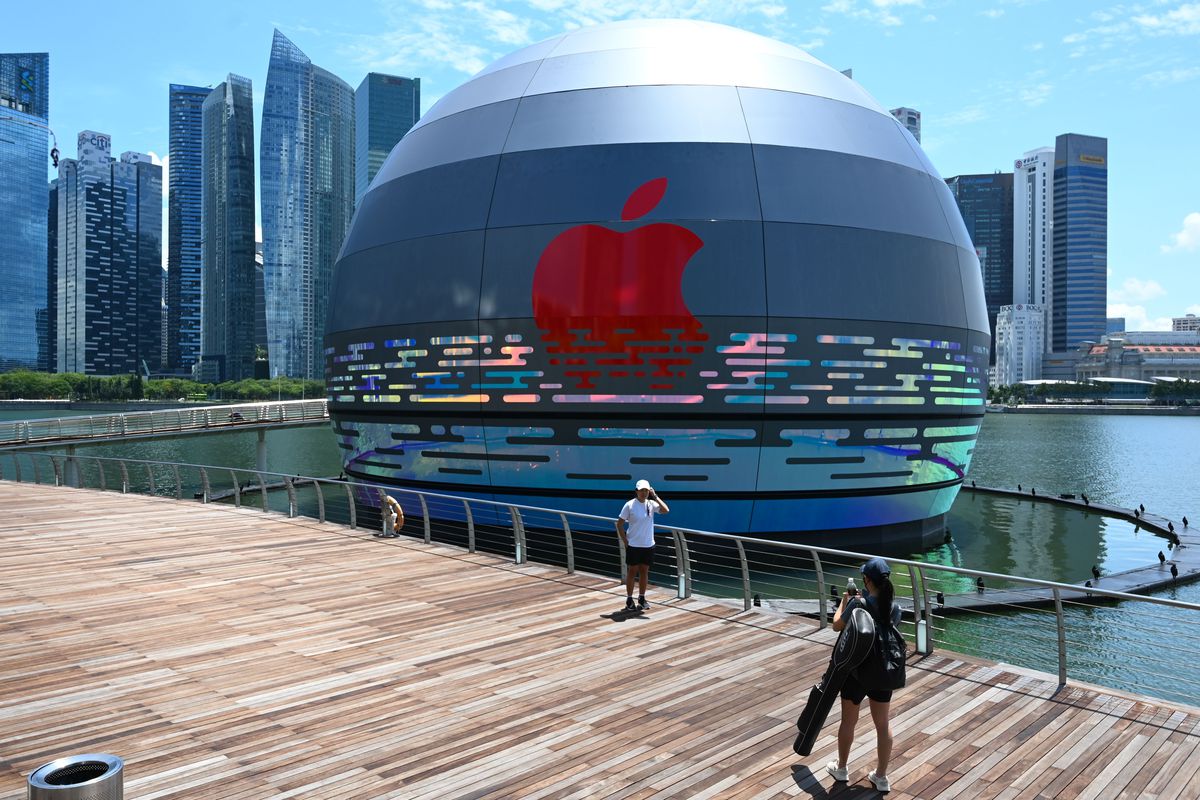
    Apple is a “lifestyle company” says incoming Intel CEO in bid to motivate employees

    There was a time before the Apple iPhone and other smartphones roamed the earth when people relied on their PCs to access the internet. Back then, Intel was said to be the Gold Standard of chip makers. But that was then and these days Intel no longer has the same reputation. Intel also has had problems with its 10nm process node and delayed until 2022 the release of its 7nm manufacturing process.

    There has been talk about Intel turning to contract manufacturer TSMC or Samsung Foundry to produce some of Intel’s chip designs. In fact, recently Intel decided to outsource the production of its second-generation discrete graphics chip to TSMC. That is the company responsible for the manufacturing of Apple’s 5nm A14 Bionic chipset and the powerful 5nm M1 chip that is replacing Intel components on some Macs

    Last week, Intel CEO Bob Swan flew away from the company effective on February 15th. His replacement, Pat Gelsinger, is returning to the flock; an Intel veteran with over 30 years experience at Intel, Gelsinger recently spent his days as CEO of VMare. While Gelsinger doesn’t take over until the middle of next month, he apparently is feeling the heat from Apple’s M1 chip. The latter is equipped with 16 billion transistors. Compare that to the 11.8 billion transistors that are sardined into the A14 Bionic (which was a 38% hike from the 8.5 billion transistors found in the A13 Bionic).

    The incoming Intel CEO met with company employees during the week and dropped what some might consider an insult on Apple. While addressing the troops, Gelsinger reportedly said, “We have to deliver better products to the PC ecosystem than any possible thing that a lifestyle company in Cupertino” makes (italics added). Perhaps Mr. Gelsinger hasn’t checked out the performance of the chips designed by that “lifestyle company in Cupertino.” The M1 is delivering improved performance and battery life and the addition of the Apple-designed component put a jolt into the demand for Macs.

    Perhaps Intel’s next CEO was just trying to motivate the firm’s employees. The point of the comment is that Intel is a company that produces chips, chips, and chips. As a result, the chips it produces should be better than the ones designed by Apple which makes different products to improve consumers’ lives. In other words, Gelsinger is looking at the M1 and is saying that how could we let ourselves be outdone by a company that really doesn’t focus on chips and is into consumer electronics instead.

  • Carrefour starts rebranding Wellcome stores in Taiwan

    Carrefour starts rebranding Wellcome stores in Taiwan

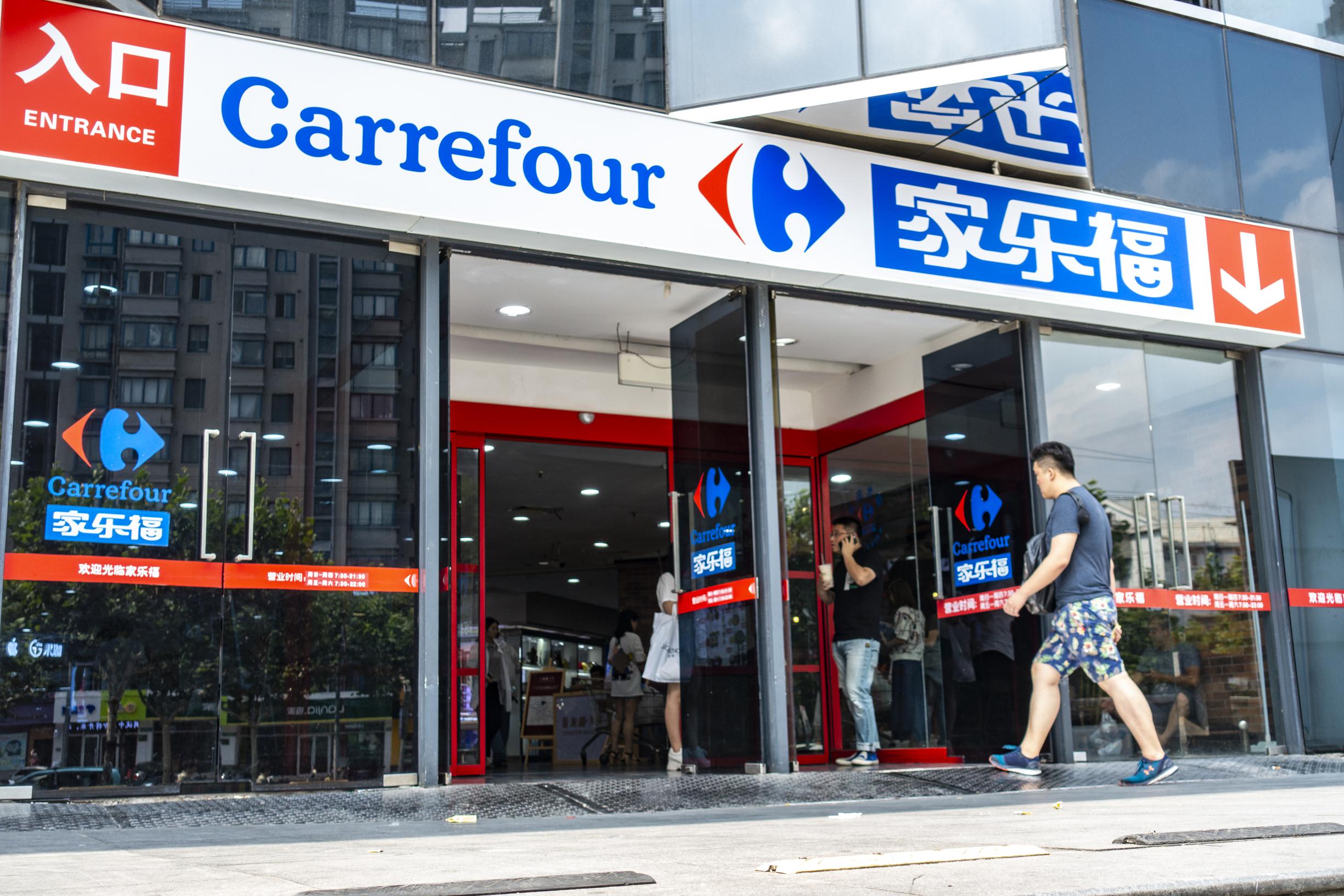
    Carrefour SA said Tuesday they have agreed to buy Wellcome Taiwan from Dairy Farm International Holdings Ltd. to accelerate its expansion.

    The deal includes 224 proximity stores as well as a warehouse and its overall enterprise value is EUR97 million (US$107.9 million), the supermarket group said.

    The company expects the transaction to close by the end of the year and its plans for the stores include cost-structure optimization and rebranding.

    Wellcome Taiwan had net sales of around EUR390 million in 2019, according to Carrefour.

    The French company said it currently owns 137 stores in Taiwan, where it generated net sales of EUR1.97 billion, earnings before interest, taxes, depreciation, and amortization of EUR209 million and recurring operating income of EUR83 million in 2019.

  • Foot Locker launches Singapore’s largest store on Orchard Rd

    Foot Locker launches Singapore’s largest store on Orchard Rd

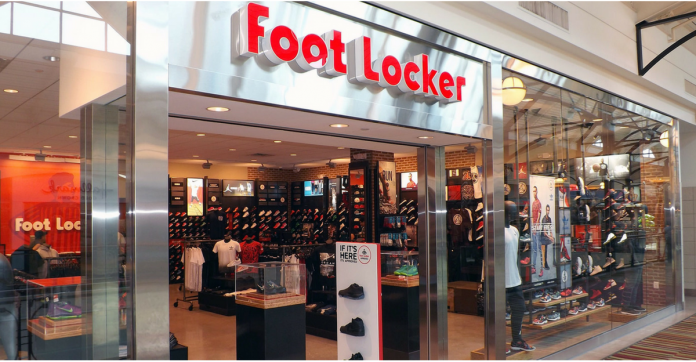
    Foot Locker Singapore has opened its largest store yet on Orchard Rd, celebrating basketball culture.

    Located at Orchard Gateway @Emerald, the Foot Locker store spans five stories, three of which are retail spaces, offering a multi-branded basketball collection.

    Foot Locker Singapore also partnered with local artists MessyMsxi and Clogtwo to feature artworks at both Level 1 and the B2 basketball half-court, expressing the brand’s appreciation for basketball culture.

    “This is where we embarked on our Asia journey and Singapore has really embraced our brand out of the gate,” said Tomas Petersson, GM, and VP at Foot Locker Asia. “Our purpose is to inspire and empower youth culture and our belief is that when we speak to the consumer through the lens of curated brand and product stories via our omnichannel focus, then we connect deeply with the Sneaker and Sport community.”

    Besides basketball collections, Foot Locker Orchard also features a wide range of footwear and apparel from global brands, including Nike, Jordan, Adidas, Puma and New Balance.

    “The Orchard Road store is a pinnacle expression of our brand together with our partners and we are especially proud as a team to deliver this in these challenging times, as this will give the Singaporean consumer a truly unique experience,” said Petersson.

  • Retail trends to look forward to in 2019

    Retail trends to look forward to in 2019

    Retail industry in India is undoubtingly one of the fastest growing retail industry in the world. It is the largest among all industries accounting to 10 percent of the country GDP and employs around 8 percent of the workforce. The retail industry is an experiential motley that is currently going through a robust transformation. Be it employing new technologies or exploring new store formats, revamping business strategies or creating personal experiences; retailers are indeed getting ready for the future by looking beyond conventional retail and evolving along with their modern consumers.

    India is also expected to become the world’s fastest growing e-commerce market, driven by robust investment in the sector and rapid increase in the number of Internet users.

    As the opportunities are immense, let’s take a look what retail trends the stalwarts think will rule in 2019:

    – Customization – The need for customized products and services is increasing thereby pushing the demand for personalized goods and services. With a pragmatic approach, the interface between companies, brands and customers will improve. Social media conversation tracing is going to be trending in 2019, which is a ground-breaking path to the future of handling customer behavior for tailor-made solutions. Also, studies reveal customers come down in favor of personalization — up to a point. They enjoy seeing products and deals personally relevant to them.

    – Brand Experience – It’s not just about selling the products to the customers but also providing them with the best experience too. Most retailers recognize this shift, but the majority struggle with strategies to transform their organization to deliver on consumers’ increasingly demanding expectations. Emerging online brands naturally seek to disrupt traditional ways of doing business and developed digital-first models that have created better experiences.

    On the other hand, established retail brands are burdened with legacy systems that are not optimized for today’s environment. The core – people, service, and experience – are strength to maintain and to satisfy today’s consumer they must integrate the flow of information and resources across the networks of employees, stores and partners.

    Hence, experiences will make a compelling occurance that consumers will always remember and be more than happy to share with one another.

    – Customer Retention – Customer retention is often far more effective and profitable than customer acquisition. An individual shopper want personal recognition. While loyalty programs offer rewards to existing customers the challenge is the acquisition of new customers. Innovation in content is the key to retaining and acquiring customers.

    – Retailers that step up their social media strategies will thrive – The rise of Instagram Stories, Facebook Live and messenger apps will fundamentally change how retailers interact with consumers online. Simply posting photos or updates on a brand’s social media handles won’t work anymore. Retailers will need to up their social media game and use social networks and apps to tell stories and engage with fans in real time.

    – Display – Retail displays is a strategic aspect of the business that can help attract customers, retain their interest, and increase sales. Visual merchandising helps to set a brand apart from competition by creating attractive and fascinating windows that can pull the consumer in to the store. Effective retail displays attract potential customers to the store. When designing displays, choose engaging colours, unique décor and stock arrangements to appeal both the head and the heart of customers.
    Once the brand has attracted potential customers, the brand can Improve chances of making a sale by doing research to see what works in other retail spaces, and keeping an eye on how customer traffic flows through the store.


  • DHL partners with ChannelAdvisor to power global e-commerce for retailers and brands

    DHL partners with ChannelAdvisor to power global e-commerce for retailers and brands

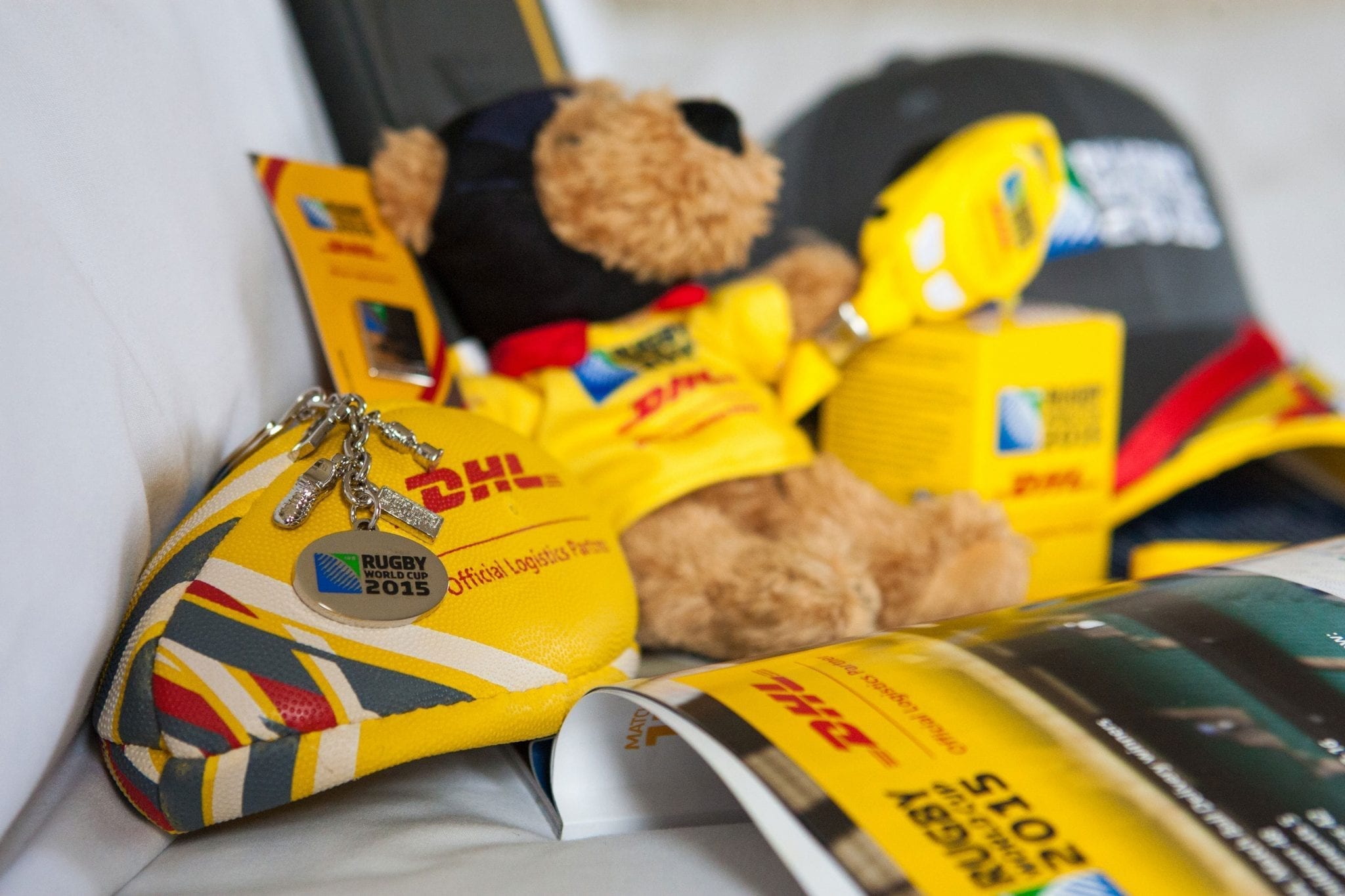
    2 October, 2018 – DHL eCommerce, a division of the world’s leading logistics company Deutsche Post DHL Group (DPDHL), announced a strategic alliance with ChannelAdvisor, a leading provider of cloud-based e-commerce solutions. Through the partnership, brands and retailers can easily expand internationally by reaching foreign markets and delivering to customers around the world, with seamless connection to DHL eCommerce fulfillment and shipping.

    “We’re excited about this strategic alliance between DHL and ChannelAdvisor, which brings together two industry-leading companies to power the e-commerce opportunity for brands and retailers across the globe,” says Charles Brewer, CEO, DHL eCommerce. “By leveraging technology platforms, retailers and brands can accelerate their cross border e-commerce strategy by easily expanding to new regions and selling to anyone, anywhere. This is made even easier with a global e-commerce logistics partner like DHL to ensure a seamless order fulfillment and shipping process.”

    ChannelAdvisor enables retailers and brands to sell on marketplaces and improve their online performance by optimizing their operations. With a single product data feed, retailers and brands can sync with over 107 marketplaces. As orders and performance information flow back to the system, results are analysed and broken down to enable retailers/brands to optimize their e-commerce strategies.

    As a strategic partner, DHL eCommerce will bring their expertise in e-commerce logistics and access to a global fulfillment network for customers on the ChannelAdvisor platform. Customers can utilize the network of shared-use facilities at transactional prices to enable high-quality e-commerce order fulfillment with best-in-class operations and multiple shipping options.

    “ChannelAdvisor’s strategic alliance with DHL eCommerce gives us the opportunity to work with one of the largest global logistics providers,” says Paul Colucci, Vice President, Global Business Development, ChannelAdvisor. “By combining ChannelAdvisor’s industry-leading e-commerce platform with DHL’s leading logistics capabilities, DHL eCommerce customers will be able to reach new consumers on marketplaces, while continuing to offer the best-in-class fulfillment and shipping they expect. It’s essential that brands and retailers diversify their digital and multi-channel strategies to succeed in today’s evolving industry, and we are honored to be selected by DHL eCommerce to help its customers accelerate their sales strategies and meet demands.”

    Partnering up with ChannelAdvisor emphasizes Deutsche Post DHL Group’s objective to be the leading global provider in e-commerce logistics. DHL eCommerce is part of Deutsche Post DHL Group, established in 2014 as part of the Group’s growing focus in e-commerce logistics solutions. Along with its sister divisions DHL Express, DHL Supply Chain and DHL Global Forwarding, the Group offers end-to-end solutions for e-commerce retailers.

  • Alibaba disappointed in notorious markets branding

    Alibaba disappointed in notorious markets branding

    The Alibaba Group has complained about the United States Trade Representative’s (USTR) inclusion of the Taobao marketplace in its latest “notorious markets” list.

    The Chinese e-commerce giant said the inclusion ignores the action Alibaba has taken against counterfeiters in recent years.

    “In 2016 alone, we proactively removed more than double the number of infringing product listings than in 2015. It is, therefore, unreasonable for the USTR to have concluded that Alibaba is less effective in anti-counterfeiting than when it reviewed our efforts in 2015 and when it removed us from its list four years ago,” the company said in a statement.

    The findings of USTR’s special review into notorious markets highlights specific physical and online markets around the world that are reported to be engaging in and facilitating substantial copyright piracy and trademark counterfeiting.

    “Tens of millions of American jobs and several trillion dollars of our gross domestic product rely on American creative and innovative industries,” said Ambassador Michael Froman in a news release.  “The marketplaces, tactics, and schemes that undermine and threaten America’s creative industries change quickly and require our constant attention.”

    He added that the 2016 List underscores the need for accountable governments everywhere to take on these forms of piracy and counterfeiting at every stage of the global supply chain to prevent final products that put health and safety of end-consumers at risk.

    The USTR report flagged down Taobao “due to the large volume of allegedly counterfeit and pirated goods available and the challenges right holders experience in removing and preventing illicit sales and offers of such goods.”

    The body did acknowledge that Taobao’s parent company, the Alibaba Group “has taken steps to address right holders concerns on Taobao,” such as establishing internal offices focused on IPR and appointing experienced officers to guide these efforts, as well as developing technology to prevent counterfeit sellers from re-opening storefronts.

    “While recent steps set positive expectations for the future, current levels of reported counterfeiting and piracy are unacceptably high,” the report stated.

    Alibaba said the report is inconsistent with the effective collaborative approach the company has taken with brands in the fight against counterfeiting.

    “We are very proud of our highly robust anti-counterfeiting programs and believe we have dedicated far more personnel, financial resources and advanced technologies toward protecting intellectual property than any other e-commerce company,” it said. “Despite this counterproductive action by the USTR, we remain fully committed to protecting the IP of rights holders, both through significant proactive measures and working with brand owners, to combat counterfeiting online and offline.”

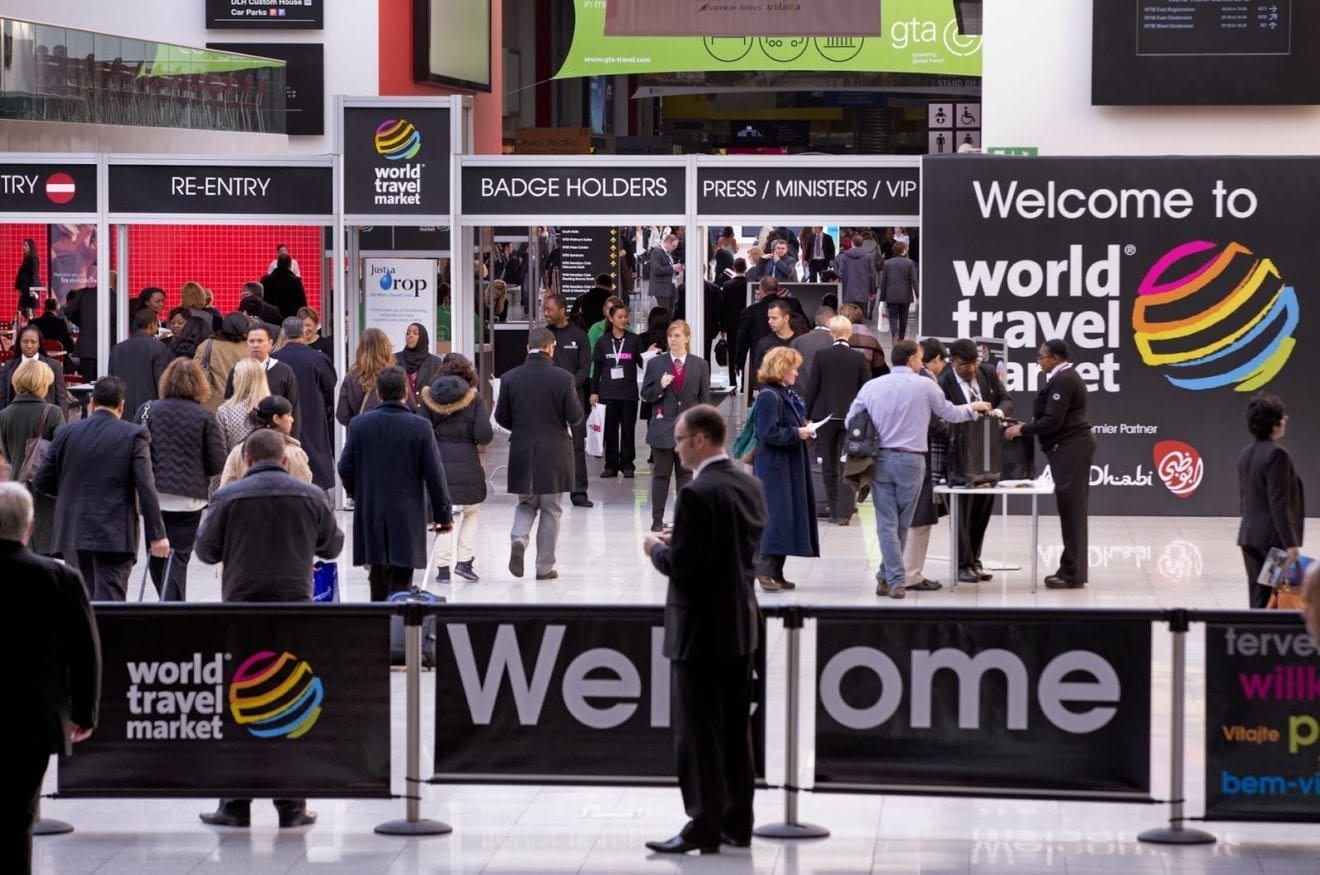
  • Indonesia promotes tourism branding at World Travel Market

    Indonesia promotes tourism branding at World Travel Market

    The Tourism Ministry is promoting a tourism brand of Wonderful Indonesia at the global travel fair of World Travel Market (WTM) in London from November 7 to 9, 2016.

    By promoting the event, the ministry is featuring the beauty of Banyuwangi (East Java) images on five decker buses from October 31 till the end of November, according to a statement from the Tourism Ministry received by ANTARA here on Wednesday.

    Indonesia has signed an agreement as the prime sponsor of the travel fair. Tourism Minister Arief Yahya said the agreement will help in promoting Indonesian tourism.

    “WTM is a global travel fair. As in 2015, around 50 thousand tourism professionals from 183 countries participated in the fair,” the minister said.

    He added that WTM was an effective and efficient media to promote Indonesia and its tourism brand of Wonderful Indonesia in the global market.

    With a visa-free policy and deregulation on yacht or cruise ship travelling to Indonesia, the government expects 20 million foreign tourists by 2019, nearly double the target of 10.4 million set in 2015.

    At the fair, the Indonesian delegation will showcase UNESCOs world heritage of Borobudur Temple, Prambanan Temple in Central Java, diving spots in Raja Ampat in Papua, as well as golf, spa and shopping tour in Jakarta and Bandung (West Java).

    The UK and European Union are very important markets, as the number of potential tourists is quite great. Each tourist would stay at least for 10 days on average and would spend a huge amount during their trip.

  • Visit ASEAN@50 Tourism Branding Unveiled

    Visit ASEAN@50 Tourism Branding Unveiled

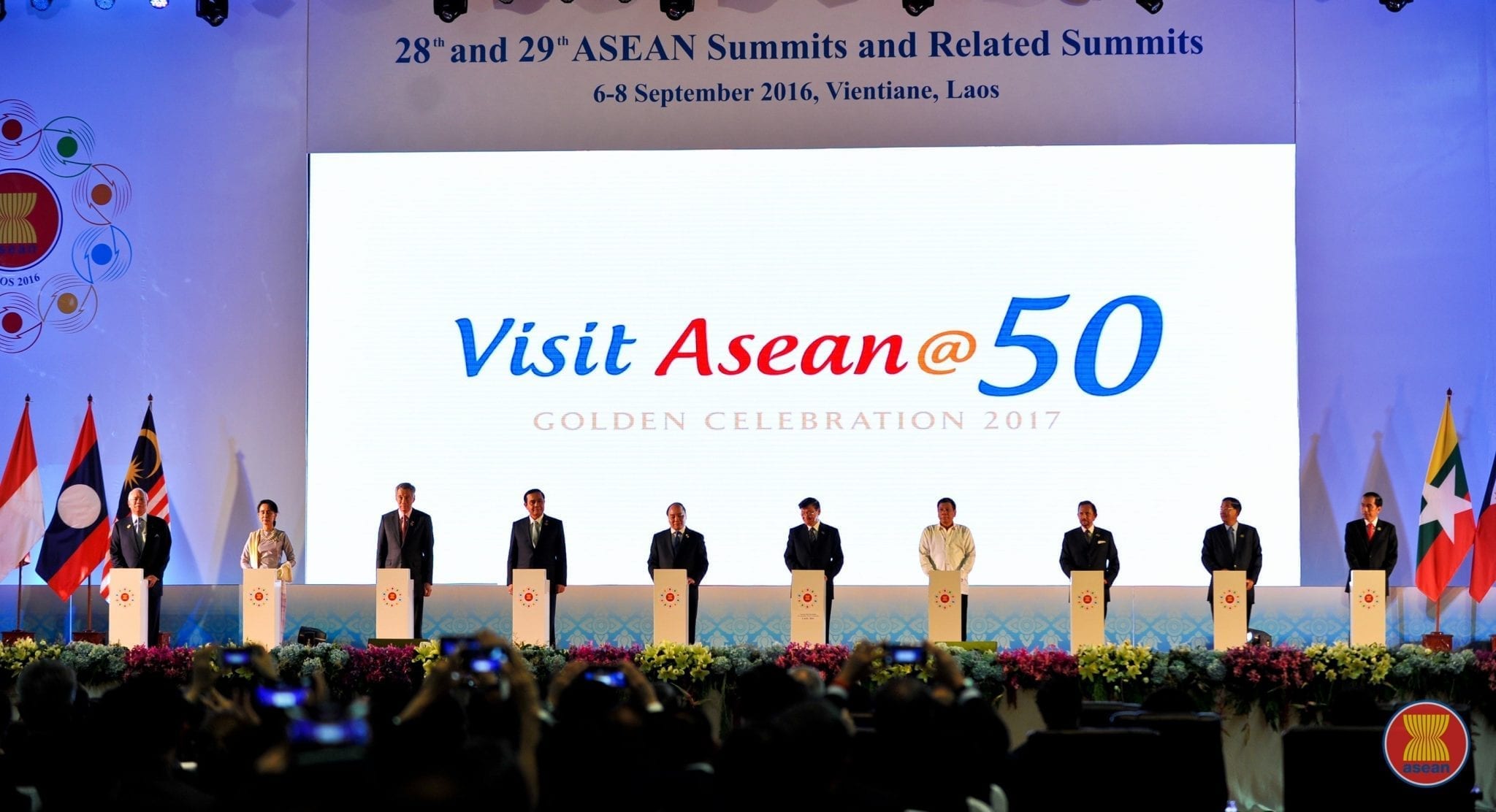
    The Association of Southeast Asian Nations (ASEAN) today revealed the branding for its “Visit ASEAN@50 Golden Celebration 2017” tourism campaign.

    The branding was unveiled by the 10 ASEAN heads of state at the ASEAN Summit in Vientiane, Laos today.

    The new campaign will promote the twin objectives of commemorating the 50th anniversary of ASEAN in 2017, and embracing the ASEAN region of Southeast Asia as a single and united, yet diverse, tourism destination.

    Further objectives of the Visit ASEAN@50 campaign include raising international visitor arrivals to Southeast Asia from 108.9 million in 2015 to 121 million by the end of 2017 and increasing tourism receipts from USD75 billion in 2014 to USD83 billion, also by the end of next year.

    Multiple activities and promotions will be announced to drive the campaign. Visit ASEAN@50 partners will be revealed at the ITB Asia travel industry show in Singapore in October. Special travel experiences and offers will be announced at the World Travel Market in London in November. 

    “ASEAN’s Golden Jubilee serves as a great opportunity for our 10 member states to celebrate Southeast Asia’s strength through diversity as the world’s fastest growing tourism destination,” said Mr Thongloun Sisoulith, Prime Minister of Lao PDR and Chairman of the ASEAN Summit. “Visit ASEAN@50 will contribute towards our vision of creating a cohesive ASEAN economy,” he said.

    Key target markets for ASEAN’s 50th anniversary tourism campaign in 2017 will be long-haul markets such as Europe, Middle East and North America, as well as intra-ASEAN, China, Japan, Korea, India and Australia.

    The ASEAN Tourism Competitiveness Committee, which is responsible for the tourism campaign implementation with partners, says planned ASEAN@50 marketing activities include: 

    • “VisitASEAN@50” official launch at the ASEAN Tourism Forum early January 2017 in Singapore
    • Media familiarisation trips showcasing ASEAN connectivity and multi-country travel routes
    • Special tour packages with offers, special airfares, shopping discounts for travel in 2017 (details to be revealed at WTM London, November 2016)
    • Campaign promotion in international travel trade shows in key source markets
    • Cooperative marketing programs with travel, media and airline partners (to be announced at ITB Asia, October 2016)
    • Print and online advertising, as well as TV, video and promotions
    • Social media campaigns to enhance consumer engagement
    • Promotional programs by ASEAN’s national tourism offices targeting trade, consumer and MICE markets throughout 2017

    The 2017 50th anniversary tourism campaign is part of the ASEAN Tourism Strategic Plan 2016-2025, which was adopted by the association’s tourism ministers in Manila in January 2016.

  • SMEs switch to online for branding, expansion

    SMEs switch to online for branding, expansion

    Indonesian small and medium enterprises (SMEs) are taking advantage of the unique methods of engagement that online services offer them and potential customers.

    The owner of Jakarta-based desserts maker PUYO Desserts, Adrian Agus, owes much of his brand’s success to intensive online campaigns through various social media and messaging apps.

    By connecting directly with his customers through these platforms, Adrian has been able to find a quick way for his colorful home-made puddings to capture the public eye.

    Shortly after he started the business in 2013, Adrian found that social media greatly helped his marketing operations at little cost. In the beginning, PUYO’s marketing campaigns mostly centered on Instagram where it slowly gained traction and attracted loyal followers.

    “Social media campaigns have been very effective for the business. Right now, we’re holding a lot of competitions on Instagram,” he told The Jakarta Post on Thursday, elaborating on the creative engagement that Instagram offers between customer and vendor.

    Gradually, PUYO has branched out to Twitter and LINE to help sell its products, with the use of these services’ operational tools such as LINE’s LINE@ service, which enables the user to send mass messages to all customers that follow its LINE account.

    Japanese-based LINE Corporation itself describes the Line@ feature in its messaging app as “the same as broadcast messaging”. The company, however, says that the idea is more specifically aimed at nurturing businesses.

    Currently, PUYO has over 59,600 followers on its Instagram account and has evolved from being a home-based business in 2013 to having 22 outlets across Greater Jakarta.

    Meanwhile, the social apps behind these successes are increasingly aware of their role in the small business sector.

    Apps such as LINE, KakaoTalk, WeChat or WhatsApp have had their purposes extended beyond the simple text message, with some apps gradually rolling out new features that help small businesses thrive or become more efficient.

    LINE Indonesia’s head of marketing Galuh Chandrakirana explained that the rollouts of the company’s newer features such as Line for PC, Line Group Call and Line Today would help small businesses in making their operations more mobile, as mobility is becoming more emphasized in today’s business world, with SMEs able to benefit from these services through trimming their costs.

    “Features such as Line for PC, which can be opened from desktops, are not geared necessarily for SMEs but it serves to help them cut communications costs. However, we do plan to roll out a feature which is specifically designed to help that sector in the next month or two,” she elaborated.

    Currently, LINE has recorded over 1 million downloads in Indonesia comprising small businesses including online shops, offline retailers, specific communities and bloggers. Up to 40 percent of that figure is active businesses who utilize LINE in their practices.

    Indonesia has the highest number of SMEs in Southeast Asia, with over 50 million operating nationwide, however, only 1 percent of these are officially “connected” online.

    Last month, the government announced its cooperation with online SME promotion service Nurbaya Initiatives to explore new ways of encouraging SMEs to tap into the digital era’s potential.

    Collaborating with state-owned postal company PT Pos Indonesia, Nurbaya is targeting to bring 2 million SMEs online within the next two years. The company will assign a facilitator to provide each participating SME with advice on online promotion, including the setting up of online stores and payment platforms.

    Nurbaya will also assign a relationship manager to every online shop, allowing clients to focus on production. “By our collaboration with the postal service, SMEs will have help in terms of logistics and quality control,” Nurbaya’s CEO Andy Sjarif said.

  • China brands favoured by domestic consumers in marketing, experts say

    China brands favoured by domestic consumers in marketing, experts say

    CHINESE brands are generally outperforming their multinational counterparts in terms of consumer preference as they’re quicker to catch up with latest media trends and bold with new marketing campaign formats, industry experts noted.

    “Chinese entrepreneurs and marketers have a better understanding of local consumers and are quick to adapt to new marketing trends and Chinese brands will enjoy a golden age in the next 10 years,” Tian Tao, deputy general manager of market research firm CTR China, told the China Insight Summit in Shanghai today.

    “Domestic brands are quicker to spot popular entertainment shows and they have a shorter decision making process than most multinational players, which gives them more opportunities to impress picky consumers,” general manager of CTR’s Media Intelligence unit Zhao Mei told Shanghai Daily.

    In the first quarter, almost all of the popular TV program sponsorship was dominated by domestic brands, according to CTR’s media monitoring data.

    Among the top 50 most frequently purchased consumer products of Chinese urban households, more than 30 of them are made by home grown manufacturers, according to data tracked by Kantar Worldpanel, CTR’s consumer research service.

    In the first quarter this year, total advertising expenditure calculated by published rate cards in China shrank 1.9 percent, with TV ad spending declining 2.9 percent from a year ago.

    Internet ad expenditure was the fastest growing segment, rising 33 percent from a year ago, while office building digital screen advertising added 16 percent and movie theaters’ video ads were up 31 percent.

    TV will stay play a major role in helping build a brand name and popular TV programs as well as some better performing regional TV stations are expected to enjoy a higher premium in the coming year, according to Zhao.