Retail News CRM

Tag: Breakfast

  • Starbucks Sales Dip Globally, But China Shows Signs Of Recovery

    Starbucks Sales Dip Globally, But China Shows Signs Of Recovery

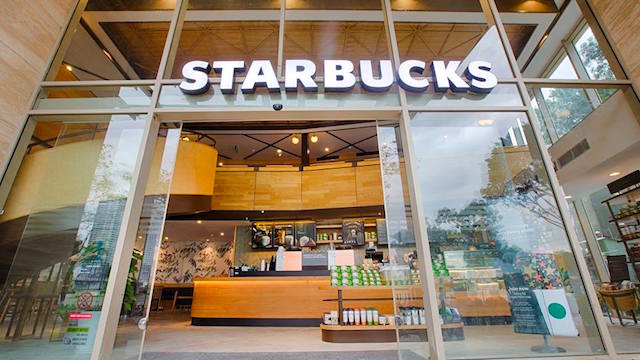
    Starbucks has recently disclosed a drop in its global comparable store sales for its fiscal third quarter, which underscores the persisting challenges in its primary US market. This comes even as its China operations begin to show some promising signs of recovery.

    Revenue and Sales Performance

    Despite the Seattle-based coffee giant recording a 4% rise in total revenue year-over-year, amounting to US$9.5 billion, it was overshadowed by a 2% decrease in global comparable store sales. This dip can be predominantly attributed to a slump in foot traffic in North America—Starbucks’ biggest market—where there was a 3% reduction in transactions.

    On a brighter note, China, the second largest market for Starbucks, appeared to defy this trend. Comparable store sales in China saw a 2% increase, signifying a comeback following several quarters of decline.

    Expansion and Strategic Growth

    Over the past year, Starbucks has added over 500 new stores in China, thereby increasing its total to 7,828. The company is also said to be considering various proposals from potential local partners to help speed up its expansion into lower-tier cities, while keeping strategic control intact.

    However, Starbucks also faces mounting competition in China from rapidly growing domestic contenders such as Luckin Coffee and Cotti Coffee. These brands have been rapidly expanding by offering lower prices and faster service models.

    North America Initiatives and Future Plans

    In North America, Starbucks is actively undertaking its ‘Back to Starbucks’ initiative, a strategy designed to bolster store operations, improve employee engagement, and refine the overall customer experience.

    Brian Niccol, the Chairman and CEO, expressed an optimistic outlook, citing early signs of progress in the company’s efforts to revamp its operations. He commented, “We’ve made significant progress and tackled challenging issues to build a robust operating foundation. In terms of turnaround efforts, we are ahead of schedule.”

    “By 2026, we plan to launch a series of innovations that will drive growth, enhance customer service, and ensure that everyone has access to the very best of Starbucks. We are committed to rebuilding a superior Starbucks experience and a stronger business.”

    Starbucks has also announced its plans to gradually phase out underperforming mobile order-only stores, and shift towards new café formats that include seating and drive-thrus. This is part of an overall strategy to improve the in-store experience.

    The coffee chain has big plans for fiscal 2026, with the introduction of a range of new beverage and food items, including protein-based cold foams, coconut water-infused drinks, gluten-free snacks, and customizable energy drinks.

    In addition to the product expansion, there are also upgrades planned for the company’s mobile app and loyalty rewards program, with continued investment in digital and operational technology.

    Questions & Answers

    What strategies is Starbucks implementing to recover from the drop in sales?
    Starbucks is taking several steps to recover, including the ‘Back to Starbucks’ initiative in North America, which aims to strengthen store operations and improve the overall customer experience. The company is expanding in China and is planning to introduce new products and upgrade its mobile app and loyalty program.

    What is the ‘Back to Starbucks’ initiative?
    The ‘Back to Starbucks’ initiative is a strategy designed to strengthen store operations, increase employee engagement, and enhance the overall customer experience. The company hopes this will help to boost sales and customer satisfaction.

    What are the company’s plans for growth in China?
    Starbucks plans to partner with local entities to accelerate expansion into lower-tier cities in China. Over the past year, the company has already added more than 500 new stores in the country and continues to consider strategies for further expansion.
  • Luckin Coffee may launch in the US as early as next year

    Luckin Coffee may launch in the US as early as next year

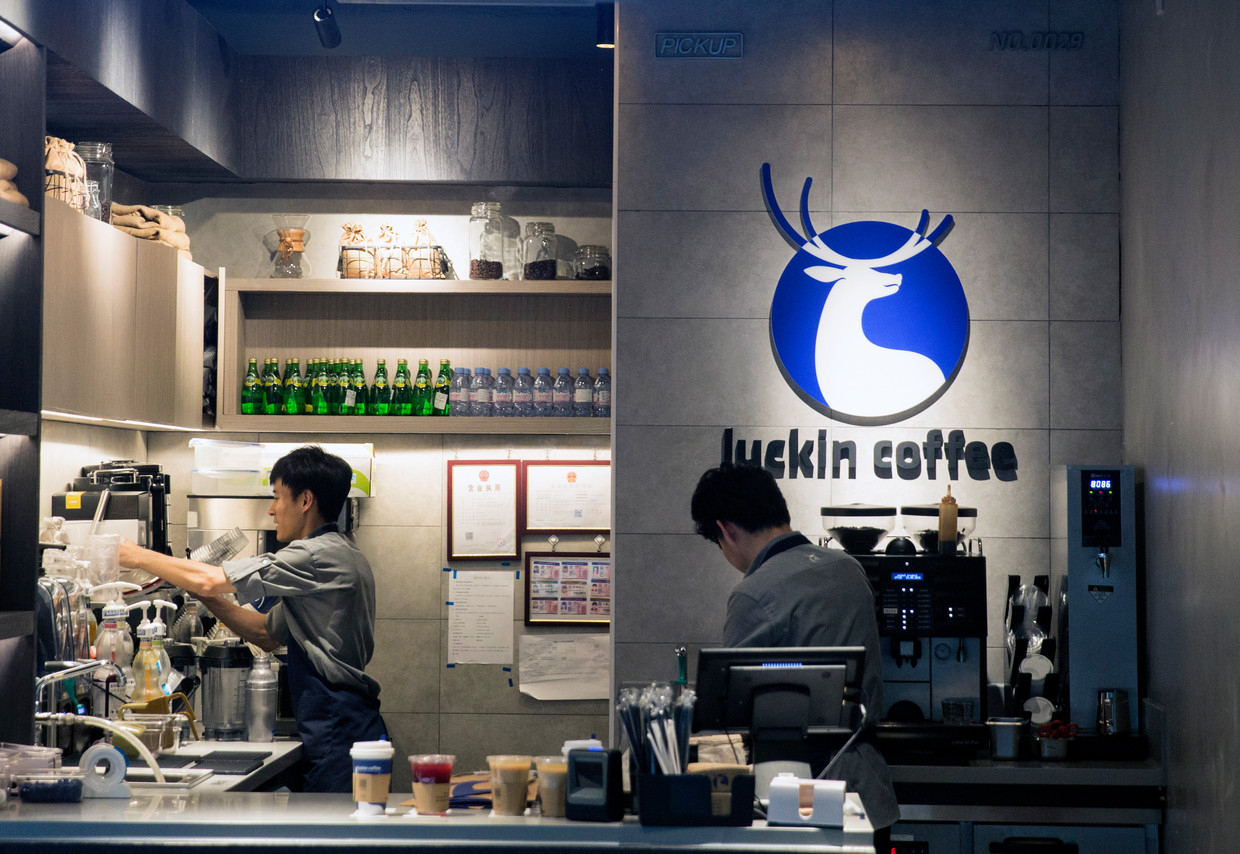
    Chinese coffee chain Luckin Coffee is exploring potential expansion into the US, with a launch possibly as early as next year.

    During an earnings call, Luckin Chairman and CEO Guo Jinyi emphasised both the promise and challenges of overseas growth.

    “The international market is filled with opportunities, but also presents significant challenges that require patience, time, and continuous investment,” Guo said.

    “We remain both patient and confident in our ability to succeed. We are actively evaluating opportunities in the US and other markets.”

    A report from the Financial Times suggests that Luckin may target cities in the US with sizeable Chinese student populations and tourist presence, such as New York.

    The company also aims to undercut major US coffee brands by offering drinks priced around US$2 to $3, potentially attracting budget-conscious consumers.

    Luckin has already begun overseas expansion in Singapore, opening eight new stores last quarter, taking its total in that market to 45. It also has stores in Malaysia.

    Although initial operations in the country incurred financial losses, Guo said these experiences provided valuable insights into the complexities of managing international ventures.

    The company plans to expand abroad, focusing on store network growth, supply chain management, and brand building.

    “Considering the maturity and competitiveness of the US coffee market, Luckin intends to approach its expansion strategy there with careful consideration and a disciplined execution plan,” Guo added.

    However, the potential US expansion may face reputational challenges.

    Jason Yu, GM at consumer research firm Kantar Worldpanel China, pointed out that Luckin’s past scandal, involving inflated sales data, could impact its brand image in the US.

    In 2020, Luckin admitted to fabricating approximately $310 million in sales in 2019, leading to multiple short-selling attacks and ultimately its delisting from NASDAQ.

    “With fierce competition in the Chinese coffee sector, overseas expansion and the possibility to regain trust from the capital market might be strategic options for Luckin,” Yu said.

  • Flash Coffee opens Outlets in South Korea

    Flash Coffee opens Outlets in South Korea

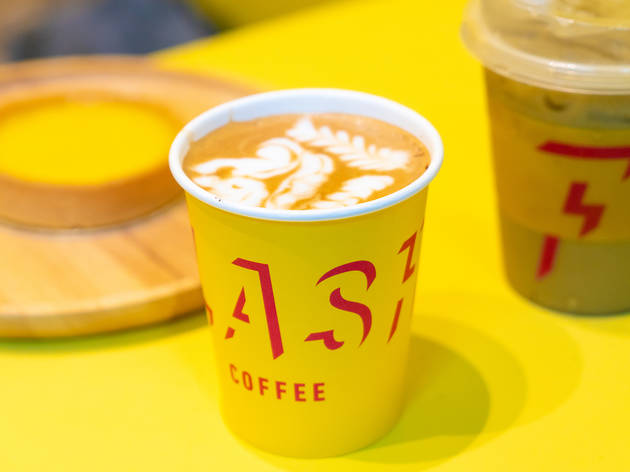
    Flash Coffee has launched its first two South Korea stores in Seoul’s Gangnam district as part of its expansion in Asia, with two more stores scheduled to open before the year ends.

    The launch marks the brand’s sixth market in the region, after Singapore, Indonesia, Thailand, Hong Kong, and Taiwan. Spanning two stories, the new Flash Coffee flagship store is located at Sinsa, while the other store is opened in Yeoksam.

    “South Korea is filled with coffee enthusiasts and our coffee consumption rate ranks within the top 10 in the world,” said Un Koh, MD of Flash Coffee South Korea.

    “We are confident that our high-quality beverages crafted by award-winning baristas at Flash Coffee will appeal to South Korean coffee lovers.

    “Our goal is to make our specialty coffee accessible to all, so for those who’ve not come across Flash Coffee yet, you will find us brewing very soon in a location near you.”

    The two new stores opening later this year will be located in Apgujeong and Yangjae. After South Korea, Flash Coffee aims to set foot into Japan with its first store in Tokyo., having recently appointed Shu Matsuo Post as its MD in Japan.

    Flash Coffee currently operates more than 200 locations across Asia.

  • Coles revamps cereals aisle, moving healthy options mainstream

    Coles revamps cereals aisle, moving healthy options mainstream

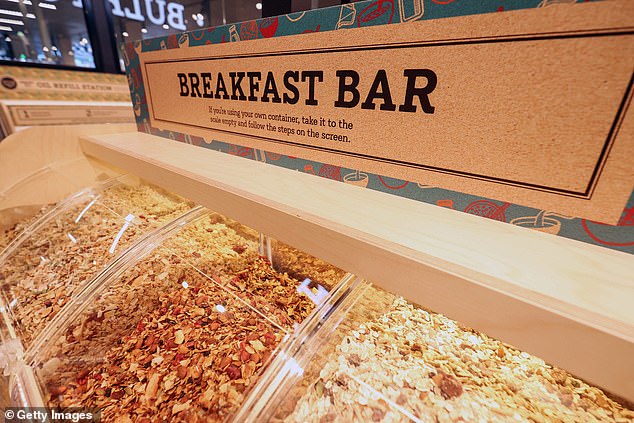
    Coles is making its healthy breakfast options more accessible, transforming the chain’s cereals aisle by adding a larger range of healthy products.

    More than 50 new healthy cereals, muesli, and breakfasts on the go have been added, to meet surging demand for healthy and nutritious products among Aussie consumers.

    The new range includes Coles’ first breakfast in beverage form, Breakfast on the Move, Wellness Road toasted muesli range with high fibre grain Barleymax, and an exclusive range of 11 ‘Goodness Bowl’ cereals and low sugar mueslis from Uncle Toby’s.

    According to the company, the new aisle is tailored to help customers easily find dietary options in one destination, including a new ‘Gluten Free Cereal’ section which was previously only found in the health food aisle.

    “Customers will love the simplicity of finding their favorite breakfast products in the main aisle and making healthy choices part of their everyday lives,” said Leanne White, GM for grocery at Coles.

    “The changes we’ve made will help make it easier, enjoyable, and affordable for millions of customers, particularly those with special dietary requirements, to shop for suitable healthy breakfast options.”

  • Taiwan’s Hung Rui Chen sandwich chain opening in Hong Kong

    Taiwan’s Hung Rui Chen sandwich chain opening in Hong Kong

    Local and tourist favorite sandwich maker Hung Rui Chen will be opening a flagship store in Hong Kong this August.

    Hung Rui Chen is a 73-year-old brand, known for its signature sandwiches and recognized as a national local delicacy for its soft bread and unique spread.

    After an incident of suspected food poisoning from counterfeit operators in Hong Kong and Taiwan, the real Hung Rui Chen company issued a statement on Facebook to clarify that its own brand will open its first official store in Hong Kong.

    The location has yet to be confirmed.

    Back in 2015, Hung Rui Chen sandwiches imported from Taiwan and sold in grocery stores and on the Groupon platform led to 46 Hongkongers contracting food poisoning. The brand was subsequently banned by the Centre for Food Safety.

  • Deliveroo to offer support for Hong Kong restaurant partners

    Deliveroo to offer support for Hong Kong restaurant partners

    Deliveroo has offered support for its Hong Kong restaurant partners as many of them are suffering from falling dine-in sales due to the coronavirus crisis.

    The company will reduce its commission rate for restaurant partners by 5 percent for a month, starting February 16, equivalent to a 15-20 percent discount in fees.

    In addition, the company will also offer a four-week payment delay strategy for its exclusive restaurant partners to ease their cash flow, the company said in a statement.

    “In our most recent survey and conversations with leaders of the F&B industry, we estimate in-store F&B retail sales to be down 30-50 percent year on year, with signs of further deterioration,” said Brian Lo, GM at Deliveroo Hong Kong.

    The company has urged its rivals in the food-delivery sector to provide support where they can.

    With approximately 6000 restaurant partners, Deliveroo has witnessed a significant escalation in the number of restaurants aiming to suspend trading or shut down. Its research suggests as many as one in 20 restaurants is considering closure.

    “As a stakeholder in the F&B industry and the leading food-delivery platform in the market, we want to play a part, however small, in supporting our restaurant partners and lend a helping hand to the industry in this time of need,” said Lo.

  • Singapore company seeks to increase stake in Vietnam’s largest dairy firm

    Singapore company seeks to increase stake in Vietnam’s largest dairy firm

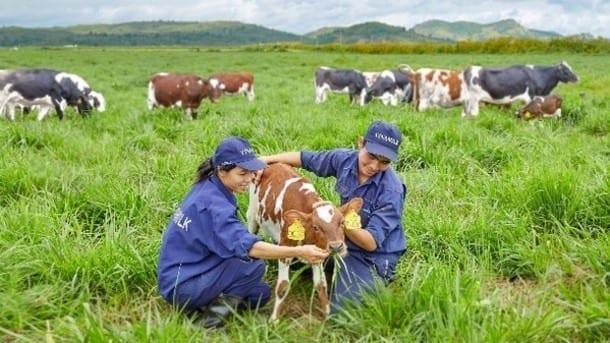
    A Singaporean shareholder in Vinamilk is seeking to increase its stake in Vietnam’s largest dairy firm. Jardine Cycle & Carriage Ltd has registered to buy 17.41 million shares between January 9 and February 7 through its wholly-owned local subsidiary, Platinum Victory, which will enable it to increase its ownership in Vinamilk from over 10 percent to 11.62 percent.

    At a proposed price of VND125,000 ($5.38) per share, the transaction will be worth VND2.17 trillion ($94.42 million).

    Last year Jardine, Vinamilk’s third largest shareholder, had registered on six different occasions to buy 14-17 million shares to increase its stake to above 11 percent, but was unsuccessful due to unfavorable market conditions.

    It first bought a 3.3 percent stake in Vinamilk in November 2017. Within a month it raised its ownership to over 10 percent.

    In April last year a representative of Jardine’s parent company, Jardine Matheson, became a Vinamilk board member.

    Hong Kong-based Jardine Matheson is one of Asia’s biggest conglomerates with interests in luxury hotels, motor vehicles, property, food retail, transport financial services, and agribusiness and revenues of almost $16 billion in 2017.

    F&N Dairy Investments, a subsidiary of Singapore-based Fraser & Neave Ltd, which is backed by Thai tycoon Charoen Sirivadhanabhakdi, owns a 17.31 percent stake in Vinamilk.

    Vietnam’s dairy industry reported revenues of more than VND100 trillion ($4.4 billion) in 2017, with Vinamilk commanding more than a 50 percent market share.

    According to a report by the EU-Vietnam Business Network, the market is expected to double in size by 2020 as the country’s population, personal incomes and dairy consumption increase.

  • BreadTalk Opens New Concept Store In KL

    BreadTalk Opens New Concept Store In KL

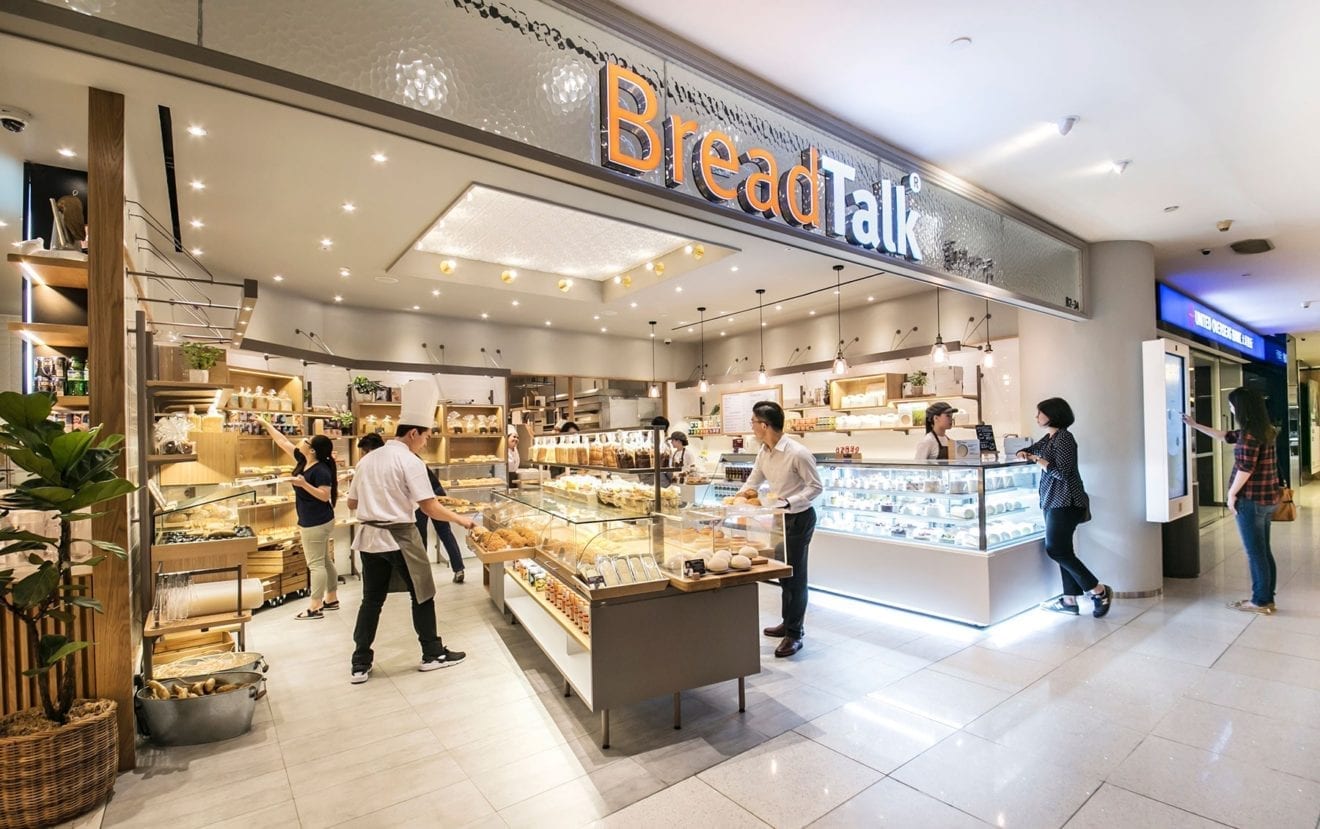
    Boutique bakery franchise BreadTalk Malaysia has opened a new concept store in Kuala Lumpur’s Avenue K Shopping Mall. The new outlet is situated opposite the KLCC LRT station and is offering a promotional tote bag to early customers spending more than RM20. It opens from 8 am to 10 pm daily.

    BreadTalk Malaysia is preparing to launch several more concept stores in other Kuala Lumpur locations, including KLIA2, before opening a flagship at Star Boulevard on Jalan Yap Kwan Seng next year.

    The Singaporean brand has spread throughout Asia and the Middle East since opening in 2000, basing its products on premium ingredients such as Japanese-milled flour and New Zealand butter.

  • Hawaii’s Eggs ’n Things first opening at Plaza Singapura

    Hawaii’s Eggs ’n Things first opening at Plaza Singapura

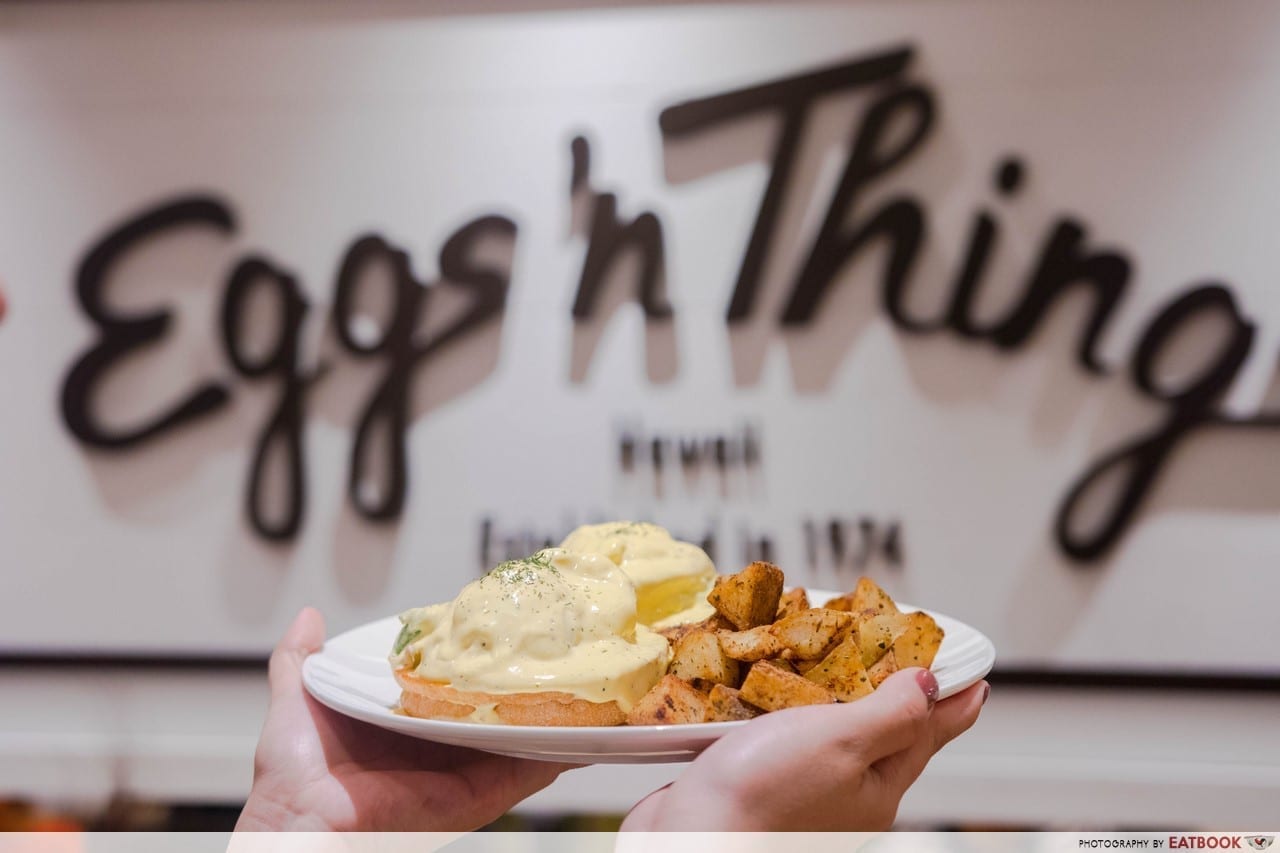
    Hawaiian cafe brand Eggs ’n Things has introduced its breakfast-style menu to Singapore with an outlet at Plaza Singapura.

    As well egg dishes, the casual eatery offers pancakes, crepes and waffles.

    Singapore is the second stop for the brand, launched in Waikiki in 1974. It has 19 outlets in Japan, where its Harajuku store in Tokyo still attracts queues.

    The Singapore cafe emphasises its use of freshly baked bread, organic and locally sourced beef and chicken, and house-made sauces without added flavouring or preservatives.

    Pancakes and waffles are served with an optional tower of whipped cream, the cheese omelette comes with spinach, bacon and roasted potatoes, while the Hawaiian Loco Moco dish comprises rice, a hamburger patty doused in gravy, and two fried eggs.

    Drinks include milkshakes, organic cold-pressed fruit juices, smoothies, free-trade organic tea, and coffee made from a blend of Brazilian, Indonesian and Mexican beans.

  • McDonalds’ Q1 sales boosted by its all-day breakfast menu

    McDonalds’ Q1 sales boosted by its all-day breakfast menu

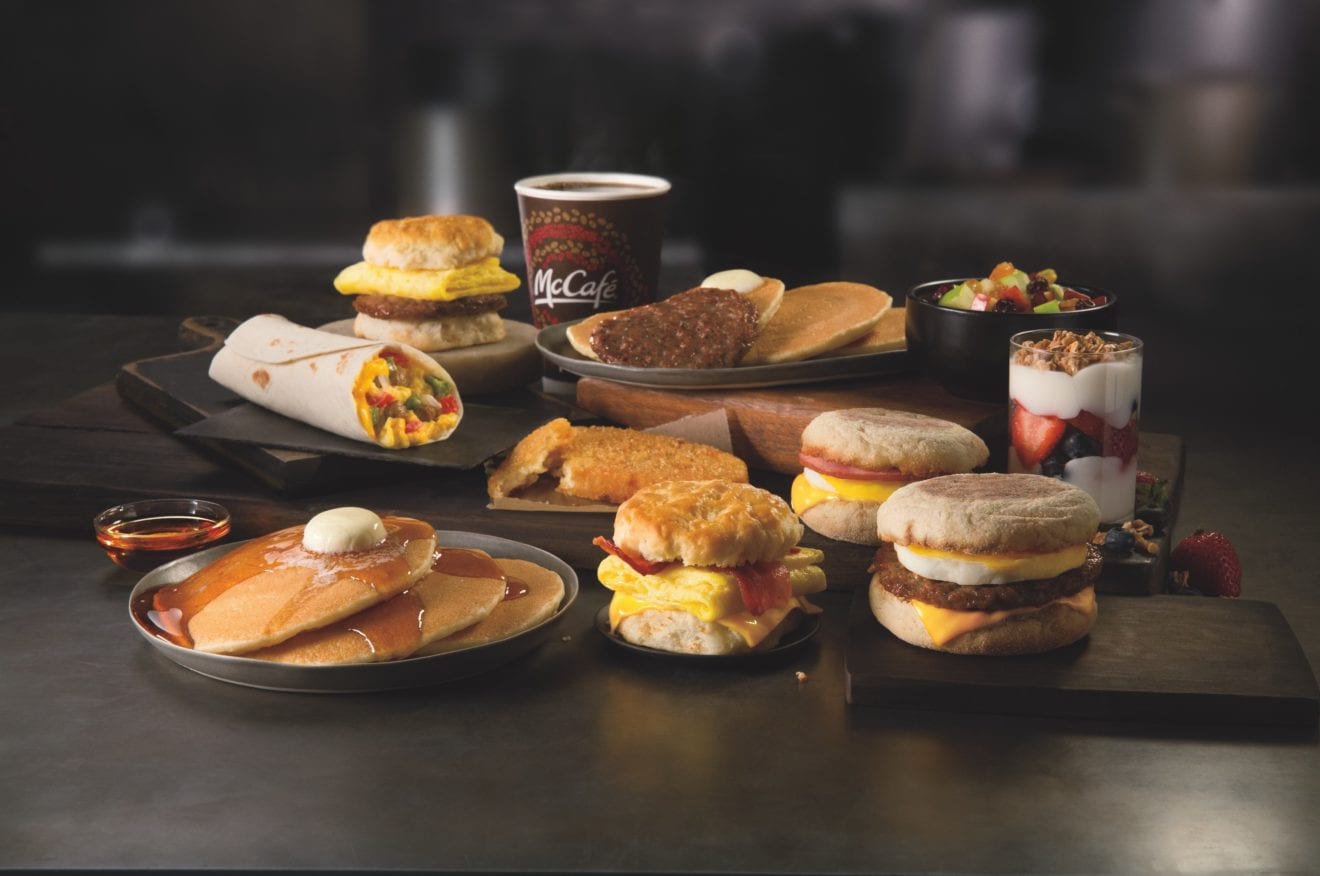
    In November, credit ratings agency Fitch warned that the breakfast-driven rebound the chain is experiencing won’t last forever. While that prediction still may prove correct someday, Fitch can’t claim victory just yet: McDonald’s reported better-than-expected first quarter same-store sales Tuesday, thanks in no small part to a continued boost from the most important meal of the day.

    McDonald’s reported Tuesday that its global same-store sales increased 4% during its first fiscal quarter of 2017. “There’s a sense of urgency across the business as we take actions to retain existing customers, regain lapsed customers and convert casual customers to committed customers,” McDonald’s president and CEO Steve Easterbrook said in a statement Tuesday morning.

    The growth in same-store sales didn’t completely translate to gangbuster top-line sales, with first quarter revenue ticking down 4% to $5.68 billion (a figure that nonetheless managed to come in ahead of the $5.5 billion Wall Street consensus). McDonald’s explained the dip by pointing to the refranchising effort that is a part of its broader turnaround plan, and the costs associated with that effort.

    Net income for the quarter, meanwhile, grew 8% to $1.2 billion, resulting in earnings of $1.47 per share — a figure that came in well ahead of the Street’s $1.33 per-share consensus.

    “Our efforts to build a better McDonald’s are yielding meaningful results with continued positive momentum and a strong start to 2017 that includes positive comparable sales across all segments, higher global guest counts and enhanced profitability,” Easterbrook continued. “We’re challenging ourselves to identify and pursue initiatives that can bring the biggest benefit to the most customers in the shortest possible time. I’m confident that we’re on the right path and well-positioned to unlock incremental growth and deliver against our growth plan for 2017 and beyond.”

  • McDonald’s wins with all-day breakfast, China back on track

    McDonald’s wins with all-day breakfast, China back on track

    McDonald’s Corp smashed analyst expectations for quarterly same-restaurant sales as the launch of all-day breakfasts proved a hit with diners in the United States and demand continued to recover in China.

    The performance adds fuel to McDonald’s revival, after the chain had seen its US sales fall for two years up to the third quarter of 2015 following a series of missteps under former chief executive Don Thompson, who left the world’s biggest restaurant chain last year.

    “Once upon a time, under previous leadership, it seemed like McDonald’s became a less nimble company where it took a really long time to roll out new products and innovations,” said Morningstar analyst RJ Hottovy.

    New Chief Executive Steve Easterbrook implemented a turnaround plan last year that involved making the menu simpler, improving service times and raising worker wages.

    McDonald’s also launched all-day breakfasts in October in the United States, a move aimed at countering increasing competition from chains such as Wendy’s Co, Starbucks Corp and Burger King.

    “All-day breakfast positions us to regain market share we had given up in recent years,” Easterbrook said on a post-earnings conference call, adding it would take at least six more months of positive sales to cement a more sustained turnaround.

    Sales at US outlets open at least 13 months rose 5.7 per cent in the quarter ended December 31 – the best quarterly growth in nearly four years and far ahead of forecasts of 2.7 per cent.

    Shares rose 3 per cent to a record of $121.90 on Monday.

    China back on track

    In China, where McDonald’s and rival Yum Brands Inc are still recovering from a July 2014 food safety scandal, same-store sales rose 4 per cent, the second straight quarter of growth after four quarters of falling sales.

    The growth, however, was slower than the 26.8 per cent jump in the July-September quarter, when sales ticked up sharply against a steep drop in the same period in 2014 immediately following the food scare at key supplier OSI Group.

    McDonald’s and Yum, the parent of KFC and Pizza Hut, are slowly turning things around in China, although same-restaurant sales for both firms remain below pre-scandal levels, according to a Reuters analysis of available data.

    “It’s back to par rather than getting ahead too much, but it’s good for them to see stable sales,” said Ben Cavender, Shanghai-based principal at China Market Research Group.

    He added it would be tough for the firm to re-ignite the kind of rapid growth it enjoyed before 2012, as Chinese diners now had far greater choice and often looked for more healthy options.

    What’s more, the recovery comes as the world’s second-biggest economy faces its weakest growth in 25 years, a slowdown that has roiled global markets in the past few months.

    Globally, McDonald’s same-restaurant sales rose 5 per cent, above the 3.2 per cent expected by analysts polled by research firm Consensus Metrix.

    Fourth-quarter net income rose 9.9 per cent to $1.21 billion, or $1.31 per share, on revenue of $6.34 billion, handily beating analysts’ estimates.

    The company also said it was exploring a sale of a portion of its Japan business, confirming earlier reports on the move.