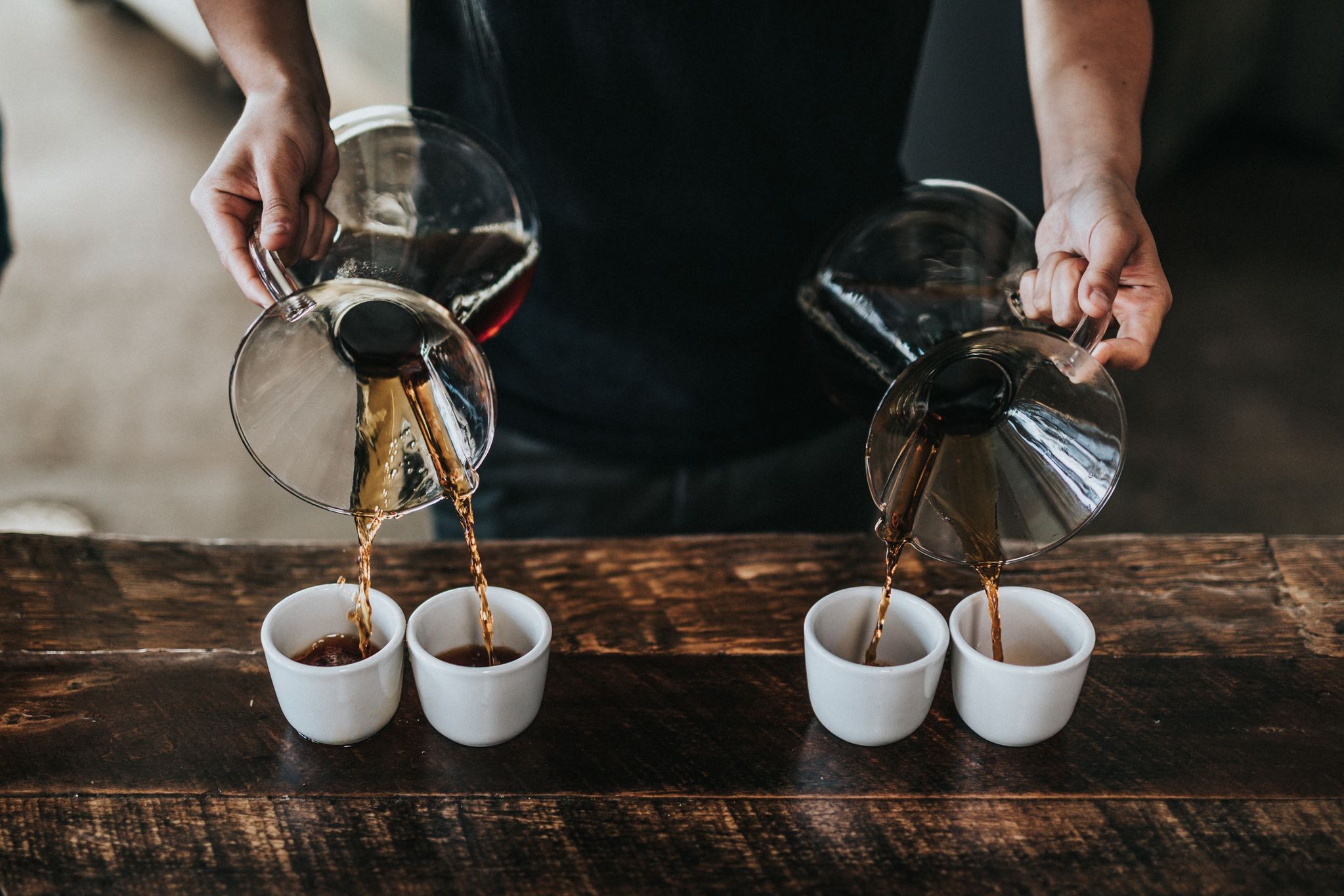
Japanese-themed full-service café chains are accelerating their proliferation across India and Southeast Asia. They are banking on the allure of their high-end atmosphere and Japan-centric menus to the emerging middle and upper-class consumers in these regions.
Emergence of Full-Service Cafés
Coffee-Kan, a full-service café where customers place their orders at the table and enjoy comprehensive waiter service, is gearing towards inaugurating its debut international outlet in India by 2027. The company is targeting to set up 60 stores throughout India and Southeast Asia within the next decade.
Targeting urban office-goers and middle to high-income consumers in cities like Mumbai and Bengaluru, café operator C-United anticipates an average spending to surpass JPY2,000 yen (US$12.90), which is over double its average expenditure in Japan.
The number of international café chain outlets in India saw a 13% hike in 2024 from the preceding year, tallying up to around 5,300 outlets. Leading the pack was Starbucks, followed by native brands Barista and Café Coffee Day, all of which only offer counter service. Industry experts believe that full-service cafes have a high growth potential.
“Full-service cafes are gaining in popularity as a space where office employees and university students can relaxingly spend longer durations indulging in food, reading, and socializing,” remarked Takanori Higuchi of the Japan External Trade Organization office in New Delhi.
C-United’s President Yuki Tomonari commented that “there is a demand for more expensive options in the full-service café format.”
Thriving Market Potential
Market research company Euromonitor International predicts that by 2030, India’s middle to high-income population will leap to over 40% from just 10% in 2020.
Another Japan-based firm, Doutor Nichires Holdings, has plans to inaugurate the first international branch of its full-service concept Kanno Coffee in Taiwan by March 2026. The chain, which currently operates 12 outlets chiefly in urban areas in Japan, will spotlight matcha-based offerings in Taiwan and anticipates an average customer spending of approximately 1,000 yen.
Doutor Nichires has already opened roughly 20 branches of its Hoshino Coffee brand across Taiwan and the Philippines. Kanno Coffee boasts numerous Japanese-style menu items that incorporate matcha,” observed President Masanori Hoshino. “We believe it will be successful even at a higher price point than Hoshino Coffee.”
Komeda is also broadening its reach in Taiwan and Indonesia, managing about 80 international stores compared to 18 as of February 2021.
Questions & Answers
What does the term ‘full-service café’ refer to?
Full-service cafes offer a dining experience where customers place their orders at their tables and enjoy complete waiter service.
What are the expansion plans of Coffee-Kan?
Coffee-Kan plans to open its first overseas outlet in India by 2027 and aims to establish 60 stores across India and Southeast Asia by 2030.
What is the special offering of the Kanno Coffee chain?
Kanno Coffee, a chain run by Doutor Nichires Holdings, places special emphasis on matcha-based offerings at its outlets.