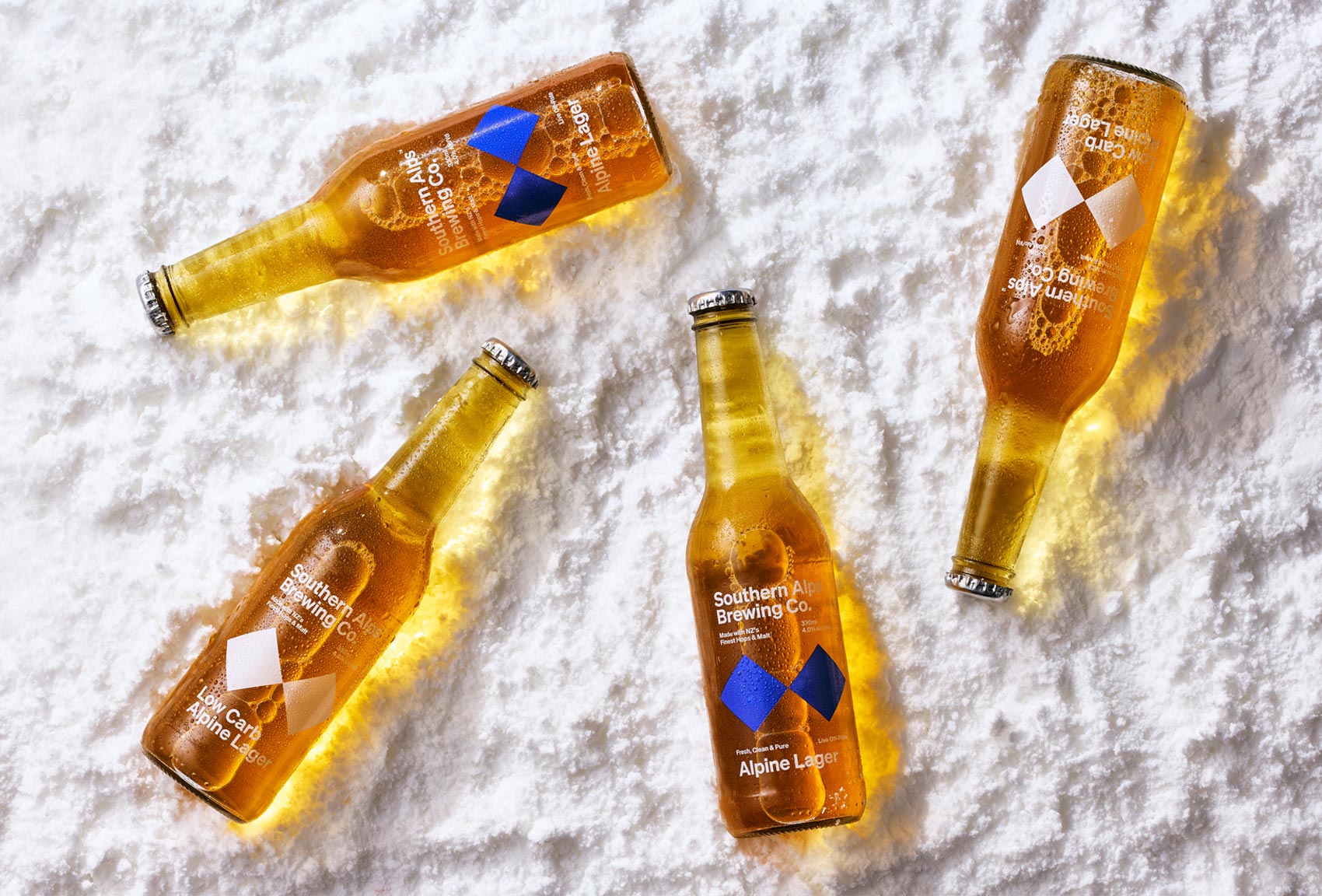
In September 2026, Southern Alps Brewing launched New Zealand’s first premium low-gluten lager, priced between $27 and $30 for a 12-pack.
The 4.8 per cent ABV beverage comes in 330ml packs and uses an enzymatic process that reduces gluten content to below 10 parts per million while maintaining a standard beer profile.
Enzymatic reduction and local sourcing
Southern Alps Brewing, a portfolio brand of Marlborough-based Moa Brewing Company, brews the product with New Zealand malt and southernmost-grown hops, with independent testing by Assure Quality verifying the gluten threshold.
Traditional gluten-free beers rely on sorghum, rice, or millet, which often changes the body and flavor profile of the brew. By keeping barley malt and deploying enzymes to degrade the problem proteins, the brewer keeps the standard lager profile intact.
Shelf space pressure in liquor aisles
Supermarket operators and specialty liquor chains across Australasia face mounting competition in the better-for-you drinks category. Low-carbohydrate, zero-alcohol, and functional drinks have occupied an expanding share of refrigerated retail space over the past three years. For bottle shop owners, stocking low-gluten lines allows them to capture drinkers who might otherwise migrate entirely toward seltzers, cider, or spirits.
Retail margins in the craft segment remain tight due to elevated excise rates and rising packaging inputs. A 12-pack priced up to NZ$30 places the product directly against mainstream craft four-packs and imported premium labels. Retailers will test whether mainstream shoppers pay a premium strictly for verified gluten reduction.
Premium pricing in functional brewing
Breweries across the region spent the last five years rationalizing standard stock keeping units while testing dietary variants. Moa Brewing Company has adjusted its brand portfolio to defend domestic market share against both international conglomerates and neighborhood microbreweries.
Distribution now expands across New Zealand liquor merchants and retail grocers ahead of peak southern hemisphere summer beverage demand.