Tag: brisbane

  • Barambah Organics Founder Ian Campbell and Daughter Die in Plane Crash

    Barambah Organics Founder Ian Campbell and Daughter Die in Plane Crash

    Barambah Organics founder Ian Campbell, 56, and his daughter Hannah, 23, died in a light plane crash south of Brisbane on Monday.

    Campbell founded the dairy business alongside his wife Jane in 2002.

    The Tamara Capital Buyout and Brand Growth

    Private equity firm Tamara Capital bought a majority stake in the business in 2020 in a deal valuing it at $50 million, while the Campbell family kept a minority stake and continued to influence operations.

    Following the buyout, the business expanded distribution across Australian retail channels to supply independent grocers, organic specialists and national supermarket shelves. It established a dedicated processing network and direct farm supply model across regional Queensland and northern New South Wales.

    Dairy Sector Pressures and Market Position

    Australian premium dairy producers face cost inflation across cold chain freight, feed and energy. Premium organic labels rely on tight supply agreements and consistent volume to protect margins against conventional private-label milk pricing.

    Customer retention was built on single-source farm provenance and organic certification standards. Preserving brand equity and operational continuity now falls to the institutional investors and executive management installed following the 2020 acquisition.

    Operational History and Next Steps

    The Campbell family ran the business as an independent operation for 18 years. Outside capital was brought in to fund factory upgrades and broader national distribution.

    Aviation safety authorities continue to examine the site south of Brisbane to determine the mechanical factors and flight conditions surrounding the crash.

  • Jonathan Waecker Completes First Year as Michael Hill CEO

    Jonathan Waecker Completes First Year as Michael Hill CEO

    Jonathan Waecker marked his first 12 months as chief executive of jeweller Michael Hill on August 27. His arrival followed an international search and a sombre period for the retailer.

    Former chief executive Daniel Bracken died unexpectedly in February 2025, followed by founder Sir Michael Hill in July.

    Leadership Transition at the Jeweller

    Waecker took charge of the retail network just weeks after Sir Michael died. The double loss forced the company to manage executive succession and institutional continuity at the same time.

    Directors turned to Waecker to execute long-term strategy while protecting brand equity across the store fleet. Maintaining operational discipline during senior turnover remains the board’s primary focus.

    “I’ve approached it with enormous respect for what Sir Michael and Lady Christine built,” Waecker said. “There’s so much magic in this brand and its history.”

    Succession After Twin Losses

    Retail chains facing sudden leadership gaps often risk strategic drift. Michael Hill countered that threat by moving rapidly through a global search to fill the vacancy left by Bracken.

    Executive stability gives regional landlords and investors clear assurance on leasing commitments and store funding. Sector rivals continue to fight for discretionary spend, leaving management little room for operational disruption.

    Stewardship Across Core Markets

    Before Waecker took charge in August 2025, the group relied on Bracken to direct brand elevation and store network refinements. Losing both the operational chief and the founder within five months tested governance across the business.

    Attention now turns to annual trading performance and network expansion targets across the brand’s core markets.

  • Haigh’s Chocolates Enters Queensland with First Brisbane Store

    Haigh’s Chocolates Enters Queensland with First Brisbane Store

    Haigh’s Chocolates has launched its first physical store in Queensland at Westfield Mt Gravatt in Brisbane. The opening establishes a direct retail footprint in the state ahead of two further Brisbane outlets scheduled for November.

    The family-owned South Australian confectioner took space on Level 2 of the shopping centre next to cosmetics retailer Mecca. The store sells the brand’s core artisan chocolate lines alongside complimentary tasting counters.

    Queensland Footprint Expands

    Online sales in Queensland prompted the physical rollout. Customer order volumes across the state showed sufficient local demand to justify bricks-and-mortar leases, according to the company.

    “Since announcing that we were coming to Brisbane, we have had so many Haigh’s fans and online customers reaching out, asking where they can visit and when we will be open,” said Haigh’s Chocolates chief executive Peter Millard.

    Two more retail sites are in the pipeline. Outlets at Westfield Chermside in Brisbane’s north and Westfield Carindale in the east will open before the end of the year.

    Supply Chain Backing

    The Queensland rollout relies on supply chain capacity completed last year. Haigh’s opened a 120 million Australian dollar production and logistics facility in Salisbury South, South Australia, designed to support national distribution and higher store volumes.

    Converting digital customer density into shopping centre tenancies mirrors how regional specialty retailers derisk capital expenditure in Australia. By validating regional demand through online fulfilment first, brands reduce opening risk in major retail malls before committing to long-term leases.

    Fit-out work is continuing at both the Chermside and Carindale locations ahead of their planned November trade debut.

  • Flight Centre Posts Record $25.7 Billion Transaction Value as Leisure Slips in Q4

    Flight Centre Posts Record $25.7 Billion Transaction Value as Leisure Slips in Q4

    Flight Centre Travel Group booked a record $25.7 billion in total transaction value for FY26, but fourth-quarter flight disruptions cut underlying pre-tax profit by 4 per cent to $278 million.

    Group revenue rose 2.5 per cent to $2.9 billion for the twelve months ended June 30. Statutory earnings before interest, tax, depreciation, and amortisation increased 8 per cent to $430.6 million, while underlying EBITDA climbed 3.9 per cent to $466 million.

    Middle East Flight Reductions Hit Leisure Bookings

    A $60 million earnings decline in the fourth quarter derailed what had been nine months of steady profit expansion. Managing director Graham Turner said the leisure business was tracking toward $200 million in pre-tax profit before conflict in the Middle East prompted airlines to trim flight schedules.

    Full-year leisure transaction value still rose 7.4 per cent to $12.6 billion, generating $1.4 billion in revenue. Early trading showed signs of recovery, with July transaction values setting a monthly record as seat capacity normalised on key routes connecting the Asia-Pacific region to Europe.

    Corporate Bookings Provide Buffer

    Corporate travel accounts insulated the broader business from sharper consumer pullbacks. Corporate transaction value rose 2.9 per cent to $12.7 billion and revenue gained 3.3 per cent to $1.2 billion, pushing the division’s underlying EBITDA up 24.4 per cent to $275 million.

    Small and medium business unit Corporate Traveller exceeded $5 billion in transaction value for the first time, while the group’s US operations turned in more than US$2 billion. Management is counting on its proprietary booking platforms and cost programmes to protect margins as capacity stabilises across the first half of FY27.

  • Domino’s Cuts Discounts to Lift FY26 EBIT to $200.1 Million as Asian Earnings Jump

    Domino’s Cuts Discounts to Lift FY26 EBIT to $200.1 Million as Asian Earnings Jump

    Domino’s Pizza Enterprises lifted full-year underlying operating profit 1 per cent to $200.1 million in FY26, curbing heavy discounting and pruning underperforming stores across Asia.

    Total network sales fell 6.8 per cent to $3.87 billion, while group same-store sales dropped 4.1 per cent as the franchisor traded transaction volume for franchisee margin relief.

    Average franchise partner profitability rose 11.3 per cent across the network, pushing free cash flow to $164.1 million. The Brisbane-headquartered company captured $35.3 million in realized savings during the fiscal year toward an annualised target of $67 million, while global corporate overhead fell 5.8 per cent through stricter discretionary spending controls.

    Asia store closures lift regional margins

    Asia delivered the sharpest regional earnings rebound. Underlying earnings before interest and taxes across the Asian business climbed 19.7 per cent despite a 6.7 per cent drop in same-store sales, helped by tighter cost controls and the closure of unprofitable locations, particularly in Japan.

    Performance across Western markets was more mixed. Underlying operating profit in Australia and New Zealand slipped 5.9 per cent alongside a 4.7 per cent drop in same-store sales as the chain reduced promotional price cuts. European earnings rose 2.6 per cent against a 2.2 per cent same-store sales decline, with steady trading in the Benelux markets outweighing sluggish demand in France and Germany.

    Pricing discipline replaces mass vouchers

    The margin turnaround reflects a broad retreat from the low-price delivery wars that eroded quick-service restaurant returns across the Asia-Pacific region over the past three years. Fast-food operators in Japan and Australasia have faced stubborn ingredient costs and high delivery wages, forcing franchise systems to protect store-level solvency rather than chasing top-line market share.

    Executive chairman Jack Cowin said the company deliberately sacrificed short-term order counts to stabilize partner balance sheets. Group chief executive Andrew Gregory will now test whether the chain can rebuild customer order frequency in FY27 through menu execution and clearer base pricing without returning to blanket discount vouchers.

  • Retail Food Group EBITDA Drops 31% as Network Trims 29 Stores

    Retail Food Group EBITDA Drops 31% as Network Trims 29 Stores

    Retail Food Group posted a 31.4 per cent drop in underlying EBITDA to $20.3 million for FY26 as weak consumer spending dragged down domestic sales.

    Domestic network sales across its franchise brands dropped 3.1 per cent to $489.5 million, while same-store sales slipped 0.7 per cent over the twelve-month period.

    The company, which owns Gloria Jean’s, Donut King, Crust, Brumby’s and Beefy’s, closed 35 underperforming stores and opened six new locations during the financial year. That left the group with a net reduction of 29 outlets across Australia as management trimmed non-core real estate.

    Rolling Out Firehouse Subs

    To reverse the sales slide, the franchisor is leaning into regional expansion and imported quick-service formats. It launched the US sandwich chain Firehouse Subs in Australia during the year, opening the debut site at Mt Gravatt in Queensland. The location produced the highest opening-day sales of any international Firehouse Subs restaurant to date, the company said.

    Retail Food Group plans to have four Firehouse Subs locations trading by December. Management aims to expand that footprint to 15 stores by the end of next year.

    Cost Targets and Franchise Margins

    Multi-brand franchise operators across Asia-Pacific face squeezed household discretionary budgets and rising labor costs, pushing holding groups to prune marginal mall sites in favor of higher-volume fast-food models. The group spent recent years re-engineering legacy bakery and coffee networks to stabilize store-level profitability following earlier portfolio contractions.

    Executive chairman Peter George said trading conditions remained difficult throughout FY26, with macroeconomic pressures hitting the second half. The company is now pursuing between $5 million and $7 million in cost savings in FY27, with capital focused on franchise partner economics, cash generation and the planned December store openings.

  • Qantas to launch new route from Manila to Brisbane

    Qantas to launch new route from Manila to Brisbane

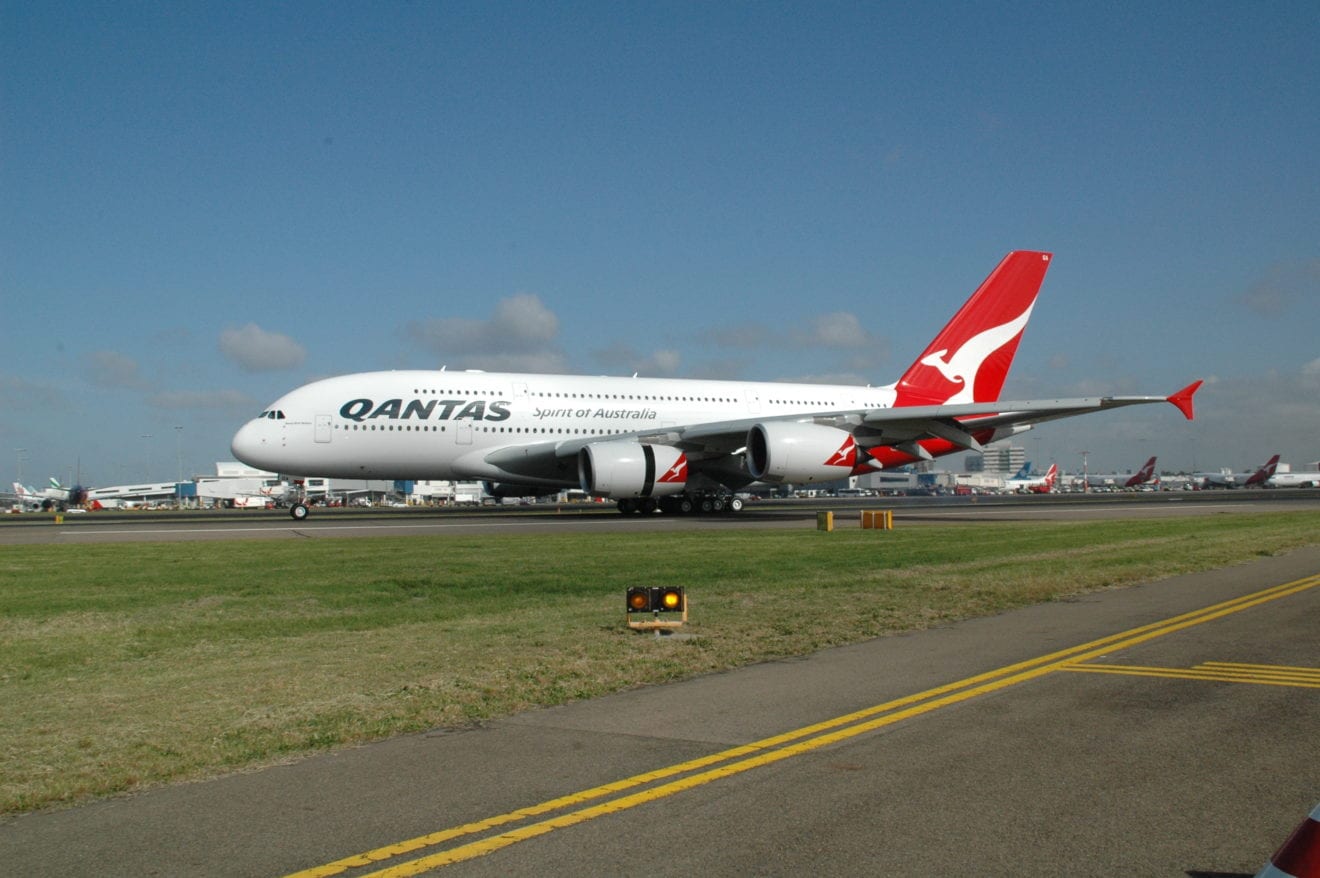
    Qantas has today announced it will launch a new route from Manila with direct flights to Brisbane in Queensland, Australia.

    From 28 October 2024*, the flights will operate four days per week with the Airbus A330 aircraft, marking the first flights set to be operated by the Australian national carrier between the two cities in more than ten years.

    The flights add to Qantas’ existing daily service to Sydney and will add more than 100,000 seats between the Philippines and Australia each year.

    Tickets for the new Manila-Brisbane route will be available for sale at qantas.com and through travel agents in the coming days.

    The flights will be operated by Qantas’ fleet of A330 aircraft with 27 Business Class suites in 1-2-1 configuration, with each suite featuring direct aisle access and converting into a lie-flat bed. All Qantas international fares include checked baggage allowance, food and beverages and inflight entertainment as standard with every booking.

    Qantas recently announced it would accelerate a program to introduce ‘fast and free’ Wi-Fi across its existing fleet of international aircraft, including Airbus A330 aircraft with enough bandwidth for every passenger to enjoy a fast and consistent connection. The service will be progressively introduced on Qantas flights between Manila and Australia from next year.

    Qantas International CEO Cam Wallace shares, “The Philippines is a very important part of our Asia network, so we’re pleased to be growing with a new route to Australia. This new connection will strengthen business links between our two countries. The flights will also make it easier for Filipinos to visit family and friends living in Queensland, as well as offering a new gateway for travellers to explore the region.”

    He adds, “We know large numbers of our customers have been travelling between Manila and Brisbane via our existing Sydney service, which gives us great confidence about how this route will perform when flights start.”

  • Brisbane coffee brand Aromas Coffee Roasters sold

    Brisbane coffee brand Aromas Coffee Roasters sold

    Queensland-based Aromas Coffee Roasters has been acquired by local Indigenous-owned company SupplyAus Holdings for an undisclosed sum.

    Aromas Coffee Roasters boasts a 47-year history, serving more than 300 locations in the state, while SupplyAus was co-founded by Adam Williams, a Wiradjuri man, and Shane Andrews, a descendant of the Mununjali people in 2018.

    SupplyAus CEO, Adam Williams, told Business News Australia, that this was a “major step to inspire other Indigenous entrepreneurs to have a go”.

    “Buying a legacy brand like Aromas shows Indigenous kids and young people that even the biggest brands are within our reach.”

    With the acquisition, the company plans to integrate some of Aromas Coffee’s operations with its own coffee portfolio – Dhuwa Coffee, which is sold in 900 Woolworths stores.

    “That’s something we are good at with the rest of our brands, so to be able to roll that through with Aromas is something we are looking forward to.”

    Alongside, the company is currently exploring opportunities to invest in indigenous employment with the rollout of its own Aromas Cafe and also grow the brand internationally.

    SupplyAus now owns and operates a range of brands, including Bunji Workwear, SupplyAus Medical, Jingeri Office National and Aromas Coffee Roasters.

  • Subway Australia launches 24-seven trading

    Subway Australia launches 24-seven trading

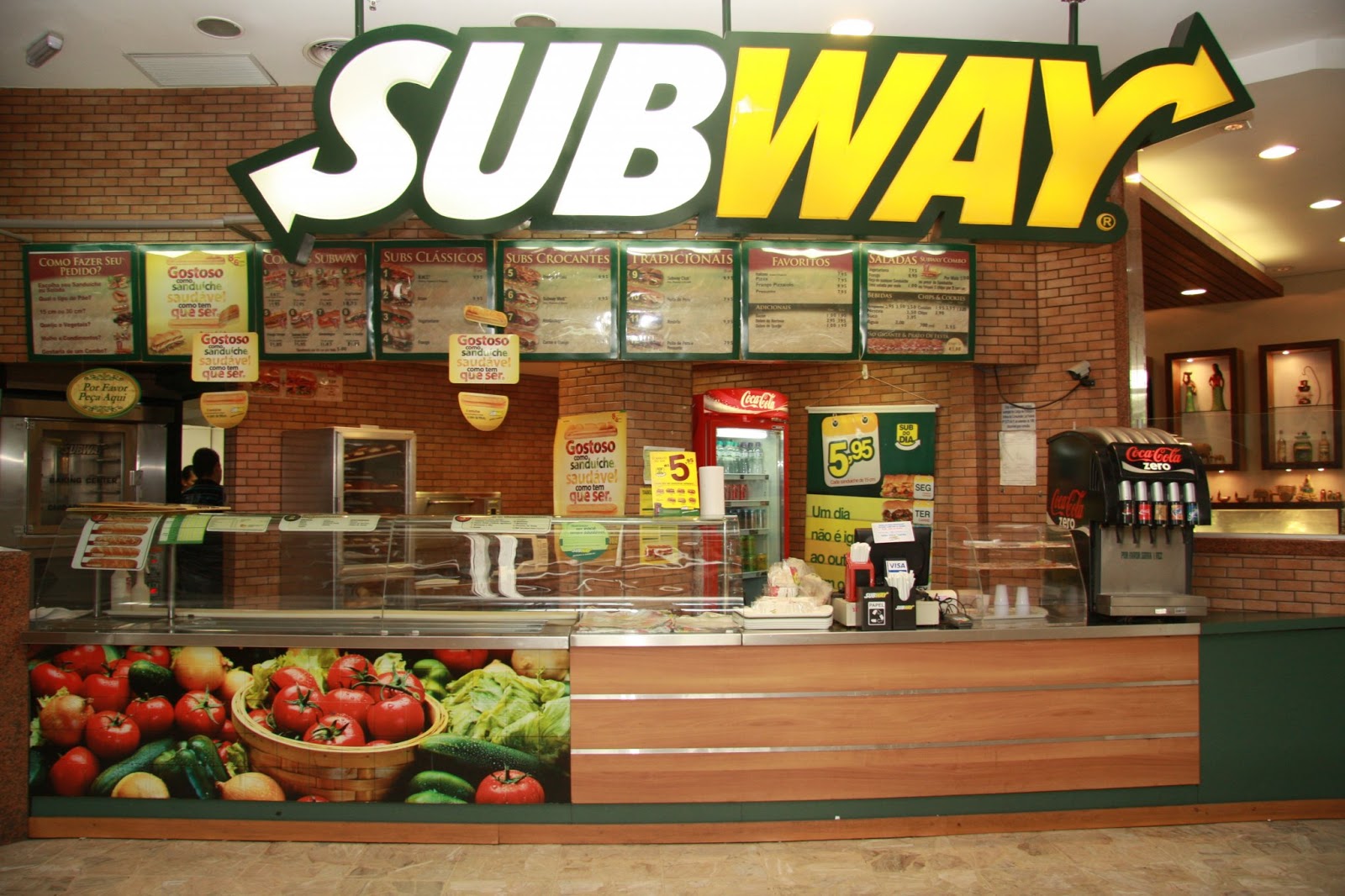
    Fast-food chain Subway Australia has unveiled a 24 hours express pick-up service in Bald Hills, Brisbane, ahead of a broader national rollout.

    Customers can order their foods via the app or using a third-party provider and collect their purchases at an express pick-up window.

    “Over the past year, through Covid we have seen a change in the way people are eating Subway,” said Subway country director Geoff Cockerill.

    “More people are ordering through third-party delivery providers than ever before – and more people are choosing to place express-pick-up orders. With shift workers, more remote working, and added delivery options, Subway is proving a popular choice for late night and early morning orders.”

    After testing it at the Bald Hills store, Subway will roll out more 24-hour pick-up windows across Australia.

  • Thai AirAsia X begins new service to Brisbane

    Thai AirAsia X begins new service to Brisbane

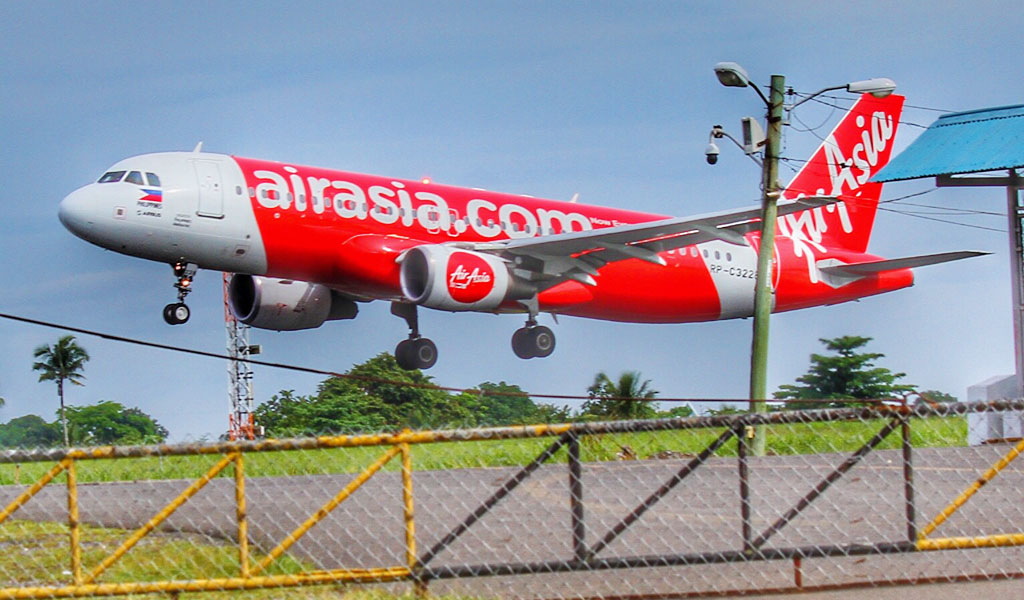
    Thai AirAsia X has started its newest service from Bangkok to Brisbane, with the first arrival touching down at 11:46 am local time on Wednesday. This marks the first AirAsia service to Brisbane Airport. The aircraft received a water salute on arrival, courtesy of the airport’s fire and emergency service.

    The route is operated by Thai AirAsia X under flight number XJ310 (Bangkok to Brisbane) and XJ311 (Brisbane to Bangkok); duration of the flight is approximately nine hours and 20 minutes. Before this connection, the only non-stop service between Brisbane and Bangkok was operated by Thai Airways using the Boeing 777-200. The Malaysian AirAsia X serves Gold Coast Airport, which is located 90 kilometres (56 miles) south of Brisbane.

    We are delighted to have a new home in Queensland, adding Brisbane to our Queensland ports after we commenced operating flights from the Gold Coast in 2007. This direct service between Bangkok and Brisbane strengthens our connections into Australia and adds to our extensive network of more than 140 destinations worldwide.Nadda Buranasiri, AirAsia X CEO
    Asia is a key market for Queensland’s tourism industry and this new service will bring more than 235,000 inbound seats to Brisbane over the next three years, providing a $156 million boost to the state’s economy and supporting 660 jobs.Kate Jones, Minister for Tourism Industry Development

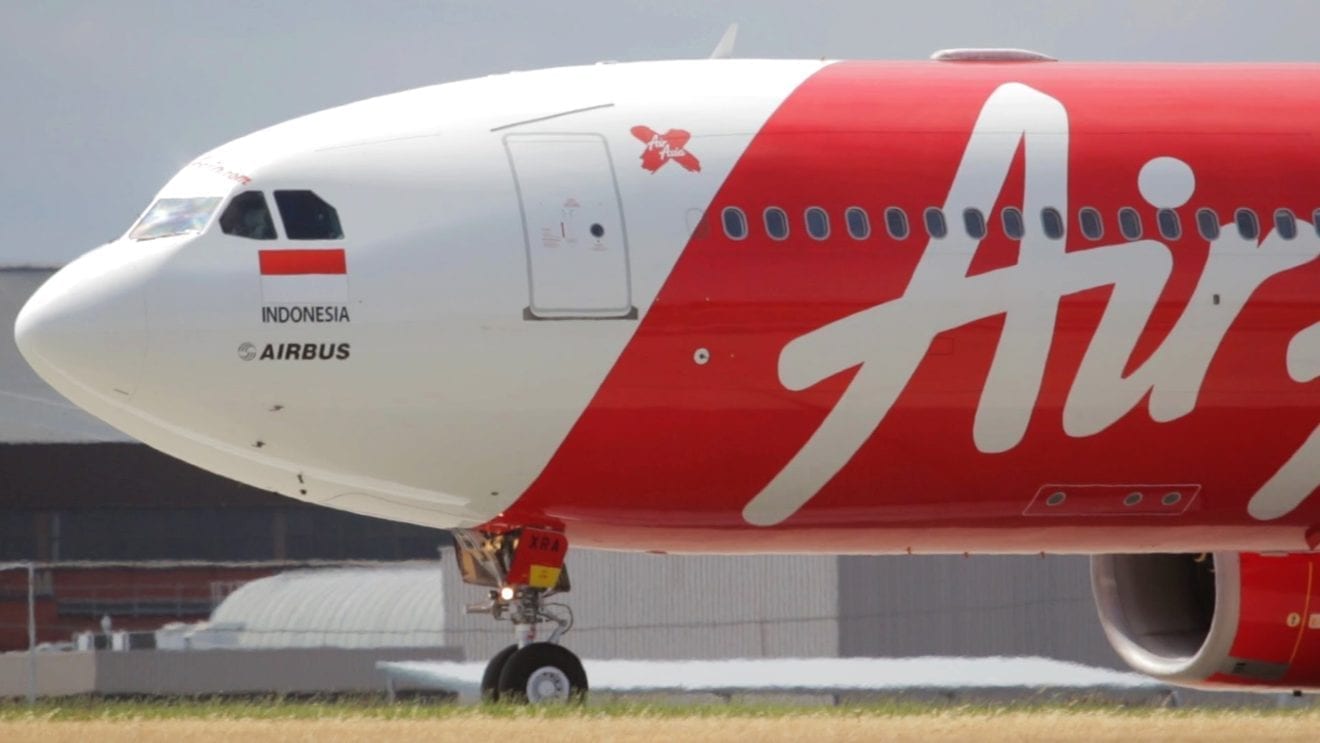
    Thai AirAsia X is a sister airline of AirAsia’s long haul carrier AirAsia X. The Thai airline is based at Bangkok Don Mueang Airport. Together with AirAsia X and Indonesia AirAsia X, it operates a fleet of 36 Airbus A330-300 with up to 100 of the new generation A330-900neo on order. Thai AirAsia X will soon receive its first A330neo and become the Asian launch-customer of the aircraft type. The airplane, which is already due for delivery, was on display at Paris Air Show 2019.

  • Calvin Klein opening First Multi Brand Fashion Store

    Calvin Klein opening First Multi Brand Fashion Store

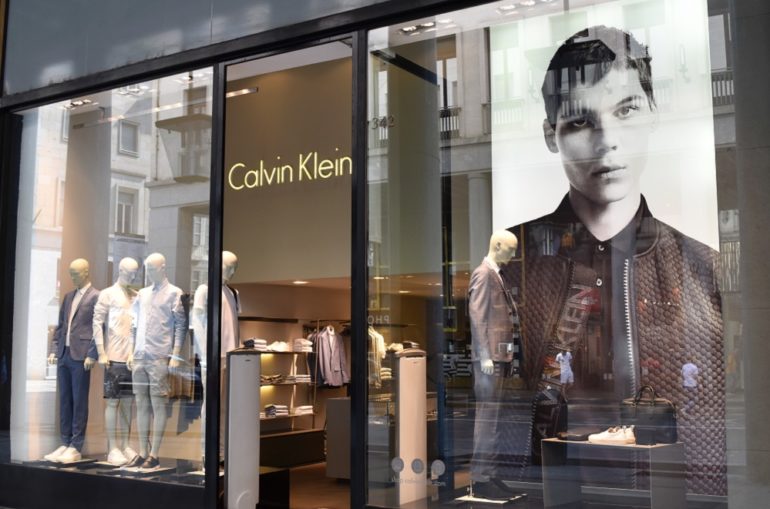
    The first store bringing together the entire Calvin Klein offering in Australia opened over the Easter long weekend at Queensland’s Sunshine Plaza. Spanning over 310sqm and offering a full range of men’s and women’s underwear, jeans, performance, accessories, as well as kid’s underwear, the store is the Calvin Klein’s 32nd in Australia, and reflects the brand’s minimal, modern aesthetic.

    Sunshine Plaza recently finalised a $440 million redevelopment, boasting over 345 retail stores to become the first ‘super regional’ shopping centre North of Brisbane.

    Calvin Klein’s presence in Australian and New Zealand had previously been run by Gazal Corporation, but the brand’s US-based owner, PVH Corporation, recently outlined plans to purchase Gazal.

    The deal, which also impacts the Tommy Hilfiger brand and is expected to be finalised in the second quarter of 2019, will give PVH a more direct hand in the brand’s Australasian operations.

    “I’m pleased that we have agreed to acquire Gazal. PVH currently – and for many years – has had a successful business relationship with our Australian partners and would be pleased to bring them into the larger PVH family,” Emanuel Chirico, PVH Corporation’s chairman and CEO said.

    “Gazal has enhanced the market position of our brands in Australia and New Zealand and we believe the region continues to offer significant growth over the next five years and aligns with our strategic priority to expand our direct control of businesses operated under the Calvin Klein and Tommy Hilfiger brands worldwide.”

  • AirAsia becomes Brisbane Broncos Official Airline

    AirAsia becomes Brisbane Broncos Official Airline

    AirAsia has formalised a deal to become the Brisbane Broncos’ official airline, along with promotions held at every Broncos home game and special discounts for fans.

    The deal is centred around the launch of the new ‘The Buck Stops Here’ campaign, to celebrate AirAsia the airline’s new services from Brisbane to Bangkok, which are set to commence on 26 June.

    AirAsia Group Head of Branding, Rudy Khaw, said AirAsia is excited to partner with the Brisbane Broncos.

    “We are thrilled to partner with Queensland’s number one sports team, and National Rugby League favourites, the Brisbane Broncos.

    “Queensland is an integral part of our Australian network, and since commencing flights to the Gold Coast in November 2007, we’ve flown more than 2 million passengers through the sunshine state,” Mr Khaw said.

    “Our new services from Brisbane will soon become the most affordable and convenient way to travel to Thailand’s capital, and with the help of the Brisbane Broncos, we hope to see demand for these new flights grow even more.”

    As part of the partnership, AirAsia will run events and giveaways at Brisbane Broncos home games over the 2019 NRL season, as well as provide fans advanced notice on AirAsia promotional offers.

    Brisbane Broncos CEO, Paul White, said the partnership reflects a shared culture for both organisations.

    “Our partnership with AirAsia reflects a shared culture of delivering a fantastic experience at exceptional value for fans, whether it’s a night at the footy or choosing your next holiday.

    “The Broncos look forward to seeing how the beloved Buck is made part of this exciting plan to further enhance the fan experience and showcase AirAsia and their exciting destinations,” Mr White said.

    The deal, which was announced during the Broncos home game against the West Tigers at Suncorp Stadium last night, has already seen one fan receive return flights for two to Bangkok, Thailand.

  • International luxury brands down in Brisbane

    International luxury brands down in Brisbane

    Luxury brands are descending on Brisbane, with fashion house Saint Laurent opening its first store in Queensland at QueensPlaza on March 28, ahead of arrivals from Fendi and Dior slated for later this year.

    The new store, Saint Laurent’s sixth Australian store, has an architectural design that features three types of marble and refined detailing accented with anodised gold, mirrored stainless steel and leather joinery.

    “The arrival of Saint Laurent, another first to Brisbane, further cements QueensPlaza’s position as the city’s leading luxury retail and lifestyle destination,” said Pamela Wakeford, centre manager.

    Saint Laurent joins a slew of luxury retailers already located at the centre, including Chanel, Burberry, Tiffany and Co, Zimmermann, Scanlan Theodore and Camilla.

    Italian fashion house Fendi is poised to unveil its new boutique mid-year and Stanton café and bar will also open in the coming months. The new café will have a dining and bar experience including an outdoor terrace overlooking the Queen Street Mall.

    Queensland has also recently welcomed fashion jewellery brand APM Monaco, which opened a new store in Brisbane’s high street, joining a suite of luxury fashion retailers along MacArthur Central.

    The new store features the retailer’s traditional handcrafted jewellery pieces along with some most recent collections like open chokers with sky silver and zarconia meteorites, and asymmetric underlobe earrings and jackets.

    “Precision Group is proud to welcome APM Monaco to MacArthur Central where it will sit alongside some of the best international and national retailers fronting Edward Street Brisbane, where Brisbane City Council have invested $11.8 million into a beautification project of the precinct,” said Colleen Middlemass, centre and state asset manager.

    Middlemass said the new store will complement the area’s “luxe offering with a fashion focus on new trends from across the globe”.

  • AirAsia apologises for ‘Get off in Thailand’ advert

    AirAsia apologises for ‘Get off in Thailand’ advert

    AirAsia has apologised after its advertising campaign was labelled “harmful” in Australia. The advert containing the phrase “Get off in Thailand” was posted around the city of Brisbane to promote the airline’s direct route to Bangkok. Collective Shout, a grassroots campaign movement against the objectification of women claimed that the advert was promoting sex tourism in Thailand.

    Thailand has over 123,530 sex workers, according to a 2014 UNAids report.

    Melinda Liszewski, a campaigner at Collective Shout spotted the adverts on a Brisbane bus and posted the image to social media.

    She accused the airline of “promoting sex tourism.”

    A spokeswoman for Air Asia told the BBC: “AirAsia takes community feedback extremely seriously and the airline sincerely apologises for any inconvenience caused from recent concerns raised.

    “AirAsia can confirm the advertising campaign has ended and we instructed our media partners to have the advertising removed as soon as possible today from all locations.”

    One of the adverts was spotted at Brisbane Airport. It has confirmed on social media that its removal “is a priority.”

    Brisbane City councillor Kara Cook branded the campaign an “absolute disgrace” and said “it should never have appeared on our city’s streets.”

    She wrote on Twitter: “Council should be responsible & accountable for the ads on their buses.

    “I wrote to the LNP this morning demanding these buses be taken out of circulation. This shouldn’t have happened.”

    In response to the criticism, Brisbane City Council said that the Advertising Standards Board regulates advertising acceptability. It directed complaints to the board.

  • Canon Australia launches Renting Service for cameras

    Canon Australia launches Renting Service for cameras

    A picture may be worth a thousand words, but in terms of actual dollars, it could be worth many times that, once you consider the cost of all but the most entry-level DSLR cameras, lenses and other accessories. But now, a hefty price tag need not be an obstacle for budding photographers, thanks to a new sharing platform launched by Canon Australia on Tuesday. The platform, called Kyōyū, the Japanese word for “share”, aims to be the Airbnb for Canon cameras and accessories. Camera owners can use it to rent out their gear and get a return on their investment, and would-be owners can use it to borrow or try out items without needing to buy them outright.

    “At Canon, we believe in constantly innovating to create the ultimate user experience,” Jason McLean, Canon Australia’s director of consumer imaging, said in a statement.

    “We don’t want ownership to be the only reason to experience our goods and services,” he said.

    The platform was created in partnership with design agency, The Diner, and has been in the works for over a year.

    According to McLean, Kyōyū is an extension of the brand’s long-held goal of building a community of passionate photographers, which saw it launch the Canon Collective in 2013 to bring like-minded people together for workshops and other events, and open its first experience centre in Melbourne in 2018.

    “For years, we’ve been looking at our brand and how can we do more with the products people buy. We created Canon Collective and opened the experience centre for that reason, and this is the next evolution of that,” he said. 

    The concept is currently exclusive to Australia, but McLean said it could be rolled out in other markets if it proves successful.

    More than 230 members have already signed up to the platform, primarily across Sydney, Melbourne and Brisbane, and the company aims to have 1500 registered users by the end of 2019.

    Canon charges a small fee on each transaction to cover the cost of managing the platform and providing up to $15,000 of insurance on every rental.

    “One of the greatest concerns we heard through our early research was what happens if something goes wrong, if something accidentally gets damaged, or stolen,” McLean said.

    Canon has taken this same “test and learn” approach to its other offerings, such as the experience centre that opened in Melbourne last year.

    “It’s hitting the mark,” McLean said about the store, a 320sqm space where customers can touch and feel Canon’s product range without having to ask store staff to take them out of a locked cabinet.

    “Customers love the staff, they love that staff are not pushy. What we’re working on now is building awareness. It’s the best kept secret in Melbourne,” he said.

    Canon Australia will continue testing the offering in Melbourne for another six or so months before deciding whether to launch experience centres in other capital cities around Australia.

    Meanwhile, the Canon Collective has taken on a life of its own. According to McLean, nearly 50,000 people are part of a closed Facebook group, where they share advice and support one another, without needing much moderation or guidance from Canon itself.