Retail News CRM

Tag: Brunei

  • Budget e-commerce platform Temu enters Vietnam, Brunei after Indonesia ban

    Budget e-commerce platform Temu enters Vietnam, Brunei after Indonesia ban

    Chinese discount shopping site Temu has entered Vietnam and Brunei after facing a ban in Indonesia.

    But its entry into Vietnam was rushed, seeing as the Temu website in the country was initially only available in English.

    It also only accepts payments through credit cards and Google Pay, and no local digital wallets.

    The platform said shipping to Vietnam takes four to seven days, much faster than the five to 20 days for Malaysia or the Philippines, according to Singapore-based research firm Momentum Works.

    Meanwhile, Temu’s Brunei site is available in both English and that country’s official Malay language.

    Vietnam was the fastest-growing e-commerce market in Southeast Asia with a 53% year-on-year growth in gross merchandise value last year while Brunei has one of the world’s highest standards of living.

    The move to expand into these two Southeast Asian countries came after the site was banned from operating in Indonesia earlier this month.

    Budi Arie Setiadi, the country’s Minister of Communications and Informatics, said on Oct. 1 that the ban is in place to protect local micro, small and medium enterprises from being disrupted, as quoted by CNA.

    Indonesia has also requested Google and Apple to block Temu from their Indonesia app stores to prevent it from being downloaded, Reuters reported.

    The country’s e-commerce industry is projected to grow from US$62 billion in 2023 to approximately US$160 billion by 2030, according to a report by Google, Singapore state investor Temasek Holdings and consultancy Bain & Co.

    Based in Boston, Massachusetts, Temu is an online marketplace offering a variety of products at heavily discounted prices. It is owned by Chinese e-commerce giant PDD Holdings and currently operates in over 80 countries and territories.

  • Malaysia’s Zus Coffee secures $57m funding, to expand into Singapore, Brunei

    Malaysia’s Zus Coffee secures $57m funding, to expand into Singapore, Brunei

    Malaysian coffee chain Zus Coffee has secured a US$57.27 million (RM 250) investment to support its expansion in Singapore and Brunei this year. The funding was secured from a consortium comprising private equity firm KV Asia Capital, Malaysian pension fund KWAP, and Indonesia’s Kapal Api Group.

    Founded in 2019, Zus Coffee has expanded to become one of Malaysia’s largest coffee chains, with an estimated  550 stores.

    It has also extended its footprint to the Philippines, where it operates 50 stores. This is following a strategic partnership with the Filipino hospitality group Choi Garden Restaurant Company, which acquired a 35 percent stake in the company last year.

    The Edge reports that the investment from KV Asia Capital will be raised in two phases: an initial US$10.7 million (RM 50 million), followed by an additional $42.8 million (RM 200 million) at a later date.

    KV Asia Capital has already invested in several other companies in Southeast Asia. These include the Taguig-based Wildflour Hospitality Group, the Vietnamese logistics firm Bee Logistics, the Indonesian beauty brand Victoria Care, the health food supplement company DXN, and the Malaysian supermarket chain TF Value Mart.

    Ernst & Young Malaysia acted as an adviser for the transaction.

  • Visa Expands Contactless Payments to Public Transport

    Visa Expands Contactless Payments to Public Transport

    Singapore joins other major cities that have enabled open-loop Visa payment cards for public transport, including London, Sydney and New York. Commuters in Singapore can now use their Visa contactless cards or compatible devices to pay for bus or train rides under the Land Transport Authority’s (LTA) SimplyGo initiative, Visa said in an announcement on Thursday.

    According to Visa, the project with LTA is one of its largest implementation for contactless acceptance for transit globally, with 30,000 acceptance points.

    SimplyGo was rolled out for MasterCard users in April, aiming to make traveling by public transport seamless and convenient by eliminating the need to carry a travel card or wait in line to purchase or top up a travel card. Fees under SimplyGo are the same as paying with a travel card.

    Visa said has been working with partners and merchants to expand the acceptance of contactless payments nationwide, including transport, quick service restaurants and hawker centers.

    Today, Singapore is already one of the top markets globally in terms of contactless penetration with more than 80 percent of all Visa transactions being contactless. We expect this number to grow even faster with the opening of transit acceptance, Kunal Chatterjee, Visa country manager for Singapore and Brunei, said.

  • Liho Singapore opens first outlet in Brunei

    Liho Singapore opens first outlet in Brunei

    Singaporean bubble tea brand Liho has launched in Brunei with its first outlet at Times Square Brunei Darussalam. The new Liho Brunei store is the result of a year’s preparation and is the first of 10 to 12 outlets planned across the country within the next year. The brand, popular for its brown sugar pearls, operates 93 locations across Singapore and already has a presence in Vietnam.

    “We are still growing and year to year outlook growth is around 20 per cent,” said Liho’s co-founder Rodney Tang. “As long as we understand the customers’ taste and needs, we can continue to grow. We intend to bring in more creative flavours to Brunei.”

  • Pezzo Pizza debuts in Brunei

    Pezzo Pizza debuts in Brunei

    International pizza franchise Pezzo has launched in Brunei Darussalam. The brand, operating under Satami Group of Companies, features a “Grab & Go” kiosk serving pizza by the slice for immediate purchase, and a “mix and match” pizza purchase option, whereby customers can collate their own pizza out of 12 different flavours. The brand stakes its reputation on generous toppings with shredded mozzarella cheese.

    Pezzo, best-known for its circus-themed design, is exclusively using ingredients certified under the Brunei Halal procedure in the store.

    In May of this year, Pezzo launched in Cambodia. The company now boasts more than 120 kiosk outlets, mainly in China, Indonesia, Malaysia, Myanmar, Philippines, Singapore and Thailand.

  • Toys R Us reopened in Brunei

    Toys R Us reopened in Brunei

    Toys R Us Brunei has relaunched its Mabohai Shopping Complex store. The reopening, after extensive redesign and renovation works, attracted long queues of shoppers hoping to pick up special deals promoting the event. Along with the reopening, the store has expanded its product range by 70 per cent.

    Toys R Us (Singapore) group country director Raymond Burt reassured customers the brand is “here to stay”.

    “We have been in Brunei for around six years and we have re-signed our lease here at Mabohai Shopping Complex. We have also reinvested in the store and spent quite a bit of money to bring the latest design of the market to the store. We have renovated the store with a layout that is segmented by age for children, to make it easier for customers to shop.

    “We have updated the design and signage as well as added elements of interactive play that we didn’t have before.”

    Toys R Us operates 67 stores in Asia and has 18 new stores planned for launch by the end of the year, the majority in China. It is part-owned by Fung Retailing and not affected – as yet – by the collapse of the company in the US.

  • Diversification is driving Brunei’s banking sector forwards

    Diversification is driving Brunei’s banking sector forwards

    As a result of a wider economic expansion and diversification strategy, Brunei’s banking sector is growing at a rapid rate and attracting a new wave of international players

    Despite its small size, Brunei, a southeast Asian nation on the island of Borneo, is a formidable economic power in the region. A thriving oil sector has ensured a very high standard of living for the population. However, similar to many oil-producing nations in the present climate of plummeting prices and global oversupply, the economy’s reliance on the energy industry has become problematic. In response, the Brunei Government is taking comprehensive steps to reduce the economy’s reliance on oil and gas revenue and instead focus on the growth and development of local businesses.

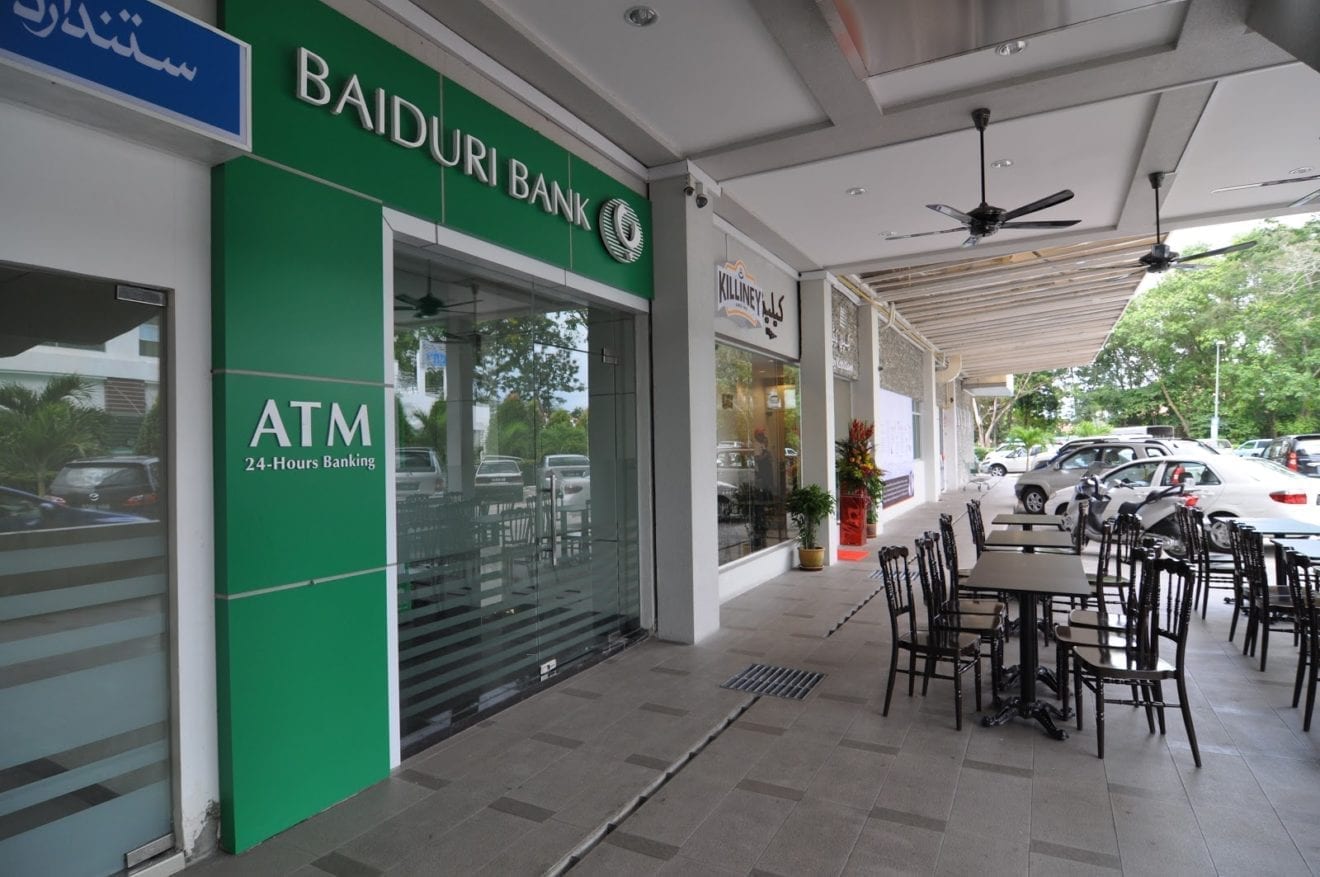
    In 2015, ASEAN – of which Brunei has been a member since 1984 – established the ASEAN Economic Community, achieving a major milestone in regional economic integration. “The integration of ASEAN members can potentially represent a huge opportunity for growth”, said Pierre Imhof, CEO of Baiduri Bank. As such, the possible increase in trade and investment flows, which will result from a single market for goods, services, capital and labour, can open the doors to a far broader customer base for Bruneian banks, while also enabling local SMEs to venture outside of the country.

    National interests
    With the recent implementation of Darussalam Enterprise (DARe), a statutory body established by the government earlier in the year to monitor and nurture the development of local enterprises in Brunei, diversifying the economy and supporting SMEs has become a major priority for a nation that is heavily dependent on revenue from the oil and gas sector. “We have always had a strong focus on SMEs, which has consistently been one of our major customer groups from the very beginning”, Imhof told World Finance. “With the establishment of DARe and its assistance in the development of SMEs, I hope to see the SME market develop to become even more competitive locally, and to eventually become competitive internationally as well. In line with our commitment to develop local businesses and SMEs, Baiduri provides a wide range of financial products to businesses in order to ease their cash flow management and support their growth.”

    Baiduri Bank recently rolled out enhancements to its online banking platforms to coincide with the growing demand for flexibility

    The bank also offers Business i-Banking, Baiduri’s internet banking facility catering specifically for businesses. “Our aim is to provide customers with a modern, user-friendly and secure channel for businesses to manage their banking more efficiently”, Imhof said.

    In April of last year, Baiduri introduced Business Banking – a new unit as part of its retail banking division – that was designed to target the growing number of SMEs in Brunei. According to Imhof, the unit serves to complement the bank’s corporate banking department by tapping into non-borrowing and small-borrowing accounts. Services provided by Business Banking include card merchant services for local retailers and setting up the Baiduri Internet Gateway System, which allows retailers to accept payment from their online customers. The Business Banking unit also helps SMEs apply for credit facilities.

    Moreover, Baiduri Bank is launching a new online payment solution with affordability at its core – again with local SMEs in mind. According to Imhof: “Our latest product, known as MerchantSuite, aims to provide a very accessible and user-friendly method of facilitating online payment without the merchant needing to create their own website. This way, our SMEs are able to conduct business efficiently with minimum difficulty. With over 90 percent of our corporate clients being SMEs, Baiduri Bank clearly recognises their ability to generate revenue in the country and the vital contribution they make to the long-term economic stability of Brunei.”

    Race to expansion
    Another vital aspect to consider when trying to stay competitive in a rapidly changing society is keeping up with the latest technological innovations. In response to this necessity, Baiduri Bank recently rolled out enhancements to its online banking platforms to coincide with the growing demand for greater flexibility, in order to meet various business needs.

    This transition towards the modern digital economy also required the bank to provide a safe and secure digital environment for its customers. According to Imhof: “We continue to invest heavily in our systems to ensure a high level of service delivery along with the highest level of security in the industry.” In fact, Baiduri Bank is at present the first and only bank in Brunei to receive the PCI-DSS certification, a payment card industry standard for the secure processing, transmitting and storing of cardholder data. In line with this trailblazing approach, Baiduri Bank has implemented hi-tech security features for its online banking platforms, such as authentication via mobile or tokens, dual-factor authentication and SMS notification for logins and transactions.

    In response to a shifting customer trend towards diversified investment portfolios, Baiduri Bank launched Baiduri Capital, a wholly owned subsidiary that offers a range of global investment products and services. Baiduri Capital was also the first business in the country to launch an online securities trading platform, thereby leveraging technological developments in the global market.

    “We feel that this is the right time for the Baiduri Bank Group to go into securities trading, as there is a growing number of Bruneians looking for opportunities to build their wealth by investing in stocks and shares, in addition to deposits”, said Imhof. “Therefore, the establishment of Baiduri Capital is very much in line with the bank’s long-term strategy of playing a leading role in the development of Brunei’s financial sector and in serving the people of Brunei.”

    The timing of this strategic move was crucial. “Through our online trading platform, our customers can already trade online in various international stock exchanges, such as those in Malaysia, Singapore, Hong Kong and the US”, said Imhof. As indicated by a statement made by Brunei’s financial regulator, there is more and more talk about a stock exchange being established in Brunei Darussalam in the near future. Baiduri Capital has the capacity to play an important role in educating Bruneians and building their experience of stock trading in light of this potential and significant development.

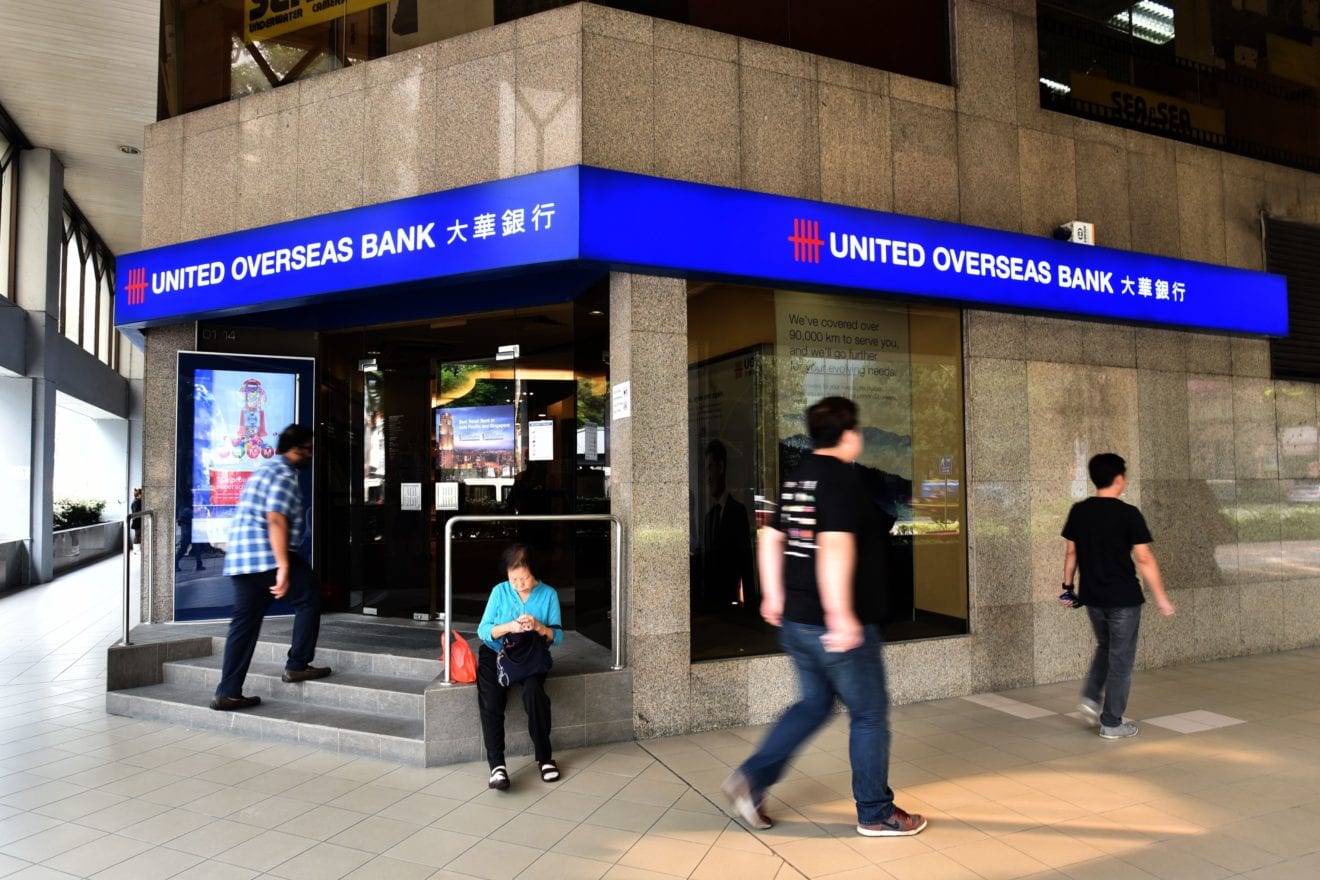
    This commitment to Brunei’s economic development is further indicated by the bank’s acquisition of the retail banking business of United Overseas Bank’s Brunei branch at the end of 2015. “We look at strengthening and developing our retail business in line with our long-term strategy”, Imhof said.

    In fact, the retail business is now a pillar of the bank’s business activities. With this acquisition, Baiduri has significantly increased its customer base in a bid to get ahead in Brunei’s challenging economic environment. “The acquisition of United Overseas Bank’s Brunei retail business was made possible thanks to Baiduri’s high level of excess liquidity and strong capital base, as evident from its credit rating of BBB/A-2 with a ‘stable’ outlook from Standard & Poor’s, which we believe reflects the bank’s excellent performance.”

    Tackling challenges
    Being rooted in the domestic market, Baiduri Bank has the competitive advantage of an in-depth knowledge of its customers and cultural preferences, in addition to having strong brand name recognition. Imhof explained: “Some of the main benefits of being a local bank are that the decision process is done internally. This allows us to tailor our products and services to specifically suit our clients’ needs. From a business banking perspective, it also means that we are able to be more flexible and faster in making decisions to grant facilities or in structuring financing options.”

    When asked about the recent arrival of the Bank of China in the Bruneian market, Imhof spoke of the move being demonstrative of the strong interest in Brunei from overseas. “Brunei’s local banks are perfectly equipped to cater to the needs of clients, just as well as, if not better than, other international banks. They can offer those clients a wide, if not wider, range of products and services. In terms of the Bank of China specifically, I believe that its presence will have a positive impact on the image of the country and that, as with any newcomer, there will be a learning curve to understanding Brunei’s unique market culture.”

    Amid the current international financial landscape, the global banking industry is operating in an increasingly regulated environment – and Brunei is no exception. “Though it is expected that the business environment will continue to face challenges, the opportunities for businesses and for the Baiduri Bank Group to grow are very promising, throughout the process of Brunei promoting economic diversification and development”, Imhof said. Moreover, the prospect of a stock exchange coming into fruition in the coming years is expected to firmly cement Brunei’s place on the map, which may encourage a surge in both local and foreign investment.

  • Baiduri receives ‘Bank of The Year’ award

    Baiduri receives ‘Bank of The Year’ award

    Baiduri Bank received the coveted Bank of The Year award from The Banker magazine, during an award ceremony in London.

    This achievement marks the fourth international banking award this year for Baiduri Bank. This is also the eleventh time that the bank has received this particular award. The Banker’s 17th annual Bank of The Year awards were presented at a gala black-tie dinner at the Hilton London Bankside, London on Wednesday, December 7. On hand to receive the award was Ti Eng Hui, Deputy CEO of Baiduri Bank.

    This year, The Banker Awards took on a special meaning as it celebrated it’s 90th anniversary, making The Banker the longest running international banking title in the world.

    The Bank of The Year awards goes beyond data and figures as it looks for evidence of banks setting new standards for their local industries.

    The recognition of being named Bank of the Year in the country by The Banker is testament to the strong management, sound business model and prudent risk approach of the bank.

    Speaking on receiving the accolade, Ti Eng Hui said, “We are proud to be recognised as the Bank of the Year for Brunei from The Banker for the 11th time.

    Ti Eng Hui (centre), Deputy CEO of Baiduri Bank, after receiving the ‘Bank of The Year 2016’ award. - BAIDURI BANK

    Ti Eng Hui (centre), Deputy CEO of Baiduri Bank, after receiving the ‘Bank of The Year 2016’ award. –

    “We are delighted to conclude 2016 with this wonderful achievement. This year, we have made strides in the banking industry through our innovation and strong commitment, but it is because of our faithful employees as well as our loyal customers and partners that we are able to be the bank we are today.”

    The Banker Awards was attended by representatives from 149 countries, a reflection on the importance and significance banks put on winning The Banker’s Bank of The Year awards.

    In 2016, Baiduri Bank received three other international awards, the ‘Domestic Retail Bank Brunei 2016’ from the Asian Banking and Finance magazine, the ‘Best Banking Group 2016’ from World Finance magazine and the ‘World’s Best Emerging Markets Bank in Asia-Pacific for Brunei 2016’ from Global Finance.

    Baiduri Bank is proud to be associated with these leading international banking awards, the bank said in a statement.

  • Mastercard Appoints President for Indonesia, Malaysia and Brunei

    Mastercard Appoints President for Indonesia, Malaysia and Brunei

    Now he will also be in charge of encouraging the implementation of digital payment technology.

    Previously based in Kuala Lumpur, Khan and his division will now be headquartered in Jakarta. Mastercard considers this a move towards recognition of Southeast Asia’s developing countries, whose economy has been predicted to be worth billions of dollars.

    The move was also triggered by the formation of ASEAN Economic Community (AEC), where the ongoing economic integration gives a potential for Mastercard to gain influence.

    “AEC stands as a landmark to integrate the region’s economy. Safdar Khan’s appointment would serve as evidence of Mastercard’s focus in building a strong, relevant and influential business in Southeast Asia. This appointment shows our continuing commitment to empower the great leaders who can encourage innovations and inclusion in a meaningful and interconnected way,” Mastercard Asia Pacific co-president Ari Sarker said.

    Sarker also appreciated Khan’s profound knowledge about the customers, regulators and government bodies.

  • New Toys’R’Us Asia-Pacific president named

    New Toys’R’Us Asia-Pacific president named

    The new Toys’R’Us Asia-Pacific president is Andre Javes.

    Taking up the role on May 27, Javes will oversee all operations and business activities for the company’s growing number of stores in Japan, Southeast Asia, Greater China and Australia, and he will be responsible for the profitability and success of the company in these markets. He will report directly to chairman and CEO Dave Brandon.

    A seasoned retail executive with more than 30 years of merchandising and management experience, Javes most recently served as MD of Toys’R’Us, Southeast Asia and Greater China, where he oversaw all operations and business activities for the company’s more than 170 wholly-owned stores and some 2500 employees in Brunei, China, Hong Kong, Malaysia, Singapore, Taiwan and Thailand.

    “Since joining Toys’R’Us, Andre has made significant contributions to the continued growth and success of our business throughout Asia and Australia,” said Brandon. “With his extensive retail background, drive for results, commitment to building and leading high-performing teams and proven track record, we expect to further grow and strengthen our brands’ position in the global marketplace.”

    Javes first joined the company in Australia in 2008 as GM merchandising with responsibility for toy and baby products. After a brief hiatus, he returned to the company in April 2013 as MD, overseeing all operations and business activities for the company’s more than 30 stores, eCommerce site, corporate office and more than 1700 employees.

    Prior to joining Toys’R’Us, Javes served as CEO at Anaconda Group from 2009 to 2012, a retail chain of camping, outdoor and adventure gear stores across Australia. Earlier in his career, he spent three years at Kmart as divisional merchandising manager first for seasonal and consumable items and later for the company’s toy and outdoor product categories throughout Australia and New Zealand. He also served as group merchandise manager, grocery at Coles Supermarkets Australia.

  • Berrybenka beefing up eCommerce

    Berrybenka beefing up eCommerce

    With demand from Hong Kong, Brunei and Malaysia, Indonesian fashion brand Berrybenka is taking steps to beef up its eCommerce services.

    It will also be opening more pop-up stores outside Jakarta, its main stronghold, The Jakarta Postreports.

    CEO Jason Lamuda says the brand is also aiming improve customer relations through digital media. It aims to step up customer interaction this year through messaging apps, improve its mobile app, and partner with convenience store ChainIndomaret on a possible new payment mechanism.

    He says this will help promote Berrybenka as a national fashion eCommerce platform. “Our goal in the end is to not only become the most notable fashion brand in Indonesia, but to also help promote the creation of local brands.”

    Berrybenka has 1.5 million subscribers in its database, with demand from Hong Kong, Brunei and Malaysia through sister company Hijabenka. Berrybenka has partnered with around 1000 small and medium enterprises.

    In Indonesia, the company plans pop-up stores in Medan, North Sumatra, Makassar in South Sulawesi, Yogyakarta, Semarang in Central Java, Manado in North Sulawesi and Balikpapan in East Kalimantan. Medan will have the first of the new outlets, opening on Thursday.

    Also being considered are eCommerce hubs for Surabaya, East Java and Bandung, West Java.

    About 90 per cent of Berrybenka sales comprise local products. Between 2013 and 2014, the company had 150 to 200 per cent revenue growth, with a further 200 per cent growth between 2014 and 2015.

  • UOB sells Brunei retail banking business to Baiduri Bank for $46.6m

    UOB sells Brunei retail banking business to Baiduri Bank for $46.6m

    With the approval of a court declaration, banking and credit facilities made to customers of UOB Brunei and the current, saving and fixed deposit accounts maintained by the clients of UOB Brunei will be transferred to Baiduri.

    According to UOB, the sale consideration of $46.6 million, less the deposits in transferred accounts, will be settled as a cash payment. Arrived at on a willing-buyer-willing-seller basis, it took into consideration account income potential and estimated loan defaults of the retail banking business.

    The sale is part of a move to “rationalise its businesses and operations to achieve cost efficiencies and to focus on building a business platform that is consistent with the business prospects in the country”.

    According to official statements, the sale of its Brunei retail banking unit is also not expected to have any impact on UOB Group for FY2015.

    UOB Brunei will continue to offer wholesale banking services to Brunei clients, as well as continuing its asset management presence there through UOB Asset Management.

    This latest move gels with UOB’s aim of developing itself as a super-regional bank and growing its presence in the Asia Pacific (APAC) region, given the opportunities presented by the growth narrative defining the current economic climate of the region – notwithstanding China’s market turbulence – and the growing middle class of the region.

    In August 2014, Wee Ee Cheong, the CEO of UOB, explained to The Straits Times that due to the acquisition of Overseas Union Bank (OUB) in 2001 and its integration into the UOB Group, the large market concentration in Singapore forced them to take a regional growth approach. Wee had told the Straits Times: “How would the group grow from there? And so we said it would be timely for us to expand regionally to have an effective presence in South-east Asia.”

    Wee explained: “…growing our intra-regional businesses would make our earnings more sustainable and deepen existing relationships. If I have a regional banking relationship with my customer and the banks with me in Indonesia and Thailand because of my footprint, it will be easier for us to grow the banking relationship.”

    Since 2013, its profit growth has become skewed to foreign markets beyond its base and global headquarters in Singapore. The divestment reflects a move to consolidate its holdings in the region, as Brunei is the smallest market in the Southeast Asian region. This move is aligned with its decision to pursue organic growth and M&A opportunities as part of expanding its business operations.

    In June 2015, it disclosed that it was in the process of pursuing a digital revamp, given the recent growth of the worldwide financial technology space. As of 21 October 2015, a Bloomberg quote placed its market capitalisation at S$32.03 billion (US$23 billion).

  • Pazzion Spearheads Asia-Wide Expansion Plans With Agency Appointment

    Pazzion Spearheads Asia-Wide Expansion Plans With Agency Appointment

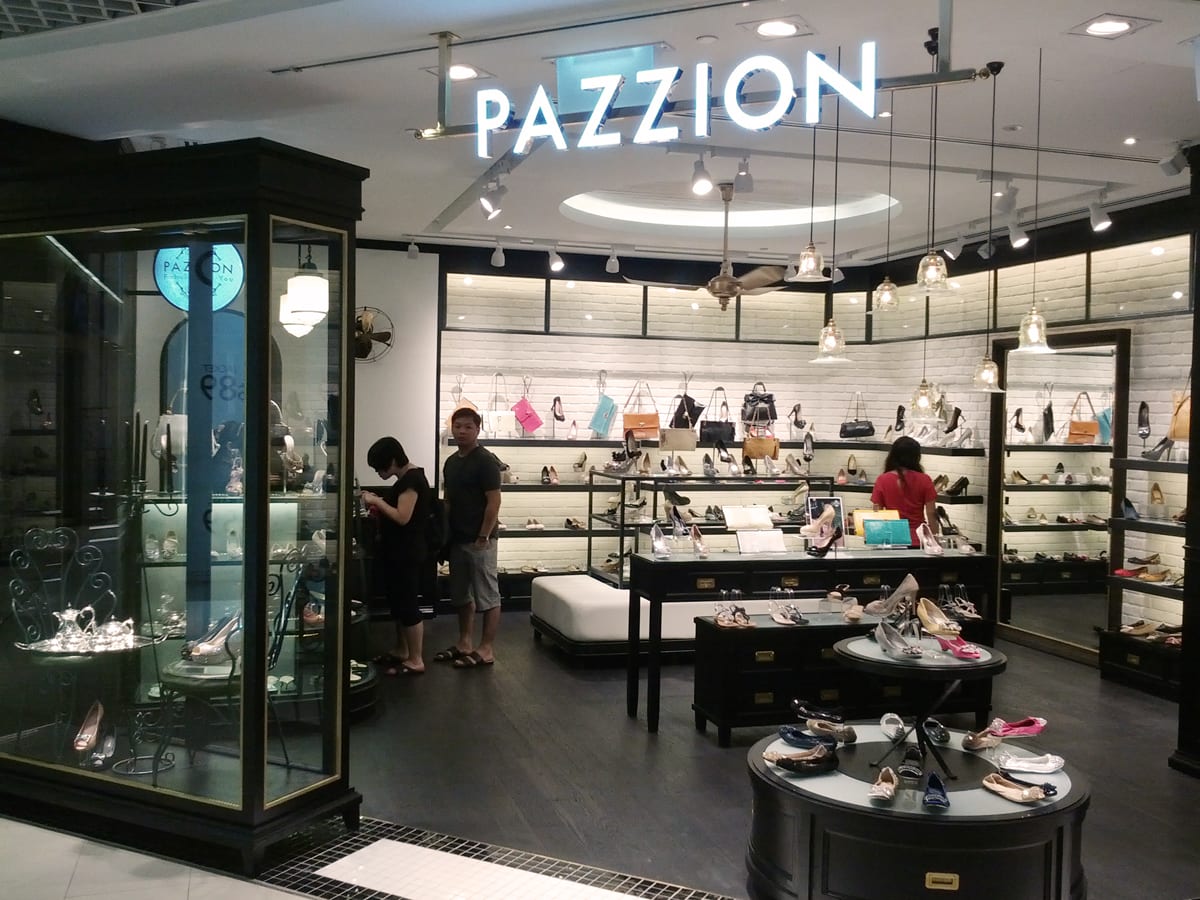
    Pazzion, home-grown shoe brand turned international sensation, has appointed award-winning PR agency, PR Communications to handle all its media relations programmes and special events.

    Since its conception in 2001, PAZZION has exploded onto the regional fashion scene. The brand has grown from a store in Wisma Atria to reach more than 10 countries, including India, Japan, and South Korea. PAZZION’s combination of keen market intelligence with an unwavering commitment to quality is the key to PAZZION’s breakout success.

    “Singapore is becoming one of the premiere fashion destinations in Asia, and local designers and brands are finally gaining the recognition they deserve. We aim to expand our brand presence here in Singapore, and we believe that this can be achieved through PR Communication’s expertise,” said Tom Ng, PAZZION’s founder.

    “We are delighted to be working with PAZZION. Consistently providing both quality and style, Pazzion prove that Singaporean brands can be just as good, if not better, than international ones. We aim to create a programme to make locals proud of the brand, as it grows from strength to strength in international markets,” said Eric Chan, Managing Director of PR Communications.

    Company Logo

    Established in 1990, PR Communications is an award-winning Singapore-based public relations consultancy that specialises in Lifestyle and Brand Marketing, Corporate Reputation, Entertainment PR and Eco-PR. The agency holds an extensive portfolio of global organizations and start-ups. Key clients of the Agency include AMK Hub, Caffé B, Chow Tai Fook, Hi-5 Productions, Konica Minolta, Samsonite, SK Jewellery and The Club.

    Born in 2001, PAZZION caters to the modern sophisticate who values both taste and craftsmanship. Each shoe, from sandal to heel, ballerina flat to bridal heel, is made from quality calf leather and lambskin, and is engineered to bring the best in style and comfort. PAZZION has stores in most major retail malls across Singapore, with its flagship outlet in Wisma Atria. Internationally, Pazzion’s presence can be found in Brunei, Cambodia, India, Indonesia, Japan, Mauritius, South Korea, Sri Lanka, Thailand, Turkey and Vietnam.

  • Brunei-Indonesia trade hit $812 million in 2014

    Brunei-Indonesia trade hit $812 million in 2014

    Trade value between Brunei and Indonesia increased by 4.10 per cent to to $812 million in 2014, a senior Indonesian diplomat said yesterday.

    Out of the $812 million, over 90 per cent of the business transaction was in oil and gas, according to Rudhito Widagdo, Minister Counsellor of Economy at the Indonesian Embassy.

    Indonesian exports to Brunei was valued at $135 million in 2014.

    “Some of the transactions also came from the SMEs(small and medium enterprises) but there is no doubt that oil and gas played a big part in the trade value,” he told The Brunei Times following a business briefing held for Bruneian businesses and stakeholders.

    This, Rudhito said, is an improvement from the trade value of $780 million recorded in 2013.

    Indonesia is also on a mission to reduce its trade deficit with Brunei. He said that trade value between the two countries had fluctuated in the past five years.

    In 2009, trade between Brunei and Indonesia reached $1.2 billion but decreased in 2010 to $948.2 million.

    In 2011, trade went up again to $1.15 billion before dropping to $675.6 million in 2012. Trade improved by 27.8 per cent in 2013 to $863.5 million.

    During these periods, Indonesia had always recorded deficit due to its huge import of crude oil, Rudhito said.

    He said Indonesia is inviting more Bruneians to invest in several “high-potential” provinces in the country. This will boost capital flow from the Sultanate.

    He hoped that yesterday’s briefing will inform Bruneian entrepreneurs about the business environment and investment opportunities in Indonesia.

    “We always strive to do our best to improve the economic relations of the two countries. In shaa Allah, in time, it will bear fruit. I’m very positive,” he said.

    Following a successful trade mission to Jakarta and Yogyakarta in October last year, the Indonesian Embassy will be organising another trade mission to Jakarta and Bandung from October 19 to 25.

    Bruneian businessmen who will join the trade mission will have an opportunity to do business matching with Indonesian companies, district officers and trade associations. They will also meet up with governors and district heads.

    The delegation will visit the Indonesian Trade Expo 2015.