Tag: brussels

  • BNY Expands Bitcoin and Ether Custody to European Union Institutions Under MiCA

    BNY Expands Bitcoin and Ether Custody to European Union Institutions Under MiCA

    BNY expanded its digital asset custody platform to select European Union institutions on October 8, 2026. The service provides regulated safekeeping across four major tokens under the bloc’s MiCA framework.

    Globally, the bank oversees 62.6 trillion dollars in assets under custody and administration. Its European license represents one of the largest traditional finance entries into crypto infrastructure to date.

    Institutional clients can store, transfer and administer Bitcoin, Ethereum, Solana and USDC through The Bank of New York Mellon SA/NV, the group’s Brussels-based European banking entity. The setup uses multiparty computation, segregated client wallets and cold storage protocols. It also provides bankruptcy stay protection. That isolates client assets from BNY’s balance sheet if the bank faces insolvency.

    The Structure Behind the Custody Rollout

    Engineers built the digital custody infrastructure directly on BNY’s existing asset servicing architecture rather than operating it as an independent unit. The firm originally launched the platform in 2022 to handle tokenized cash and collateral settlement before seeking cross-border licensing.

    Client assets under the MiCA regime remain subject to explicit warnings. BNY notes that digital assets lack FDIC insurance, do not count as traditional bank deposits, and carry direct market exposure risks.

    Four assets form the initial offering: Bitcoin, Ethereum, Solana and USDC. The bank plans to add more tokens and stablecoins over time. However, it has not set a timeline for listing additional assets or confirmed specific rollout dates across individual EU member states.

    How Custody Competition Stacks Up

    Custodians are taking divergent approaches to digital assets across Europe, North America and Asian financial hubs. US regulatory hurdles previously slowed custody rollouts on American balance sheets. In contrast, the EU’s clear MiCA timetable gave BNY a unified single-market rulebook to clear its European banking arm first.

    Rivals are moving in parallel across international hubs. Standard Chartered has expanded digital asset custody across its Dubai operations, including support for institutional stablecoin reserves. For institutional investors, the entry of global systemically important banks narrows the compliance gap between holding conventional equities and holding digital tokens.

    Operational risks remain concentrated around liquidity and software integration. Asset managers require real-time settlement and automated reporting into standard accounting platforms. Traditional custody books provide these tools for bonds, but developers are still adapting them for public blockchains.

    Licensing Steps Leading to the European Launch

    Regulators at the European Securities and Markets Authority registered The Bank of New York Mellon SA/NV on the official MiCA registry in July 2026. That authorization permits crypto asset custody, administration and transfer activities across member jurisdictions, setting up the October deployment.

    Jennifer Barker, Head of Europe at BNY, addressed the institutional demand behind the launch: “To support increasingly digital strategies, institutions need solutions with the same resilience, oversight and safeguards they rely on across traditional operations.”

    BNY must now demonstrate institutional client adoption on the ground. The bank has not disclosed initial custody volumes or named launch partners for the four supported tokens, leaving transaction metrics and broader asset approvals as the key milestones ahead.

  • EU Supply Chain Rules Target 37 Percent of Inaccurate Clothing Labels

    EU Supply Chain Rules Target 37 Percent of Inaccurate Clothing Labels

    European Union sustainability and forced-labour laws will penalise apparel brands and their global suppliers, with new packaging rules rolling out in August. Companies must track materials down to individual farms and component mills. Regulators in Brussels are introducing strict enforcement rules, empowering border authorities to seize non-compliant garments and name offending companies publicly.

    A European Commission testing campaign found that 37 percent of clothing labels failed to reflect material composition accurately. That finding has accelerated regulatory scrutiny across Asian textile export hubs supplying European fashion groups, prompting brands like Tod’s to partner with sustainability-data management firm Renoon.

    Forced Labour Import Bans Target Factory Floors

    The EU Forced Labour Regulation gives European investigators direct authority to inspect supply chains. Officials can ban non-compliant goods from entering the single market. Older disclosure laws required only annual corporate reports. The new framework mandates product-level proof of compliance before shipments clear customs.

    Marissa Brock, senior director of policy and government affairs at supply chain software firm Sourcemap, said: The EU has already indicated that it will target large brands and retailers for forced labor enforcement.

    For manufacturers in China, Vietnam, Bangladesh and India, documentation is now a strict condition for export. Ignorance of subcontracting practices or raw material origins no longer shields buyers or vendors from penalties.

    Digital Passports Shift Burden to Component Makers

    Compliance pressure will mount as the Ecodesign for Sustainable Products Regulation introduces mandatory Digital Product Passports. These digital records attach directly to physical goods. They log raw material extraction, chemical treatments and repairability standards.

    Upstream suppliers carry the operational burden. European fashion houses hold legal liability under EU law. Yet Asian tier-two and tier-three vendors must produce and standardize the operational data required for every production batch.

    Fast Fashion Faces Inspection Bottlenecks

    Standard fast-fashion retailers benefit from agile, digitized supply networks when integrating digital passport systems. Ultra-fast-fashion businesses face acute exposure. Compressed production schedules and minimal chemical auditing create immediate risks for their low-cost models.

    Luxury brands face separate hurdles. Milan courts placed Italian operating subsidiaries of major fashion houses under judicial administration after investigations uncovered illegal subcontracting. High price points do not guarantee upstream transparency.

    Tight Timelines for Single Market Access

    Brussels began applying its Packaging and Packaging Waste Regulation in August. Full enforcement of the Empowering Consumers for the Green Transition Directive takes effect in September. Farm-level traceability mandates under the Deforestation Regulation follow by the end of next year.

    Broader requirements arrive next, with full implementation of the Corporate Sustainability Due Diligence Directive and digital product passport mandates taking effect across 2028 and 2029.

  • Brussels Urges Volkswagen To Compensate All EU Dieselgate

    Brussels Urges Volkswagen To Compensate All EU Dieselgate

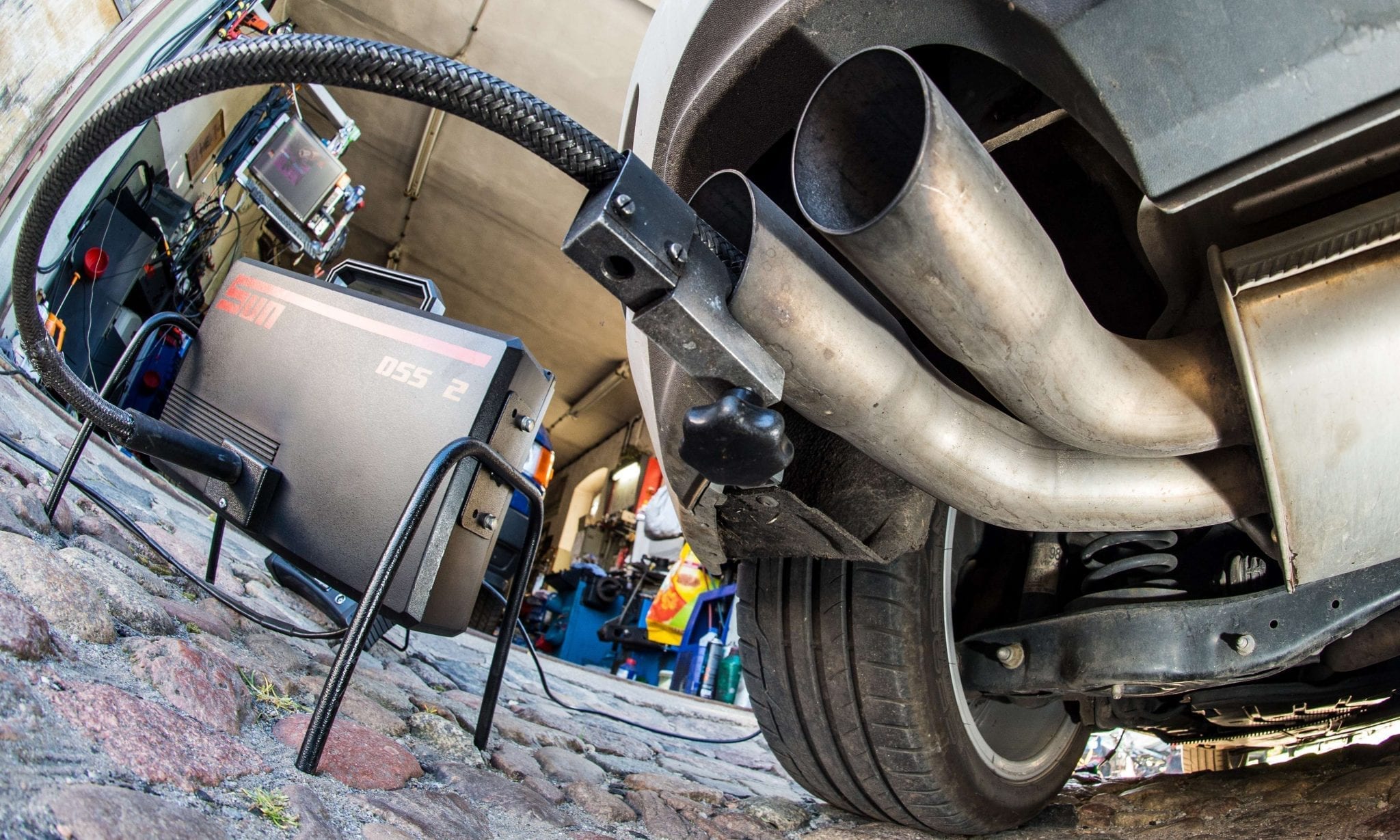
    Brussels on Tuesday called on Volkswagen to pay out all European consumers – and not just German ones – affected by the “Dieselgate” scandal in which the automaker tampered with vehicle emissions to cheat pollution tests.

    EU Justice Commissioner Didier Reynders said in a statement that VW “is not willing to work with consumer organisations to find appropriate solutions for consumers,” noting that it so far is only making payouts to German and US purchasers of its affected vehicles.

    “All consumers need to be compensated,” Reynders said.

  • Thai Airways adds a sixth weekly flight between Brussels and Bangkok

    Thai Airways adds a sixth weekly flight between Brussels and Bangkok

    Thai Airways is very pleased to announce the launch of its 6th weekly non-stop flight Bangkok – Brussels  – Bangkok every Monday.

    As from 28th of October 2019, THAI will operate 6 non-stop flights per week on the route Brussels – Bangkok and return, all operated by Airbus A350-900 including Royal Silk Class (Business) and Economy Class.

    TG934 BKK 00:30 - 07:40 BRU A359 12-4567
    TG935 BRU 13:30 - 05:35+1 BRU A359 12-4567

    Tickets on the new Monday flight can be booked as from today via https://www.thaiairways.be or via any travel agent in Benelux.

  • The world’s most expensive retail street is not in NYC anymore

    The world’s most expensive retail street is not in NYC anymore

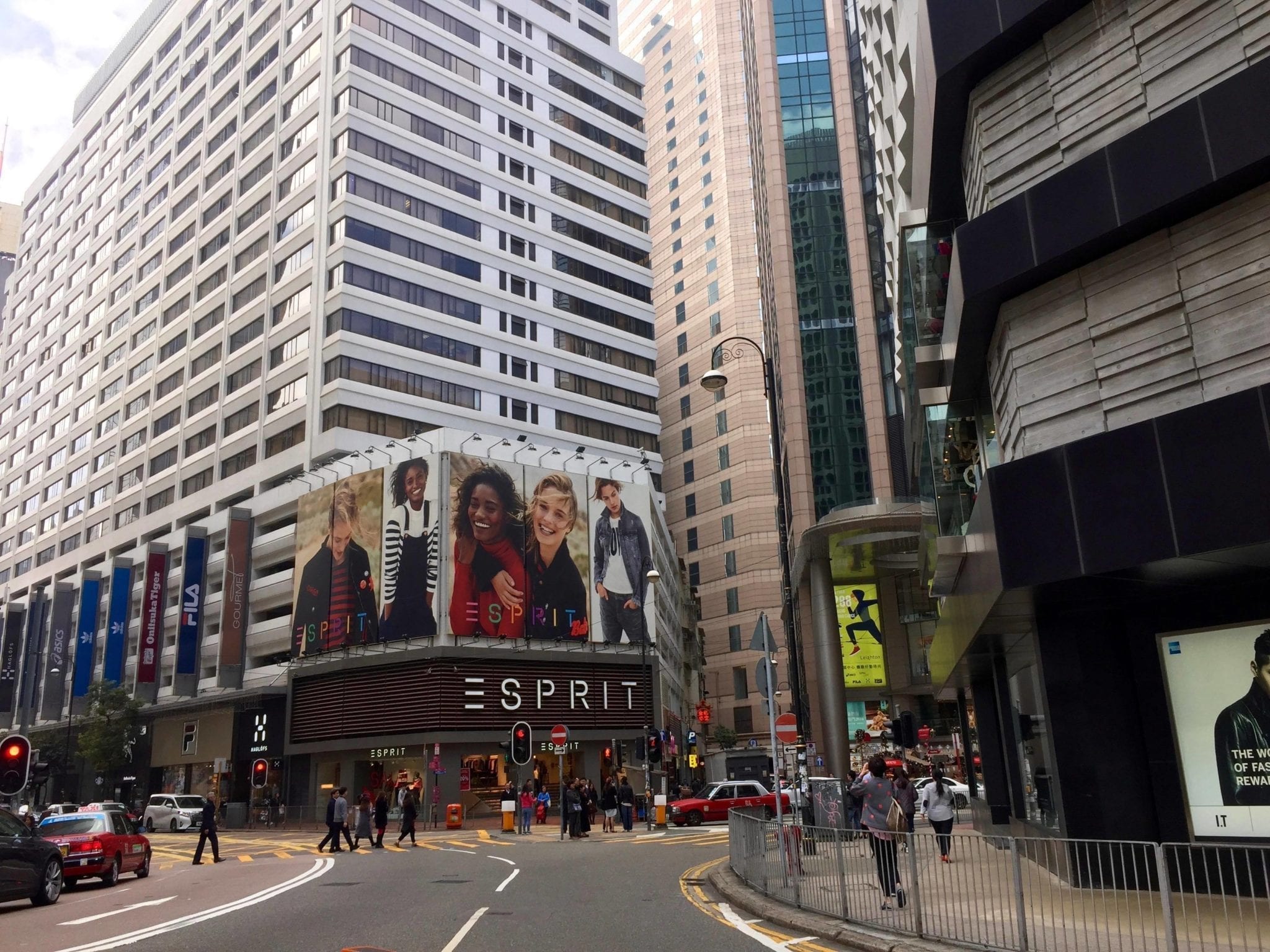
    Russell Street in Hong Kong’s Causeway Bay district has replaced New York’s Upper 5th Avenue as the world’s most expensive retail street by rental value, according to property consultants Cushman & Wakefield. For the first time in five years, the city has regained the crown, with average annual rents of US$2,671 per square foot (HK$20,953) despite a small decline of 1.5 per cent in average rents, according to the company’s annual Main Streets Across the World report.

    This was also the sixth time Causeway Bay has had the distinction of being named the world’s most expensive retail location.

    The report, now in its 30th year, tracks 446 of the top retail streets around the globe, ranking them by their prime rental value as of the second quarter of 2018.

    Upper 5th Avenue in New York slipped to second place globally, with average annual rents of US$2,250 per sq ft compared with US$3,000 per sq ft in the previous 12-month period as vacancy increased. The report said rents had fallen by 25 per cent because of the increased vacancy.

    London’s New Bond Street meanwhile is the most expensive European location and third globally. Annual rents here were broadly flat year-on-year at US$1,744 per sq ft, underlining the fact that luxury and high-end retailers still see the UK’s capital as a key retail destination.

    Beijing’s Wangfujing has become the most expensive street in China, with rents on average costing US$482 per sq ft a year, ranking 11th worldwide.

    “The retail market in Hong Kong has experienced a rebound over the last year, driven mainly by a return of mainland Chinese tourists,” said Kevin Lam, Cushman & Wakefield’s head of retail services for Hong Kong.

    Maureen Fung Sau-yim, executive director of Sun Hung Kai Real Estate Agency, said the number of mainland tourists would remain high if the yuan fell further.

    Fung manages 38 shopping malls with a gross floor area of 10 million square feet in Hong Kong and mainland China.

    One of them, APM, in Kwun Tong, was among the first to introduce round-trip direct buses from the mall to Zhuhai and Macau.

    “Since the opening of the Hong Kong-Zhuhai-Macau Bridge on October 24, APM has been running 780 round-trip direct buses to Zhuhai and Macau, serving 25,000 passengers, in which 80 per cent of them are Macau tourists who came for a one-day tour,”she said on Wednesday.

    Each of these visitors spends between HK$500 and HK$800, mainly on dining, cosmetics, and personal care.

    “APM aims to draw as many as 100,000 monthly visitors to the mall. Extra part-time staff are being hired to support the new demand,” adds Fung.

  • Vietnam’s culture, tourist sites introduced at Brussels Holiday Fair

    Vietnam’s culture, tourist sites introduced at Brussels Holiday Fair

    Several Vietnamese companies have introduced Việt Nam’s cultural features, natural landscapes and cuisine to visitors at the 60th Brussels Holiday Fair that is being held in Belgium’s capital city from February 1 to February 4.

    At the event, representatives from Vietnam Airlines, the national flag carrier, have provided visitors with information on its inbound and outbound flights, especially air routes from Belgium and other European nations to Việt Nam.

    Vietnamese Ambassador to Belgium Vương Thừa Phong took the opportunity to promote the image of the Vietnamese land and people to Belgians and other international partners.

    Nguyễn Thị Dung Hạnh from the Gvietnamtravels Company said that this time her company was offering tours designed to fit the requirements of each group of customers and cater to all services, from visa application to buying flight tickets.

    According to her, Belgium is a promising market for Vietnamese travel agencies.

    At the event, several Belgian companies have also introduced their attractive tours to Việt Nam.


    Vietnam News Agency’s correspondent quoted Willy Somers, a representative of Belgian Lauwers Tourism Company, as saying that his company had introduced to its customers many tours from north to south Việt Nam that could be completed in 12 days to 15 days.

    He said the company’s customers have booked all the tours to Việt Nam departing next month.

    According to the plan, the company will conduct tours to Việt Nam throughout 2018, and this proves the Vietnamese market is interested in Belgian customers.

    Việt Nam welcomed nearly 13 million international tourists in 2017, up 29.1 per cent compared with the previous year, of which 1.9 million tourists were from Europe, including more than 29,000 Belgians.

    The 60th Brussels Holiday Fair is taking place from February 1 to February 4 in Brussels. This is a good opportunity for tour operators, airlines, hotels and tour operators in Belgium, as well as foreign partners to seek partners and business opportunities.


  • Brussels to hit Amazon with large tax bill

    Brussels to hit Amazon with large tax bill

    Online retail giant Amazon will reportedly be slapped with a tax bill worth several hundred million euros following a lengthy EU investigation into a sweetheart tax deal with Luxembourg.

    The EU’s competition commissioner Margrethe Vestager is expected to issue her decision on Wednesday following a near three-year investigation into whether Amazon’s tax affairs complied with state aid rules, according to the Financial Times, which cited sources.

    The probe, which was launched in October 2014, looked at a 2003 tax agreement between Luxembourg and the retailer that saw most of Amazon’s European profits recorded in the country, but not fully taxed.

    Both Amazon and the European Commission declined to comment.

    It would be the latest EU regulatory decision to affect a major US firm, with Vestager putting the tax affairs of a number of high-profile targets including Amazon under the microscope in recent years.

    The EU Commission last year hit US tech giant Apple with a 13 billion euro ($A20 billion) tax bill in the wake of an investigation which found that Apple paid 50 euro in tax for every one million of profit made outside the US in 2014.

    The government and Apple are both appealing against the decision.

    McDonald’s is also facing fire from EU antitrust officials who are investigating claims that the fast food giant avoided more than 1 billion euro in tax through the use of a royalties loophole in Luxembourg.

    When it launched its investigation in 2015, the European Commission said the European arm of McDonald’s had paid virtually no corporation tax in Luxembourg or the US since 2009, despite making significant profits in the division.

    McDonald’s subsequently announced this past December that it was moving its non-US tax base to the UK, as it battled EU regulators over its tax affairs.

  • Vietnam fish exporters aim to crack Europe

    Vietnam fish exporters aim to crack Europe

    The Vietnam Association of Seafood Exporters and Producers (VASEP) is showcasing Vietnamese seafood products at the Seafood Expo Global, which is being held in Brussels, Belgium, from Tuesday to Thursday. In a 264sq.m. booth, the association introduced Viet Nam’s seafood specialties, including tra fish (known as pangasius), shrimp, tuna and tilapia fish, as well as cattle fish, octopus and dried seafood products, all of which come from 25 Vietnamese seafood producers and exporters.

    The pavilion attracted foreign businesses, which shared experiences in trading aquatic and seafood products.

    In the context of a pangasius crisis in Spain and the Carrefour supermarket chain ceasing to sell Vietnamese pangasius, VASEP and the Ministry of Agriculture and Rural Development held a press conference at the exhibition to provide clear information about Viet Nam’s pangasius processing and exports to European partners.

    In his interview with Vietnam News Agency correspondents, VASEP general secretary Truong Dinh Hoe said the press conference aimed to create a correct information channel to deal with the communication crisis on pangasius, targeted at increasing exports of Vietnamese aquatic and seafood products to Europe.

    Alfons van Duijvenbode, a Dutch consultant, said European consumers have a bad impression of Vietnamese pangasius due to false information on social media.

    In recent years, the consumption of Vietnamese pangasius has fallen in the EU, meanwhile other fish have maintained or even increased sales volum, he said.

    He suggested the Vietnamese aquaculture industry interact more with consumers to provide them exact information about the products.

    Head of Vietnamese Trade Office in Belgium Nguyen Canh Cuong said that the office had worked with local partners such as Foreign Trade Association to provide information to Belgium businesses and consumers.

    Also at the event, Viet Nam held other trade promotion activities, including a dialogue for shrimp value chains and a programme for visitors to try Vietnamese seafood.

    Seafood Expo Global, the largest of its kind globally, drew the participation of over 1,600 exhibitors from 77 countries and territories this year.

    It is expected to attract more than 26,000 visitors and exporting and trading enterprises from 144 nations and territories.

  • Brussels Airport has launched its cool dolly

    Brussels Airport has launched its cool dolly

    Brussels Airport has launched its cool dolly on the opening day of the The International Air Cargo Association’s Air Cargo Forum in Paris.

    Following two years of work with its partners, the new airside pharma transport dolly is designed to be the missing link in the cool chain link. The pharmaceutical sector is of major economic importance to Belgium, explained Nathan de Valck, cargo and product development manager at Brussels Airport [second from right in photo], and this dolly had to meet 17 requirements identified by the industry.

    “We wanted to make a cost-effective temperature-controlled airside transport solution available to the market,” said de Valck.

    The pharmaceutical sector has been actively involved in this project, de Valck went on to say, along with airlines, forwarders, handlers and an engineering company.

    One of the requirements of the new dolly was to avoid extremes of temperatures. Temperatures below 5 degrees Celsius or above 25 were unacceptable, but temperatures in between, as long as they were stable, were acceptable.

    Solar panels on the roof allow the dolly to operate autonomously for several days without needing to be plugged in, and the unit is designed to reach the required temperature quickly, meaning the dolly can be used several times a day.

    Brussels Airport has currently ordered four dollies, and will look to increase the number if needed.