Tag: bubble

  • Bubble-tea chain Milksha opening Stores in Singapore

    Bubble-tea chain Milksha opening Stores in Singapore

    Taiwanese bubble-tea chain Milksha is opening two outlets in Singapore by the end of this month.

    The first flagship outlet will open at Suntec City Mall, and a second in Funan mall, which is scheduled to open on the 28th.

    Known as Milkshop in Taiwan, and Milksha outside of Taiwan, the chain has five signature products: Azuki Matcha Milk, Fresh Taro Milk, Refreshing Orange Green Tea, Earl Grey Latte with Honey Pearl and Valrhona 100% Cocoa Milk.

    The brand is also known for its honey pearls, which are made in Taiwan and frozen using ‘quick-freeze’ technology to maintain the texture of the pearls, before being flown to Singapore.

    The local outlets will offer four varieties: Fresh Milk Series, Fresh Milk Tea Latte Series, Premium Tea Series and Special Concoctions.

    Milksha currently has more than 230 outlets in Taiwan, 20 in China and two in Hong Kong.

  • Chicha San Chen opens in Singapore

    Chicha San Chen opens in Singapore

    Taiwanese bubble-tea chain Chicha San Chen has opened its first outlet in Singapore.

    Located in 313@Somerset, the flagship store has modern design with an open kitchen.

    Customers can make their own tea and watch as it brews in a Teapresso machine.

    They can choose from milk-tea, fruit-tea or pure-tea bases including Green Tea, Osmanthus Oolong Tea, High Mountain Pouchong Tea, Black Tea, Dong Ding Oolong Tea and Cassia Black Tea.

    The store also features a tea appreciation counter where tea connoisseurs can learn more about teas and sample the special Taiwanese Lishan Qingxin Oolong Tea.

    Established in Taichung 20 years ago, Chicha now has more than 200 stores in Taiwan and China.

    Chicha has its own tea plantations in Taiwan, where they harvest their tea leaves and other ingredients.

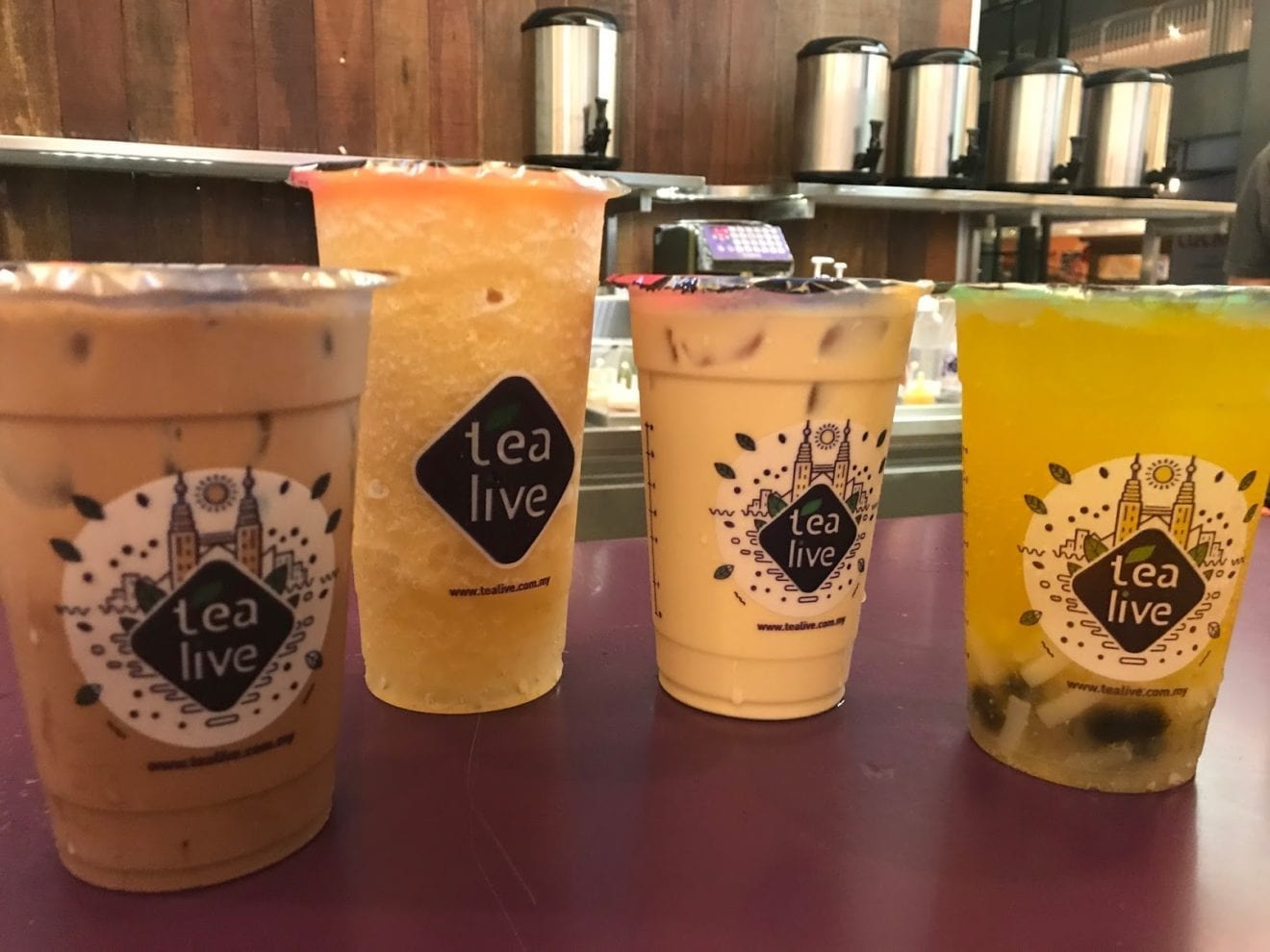
  • Malaysian bubble-tea chain Tealive Eying IPO

    Malaysian bubble-tea chain Tealive Eying IPO

    Loob Holding, parent of Malaysian bubble-tea chain Tealive, is preparing an IPO in Malaysia with a view to raising MYR300 million (US$72 million).

    The firm, which operates more than 200 food-and-beverage outlets in the territory, has reportedly hired advisors to facilitate the process and is seeking a valuation of up to MYR1 billion.

    “We have engaged corporate advisers for this exercise,” said Loo’s CEO Bryan Loo. “We cannot confirm the valuation sought nor the IPO portion, pending final recommendations from our advisers.”

    New listings have been slow off the mark this year, with only $9.4 million in first-time sales so far compared to $47.8 million during the same period last year. Several retail businesses are expected to list shortly, including Malaysia KFC operator QSR Brands and home improvement chain Mr DIY.

  • Chatime facing allegations of Employee Underpayment

    Chatime facing allegations of Employee Underpayment

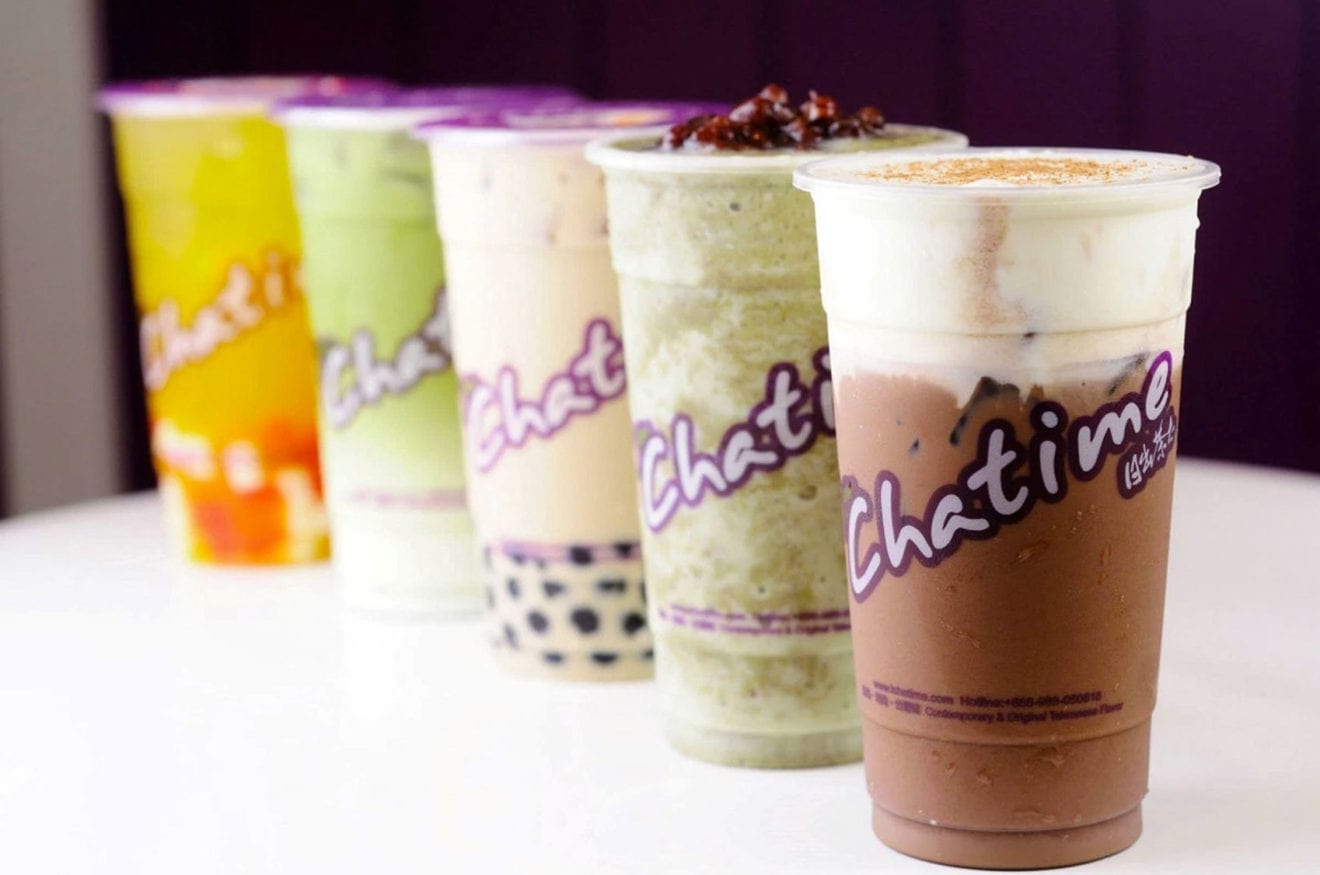
    Bubble tea chain Chatime is the subject of the latest underpayment scandal, after an in-depth report alleged rampant underpayment in both corporate-owned stores and the franchisee network stretching back to 2009.

    Employees of the Taiwanese company’s Australian subsidiary – Infinite Plus – are owed more than $10 million, according to the report. Many of the underpaid workers are foreign students on visas from China and Taiwan, who were too afraid to complain to authorities, the report said.

    A spokesperson for the Fair Work Ombudsman (FWO) told it has a current investigation relating to Infinite Plus, so could not comment further on the matter at this stage.

    The report comes after a parliamentary inquiry earlier this year called for a total overhaul of the franchise sector, after a series of underpayment scandals at 7-Eleven, Retail Food Group, Domino’s Pizza Enterprises Ltd and other franchise businesses.

    Chatime had not previously been insinuated in the underpayment scandals, but according to the report, the bubble tea business had in fact received a formal complaint from the Fair Work Ombudsman (FWO) in 2018, after an audit of its corporate-owned stores from August to December 2016 revealed 150 workers had been underpaid.

    Chatime was told to back-pay workers an estimated $113,494 in NSW and $62,975 in Victoria, the report stated, but was not further penalised by the FWO. The Ombudsman also chose not to make the finding public.

    Earlier this month, however, the regulator commenced legal action against a Chatime franchisee in Sydney, which it alleged underpaid 17 workers more than $46,000. A Chatime insider told, “It’s pretty standard picking on the little guys, not the big guys”.

    The spokesperson for the FWO told it is examining the rapid establishment and expansion of overseas franchise businesses.

    “These businesses often implement operating models and workplace practices associated with their countries of origin,” the spokesperson said.

    “In combination with employing migrant workers, who may be unaware of their rights, there is significant potential for non-compliance. We are proactively auditing several emerging franchisees in the fast food, restaurant and café sector to check compliance of their business models with Australia’s workplace laws.”

    The spokesperson said recent litigations commenced against PappaRich and Chatime franchisee outlet operators are the result of this activity.

    The spokesperson also confirmed that the FWO investigated Bakery Venture, a business that Infinite Plus’s key shareholders – Charlley Zhao and Iris Qian – were involved directors of and key shareholders, last year.

    The Ombudsman secured $350,000 in back-pay for employees and former employees of Bakery Venture, trading as Dough Collective, but further enforcement options were limited, since the company went into liquidation during the investigation.

    We asked Chatime for comment, but had not received a reply by the time of publication.
  • Cha Tra Mue Ready for Hong Kong debut

    Cha Tra Mue Ready for Hong Kong debut

    The bubble-tea craze is showing no sign of letting up with yet another overseas entrant about to make its debut on the streets of Hong Kong.

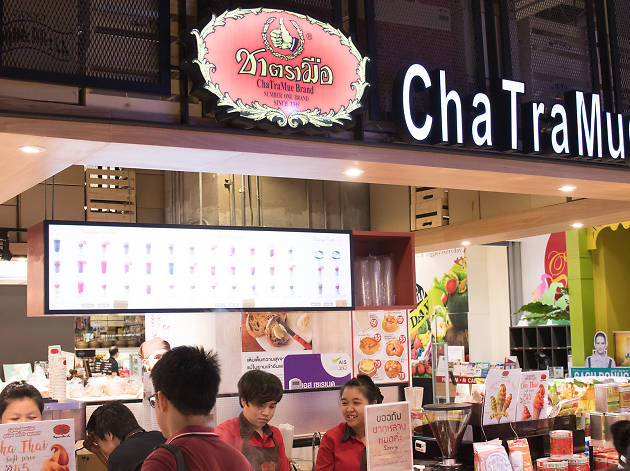
    The latest brand comes not from Taiwan, but from Thailand. Cha Tra Mue, described by Time Out as “one of Thailand’s most popular and beloved tea brands,” will open its first store in Hong Kong this Saturday (April 27), in Causeway Bay.

    Cha Tra Mue (which translates to Number One Brand) was launched more than 70 years ago as a packaged consumer goods brand and in recent years expanded into fresh tea shops. It is known for its sweet, smooth Thai-style milk tea and green-tea drinks. It has already expanded into Malaysia, South Korea, Mainland China (Beijing) and Singapore.

    The Hong Kong outlet, at 49 Jardine’s Bazaar, will use only tea leaves, coffee beans, lime and honey imported fresh from Thailand. It will also offer a pandan-flavoured bubble tea.

    Besides serving fresh beverages, the Cha Tra Mue cafe will sell packaged tea including family-sized packs of tea bags, and most likely soft-serve tea-flavoured ice cream.

  • Bubble tea, the next gold mine

    Bubble tea, the next gold mine

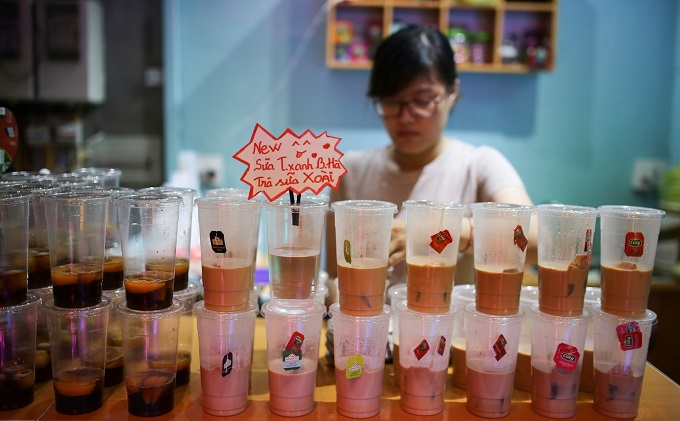
    Investors are flocking into the bubble tea market since demand is booming across the country. Market researchers have found the market is growing at 20 per cent a year and reached US$300 million two years ago. There are over 100 brands already and many more famous names are flocking in.

    In large cities like HCM City and Hà Nội, it is easy to find bubble tea stores belonging to major brands like Alley, Gongcha, Phúc Long, Ten Ren, and Royaltea.

    There are also smaller stores with cheaper prices run by small business people.

    Seeing the demand, many coffee chains like Highlands and The Coffee House and restaurants have added bubble tea to their menu.

    Besides bubble tea simply being a popular drink for various age groups, the shops selling it have become a haunt for youngsters because of their facilities and decor.

    A spokesperson for a famous brand name, Gong Cha, said: “Competition in bubble tea market in Việt Nam is a marathon.

    “Bubble tea has established itself on the Vietnamese food and drink scene. Bubble tea shops are no longer just places selling beverages. They are places featuring a speciality totally different from traditional places like coffee stores and restaurants.”

    Brand expert Võ Văn Quang was quoted as saying by Người Lao Động (The Labourer) newspaper that the popular drink in Hong Kong and Taiwan has undergone many changes in the Vietnamese market with many toppings to match Vietnamese tastes.

    “Milk tea is now a popular drink among Vietnamese youth.”

    Most of the milk tea brands have come to Việt Nam as franchises, he said.

    “At prices of VNĐ30,000 to over VNĐ80,000, bubble tea is brining huge profits. That is why foreign brands are keen on franchising in Việt Nam.”

    A bubble tea shop is much cheaper to set up than a coffee shop while the profits are huge, he said.

    Dr Đào Duy Khương, a retail expert, said milk tea, unlike coffee and tea, targets youths in big cities, and this demographic’s consumption behaviour is trendy meaning investors should change their offerings frequently.

    It is not surprising several brands closed in recent times, he added.

  • Happy Lemon teashop showcases Alibaba tech

    Happy Lemon teashop showcases Alibaba tech

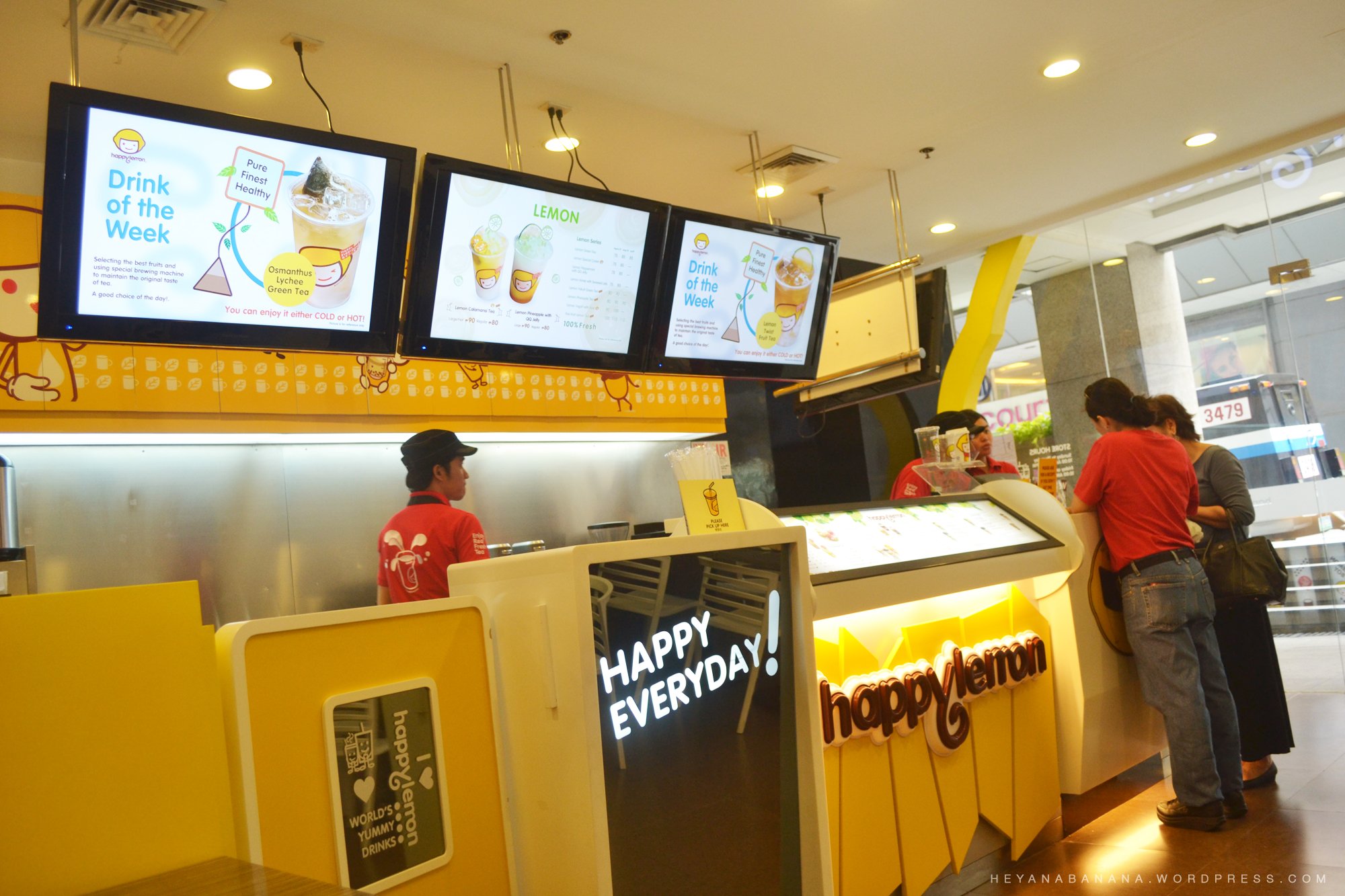
    Taiwanese bubble-tea chain Happy Lemon has teamed up with Koubei, Alibaba Group’s local-services app, to upgrade its in-store technology, including a new drink-making robot. At its pilot “smart store” in Shanghai, customers have the option of buying their drinks at a counter manned by employees or, for a fully automated experience, purchasing via their smartphones for service by the robot. Customers scan a QR code with the Koubei app, tick a few boxes to customise their drink, then wait for a text notification to pick up their tea at a smart locker, which opens when they tap a “pick-up” button on the app.

    The robot can make eight types of drinks with about 40 variations based on customer preferences for different amounts of ice and sugar – each taking about 90 seconds, Koubei said.

    “The smart-store initiative is part of our journey to bring New Retail to food and beverage merchants,” said Guo Haodang, head of Koubei’s smart-store program. “We bring advanced technologies, such as our QR codes, intelligent pick-up lockers and robotic tea mixers, to merchants’ brick-and-mortar stores, helping the sector rethink how they sell and engage with consumers.”

    Koubei and Happy Lemon’s tea-making robot can serve up drinks in 90 seconds.

    Koubei and Happy Lemon’s tea-making robot can serve up drinks in 90 seconds.

    Happy Lemon, which operates more than 1000 stores worldwide, including in the US, Canada, the UK and South Korea, is the latest company to join the smart-store program. Launched in 2017, there are now about 100 brands that have partnered with Koubei to upgrade their brick-and-mortar locations with in-store technology, such as features that allow consumers to pre-order by mobile app and skip queues. Other brands that have signed on include the century-old Chinese restaurant chain Wu Fang Zhai, Hong Kong traditional sweets maker Honeymoon Dessert and pastry chain Kengee.

    Daniel Lee, deputy GM of global marketing at Happy Lemon, said that high employee turnover can lead to drinks being made inconsistently. The robot, which knows right ingredients and amounts, is the perfect solution to that problem, he said.

    Happy Lemon is working with Koubei to replicate this model at more of its stores across China, according to a statement from the local-services app.

    A Happy Lemon customer uses the Koubei app to place his order.

    “Aside from hardware innovations like with the robotic tea mixer, what’s more important to us are the big-data applications behind it,” said Lee, adding that Koubei’s analytics had helped determine where to build the pilot smart store as well as provide AI-powered customisations to customers.

    Last year, the company leveraged Koubei’s consumer analytics to better reach its potential customers online and drive traffic to its physical stores. In 2016, Happy Lemon had joined Alibaba’s on-demand delivery arm, Ele.me. The brand said that 30 per cent of its orders come from delivery rather than in-store purchases, and it expects that ratio to grow further.

    Market research firm Mintel says demand for tea-shop drinks has grown remarkably in the last couple of years in China, reaching a total retail value of RMB 48.5 billion (US$7.2 billion) last year. While nearly all tea-shop consumers in China have bought their beverages in physical stores, just over two-thirds have ordered their drinks online, Mintel noted, which means online channels are a potential growth opportunity for tea chains.

  • Tiger Sugar to open first Korea store next month

    Tiger Sugar to open first Korea store next month

    Bubble milk tea brand Tiger Sugar Korea will open first branch in Hongdae, a bustling university town of Seoul.

    Located at a popular hang-out area for young people, the Hongdae store will offer the same taste as that in Taiwan and use premium ingredients to “become the hottest dessert drink this year”.

    In order to do that, Tiger Sugar Korea will be competing with another original Taiwanese chain Gong Cha, which is now popular among locals.

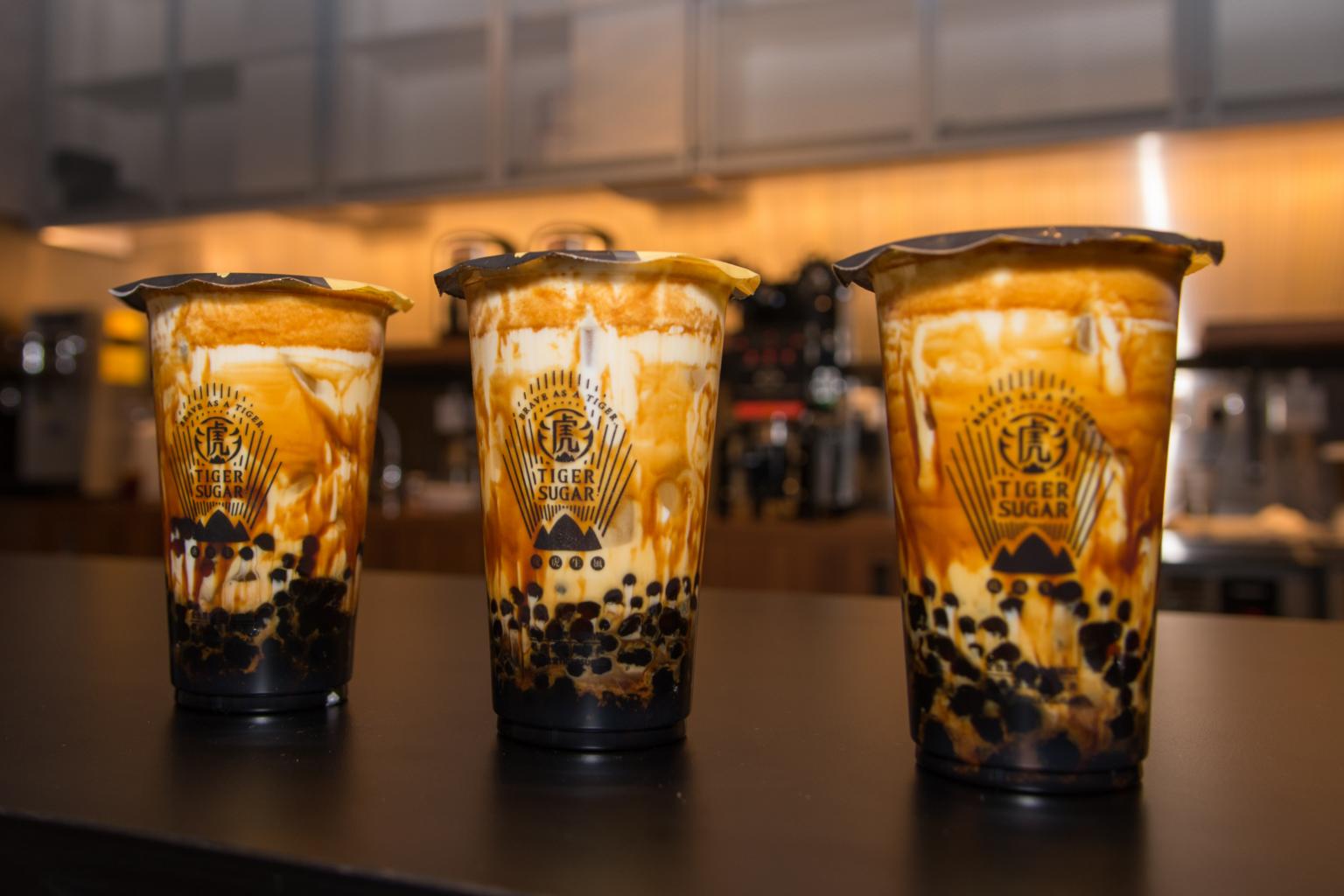
    First opened in Taiwan in 2017, Tiger Sugar is known for drinks with dark-brown sugar syrup inside. The chain now has branches in eight countries including Hong Kong, Singapore, and Korea.

    It also plans to open stores in the US and China.

  • World Franchise Associates Signs Exclusive Agreement with T BUN Bun & Bubble Tea for International Expansion

    World Franchise Associates Signs Exclusive Agreement with T BUN Bun & Bubble Tea for International Expansion

    World Franchise Associates has announced the signing of an agreement to exclusively represent T BUN Bun & Bubble Tea for international development opportunities with a focus on Asia and the Middle East.

    T Bun is one of the fastest growing franchises in South Korea. The brand started in 2017, opening 8 shops in South Korea and 1 shop in Perth, Australia. T BUN is planning an aggressive rollout of 20-30 new stores in South Korea over the next 12 months along with 3 new stores in Australia. T BUN is also planning to expand its business to Southeast Asia, the Middle East North Africa (MENA) region, Canada, The United Kingdom and other international markets over the next 2 years.

    Jonathan Kwon, Managing Director of T BUN said, “With support from World Franchise Associates we are currently speaking to candidates about opportunities to become our exclusive master franchisees and area developers in many international markets. An exclusive T BUN master franchisee or area developer would be granted the rights for a specific country or territory and would be expected to develop a reasonable and competitive number of T BUN outlets in that country/territory over an initial 10-year development term, starting initially with company owned T BUN outlets and thereafter via sub-franchising.”

    T BUN offers both doughnuts and baked goods, and beverages. It’s signature beverage, authentic Taiwanese Milk Tea, also called bubble tea or boba tea, is a cold drink which originated from Taiwan in the early 80s. There are more than 300 kinds of milk tea sold in Taiwan.  The tea is noted as being good for health, and customers range from kids to old generations.

    Troy Franklin, Chief Operating Officer, World Franchise Associates – Southeast Asia, said, “We are excited about partnering with T BUN, a world-class concept and product.  As one of the fastest growing franchises in South Korea, T BUN represents an appealing investment for both kiosks and small cafes providing investors with attractive profit margins and dedicated support for international franchisees.”

    T BUN provides franchisees with wide-ranging training and support including:

    • Comprehensive training program, operations manual, performance monitoring tools and reporting templates.
    • Access to continuous innovation, research and development.
    • Access to high quality raw materials and ingredients.
    • Consultation and advice leading up to the market launch, during the initial opening and ongoing including in-market support.
  • Bubble tea franchise set to expand throughout New Zealand

    Bubble tea franchise set to expand throughout New Zealand

    New Zealanders have a growing thirst for the popular Asian drink “bubble tea,” with more stores expanding around the country next year.

    Bubble tea or boba tea is made with soft tapioca balls called pearls and originated in Taiwan in the 1980.

    The drink has become popular around the world with global sales of tapioca pearls growing at 4 per cent a year.

    Bubble tea sales in New Zealand are growing around 20 per cent a year, according to Marcus Teh, New Zealand manager of Gong Cha, an international chain of bubble teahouses.

    Auckland’s large Asian student population initially drove its popularity, he said, but this year around 30 per cent of customers were Kiwis.

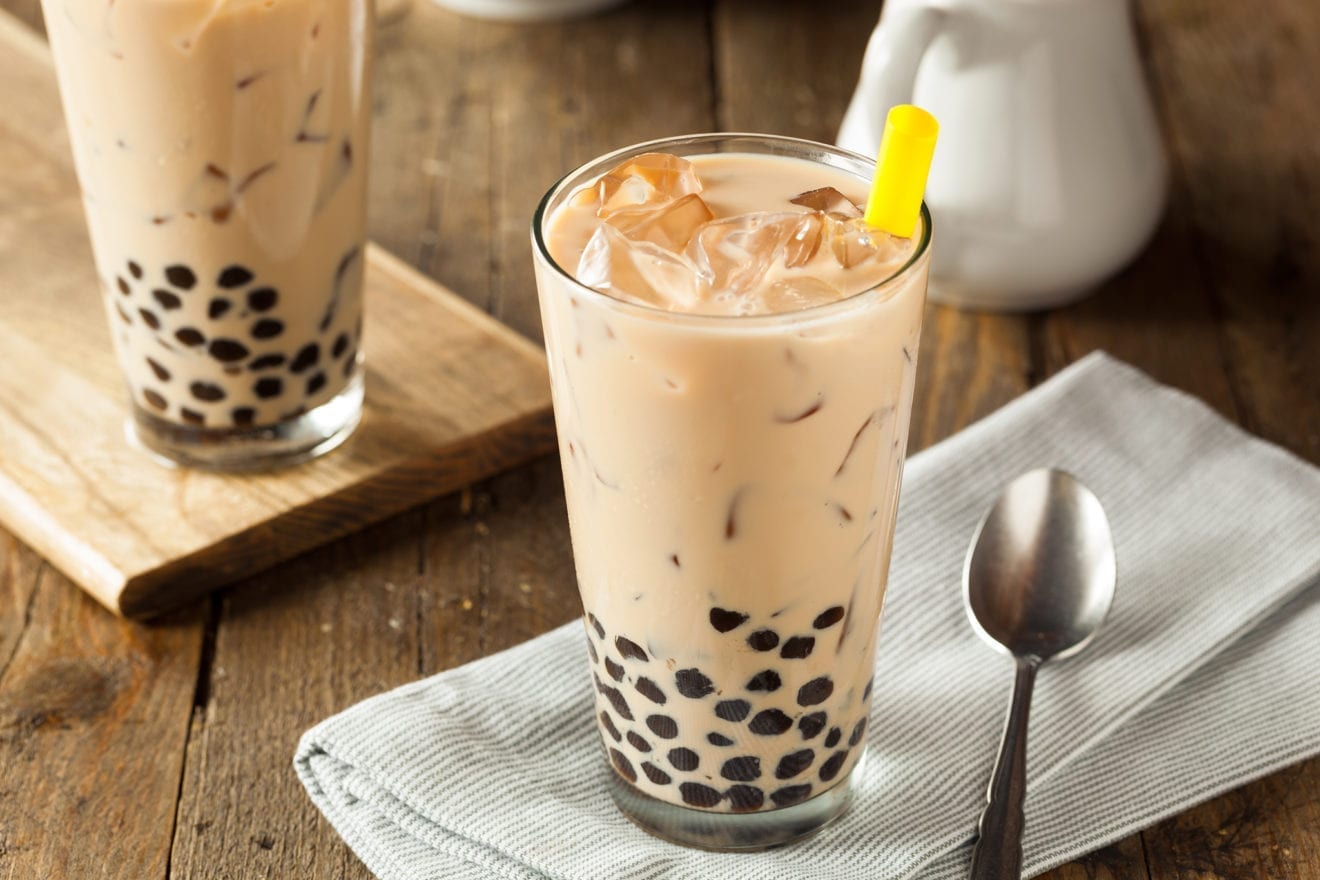
    The black balls at the bottom of the glass are tapioca pearls.

    “Marketing plays a part but the bubble tea culture and drinks are slowly being loved by Kiwis,” Teh said.

    “We already know our brand is loved by Asians so we are trying to attract more New Zealanders.”

    Retail licensing expert Katrina Hammon said bubble tea bars were the new juice bars.

    “It’s new, different and on trend globally. McDonald’s Germany even added bubble tea to the menu in 2012, so New Zealand is well behind this trend,” she said.

    One of the pull factors of tea was the experience, she said.

    “The Chatime Tea brand, another chain of teahouses has an unique fit out, consumers can see the product being made and add in pearls. There are also healthy options like sugar free options, chia seeds, aloe vera.”

    Gong Cha and Chatime each have more than 1000 stores worldwide and three stores in Auckland.

    A fourth Gong Cha is set to open at Sylvia Park in November.

    Teh said potential franchisees had been in contact asking him to open stores in the South Island. He plans on opening three more stores next year, including in Wellington and Christchurch.

    Gong Cha will hire 20 staff in addition to the team of 30 already working for the company.

    The company was recently voted the most popular food and beverage brand in Singapore, and was also named the most popular tea brand in Korea.

  • Tealive says “Hi” to Vietnam

    Tealive says “Hi” to Vietnam

    Bubble-tea brand Tealive has made its debut in Vietnam with two stores in one month.

    The first one is located in Vincom shopping centre while the second one is a standalone store on Le Thanh Ton Street, near Ben Thanh market.

    To mark its debut in Vietnam, Tealive introduced five exclusive drinks.

    Bryan Loo, founder and CEO of Tealive, is confident the brand will win over local millennials.

    Tealive Vietnam plans to open three more stores before the end of this year, targeting 20 next year.

    Tealive, owned by Loob Holdings, rebranded from Chatime after a dispute with outlets.

  • LiHo bubble tea says hello to Hong Kong

    LiHo bubble tea says hello to Hong Kong

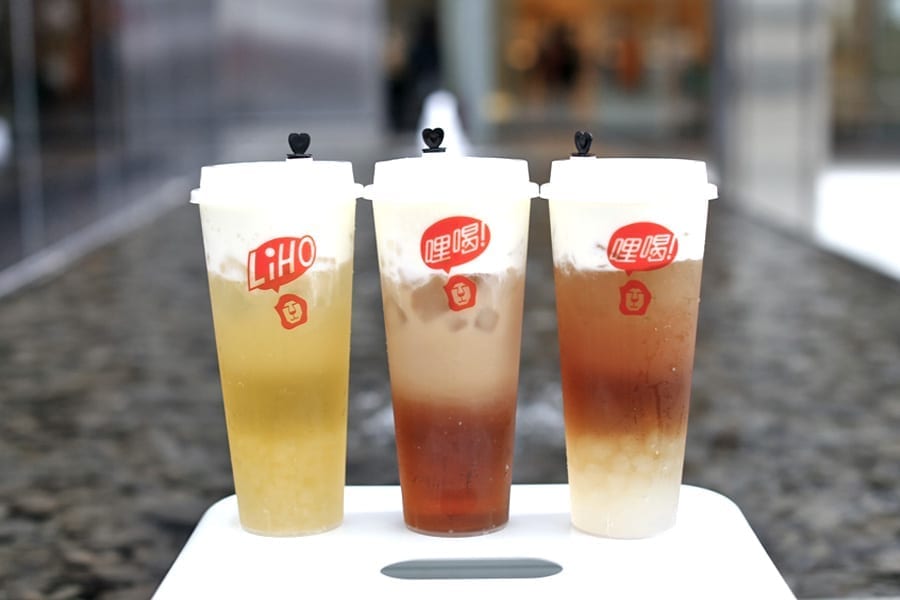
    Known for its cheese teas, Singapore bubble-tea brand LiHo has opened its first overseas outlet in Hong Kong.

    Its Yuen Long store will be followed by another in Kwun Tong on November 1, says the parent company RTG Holdings. Both outlets offer the full menu including smoothies and the new Avocado and Summer Passion beverages.

    RTG Holdings MD Rodney Tang says this is a first step in building LiHo into a global brand. It is partnering with Milky Way Synergy for the Hong Kong stores, and is looking at opening 20 more in the territory within the next five years.

    Tang says there has also been “preliminary interest” from potential partners in Japan, Korea and London.

    RTG ventured into the bubble-tea business with the Gong Cha brand in 2009. This year it replaced Singapore’s Gong Cha outlets with LiHo after Gong Cha’s parent company sold the business to Unison Capital, a Japanese private equity firm.