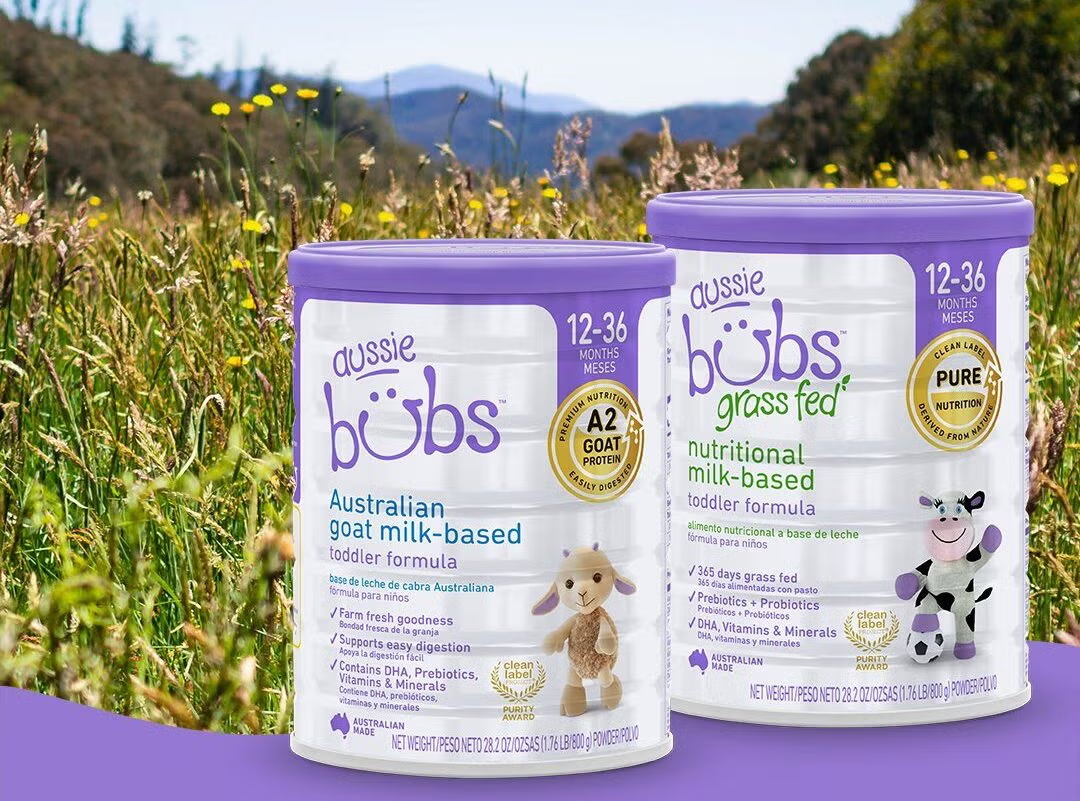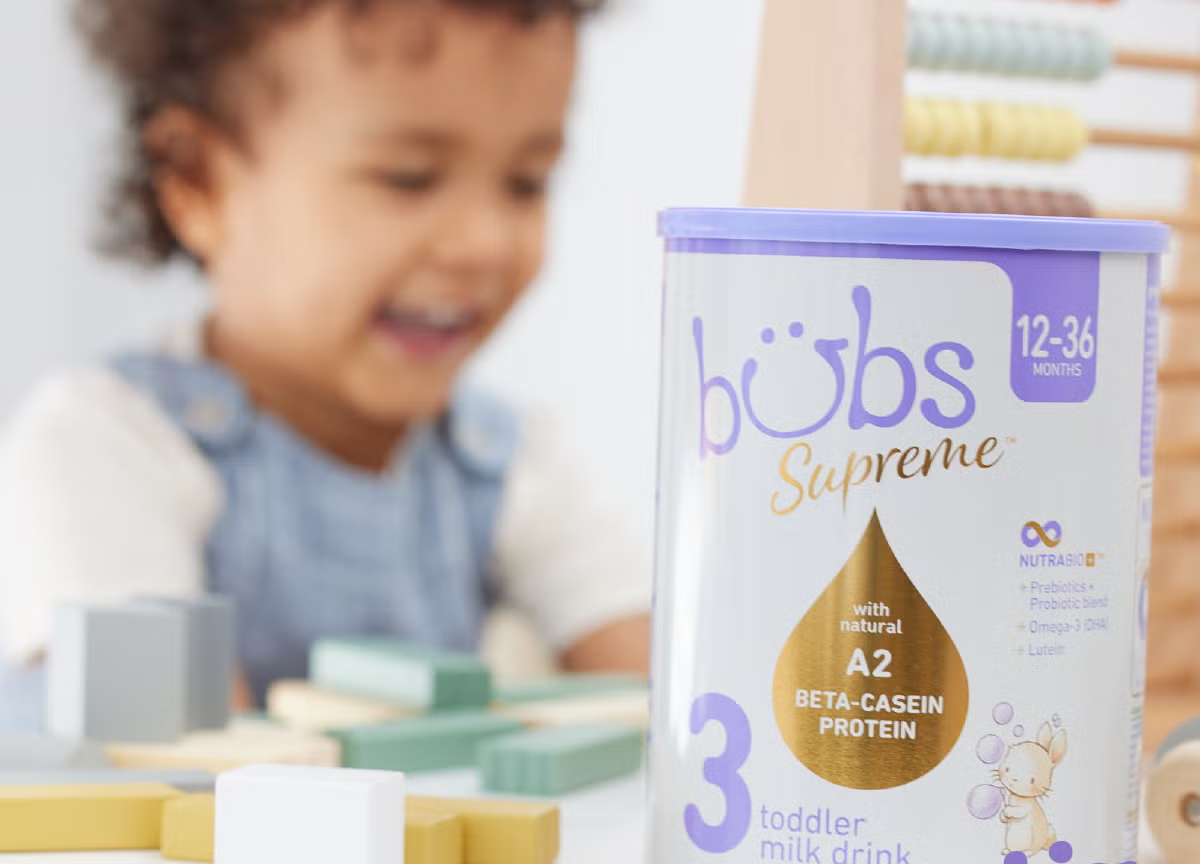
Bubs Australia booked a 9.8 per cent drop in quarterly net revenue to $23.1 million for the three months to September 30, hit by currency swings and stalled export markets across Asia.
The Victoria-based infant formula producer burned through $6.0 million in operating cash during the period, leaving it with $13.4 million in available liquidity to fund inventory and marketing.
Foreign Exchange Pressures Erode US Gains
Revenue in the United States, Bubs’ largest regional market, dropped 8.9 per cent to $15.3 million. Management blamed foreign currency translation for the headline decline, which masked diverging retail channels across North America.
Brick-and-mortar scan sales held up across major retailers. Sales through Walmart and Target grew strongly as distribution widened to more than 12,000 stores across all 50 states, but lower sales volumes on Amazon blunted those physical retail gains.
Delays in Singapore and Vietnam Hit Regional Books
Trading beyond the Pacific showed acute regional friction. Revenue from the Rest of the World division plunged 36 per cent to $1.2 million as planned market re-entries into Singapore and Vietnam ran into operational delays.
China provided a modest buffer. Revenue from mainland buyers crept up to $2.6 million, giving the company small volume gains in an import market where rival dairy labels have written down excess inventory.
The Tradeoff Behind America’s Permanent Authorisation
Bubs gained permanent US Food and Drug Administration authorisation in September for three infant formula lines. That clears regulatory uncertainty that lingered after emergency pandemic-era supply waivers expired, giving the business a permanent footing against incumbent American brands.
Yet chasing US market share carries clear capital risks for Asia-Pacific consumer operators. Supplying 12,000 North American storefronts locks up operating cash in long shipping lanes, and physical shelf space cannot cover the drop when digital orders on platforms like Amazon slip. Diverting corporate attention to satisfy Western regulators has clearly left flank markets in Southeast Asia vulnerable, stalling recovery timelines in key consumer hubs such as Vietnam.
From Daigou Crash to Big Box Retail
The quarterly slide traces the longer remaking of Bubs from an Australian domestic exporter into a Western big-box supplier. When cross-border daigou channels into China dried up, the business pivoted its goat milk and dairy infant nutrition inventory toward North American shortages.
That strategy broadened its retailer network, but the margin profile now depends on continuous physical sell-through across massive US chains while local sales in Australia face lingering household budget pressures.
Executive attention now turns to inventory replenishment and the commercial rollout of relaunched distribution runs in Vietnam, with full-year liquidity levels tied directly to how quickly Southeast Asian trade recovers.