Tag: budget-friendly

  • Wave Goodbye to High Bills: YouTube TV Contemplates Budget-friendly ‘Skinny Bundles’

    Wave Goodbye to High Bills: YouTube TV Contemplates Budget-friendly ‘Skinny Bundles’

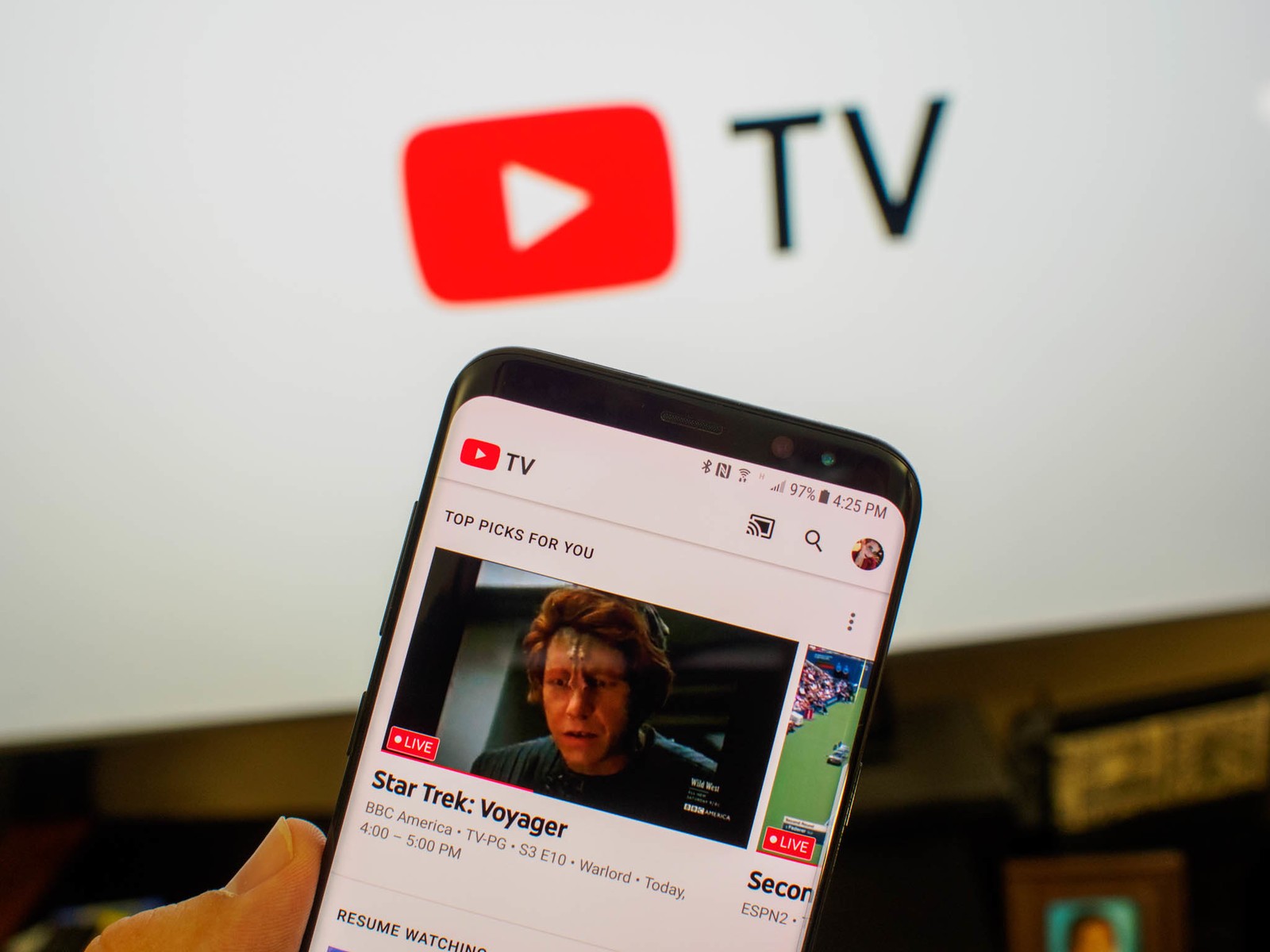
    Google is reportedly considering restructuring its extensive channel offering on YouTube TV into smaller, more affordable packages. This move could provide relief for subscribers who have been grappling with the platform’s escalating costs.

    Proposed Changes

    YouTube TV is renowned for offering one of the smoothest live TV experiences. However, its price has surged to an eye-watering $83 per month for the base plan, up from an appealing $35 in 2017. A recent report suggests that YouTube TV could introduce lower-cost “skinny bundles” within the year.

    Presently, YouTube TV subscribers have to accept a “take it or leave it” deal, with a single plan providing access to over 100 channels. It is rumored that the service may change, allowing you to select specific genres. The most tantalizing rumor is the potential introduction of a dedicated sports package. This would allow users to access popular sports channels such as NBC Sports, Fox Sports, and ESPN without the additional cost of numerous reality TV channels. This is an adjustment that users have been eagerly requesting.

    The shift in streaming services towards cable-like bundles has made the landscape increasingly convoluted. Rival platforms like Sling TV have already addressed this issue. Sling TV offers its divided “Orange” and “Blue” packages, enabling users to focus on sports and family content (Orange) or news and entertainment (Blue), each for approximately half the price of YouTube TV. By resisting the move to unbundle, Google has been effectively directing budget-minded cord cutters to explore other options.

    These proposed changes are significant as they indicate that the $80+ pricing strategy is reaching its limit. Consumers are growing weary of paying for content they do not consume. If Google implements these changes successfully, it would position them in direct competition not only with traditional cable providers but also with more affordable streaming alternatives. This evolution is crucial for Google to continue growing in a market where subscription fatigue is a genuine concern.

    Anticipating the Changes

    If the rumors materialize, it would indeed be a timely adjustment. Users have long cherished YouTube TV’s limitless DVR and user-friendly interface, but paying more than eighty dollars to watch just a few games feels exorbitant. If Google introduced a sports-focused package that eliminated non-sports content, many past subscribers might be enticed to return.

    However, the expectations must be managed. Broadcasting networks are infamous for pressuring providers to bundle less popular channels with highly demanded ones. Observing how Google negotiates these contracts could be insightful. While the stripped-down package sounds appealing, it would be prudent to withhold judgment until official pricing is released.

    Questions & Answers

    What changes are expected for YouTube TV?
    Google is reportedly considering restructuring its channel offering on YouTube TV into smaller, more affordable packages, potentially including genre-specific bundles.

    What is the likely impact of these changes?
    The changes could make YouTube TV a more appealing option for budget-conscious consumers tired of paying for unwanted content, and could position it in direct competition with both cable providers and more affordable streaming services.

    What challenges might Google face in implementing these changes?
    Broadcasting networks often pressure providers to bundle less popular channels with highly demanded ones, so how Google negotiates these contracts will be crucial to the success of the proposed changes.
  • Amazon’s Budget-Friendly Haul Takes on Asian Market: A Thrifty Revolution in E-commerce

    Amazon’s Budget-Friendly Haul Takes on Asian Market: A Thrifty Revolution in E-commerce

    Amazon disclosed its expansion plans for its cost-effective e-commerce service, Amazon Bazaar, on a recent Friday. Known in the United States as Haul, the service is now available in 14 new markets, intensifying competition with Chinese counterparts like Shein and PDD Holdings’ Temu in the worldwide race to sell budget-friendly products such as $10 dresses and $5 accessories.

    Impact of Import Tariffs

    The import tariffs imposed by former U.S. President Donald Trump made a noticeable dent in consumer sentiment, more so among the lower-income groups, who are frequently on the lookout for economical deals.

    Amazon Bazaar Versus Amazon Haul

    Amazon Bazaar operates through a standalone app, offering merchandise akin to Amazon Haul. The latter is a budget-conscious shopping section within the primary Amazon app, which was launched in the prior year.

    Having made its debut in Mexico last year, Amazon Bazaar is set to deliver the majority of its products, priced under $10 and some as low as $2, to its newest markets. These markets span a range of categories, from home goods to fashion, as per the e-commerce behemoth.

    Amazon Bazaar’s New Markets

    Amazon Bazaar’s low-cost e-commerce service has ventured into newer markets such as Hong Kong, the Philippines, Nigeria, and Taiwan. Following its launch in Mexico, the service expanded to Saudi Arabia and the United Arab Emirates.

    DA Davidson & Co analyst Gil Luria highlighted the significance of Amazon Bazaar’s expansion, noting it as a crucial step in Amazon’s international growth strategy. According to Luria, Amazon only ventures into a market if it can scale up to a level that both delights consumers and builds a profitable business.

    Luria further mentioned that the company often takes several years to achieve profitability when entering new countries and markets. Amazon recently reported its third-quarter international revenue at $40.9 billion, witnessing a 10% growth from the same period last year, excluding the impact of foreign exchange fluctuations.

    Luria also posited that if Amazon can successfully build a business around selling a small selection of inexpensive items with appealing service levels, it could potentially extend its services beyond its core 23 markets to nearly every other country globally.

    Global Fulfilment Centers and Service Partners

    Amazon stated that products on Amazon Bazaar are shipped directly from the company’s global fulfillment centers to the designated destinations and delivered to customers via its network of service partners.

    Expansion of Competitors

    Shein and Temu, Amazon’s rivals in the space, have also accelerated their expansion outside the United States. While Shein operates in over 160 countries, including the U.S., Brazil, Ireland, and Southern China, Temu ships to at least 70 countries.

    The Launch and Expansion of Amazon Haul

    In 2024, Amazon launched Haul in the U.S., which has since expanded the in-app service to Britain, Germany, France, Italy, Spain, Japan, and Australia.

    Questions & Answers

    What is Amazon Bazaar?
    Amazon Bazaar is a low-cost e-commerce service by Amazon, known as Haul in the U.S., which sells a wide range of budget-friendly products.

    Which new markets has Amazon Bazaar entered recently?
    Amazon Bazaar has recently expanded its services to 14 new markets, including Hong Kong, the Philippines, Nigeria, and Taiwan.

    How does Amazon Bazaar operate?
    Amazon Bazaar operates through a standalone app and ships products to customers directly from Amazon’s global fulfillment centers via its network of service partners.