Tag: Budweiser

  • AB InBev Posts Strong Q1 Profit Despite Volume Declines and Global Headwinds

    AB InBev Posts Strong Q1 Profit Despite Volume Declines and Global Headwinds

    Anheuser-Busch InBev (AB InBev), the world’s largest brewer, reported a 7.9% increase in first-quarter operating profit, far exceeding analysts’ expectations of a 3.1% gain. The profit surge was driven primarily by improved margins, even as global beer sales volumes declined.

    Margins Expand Despite Lower Sales

    While global beer volumes dipped 2.2% in the quarter ending March 31, AB InBev managed to expand its margins through reduced sales costs and more efficient overhead management. This operational discipline helped the company outperform its rivals, including Heineken, which also reported falling volumes.

    CEO Confirms Positive Outlook for 2025

    CEO Michel Doukeris credited the company’s solid performance to consistent strategy execution:

    “The consistent execution of our strategy by our teams and partners drove a solid start to the year and reinforces our confidence in delivering on our outlook for 2025.”

    Challenges in Key Markets

    In the United States—one of AB InBev’s most important markets—revenues fell 5.1% year-on-year. The company attributed the drop to fewer selling days, poor weather, and the timing of Easter. Notably, AB InBev did not directly mention potential impacts from U.S. tariffs, unlike competitors Heineken and Carlsberg, who expressed concerns about how tariffs might affect consumer spending.

    Aluminium Tariffs Could Pose Future Risk

    The company may face rising costs due to potential U.S. tariffs on aluminium, a key material used in beer cans. Analysts warn that if tariffs weaken the broader economy, consumer spending on discretionary items like beer could also fall.

    Struggles in China Offset Gains Elsewhere

    China remains a challenging market for AB InBev, with first-quarter sales volumes down 9.2%. The brewer’s premium brand portfolio has struggled in the face of a sluggish economic recovery, causing the company to lose ground to competitors.

    Strategic Response: Invest in Core Brands and At-Home Consumption

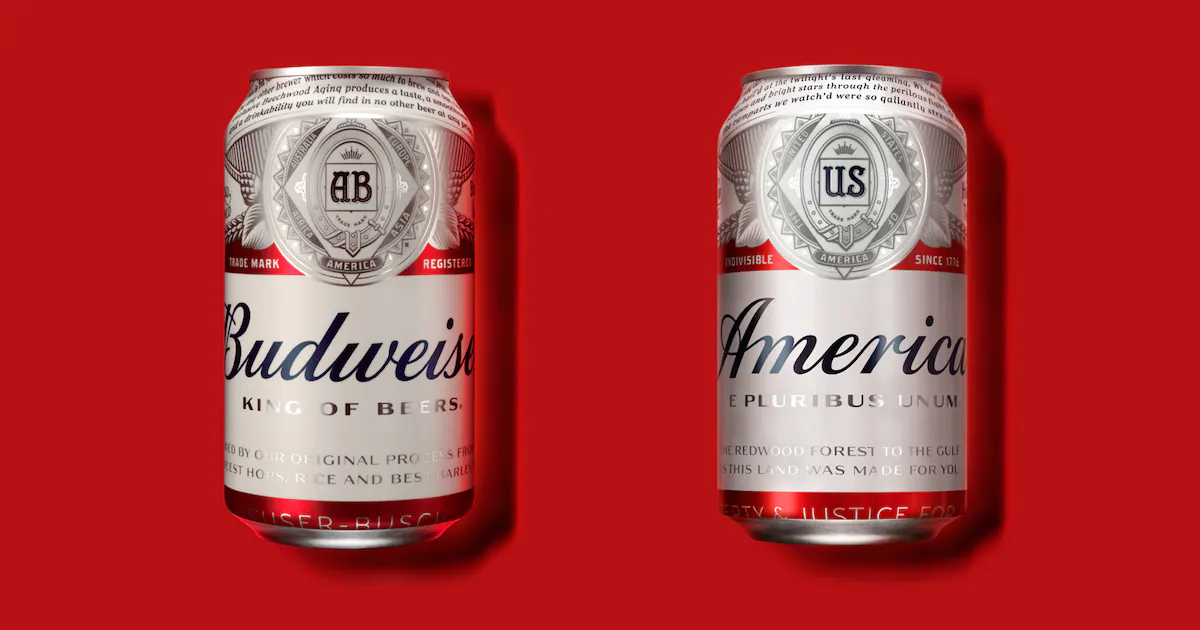
    In response to shifting consumption patterns, AB InBev is increasing investment in key brands like Budweiser and promoting at-home beer consumption, as demand in bars and restaurants softens.

    Questions & Answers

    1. What was AB InBev’s Q1 operating profit growth, and how did it compare to expectations? The company reported a 7.9% rise in operating profit, more than double the 3.1% increase analysts had forecast.

    2. Why did U.S. revenues decline despite overall profit growth? U.S. revenues fell 5.1% due to fewer selling days, poor weather, and a late Easter, which offset gains from margin improvements.

    3. How is AB InBev addressing market pressures in China and globally? The brewer is ramping up investments in key brands and focusing on boosting at-home consumption as traditional bar and restaurant sales come under pressure.
  • Super Bowl 2015: The biggest game in marketing

    Super Bowl 2015: The biggest game in marketing

    he streets of the Pacific Northwest’s biggest city were eerily deserted on Super Bowl Sunday. It appeared that the populace was more asleep than ‘sleepless in Seattle’.

    First impressions were deceiving though, as off the streets things were positively buzzing. Every eyeball was glued to the telecast of the most watched television program in US history, as the Seattle Seahawks took on the New England Patriots in Arizona in Super Bowl 2015.

    In a bar in the Pike Place Markets – the heart of Seattle’s downtown – I closely followed the football along with the faithful. (They call Seattle followers the ’12’s’ – more on that later.) Besides being a fan though, I was really there for the ads, placed at a cost of US$4.5 million for 30 seconds, or US$150,000 a second. In particular, I wanted to see how retail approached the Super Bowl.

    In the end, it was the big names that dominated the telecast – manufacturer brands like Budweiser and Doritos. The real retail action was in the supermarkets leading up to the event, where huge displays and promotional activations encouraged shoppers to stock up on beer and munchies.

    Still, on the screen, besides the inevitable Budweiser Clydesdale and puppy spot (far and away the people’s choice for best ad), there were two spots for retailers that stood out to me.

    The first was for McDonald’s, a company that has been battered recently by a change in food trends and a slew of nimbler brands offering higher quality, healthier choices – such as Chipotle and Five Guys.

    The spot – ‘Pay with Lovin’’ is all about McDonald’s setting out to recapture the hearts of the average American. It’s a novel promotional push. In the lead up to Valentine’s Day, Mickey D’s randomly select customers to forego paying with cash or credit, and instead pay with love. People are asked to hug their kids, or call their Mothers to say they love them. It’s heart warming, and it’s different – I liked it.

    The second spot was for Weight Watchers, and brilliantly takes a stance against the American fast food culture. With a voice over from Aaron Paul of Breaking Bad (sounding somewhat like George Clooney), the spot highlights food excess, and states that: “It’s time to take back control”. Brilliant placement, superb positioning and I bet it works its big, fat ass off.

    The other great piece of marketing is the ’12’s’ concept I wrote about earlier. There are 11 team members on the field at any one time in American football. The Seattle Seahawks have gifted the number 12 to their fans. They say that crowd support – particularly at their home ground in the Emerald City – equates to a ’12th Man’ on the field of play. The locals have enthusiastically embraced the concept. It makes them feel part of the team, and is a very smart loyalty idea.