Tag: Bulk

  • Hong Kong Sees Record $2.2B Surge in Bulk Property Investments Amid Rising Rental Demand

    Hong Kong Sees Record $2.2B Surge in Bulk Property Investments Amid Rising Rental Demand

    In the wake of a record-breaking first half of the year, bulk homebuyers are anticipated to continue to be a significant influence in Hong Kong’s primary residential market throughout the second half of the year. The strong rental demand, particularly from mainland Chinese students and migrant workers, is bolstering this trend.

    Record Figures Demonstrate Investor Confidence

    From the beginning of the year to June, 654 buyers purchased two or more residences in the primary market. They bought a total of 1,794 flats with an estimated value of approximately HKD17.4 billion (US$2.2 billion). These numbers represent a significant increase from the previous year, effectively doubling and setting new records for buyer amounts, units sold, and the overall transaction value.

    Bulk buyers were responsible for about 14% of all primary home sales during this period. This means that approximately one in seven new flats was bought by purchasers acquiring a minimum of two units.

    A surge in purchases indicates a growing investor interest in rental properties. Hong Kong’s rental index reached a new high in June, making smaller apartments near educational institutions and transport hubs an attractive choice for investors.

    Increasing Appeal of Specific Developments

    The majority of bulk purchases were made in developments that were particularly well-suited to the rental market. Sun Hung Kai Properties’ Lime Spark in Tsuen Wan, which is a favored rental district with excellent transport links, had the most bulk transactions in June, with 29 deals covering 95 flats worth HKD669 million.

    Furthermore, Henderson Land Development’s Highwood in To Kwa Wan and One Victoria Cove in Hung Hom, both of which are near university campuses, recorded 16 and 13 bulk transactions, respectively. Together, these three developments accounted for approximately three-quarters of June’s bulk transactions.

    While most investors bought two units, 65 buyers purchased at least five homes and seven procured 10 or more. The most substantial single transaction in the first half of the year comprised an investor acquiring 16 flats in Highwood for over HKD111 million.

    In June, bulk-buying activity decreased as fewer projects were launched by developers. Nevertheless, bulk purchases are expected to pick up again in the third quarter as new projects are introduced and investor attention refocuses on the property market following global events such as the World Cup.

    Questions & Answers

    Why was there a surge in bulk home purchases in the first half of the year?
    The spike in purchases is primarily due to increased investor interest in rental properties, driven by robust demand from mainland Chinese students and migrant workers.

    What factors make certain properties more attractive to bulk buyers?
    Properties that are attractive to bulk buyers are typically smaller apartments near universities and transport hubs. Developments in popular rental districts with strong transport connections are especially appealing.

    What are the predictions for the third quarter of the year?
    Bulk purchases are expected to rise again in the third quarter as developers introduce new projects and investor attention shifts back to the property market. A boost in the stock market is also expected to support buying sentiment.


  • South Korea’s Warehouse-style Pharmacies: Consumer Convenience Vs. Public Health Concerns

    South Korea’s Warehouse-style Pharmacies: Consumer Convenience Vs. Public Health Concerns

    South Korea is currently experiencing the rapid proliferation of large-scale ‘warehouse-style’ pharmacies, establishments that sell medications and wellness supplements in large quantities. This trend has sparked an intense discussion around public health and market equity.

    The Emergence of Warehouse-Style Pharmacies

    The trend of warehouse-style pharmacies was first noticed earlier this year in Seongnam, located to the south of Seoul. It has since spread to Gwangju, where two sizable pharmacies are preparing to commence operations this month. One of these pharmacies spans an area of 262 square meters, while another, yet to be launched, is expected to cover 760 square meters. Current registration guidelines allow these establishments to operate as long as they comply with legal requirements, thereby making it impossible for local governments to prevent their opening.

    Pharmacists’ Concerns

    Pharmacists’ associations have expressed serious concerns about this trend, warning about the potential risks it poses to patients and smaller community-owned pharmacies. The Gwangju Pharmaceutical Association, in particular, has issued a public statement urging a halt to the opening of new large-scale pharmacies. They emphasized that drugs are not mere consumer products but bioactive substances requiring extensive management and professional counseling.

    The Association further warned that if medicines are treated as commonplace household items in these large establishments, their misuse and abuse would inevitably increase. Such a scenario could also put more than 700 local pharmacies at risk of going under.

    Statistics support these concerns. The daily per-capita consumption of drugs in Korea has risen from 1123 in 2021 to 1432 in 2023. Over the past ten years, drug-associated fatalities have also risen by 1.7 times.

    Pharmacists also caution about the potential risks for patients with chronic illnesses who might face dangerous side effects from common analgesics or allergies caused by certain components without personalized guidance.

    Consumer Perspectives

    On the other hand, consumers see benefits in the new model. They are attracted to the cost competition and bulk display that promise more affordable medicines and increased convenience. Many shoppers, particularly those from Gwangju’s Seo district, appreciate the opportunity to have a wider variety of vitamins and supplements available under one roof.

    This debate mirrors previous conflicts around the sale of basic over-the-counter drugs at convenience stores in 2012, and the more recent surge in online sales of supplements.

    Local governments have admitted their inability to limit these openings under the current laws but have committed to rigorous monitoring. They underscored their commitment to prioritizing citizen safety by closely inspecting facilities, staffing, and adherence to regulations while working in tandem with local pharmacist groups.

    This ongoing debate underscores the growing friction between the consumer’s need for convenience and affordability and the health sector’s concerns regarding safety and societal costs.

    Questions & Answers

    What is the concern of local pharmacists about the trend of warehouse-style pharmacies?
    Local pharmacists express concern about the potential risks it may pose to both the smaller community pharmacies and patients. They worry that treating medicines as common consumer goods could lead to their misuse and abuse, jeopardizing public health.

    How has the daily per-capita consumption of drugs changed in Korea from 2021 to 2023?
    The daily per-capita consumption of drugs in Korea has increased from 1123 in 2021 to 1432 in 2023, according to the statistics.

    What is the stance of local governments on the proliferation of warehouse-style pharmacies?
    While local governments currently cannot restrict the opening of these establishments, they have pledged to maintain rigorous monitoring efforts. They aim to prioritize citizen safety by closely inspecting facilities, staffing, and regulatory compliance.

  • Apple reverses bulk-order ban and updates on opening plans

    Apple reverses bulk-order ban and updates on opening plans

    US tech giant Apple has reversed restrictions on buying multiple iPhones from its online store imposed last week.

    The restrictions placed a ban on purchasing more than two devices of the same model in multiple international territories, including Mainland China, Hong Kong, Taiwan, and Singapore. That restriction has now been lifted on the purchase of iPhones, although some iPads and Macbooks are still subject to limits.

    A 9to5Mac report conjectured that the ban may have been lifted quickly due to a supply-chain problem caused by the coronavirus epidemic being resolved since, or otherwise that iPhone sales dropped more sharply than the company anticipated.

    International Apple store locations remain shuttered during the pandemic in all areas except China. Some stores may be reopened on a staggered basis next month, according to reporting by Bloomberg.

    “At this time, we anticipate some stores may be able to open in the first half of April depending on the conditions in their community,” said the firm’s senior VP of people and retail Deirdre O’Brien.

    “We will provide updates for each store as soon as specific dates are established.”

    Apple was one of the first retailers to shutter stores in the early days of the outbreak.

  • Telkom picks HAUD for A2P SMS monetization

    Telkom picks HAUD for A2P SMS monetization

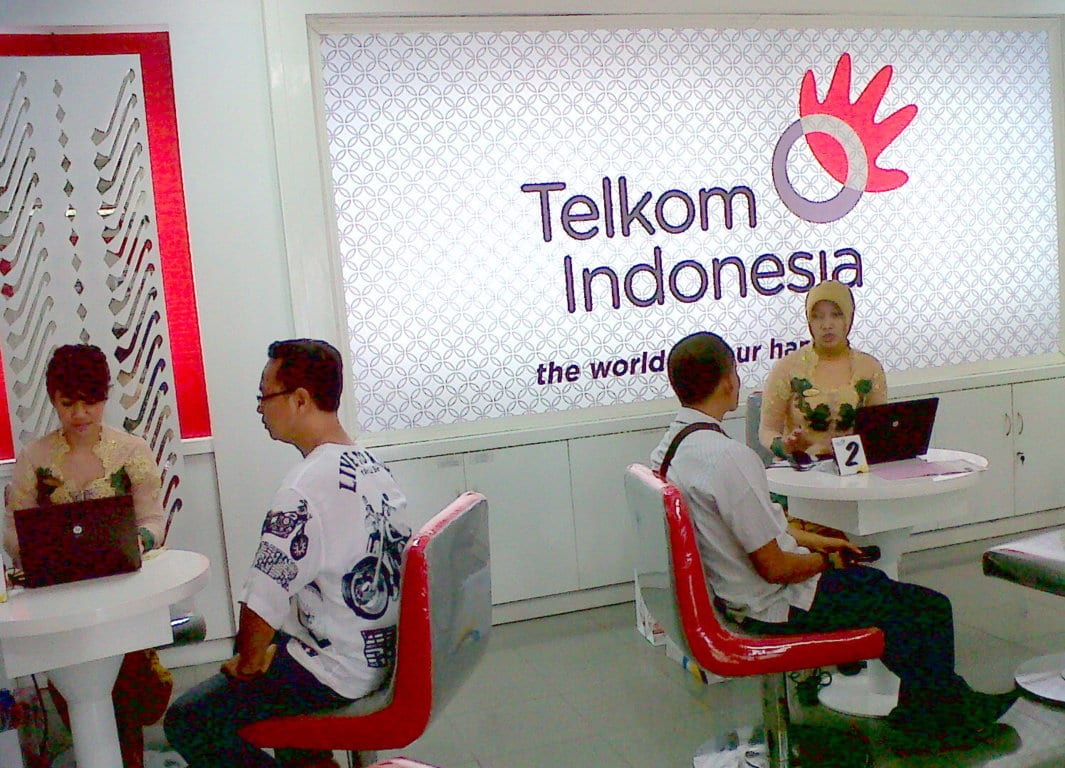
    Telkom Indonesia has adopted HAUD’s A2P SMS monetization and SS7 security managed services to create new sources of revenue and improve subscriber experience for the operator.

    The managed service agreement with HAUD will help Telkom Indonesia mitigate any lost A2P revenue, and its subscribers are protected from spam and fraudulent SMS traffic.

    Through its Revenue-as-a-Service approach, HAUD will manage the entire A2P monetization process, from traffic identification and blocking, to redirection of traffic to monetizable channels, without requiring any initial investment from the MNO.

    HAUD’s mobile network firewall provides modular protection against SS7 security vulnerabilities, fraud and spam SMS, while preventing grey route traffic that bypasses network termination fees. Its range of packages effectively ring-fence networks from malicious messages, while improving customer experience and revenue assurances.

    Mårten Björkman, SVP for Asia Pacific at HAUD, said Revenue-as-a-Service is a new approach to helping operators to make the most of all possible income streams available to them.

    Björkman said the global A2P SMS market is worth billions, but many operators are not equipped to claim their fair share, and routinely lose out on large amounts of revenue due to the ongoing use of grey routes.

    “HAUD’s knowledge and experience of the global A2P and fraud landscape can help MNOs like Telkom Indonesia stay in control of their networks with a minimal outlay of resources,” he said.

    Michael Adiguna, AVP of sales strategy at Telkom Indonesia, said the agreement with HAUD was particularly attractive, and the ability to deliver results almost instantly “was impressive.”

    “With our revenues maximized and network utilization improved, we can focus on delivering the quality of service that modern mobile users demand,” said Adiguna. “HAUD’s solution makes sure that the messages our subscribers receive are from genuine, trustworthy sources.”