Tag: bullion

  • MAS Opens 500-Tonne Gold Vault to Foreign Central Banks

    MAS Opens 500-Tonne Gold Vault to Foreign Central Banks

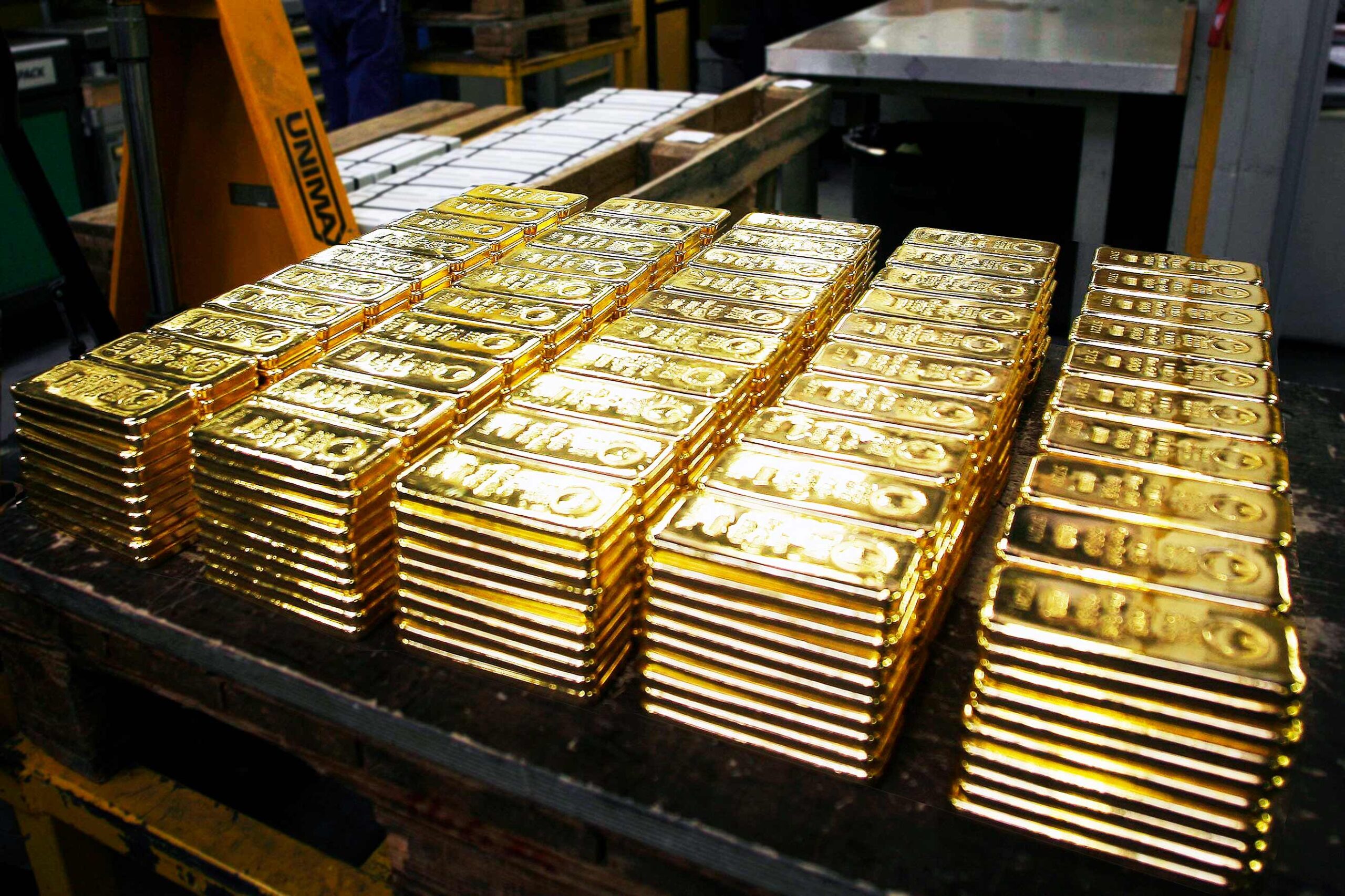
    The Monetary Authority of Singapore launched a gold vaulting service on Nov 10, opening its national currency vault to foreign central banks, international financial institutions and sovereign entities.

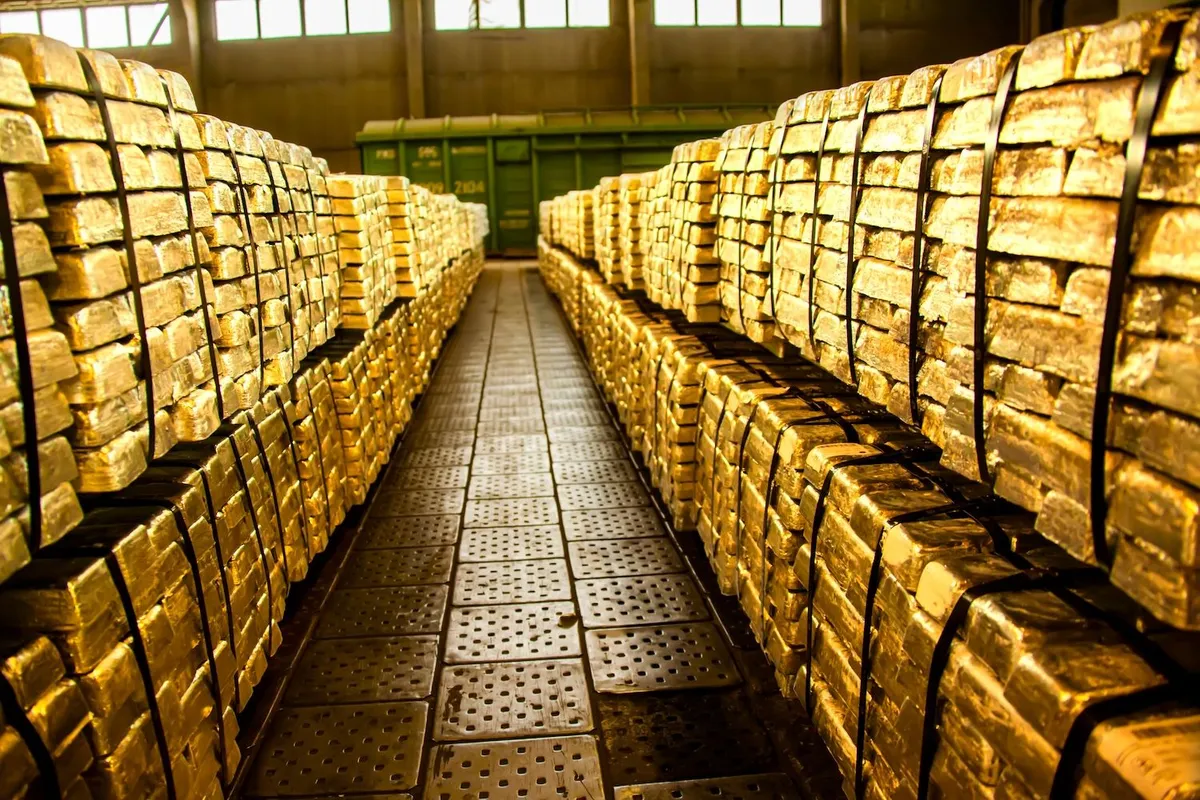
    The state facility offers 500 tonnes of storage capacity with scope for expansion as demand grows, adding institutional sovereign space to the Republic’s financial infrastructure.

    This public capacity will complement more than 2,000 tonnes of private commercial vaulting currently operating across Singapore for bullion banks, institutional investors and high-net-worth clients.

    Custody for Sovereign Holders

    Foreign central banks, international financial institutions and sovereign entities can now store official gold reserves inside the national currency vault. MAS will offer gold custody accounts to selected Singapore-based bullion banks that provide liquidity and precious metals services to sovereign customers. The storage site has room to add capacity beyond its initial 500-tonne limit as deposits increase.

    Deputy Prime Minister and MAS chairman Gan Kim Yong confirmed that several foreign central banks have opened confidential discussions to use the facility. Official vaulting infrastructure has remained concentrated in Western Europe and North America, leaving sovereign managers with few state-backed choices in Asian trading hours.

    Exchange Clearing and Bank Participants

    Physical custody is only half the framework. MAS completed industry testing for an over-the-counter gold clearing system operated by the Singapore Exchange, with final operating rules scheduled for release shortly.

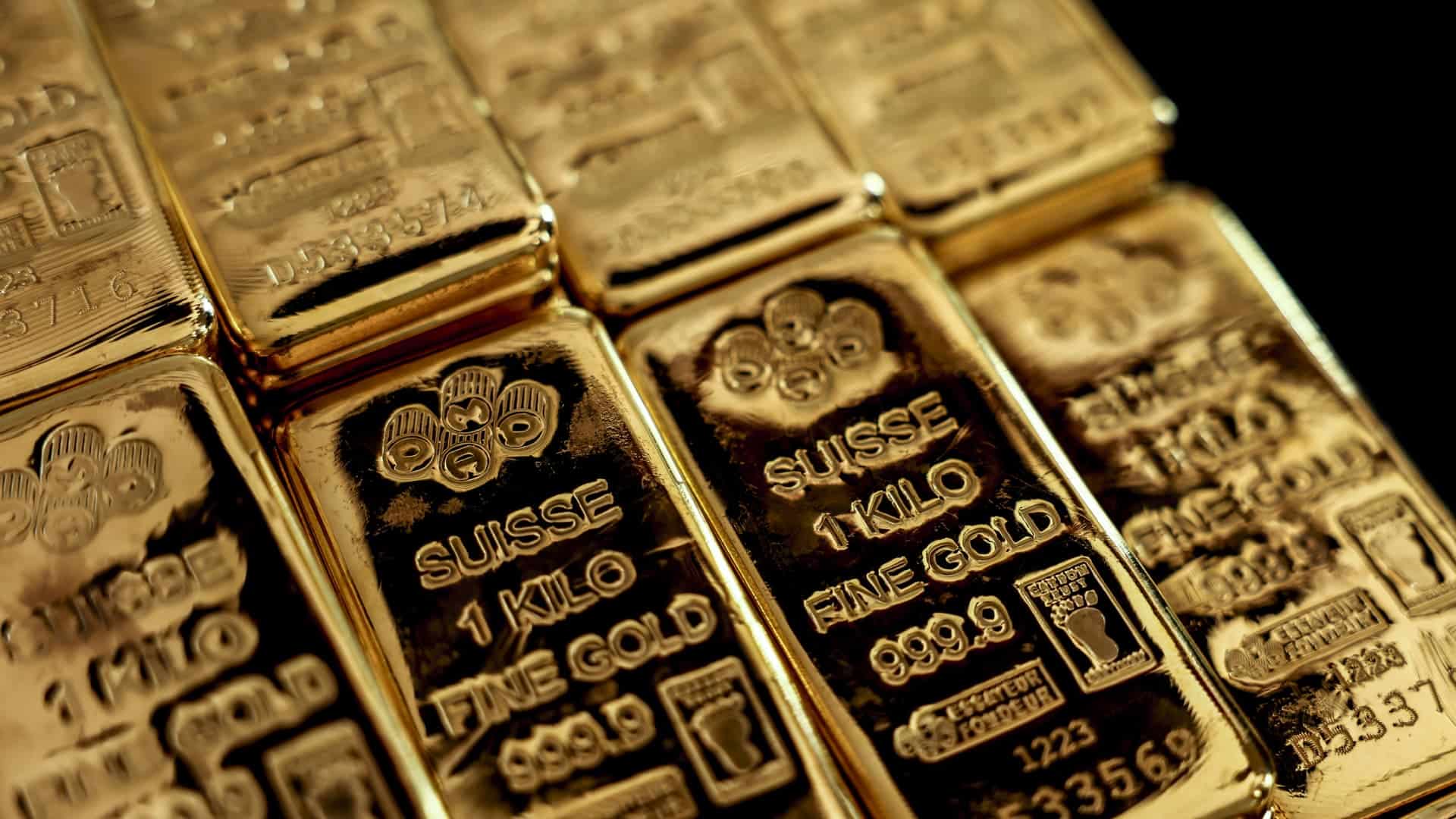
    Six commercial lenders will serve as clearing members: DBS Bank, Deutsche Bank, ICBC Standard Bank, JPMorgan, OCBC Bank and UOB. Live settlement operations across the six banks will begin in the first quarter of 2027, clearing wholesale trades for both 400-ounce institutional bars and 1-kilogram bars favored in Asian retail and wealth channels.

    SGX plans to introduce a physically deliverable Gold Kilobar Futures contract in the second quarter of 2027 to anchor pricing between Asian daylight hours and Western paper markets.

    Tax Exemptions for Wholesale Processing

    Commercial viability for physical trading hinges on transaction costs. MAS and the Ministry of Finance plan an enhanced goods and services tax exemption scheduled to take effect in April 2027.

    The reform removes GST charges on business-to-business services between institutional participants, covering vaulting, refining, assaying, recasting and broking for gold not destined for domestic retail consumption. Specific statutory language for the tax relief will appear in the 2027 national budget.

    Building Asian Settlement Liquidity

    Singapore is tackling the structural problem that has capped Asian bullion volumes for decades: regional buyers purchase physical bars locally but clear, hedge and finance them against London and New York balance sheets. By combining sovereign-grade custody with central counterparty clearing through SGX, the city-state aims to keep metal and risk in the same time zone.

    Regional rivalry with Hong Kong, Shanghai and Dubai is intensifying as non-Western central banks reallocate reserve assets away from dollar holdings. Hong Kong continues to push its own physical warehouse and market links with mainland China, yet Gan argued that growing reserve diversification gives room for parallel hubs. The operational test rests on whether global bullion desks commit primary trading capital to Singapore rather than treating it merely as secondary overflow storage.

    The Timeline to Full Trading

    The state-backed facility follows an industry consultation started in March, when MAS convened a working group that brought together global banks, SGX, the World Gold Council, trading houses StoneX APAC and YLG Bullion Singapore, and refiner Metalor Technologies Singapore. Gan first flagged the vault plan publicly in June.

    System integration across the six clearing banks runs through the end of 2026, ahead of the live launch of SGX over-the-counter clearing in the first quarter of 2027.

  • Vietnam Gold Prices Slip as SJC Bars Fall to VND143.3 Million

    Vietnam Gold Prices Slip as SJC Bars Fall to VND143.3 Million

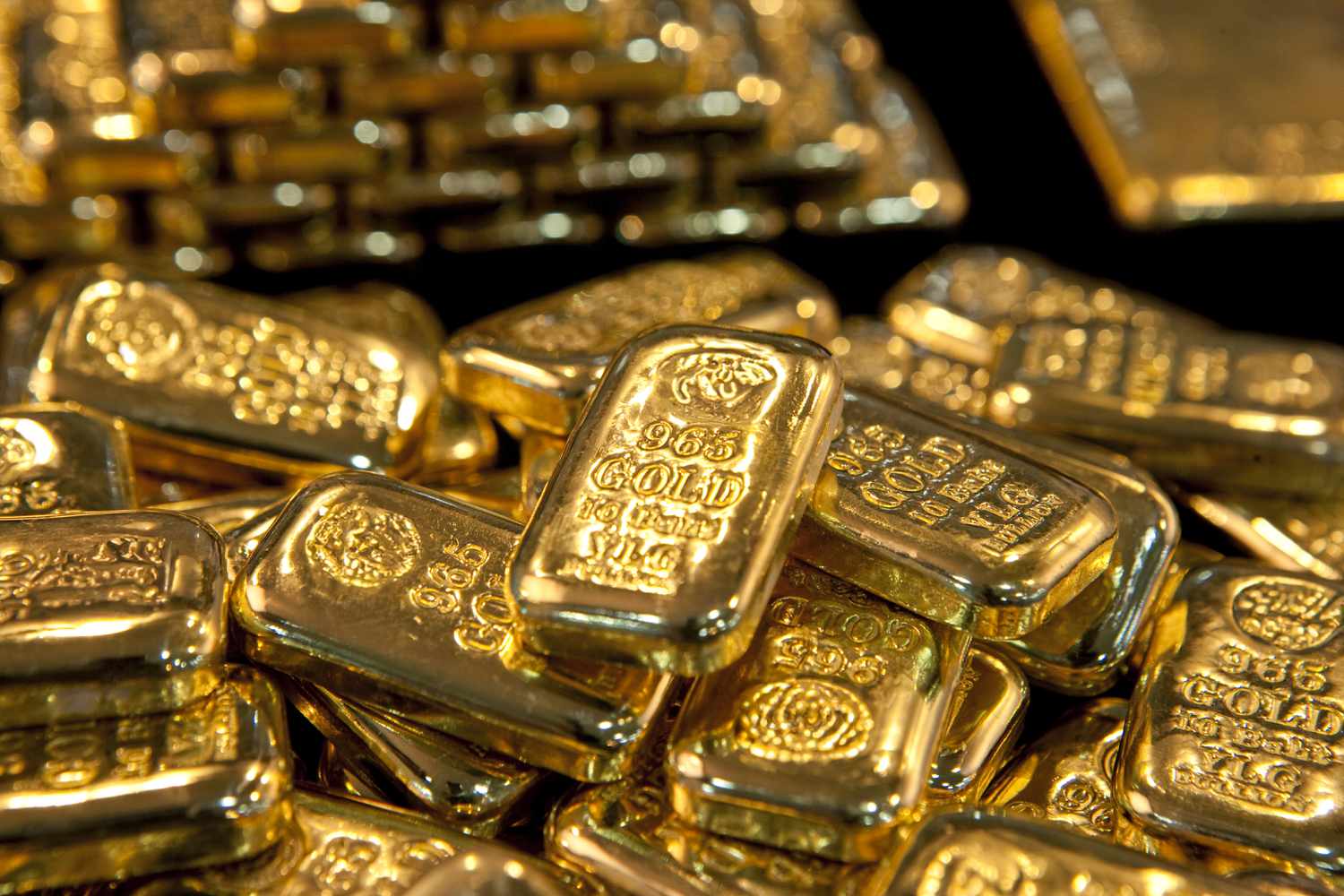
    Saigon Jewelry Company lowered its gold bar price by 0.69 percent to VND143.3 million ($5,533.89) per tael on Wednesday morning in Ho Chi Minh City. Gold rings matched the downward step, falling at an identical rate to VND142.8 million per tael as local buyers pulled back from recent highs.

    One tael equals 37.5 grams or roughly 1.2 troy ounces. The drop breaks a multi-session run of elevated domestic retail trading across Vietnamese counters, where retail premiums over international benchmarks have remained wide throughout October.

    Global bullion rates stayed largely steady while the Vietnamese retail market retreated. Spot gold held at $4,165.25 per ounce during early trading hours, while United States gold futures for December delivery added 0.3 percent to reach $4,188.70 per ounce. Front-month Comex gold contracts for October delivery had earlier settled down 0.31 percent, losing $12.90 to finish at $4,152.90 per troy ounce.

    Domestic Margins Under Pressure

    Physical jewelry retail outlets and licensed bullion desks in Vietnam face shifting spreads between raw bar costs and processed jewelry items. With plain rings settling at VND142.8 million per tael, the narrow difference between bars and rings reflects cautious retail sentiment rather than aggressive speculative buying.

    Consumer demand across Asian retail markets often contracts when bullion tests higher price bands. Retail jewelers that built inventory at higher rates earlier in the year now manage tighter inventory turns as shoppers delay major purchases ahead of festival seasons.

    Local currency swings add friction to retail gold trading desks. Even minor fluctuations in the Vietnamese dong alter the import parity calculation for authorized bullion distributors, forcing daily adjustments across shop counters in Hanoi and Ho Chi Minh City.

    Global Rates and Macro Pressures

    International traders kept metal prices in a narrow corridor as financial markets prepared for fresh United States consumer price index data. Precious metals analysts note that wider macro trends continue to limit sharp directional swings in bullion trade.

    “What we’re looking at here is not a big move, it’s within a range. But the fact that we are able to hold ⁠a range while oil is rallying suggests that gold is trying to find a reason to rally,” said Ilya Spivak, head of global macro at Tastylive.

    Alternative safe-haven assets and yield benchmarks maintain pressure on non-yielding physical commodities. The United States Dollar Index traded near 102.4, while 10-year Treasury yields held near 5.23 percent, keeping holding costs for bullion elevated across international trading books. Silver tracked the broader commodities pullback, dropping 1.6 percent to $59.161 per troy ounce.

    Retail Trends Across Regional Counters

    Shifting pricing dynamics across Southeast Asian physical markets highlight how domestic demand patterns diverge from paper contracts. When domestic spot rates drop by nearly one percent in a single morning, local buyers frequently hold cash rather than accumulating inventory.

    Jewelry chain operators must navigate higher financing costs for store stock while counter traffic remains sensitive to ticket prices. Retail groups that expanded their retail store footprints during previous commodity rallies face higher working capital requirements to keep display cases fully stocked.

    Merchant margins on standard gold rings remain thin compared to high-margin fashion jewelry lines. When retail buyers focus exclusively on investment rings and standardized bars, overall retail operating margins compress across regional retail networks.

    Data Releases Dictate Near Term Levels

    Vietnam gold prices previously gained ground earlier in the week before Tuesday morning trading brought an initial dip. That volatility followed mixed sessions where global bullion swung between minor gains and losses without establishing a clear trend.

    Earlier quarterly trading saw major producers realizing prices between $4,400 and $4,500 an ounce before global rates adjusted into the current $4,150 to $4,200 band. The ongoing consolidation test shows physical retail buyers adjusting to a structurally higher baseline price environment.

    Market participants across Asian trading desks now track the release of United States producer price index data and upcoming retail sales reports for monetary policy signals.

  • Vietnam Gold Prices Edge up as Domestic Premium Holds at VND6.8 Million

    Vietnam Gold Prices Edge up as Domestic Premium Holds at VND6.8 Million

    Domestic gold prices in Vietnam climbed on Friday morning, led by Saigon Jewelry Company lifting bullion bars 0.13 percent to VND148.6 million ($5,697.31) per tael.

    Plain gold rings gained 0.14 percent to VND148.1 million per tael. A standard Vietnamese tael equals 37.5 grams, or approximately 1.2 ounces.

    Domestic Spread and Annual Movement

    Despite the morning uptick, Saigon Jewelry Company bars remain down 0.07 percent from the start of the week. Since the beginning of the year, domestic gold prices have dropped 2.75 percent across Vietnamese trading desks.

    Retail buyers in Vietnam continue to pay a hefty premium for physical inventory. Local bars traded at roughly VND6.8 million per tael above prevailing international spot benchmarks on Friday.

    The price gap reflects sustained domestic preference for physical store-of-value assets, keeping retail jewelry and bullion counters priced well above import parity even during quieter trading weeks.

    International Pressures and Rate Outlook

    Overseas bullion traded flat on Friday after a volatile run earlier in the week. Spot gold held steady at $4,468.27 per ounce after gaining 2 percent during Thursday trading, while US gold futures for December delivery dropped 0.6 percent to $4,514.60.

    Global market participants have focused their attention on upcoming US employment figures for indications on interest rate policy. Ross Maxwell, global strategy operations lead at VT Markets, noted that central bank accumulation continues to underpin physical demand and limit broader downside across the sector.

    Market participants and domestic retail bullion traders now watch upcoming inflation data releases scheduled for next week to set the near-term direction for spot pricing.

  • Vietnam Gold Prices Drop to Lowest Level Since July

    Vietnam Gold Prices Drop to Lowest Level Since July

    Gold prices in Vietnam dropped on Saturday morning to their lowest level since July 22, tracking an overnight tumble in global bullion markets.

    Saigon Jewelry Company gold bars declined 1% to VND148.7 million ($5,700.59) per tael, which equates to 37.5 grams. Gold rings slipped 0.99% to VND149.7 million per tael, bringing the total decline for domestic gold to 2.68% so far this year.

    Global Bullion Tumbles on Rate Bets

    The domestic retreat tracked sharp losses across international trading desks. Spot gold fell 2.9% to $4,567.23 per ounce on Friday, marking its lowest reading since August 20. U.S. Gold futures for December delivery settled down 2.9% at $4,529.9 per ounce.

    Traders liquidated positions after Federal Reserve Chairman Kevin Warsh indicated that inflationary pressure remains persistent. The comments prompted markets to price in higher odds of monetary tightening rather than immediate policy relief.

    Domestic Retail Demand Reacts

    The drop reversed an earlier weekly rally that lifted global prices to a high of $4,696.18 on Tuesday. Gold ended the week down 2.9% overall.

    In Vietnam, physical gold remains a primary retail savings vehicle and an inflation hedge. When global spot prices swing rapidly, domestic jewellery retailers adjust their buy and sell spreads within hours to protect inventory margins.

    Market participants now shift their attention to the upcoming Federal Reserve policy meeting in September to gauge whether physical bullion demand in Asia will face further currency and interest rate headwinds.

  • Vietnam Gold Prices Hit Seven-Week High as SJC Bars Reach VND150.6 Million

    Vietnam Gold Prices Hit Seven-Week High as SJC Bars Reach VND150.6 Million

    Gold prices across Vietnam climbed Tuesday morning to their highest level since July 6. The rebound began nearly a week ago. Saigon Jewelry Company lifted its gold bar price by 0.40 per cent to VND150.6 million ($5,757.21) per tael.

    A tael equals 37.5 grams or roughly 1.2 ounces. Plain gold rings climbed faster than bars. Ring prices rose 1.31 per cent to VND155 million per tael across retail counters. Even with the week-long rally, domestic bullion prices remain down 1.4 per cent since the start of the year.

    Retail Premiums Widen on Ring Demand

    The faster rise in ring prices pushed standard jewellery to an unusual premium over SJC-branded bars. Buyers across Ho Chi Minh City and Hanoi continue to purchase physical gold rings as a store of value. Retail counters stay active whenever global benchmarks climb.

    Bullion serves Vietnamese households as an everyday savings tool and an alternative asset. When prices swing, jewellery chains see immediate shifts in store footfall as shoppers rotate cash into metal.

    Global Benchmarks Clear Technical Resistance

    Kitco data showed international spot gold added 0.04 per cent to $4,653.70 per ounce on Tuesday. That followed a combined jump of 2.91 per cent over the previous two trading sessions.

    Overseas bullion cleared several technical resistance levels last week. The metal gained ground even as the US dollar firmed modestly. Safe-haven buying held steady, driven by shifting expectations for American fiscal and monetary policy.

    Traders in Hanoi and Ho Chi Minh City are watching whether international spot gold holds above the $4,650 threshold. That level will determine if local prices can erase the remaining 1.4 per cent deficit from early-year marks.

  • Global Gold Prices Take a Tumble: A Weekly Analysis of Bullion Rates Amid Mild Inflation

    Global Gold Prices Take a Tumble: A Weekly Analysis of Bullion Rates Amid Mild Inflation

    The price of Vietnam’s gold bars saw a dip on Friday morning, mirroring the global trend of falling bullion rates. Saigon Jewelry Company, a significant player in the local gold market, recorded a 0.69% drop in its gold bar prices, slipping to VND143.3 million (US$5,490.21) per tael. The decline reflects a 0.49% decrease for the week.

    Despite the dip, local gold prices in Vietnam remain approximately VND6.3 million per tael higher than the global rates. The price of gold rings also fell on Friday, with a decrease of 0.7% to VND142.8 million per tael. For reference, a tael is equivalent to 37.5 grams or 1.2 ounces.

    Global Gold Market Trends

    Global gold prices experienced a slight decrease on Friday, indicating an overall weekly loss. This follows recent profit-taking by investors after U.S. inflation data spurred bullion to reach its highest level in over two months, subsequently weakening the argument for an imminent Federal Reserve rate hike.

    Spot gold saw a decrease of 0.5%, standing at $4,326.75 per ounce. Despite reaching its highest point since June 5 on Thursday, gold ended the day 1.3% lower, putting it on track for a weekly loss.

    U.S. gold futures due for delivery in December slid nearly 1% to $4,382.50. The non-yielding metal received a boost following an unexpected drop in U.S. July nonfarm payrolls last week, which, coupled with softer inflation data this week, significantly reduced the expectations of a rate hike in the coming month.

    The Future of Gold Trading

    Market observers believe that the profit-taking phase in the gold market is likely the result of episodic and speculative capital at play. Despite the recent dips, some suggest that gold may be setting up for a significant rally.

    The potential catalyst for this rally is not immediately apparent, but it could occur if gold prices breach the $4,400 barrier. If that happens, reaching $5,000 by the end of the year is seen as a feasible expectation, signalling potential profitability for gold investors and traders alike.

    Questions & Answers

    Why did gold bar prices in Vietnam fall this week?
    The prices fell due to a combination of global trends and local market dynamics. Gold prices globally have been on a downward trend, and this has influenced the Vietnamese market.

    How does the U.S. inflation data impact the global gold prices?
    U.S. inflation data is a significant indicator of economic health and can impact Federal Reserve’s decisions on interest rates. This, in turn, influences gold prices, as higher interest rates usually decrease the demand for gold, leading to lower prices.

    What could be the potential catalyst for a significant rally in gold prices?
    A potential catalyst for a major rally in gold prices could be the breach of the $4,400 per ounce mark. If this level is surpassed, it could trigger increased buying activity, pushing prices towards the $5,000 mark by the year’s end.

  • Global Gold Rush: Bullion Rates Climb Amid Rising Geopolitical Tensions and Increased Investor Appetite

    Global Gold Rush: Bullion Rates Climb Amid Rising Geopolitical Tensions and Increased Investor Appetite

    On Wednesday morning, gold bar prices in Vietnam observed an increase, correlating with the global surge in bullion rates. The gold bar price, represented by the Saigon Jewelry Company, saw a rise of 0.21%, reaching VND143.8 million (US$5,503.99) per tael. Similarly, the price of gold rings rose by 0.21%, making it VND143.3 million per tael. A tael is equivalent to 37.5 grams or 1.2 ounces.

    Global Market Trends

    Wednesday also witnessed an upward trend in global gold and oil prices, while regional shares cautiously ascended. These changes come amidst escalating geopolitical tensions and in anticipation of crucial U.S. inflation data. Spot gold experienced a gain of 0.46%, valued at $4,387.03 an ounce. U.S. crude also rose by 0.89% to $83.94 a barrel, and Brent crude increased by 0.78% for the day, reaching $89.60 per barrel.

    In recent weeks, gold has surpassed the $4,000-an-ounce mark, driven by investor interest and heightened central bank purchases, with China being a significant buyer. The yellow metal, however, is still in the process of confirming a resurgent bull-market advance, as noted by Ole Hansen, head of commodity strategy at Saxo Bank AS. He added that support around $4,200 is becoming increasingly critical, and the significant upside test is once again focusing on the 200-day moving average, currently just below $4,500.

    Questions & Answers

    What is driving the recent increase in global gold prices?
    The gold prices have been driven by heightened investor interest and increased central bank purchases, with China being a notable buyer.

    Why is the $4,200 mark important for gold prices?
    The $4,200 mark is considered an important support level for gold prices. If the prices can maintain above this level, it could signal a positive market sentiment and possibly drive the prices higher.

    What does the 200-day moving average indicate for gold prices?
    The 200-day moving average is a key metric used by investors to analyze price trends. For gold, it currently sits just below $4,500. If prices can sustain above this average, it may indicate a bullish market.

  • Vietnam’s Gold Prices Soar Amid Global Bullion Rally and Softened US Jobs Data

    Vietnam’s Gold Prices Soar Amid Global Bullion Rally and Softened US Jobs Data

    On Friday morning, gold prices in Vietnam saw a significant rise, in sync with the worldwide increase in gold rates, marking the first weekly gain in the past five weeks. The key driver behind this surge was the gold bar price offered by Saigon Jewelry Company, which saw a leap of 2.02%, equating to VND151.4 million (US$5,756.11) per tael. For context, a tael is equivalent to either 37.5 grams or 1.2 ounces.

    Over the course of the week, local gold rates have climbed by 1.9%, putting them roughly VND18 million per tael above global rates. This trend was mirrored by the price of gold rings, which increased by 2.02%, bringing it to VND151.3 million per tael on Friday.

    Global Gold Prices on the Rise

    On the global stage, Friday saw an increase of more than 1% in gold prices, setting the stage for the first weekly gain in the past five weeks. This shift has been attributed to a recalibration of investor expectations in light of less than anticipated U.S. employment figures, leading to a decrease in anticipations of Federal Reserve interest rate hikes.

    Spot gold saw an increase of 1.4%, taking it to $4,179.94 per ounce, its highest value since June 23. Additionally, U.S. gold futures for August delivery saw a rise of 1.6%, bringing it to $4,193.20.

    According to Kelvin Wong, a senior market analyst at OANDA, despite this uptick in gold prices, there has not been a complete revocation of rate hike pricing. He predicts that by the end of the year, there may still be another phase of potential gold weakness, with prices possibly reaching the $3,500/oz level.

    Central Banks Resume Gold Purchases

    The World Gold Council has reported that there has been a resumption of gold purchases by central banks. As per the most recent data, official gold reserves saw a net increase of 41 tons in May.

    Questions & Answers

    What factors led to the rise in gold prices in Vietnam?
    The rise in gold prices in Vietnam was driven by the gold bar price offered by the Saigon Jewelry Company and the increase in the global gold rate.

    What is the anticipated impact of the U.S. employment figures on gold rates?
    The less than expected U.S. employment figures have led to a reduction in expectations of Federal Reserve interest rate hikes, contributing to the rise in gold prices.

    What is the projected future trend for gold prices as per the senior market analyst at OANDA?
    Despite the recent increase in gold prices, Kelvin Wong predicts a potential phase of gold weakness towards the end of the year, with prices potentially reaching the $3,500/oz level.

  • Malaysia Rattles Bullion Trade with 10% Duty on Gold Bar Imports

    Malaysia Rattles Bullion Trade with 10% Duty on Gold Bar Imports

    In the latest regulatory development, Malaysia has imposed a 10% import duty on certain inbound shipments of gold bars. This unexpected decision has jolted the nation’s gold trade, with effects felt since early May, as per anonymous reports from traders and dealers. Consequently, some shipments have been detained at customs or rerouted due to the absence of a corresponding rise in local gold prices, which rendered the imports unprofitable.

    The Impact on Customers

    Bank Muamalat Malaysia, a local Islamic bank offering gold investment products, has stated that the imposition of a 10% import tax on bullion will inevitably be transferred to customers. This could lead to a considerable price hike for investors. For instance, purchasing a one-kilogram bar via a Malaysian bank after June 8 could cost approximately MYR45,000 (US$11,300) more than it would have a week before.

    A representative from the Royal Malaysian Customs Department has noted that the Ministry of Finance plans to discuss the issue of “minted gold products” imports with industry leaders.

    Increasing Interest in Gold

    The value of gold surged to a record high earlier this year, stoking investor interest in the precious metal, including in Asia. In response to this trend, several Malaysian banks have debuted gold investment products over the past year. Furthermore, bullion logistics firm, Loomis AB, has established a vault near the nation’s capital to cater to the growing demand.

    According to the country’s Department of Statistics, Malaysia imported around US$2.5 billion worth of non-monetary gold up until April this year.

    This move by the Malaysian government mirrors a similar abrupt shift in import policies in India, the world’s second-largest gold and silver market. This change has yielded a domino effect across its metals and currency markets.

    Questions & Answers

    How has Malaysia’s imposition of a 10% import duty on gold bars affected the bullion trade?
    This move has disrupted the bullion trade, with some shipments being held at customs or diverted due to the increased cost, which, without a corresponding rise in local gold prices, made the imports unprofitable.

    What is the likely impact of this decision on customers?
    Bank Muamalat Malaysia has indicated that the imposition of this import tax will eventually be passed on to the customers, leading to increased prices for investors.

    Has there been a change in the demand for gold?
    Yes, there has been a growing interest in gold, spurred by its record high value earlier this year. In response, several Malaysian banks have launched gold investment products, and bullion logistics company, Loomis AB, has opened a vault near the country’s capital.

  • Vietnams Gold Market Springs Back: Global Bullion Rates Trigger Significant Rise

    Vietnams Gold Market Springs Back: Global Bullion Rates Trigger Significant Rise

    Gold prices in Vietnam experienced a resurgence on Monday morning, reflecting a similar upsurge in worldwide bullion rates. The Saigon Jewelry Company increased their gold bar prices by 0.3%, reaching VND162 million (approximately US$6,145.44) per tael. This rise comes after a significant four-month dip that peaked last week.

    Global Gold Prices on the Rise

    In similar fashion, the price of gold rings in Vietnam elevated by 0.31%, equating to around VND161.5 million per tael. A tael, for those unfamiliar, is roughly equivalent to 37.5 grams or 1.2 ounces.

    On a global scale, gold prices experienced a noteworthy increase of more than 1% on Monday. This shift can be attributed to a combination of a weakening US dollar and decreasing oil prices. These economic fluctuations have led investors to ponder the possibility of a breakthrough in peace negotiations between the United States and Iran.

    Spot gold saw an increase of 1.1%, reaching $4,559.29 per ounce. Similarly, US gold futures for June delivery experienced a 0.8% increase, bringing the cost up to $4,560.30. The declining strength of the dollar means that gold priced in greenbacks is now more accessible to those dealing in other currencies.

    Looking at the larger picture, despite the recent price increase, bullion remains approximately 13% lower than it was prior to the onset of conflict in late February.

    Questions & Answers

    What prompted the rebound of gold prices in Vietnam?
    The resurgence can be primarily attributed to a similar increase in global bullion rates, coupled with economic factors including a weakening US dollar and decreasing oil prices.

    What has been the impact of the US-Iran peace negotiations on gold prices?
    The consideration of a possible breakthrough in US-Iran peace talks has led investors to lean towards gold, contributing to the recent rise in prices.

    How has the recent conflict affected the overall price of bullion?
    Despite the latest increase, bullion prices remain around 13% lower than before the conflict began in late February.

  • Vietnam’s Gold Market Stumbles: Price Plunge Amid Softening Global Bullion Rates

    Vietnam’s Gold Market Stumbles: Price Plunge Amid Softening Global Bullion Rates

    On Wednesday, gold prices in Vietnam witnessed a decline, following a similar downtrend in global bullion rates. The price of gold bars offered by Saigon Jewelry Company (SJC), a major Vietnamese gold retailer, fell by 0.92%, hitting VND162 million (US$6,144.5) per tael. In addition, the price of gold rings slid down by 1.1% to VND161.5 million per tael. It’s worth noting that a tael in Vietnam is equivalent to 37.5 grams or 1.2 ounces.

    Global Gold Market Trends

    Globally, gold prices also edged lower on Wednesday. This downward trend was primarily due to rising Treasury yields and a strong dollar, which eclipsed the optimism kindled by the prospect of a potential peace agreement between the U.S. and Iran. Spot gold fell by 0.3%, valued at $4,467.59 per ounce, after reaching its lowest point since March 30 in the preceding session. Meanwhile, U.S. gold futures for June delivery suffered a loss of 0.9%, priced at $4,471.10.

    Inflationary pressures stemming from the Iran conflict spurred a selloff in global bond markets. This sell-off drove 30-year U.S. Treasury yields to levels unseen since the precursor period to the 2007 global financial crisis. Concurrently, the dollar floated at a six-week high, making bullion priced in the greenback more expensive for individuals holding other currencies.

    Analysts speculate that gold’s current slump could be attributed to the rising yields and the dollar’s strength. Tim Waterer, the chief market analyst at KCM Trade, opines, “Gold is running out of puff somewhat against this backdrop of rising yields, and a dollar which has a spring in its step courtesy of the hawkish shift in the rates outlook.”

    Questions & Answers

    What triggered the decline in gold prices in Vietnam?
    The fall in gold prices in Vietnam was influenced by the global downtrend in bullion rates, with the price of gold bars and gold rings offered by Saigon Jewelry Company witnessing a significant decline.

    What factors influenced the global downtrend in gold prices?
    Rising Treasury yields and a firm U.S. dollar were the primary factors that attributed to the global decline in gold prices. The optimism surrounding the potential U.S.-Iran peace agreement was overshadowed by these factors.

    What impact did the Iran conflict have on the global gold market?
    The Iran conflict led to inflationary pressures that resulted in a selloff in global bond markets. This, in turn, significantly affected the global gold market, driving U.S. Treasury yields to levels unseen since the precursor period to the 2007 global financial crisis.

  • Vietnams Gold Market Faces Steep Dive amid Global Bullion Rate Decline

    Vietnams Gold Market Faces Steep Dive amid Global Bullion Rate Decline

    Wednesday saw a dip in gold prices in Vietnam, tracking a global decline in bullion rates. Saigon Jewelry Company, a notable player in the market, reported a 0.92% decrease in gold bar prices, which dropped to VND162 million (US$6,144.5) per tael.

    Fluctuations Across Markets

    Simultaneously, the price of gold rings also experienced a dip, declining by 1.1% to VND161.5 million per tael. To put things into perspective, a tael is equivalent to 37.5 grams or around 1.2 ounces.

    On the global stage, gold prices edged lower on Wednesday. This downturn was propelled by factors such as rising Treasury yields and a strengthening dollar, which outweighed the optimism stirred by the prospect of a peace agreement between the U.S. and Iran.

    Spot gold saw a 0.3% decrease to $4,467.59 per ounce, hitting its lowest level since March 30 in the previous trading session. Concurrently, U.S. gold futures for June delivery registered a loss of 0.9%, dropping to $4,471.10.

    Contributing Factors

    Certain economic factors also influenced these price fluctuations. The ongoing conflict with Iran has escalated price pressures, triggering a sell-off in global bond markets. This has pushed the 30-year U.S. Treasury yields to levels unseen since the precursor period to the 2007 global financial crisis.

    In tandem with these events, the dollar maintained its position at a six-week high. This, in turn, made bullion priced in the greenback more costly for those holding other currencies.

    According to Tim Waterer, Chief Market Analyst at KCM Trade, the current backdrop of rising yields and a rejuvenated dollar, driven by a hawkish shift in rates outlook, is potentially reducing the appeal of gold as an investment.

    Questions & Answers

    What is the significance of the price of a tael in relation to gold prices?
    The price of a tael, equivalent to 37.5 grams or 1.2 ounces, is an important measure for gold prices, particularly in markets like Vietnam.

    How did the global economic climate affect gold prices?
    Rising Treasury yields and a strong dollar, coupled with the potential peace agreement between the U.S. and Iran, have led to a decrease in global gold prices.

    What factors are currently affecting the appeal of gold as an investment?
    Increasing yields and a revitalized dollar, prompted by a hawkish shift in rates outlook, are reducing the attractiveness of gold as an investment.

  • Vietnams Gold Market Slumps as Bullion Rates Plummet Globally

    Vietnams Gold Market Slumps as Bullion Rates Plummet Globally

    Gold prices in Vietnam fell on Friday morning, reflecting a global decline in bullion rates across the fourth consecutive trading session. This price drop was seen in the Saigon Jewelry Company’s gold bar, which reported a 0.6% decrease to VND164 million (approximately US$6,221.31) per tael. Despite this recent decrease, the local bullion rates have still seen an overall increase of 7.3% since the beginning of the year, even with a 2% decrease this week.

    Gold Ring Prices and Global Gold Rates

    Along with the decrease in gold bar prices, the cost of gold rings also fell by 0.6% to VND163.8 million per tael. In terms of weight, a tael is equivalent to 37.5 grams or 1.2 ounces.

    Internationally, gold prices were at a more than one-week low on Friday, resulting from higher energy prices driving inflation fears and the continuation of higher interest rates. The meeting between the U.S. President and the Chinese President was also a point of focus for investors. Spot gold saw losses for the fourth straight session and was down 0.8% at $4,613.19 per ounce, marking its lowest level since May 6. Bullion was down 2.1% for the week and U.S. gold futures for June delivery lost 1.4% to $4,619.

    Factors Impacting the Gold Market

    Analysts have attributed the drop in gold prices to several factors. Tim Waterer, chief market analyst at KCM Trade, remarked, “Gold is getting hit from all sides – rising oil has brought inflation back to the forefront, pushing yields higher and the dollar stronger, leaving the yellow metal as the unfortunate victim of the market’s renewed rate-cut skepticism.”

    Since the U.S.-Iran conflict began in late February, gold has fallen about 13%. This is largely due to increased energy prices, which have led to inflation concerns and higher U.S. interest rates. While gold is often viewed as a safe haven against inflation, high interest rates can negatively impact this non-yielding asset.

    Questions & Answers

    What caused the recent decline in Vietnam’s gold prices?
    The decline mirrors a global decrease in bullion rates. Factors such as higher energy prices, inflation fears and higher interest rates have contributed to this decrease.

    How has the U.S.-Iran conflict impacted gold prices?
    Since its onset in late February, the conflict has sparked an approximate 13% decrease in gold prices. This is due to increased energy prices, inflation concerns, and the potential for higher U.S. interest rates.

    How do interest rates affect gold prices?
    High interest rates typically lead to a decrease in gold prices. This is because gold, as a non-yielding asset, becomes less attractive to investors when interest rates are high.

  • Vietnams Gold Market Springs Back: A Resurgence Fueled by Global Bullion Rates and Weaker Dollar

    Vietnams Gold Market Springs Back: A Resurgence Fueled by Global Bullion Rates and Weaker Dollar

    In Vietnam, gold prices rebounded on Wednesday morning from a four-month low, invigorated by a surge in global bullion rates. Saigon Jewelry Company saw an increase of 1.52% in its gold bar price, climbing to VND167.5 million (US$6,365.32) per tael. This upturn comes after the price had hit its lowest point since January 19th on the previous Tuesday.

    Meanwhile, the price of gold rings followed a similar upward trend, rising to VND167 million per tael. For reference, a tael is equivalent to 37.5 grams or 1.2 ounces.

    Global Gold Prices and Influencing Factors

    Internationally, gold prices experienced an increase of over 1% on Wednesday. This was propelled by a weakening dollar and a decrease in oil prices, which alleviated concerns of inflation and protracted high interest rates. Another contributing factor was the burgeoning hope for peace between the United States and Iran.

    Spot gold experienced a rise of 1.7%, costing $4,633.31 per ounce, while U.S. gold futures for June delivery also jumped 1.7% to $4,643.20.

    The former U.S. President Donald Trump announced a temporary halt to an operation assisting ships through the Strait of Hormuz on Tuesday. This decision was influenced by advancements toward a comprehensive agreement with Iran. Following the announcement, the U.S. dollar and crude oil prices declined. This led to a situation where dollar-priced metals became cheaper for holders of other currencies.

    Kelvin Wong, a senior market analyst at OANDA, shared insights on the situation. He suggested that any resurfacing of tensions could lead to profit-taking in gold prices, or short-term speculators unwinding their near-term net long position in gold.

    Questions & Answers

    What is behind the recent rebound in Vietnam’s gold prices?
    The rebound in Vietnam’s gold prices is largely due to an increase in global bullion rates.

    What factors are contributing to the rise in global gold prices?
    Factors such as a weakening dollar, easing oil prices, and the prospect of a peace deal between the United States and Iran are contributing to the rise in global gold prices.

    How could a potential re-escalation of tension between the United States and Iran impact gold prices?
    If tensions were to surge again, there is a possibility that it could lead to profit-taking in gold prices or short-term speculators unwinding their near-term net long position in gold.

  • Vietnam Gold Rates Surge as Global Bullion Takes a Dip: U.S.-Iran Peace Talks Light Up Market Optimism

    Vietnam Gold Rates Surge as Global Bullion Takes a Dip: U.S.-Iran Peace Talks Light Up Market Optimism

    On Wednesday, there was an uptick in Vietnam’s gold prices as global bullion rates experienced a slight decrease. The gold bar price from Saigon Jewelry Company witnessed an increase of 0.87%, reaching VND174.5 million (US$6,626.79) per tael. This valuation was shared by other sellers in the market.

    Gold Ring Prices

    The increase in gold prices was not limited to gold bars alone. Gold ring prices also saw an increase, valuing at VND174.2 million per tael. To clarify, a tael equals to 37.5 grams or 1.2 ounces.

    Global Gold Prices

    On the international front, gold prices experienced a slight decrease on Wednesday. This followed an earlier one-month high, as the US dollar began to regain its strength. The possibility of another round of peace dialogues between the United States and Iran also contributed to an increased risk appetite.

    Spot gold decreased by 0.3%, standing at $4,828.07 per ounce after hitting its highest peak since March 18th earlier in the day. Meanwhile, U.S. gold futures for June delivery, remained steady at $4,851.30.

    Effect of Middle East Headlines

    Gold prices have been fluctuating in response to recent events in the Middle East, with hopes that the United States and Iran will soon engage in peace talks.

    There are indications that discussions to end the ongoing conflict in Iran could recommence in Pakistan in the next two days. This follows the recent unsuccessful negotiations, leading to the imposition of a blockade on Iranian ports by Washington.

    Week’s Gold Price Performance

    Despite the minor drawdown, gold prices have increased by 1.6% this week on the back of renewed optimism regarding peace talks between the U.S. and Iran.

    Questions & Answers

    What caused the increase in Vietnam’s gold prices?
    The increase was due to a decrease in global bullion rates.

    What were the gold prices for Saigon Jewelry Company and gold rings respectively?
    The gold bar price from Saigon Jewelry Company reached VND174.5 million (US$6,626.79) per tael, while gold ring prices valued at VND174.2 million per tael.

    What has been the week’s overall performance for gold prices?
    Despite a slight pullback, gold prices have increased by 1.6% this week on the back of renewed optimism regarding peace talks between the U.S. and Iran.