
Tag: bureau of internal revenue

  • BIR Suspends QR-Coded Tax Badges for Online Sellers Ahead of Deadline

    BIR Suspends QR-Coded Tax Badges for Online Sellers Ahead of Deadline

    The Bureau of Internal Revenue (BIR) suspended its requirement for online sellers, freelancers, and content creators to display QR-coded tax registration badges on Monday, October 26.

    BIR Commissioner Charlito Martin Mendoza halted enforcement just five days before the scheduled October 31 compliance deadline, confirming that the agency will not penalize merchants for failing to display the badge during this indefinite suspension.

    Vendors who have already acquired the digital markers may still post them voluntarily, Mendoza noted, as authorities reconsider rules introduced in April to replace public Certificate of Registration (COR) postings.

    Halting the Digital Mandate

    The requirement was introduced in April as an alternative to displaying one’s full BIR Certificate of Registration (COR) online. The badge contains a QR code that customers can scan to verify whether an online seller or service provider is registered with the tax bureau.

    But what was supposed to make registration verification easier has since sparked debate that QR codes could expose personal information. The rollout was also marred by technical difficulties and confusion over who needed to comply.

    “We recognize that protecting personal information online presents different and more complex challenges than displaying a COR at a physical business establishment,” Mendoza said.

    The BIR said it would work with the National Privacy Commission and consult affected taxpayers before deciding how to proceed.

    Burden on Digital Commerce

    Economist and former finance undersecretary Cielo Magno welcomed the suspension but questioned why the requirement was necessary in the first place. Magno pointed out that the BIR already maintains taxpayer registration records and has other mechanisms for monitoring transactions.

    She argued that requiring another badge, without clear evidence that it would improve revenue collection, merely adds another administrative burden onto small online sellers and freelancers.

    “Instead of encouraging people to enter the formal economy, we risk giving them more reasons to remain outside it,” she said.

    Implementation Gaps and Next Steps

    Her criticism comes amid longstanding concerns over the Philippines’ complicated business regulations and excessive red tape .

    In its latest Business Ready assessment, the World Bank found that Philippine business regulations scored nearly as well as Singapore’s on paper, but the country lagged considerably in implementation. Registering a foreign firm in the Philippines takes 76 days, compared with just one day in Singapore, according to the World Bank.

    The international lender has also urged the government to simplify tax compliance, arguing that easier procedures can improve collection by reducing mistakes and encouraging taxpayers to comply voluntarily.
  • Philippines to Drop VAT on Power System Loss Charges by November

    Philippines to Drop VAT on Power System Loss Charges by November

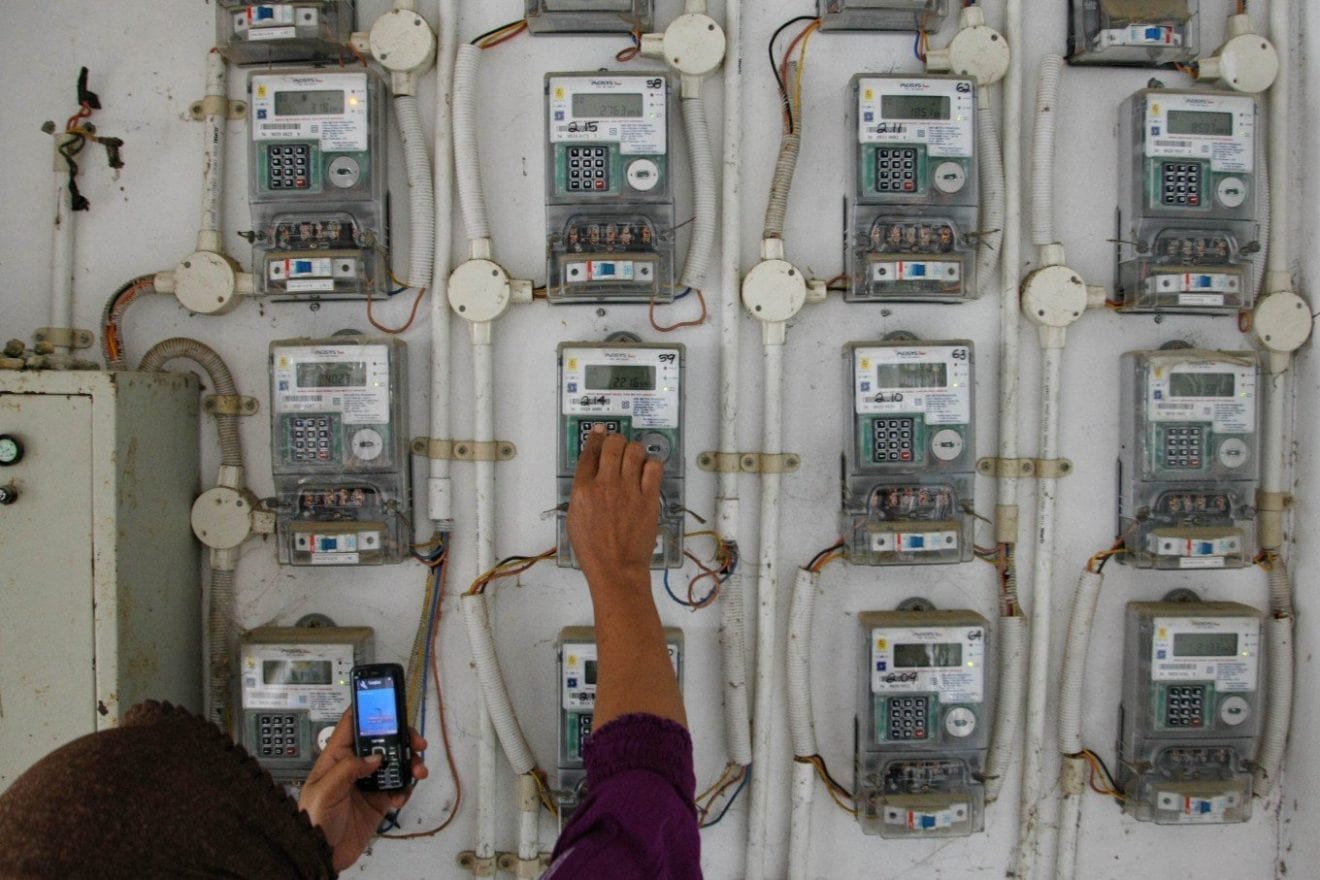
    Philippine authorities plan to eliminate the 12 percent value-added tax on electricity system loss charges from consumer and commercial utility bills as early as November 2026.

    The Energy Regulatory Commission issued Resolution No. 26, which reclassifies transmission and distribution losses as pass-through costs rather than taxable revenue for power generators, grid operators and distribution utilities.

    Energy Regulatory Commission Chairperson Francis Saturnino Juan confirmed during a Department of Energy budget hearing that the Bureau of Internal Revenue is drafting the required revenue memorandum circular. The tax agency plans to release the circular following a mandatory 15-day publication window, clearing distributors to update their billing systems.

    Bureau of Internal Revenue Commissioner Charlito Martin Mendoza stated that the adjustment ensures consumers no longer pay taxes on electricity that never reaches homes or businesses.

    The Seven Billion Peso Cleanup

    Lifting the tax does not remove the underlying system loss charges, which continue to appear on Philippine power bills. Energy Secretary Sharon Garin told lawmakers that eliminating the actual loss charges requires a phased program and significant capital expenditure across regional grids.

    System losses divide into technical and non-technical categories. Non-technical losses cover meter tampering, power theft, defective metering equipment and administrative billing errors. Department of Energy estimates indicate that eliminating non-technical loss allowances will require approximately 7 billion pesos in enforcement, meter replacements, database cleanups and cooperative management overhauls.

    Technical losses occur naturally across cables and transformers during transmission. Fixing them requires electric cooperatives and private utilities to replace ageing lines, upgrade substations and redesign local grid architecture.

    Legislative Limits and Network Audits

    Philippine commercial operators face some of the highest electricity tariffs in Southeast Asia, where utility line items consistently eat into store operating margins and household discretionary spending. While cutting the 12 percent tax offers immediate margin relief, dismantling the base charge faces statutory limits under the Electric Power Industry Reform Act, which permits distribution utilities to recover system losses up to regulatory caps.

    Electric cooperatives will take roughly six months to complete physical grid assessments before regulators can adjust allowable technical loss caps. Garin said the government expects to deliver its formal progress report on technical losses in the first half of 2027.