Retail News CRM

Tag: burgers

  • Five Guys Burgers Set for Beijing Expansion Amid Uptick in US Fast-Food Foothold in China

    Five Guys Burgers Set for Beijing Expansion Amid Uptick in US Fast-Food Foothold in China

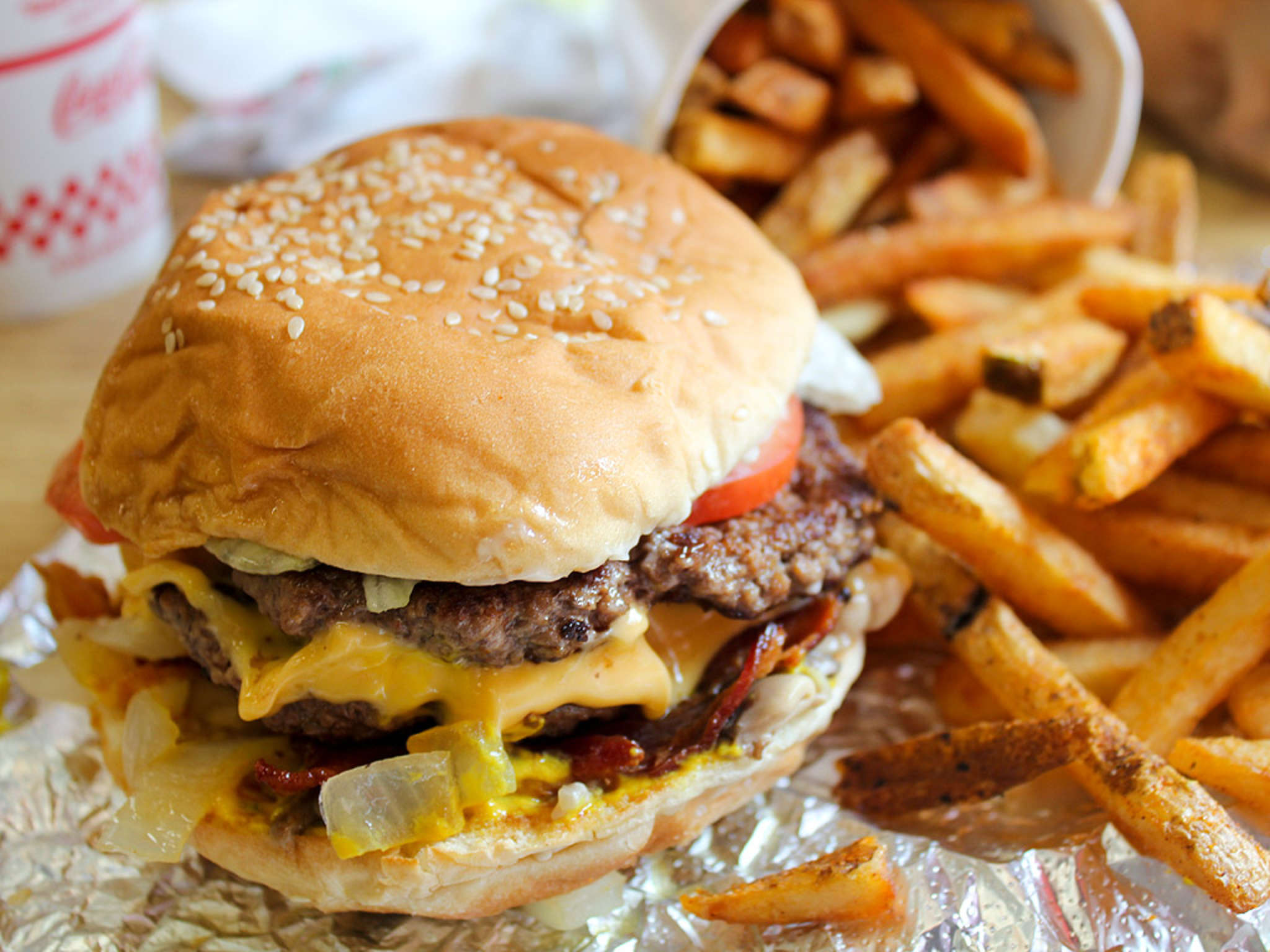
    Next month, the renowned American burger establishment, Five Guys, is all set to launch in Beijing. This event signifies the continued expansion of U.S. restaurant brands in China, undeterred by the escalating competition in the market.

    Five Guys plans to establish three eateries in Beijing’s shopping centers, strategically located in areas favored by the younger demographics. The brand’s entry into Mainland China came about in 2021, facilitated through a collaboration with local franchise operator, JumboFive. The inaugural restaurant, located at Shanghai’s Printemps Mall on Huaihai Middle Road, attracted considerable consumer attention. The brand reported that customers started lining up from as early as 2 am, enduring waits of over three hours on the opening day.

    The rapid expansion of Five Guys in China aligns with a larger trend noticed among American fast-food companies. These organizations are seeking growth opportunities in China as the prospects in the U.S. become more saturated. Domino’s Pizza China serves as a representative example, recently extending its franchise network to encompass 1550 stores. The pizza chain added a net of 235 new outlets in the first half of the year, concurrently reporting a surge in sales during the second quarter.

    In an akin move, Yum China recently decided to purchase the Pizza Hut business in mainland China from U.S.-based Yum Brands. The deal, worth US$1.2 billion in cash, aims to tap into the potential of Pizza Hut as the country’s largest casual dining restaurant brand. Last year, Pizza Hut generated a substantial revenue of $2.3 billion and an operating profit of $183 million.

    Questions & Answers

    What is Five Guys’ plan for expansion in Beijing?
    Five Guys plans to open three restaurants in Beijing, targeting shopping malls frequented by young consumers.

    How was Five Guys’ entry into Mainland China facilitated?
    Five Guys entered Mainland China in 2021 through a collaboration with the local franchise operator, JumboFive.

    What are some other examples of American fast-food chains expanding in China?
    Additional examples include Domino’s Pizza China, which expanded its network to 1550 stores recently, and Yum China, which acquired the Pizza Hut business in mainland China.
  • Hong Kong fund to sell Japan, South Korea Burger King business

    Hong Kong fund to sell Japan, South Korea Burger King business

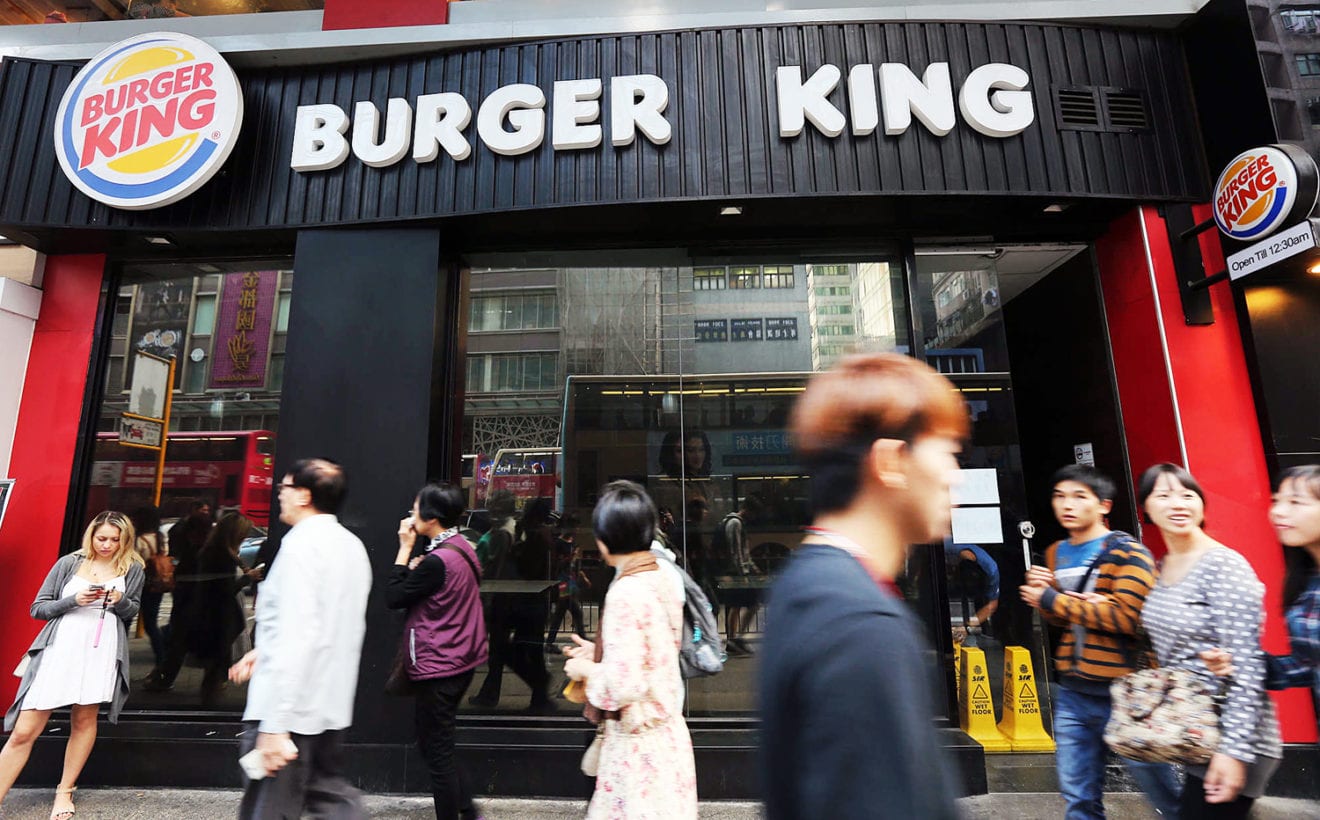
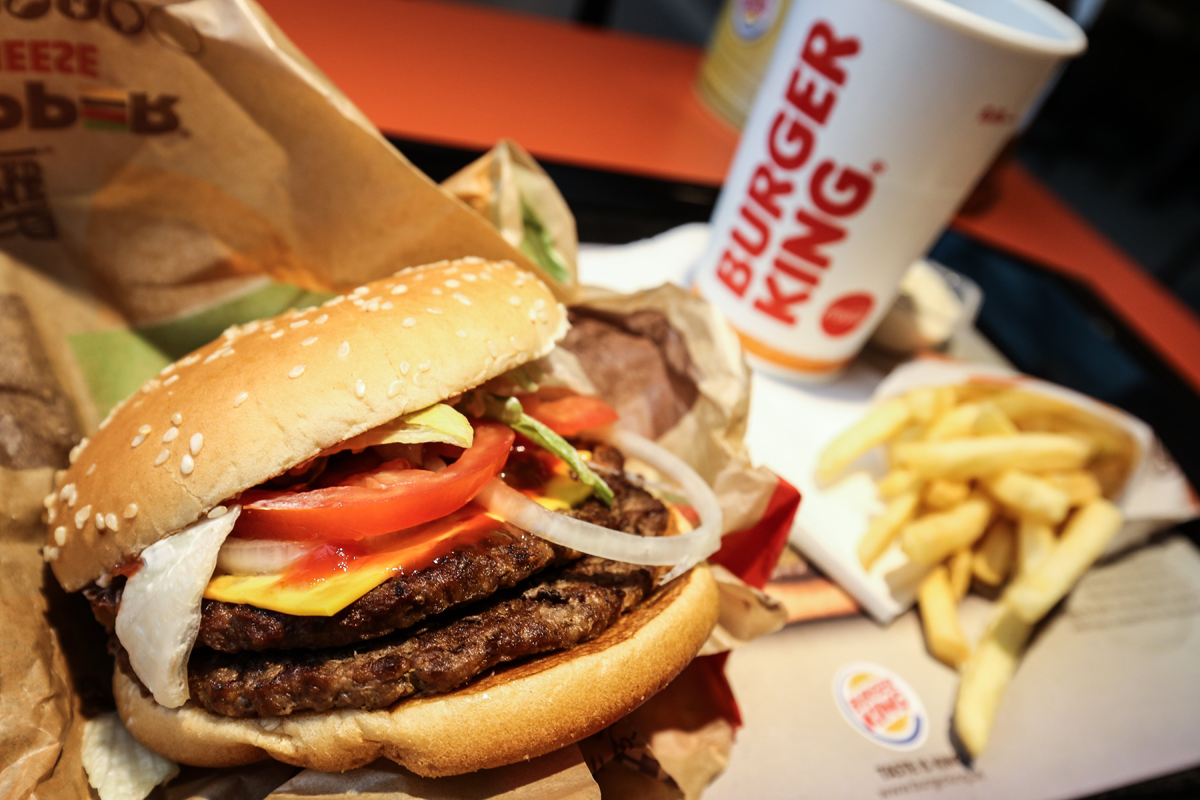
    Private equity firm Affinity Equity Partners is this week launching the sale of its Burger King fast-food businesses in South Korea and Japan, in a deal that could fetch more than US$1 billion, a person with knowledge of the matter told Reuters.

    Hong Kong-based Affinity has appointed Goldman Sachs to run the sale, which is targeting both private equity investors and strategic buyers, said the person, who declined to be identified as the information is confidential.

    The bank declined to comment.

    Affinity bought full control of Burger King South Korea in 2016 for about US$170 million and a year later acquired the American fast-food brand’s Japan franchise.

    The South Korean business reported 680 billion won (US$572 million) in revenue in 2021, with adjusted earnings before interest, taxes, depreciation, and amortisation (EBITDA) at 80 billion won, said the person, adding its adjusted EBITDA in 2022 is expected to reach 100 billion won.

    Burger King Japan’s adjusted EBITDA in 2021 was 700 million yen (US$6 million), the person said.

    Global fast-food chains such as McDonald’s and Yum! Brands are trading at 20 to 30 times their EBITDA, Refinitiv Eikon data showed. Burger King India is trading at about 25 times of its EBITDA.

    Affinity and Burger King Japan did not immediately respond to a request for comment.

    An official at BKR Corporation, the operator of Burger King in South Korea, declined to comment.

    The Nikkei business daily first reported the sale on Monday (Jan 17).

    It comes as the consumer and retail sector faces tremendous challenges and disruption caused by the coronavirus pandemic.

    In South Korea, businesses have adapted by relying more on deliveries, which has prompted exponential growth for its food delivery apps.

    Burger King Korea said on Monday the number of monthly active users on its mobile app in December exceeded 1.4 million, the highest since the app was launched in May 2016.

    Since Affinity’s acquisition, Burger King has been in an expansion mode in South Korea and Japan.

    Burger King runs 440 outlets in South Korea, more than its rival McDonald’s.

    The Japan franchise said on Monday it would open three new outlets in January, bringing the total there to 149, with plans to open more “aggressively” in 2022.

  • Destination Group launching Boom Boom Burger

    Destination Group launching Boom Boom Burger

    Destination Group is to introduce a new burger joint Boom Boom Burger, as part of a broader expansion plan in Thailand. Located at Sukhumvit Bangkok, the first Boom Boom Burger store is scheduled to open on Tuesday (September 1).

    Besides the burger, Destination Group also has plans to launch a pizza chain soon. Earlier this year, Destination brought the US burger brand Big Boy into Thailand, the brand’s first destination in Southeast Asia. Launching with a delivery service only, it will roll out food trucks and kiosks in Bangkok from October.

    The group aims to open Thailand’s first full-scale Big Boy outlet early next year and then expand to 20 to 25 branches during the next three years, Gary Murray, founder, and CEO of Destination told the Bangkok Post newspaper.

    The expansion plan in Asia will cost Destination about US$25 million, according to the company.

    Destination said it is also finalizing a licensing agreement with a Mexican casual-dining brand.

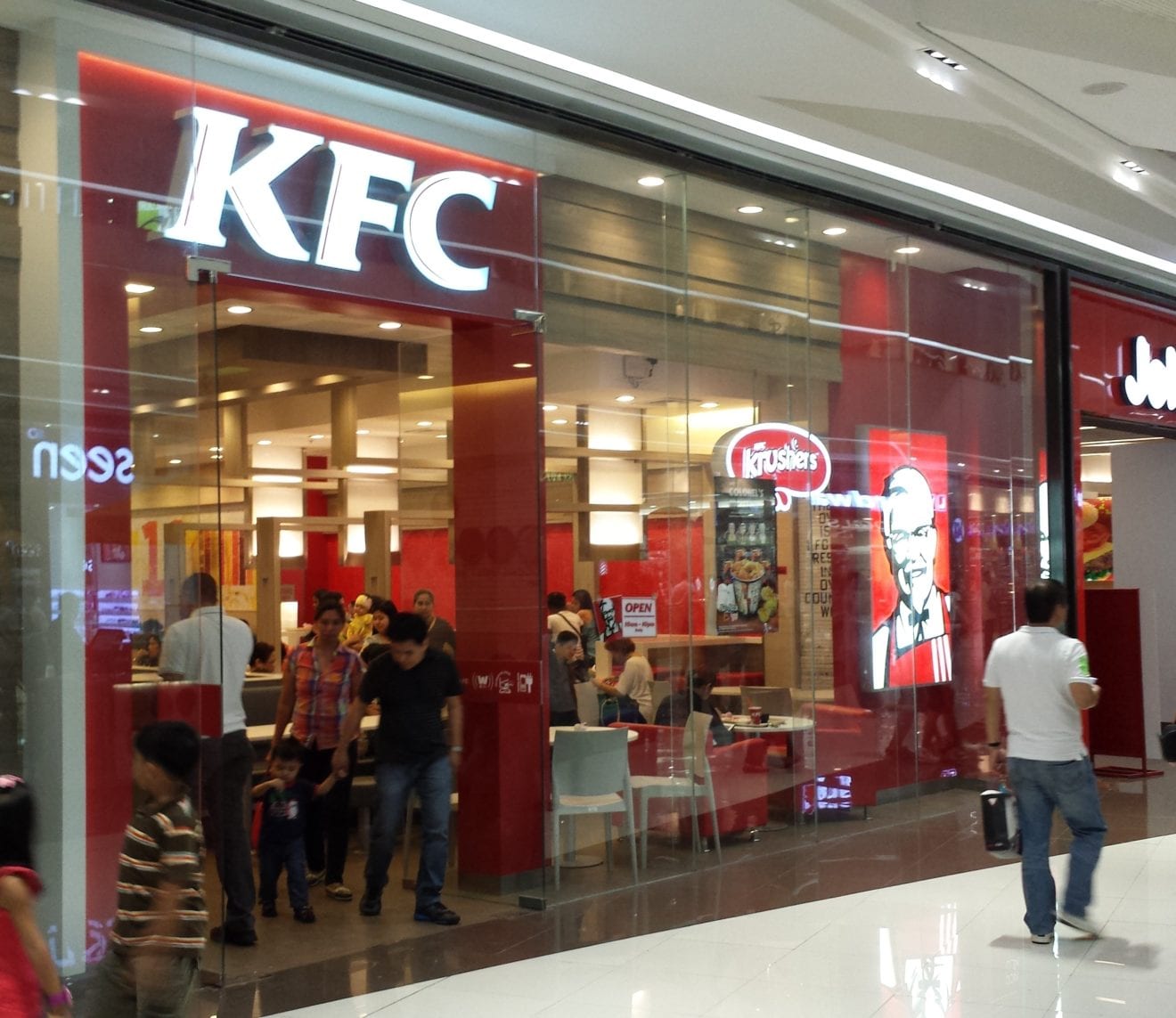
  • KFC Singapore launches contactless takeaway service

    KFC Singapore launches contactless takeaway service

    KFC Singapore has launched a contactless takeaway service, allowing customers to purchase safely during the circuit breaker period in the city.

    According to KFC, it is the first fast-food restaurant brand in Singapore to launch such a service. With “Contactless Takeaway”, customers can place orders via KFC Singapore’s app or its website and pick up the food at contactless pick-up tables in the chosen store.

    These contactless pick-up tables will be sanitised after each order is completed, the company said in the statement.

    “With the ‘Contactless Takeaway’ and ‘Contactless Delivery’ options, we are doing our very best to ensure that our famous fried chicken will be as accessible as always even during these trying times,” said Lynette Lee, GM at KFC Singapore.

    The ‘Contactless Takeaway’ service follows the ‘Contactless Delivery” option launched early last month.

  • Shinsegae’s No Brand Burger stores dominating Korean market

    Shinsegae’s No Brand Burger stores dominating Korean market

    The No Brand Burger from Shinsegae Food, the food manufacturing arm of South Korean retail giant Shinsegae, are dominating the South Korean hamburger market.

    Analysts say that Shinsegae’s cost-effectiveness strategy for its new No Brand Burger restaurants is behind such growth.

    The company managed to lower the price by more than 1000 won (US$0.84) compared to its competitors while maintaining similar quality.

    Driving on without a stop, Shinsegae Food is planning to expand its stores and even pursue a franchise business. As of the end of last month, sales at No Brand Burger exceeded 350,000 units.

    In other words, four stores have sold more than 100,000 burgers a month on average, including the first No Brand Burger store in Seoul, which opened in August. Each store has between 1000 and 1500 daily sales.

    In particular, the Hongdae branch has become a popular place with customers waiting in line for more than an hour before eating, as No Brand hamburger has proven to be a draw among younger customers.

    The secret to the popularity of No Brand Burger is reasonable prices combined with good taste and quality. The company focused extensively on research and development of the menu. Some 20 chefs from the affiliated food research institute developed the company’s burger offerings over a period of three years.

    In addition, the company made the most of its know-how in distributing and manufacturing food products to the fullest extent possible to lower the price.

    The price of the No Brand Burger is between 1900-5300 won for a burger and 3900-6900 won for a ‘set’ that includes fried potatoes and a beverage.

    Its flagship burger, NBB Signature, which costs 3500 won (US$2.93) for the burger alone and 5300 won for a set, is also cheaper than the 6200 won cheeseburger set at Lotteria, the nation’s number one hamburger franchise.

    What is making such prices possible is so-called ‘joint orders’.

    Considering that it is not easy to secure a competitive edge in price by placing individual orders for each ingredient, Shinsegae Food placed orders for of all the ingredients at once with the food ingredients managers of each business unit and lowered the prices of the most basic ingredients.

    Moreover, it also used its own ingredient factory to secure hamburger patties and pre-prep

  • Jollibee Expedites North American expansion

    Jollibee Expedites North American expansion

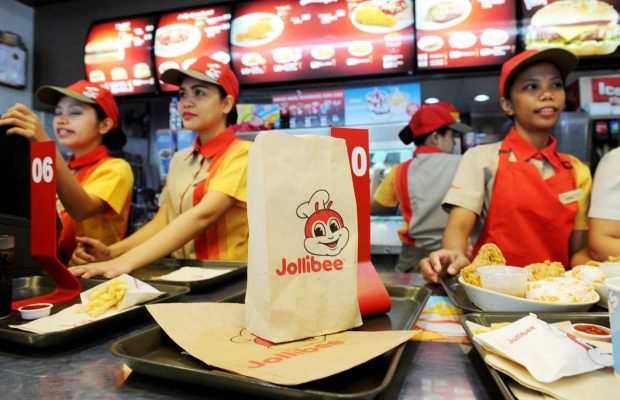
    Filipino fast-food chain Jollibee plans to expand its store network in North America to 250 by 2023.

    Its parent company Jollibee Foods Corporation (JFC) said it is committing to further expand the brand in North America, having identified the region as a key growth market.

    There are currently 46 Jollibee outlets in North America, with the first store opened in 1998 in California.

    The expansion plan was announced at the inauguration of its new North American headquarters in West Covina, California on Friday. It says the new 28,000sqft headquarters will serve as a center of operations for Jollibee and its sister brands Chowking and Red Ribbon.

    “The new Jollibee headquarters will ably support operations around North America in its quest to become a major fast-food player in the region,” says the company.

    Jollibee has a restaurant network of more than 1400 at home and more than 230 elsewhere abroad.

    Parent company JFC has more than 5800 restaurants in 35 countries globally, with recent investments including a joint venture to open Tim Wan Ho restaurants in China.

  • Habit Burger Grill Opens in Korea

    Habit Burger Grill Opens in Korea

    America’s Habit Burger Grill is eyeing South Korea expansion in partnership with consulting firm Bridging Culture Worldwide.

    “South Korea, with its savvy consumers, open-minded culture and interest in global brands is an ideal marketplace for The Habit Burger Grill’s expansion,” said John Phillips, chief global business partnership officer at the company.

    He said Habit Burger Grill wants to attract multi-unit franchise partners and ensure mutual success for both parties.

    With the partnership, Bridging Culture Worldwide will support The Habit Burger chain with its international expansion plans in Asia-Pacific region.

    Founder and CEO of Bridging Culture Worldwide, Don Southerton, said: “South Korea has embraced premium western brands and The Habit Burger Grill delivers exactly what consumers are seeking – great food and excellent service. With its distinctive fresh-off-the-grill Charburger and hand-crafted sandwiches, fresh salads and other menu items, we know South Koreans will appreciate all that The Habit Burger Grill has to offer,”.

    Bridging Culture Worldwide is a business consultancy providing strategic planning and market entry service to Korea-based global businesses as well as support for western firms entering Korea.

  • Impossible Foods and The Butchers Club commission 3D art work at K11

    Impossible Foods and The Butchers Club commission 3D art work at K11

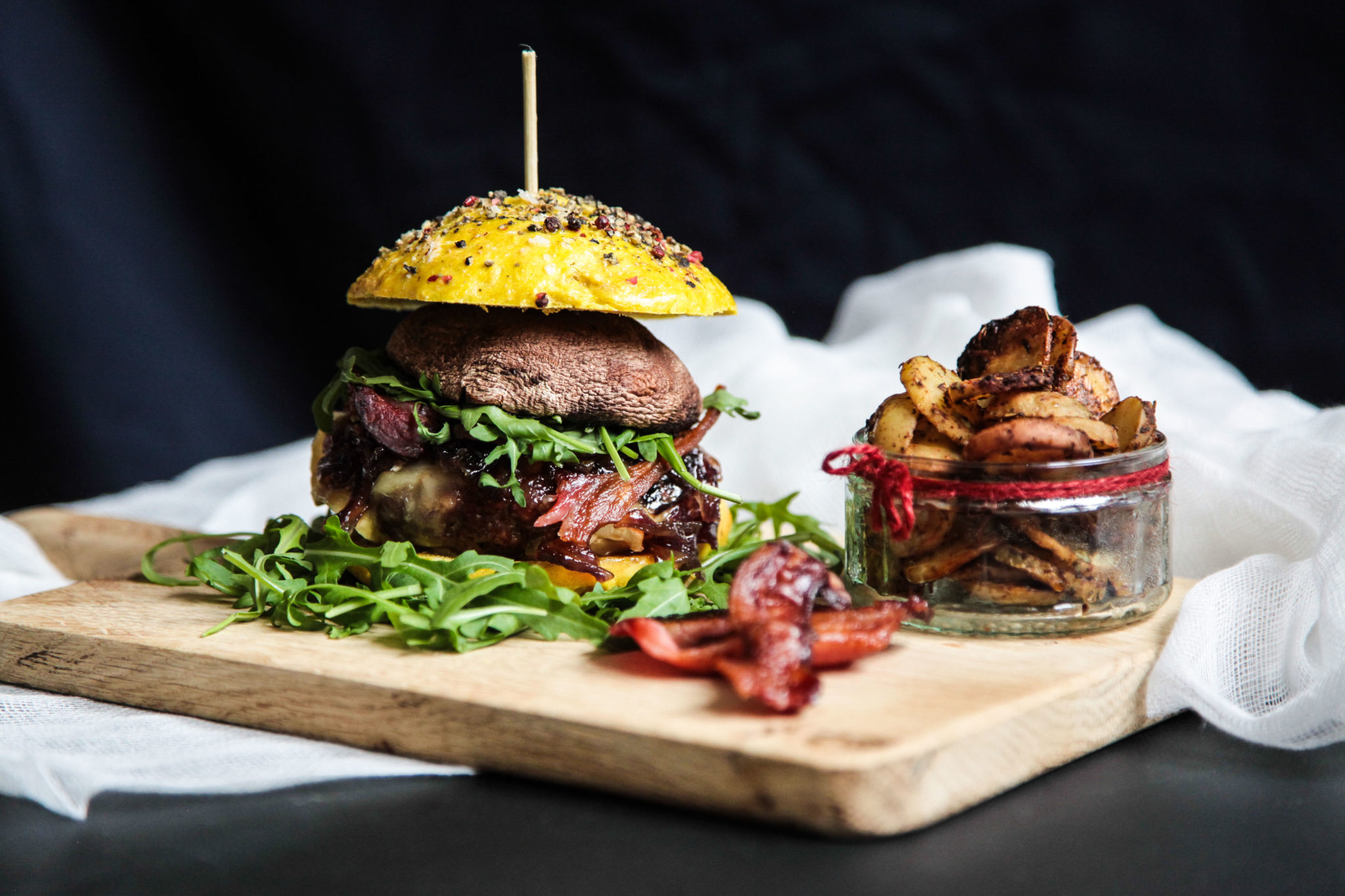
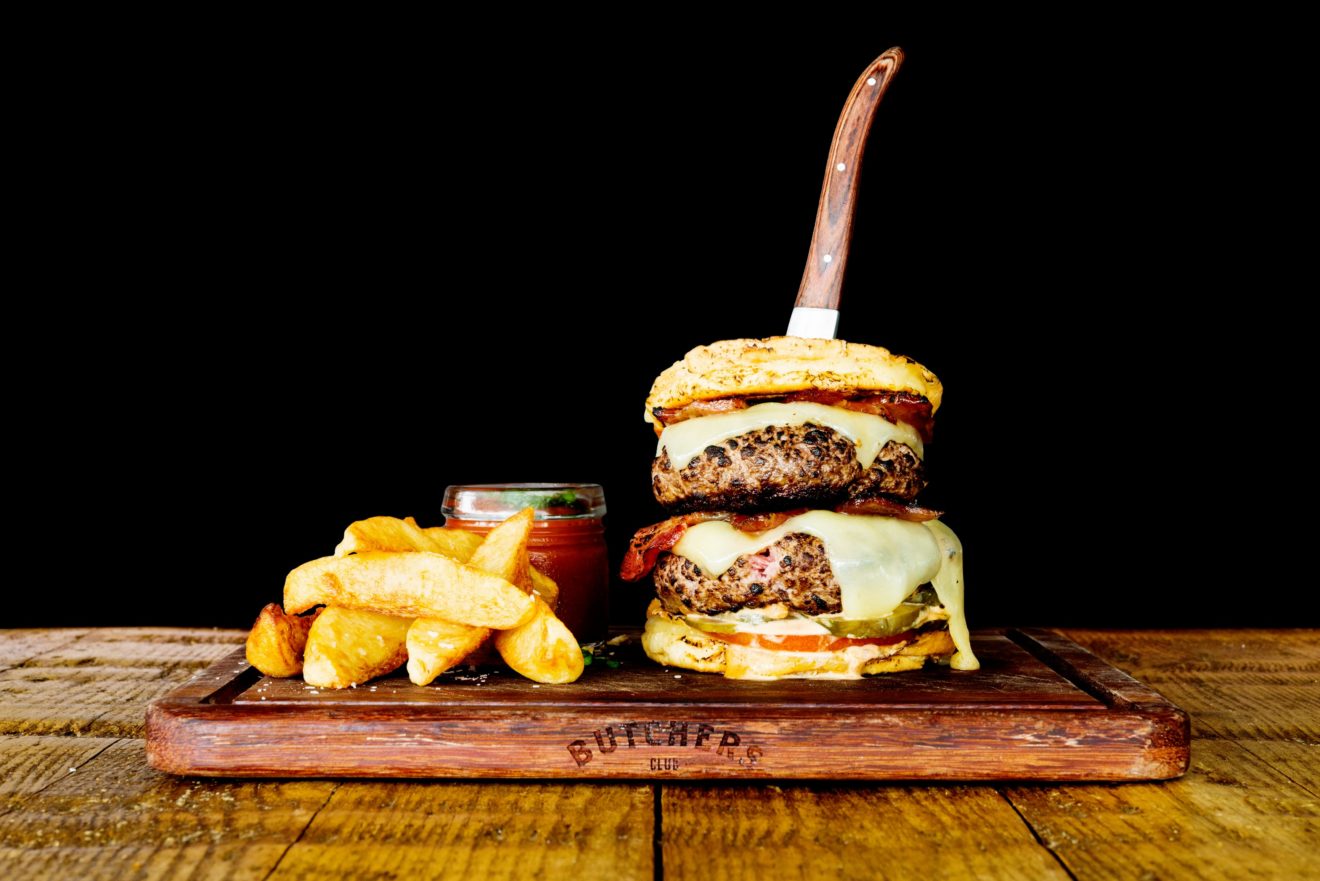
    The “Impossible Burger”, featured plant-based ‘meat’ from Impossible Foods, can now be bought at all The Butchers Club locations in Hong Kong.

    To celebrate the launch of The Butchers Club Impossible Classic Burger, the two companies have commissioned local artist Terena Wong to create a thought-provoking 3D artwork in the Piazza at K11.

    The artwork is a symbolic representation of Impossible Food’s stated mission to restore biodiversity and reduce the impact of climate change by transforming the global food system, as well as The Butchers Club’s ongoing commitment to being more sustainable.

    Impossible Foods’ long-term goal is to accelerate the switch to a more sustainable food system, starting with its burger offering and expanding to a range of pork, chicken, fish and dairy products made directly from plants.

    Served in more than 15,000 restaurants in the US, Hong Kong, Macau and Singapore, the Impossible Burger uses a fraction of natural resources needed to produce animal beef: 96-per-cent less land, 87-per-cent less water and 89-per-cent fewer greenhouse gas emissions.

    Terena Wong has completed more than 40 community art projects, street art works, 3D mural paintings and 3D floor paintings in Hong Kong, the US and China, and has worked with many different parties including the government and non-profit organisations.

    The artwork is available to view and interact with until August 31.

  • Habit Burger Opening in Cambodia

    Habit Burger Opening in Cambodia

    The Habit Restaurants is set to expand its Habit Burger Grill franchise throughout Cambodia in partnership with Amory F&B in a 25-store development agreement.

    The first outlet is expected to open in Phnom Penh in spring next year.

    “We quickly developed a passion for The Habit Burger business when we saw how much focus there is on great customer service,” said Kampuchea Tela Company CEO Okhna Chhun On. “This is something we strongly believe in, and we are excited to bring the Habit experience and great food to the people of Cambodia.”

    “The Habit’s excellent brand, best-in-class systems, and experience will help us to go the extra distance to become national leaders in the burger segment,” said Amory F&B Company CEO Chhun Sophearoth. “As an organization, we keep developing and investing in our people, much like The Habit Burger, and this will be an important part of our success.”

    “We are thrilled to continue to expand our brand internationally and to see Amory F&B Company bring our unique style of hand-crafted-to-order food, chargrilled burgers and high-quality customer service to the people of Cambodia,” said The Habit Restaurants president and CEO Russ Bendel.

    “Amory is comprised of a team of experienced, committed operators who share our dedication to customer satisfaction and enthusiasm for The Habit brand.”

  • Everstone to sell Burger King India franchise

    Everstone to sell Burger King India franchise

    Singapore-based private equity firm Everstone plans to sell its Burger King India franchise.

    The firm is reportedly in advanced discussions with Rahul Bhatia-controlled InterGlobe group to sell the franchise a deal worth US$204 million.

    The fast-food chain operates 140 outlets, spread across cities in north, west and south India. Last year, its sales reached $54 million.

    Everstone has managed Burger King India since 2013, along with Coffee Bean & Tea Leaf, Copper Chimney, Bombay Blue and Noodle Bar in India.

    The discussions between the two parties come at a time when Bhatia is in dispute with Rakesh Gangwal over their flagship airline IndiGo.

  • Burger Fuel New Zealand Restaurants performing well

    Burger Fuel New Zealand Restaurants performing well

    Burger Fuel said its stores in New Zealand have been performing well, posting a 2.6 per cent increase in sales on the previous year.

    Burger Fuel, which has 56 restaurants in New Zealand, said sales have increased from last year but growth was less than what the company would have liked for the period.

    Company chair Peter Brook and group CEO Josef Roberts said in a statement they will continue to focus on the opening of new restaurants in NZ for FY19 and update the market as the year progresses.

    They said, however, that they will only undertake new openings if they can achieve both the right locations as well as the accompanying franchisees.

    At this stage, the company said they are not undertaking third party home delivery, as over time they believe it will negatively affect both the brand and individual store profitability.

    “This decision may have impacted our growth numbers, however we remain committed to a no delivery policy at this stage,” Brook said.

    The company is in the process of changing from a single-brand international company to a multi-brand New Zealand company. The move was announced last year.

    “This transition is going well and we are pleased that we have managed to absorb all the costs associated with this transition, as well as the costs to develop the new brands and provide an acceptable profit for FY19,” Brook said.

    “We will continue to focus on the opening of new restaurants in NZ and we look forward to updating the market with these new openings as the year progresses.”

    Burger Fuel Worldwide posted a $1.2 million net profit for the year ending March 31, a turnaround from the previous year’s $463,000 net loss, as it transitions to a new business model.

    Sales decreased 15 per cent to $21 million, mostly reflecting the sale of the company-owned store in the United States to founding director Chris Mason in March last year, while expenses dropped 22.7 per cent to $19.2 million.

    “This internal change lowers revenue from our proprietary product manufacturing operation but will ensure that this business unit becomes more financially efficient,” the company says.

    Total system sales, including both company-owned and franchised stores, fell 2.9 per cent to $102 million.

    There were 78 Burger Fuel stores operating worldwide and two new outlets in New Zealand, one for each of the company’s new concepts, Shake Out, a new burger concept developed in-house, and Winner Winner, the chicken concept purchased by BurgerFuel Worldwide in December 2017.

    Of the BurgerFuel stores, 56 are in New Zealand.

  • In-N-Out Burger opens pop-up Restaurant in Seoul

    In-N-Out Burger opens pop-up Restaurant in Seoul

    In-N-Out Burger, a popular American hamburger franchise, opened a pop-up store on Wednesday in Gangnam, Seoul, drawing hundreds of visitors.

    People began lining up at the store from 6am to try out what can otherwise be tasted only in America. The 250 burgers prepared for the day sold out in just 30 minutes.

    South Korea’s craze for American food brands, including Shake Shack in 2016, and recently Blue Bottle Coffee, is drawing attention from brands.

    The pop-up event, originally scheduled to start at 11am, had to open early at 9.30am due to the massive number of people queuing. All 250 wristbands, needed to purchase a burger, were given out before the clock struck 10.

    This is In-N-Out Burger’s third pop-up store since the last one in 2012. The burger franchise, however, currently has no plans to enter the South Korean market.

    Some argue that the pop-up store is In-N-Out Burger’s strategy to maintain trademark rights in South Korea.

    Experts say that South Korea’s craze over American food chains reflects the people’s need for ‘small but definite happiness’ in the age of social networks.

    When the first Shake Shake opened in South Korea in July 2016, for more than a month, customers had to line up for at least two or three hours to get a burger.

    People also lined up at Blue Bottle’s first store in Seoul’s Seongdong District, which opened early this month.

    “In the age of social networks, people’s need for a ‘small but definite happiness,’ which can be easily shared with other consumers, seems to coincide with these food chains,” said one expert.

    “That is why people seem to become more willing to wait in line for hours, just like how they did at Shake Shack or Blue Bottle.”

  • Jollibee Sets Up Shop in Manhattan, NY

    Jollibee Sets Up Shop in Manhattan, NY

    Fried chicken fans in New York City will have another option to crow about, as Philippines-based restaurant chain Jollibee will open its first location in Manhattan later this month. Of course, the menu at Jollibee doesn’t stop at its Chickenjoy, as it encompasses an eclectic range of dishes from Jolly Spaghetti topped with a sweet sauce along with pieces of ham and hot dog, to burgers, Spam sandwiches, and desserts like halo halo and Peach Mango Pie.

    For the unfamiliar, Jollibee is the largest fast food chain in the Phillipines, with more than 1,000 stores, and another 200 locations worldwide. Jollibee’s U.S. operation spans ten states and 36 locations, with the Manhattan outpost bringing that total to 37. Additionally, the chain recently cut the ribbon on two new storefronts in the Toronto area, which both saw lines around the block for their grand openings. Jollibee was even featured on Parts Unknown when Anthony Bourdain visited in Los Angeles with Roy Choi and later on his own in Manila when he referred to it as “the wackiest, jolliest place on earth.”

    “We are excited to finally open our doors in the heart of bustling Manhattan, which is not just a center of business and finance, but a major cultural and entertainment hub that receives millions of visitors from around the world each year,” Jose Miñana, Jollibee Foods Corporation’s Group President for North America, said in a statement. “The diversity of the food culture and the fast pace of living here make it perfect for our new Jollibee store location.”

    Jollibee also happens to be celebrating its 40th anniversary, which means there’s an added bonus for some lucky New Yorkers: The first 40 people in line at the opening will get free Chickenjoy for a year. Additionally, a Jollibee Funko Pop! figure and other collectibles will be available.

    New York City already has a Jollibee located in Woodside, Queens, but as most of the thinking goes in New York, you haven’t made it until you’ve made it in Manhattan.

  • Gourmet burgers drive McDonald’s results

    Gourmet burgers drive McDonald’s results

    McDonald’s reported first quarter results that topped analysts’ forecast on Monday, helped by strength in international markets and U.S. consumers opting for more expensive burgers over value meals.

    Shares of the world’s biggest chain by revenue rose 4.2 percent to US$165.10 in premarket trading as global same-restaurant sales topped Wall Street forecasts, pulling profit higher.

    A multiyear turnaround plan launched by Chief Executive Steve Easterbrook three years ago, has brought menu changes, new technology to stores and restaurant upgrades to drive more traffic.

    High-margin “gourmet” burgers which offer fresh and more expensive ingredients, costing US$6 or US$7 a time compared to the chain’s US$1 to US$3 value options, raised the overall average U.S. check value.

    Global sales at stores open at least 13 months rose 5.5 percent, easily topping an average estimate of 3.94 percent and reflecting a 7.8 percent surge in the company’s more mature international markets – Australia, Canada, France, Germany and the United Kingdom.

    “This shows the power of the brand … globally the numbers were outstanding,” Peter Saleh, an analyst with brokerage BTIG, said. “The results were very impressive, actually more impressive than we initially had anticipated.”

    Excluding items, the company earned US$1.79 per share, beating the estimate of US$1.67. Revenue overall fell 9 percent as a result of refranchising – a cost-cutting move where the company sells McDonalds-owned outlets to a franchisee investor and receives only a cut of sales.

    The shape of the results also ran contrary to recent quarters, when McDonalds and other fast food chains have focused on battling each other with dollar menus, discounts on beverages and limited-time menu items as consumer spending cools.

    “It is clear that diners now see the value options as a permanent fixture and are no longer as excited or stimulated by them,” said Neil Saunders, Managing Director of market research house GlobalData Retail.