Tag: Busan

  • Shinsegae Acquires Lotte Centum City as Busan Inbound Spending Tops W1 Trillion

    Shinsegae Acquires Lotte Centum City as Busan Inbound Spending Tops W1 Trillion

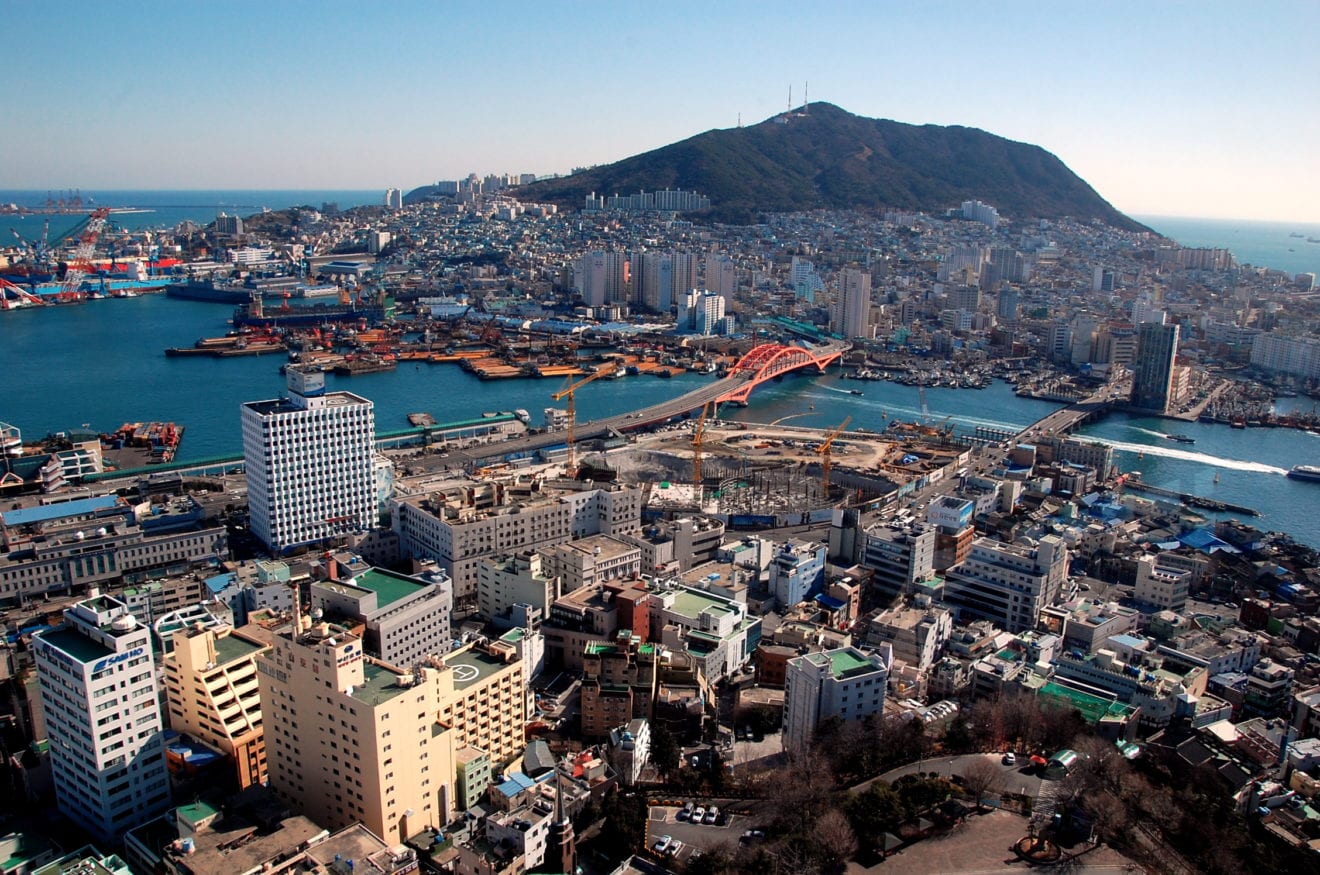
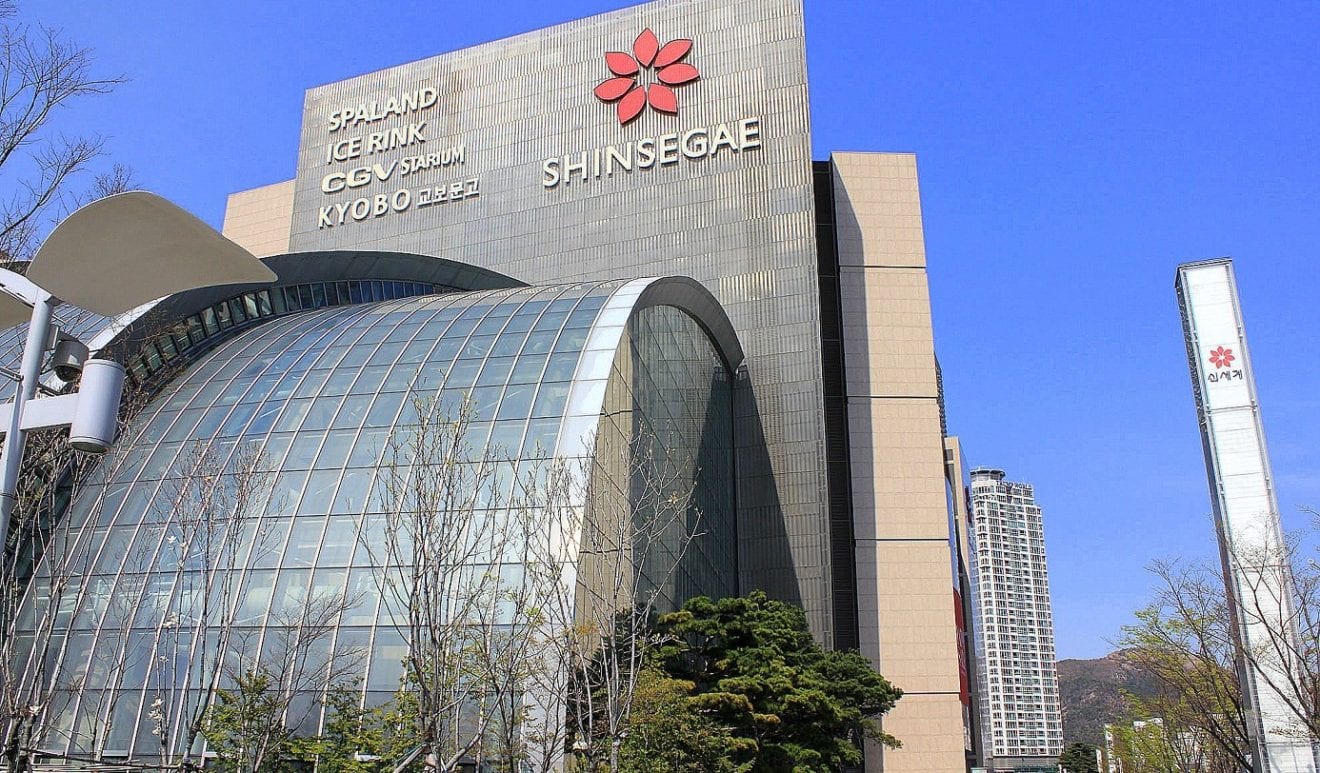
    In late October, Shinsegae announced an agreement to acquire Lotte Department Store’s Centum City branch in Busan after foreign tourist spending in the metropolitan area surpassed 1 trillion won ($745 million) through September.

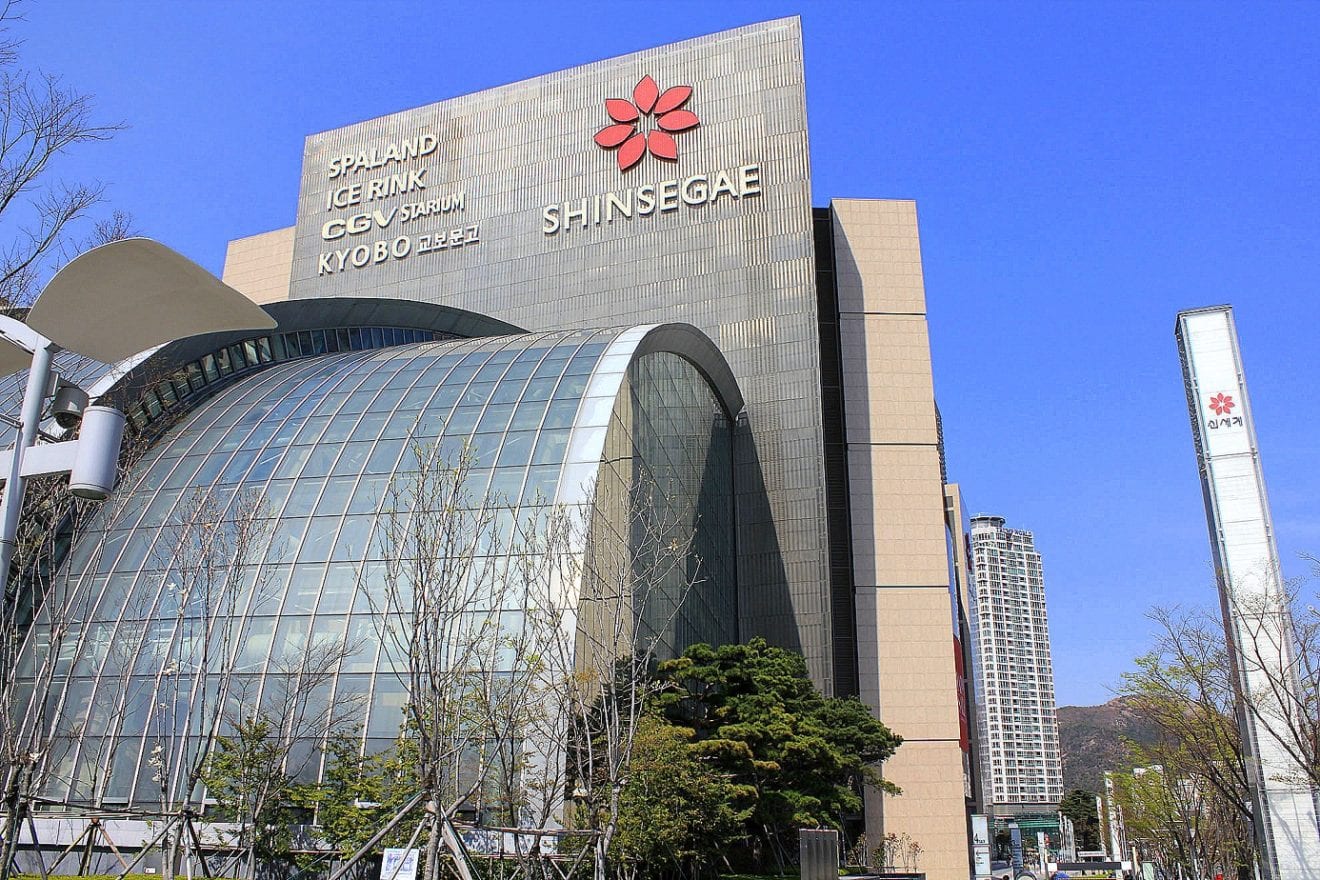
    The transaction gives Shinsegae control of two contiguous commercial plots in the coastal Haeundae district. The group intends to absorb its direct competitor’s declining asset into a broader mixed-use complex anchored by its existing flagship development.

    Shinsegae Centum City generates more than 2 trillion won in annual gross merchandise value, ranking as the top-selling department store outside the capital region. In contrast, annual revenue at Lotte’s adjacent branch contracted from a historical peak exceeding 300 billion won to approximately 130 billion won by 2023. Shinsegae plans to physically integrate both structures with its neighbouring mall and a vacant parcel designated for luxury hospitality, office space and private residences under the unified moniker Shinsegae Town.

    Lotte Reallocates Capital Across Busan Network

    Lotte is using the proceeds from the Centum City disposal to fund asset renovations across its four remaining stores in the city. Capital will flow directly into its Seomyeon flagship and Lotte Mall Dongbusan, both of which generated rising turnover over the past year. Lotte Department Store is designating its Gwangbok branch in the historic downtown core for incoming international travellers, while assigning its Dongnae outlet to domestic neighbourhood shoppers.

    The Seomyeon flagship recorded 1.2 trillion won in sales last year, supported by an influx of overseas diners. Food and beverage expenditure by foreign visitors at the branch surged 120 percent year on year between January and October.

    Retail traffic across regional South Korea is diverging sharply from historical domestic patterns. In the first nine months of the year, passenger arrivals at regional airports expanded 37 percent to roughly 3.24 million, according to data from Korea Airports Corp. Inbound passenger growth at gateway airports serving the capital area reached 17.3 percent over the same period. By late October, national foreign visitor arrivals had already eclipsed the annual record set in 2025.

    Specialty Chains Build Regional Destination Stores

    Specialty chains are deploying independent capital programs outside Seoul to capture this traffic directly at arrival points. Health and beauty operator CJ Olive Young allocated 123.8 billion won this year to open or refit 43 large-format stores outside the capital region. In Busan, the chain opened a fish market-themed outlet in Millac-dong, merchandising cosmetics and food in display crates, while expanding its Nampo-dong location into its largest store outside the Seoul metropolitan area.

    Olive Young expanded into heritage tourism corridors as well, opening a store in Gyeongju last month featuring a traditional hanok tiled roof and site-specific merchandise. Domestic eyewear label Blue Elephant mirrored that layout, adding a hanok-style storefront in Gyeongju in July alongside new locations in Busan and Jeju Island.

    Apparel platform Musinsa is tracking similar geographic shifts through its physical footprint. Foreign card transactions at its Seomyeon store in Busan reached approximately 30 percent of total sales, representing an 11 percentage point increase from a year earlier. Across the company’s eight regional stores outside greater Seoul, combined sales rose roughly 44 percent over the same period. Following the launch of a Musinsa Standard store in Changwon last month, 10 of its 44 standard offline stores now operate outside the capital region.

    Consolidation Shifts Landlord use Outside Seoul

    For department store operators and commercial landlords, Shinsegae’s acquisition of a competing asset directly next door changes the competitive balance in southern South Korea. Rather than fighting a war of attrition for luxury concessions against an adjacent landlord, Shinsegae eliminates duplicate operating costs and absorbs Lotte’s footprint to expand tenant floorplates. RetailNews Asia sees this as a defensive consolidation: prime brand principals increasingly demand massive, unified destination spaces before committing flagship boutique allocations outside Seoul.

    Lotte’s counter-strategy carries operational execution risks. Distributing capital across four dispersed properties requires four distinct tenant mixes to prevent internal cannibalisation between Seomyeon, Dongbusan, Gwangbok and Dongnae. If international tour groups fail to sustain foot traffic at the older downtown Gwangbok location, Lotte risks holding depreciating square footage while Shinsegae monopolises the coastal luxury trade at Haeundae.

    Earlier Footprint Steps Lead to Haeundae Showdown

    The Busan consolidation follows a multi-year contest between the two retail groups in Seoul’s central tourist district. In Myeong-dong, Shinsegae linked surrounding properties to its flagship to build a dedicated campus for high-spending overseas shoppers, while Lotte renovated its main town store with youth-oriented cultural installations.

    The regional pivot accelerated after Musinsa demonstrated the commercial viability of tier-two retail streets. The fashion platform launched its first non-capital Standard store in Daegu in 2023, converting digital audience data into physical street traffic before expanding into Changwon.

    Attention now turns to municipal planning reviews for the physical bridge linking the two Centum City buildings, and to Olive Young’s remaining fourth-quarter store launches, which will determine how much of its 123.8 billion won regional capital budget translates into active selling space before the year closes.
  • WeWork signs deal to open office in Busan next year

    WeWork signs deal to open office in Busan next year

    WeWork, a global shared work space provider, said Tuesday it has signed an agreement with Busan to make inroads into the country’s second-largest city next year. The company signed a memorandum of understanding (MOU) with the southeastern port city on Monday with a plan to open its first Busan branch in the Seomyeon area by the first half of next year, it said.

    WeWork said more locations, including in Centum City and Busan Station, will be launched down the road.

    “WeWork will contribute to creating jobs and global business opportunities as well as revitalizing the startup ecosystem in Busan,” Matthew Shampine, General Manager of WeWork Korea, said.

    Established in New York City in 2010, WeWork currently has over 300 offices in 23 countries, including 10 in Seoul. The first Korean WeWork office opened in 2016.

  • Asics to open the largest flagship store in Busan, Korea

    Asics to open the largest flagship store in Busan, Korea

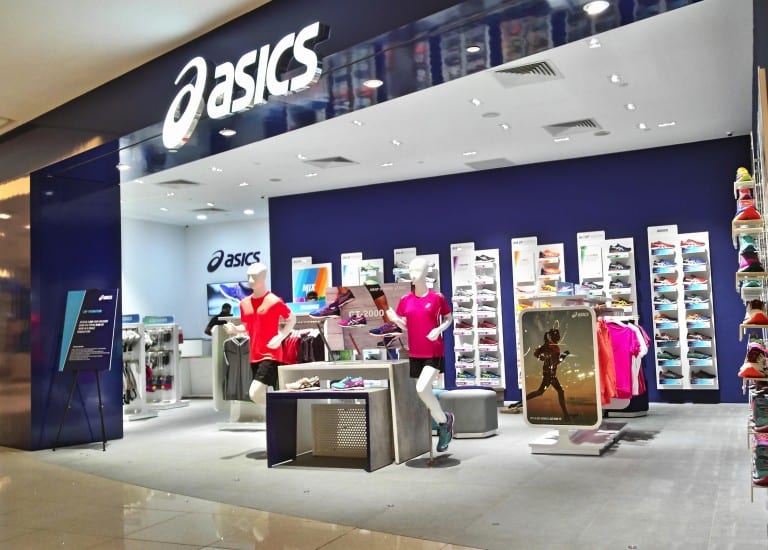
    Asics Korea (CEO Kim Jung Hoon) has opened the largest flagship store in Busan, Korea. The store is three stories, and the whole front is made with a full glass, which make customers can see various products in the store from the outside.

    Especially, this store is a space where customer can feel the change of “ASICS” first through the change from the tag line “I MOVE ME” newly launched this year.

    This store combines the expertise of “ASICS” for its customers in a relaxed atmosphere, so that consumers can feel free to come in and shop and experience the technology of “ASICS”.

    On the first floor, there are running and training products for women and the floor is designed with comfortable and luxurious interior using warm woods to match the consumer’s target.

    The second floor is a space for men and has a modern and dynamic interior. We also provided a space where customers can experience ‘Foot ID Service’, a professional foot measurement system.

    ‘Foot ID Service’ analyzes customer’s foot, height and width in depth by using 8 cameras and laser project installed in the front and rear. After that, tester is attached to customer’s both feet and shooting the motion of running on the treadmill.

    Scientific analysis of the degree of leaning and tilting of the feet as well as the shape of the landing when running is recommended to customers with the most optimized products.

    The third floor is made up of a community room, so that the running crew can freely use it. There is also customizing service that can make their item by using print in “Asics” garment on third floor. It’s free service is provided until September 30th.

    In the meanwhile, “ASICS” held a ‘Night Run’ event in Busan and Gyeongsang with a running crew on September 2 to celebrate the opening of this store.

    This event was a combination of running and after-party events, and it was a meaningful time for the members of ‘SMSB Seoul’, a global running crew of ‘ASICS’, and nine running crews of Busan and Gyeongsang, to gather together and exchange culture with each other.

  • Koreans offer hottest properties for sale

    Koreans offer hottest properties for sale

    Region’s property investors get a glimpse of Korea’s hottest properties being displayed at the Global Cityscape 2016, which will conclude today.

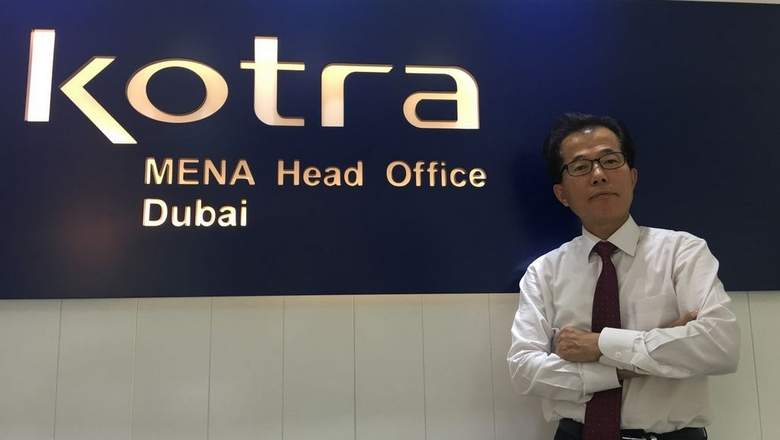
    “The two Korean free zones Incheon and Busan are participating in the three-day exhibition to showcase new property projects in Korea,” said Yong Suk Kwon, regional president Middle East and North Africa of Trade and Investment Promotion Office (Kotra).

    koreaeconomy

    Korea has long been focused on the UAE and GCC to attract investments into the second biggest Asian economy. In recent years, Korean real estate projects have done well in attracting foreign direct investment.

    “South Korea scored a total return rate of 7.1 per cent in 2015. It is a high and competitive return rate compared to other Asian countries. The returns are much higher than China (5.7 per cent) and Singapore (6.2 per cent), said Kwon.

    He said foreign investment companies including the State Oil Fund of Azerbaijan (SOFAZ), Abu Dhabi Investment Authority (ADIA), Kohlberg Kravis Roberts (KKR), ARA Asset Management Limited and Blackstone, have entered South Korea’s office building market.

    Referring to CBRE’s 2016 research, he said Korea secured 39 per cent of investors’ interest in most attractive countries to invest. “The hottest sectors were offices with 39 per cent, multifamily/leased residential units 26 per cent and shopping centres 17 per cent,” Kwon said, adding that investments also went into storages and infrastructure.

    Korea’s retail market is showing solid growth at 2.4 per cent in 2015 at $246 billion. Online shopping market showed the biggest growth with 14.3 per cent fuelled by the expansion of e-commerce and payments from mobile phone or mobile commerce. Complex shopping malls are showing robust growth displacing department stores and consolidating smaller forms of retail stores.

    “South Korea is seeing a record-breaking foreign direct investment influx,” Kwon said. In 2015, Korea received $20.3 billion in FDI, the largest amount till date. And in the first half of 2016, about $10.5 billion worth FDI was invested in Korea, also breaking the previous record so far.

    The government of South Korea designated so called “Korean Free Economic Zones” to improve the business and living environment for foreign-invested firms in Korea, Kwon said.


  • Shinsegae Group in massive expansion plan

    Shinsegae Group in massive expansion plan

    Shinsegae Group says it will invest 4.1 trillion won ($3.4 billion) this year and hire 14,400 new staff to expand its retail business and revitalise the “sagging domestic economy”.

    “The overall retail sector has been struggling to deal with continued sluggish domestic consumption,” a Shinsegae Group official said. “But we decided to invest more and hire more workers to find new growth engines and help inject vigor into the stagnant domestic market.”

    Shinsegae, Korea’s largest retail group, will open 10 shopping centres across the country in 2016, including the massive Hanam Union Square southeast of Seoul, built on a 117,000 sqm site and employing 5000 staff. That project is worth 1 trillion won alone,  (US$832 million).

    The company’s discount arm E-Mart, is building a logistics centre in Gimpo, in the Gyeonggi province, to support an expanded online business as it ramps up competition with rivals including Coupang. It also plans to increase the size of many of its existing stores as well as opening new shops in Vietnam and other Southeast asian markets.

    Three new Shinsegae department stores will open their doors – in Hanam, Gimhae (in South Gyeongsang Province) and in Daegu. Stores in southern Seoul and downtown Busan will be expanded.

    And the company’s Shinsegae Duty Free operation is putting the finishing touches on an upmarket duty free store inside its downtown Seoul department store. That shop is scheduled to open in May.

    “Business conditions at home and abroad have largely been unfavorable for us,” said Shinsegae Group vice chairman Chung Yong-jin.

    “We expect to bear fruits this year from our investments in multipurpose shopping centers, duty free shops and department stores. We will continue to invest and hire workers as a leading retailer to help bolster the domestic economy,” he said.

  • Korea duty free operations offered

    Korea duty free operations offered

    Two international airports in are set to review operational licenses for South Korea duty free shops.

    But the upcoming bids are unlikely to become competitive due to sluggish profitability, industry sources told Yonhap on Wednesday.

    Gimpo International Airport in western Seoul is expected to open a bid for tax-free shops later this month as the current operating rights expire in May after five years of operation.

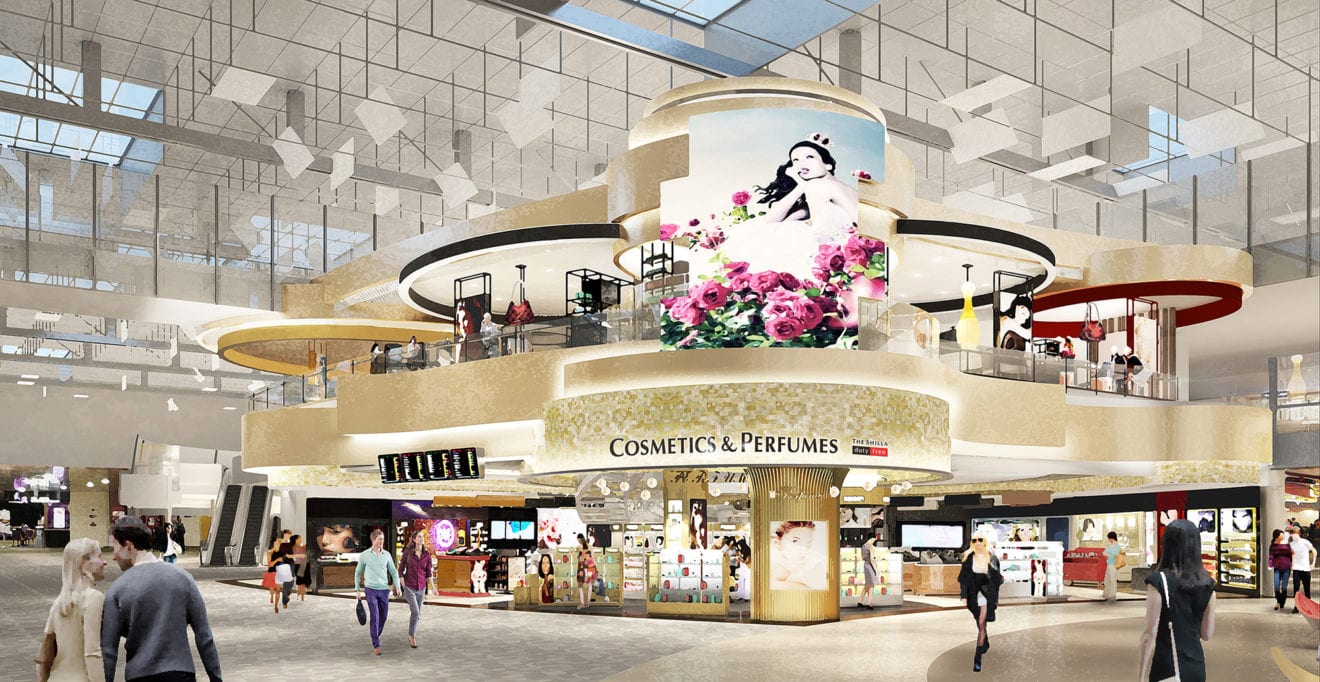
    Currently, Hotel Lotte Co. and Hotel Shilla Co. have duty-free shops at the airport.

    Gimhae International Airport, west of the southern port city of Busan, also has to select a new operator as Shinsegae Co, a major retailer, shut down its store in December to focus on its city outlets.

    Shinsegae won a right to open a new duty-free shop in Myeondong, a popular tourist destination in downtown Seoul.

    While several local retailers threw hats into the ring for licenses in downtown Seoul last year to attract affluent Chinese shoppers, the upcoming bid is not likely to fuel competition as current shops at the airports have had difficulty making ends meet.

    Sales at the Gimpo and Gimhae outlets stood at 140 billion won (US$116 million) and 130 billion won, respectively, last year, according to their financial reports.

    Hotel Lotte said it plans to renew its license for Gimpo and decide on the Gimhae store after considering potential profitability.

    The unit under retail giant Lotte Group lost its license in southern Seoul in a tightly contested bid amid a bitter succession feud between the founder’s two sons.