Tag: Buyers

  • Unprecedented Gold Rush Grips Vietnam Amid Soaring Global Prices

    Unprecedented Gold Rush Grips Vietnam Amid Soaring Global Prices

    For five straight days, Hoai, a 38-year-old self-employed individual, has been among the throng of hopeful buyers outside a Hanoi gold shop on Tran Nhan Tong Street. The majority of these people, much like Hoai, end up leaving without any gold in their hands.

    The Pursuit of Gold

    Hoai, who has some liquid savings, is attempting to safeguard her wealth through gold investment. The low returns offered by bank deposit rates have led her to this choice. Customers are permitted to buy only a single mace of gold at a time, which equals one-tenth of a tael or 3.75 grams. Despite the small quantity, Hoai is determined to endure the extensive waiting hours or even days to secure gold as an asset.

    In a similar situation is Thu Ha, a 26-year-old office worker in Hanoi. She withdrew half of her savings, totalling VND300 million (US$11,388), to invest in gold. Last month, she succeeded in buying five maces when the price was around VND130 million per tael. Now, she starts queuing as early as 4 a.m. every day in the hopes of purchasing more. However, the shortage of supply has left her with nothing. Some stores have even started issuing appointment slips, promising delivery within 7-10 days.

    Lan, a 43-year-old woman, took a day off from work to queue for her elderly mother. Her mother had been trying to buy gold with her pension without success. Lan decided to step in and help.

    The Gold Rush

    Gold shops across Hanoi and Ho Chi Minh City are currently witnessing unprecedented demand as prices soar to record highs. A tael of gold bar is now trading around VND153 million while gold rings range between VND153–160 million, representing an 80% increase since the start of the year.

    The rush has led to some interesting dynamics. Some people are making money by standing in queues on behalf of others. Most shops run out of stock by noon, with both bars and rings disappearing from the shelves. Customers are advised to return the next morning, but there are no guarantees of availability.

    In Ho Chi Minh City, the Saigon Jewelry Company outlet on Nguyen Thi Minh Khai Street had to stop taking orders for gold rings by midday Friday, limiting sales to just 3 maces per person.

    Global Gold Frenzy

    According to Huynh Trung Khanh, Vice President of the Vietnam Gold Trading Association, the gold-buying frenzy is not exclusive to Vietnam. People in other countries, including South Korea, are also rushing to buy gold as global prices have crossed US$4,300 per ounce.

    The State Bank of Vietnam, however, has warned buyers about the volatility of gold as an investment and advocated for prudence. The bank attributes the sharp domestic price increase to escalating global rates, public anticipation of further hikes, and limited local supply.

    Questions & Answers

    What is causing the gold-buying frenzy in Vietnam?
    The rush to buy gold is being driven by low bank deposit rates, soaring gold prices, and the desire to secure wealth.

    Are other countries experiencing a similar gold-buying frenzy?
    Yes, this is not unique to Vietnam. Countries like South Korea are also witnessing a rush to buy gold due to the increase in global prices.

    What has been the response of the State Bank of Vietnam to this situation?
    The State Bank of Vietnam has urged buyers to act prudently, given the volatility of gold as an investment. It attributes the rise in domestic prices to surging global rates, public anticipation of further increases, and limited local supply.


  • Gold Hits Two-Week Low: What This Means for Investors and Retail Buyers

    Gold Hits Two-Week Low: What This Means for Investors and Retail Buyers

    A person holds gold bars in a jewelry shop in Hanoi. Photo by VnExpress/Ngoc Thanh

    In a noteworthy turn of events, Vietnam’s gold prices dropped sharply on Saturday, marking their lowest point since June 12 as the global gold market experienced a significant pullback.Saigon Jewelry Company reported a 0.42% decline in the price of gold bars, now valued at VND119.2 million (approximately US$4,567.92) per tael. Likewise, gold rings saw a 0.43% reduction, now priced at VND116 million per tael.

    Despite this recent dip, gold prices have soared by 42% since the start of the year. However, last Friday marked a crucial shift as gold fell by 2% globally, reaching a near one-month low. The decline followed a U.S.-China trade agreement that renewed risk appetite among investors, thus diminishing gold’s status as a safe haven.

    Spot gold prices eased by 1.5% to $3,277.17 per ounce, after an earlier drop of 2% that marked its lowest level since May 29. This decline represents a continued downturn for bullion, which has experienced a 2.8% drop over the past two weeks.

    “The waning geopolitical tensions have encouraged investors to take profits, driven by the increasingly optimistic outlook regarding relations with China and the evolving situation in the Middle East,” said Daniel Pavilonis, a senior market strategist at RJO Futures.

    The recent U.S.-China trade agreement, aimed at speeding up the shipment of rare earth metals to the United States, has been positively received by markets, leading to a rally in global shares.

    In the Middle East, the ceasefire agreement between Iran and Israel appears to be holding steady, despite a few minor incidents earlier on.

    Questions & Answers

    How much have gold prices fallen in Vietnam recently?
    Vietnam’s gold prices dropped to their lowest level since June 12, with gold bars declining by 0.42% to VND119.2 million per tael.

    What factors contributed to the global decline in gold prices?
    A new trade agreement between the U.S. and China, which has increased investor risk appetite, along with easing geopolitical tensions, has decreased gold’s appeal as a safe-haven asset.

    What is the overall trend for gold prices this year?
    Despite the recent drop, gold prices have surged by 42% since the beginning of the year, reflecting a strong performance before recent market shifts.

  • Vietnamese Consumers Drive Demand as 4th Largest Foreign Buyers of Australian Homes

    Vietnamese Consumers Drive Demand as 4th Largest Foreign Buyers of Australian Homes

    In a recent seminar in Ho Chi Minh City, Deborah Wiltshire, Sales Director at The Gurner Group, revealed exciting insights into foreign investment trends in Australia’s booming real estate market. According to data from Australia’s Foreign Investment Review Board, foreigners acquired 5,360 residential properties totaling approximately A$4.9 billion (US$3.1 billion) in 2022-23, with Vietnamese investors showing a notable increase in activity.

    Vietnamese Buyers Increasing Presence

    The appetite for Australian properties among Vietnamese investors has surged, with purchases rising by 15% during the same period. Vietnamese nationals accounted for 8-10% of off-the-plan apartment acquisitions, highlighting a growing trend in this critical market segment.

    Data from Victoria, the top destination for Vietnamese international students in 2024, indicates that sales to Vietnamese buyers have jumped by 10-12% year-on-year. Notably, properties priced between US$800,000 and $1.2 million have emerged as the most sought-after options among these investors.

    Student Attraction Fuels Demand

    A report from CBRE, a leading property consultancy, outlines that 60% of Vietnamese purchases aim to provide accommodation and educational opportunities, while 30% are for investment purposes and 10% cater to migration needs. The city of Melbourne stands out as a prime hotspot due to its urbanization, robust economy, and rich cultural diversity.

    With over one million international student enrollments recorded last year, Melbourne attracts students mainly from China, India, Nepal, the Philippines, and Vietnam. This influx has positioned the city as the fastest-growing capital in Australia, promising further development opportunities.

    Growth Outlook Amid Challenges

    Michael Paproth, Business Manager at The Gurner Group, noted that Australia’s population is projected to grow by 1.8% annually over the next five years, outpacing growth in established economies like Canada and the U.S. However, he also warned that housing development is struggling to keep up with demand, predicting a shortage of approximately 28,000 apartments in the coming years.

    As restrictions limit foreign buyers from acquiring existing properties, off-the-plan purchases attract a relatively low tax rate of 10%, especially when compared to markets like Singapore, which imposes significantly higher rates.

    Rising Wealth and Demand

    Notably, Vietnam is witnessing a steady rise in its high-net-worth population, with around 5,500 individuals boasting a net worth exceeding US$10 million as of 2024. This growth, estimated at 5-18% annually prior to the pandemic, and 2.4-5% post-COVID, fuels demand for overseas properties, including those in Australia.

    Implications for the Retail Sector

    The intensified interest from Vietnamese investors not only signals a promising shift in foreign investment dynamics but also reflects evolving consumer trends that could reshape Australia’s retail and property landscapes. As consumer preferences evolve, retail businesses may look to adapt and align with this growing demand for international investment opportunities.

  • Coffee buyers face losses as Colombia farmers fail to deliver

    Coffee buyers face losses as Colombia farmers fail to deliver

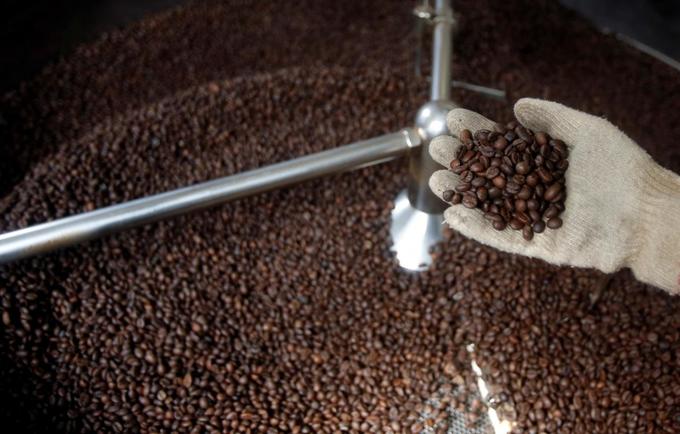
    Coffee farmers in Colombia, the world’s No. 2 arabica producer, have failed to deliver up to 1 million bags of beans this year or nearly 10% of the country’s crop, leaving exporters, traders, and roasters facing steep losses, industry sources said.

    World coffee prices have soared 55% this year, mainly due to adverse weather in top producer Brazil, prompting Colombian farmers to default on sales clinched when prices were much lower in order to re-sell the coffee at higher rates.

    “Traders are getting defaulted on, it’s a mess. If the drought continues (in Brazil), 300 cents (per lb of coffee) is possible. It’s going to be mayhem,” said a dealer at a global agricultural commodities trade house.

    He said leading global roasters are planning to change the branding on their ‘single-origin Colombia’ coffees due to sourcing problems.

    Delivery defaults in a major producer like Colombia can exacerbate price spikes on world markets, although these would be temporary because the coffee ultimately exists and will weigh on markets once it is re-sold.

    Colombian farmers say they will deliver the coffee later this year or next but buyers are unconvinced.

    Many are opting to see losses now and write the purchases off as defaults rather than wait and risk even bigger losses if farmers still don’t deliver next year and prices rise further, according to a senior trader at another global trade house.

    He said several global trade houses are looking at losses of $8-10 million each on undelivered coffee, while Colombia’s coffee growers federation FNC, which represents farmers but also accounts for 20% of the country’s 12.5 million bags of annual coffee exports, faces higher losses.

    “There was easily 1 million bags of forwarding (Colombian coffee sales) done before the market started rallying mid-May,” said the senior trader. “If you work for a multinational (trade house) your boss will say come on, we have to take the hit.”

    Delivery defaults in a rallying coffee market are a huge issue for commodity exporters and traders who often hedge physical purchases by taking short positions in the futures market, causing them to sustain steep losses as prices rise.

    Usually, traders would be able to sell the physical coffee they are owed at current lofty rates in order to offset their futures market loss, but in the case of a default, they can’t.

    Defaults can also force traders to purchase supplies pre-sold to roasters at a loss in the pricey spot market.

    FNC head Roberto Velez confirmed that Colombia is facing widespread defaults.

    “I can tell you there are few Colombian exporters not suffering (from defaults). All the major trade houses and also the federation as a major exporter, we’re all suffering (losses),” he said.

    “When a grower doesn’t deliver, the whole chain gets stuck losing money,” he added.

    Traders said the federation has given Colombian farmers at least another year to deliver the coffee – a move that could force the industry body to approach the government for bail-out funds if the farmers still don’t deliver in time.

    A senior Columbia-based coffee trader with Louis Dreyfus Company (LDC) left the company in the wake of losses, two sources with knowledge of the matter said.

    LDC said it does not comment on organizational changes except in relation to executives.

    “Companies will be in trouble with (the scale of the losses), big guys will change their team, but smaller guys will go bankrupt,” said a senior trader.

    He added major local Colombian exporter La Meseta has been hard hit by farmer defaults and is struggling to make good on its supply deals with international roasters, leaving them exposed to losses.

    Selling coffee forward in Colombia has become popular in the last few years, but up until this year, the move had mostly worked out in favour of farmers as world prices drifted lower so farmers received better prices for their coffee on delivery, not worse.

    About 550,000 Colombian families make their living growing coffee and the Andean country is the largest producer of the washed arabica grade on which benchmark futures contracts on the ICE exchange are based.

  • Buyers line up for troubled Jack Wills

    Buyers line up for troubled Jack Wills

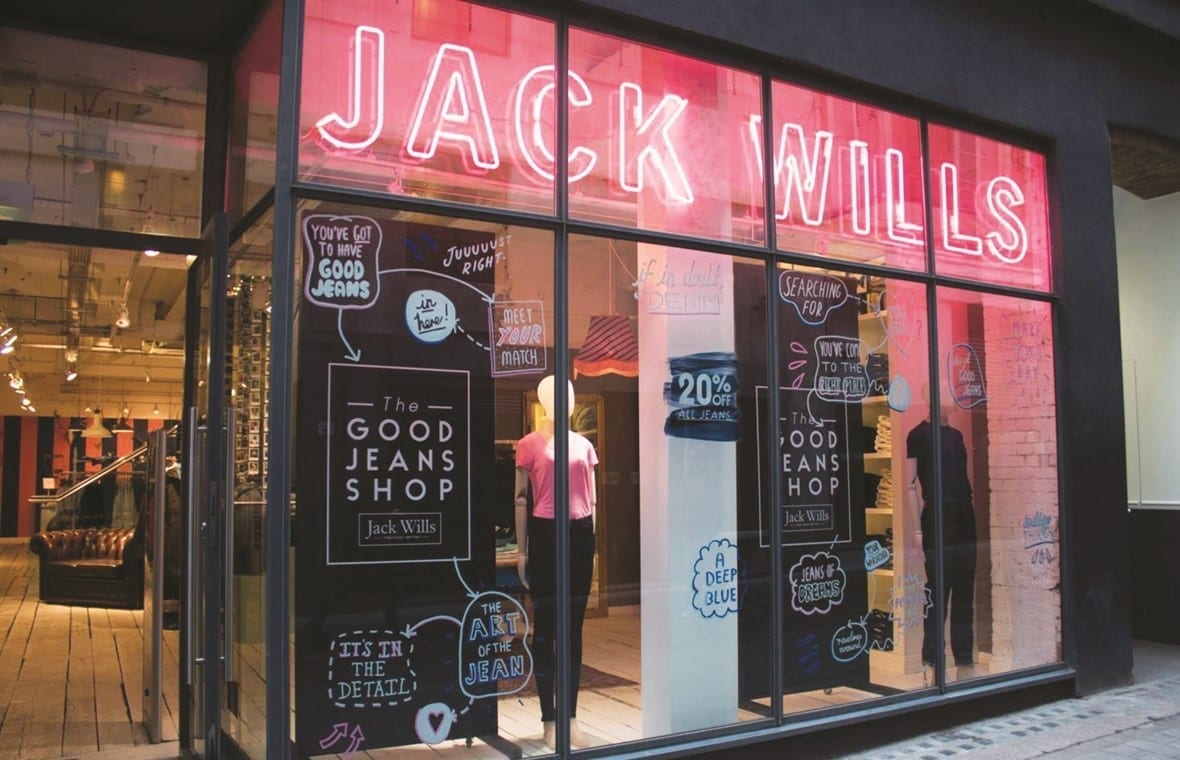
    Prospective suitors are lining up to bid for troubled fashion retailer Jack Wills.  Among those on the list are Marquee Brands – the parent of Ben Sherman – Sports Direct and Philip Day, who owns Edinburgh Woollen Mill and who recently took a controlling interest in distressed women’s-wear retailer Bonmarche.

    Among other prospective buyers identified by Retail Gazette as in “the early stages of assessing a possible offer” for Jack Wills are Crew Clothing, restructuring firm Hilco and investment firm Alteri.

    BlueGem began canvassing for prospective buyers for Jack Wills early this month after engaging advisory firm KPMG to prepare a review of the business’ prospects. According to companies office records, Jack Wills lost £29.3 million for the year to January 31 last year, and a £28 million cash injection from BlueGem in January this year has been almost exhausted.

    BlueGem has said it would retain a minority stake in the business, which it clearly still believes in.

    “The current investors believe the business can benefit from being part of a larger platform and would welcome the opportunity to retain a minority stake, which allows them to realise value from their investment to date,” the KPMG document reads.

  • AllGoods marketplace reaches 1 million listings

    AllGoods marketplace reaches 1 million listings

    AllGoods, a free marketplace for Kiwi buyers and sellers, has announced it has reached its one-millionth listing, 12 months after launching.

    The TradeMe competitor said it has maintained steady growth over the past few months. Its app has also become the top New Zealand shopping app since it was released late last year, it said.

    “We’ve worked extremely hard over the past year to get where we are today,” said Levi Fawcett, AllGoods CEO. “We’ve talked with thousands of our users to make sure the platform provides a truly amazing buying and selling experience. Plus, it’s free.”

    The Christchurch-based startup said it already supports over 700 New Zealand businesses who sell through the online website and app. The company said it is their vision to use e-commerce as a sustainable means to support local businesses and give back to the community.

    “We’re offering a fresh spin on the classic online marketplace and while we have only just begun this journey, we look forward to the years to come,” Fawcett said.

    With Trade Me’s recent sale to British equity firm Apax Partners, AllGoods is now considered the largest Kiwi-owned marketplace in New Zealand.

    In October last year, AllGoods launched a new app for iOS and Android mobile devices.

    Features of the new app include easy listings and browsing, allowing users to post items in less than 30 seconds, and a built-in chat tab to get faster answers to questions on the site.

    “The team has tried to keep the platform as easy to use as possible, for both the everyday Kiwi and the average New Zealand business,” Fawcett said. “I think this has been fundamental to our success.”

  • Trade Expo Indonesia Targets 14,700 Potential Buyers

    Trade Expo Indonesia Targets 14,700 Potential Buyers

    The Trade Ministry is targeting the Trade Expo Indonesia (TEI) 2016, which will be held on October 12-16, to be able to attract 14,700 domestic and foreign potential buyers.

    “We provide 1,100 outlets,” Director General of National Export Development of The Trade Ministry Arlinda said in a press conference in Jakarta on Wednesday, August 24, 2016.

    Arlinda said there are currently 4,000 potential buyers who have confirmed to attend the expo.

    The Trade Expo 2016 comprises of six leading sector zones, namely manufacture, furniture and home decoration, food and agriculture, creative industry and investment.

    The TEI promotion has been intensively conducted in domestic and abroad.

  • Woolworths’ Christmas threat to suppliers

    Woolworths’ Christmas threat to suppliers

    Woolworths buyers have told suppliers their products could be pulled from shelves just days before Christmas if they refuse to fund the supermarket giant’s new Cheap Cheap advertising campaign.

    “I was asked for a contribution of almost $1 million, and when I refused to pay I was told a ‘range review’ was under way and I would be informed of the outcome early next week,” said the sales manager of one of Australia’s leading health product companies. “The implied threat is that some of my products will no longer be stocked if I don’t pay up.”

    Woolworths staff have also been accused of telling suppliers the payment requests had the “endorsement” of the Australian Consumer and Competition Commission – a claim that the consumer watchdog rejects.