Tag: cafes

  • Von Dutch Diversifies: Fashion Brand Ventures Into Food, Beverage, And Hospitality Sectors

    Von Dutch Diversifies: Fashion Brand Ventures Into Food, Beverage, And Hospitality Sectors

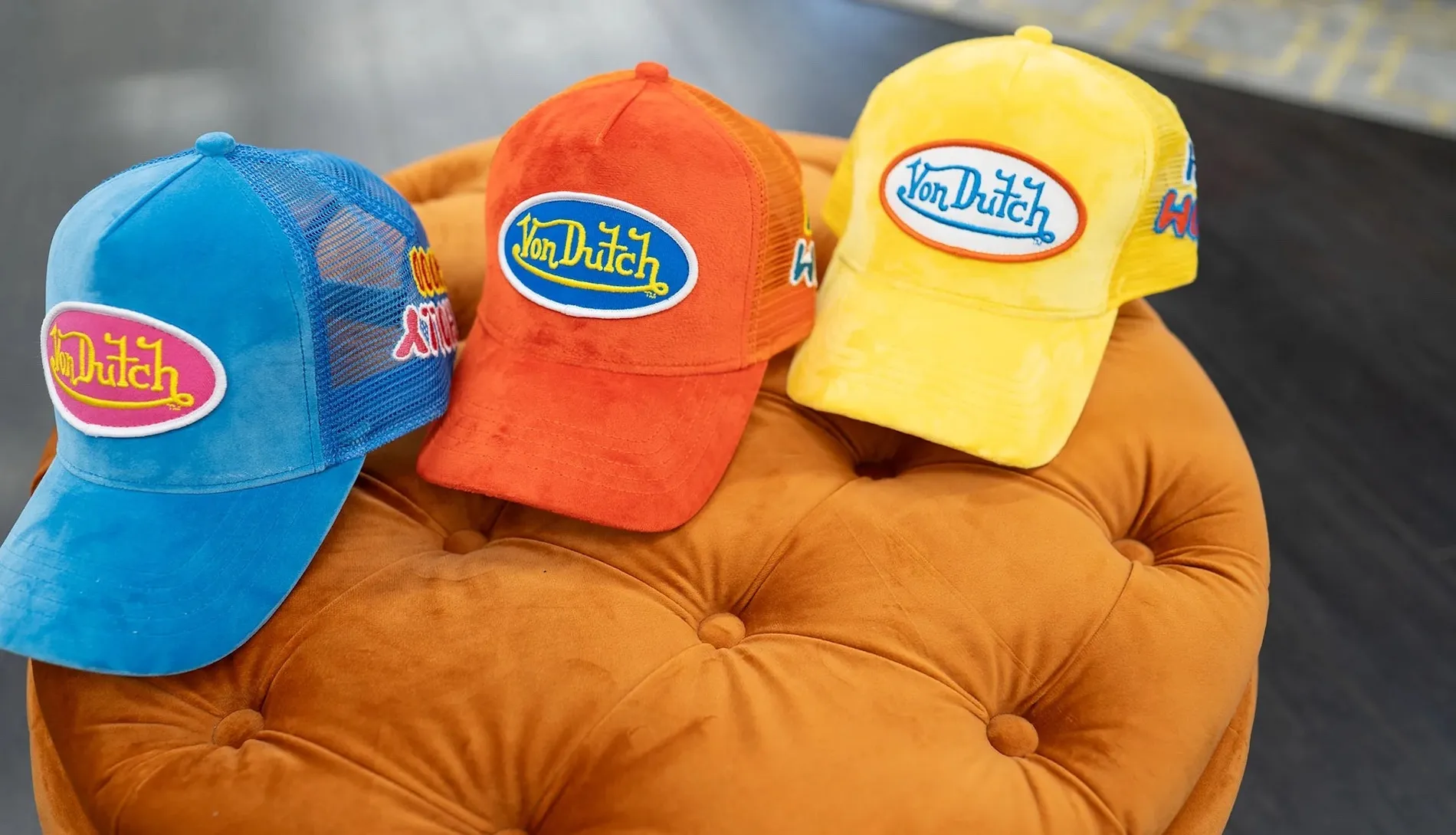
    Fashion label, Von Dutch, is broadening its horizons by venturing into sectors of food, beverage, and hospitality. The company has officially disclosed a worldwide food and beverage licensing agreement. As a result of this agreement, the brand will introduce a collection of drinks, snacks focussed on health and wellness, and a blend of cafe-lounges under the name of Von Dutch F&B. This initiative is under the leadership of CEO Joe Wallace, a seasoned executive known for securing millions in funding and pioneering a variety of products in food tech, consumer goods, and hospitality.

    As expressed by Wallace, the vision is to create an empire far beyond just a food brand. The brand’s philosophy will hinge on entertainment, authenticity, wellness, hospitality, and a fresh vitality.

    New Product Launches

    In partnership with beverage incubator Flavor House, Von Dutch F&B will launch an organic, plant-based line of sodas and mocktails. Other exciting ventures include a new alcohol line featuring vodka, tequila, beer, and hard seltzers. This move complements the brand’s existing product – Von Dutch Water, known as a high-quality hydration product that has gained popularity across various outlets from convenience stores to bars and music festivals.

    Von Dutch Cafes and Sub-Brand Launch

    Von Dutch plans on opening its brand-new cafes in New York and Los Angeles over the next year. These spaces will transition from being daytime hubs for coffee and snacks to after-hours hotspots featuring cocktails, mocktails, and live entertainment.

    The brand, which was taken over by the White Space Group (WSG) in 2024, also plans on launching an engaging sub-brand called ‘Von Dutch Loves.’ This sub-brand will highlight music, nightlife, and underground culture through exclusive releases, artist partnerships, festival collaborations, and community-centered events.
    WSG CEO Jack Cheika expressed his excitement about the partnership, stating that the goal is to create cultural relevance in every aspect of people’s lives, from how they dress to how they dine, drink, and socialize.

    Questions & Answers

    What is the new venture of Von Dutch?
    Von Dutch is expanding its brand into the food, beverage, and hospitality sectors under the name Von Dutch F&B.

    What products will Von Dutch F&B be launching?
    Von Dutch F&B plans to launch a range of organic, plant-based sodas and mocktails as well as a new alcohol line including vodka, tequila, beer, and hard seltzers.

    What is the aim of the ‘Von Dutch Loves’ sub-brand?
    The ‘Von Dutch Loves’ sub-brand is designed to highlight music, nightlife, and underground culture through exclusive releases, artist partnerships, festival collaborations, and community-centered events.
  • Yum China and Lavazza plan 1000 cafes across China

    Yum China and Lavazza plan 1000 cafes across China

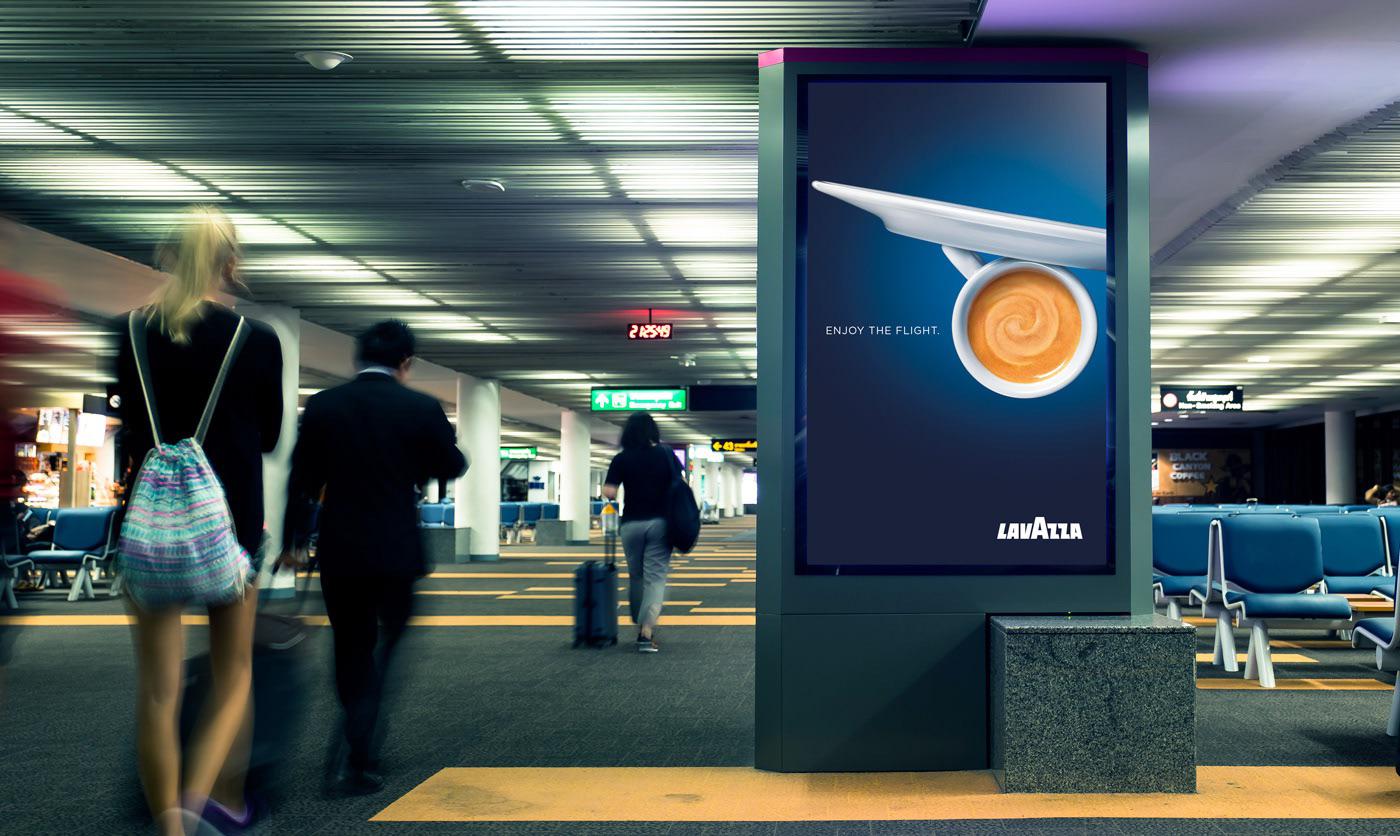
    Italian coffee chain Lavazza is set to increase its store network in China to 1000 by 2025 through scaling up its existing joint venture with fast-food operator Yum China.

    The joint venture –in which Yum will be Lavazza’s exclusive distributor in Mainland China, will also receive an initial US$200 million funding from both companies for its future growth.

    The expansion plan will see more Lavazza store openings in higher-tier cities with different store formats. As of last month, Lavazza China operated 22 stores across Shanghai, Hangzhou, Beijing, and Guangzhou. It aims to double the store number by the end of this year.

    “The potential for coffee in China is vast; there is a lot of unexplored white space,” said  Antonio Baravalle, CEO of Lavazza Group. “As the largest restaurant operator in China, Yum China is the best partner to further grow the Lavazza brand in this market given its deep understanding of local consumers and market dynamics.”

    The joint venture will also ​​market, sell, and distribute Lavazza’s retail products in Mainland China, including coffee beans, ground coffee, and coffee capsules.

    Lavazza entered China last year with Yum China, with stakes of 35 percent and 65 percent respectively. Lavazza’s first China store, its first international presence, was launched in Shanghai in April last year. The company said sales to its members accounted for about 50 percent of the sales for the first half of this year.

    “The recent progress of Lavazza cafes in China has been encouraging and reaffirms our belief that our partnership is well-positioned to capture the significant coffee opportunity in China with accelerated store network development,” said Joey Wat, CEO of Yum China.

  • The cartoon cafe opens in South Korea

    The cartoon cafe opens in South Korea

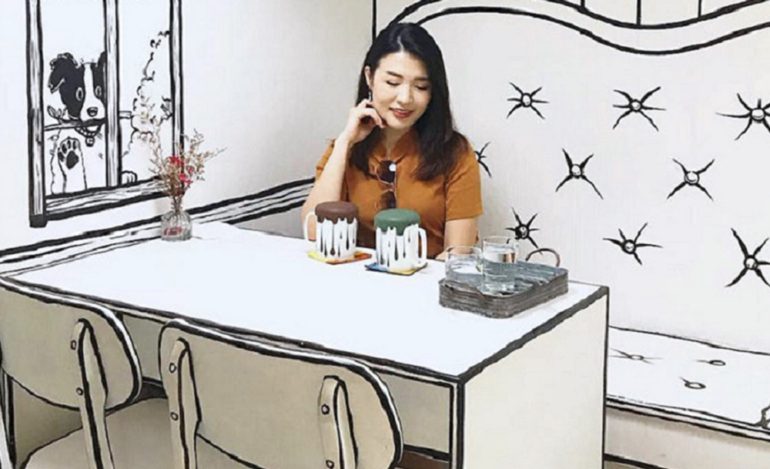
    The interior of Cafe Yeonnam-dong 239-20 in Seoul, South Korea makes customers feel as though they’ have stepped into a cartoon world. Most cafe owners know it takes more than just great coffee to create a successful business. From an Instagram-worthy Wes Anderson-esque cafe in the Philippines to a coffee shop shaped like a Rolleiflex camera in South Korea, a space’s design is key to drawing in customers.

    One cafe to have recently received hype for its novelty interior is Cafe Yeonnam-dong 239-20 in Seoul. The eatery created an incredible space that makes customers feel as though they’ve stepped into a cartoon world.

    The artistic, monochrome design was inspired by Korea’s hit TV show, W by Lee Jong-suk and Han Hyo-joo, in which the characters clash between “two worlds”—the real world and a fantasy world inside a webtoon.

    The design of Cafe Yeonnam-dong 239-20 creates a 2D optical illusion, which makes customers feel as though they’ve crossed dimensions into a comic book illustration.

    When visitors step through the door, they’re greeted with black and white comic strip furniture, walls, and floors. Even the mugs, dishes, and cutlery look like flat line drawings.

    It helps that the owners have created a welcoming environment.

    If you want to experience this cafe for yourself, you can find it in the popular Yeonman-dong district in Seoul. If you can’t make it to South Korea, you can still feed your wanderlust by checking out the cafe’s Instagram.

  • F&B outlets get bigger bite in shopping malls Malaysia

    F&B outlets get bigger bite in shopping malls Malaysia

    Shopping malls are now allocating a higher percentage of their tenant mix (more space) to food & beverage (F&B) retailers, partly because competition from online platforms has impacted other types of retailers such as fashion, according to a market research and consulting firm. “Traditionally, F&B made up less than 20% of a mall’s tenant mix, but can go up to 40% nowadays,” Stratos Consulting Group Sdn Bhd managing director Tina Leong said.

    She said with the tenant mix now consisting of more F&B, this means that malls will need to design or renovate in such a way as to cater to the specific technical requirements that F&B retailers have, for example provisions for water, grease traps, storage, waste disposal and daily delivery.

    “F&B as a segment itself has become the anchor for some malls,” said Leong.

    She said malls that have a high F&B tenant mix include the refurbished 3 Damansara (formerly Tropicana City Mall), which now has more F&B compared to before. Similarly, Paradigm Mall in Petaling Jaya has refurbished its lower ground floor, which now consists of more F&B than previously.

    Sunway Velocity Mall general manager centre management Danny Lee said F&B makes up 27% of the mall’s tenant mix currently, and that it is targeting to have F&B reach 30%.

    “Naturally, F&B is doing better compared to others,” Lee said.

    Meanwhile, Leong noted that having more or certain types of F&B can also be part of experiential retailing.

    “For example, people nowadays, especially millennials, appreciate and are willing to spend on meals or drinks with friends and family, within nicer ambience restaurants or cafes, due to the memorable experiences this create.”

    She said to continue to draw shoppers (rather than them shopping online), more shopping malls are looking at creating engaging “experiences” for their customers. Experiential shopping simply means making the physical act of spending money more than simply handing over cash in exchange for goods and services.

    “More grocery stores are incorporating food and wine bars where people can enjoy a meal or a drink as well as a social experience before or instead of shopping,” said Leong, adding that some retailers have also integrated augmented reality into their stores, for example Starbucks Reserve Roastery in Shanghai and US-based fashion brand Reformation.

    Examples of experiential shopping are malls that have attractively themed or landscaped spots on every floor, where one can stop to take photographs with their friends or family, such as Aeon Mall Kuching. Some community malls in Bangkok, Thailand, have incorporated spaces for pet parks, children’s sand pits and jogging tracks.

    “Another recently opened mall, Kiara 163 in Mont Kiara, has incorporated the ‘experiential’ element into their mall design, with a central garden and water features for people to relax. Apart from design features, other ways of creating memorable shopper experiences are through interesting or unique events, activities, decorations, pop-up stores, technological innovations and customer service,” explained Leong.

    She said some of the major major malls have been doing this all along, such as Suria KLCC and Pavilion Kuala Lumpur that usually have attractive and unique festive decorations.

    “What is different is that nowadays, the customer experience aspect is becoming a focal point. It has become more important as malls and retailers try to attract and retain shoppers in the midst of competing options such as online shopping,” said Leong.

  • Korean cafe boom drives desserts market

    Korean cafe boom drives desserts market

    The booming networks of Korean cafes has driven a huge rise in the country’s dessert market.

    According to data issued by the government, the sector expanded sales by 13.9 per cent in 2014 from a year earlier – the last year for which figures are available – on rising demand for sweets and non-alcoholic drinks.

    The combined value of the local confectionery and non-alcoholic beverages markets stood at 8.9 trillion won (US$7.9 billion) in 2014, up 13.9 per cent from a year earlier, according to the available data compiled by the Ministry of Agriculture, Food and Rural Affairs.

    The dessert market accounted for 10.7 per cent of the country’s entire food service market worth 83.8 trillion won in 2014.

    The ministry said demand for high-end bakeries and cafes led the sharp growth in the dessert market as people tend to spend their time and money more on their health and well-being.

    The confectionery industry posted sales of 4.6 trillion won in 2014, up 10.5 per cent on-year, while sales of the beverage market jumped 16.8 per cent on-year to 4.3 trillion won.

    In particular, coffee shops saw their sales rise 25 per cent on-year to 2.5 trillion won in 2014, taking up 47 per cent of the country’s coffee market including instant coffee packets and drinks.