Tag: caffee

  • Seoul cafes face new trading restrictions as Covid-19 returns

    Seoul cafes face new trading restrictions as Covid-19 returns

    South Korea is restricting operations of restaurants, bakeries and franchised coffee chains in the greater Seoul area in an effort to contain a new outbreak of Covid-19. Under the plan that lasts until next Sunday, restaurants and bakeries can operate until 9pm, and only takeaway and delivery will be permitted from 9pm to 5am.

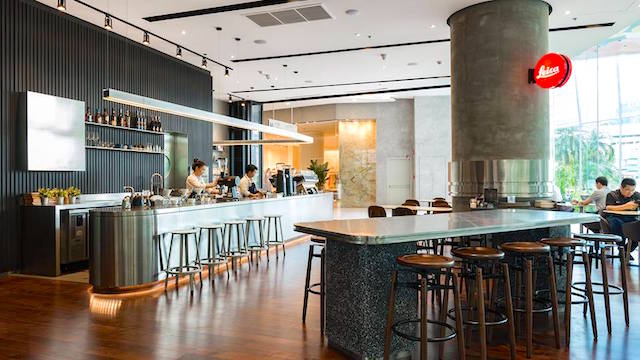
    For Seoul cafes, only takeout or delivery will be permitted regardless of operating hours, as cluster infections traced to coffee shops have been reported.

    Customers visiting coffee chains for takeaway must follow quarantine measures, such as making entry logs, wearing masks, and keeping a safe distance.

    The move is part of the government’s strengthened virus curbs in Seoul and the surrounding areas, home to half of the country’s 51 million population, as the country is struggling to curb spiking virus cases.

    On Sunday, the country reported 299 new Covid-19 cases – a drop below the 300 marks for the first time in five days – but health authorities remain on high alert as the triple-digit daily increase continued.

    Instead of raising the level of social distancing to the highest Level 3, the country unveiled stronger and “tailored” virus curbs last Friday for vulnerable groups and risk-prone facilities, a move widely viewed as ‘Level 2.5’.

    The government has been cautious about raising the social-distancing guidelines to Level 3 from the current Level 2 due to the far-reaching impact on the economy.

    In line with the stricter social distancing guidelines, cafe workers are putting store chairs upside down to indicate they operate only for takeaway or delivery.

    Some customers who frequent such coffee joints to study or read books have shifted to bakeries that operate normally until 9pm.

    Meanwhile, South Korea began to suspend the operation of indoor sports facilities, including fitness centers and billiard halls, in the wake of virus infections at indoor sports centers.

    The government also expanded no-assembly orders from large academies to almost all cram schools in the wider Seoul area. Only online lectures will be permitted.

    To protect the elderly from the risk of infection, visits to nursing homes, and facilities will be banned.

    Health authorities will also make one-third of all employees at government agencies and public institutions work from home. They also recommended private companies take similar steps.

    In mid-August, the government raised virus curbs to Level Two in the Seoul region for two weeks and expanded it across the nation starting last Sunday.

    Health authorities extended the current step for one more week in the wider Seoul region, as the number of new infections has not shown signs of easing.

  • Singapore’s Voids Cafe takes up just 28sqm, carved out of a concrete block

    Singapore’s Voids Cafe takes up just 28sqm, carved out of a concrete block

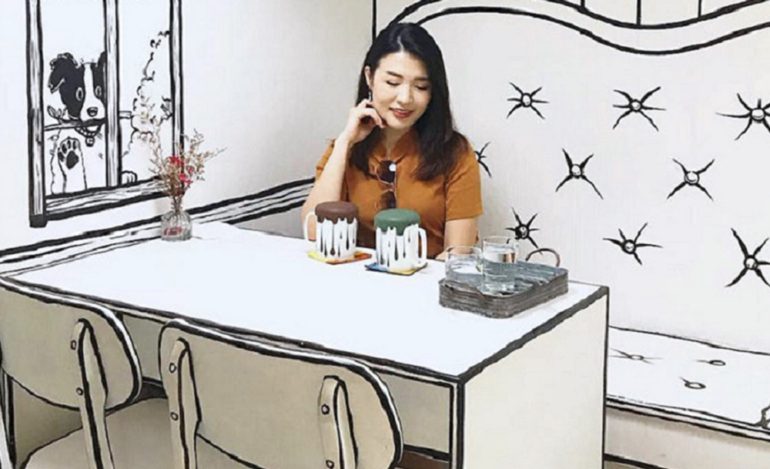
    Singapore’s tiny Voids Cafe is carved out of a monolithic concrete block, reshaped to produce an operational space in just 28sqm.

    The design, by Studio SKLim’s and featured by online architectural magazine Designboom, was inspired by the “empty space in a coffee cup or matcha bowl” with negative spaces and circular geometries “consistently carried throughout the rest of the built form, carving out seating booths, countertops, display shelves, and overhanging canopies”.

    “In this condensed space, it was essential that we balanced the numerous kitchen inventory with the customer zones, utilizing every nook to add to that experience,” said a representative of the studio.

    The block features several working and customer zones, such as an experience corner, a takeaway counter, booths, and a counter for conducting workshops and making drinks.

  • Body of Cafe Coffee Day founder discovered after apparent suicide

    Body of Cafe Coffee Day founder discovered after apparent suicide

    VG Siddhartha, the founder of India’s largest coffee chain Cafe Coffee Day, has been found dead, in an apparent suicide.

    Siddhartha had been missing since Monday, last seen by his driver standing on a bridge. He had penned a letter to his board in which he wrote that he could no longer handle pressure from private equity investors and a taxation enquiry.

    “I gave it my all but today I gave up as I could not take any more pressure,” local Indian media have reported the letter as reading. He referred to a “serious liquidity crunch” relating to “harassment” from tax officials and pressure from lenders.

    Siddhartha founded Coffee Day Enterprises in the late 1990s, years before Starbucks made its Indian debut, building a network of 1700 outlets – 10 times the size of Starbucks. The company was listed in 2015. Current shareholders include private-equity company KKR with which has 6 per cent stake after selling a 4.25 per cent stake last February.

    “We are deeply saddened by the developments and our thoughts are with his family at this time,” KKR said in a statement about Siddhartha’s death.

    As news of his disappearance, and later the discovery of his body, spread, the company’s share price plunged by 20 per cent.

    Last month, Coca-Cola was linked to an investment in the coffee chain which would have valued the enterprise at about US$1.45 billion. The status of that deal is unclear.

    Meanwhile, Coffee Day Enterprises board released a statement to the stock exchange pledging to “ensure continuity of business”

  • Cuckoo clock inspires Vietnam cafe

    Cuckoo clock inspires Vietnam cafe

    Design firm Tropical Space has built a coffee shop inspired by a cuckoo clock in Vietnamese seaside city Da Nang.

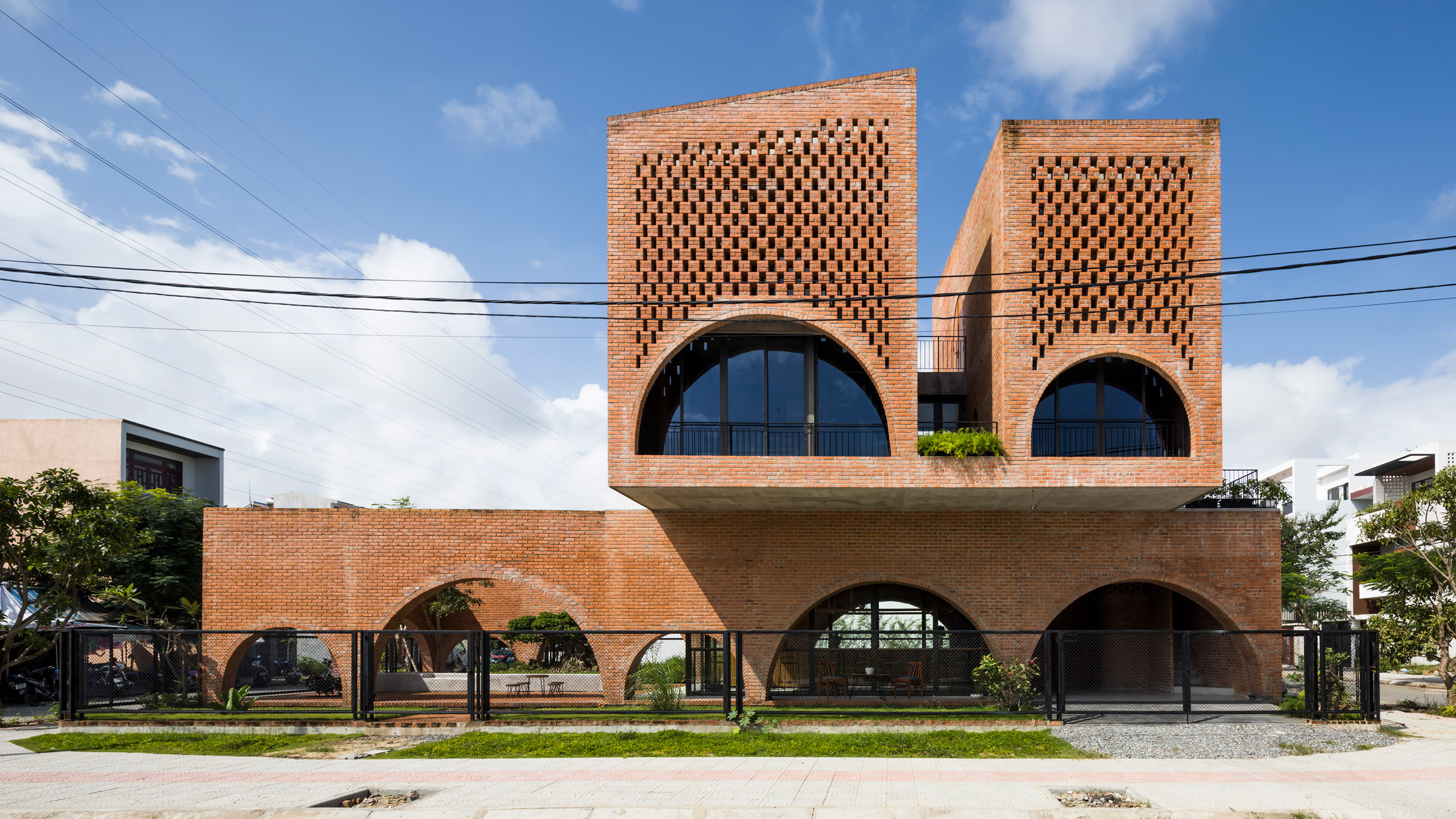
    The design, featured by Dezeen, features a brick structure with a house perched on top, with the coffee shop forming a single-storey base and the house extending out over the garden area. The local clay brick base is inset with vaulting arches surrounding a large courtyard and the glass-walled shop area.

    “Habits mean most people’s daily lives usually take place in functional spaces,” said the firm’s architects. “We have detached the walls that define these spaces to offer buffer space, urging people to leave their rooms and join together.”

    The house area, divided into three distinct blocks, feature spaces that can be closed off by small cuckoo clock-style wooden doors.

    The shells of perforated brickwork create cool, shaded spaces that admit natural light, and reflect other designs by the firm built in the region.