Retail News CRM

Tag: california

  • Hollister Brings California Cool to the Philippines with First Store Debut at SM Mall of Asia

    Hollister Brings California Cool to the Philippines with First Store Debut at SM Mall of Asia

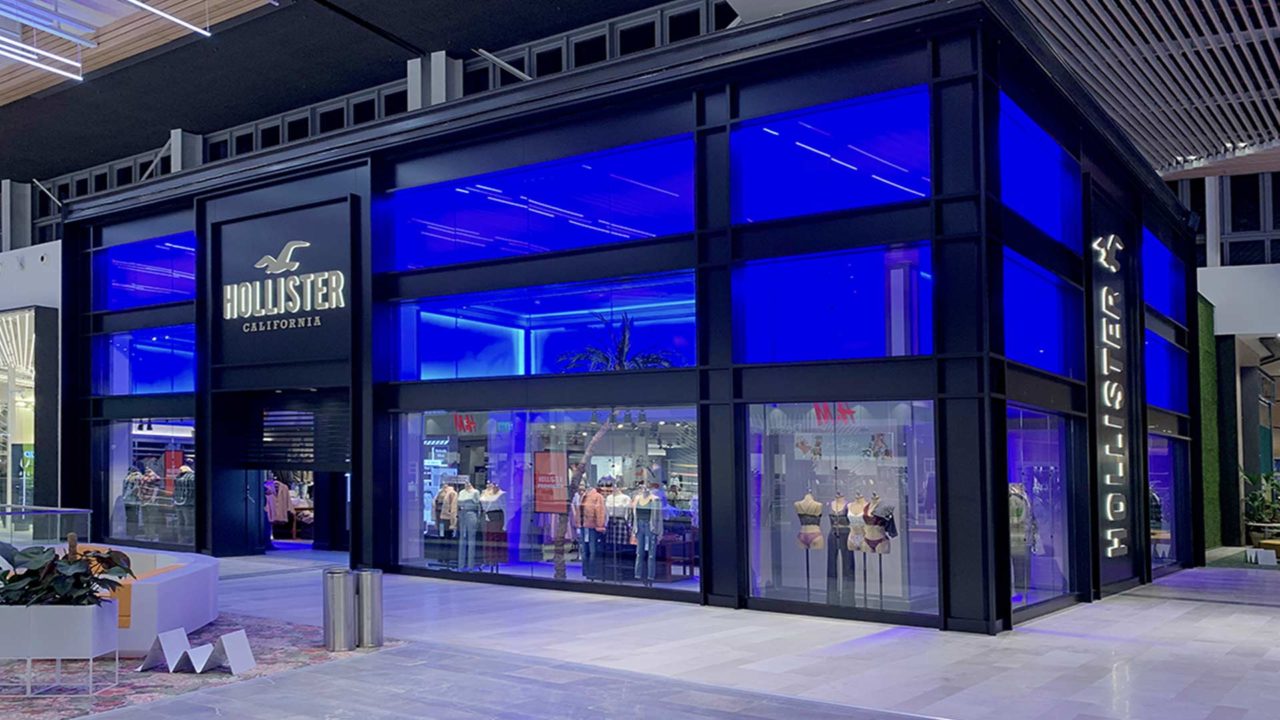
    Following closely on the heels of Abercrombie & Fitch’s entrance into the Philippine market, Hollister, the popular American lifestyle brand, has also opened its doors at the SM Mall of Asia.

    Partnership with PT Mitra Adiperkasa

    The grand unveiling was made possible through a collaboration with PT Mitra Adiperkasa Tbk (MAP). MAP is an Indonesian lifestyle retail giant that holds the reins of more than 150 global brands under its umbrella.

    Hollister, renowned for its relaxed, eclectic style influenced by Californian casual chic, will be offering a wide array of clothing options. Customers can look forward to browsing through a diverse assortment of denim, dresses, woven tops, shorts, and other accessories.

    Expanding its reach further, Hollister is also launching its Summer Essentials collection for kids. This range boasts of lightweight garments, tailor-made for active children and designed with warm weather in mind.

    Introducing Hollister’s Unique Style to the Philippines

    Representatives for Hollister expressed their eagerness to introduce the brand’s unique fashion sense to the Filipino market. “We couldn’t be more excited to introduce Hollister’s unique vibe to the Philippines,” shared Steven Sare, the MD of Apac for Hollister.

    He added, “The energy in this country is truly phenomenal, and our partnership with MAP has allowed us to create an immersive space where customers can fully experience our brand’s youthful clothing line, designed to capture moments, create memories, and promote an unapologetic self-expression.”

    In addition to Hollister and Abercrombie & Fitch’s recent launches, MAP is also reviving the presence of Marks & Spencer in the country.

    Questions & Answers

    What is Hollister’s style influence?
    Hollister’s style is heavily influenced by California’s casual and relaxed fashion.

    Who facilitated the launch of Hollister in the Philippines?
    The launch of Hollister was facilitated by PT Mitra Adiperkasa Tbk (MAP), an Indonesian-based lifestyle retailer.

    What else is Hollister introducing in the Philippines apart from its standard clothing line?
    Apart from its standard clothing line, Hollister is also introducing its Summer Essentials collection for children in the Philippines.

  • Li & Fung Strikes Gold: Secures Wholesale Distribution Rights for C&C California

    Li & Fung Strikes Gold: Secures Wholesale Distribution Rights for C&C California

    Hong Kong’s premier supply chain manager, Li & Fung, has recently entered into a licensing contract with C&C California. This agreement grants Li & Fung exclusive rights to wholesale distribution across all retail platforms, including full-price, off-price, and club retailers.

    C&C California and its Specialties

    C&C California operates as a part of the larger Established Lifestyle group. The company particularly excels in the design and development of women’s swimwear, sleepwear, and outerwear.

    The newly inked contract will allow Li & Fung to manage and guide the expansion of C&C’s new product ranges and their subsequent distribution process.

    Expansion of Products Range

    In the swimwear segment, the expanded product line will include separate pieces, one-piece swimsuits, and beachwear. Their sleepwear category is also set to grow, with the introduction of separate pieces, coordinated sets, and robes.

    The outerwear products will encompass a range of seasonal styles, varying from light windbreakers to heavier garments like puffers and parkas.

    Brand Expansion and Identity

    Mel Limoncelli, Senior Vice President and head of licensed brands at Li & Fung, stated that this partnership will allow the brand to venture into new product categories while preserving its core identity.

    In his words, “The category expansions remain true to a brand heritage rooted in 70s West Coast culture. Moreover, they continue to embrace the endless summer ideal through comfort, ease of wear, and easy-care fabrics.”

    Questions & Answers

    What is the nature of the agreement between Li & Fung and C&C California?
    The agreement is a licensing contract that provides Li & Fung with the rights to manage the wholesale distribution of C&C California products across all retail platforms.

    How does this agreement benefit C&C California?
    This agreement allows C&C California to expand their product ranges under the expert management of Li & Fung. This expansion includes new lines in swimwear, sleepwear, and outerwear categories.

    What does the expansion mean for the brand’s identity?
    Despite diversifying into new product categories, the brand intends to stay true to its roots, which are embedded in the 70s West Coast culture. The expansion aims to resonate with the idea of an endless summer through comfortable, easy-to-wear, and low-maintenance fabrics.

  • California digital IDs to expand to Google Wallet and Apple Wallet

    California digital IDs to expand to Google Wallet and Apple Wallet

    These days, digital wallets are widely used for all sorts of transactions – from online shopping and in-store purchases to peer-to-peer payments and public transportation. But they are not just for payments anymore – they can also store IDs, and more states are starting to adopt this feature.

    While California already has its own app for digital driver’s licenses and ID cards, new reports suggest that the state will soon support ID cards in both Google Wallet on Android and Apple Wallet.

    California IDs in Google Wallet and Apple Wallet are currently being beta-tested with state DMV employees and aren’t available to the public yet. Information about the pilot program has also been taken down. However, as of July, the state has been developing consumer landing pages with visuals, including images like the one below.Although the images and text aren’t finalized, this strongly suggests that the state is gearing up for an official launch soon.

    To add a driver’s license to your iPhone, you just scan the front and back of the card in the Wallet app setup process and snap a photo of yourself for verification. Once approved, your ID will show up in the Wallet app. Once the license is added to the Wallet app, iPhone and Apple Watch users can just tap their device on an NFC contactless reader to use their digital ID at supported locations.

    On Android, you can set up your digital ID entirely within Google Wallet by following these steps:

    1. Open the Wallet app and tap the “Add to Wallet” button.
    2. Choose “ID Card” from the options.
    3. Follow the on-screen instructions to add your mDL to Wallet.

    While you still can’t ditch your physical ID just yet, I think the convenience of having a digital ID on your phone will appeal to many people, even if some are understandably nervous about linking their ID to their device.

  • Tesla Worker Rejects $15 Million Payout In Race Bias Lawsuit

    Tesla Worker Rejects $15 Million Payout In Race Bias Lawsuit

    A Black former elevator operator at Tesla Inc’s flagship California assembly plant on Tuesday rejected a $15 million award in his lawsuit alleging racial abuse by coworkers, opening the door for a new trial after a judge slashed a $137 million jury verdict. Lawyers for Owen Diaz, who had sued Tesla in 2017, turned down the judge’s award in a brief filing in federal court in San Francisco.

    They said in a statement that the award was unjust and would not deter future misconduct by Tesla. “In rejecting the court’s excessive reduction by asking for a new trial, Mr. Diaz is again asking a jury of his peers to evaluate what Tesla did to him and to provide just compensation for the torrent of racist slurs that was directed at him,” his lawyers said.

    Tesla did not immediately respond to a request for comment.

    U.S. District Judge William Orrick lowered the jury award, which was one of the largest of its kind in a discrimination lawsuit, to $15 million in April. He had also denied Tesla’s motion for a new trial, conditioned on Diaz’s acceptance of the lower award.

    Earlier this month the judge denied Diaz’s motion for permission to appeal that ruling and gave him two weeks to accept the lower award or agree to a new trial.

    Recently, Tesla shareholder filed a lawsuit accusing the company’s chief executive, Elon Musk, and board of directors of neglecting worker complaints and fostering a toxic workplace culture

    Tesla is facing a series of lawsuits involving alleged widespread race discrimination and sexual harassment at its Fremont, California factory, including one by a California civil rights agency.

    Last week, a Tesla shareholder filed a lawsuit accusing the company’s chief executive, Elon Musk, and board of directors of neglecting worker complaints and fostering a toxic workplace culture.

    Tesla has denied wrongdoing and says it has policies in place to prevent and address workplace misconduct.

    Diaz alleged that his colleagues and a supervisor subjected him to a hostile work environment that included slurs, caricatures and swastikas in his nine months working at the Fremont plant in 2015 and 2016.

    A jury had awarded Diaz $6.9 million of compensatory damages and $130 million of punitive damages last October, but Orrick in April said those numbers were excessive.

    Diaz’s lawyers in their statement on Tuesday said Orrick’s decision highlighted systemic bias that federal judges have against juries, which in turn violates the constitutional rights plaintiffs have to a trial by jury.

  • Oppo plans to show off two AR glasses next month in California

    Oppo plans to show off two AR glasses next month in California

    Oppo, the Chinese phone manufacturer, is one of the brands under BBK Electronics’ umbrella along with OnePlus, Realme, Vivo, and iQOO. OnePlus ships its phones inside the U.S. while the other brands do not. Even Oppo, the fourth largest smartphone brand in the world after Samsung, Apple, and Xiaomi does not ship its handsets to the states although this might change.

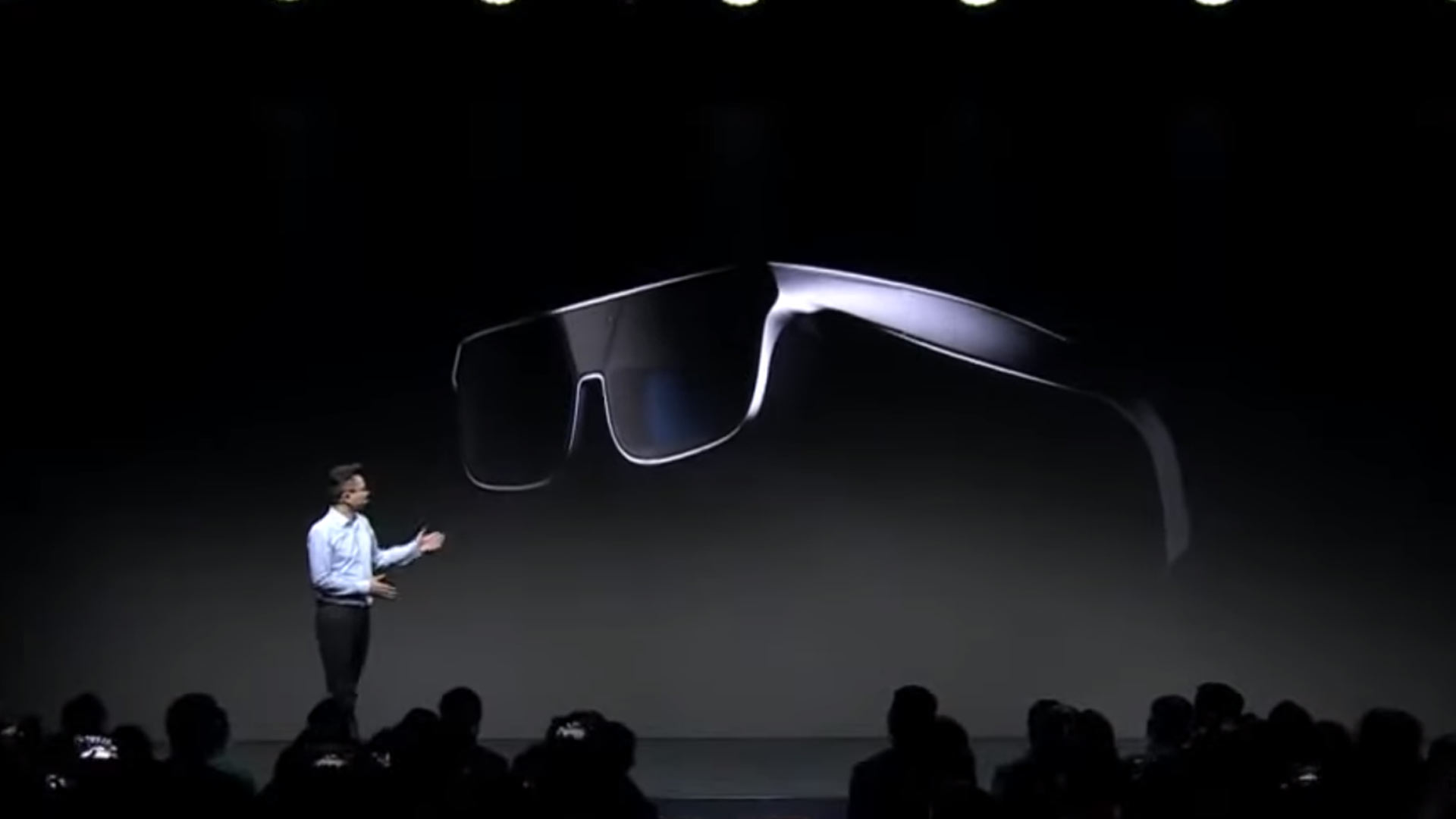
    Last week, Oppo announced that it would show off its Augmented Reality (AR) glasses (the OPPO Air Glass and OPPO AR Glass) at Augmented World Expo USA 2022. he event will take place June 1-3 in Santa Clara, California. Oppo announced Air Glass in China last December and the device was released this past January.

    Unlike most AR Glasses, the Air Glass is a monocle with a single ear frame and displays data sourced from an Oppo phone with an average brightness of 400 nits. That is brighter than the typical 1000 nits (1200 nits maximum) found on the iPhone 13 Pro Max. A small coffee bean-sized Spark Micro Projector projects images onto the microLED lens.
    The Oppo Air Glass is powered by the same Snapdragon 4100 chip used on some Wear OS smartwatches such as the TicWatch Pro 3. The Snapdragon 4100+ was found in last September’s Fossil Gen 6.
    The Oppo AR Glass is a more traditionally designed device with two lenses. The device offers real-time language translation and 3D depth mapping. To use tracked air gestures with the Oppo Air Glass or the Oppo AR Glass, the user must have an Oppo handset and the Oppo Watch 2 nearby.
    Since Oppo doesn’t sell its handsets in North America, what is the game plan here? One possibility is that the company is looking to bring its products to North America (after all, its OnePlus sub-unit does). In February 2019, Oppo made some noise about selling its phones in the states. However, there was one market that the company wanted to crack first.
    At the time, Oppo’s Alen Wu, head of overseas business,  said through an interpreter that before setting off for America, the company would need to solidify its position in Europe. Another possibility is that Oppo is showing off its AR glasses in North America to attract more developers for the devices before releasing the pair in Europe where the company does sell phones.
    Another thing to consider is that Oppo uses Snapdragon Spaces, which is an open mixed-reality (XR) platform that allows firms to develop AR apps without having the basic tools needed to do so. Since the platform uses Qualcomm’s mobile hardware, in theory, Oppo’s Air Glass and AR Glass could work on non-Oppo manufactured Android devices powered by Snapdragon chips.
    Yi Xu, Director of XR Technology at Oppo says, “Our belief that AR can be used to create a new digital world entirely based on the real world has been the driving force behind our investment and R&D in AR technologies, including the development of fundamental technology, applications, user interfaces and ecosystems,”
    Augmented Reality. also known as AR, superimposes data over a real-world image. For example, Google Maps’ Live View uses the rear camera system on your phone to show a real-life view of the area right in front of you. Giant arrows are superimposed on the screen to show you which way to walk to reach your destination. Live View will also show off certain landmarks that you happen to be near.
    Among other Chinese firms that don’t sell their handsets in the U.S., or are banned from doing so, Xiaomi has talked in the past about eventually selling its phones in the states. Currently, it does offer its power bank and the Mi Band fitness tracker to be offered in the U.S. In 2016, former Googler Hugo Barra, working for Xiaomi at the time, said that the firm would be coming to the U.S. in the “near future.”
    Unless Barra confused the U.S. with India, his comment-at least as far as handsets are concerned-never came true.
  • Apple Adds More Drivers For Testing Self Driving Cars In California

    Apple Adds More Drivers For Testing Self Driving Cars In California

    It is no secret that Apple is lagging behind the likes of Google, Aurora, Cruise, Tesla, and many more when it comes down to self-driving technology. It even lost its lead of project titan aka the Apple Car project – Doug Field – to Ford recently. But now there are signs that it is ramping up testing of its self-driving car software with it increasing the number of pilots it has for tests in the last month.

    In August, Apple’s autonomous driving program consisted of 69 vehicles and 92 pilots as per a filing with the California DMV. Now that number has risen to 114 registered drivers as of September 10 which is just last week. This number is still lower than the peak of 154 drivers which was achieved in October 2020. There are signs that Apple is increasing its fleet after almost halving it in 2020.

    Waymo and Cruise have the most vehicles with each having 616 and 201 autonomous cars on the prowl in California. Apple just has 69 cars and is yet to apply for a driverless permit. DMV filings also reveal that Apple’s vehicles were involved in two collisions since last August achieving a total of five in the year. It has been reported that Apple’s system for autonomy disengaged at the time of the accident and the other vehicle was to blame for the two recent incidents.

    Apple has been developing a self-driving system for the last couple of years and this system will be applied to a chassis that will be powered by an electric powertrain with unique battery technology. Recently, after the exit of Field, Apple elevated Apple Watch software boss and healthcare head, Kevin Lynch to being the head of the Apple Car project. Lynch himself reports to Apple COO Jeff Williams and the overall project is under Apple AI chief and senior VP, John Giannandrea.

    Apple has been also on the lookout for a manufacturing partner having had chats with Hyundai, Magna, Kia, Toyota and Nissan for a contract manufacturer agreement, something that’s yet to be closed. Many believe Apple could be launching its car by 2025, but many Apple watchers believe that may not be true and the project isn’t as further along as many believe. Regardless, this will like also be the last major product launch under CEO Tim Cook who has been at Apple since 1998 and recently completed a decade at the top of the Silicon Valley giant.

  • California Pizza Kitchen opens new outlets in Manila and Daegu

    California Pizza Kitchen opens new outlets in Manila and Daegu

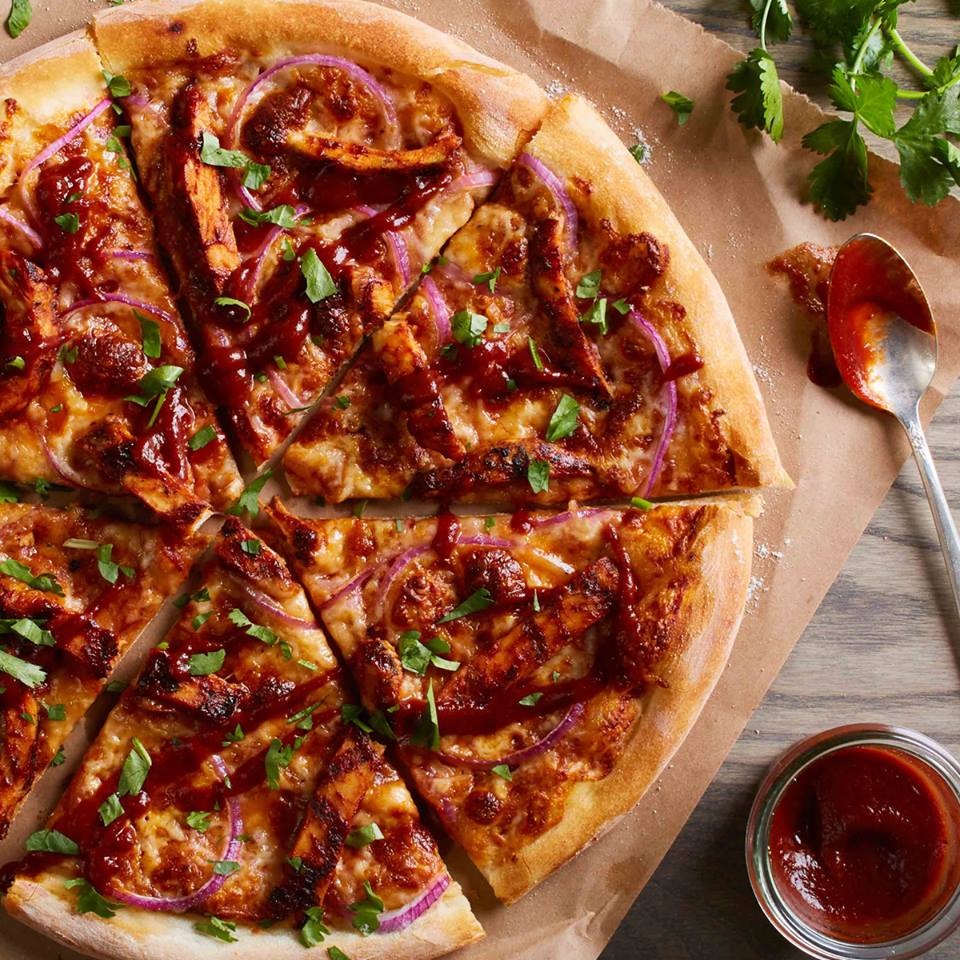
    The openings in Salt Lake City, Manila, and Daegu, South Korea, mark the beginning of CPK’s emergence from Chapter 11 bankruptcy. Los Angeles-based California Pizza Kitchen (CPK) has opened new franchise locations in Salt Lake City as well as Manila, Philippines, and Daegu, South Korea, as it begins to emerge from its Chapter 11 restructuring process, the company announced.

    CPK is planning three additional new international locations that are already under construction.

    CPK announced in July that it had filed for Chapter 11 protection and had entered into a restructuring support agreement with lenders to equitize most of its long-term debt.

    The new stores are located at the Salt Lake City Airport; the Evia Mall in Manila; and the Daegu Mall in Daegu. The Manila restaurant will be CPK’s fifth location in the Philippines, while the Daegu store is the seventh in South Korea. According to a CPK press release, the openings offer “evidence of the company’s strategic expansion in growing markets and its business and financial health.”

    “This has been truly an unprecedented year due to COVID-19 headwinds, but these openings and future construction highlight the confidence we and our partners have in the strength of the brand and its restructuring plan,” said Giorgio Minardi, CPK’s executive vice president of global development and franchise operations.

    The new Philippines location opened at the Evia Mall after government officials eased COVID-19 lockdown restrictions. All new restaurants will implement rigorous cleaning and safety measures, the press release said.

    “We’re very proud to partner with Pie Co., Seoulland, and HMSHost and expand our franchise relationships in these three CPK markets,” Minardi said. “It takes a lot of trust, passion, and strength during these times to make such an investment, and these openings are a clear indication of that commitment.”

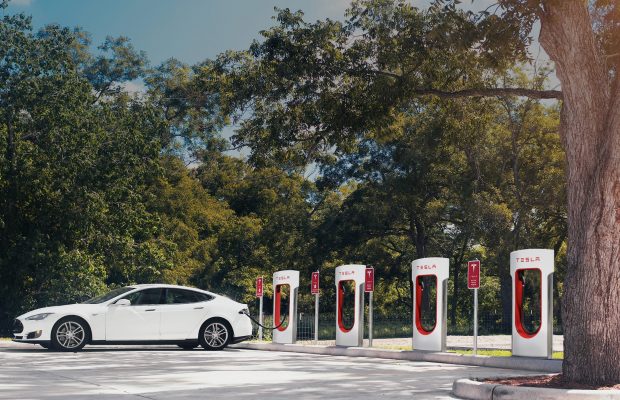
  • Tesla, California County Reach Deal To Reopen U.S. Plant Next Week

    Tesla, California County Reach Deal To Reopen U.S. Plant Next Week

    Tesla Inc and officials in California have resolved their acrimonious clash over safety procedures at the automaker’s sole U.S. assembly plant with a deal that allows production to resume as early as Monday, county officials said.

    The county said the automaker could take additional steps ahead of next week after Chief Executive Elon Musk had vowed to defy authorities, saying Monday he was resuming production despite the prohibition. On Tuesday, he also won the backing of President Donald Trump.

    In a tweet, Alameda County said that following talks with Tesla it agreed that the electric carmaker can take steps “in preparation for possible reopening as soon as next week.”

    Tesla did not immediately comment Wednesday but around the same time the county issued its statement, Musk tweeted: “Life should be lived.”

    Tesla’s sole U.S. electric vehicle assembly plant is in Fremont, California, which is in Alameda County.

    The county said it would work with the police in Fremont “to verify Tesla is adhering to physical distancing and that agreed-upon health and safety measures are in place for the safety of their workers as they prepare for full production.”

    Tesla and officials in California have resolved their acrimonious clash over safety procedures at the automaker’s sole U.S. assembly plant with a deal that allows production to resume as early as Monday, county officials said. This report produced by Yahaira Jacquez.

    On Monday, Musk said production was resuming in Fremont, defying an order to stay closed and saying if anyone had to be arrested, it should be him.

    On Tuesday, Musk won Trump’s backing. “California should let Tesla & @elonmusk open the plant, NOW. It can be done Fast & Safely!” Trump wrote on Twitter. The White House did not immediately comment on the announcement.

    Tesla fell 3.3% in afternoon trading to $782.43.

    California Attorney General Xavier Becerra told CNBC that “conversation is going on between Tesla and the county. But at the state level, we’re ready to enforce if we find that anyone is violating the state orders issued by the governor.”

    On Tuesday, employee parking lots at Tesla’s factory in Fremont, California, were packed with cars. Trucks could be seen driving in and out of the factory grounds.

    At the Fremont factory’s outbound logistics parking lot, where only a dozen Tesla cars were parked last week, hundreds of Tesla vehicles were seen on Tuesday.

    The company had sued Alameda County challenging its decision that the plant should stay closed.

    A county health official on Friday said the county had asked all manufacturers, including Tesla, to delay operations by at least another week to monitor infection and hospitalization rates.

    Tesla on Saturday released a plan to keep workers returning to the factory safe.

    The measures, which include temperature screenings, the installation of barriers to separate work areas and protective equipment for workers, are similar to those set up by Detroit-based automakers General Motors, Ford and Fiat Chrysler. Those automakers are set to resume at most U.S. auto plants starting Monday.

    Trump is eager for the U.S. economy to reopen and for Americans to return to work.

    Musk over the weekend threatened to leave California for Texas or Nevada over his factory’s closure. His move has highlighted the competition for jobs and ignited a rush to woo the billionaire executive by states that have reopened their economies more quickly in response to encouragement from Trump.

    Last month, Musk was on a call with Trump and other chief executives to discuss the reopening of the U.S. economy in which Musk said he wanted to be able to resume production by May 1 or earlier, a person briefed on the call confirmed. Details of the call were reported earlier by the Washington Post.

    Musk’s fight with local authorities has gotten the attention of those who scout sites for new factories and corporate offices, as well as economic development officials hungry for more jobs.

    Since the disagreement between Tesla and Alameda County gained national attention, officials from such states as Texas, Nevada, Georgia, Utah and Oklahoma have pitched Musk about considering their state. Analysts estimate it would take Tesla 12 to 18 months to move production.

    The Fremont factory employs more than 10,000 people, according to the automaker.

  • Tesla Threatens To Move Operations Out Of California

    Tesla Threatens To Move Operations Out Of California

    Electric vehicle maker, Tesla, has threatened that it will move its operations out of the state of California, where 20,000 of its employees work. This has been a result of local health officials refusing permission to Tesla Motors to re-start operations amid the Coronavirus pandemic. Tesla CEO Elon Musk said on Twitter that the company will file a lawsuit against the Alameda county immediately and will also move its headquarters and future programs out of California. Currently, Tesla is the only remaining car maker still having manufacturing operations in California

    In a series of Tweets Musk said,”Tesla is filing a lawsuit against Alameda County immediately. The unelected & ignorant “Interim Health Officer” of Alameda is acting contrary to the Governor, the President, our Constitutional freedoms & just plain common sense!”

    In a related tweet he mentioned how the US states of Nevada and Texas could be chosen places for Tesla to shift operations. He said,”Frankly, this is the final straw. Tesla will now move its HQ and future programs to Texas/Nevada immediately. If we even retain Fremont manufacturing activity at all, it will be dependent on how Tesla is treated in the future. Tesla is the last carmaker left in CA.

    In a blog post put up on the official website Tesla said,”Given the Governor’s recent guidance, which is supported by science and credible health data, the state and federal government’s classification of vehicle manufacturing as national critical infrastructure, and our robust safety plan, Tesla has started the process of resuming operations.” The statement also said that Alameda County is still insisting operations should not be resumed. “Unfortunately, the County Public Health Officer who is making these decisions has not returned our calls or emails.”, the statement added.

  • AirAsia X Eyes Flights To California

    AirAsia X Eyes Flights To California

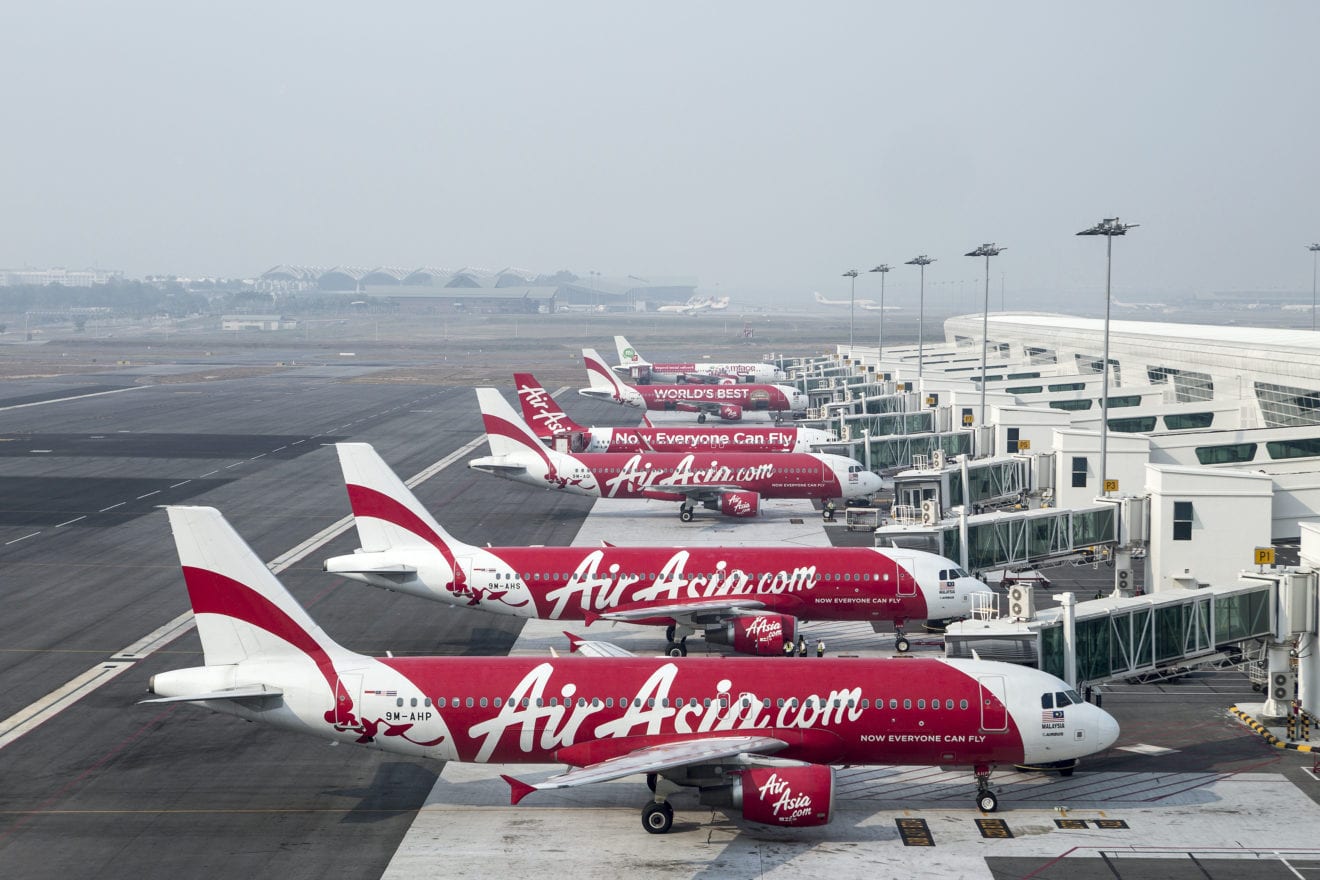
    AirAsia X’s ambitions to fly to mainland North America aren’t new. AirAsiaX has long talked about using their A330neos and Tokyo’s Narita airport as a starting point for flights to California. With the first of the aircraft now being delivered, the low-cost carrier breathed new life into the story at an aviation conference yesterday, Monday, September 23, 2019.

    AirAsiaX’s Muhammad Sharir was discussing the route at the Routes Online annual conference in Adelaide, Australia. Mr Sharir says the flights to the US mainland could start as soon as 2021, but was coy about where the flights would originate from or where they would fly to. Quite possibly because they haven’t sorted that out yet.

    Not yet a truly long haul carrier

    AirAsiaX has some form as a long haul low-cost carrier. It started flights to both London and Paris around ten years ago. But the economic downturn doomed the flights and within a few years, the flights were canceled.

    From their Kuala Lumpur hub, AirAsiaX now gets as far afield as Australia, Japan, China, South Korea and Hawaii. Strictly speaking, medium-haul rather than long haul but AirAsiaX wants to get back into the long haul business.

    2021 is the proposed starting date for California flights, because Mr. Sharir said that’s when the A330neos they need to operate the route would be delivered and ready to fly. AirAsia X has confirmed orders for 78 A330neos.

    Oakland out of favour

    Oakland, California, has long been on AirAsiaX’s horizon. As Edward Russell notes, AirAsia X held a media event at the airport back in 2012 and wheeled out a plane painted in a local sports team’s colors. All very nice, but AirAsia X flights never appeared on the arrivals board at Oakland.

    It seems Oakland has lost some of its allure for AirAsiaX, their preference swinging towards Los Angeles. But The Points Guy story thinks San Francisco is the most preferred option for the first AirAsia X North American flights.

    North America via Honolulu?

    It also offers the rather delicious option of pinging out of Honolulu on the back of existing Osaka-Honolulu AirAsia X flights.

    Whilst not a nonstop transpacific flight, it would make AirAsiaX the first low-cost carrier to offer a transpacific service. At this time, low-cost carriers coming from both east and west directions all terminate and coalesce at Honolulu. You could, technically, do the crossing on say, Southwest to Honolulu and then AirAsiaX on the last leg – which sounds like a lot of fun.

    California flights via Honolulu are an interesting scenario for AirAsia X. Photo: AirAsia.
     

    It would also see an Asian based low-cost carrier give the US low-cost incumbents a run for their money on the Hawaii-US mainland routes. The reaction at Southwest’s Dallas HQ would be priceless to see.

    While this is an interesting scenario, nonstop flights out of Japan remain a live option. AirAsia X currently flies from Kuala Lumpur to Narita. Those flights could continue onto the US mainland. It is also worth noting that AirAsia X has a history of announcing flights to North America that don’t eventuate. Whilst they do have the aircraft being delivered capable of making the flights, the 2021 starting date is still a while off and no routes have been announced

    It will be a case of wait and see.

  • DHL Expands Green Fleet With New Electric Delivery Vans

    DHL Expands Green Fleet With New Electric Delivery Vans

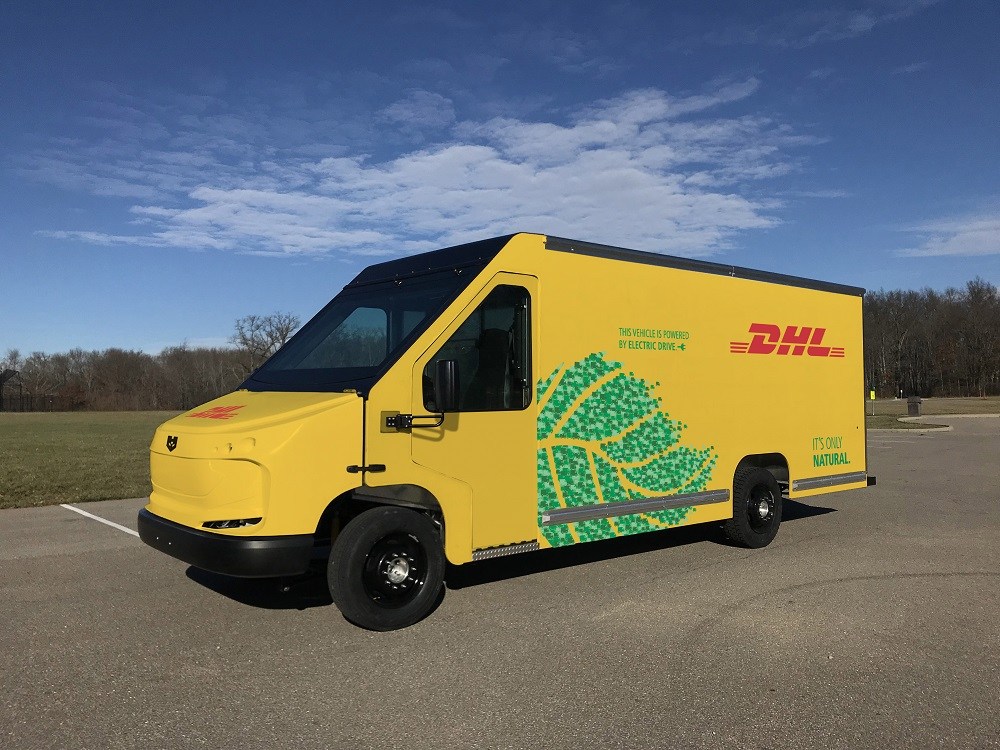
    DHL Express is rolling out a new fleet of 63 electric delivery vans in the United States as part of the German company’s goal to reduce logistics-related emissions to zero by 2050. Thirty battery-powered NGEN-1000 vehicles from Workhorse Group will be deployed in San Francisco with the remainder in other unspecified markets around the country later this year.

    The new vehicles have a range of 100 miles and 1,008 cubic feet of cargo capacity.

    DHL said its delivery fleet in the United States already includes electric, hybrid-electric, compressed natural gas and clean diesel-powered vehicles. The company has set a target of operating 70% of first- and last-mile delivery services with what it considers “clean transport” modes by 2025.

    “This year alone, nearly 30% of our new vehicles will be alternative fuel,” said Greg Hewitt, CEO of DHL Express U.S. in Plantation, Fla. “We’re excited about the technologies that continue to emerge in this area and how they are benefiting the logistics industry.”

    Workhorse Group launched commercial production of the NGEN-1000 and three smaller-capacity electric cargo vans in October 2018.

  • Vietnam confirms plan to fly non-stop to California in 2018

    Vietnam confirms plan to fly non-stop to California in 2018

    Vietnam’s government has approved plans to expand its air network to major markets including Australia, China, Europe and the United States starting from this year.

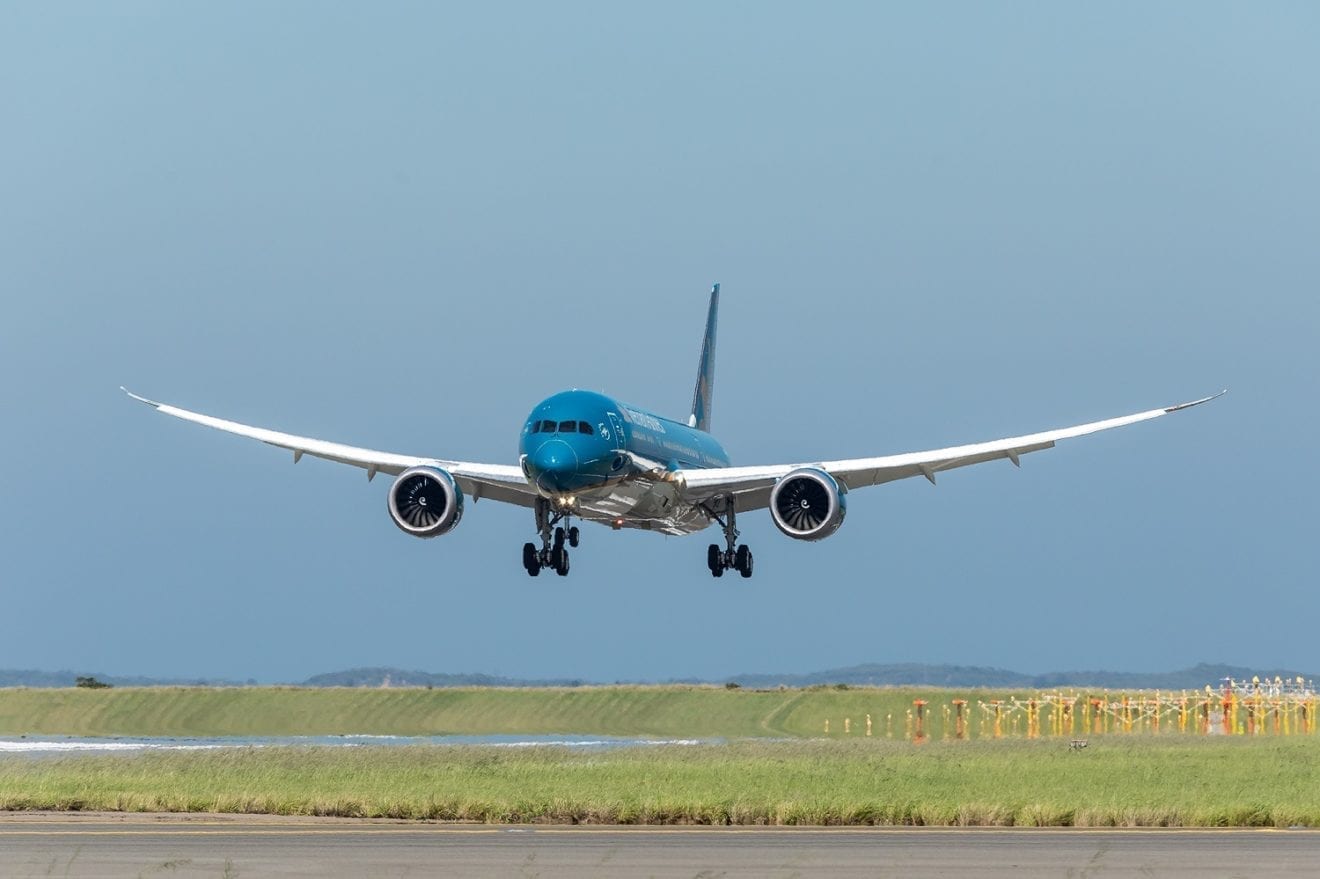
    According to the plan, Vietnam Airlines will go through with its proposal to open non-stop services to the U.S., starting with direct flights to the west coast in 2018. The national carrier is considering between San Francisco and Los Angeles.

    The U.S. proposal was revealed a couple of years ago and received much excitement, given busy travel between the countries. The U.S. is the fourth largest source of foreign visitors to Vietnam, with more than 614,000 people coming in 2017, up 11 percent from the previous year, according to the General Statistics Office.

    Aircraft manufacturer Airbus said in September 2016 that it had signed an MoU with Vietnam Airlines to deliver 10 A350-900 aircraft, which will be used for non-stop flights to the U.S.

    But the giant economy across the Pacific is just part Vietnam’s sky plan.

    For its neighbor China, Vietnam is set to open dozens of new flights by 2020.

    The new routes will connect Can Tho, Da Lat, Da Nang, Hai Phong, Hue, Nha Trang and Phu Quoc Island of Vietnam with at least 17 Chinese destinations: Changchun, Chongqing, Dalian, Fuzhou, Guilin, Guiyang, Haikou, Hainan, Harbin, Lanzhou, Ningbo, Shenyang, Wuhan, Xi’an, Xiamen, Xishuangbanna and Zhengzhou.

    Current flights to Beijing, Chengdu, Guangzhou and Shanghai will increase passenger load by adding to their frequency and using bigger aircraft, according to the development plan which has been approved by Prime Minister Nguyen Xuan Phuc.

    Chinese passengers to Vietnam surged nearly 50 percent to more than 4 million in 2017, accounting for nearly a third of foreign arrivals to the country.

    Vietnam’s aviation development plan also involves new flights to Australia, France, India, Japan, Malaysia, Russia, South Korea, Thailand, and the U.K., all of which now benefit from Vietnam’s e-visa and visa waiver programs.

    The country welcomed nearly 13 million foreign visitors and raked in nearly VND515 trillion ($22.7 billion) from tourism in 2017. It hopes the new air routes will bring the number of visitors up to 17-20 million in the next two years, when tourism money will contribute 10-12 percent to the economy, compared to the current 7 percent.

  • Miniso US making debut in California

    Miniso US making debut in California

    Miniso US is opening its inaugural store on Friday, in Southern California.

    Known for launching new products every seven days, the four-year-old Chinese discount retailer, which positions itself as a “Japanese lifestyle brand” will have a weekend of celebration to mark the opening of Miniso Pasadena.

    Highlights of the opening will include a taiko drumming performance, goodie bags for the first 200 customers and Miniso headphones for the first 60 shoppers who spend at least $30.

    As an industry disruptor, Miniso combines fashion, lifestyle and low prices. On average, the retailer opens 80 to 100 stores monthly with an anticipated 6000 outlets worldwide by 2020 and global revenues of US$9 billion.