
Tag: cameras

  • Vibe Technology Introduces Souvi AI Memory Device

    Vibe Technology Introduces Souvi AI Memory Device

    Shanghai startup Vibe Technology introduced Souvi, an outdoor AI memory device designed to help users record and preserve travel experiences.

    Led by CEO Deng Jiawei, the company showed the hardware at technology events including BEYOND 2026, VivaTech in France, the World Artificial Intelligence Conference, and the Autumn Edition of the HKTDC Hong Kong Electronics Fair.

    Unlike traditional action cameras or voice-focused wearables, Souvi combines low-interruption recording with AI-driven content processing to turn raw photos and videos into curated journals, video summaries, and interactive memory pages.

    Vibe Technology relies on open-source vision models adapted in-house to orchestrate content generation tasks, filtering out redundant frames while assembling narrative timelines. The system attempts to recognise personal context rather than merely picking high-contrast scenic shots, preventing the synthetic fabrication of events that did not occur.

    Crowdfunding and Asian Market Expansion

    Chief executive Deng Jiawei confirmed the company is planning consumer rollouts across Japan, South Korea, and North America. Vibe Technology will turn to online crowdfunding campaigns to test initial consumer demand before committing to traditional retail distribution channels.

    The hardware appeared during industry exhibitions including BEYOND 2026, VivaTech in France, the World Artificial Intelligence Conference, and the HKTDC Hong Kong Electronics Fair Autumn Edition.

    Hardware startups across East Asia face an increasingly crowded consumer electronics market where multi-purpose smartphones already capture high-definition video with minimal friction. Dedicated travel cameras must offer genuine automation advantages to convince casual holidaymakers to buy and carry an extra piece of battery-powered gear.

    Software Strategy and Memory Operating Systems

    Vibe Technology intends to treat the physical wearable as a feeder mechanism for a wider personal memory operating system. The software architecture will eventually ingest media files from third-party gadgets, building searchable archives that span years of trips across different territories.

    “We focus on AI and personal memory because AI can help people work more efficiently while giving them new ways to preserve their life experiences,” Deng Jiawei, the company’s CEO, said in an interview with TechNode.

    The company has deliberately avoided positioning the hardware against workplace voice transcribers or rugged sports cameras built for extreme athletics. Souvi targets recreational walking and urban leisure trips, a segment where users value lightweight builds over heavy waterproof casings.

    Commercial Risks and Data Gaps

    Consumer uptake for standalone AI wearables remains unproven globally, with several high-profile Western gadgets struggling to maintain daily active use after initial launch campaigns. Hardware manufacturers must demonstrate that automated curation solves a problem large enough to justify recurring charging routines and accessory upkeep.

    Vibe Technology has not published purchase data or user retention metrics. Sustained sales will depend on whether casual tourists trust private cloud servers with sensitive personal travel logs and whether automated editing remains accurate across complex trip environments.
  • Eastman Kodak Overtakes Canon as Japan’s No. 1 Camera Brand in Fiscal 2025

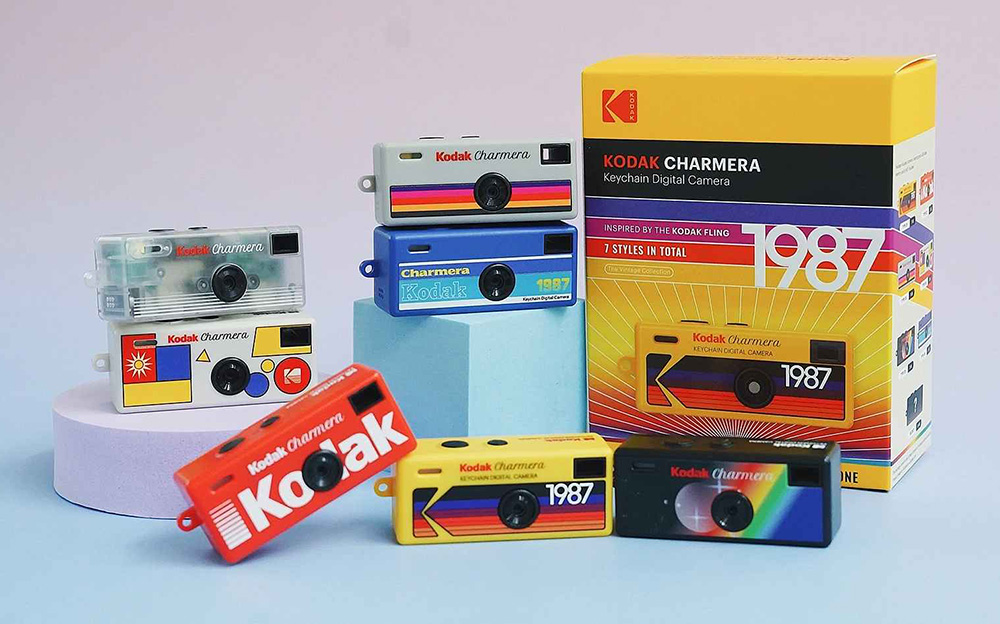
    Eastman Kodak Overtakes Canon as Japan’s No. 1 Camera Brand in Fiscal 2025

    Eastman Kodak overtook Canon as the No. 1 camera brand in Japan by sales volume in fiscal 2025. The result ended the Japanese company’s 20-plus-year streak at the top of the market.

    American digital cameras captured the top spot after striking a chord with Gen Z and boosting appeal among young buyers.

    Budget compacts challenge high-end mirrorless

    Distributed by Maspro Denkoh in Japan, the Kodak Pixpro FZ55 led the surge while affordably priced below 30,000 yen.

    That price point separated Kodak from legacy domestic rivals. Over the past decade, Japanese camera makers largely abandoned budget compacts. They focused instead on high-margin mirrorless bodies costing well over 100,000 yen.

    Canon loses unit leadership after 20 years

    For over two decades, Canon dominated Japanese sales tables with both entry-level compacts and interchangeable-lens systems. Domestic makers then shifted production capacity toward premium gear and video tools. That shift left the sub-30,000 yen tier bare.

    Electronics chains stocked the Pixpro line to fill that opening. Younger buyers snapped them up, wanting dedicated point-and-shoot cameras without flagship smartphone price tags.

    Demographic shifts alter store assortments

    Demand in Japan has split along demographic lines. Older hobbyists and commercial creators still buy premium mirrorless systems. Younger shoppers choose pocket digital cameras for everyday snapshots.

    Fujifilm broke into Japan’s top three digital camera makers on strong interest from female shoppers. Combined gains by Kodak and Fujifilm show demand for standalone cameras reaching beyond traditional photo enthusiasts.

    Distribution networks realign for budget hardware

    Store buyers across Tokyo and regional hubs handle a starkly different product mix today. High-end camera counters still produce substantial revenue per ticket. Unit volume, however, belongs to lower-cost lines.

    Maintaining steady inventory across retail chains will test distributor Maspro Denkoh and Kodak as demand persists. Japanese camera brands must now decide whether to contest the budget category again or permanently yield volume to protect high margins.

  • Tesla Tells China Car Cameras Not Activated Outside North America

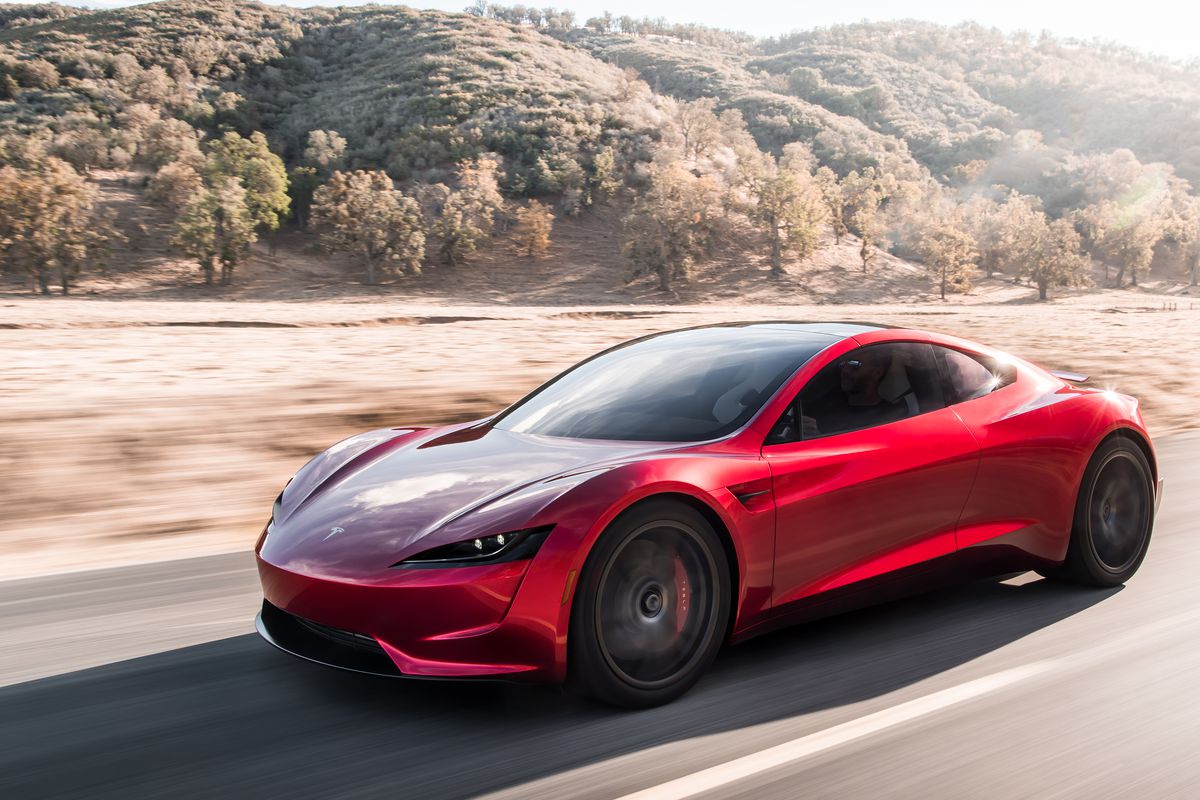
    Tesla Tells China Car Cameras Not Activated Outside North America

    Cameras in Tesla cars are not activated outside of North America, the U.S. automaker said on its Chinese social media page on Wednesday, seeking to assuage security concerns in the world’s biggest car market.

    Tesla faces scrutiny in China where the military in March banned Tesla cars from entering its complexes, citing security concerns over cameras in its vehicles, sources told Reuters.

    “Even in the United States, car owners can freely choose whether to turn on its (the camera system’s) use. Tesla is equipped with a network security system with world-leading security levels to ensure user privacy protection,” the electric carmaker wrote on Weibo, China’s Twitter-like social media site.

    At a virtual forum in Beijing in March, held not long after reports of the ban surfaced, Tesla founder Elon Musk emphasized the company’s business motivations for protecting user privacy.

    “There’s a very strong incentive for us to be very confidential with any information,” Musk said.

    “If Tesla used cars to spy in China or anywhere, we will get shut down.”

    China is a key battleground for electric vehicles. In 2020 Tesla sold 30% of its global total in the country.