Tag: Canberra

  • Australia Faces $1.23 Billion Alcohol Tax Deficit as Illicit Market Expands

    Australia Faces $1.23 Billion Alcohol Tax Deficit as Illicit Market Expands

    The Australian Taxation Office projects uncollected alcohol excise will reach $1.23 billion across the 2024 to 2025 financial year as illicit market transactions outpace domestic compliance efforts.

    That shortfall represents 13.7 per cent of total expected alcohol tax revenue, climbing roughly 0.4 per cent year on year.

    Shadow economy transactions drive the vast bulk of the leakage. An estimated $1.06 billion, or 91.8 per cent of the total uncollected sum, stems directly from off-grid, untaxed trade rather than technical filing discrepancies by registered businesses.

    Shadow Trade Squeezes Formal Retailers

    The swelling tax gap alters competitive dynamics across Australia’s bottle shops, hospitality operators and regional producers. Licensed retailers face biannual automated indexation increases on spirits and beer excise, widening the price gulf between compliant shelves and illicit sellers. High shelf prices encourage consumer leakage into underground channels, compressing gross margins for legitimate store owners.

    Distillers and brewers operate under tighter working capital requirements while illegal operators operate without duty obligations. Commercial suppliers that rely on mainstream wholesale distribution face declining volume turnover in price-sensitive spirits categories. The resulting distortion hits mid-tier domestic craft producers hardest, as they lack the scale to absorb heavy tax overheads.

    Broadening Regulatory Deficit Since 2015

    Tax leakage in the category has expanded steadily over the past decade. The uncollected tax share stood at 9.3 per cent in 2015, showing a persistent upward trajectory as excise rates increased through regular inflation adjustments. While overall revenue collection expanded during the period, the share escaping public coffers grew by more than four percentage points.

    Enforcement agencies now face sophisticated illicit supply chains that bypass conventional import gates and domestic manufacturing controls. For the federal treasury, losing over a billion dollars annually complicates broader fiscal planning while leaving legitimate retail channels bearing the enforcement burden.

    Enforcement Targets for the Coming Budget Cycle

    Tax monitors are shifting resources toward cross-border freight audits and unlicensed domestic distilling operations. Revenue officials will reconcile commercial raw material flows against recorded retail sales volumes to identify production diversions.

    Retail networks and trade associations will track whether the federal government freezes upcoming automated alcohol excise indexations in the forthcoming budget review to prevent further migration into illicit buying channels.


  • Independent Brewers Association Calls for Australian Alcohol Tax Reform

    Independent Brewers Association Calls for Australian Alcohol Tax Reform

    The Independent Brewers Association has called on the Australian government to review the national alcohol tax system, warning that tax disparities between beer and wine undermine public health goals.

    Draught and packaged beer face tax indexation twice a year under the current framework, while bulk wine retains preferential treatment under the Wine Equalisation Tax.

    Led by CEO Sabrina Kunz, the association responded in October 2026 to recommendations from the House of Representatives Standing Committee on Health, Aged Care and Disability, which urged Treasury to assess whether structural tax reform is needed.

    Disparity between beer and wine duties

    Small commercial brewers face higher tax obligations per standard drink than producers of bulk cask wine. The Wine Equalisation Tax applies to wholesale value rather than alcohol content by volume. This creates a persistent price gap on retail shelves.

    Parliamentary committee findings acknowledged that non-uniform taxation keeps cheap high-strength products widely available. Craft operators argue this structure penalises local brewers facing high domestic manufacturing costs. At the same time, it subsidises industrial wine output.

    Sabrina Kunz, chief executive of the Independent Brewers Association, said current policy fails to support health objectives: “If Government were serious about using taxation as a tool for harm minimisation, they would incentivise consumers to choose ‘low’ and ‘no’ alcohol products.”

    Shifting consumption patterns

    Official data shows per capita alcohol intake and risky drinking have fallen steadily across Australia over the past two decades. Underage drinking rates fell by half across the same period. Younger consumers have shifted away from volume consumption.

    Independent economist Professor Kym Anderson documented that moderation in beer was the primary driver of Australia’s declining alcohol intake over the past half-century. Small producers developed artisanal products alongside mid-strength and non-alcoholic alternatives. These offerings directly reshaped drinking habits.

    Excise policy has failed to keep pace with these shifts, industry advocates argue. Tax rates on packaged beer rise automatically every six months in line with the consumer price index. This drives retail prices higher even as overall consumption volumes shrink.

    Community venues under cost pressure

    Rising excise liabilities hit independent taprooms alongside escalating commercial rents, utility bills, and packaging costs. Independent operators lack the scale to absorb persistent excise hikes across high-volume networks.

    Taprooms operate as community hubs without gaming machines, generating regional employment and local supply chain demand. British Beer and Pub Association research showed that neighbourhood venues generate measurable community wellbeing benefits. Heavy taxation erodes those gains.

    Hospitality margins have contracted sharply across regional and suburban venues. The pressure forced several craft breweries into voluntary administration or consolidation over the past two years. Industry leaders argue that excessive duty on draught beer damages viable hospitality businesses without curbing heavy consumption of cheap alternative alcohol.

    Next steps for Treasury review

    The campaign follows a formal submission by the brewers association to the parliamentary committee in November 2024. The final committee report in May confirmed that the existing tax mix does not provide adequate economic or health safeguards.

    Treasury faces pressure from craft beverage manufacturers, public health advocates, and regional venue operators to deliver clear volumetric modelling. The brewing sector wants excise rates linked directly to alcohol volume across all beverage types. Brewers also seek duty exemptions or lower bands for mid-strength and zero-alcohol options.

    Federal ministers have not yet set a formal timetable for Treasury to publish its excise modelling or table legislative reforms ahead of the upcoming budget.

  • Global AI Data Centre Spending to Hit Thirty Trillion Dollars by 2050

    Global AI Data Centre Spending to Hit Thirty Trillion Dollars by 2050

    Cumulative global spending on artificial intelligence data centres will reach 30 trillion dollars by 2050, exceeding the capital poured into any previous technological transition in modern economic history.

    That outlay projection from PwC puts infrastructure commitments on par with the entire market value of outstanding United States Treasuries. The scale of investment eclipses the capital deployments seen during the nineteenth-century railroad expansion and the late-1990s internet boom, even after adjusting for historical inflation.

    The Capital Equation for Infrastructure

    Tech companies and sovereign funds are committing capital to server capacity, specialised chips, and power generation at a pace that demands rapid commercial returns. The sheer volume of hardware spending means enterprise software buyers now face pressure to prove that automation cuts operating costs faster than the infrastructure depreciates.

    Data centre developers are also running into physical bottlenecks across regional power grids. In major markets, server farms are competing directly with residential housing sectors for high-voltage electricians, base-load electricity contracts, and industrial water allocations required for cooling compute clusters.

    Cost Shifts Across Enterprise Operations

    Corporate adoption is altering cost structures across regional businesses, though initial savings frequently push expenses into other parts of the balance sheet. In retail and supply chain operations, automated inventory tracking and customer service systems reduce direct headcount while increasing technical compliance and software licensing overhead.

    The labour impact has hit external service providers first. Enterprise data compiled by fintech platform Ramp shows companies that spent heavily on freelance contractors cut those budgets by 97 per cent after switching task workflows to generative software. The transition eliminated costs for translation, graphic design, and basic coding without requiring formal corporate restructurings or severance payouts.

    Dispute Volume and Operational Frictions

    Lower barriers to generating technical and legal text are creating fresh operational strains for regulators and public tribunals across the Asia-Pacific region. Australian legal services provider Maurice Blackburn noted in regulatory filings that automated tools alter access costs across the market.

    “AI will let law firms deliver high-quality services at scale,”

    Cheap generative drafting has also driven an influx of poorly verified submissions into administrative bodies. Australia’s Fair Work Commission has recorded an increase in automated unfair dismissal filings, forcing public registries to allocate extra staff time to screening low-quality claims.

    Consumer Agents and Capital Allocation

    New consumer tools are targeting deposit inertia at traditional financial institutions. Meta has introduced its Muse personal assistant, designed to help retail users automatically identify higher-yielding non-bank deposit alternatives and shift balances out of standard accounts offering sub-one per cent returns.

    These consumer-facing agent deployments mark the next phase of enterprise software rollouts following two years of pure model training and server farm buildouts. The Australian Parliament’s Joint Select Committee on Artificial Intelligence is scheduled to deliver its final findings on regional economic impacts in November 2026.

  • Canberra Airport announces new retail partners

    Canberra Airport announces new retail partners

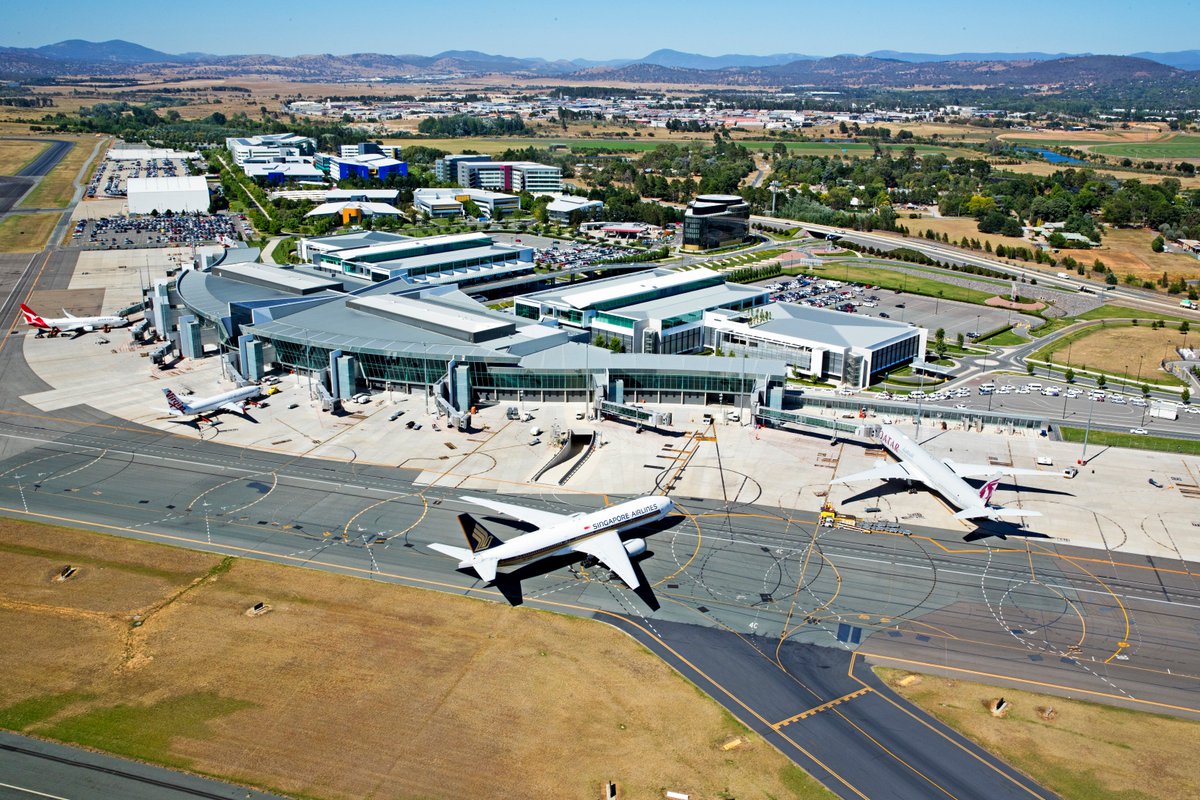
    Canberra Airport is overhauling its terminal retail offering, with construction set to begin on more than 1000sqm of new shops in the coming months.

    On Friday, the airport announced Airport Retail Enterprises (ARE) has been awarded the food and beverage component of the new terminal retail, and Australian Way Pty Ltd (AWPL) has been awarded the news, books and gifting component.

    “We are excited about these new partnerships as we work through the last piece in our terminal puzzle,” Richard Snow, head of property at Canberra Airport, said in a statement.

    “We have worked for years, focusing on making the travel experience for Canberrans and our visitors as seamless and efficient as possible. Now we are proud to be able to add in more restaurants and café options as well as retail that helps visitors remember their trip with local produce and gifts.”

    ARE, which also manages food and drink offerings in Sydney Airport, Melbourne Airport, Brisbane Airport, Gold Coast Airport and Gatwick Airport in the UK, will create a new cafe, City Hill Coffee, featuring locally-roasted Ona coffee, an Asian noodle and sushi offering called Noodles XO and a health food offer on the Western Concourse.

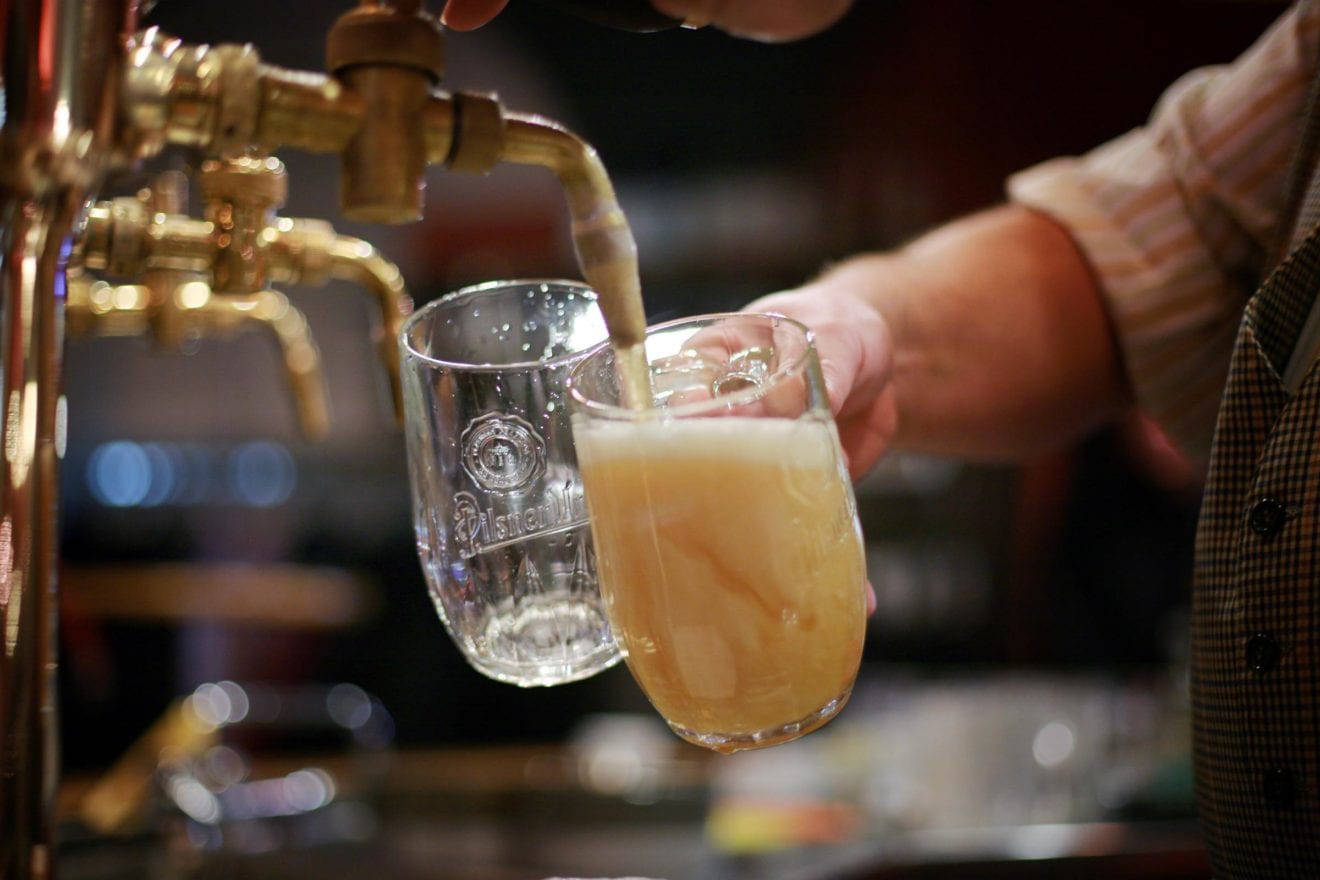
    Several existing food and drink options on the Southern Concourse, will be replaced by Capital Brewing Co Bar, through a partnership with the local brewery of the same name. ARE will also add a mixed news, books, travel essentials and cafe space on the ground floor in the arrivals baggage hall.

    “Canberra has a fantastic local food scene, and we are very pleased to be partnering with many local producers to bring this to the airport,” John Chapman, CEO of ARE said in a statement.

    “The new terminal will become a fantastic showcase of the region’s produce.”

    AWPL, which operates stores in numerous domestic and international terminals around Australia and New Zealand, will initially bring a news, books and travel essentials offering called News@CBR to the airport.

    Following this, it will open a second store called Merchant Canberra, which will showcase iconic gifts from the city, surrounding region and Australia.

    “It is our absolute focus to connect with the local community, deliver a retail offering that brings commercial growth to Canberra Airport, and also significantly enhances the customer experience,” AWPL managing director Costa Kouros said in a statement.

    Construction of the new retail offerings is expected to begin in the coming months, with stage one to be finished by the end of this year. The second and final stage is expected to be complete by Easter 2020.

  • Google delivery drones cleared for Australian Airspace

    Google delivery drones cleared for Australian Airspace

    A sister company of Google has been given the green light to launch drone delivery in Australia after years of test flights.

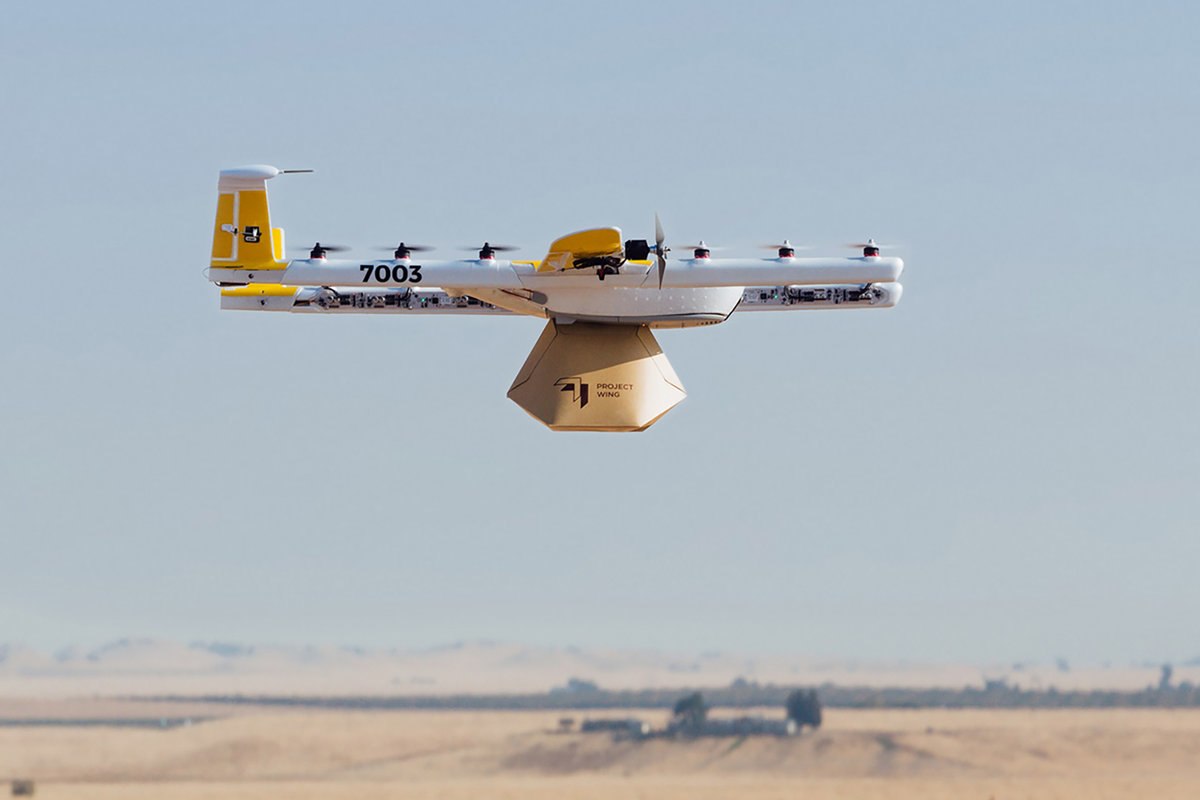
    The drone company Wing, owned by Google’s parent company Alphabet, was given permission this week to deliver takeaway food and drinks and over-the-counter medicines by drone to about 100 homes in Canberra.

    Wing, which has been trialing deliveries for the last 18 months, began testing its drones in Australia in 2014, but faced initial opposition from residents who complained about the noise.

    Although the drones were below legal noise limits, Wing developed a new, quieter model and said the feedback obtained during its trials had been “valuable” and it hoped to “continue the dialogue”.

    “We will continue to engage with the local community and stakeholders as we expand our service and are hosting community information stalls and delivery demonstrations in the serviceable areas over the next few weeks,” the company said in a statement.

    According to Wing, the delivery service will initially be available to a limited set of eligible homes in the suburbs of Crace, Palmerston and Franklin.

    “We expect to gradually expand to more customers in Harrison and Gungahlin in the coming weeks and months.”

    Australia’s Civil Aviation Safety Authority gave Wing permission to launch a commercial service after examining its safety record and operational plans.

    The drones will only be allowed to fly 11-12 hours a day and must be piloted, rather than fully automated.

    Wing’s initial launch partners include Kickstart Espresso, Capital Chemist, Pure Gelato, Jasper + Myrtle, Bakers Delight, Guzman Y Gomez and Drummond Golf.

    “We’re excited to connect with more local businesses in the Gungahlin area about how we can help them reach more customers faster, safer and more sustainably and encourage any local merchants who are interested in learning more to get in touch with us.”

    Wing had said that drone deliveries reduce traffic and pollution and can deliver goods in six to 10 minutes.

  • Singapore Airlines records low passenger numbers on Canberra flights

    Singapore Airlines records low passenger numbers on Canberra flights

    Singapore Airlines struggled to fill its planes in the first week it flew between Canberra and Wellington in New Zealand, data has revealed.

    The International Airline Activity report by the Department of Infrastructure and Regional Development showed, on average, each of the six flights from Wellington to Canberra in September held just 94 passengers.

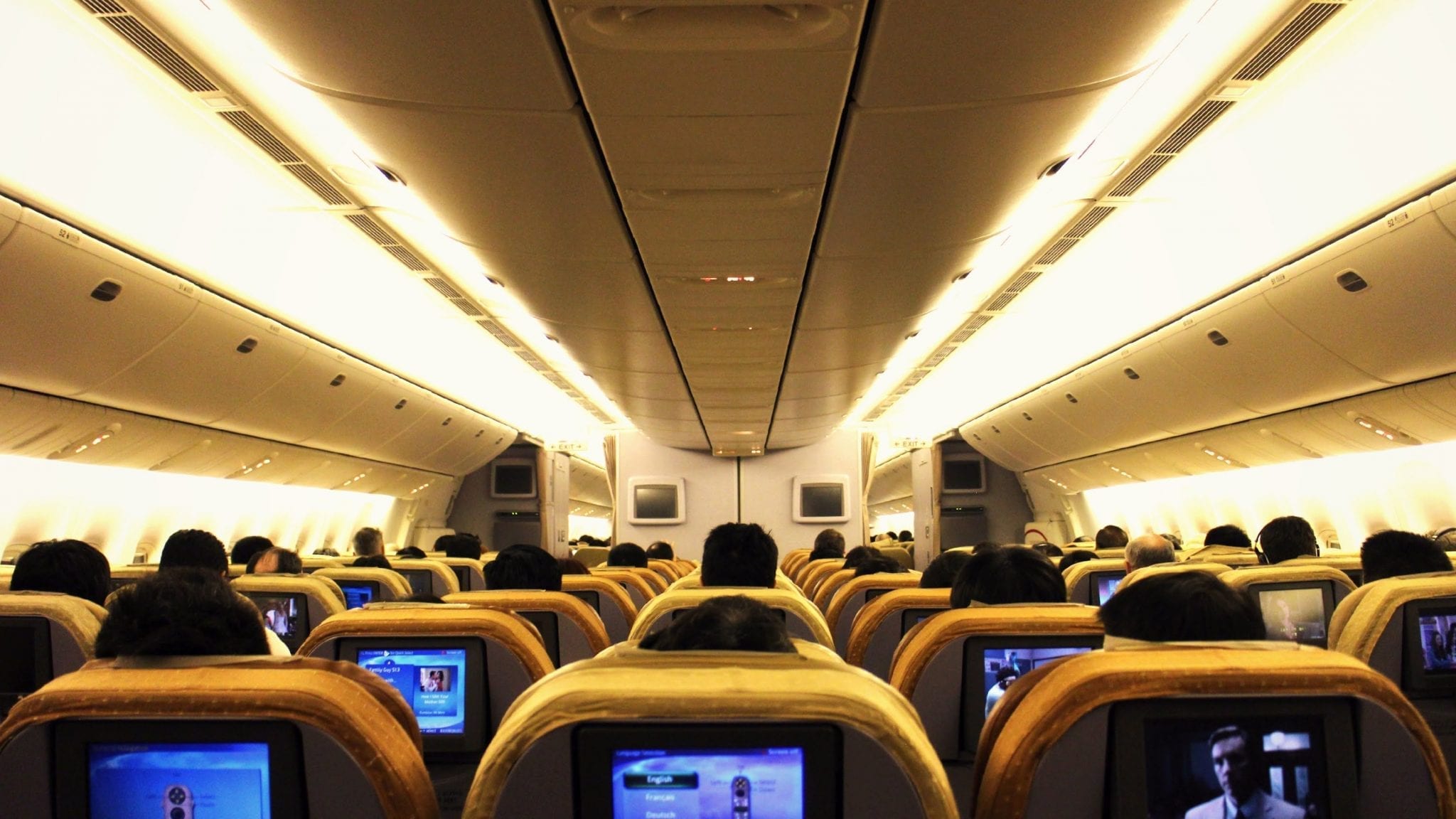
    The Boeing 777 has 266 seats, meaning there was an average passenger load factor of just 35 per cent.

    The Singapore to Canberra to Wellington rotation runs four times a week, with the first flight touching down in Canberra on September 21.

    According to the report, the carrier’s strongest performing route was a direct service between Canberra and Singapore which was 68 per cent full.

    In September, Singapore Airlines started the first direct international flights to the Australian capital in more than a decade.

    It followed a long-fought campaign by the ACT Government and the Canberra Airport to attract carriers to the city.

    The activity report shows Canberrans were more eager to leave the city than outsiders were to visit the capital.

    A total of 1,421 passengers flew into Canberra on the 12 flights from Singapore and Wellington in September while 1,784 people flew out to those destinations.

    On the 24 Singapore Airlines flights operating in the later part of September, only 13 tonnes of freight left Canberra, with no freight recorded entering the ACT.

    The September figures were released as Qatar Airways announced earlier this week plans to start flights to Doha, becoming the Canberra Airport’s second international carrier.

    Today FlyPelican also announced it would launch regional flights connecting Canberra and Dubbo 10 times a week from next month.

    The October figures for international flights have not yet been released.