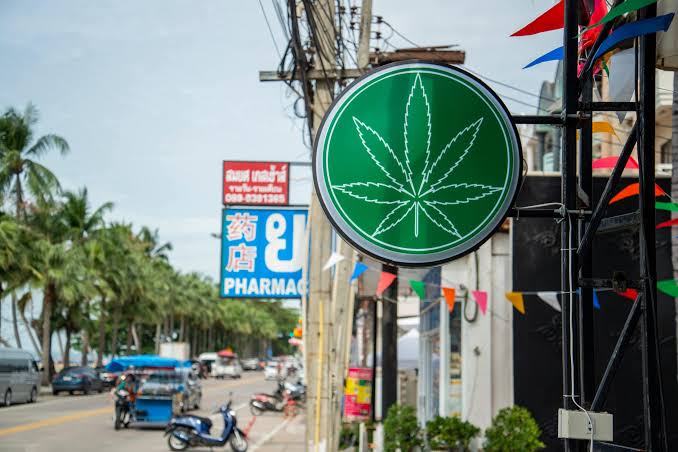
The cabinet on Tuesday approved a cannabis control bill that will restrict cannabis and its extracts strictly to medical treatment and research.
Public Health Minister Pattana Promphat said the legislation represents Thailand’s third attempt to plug regulatory loopholes since the country decriminalised cannabis in 2022, aiming to prevent abuse and protect youth.
Under the draft law, the cultivation, production, import, export and sale of cannabis will require three-year licences issued by the Department of Thai Traditional and Alternative Medicine, a regulatory shift expected to reduce the nation’s 11,000 dispensaries to about 2,000 approved clinics.
Three-Year Licences and Strict Retail Zones
Commercial operators face tightly restricted trading boundaries under the new framework. Dispensaries cannot operate near schools, university dormitories, temples, public parks, zoos or amusement parks, and retail transactions to buyers under 20 years old or pregnant women are banned entirely.
Marketing channels will close as well. The bill outlaws all commercial advertising and promotional campaigns for cannabis buds, resin and consumption paraphernalia, penalising unauthorised commercial operators with criminal fines and prison terms.
“This is to protect the health of people, especially children and youth, and prevent cannabis abuse,” said Public Health Minister Pattana Promphat.
Clinic Conversions Squeeze Independent Operators
For store owners, the shift from retail commerce to medical dispensing creates severe capital hurdles. Transitioning a lifestyle weed shop into a licensed health clinic requires retained medical staff, diagnostic oversight and clinical record-keeping systems that small operators cannot easily fund.
Landlords in major entertainment districts face an immediate tenant shakeout. Prime commercial corridors in Bangkok, Phuket and Pattaya that filled vacant retail footprints with lifestyle dispensaries after 2022 will see substantial vacancy as uncertified storefronts exit the market.
Supply Chain Realignment and Wholesale Pressure
Growers and wholesale distributors must adjust output to pharmaceutical specifications rather than commercial recreational volumes. The requirement for three-year operating licences gives regulators direct control over production quotas and processing standards across local supply chains.
Institutional healthcare networks stand to gain the market share surrendered by independent retailers. Hospital operators and licensed wellness clinics already possess the compliance infrastructure needed to handle regulated extracts and patient consultations.
Legislative Route Since Decriminalisation
The draft represents the third attempt by Thai lawmakers to regulate the sector since the government removed cannabis from the Category 5 narcotics list in June 2022. That move, overseen by current Prime Minister Anutin Charnvirakul during his tenure as health minister, eliminated criminal penalties without establishing statutory retail controls.
Previous legislative efforts under both the Prayut Chan-o-cha administration and the subsequent Pheu Thai government under Paetongtarn Shinawatra stalled before reaching final enactment. The current bill cleared regulatory impact assessments and public hearings earlier this year before Tuesday’s cabinet endorsement.
Parliamentary Debate Sets Three-Year Countdown
Parliament will take up the draft legislation for readings and committee scrutiny before it passes into law. Public Health Minister Pattana Promphat estimated that the transitional clinic rules will reduce the country’s 11,000 storefronts to approximately 2,000 licensed medical operators over the three-year licensing cycle.
