Tag: capital markets

  • HSBC Plans India Equity Broking Return After 13 Years

    HSBC Plans India Equity Broking Return After 13 Years

    HSBC is re-entering India’s equity broking business after a 13-year absence, seeking to capitalise on a robust pipeline of share sales and rising demand from wealthy clients.

    The move marks a reversal of the London-headquartered bank’s decision to exit the domestic retail brokerage and depository business in 2013.

    Rebuilding the Equities Platform

    HSBC has begun rebuilding its equities platform and is hiring senior executives for cash equities and institutional broking roles in Mumbai, using the licence held through HSBC InvestDirect Securities (India) to launch retail services over the next few months.

    Trading will focus on digital order execution for high-net-worth retail accounts. It will also handle cross-border trades routed through the Gujarat International Finance Tec-City financial free zone. HSBC walked away from its Indian retail brokerage and depository network in 2013 during a global retreat from non-core operations.

    Diverging from Foreign Peer Strategies

    This strategy sets HSBC apart from international rivals that spent the past decade shedding consumer banking in South Asia. Competitors including Citigroup, Standard Chartered and Deutsche Bank shrank their consumer footprints. They chose to concentrate capital on corporate advisory and transaction banking instead.

    By contrast, the bank retained its local consumer arm and expanded its physical reach. The Reserve Bank of India approved 20 new branch locations for the lender in January, taking its domestic network to 46 locations.

    Capturing Fee Revenue from Public Listings

    Robust public offerings and retail participation have created steady fee income for capital market intermediaries in Mumbai. Re-establishing equity distribution gives the bank direct placement power for primary offerings. It also captures secondary brokerage commissions from affluent private banking clients.

    Rival foreign institutions are attempting similar returns. London-based Barclays began preparations earlier this year to restart its Indian equity capital markets franchise, a decade after shutting the unit down during a restructuring drive.

    Branch Expansion and Earnings Trajectory

    Earnings in the group’s domestic franchise back the brokerage launch. HSBC India generated a 4 per cent year-on-year increase in net profit during the first half of 2026, lifted by higher fee volumes in corporate and institutional accounts.

    Group chief executive Georges Elhedery stated in recent broadcast remarks that the bank intends to deploy more capital across India. It will prioritise wealth management products designed for high-income domestic savers.

    What to Watch

    Next, the bank will finalise its senior equity trading hires before rolling out digital retail execution tools to wealth clients across its 46-branch Indian network.
  • City Group Seeks Capital Market Pivot After Amassing Tk 26,000 Crore in Bank Debt

    City Group Seeks Capital Market Pivot After Amassing Tk 26,000 Crore in Bank Debt

    Bangladeshi consumer goods giant City Group is restructuring a portion of its Tk 26,000 crore bank debt after rapid expansion and currency headwinds left it squeezed across three dozen lenders.

    The maker of Teer flour, suji and soybean oil plans to raise up to Tk 1,500 crore from the capital market through an initial public offering, private equity, preference shares, corporate bonds or Sukuk.

    City Group built a household staple empire over decades, but a weaker taka, delayed factory utility hookups and aggressive capital expenditure pushed its balance sheet into trouble. Around 36 commercial banks now carry the exposure. Rather than relying entirely on bilateral bank roll-overs, the group announced in mid-August that it would tap outside investors for long-term equity and debt instruments to rebalance its funding base.

    The Imbalance in Corporate Funding

    The conglomerate’s liquidity squeeze exposes the structural fragility of private sector financing in Bangladesh, where commercial banks supply nearly 99 percent of corporate funds while capital markets generate just 1 percent. Industrial term-loan disbursements climbed to Tk 97,138 crore in fiscal 2025. By contrast, businesses raised only Tk 302 crore through initial public offerings and rights issues during the same twelve-month stretch.

    Equity markets remain sidelined across the country’s industrial sector. At the end of June, the Dhaka Stock Exchange market capitalization stood at 5.7 percent of national gross domestic product, ranking as the lowest ratio in South Asia. A World Bank survey showed that only 0.5 percent of local businesses view equity as a viable funding route, compared with 6.9 percent in neighboring India.

    Balance Sheets Under Borrowing Pressure

    Bank loans offer fast deployment, often clearing internal approvals within three months, whereas equity listings demand nine months or more alongside rigorous disclosure filings. That speed has created deep structural hazards for supply chain operators and consumer goods manufacturers across the domestic market. Defaulted loans across the banking sector exceeded Tk 600,000 crore by the end of June, representing 32.78 percent of total outstanding credit.

    Rising interest rates are accelerating the strain on operating margins. An assessment of 166 listed companies showed net finance costs surged roughly 26 percent year on year to Tk 8,871 crore in fiscal 2024-25. Perpetual loan rescheduling has shielded unhedged borrowers from formal insolvency, but it has locked commercial banks into carrying high corporate default risk on their balance sheets.

    Corporates do not stop borrowing because they do not face big problems if they default; rather, banks find ways to keep the corporates alive.

    Regional Lessons in Conglomerate use

    Heavy reliance on bank lending mirrors earlier developmental bottlenecks seen across East and Southeast Asia. South Korean chaebols expanded rapidly on bank use before the 1997 financial shock forced aggressive balance-sheet restructuring, reduced cross-guarantees and deeper capital market compliance. Indonesia faced a similar crunch during the same period, subsequently cutting corporate bank debt dependence down to 40 percent of business financing by 2007.

    Developing viable non-bank financing requires deep structural liquidity and verifiable reporting frameworks. Malaysia expanded its capital market to RM4.3 trillion in 2025 by creating active Sukuk and local corporate bond ecosystems with zero recorded defaults that year. Replicating that stability in Dhaka requires regulators to streamline listing timelines without compromising investor protections.

    Next Steps for Industrial Capital

    City Group’s Tk 1,500 crore fundraising rollout will serve as a test case for whether Bangladesh’s major private conglomerates can transition from short-term bank reliance to public and institutional capital. Regulators now face the task of tightening single-borrower exposure ceilings while speeding up bond and equity approvals. The key benchmark to track is whether domestic institutional funds step up to absorb the group’s planned issuance before the next debt restructuring cycle closes.

  • Vietnam Weighs First Sovereign Dollar Bond Sale Since 2014

    Vietnam Weighs First Sovereign Dollar Bond Sale Since 2014

    Vietnam’s finance ministry is in talks with international investment banks to issue its first sovereign dollar bond in over a decade. Proposals on the table include a 10-year note raising between $500 million and $1 billion, carrying an estimated coupon of around 7 per cent.

    Hanoi plans to channel the proceeds into ports, transport corridors and industrial infrastructure to support an official target of at least 10 per cent annual economic expansion through 2030. Officials are weighing borrowing costs against elevated global yields before making a formal commitment.

    Bank Proposals and Pricing Pressures

    One foreign lender pitched a $1 billion 10-year dollar bond during discussions in Hanoi. Another bank recommended a flexible issue size starting at $500 million at roughly a 7 per cent coupon, reflecting current international borrowing benchmarks.

    Domestic debt issuance has reached over $9 billion so far this year. While the total volume matches last year’s pace, the average local 10-year yield climbed to 4.2 per cent from 3.1 per cent, raising the price tag of funding public works purely through local auctions.

    Corporate Borrowing Clears the Path

    State planners have eased limits on external commercial debt while government ministries negotiate terms. The State Bank of Vietnam lifted the annual ceiling for private-sector offshore borrowing to $6.1 billion this year, up from $5.5 billion in 2025, and officials are already reviewing requests to push that threshold higher.

    Commercial borrowers have moved fast to secure offshore liquidity. VPBank closed a $1.44 billion syndicated foreign loan facility in June, while conglomerate Vingroup listed a $350 million five-year bond on the Vienna Stock Exchange in April at a 5.75 per cent coupon. Vingroup has also filed to sell 455 billion won, or about $338 million, in three-year notes yielding 8 per cent to institutional investors in South Korea.

    For supply chain operators and consumer goods distributors across the country, a sovereign benchmark establishes a clear pricing floor for long-term project debt. Without sovereign paper in circulation, corporate issuers face wider risk premiums when raising hard currency for distribution hubs, cold storage networks, and factory expansions.

    Relieving Domestic Lending Strains

    Local commercial banks have carried the load of infrastructure and industrial loans for years. Credit expansion in Vietnam has outstripped domestic deposit growth continuously since 2021, creating balance-sheet friction that constrains private business lending.

    Vietnam last accessed the offshore sovereign bond market in 2014, when it sold a $1 billion 10-year note with a 4.8 per cent coupon. The country has kept public debt low, at approximately 37 per cent of gross domestic product, but bilateral development loans from Germany and Japan signed earlier this year confirmed a shift toward tapping external balance sheets.

    The next signal will come from the finance ministry’s formal syndicate mandate, which will determine whether Hanoi proceeds with the $1 billion issuance before global debt markets close out the fiscal year.

  • Tokyo Stock Exchange Delistings Set for Record High in 2026

    Tokyo Stock Exchange Delistings Set for Record High in 2026

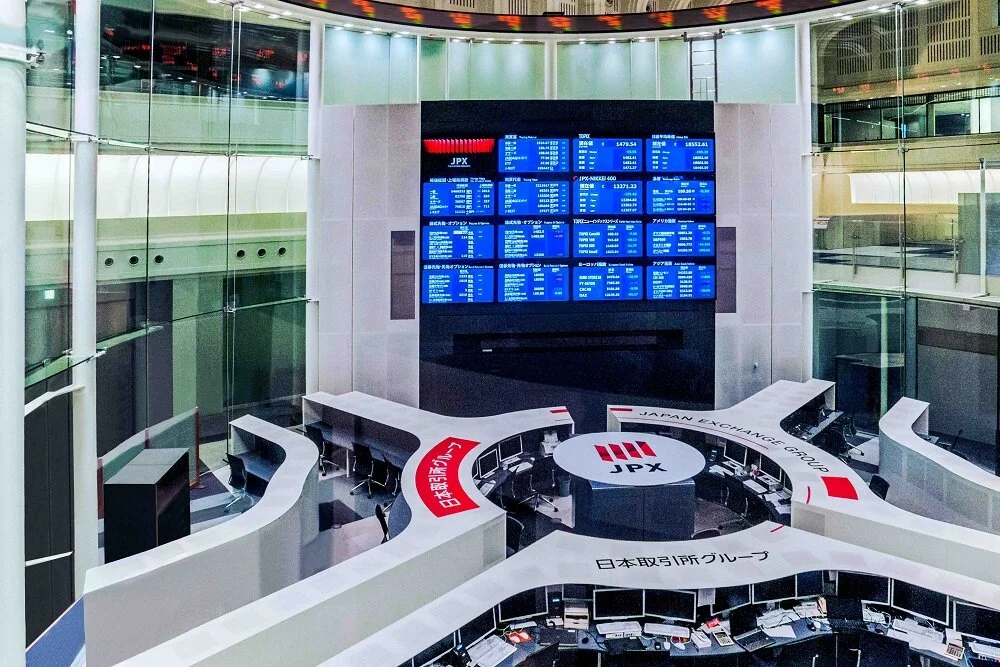
    A record number of companies will delist from the Tokyo Stock Exchange in 2026, marking the third consecutive year of peak departures from Japan’s main equity market.

    Departures stem from corporate buyouts alongside investment funds seeking to take firms private, combined with companies failing to satisfy stricter listing criteria across exchange segments.

    Tougher Criteria Squeeze Growth Names

    Stricter compliance thresholds have forced underperforming issuers to evaluate their public status. On the Tokyo Growth market, a majority of listed equities sit below required market capitalisation cutoffs as regulatory deadlines approach. Companies unable to reverse their valuations or generate sufficient trading liquidity face mandatory removal.

    At the same time, maintaining a listing carries heavier burdens. Rising domestic interest rates have increased the cost of capital for corporate borrowers, while Japan now ranks second globally in shareholder activism campaigns. Management teams face direct pressure from institutional investors to improve capital efficiency, leading smaller operators to conclude that public market scrutiny outweighs the benefits of an equity quote.

    Private Capital and Shifting Exits

    Private equity sponsors have moved quickly to absorb listed targets. Founders and management teams are teaming up with domestic and global buyout funds to execute management buyouts, taking operating businesses private to restructure away from quarterly earnings demands.

    For consumer, retail, and technology operators across Asia, this turnover alters how expansion capital is secured. Public equity is no longer an automatic default for mid-tier Japanese businesses. Instead, unlisted status gives boards latitude to cut unprofitable units, absorb logistics cost increases, and realign supply chains without continuous market valuation hits.

    New Channels for Unlisted Shares

    Japanese regulators have adjusted market infrastructure to accommodate this shift away from traditional public listings. Authorities greenlit a dedicated trading platform for unlisted shares, providing secondary liquidity for private companies and venture-backed entities that choose to bypass or exit the main exchange.

    The current delisting volume builds on two prior years of record departures following the Tokyo Stock Exchange’s comprehensive market restructuring in 2022. That overhaul replaced legacy trading sections with Prime, Standard, and Growth boards, setting concrete governance and liquidity minimums.

    Attention now turns to upcoming compliance deadlines for Growth market issuers sitting below capitalisation cutoffs, which will dictate the final delisting count before year-end.

  • SoftBank Sets 4.75% Coupon for 1 Trillion Yen Retail Bond

    SoftBank Sets 4.75% Coupon for 1 Trillion Yen Retail Bond

    SoftBank Group set a 4.75 per cent coupon rate on its 1 trillion yen ($6.4 billion) retail bond issue in Tokyo. It is the company’s highest coupon on straight bonds in 17 years.

    The 1 trillion yen offering ties an earlier debt sale by NTT Finance as the largest bond issue ever pitched directly to individual Japanese investors by a domestic company. SoftBank Chairman and Chief Executive Masayoshi Son is tapping local household savings. The group is reloading its balance sheet for technology and artificial intelligence investments.

    Yields Hit Seventeen-Year High

    Retail buyers have crowded into corporate bond issues from issuers like SoftBank and e-commerce group Rakuten after decades of near-zero deposit rates. They want income. At 4.75 per cent, SoftBank is paying a premium over standard domestic debt instruments to lock in retail capital directly.

    Shifting benchmark rates in Tokyo have increased corporate borrowing costs across the market. SoftBank continues to lean on domestic household savers. Local depositors remain drawn to the company’s brand recognition and fixed coupon rates compared to standard bank accounts.

    Fueling Tech and AI Capital Needs

    Individual investors across Japan have historically served as a reliable funding source for SoftBank during previous growth phases. Domestic retail debt issues shielded the group from tighter conditions in global syndicated loan and dollar bond markets during volatile tech cycles.

    These funds give Son expanded liquidity to pursue large-scale commitments across computing infrastructure and global tech platforms. Market attention now turns to the final subscription figures and allocation breakdown across domestic brokerage networks when the retail book closes.

  • Hong Kong Narrows Gap on London and New York in Global Financial Index

    Hong Kong Narrows Gap on London and New York in Global Financial Index

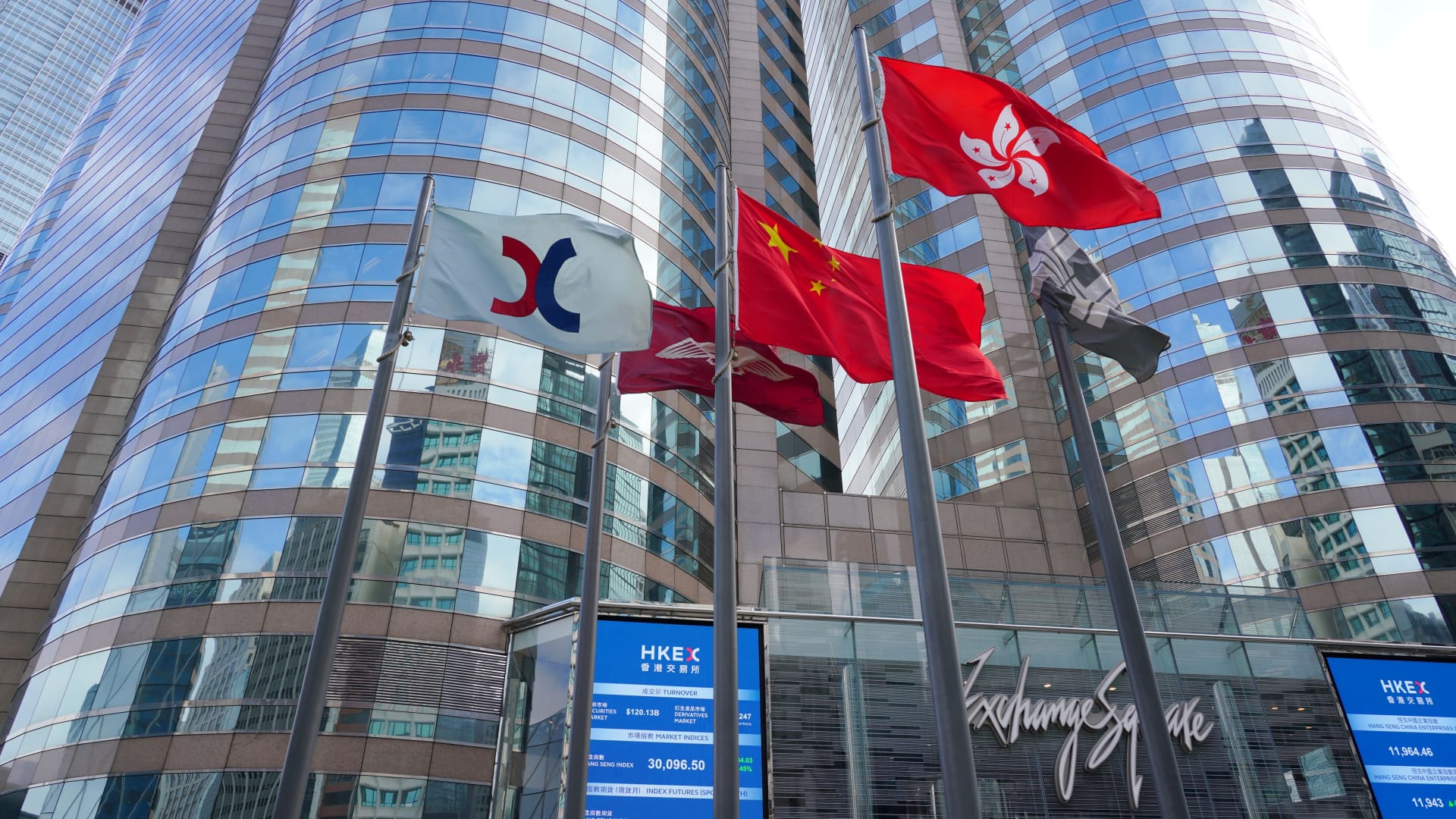
    Hong Kong is closing in on London and New York in global financial centre rankings, trailing the front-runner by just two points.

    In the March edition of the Global Financial Centres Index compiled by London think tank Z/Yen Group and the China Development Institute, Hong Kong placed third, one point behind London and two behind New York. Michael Mainelli, chairman of Z/Yen Group, said a structural shift toward Asia, which now commands roughly 40 per cent of global finance, will eventually push an Asian city into the top spot.

    Legal Stability and Fiscal Discipline

    Mainelli pointed to the territory’s common law framework and predictable tax structure as decisive factors against Western competitors. Government spending accounts for approximately 15 per cent of gross domestic product in Hong Kong, compared with 19 per cent in Singapore and more than 40 per cent across European economies.

    Survey results from the March index showed that financial institutions prize regulatory predictability above processing speed, cost flexibility, or tax adjustments. Mainelli warned that frequent policy revisions designed to match competitor incentives risk undermining investor confidence over the long term.

    Infrastructure and Physical Gold Assets

    Competition from mainland Chinese centres has not eroded Hong Kong’s standing. Shanghai held sixth place and Shenzhen ranked ninth in the same survey, functioning as feeder markets into Hong Kong rather than direct replacements.

    Physical trading logistics continue to expand across the territory. A centralized precious metals clearing and settlement system started trial operations in July, backed by plans to expand airport vault capacity beyond 2,000 tonnes.

    For corporate treasurers and commercial operators tracking regional capital flows, the steady ranking shows that Hong Kong retains its institutional pull despite regulatory friction across other international hubs. The next edition of the Global Financial Centres Index will be published later this month.

  • Indian Companies Raise 22,400 Crore Rupees as Listing Risks Mount

    Indian Companies Raise 22,400 Crore Rupees as Listing Risks Mount

    Indian companies raised about 22,400 crore rupees through initial public offerings in August as issuers accelerated listings across Mumbai exchanges.

    The rush comes before September 30, when one-year approvals granted by the Securities and Exchange Board of India lapse for a large batch of listing candidates.

    Trading performance has weakened as issue volumes expanded. The share of initial public offerings closing below their issue price on debut day climbed to 37 per cent in 2026 through August 26, up from 33 per cent across 2025. About 40 per cent of all companies listed on Indian bourses since 2022 traded below their offer prices as of late August.

    Valuation Spikes and Pre-IPO Trimming

    Market analysts point to aggressive pricing and short-term cost cuts in draft prospectuses. Issuers frequently compress advertising budgets and headcount spending in the final quarters before filing, lowering visible losses before public scrutiny begins.

    Pre-IPO share transactions also show sharp price differences over short periods. Stock changing hands six months before an issue at half the public offer price raises immediate questions about whether underlying business performance changed enough to justify the markup.

    If existing investors are simply using the IPO to exit, that may not augur well, because the basic premise is that the company should make productive use of the capital.

    Governance risks documented in offer filings include heavy related-party transactions, frequent promoter business pivots, and contingent liabilities that sit off the balance sheet until tax or legal disputes resolve. Recurring negative operating cash flows alongside stated book profits remain a primary warning sign for retail portfolios.

    Loss-Making Consumer Tech Issuers Face Scrutiny

    Across regional equity markets from Seoul to Mumbai, high-multiple listings without clear profit pathways face stricter institutional discounting once trading opens. RetailNews Asia has tracked a similar reassessment across Southeast Asian consumer tech listings, where public investors demand positive unit economics rather than gross merchandise volume growth.

    For loss-making consumer tech businesses now entering Indian exchanges, assessing valuation relies heavily on private venture benchmarks rather than stable price-to-earnings metrics. Comparing prospective valuations against established listed peers in the same sector exposes whether promoters priced the issue for market sentiment rather than underlying returns on capital.

    Attention now turns to the final batch of filings facing the September 30 regulatory deadline, which will test whether institutional books clear remaining supply before clearances expire.

  • Bitcoin Tests $80,000 Level as IREN Beats Sales Targets

    Bitcoin Tests $80,000 Level as IREN Beats Sales Targets

    Bitcoin traded near $80,000 on Thursday as institutional demand and momentum buying pushed the cryptocurrency to fresh highs.

    The rally lifted digital asset equities across global markets, led by data center operator IREN, which topped consensus revenue projections in its latest financial reporting.

    Mining revenue and market momentum

    Data center operator IREN reported sales above analyst estimates, driven by expanded power capacity and improved fleet efficiency across its facilities. Higher realized prices per coin lifted margins across commercial mining operations, offsetting rising global network difficulty.

    Trading desks across Singapore and Hong Kong reported steady buy orders from institutional funds throughout the session. Liquidations of short positions accelerated the advance once the asset broke past key resistance levels.

    Institutional demand in Asian trading hours

    Regional crypto exchanges recorded elevated turnover during Asian morning hours, tracking sustained inflows into exchange-traded spot products. The upward momentum created strong tailwinds for hardware suppliers, hosting providers, and infrastructure businesses linked to digital asset networks.

    Trading volume across major regional venues remains concentrated on spot books, with institutional desks watching whether capital sustains above the $80,000 mark through the weekly close.

  • Japan Plans Blockchain Settlement System for Instant Stock and Bond Trades

    Japan Plans Blockchain Settlement System for Instant Stock and Bond Trades

    Japan is preparing a new financial infrastructure to settle transactions in equities and government bonds instantly using blockchain technology. Japanese authorities plan to launch a formal working group this summer, targeting an initial technical blueprint by early 2027.

    The project brings together the Financial Services Agency, the Ministry of Finance, the Bank of Japan, and commercial financial institutions. Under the current regime, stock trades in Tokyo take two business days to settle in cash, while Japanese government bonds settle on a next-day schedule. Eliminating that lag allows institutional and retail investors to reinvest capital immediately after execution.

    Roadmap to 2030 Operations

    Working group members will determine the underlying distributed-ledger architecture, assign operational roles between public agencies and private clearing houses, and establish a multi-year development schedule. If authorities approve the final blueprint in 2027, initial operations could begin within several years, with the full platform operational in the early 2030s.

    Planners also aim to expand the network architecture beyond domestic securities to support real-time cross-border remittances. Faster wholesale settlement addresses long-standing liquidity friction in Tokyo, where trading desks must maintain substantial collateral buffers to cover multi-day counterparty exposure during high-volume sessions.

    Shifting Asia-Pacific Market Plumbing

    Across Asia-Pacific, regional bourses have tested distributed ledger technology to compress settlement cycles and lower clearing fees. Australia’s stock exchange spent years attempting a blockchain replacement for its equity clearing platform before resetting the initiative, while financial hubs in Singapore and Hong Kong have focused on wholesale tokenised deposits and digital debt issuance.

    The first milestone to watch is the formal constitution of the working group in Tokyo over the coming weeks, followed by the release of its initial structural recommendations ahead of the 2027 development plan.