Tag: car exports

  • Chinese Automakers Double Paris Car Show Presence with 20 Brands

    Chinese Automakers Double Paris Car Show Presence with 20 Brands

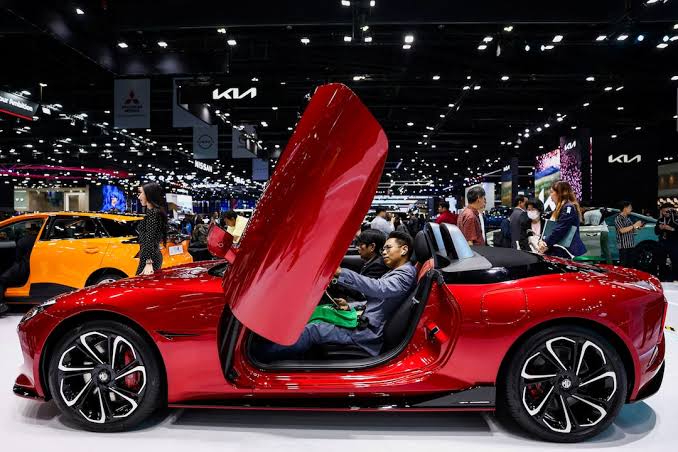
    Around 20 Chinese automotive brands unveiled new models at the Paris car show on Oct 12. They doubled their presence from 2024 to capture European market share.

    Passenger vehicle sales across China fell 20 percent in the first half of 2026. That drop forced domestic manufacturers to accelerate overseas distribution.

    Car manufacturers from China and Europe presented up to 60 new models at the event. Chinese participants included established exporters BYD, Chery, and SAIC’s MG brand, alongside newer entrants such as Aito. State-owned Changan debuted two separate marques, Nevo and Avatr, targeting retail buyers across Western Europe.

    Export pressure mounts as domestic sales drop

    The United States market is largely closed to Chinese automotive imports. That leaves Europe as the central battleground for manufacturers dealing with price competition at home. Chinese car companies have expanded their European market share steadily over the past three years, relying on aggressive retail pricing and rapid model cycles.

    For retailers and dealership groups across Europe, arriving Chinese marques offer wider inventory margins. But they also bring operational volatility. Multi-brand dealership networks in France and Germany face showroom floor adjustments as new brands compete directly against established European volume models.

    Regulatory headwinds and hybrid curbs

    Tightening trade barriers across the European Union now challenge this product rollout. A recent pact between Brussels and Beijing could cut Chinese hybrid vehicle shipments to the bloc by more than half. Detailed implementation mechanisms remain unpublished.

    Those curbs hit hybrid channels directly. Investment bank Jefferies reported in an Oct 11 client note that BYD, Chery, and SAIC’s MG accounted for 90 percent of all Chinese-brand hybrid vehicle sales in the European Union during the first eight months of 2026.

    Local assembly strategies take shape

    Trade friction has pushed Chinese original equipment manufacturers toward European industrial partnerships. The European Union imposed import tariffs on Chinese-assembled fully electric vehicles in October 2024. Meanwhile, policymakers are drafting minimum local-content thresholds under upcoming Made in Europe rules.

    Several groups are responding by moving production directly onto European soil. Geely Auto confirmed in July that it will manufacture electric sport utility vehicles at a Ford Motor plant in Spain. Geely chief executive Alex Nan met partners on Oct 11 in Paris to reinforce joint manufacturing and powertrain ventures with French carmaker Renault.

    Legacy automakers fight back

    European car manufacturers are defending their home territory with competing entry-level models. Stellantis revealed six production vehicles and nine concept cars in Paris. Its push was led by a low-cost electric Citroen 2CV aimed at halting Chinese market share gains.

    Volkswagen chief executive Oliver Blume stated on Oct 11 that European markets require equal operating conditions. He urged foreign manufacturers selling in Europe to generate domestic employment and industrial value.

    Brussels will trigger the next shift when the European Commission releases draft text for its Made in Europe local-content mandate. That measure will define factory sourcing requirements for electric vehicle sales across the bloc.
  • China Orders Automakers to Curb Overseas Price Cuts as Exports Surge

    China Orders Automakers to Curb Overseas Price Cuts as Exports Surge

    China ordered domestic automakers to halt volatile overseas price cuts and deceptive marketing across foreign markets on Tuesday, after passenger car exports reached 5.18 million units through July.

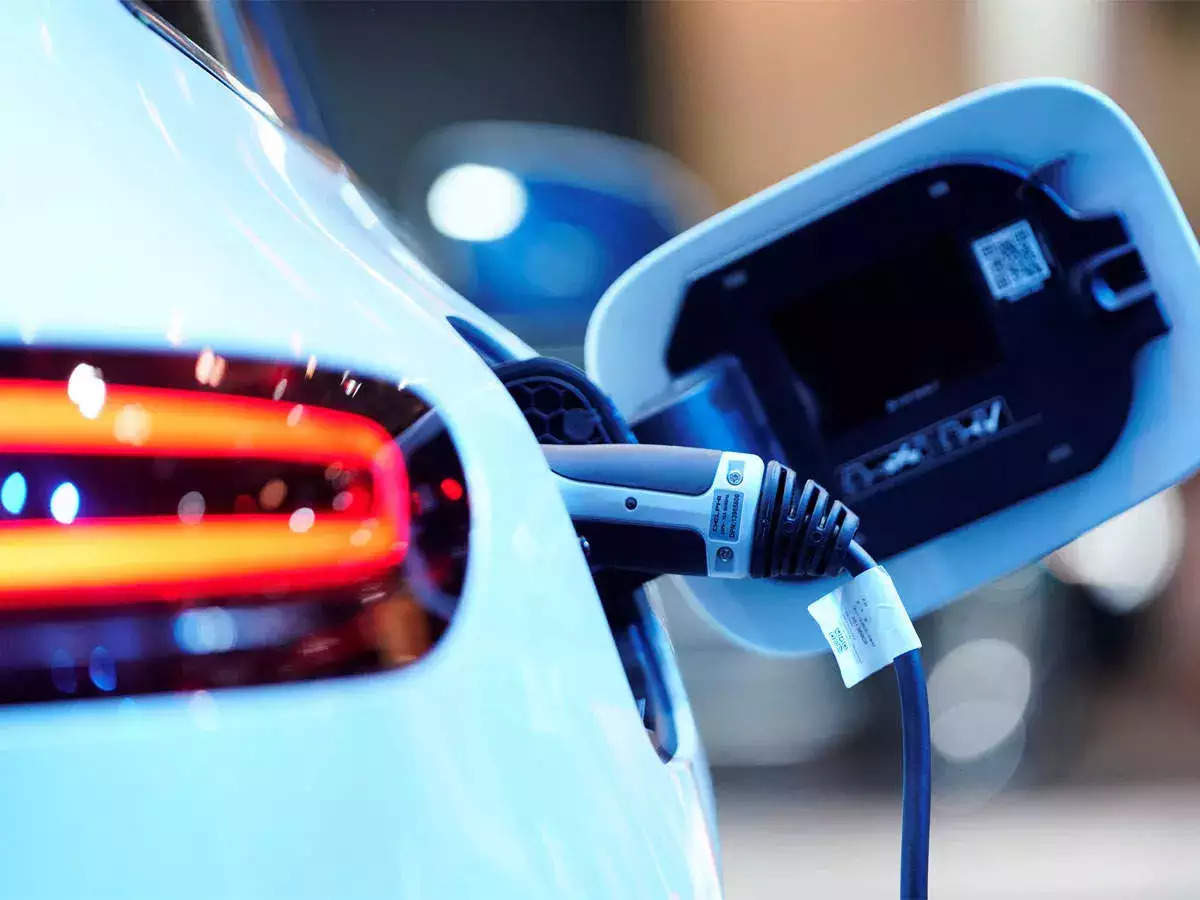
    Shipments of electric and plug-in hybrid vehicles jumped 129 per cent to roughly 2.77 million units over the same seven-month period.

    Jointly released by the Ministry of Commerce, the Ministry of Industry and Information Technology, and the State Administration for Market Regulation, the 20-article rulebook targets predatory pricing practices that damage brand reputations abroad. The agencies directed manufacturers to set export prices based on production costs and local supply, avoid abrupt discounts, and give foreign dealerships full autonomy over retail pricing. Sales incentives, customer gifts, and financing promotions must also comply transparently with host-market laws.

    Rules for Dealerships and Data

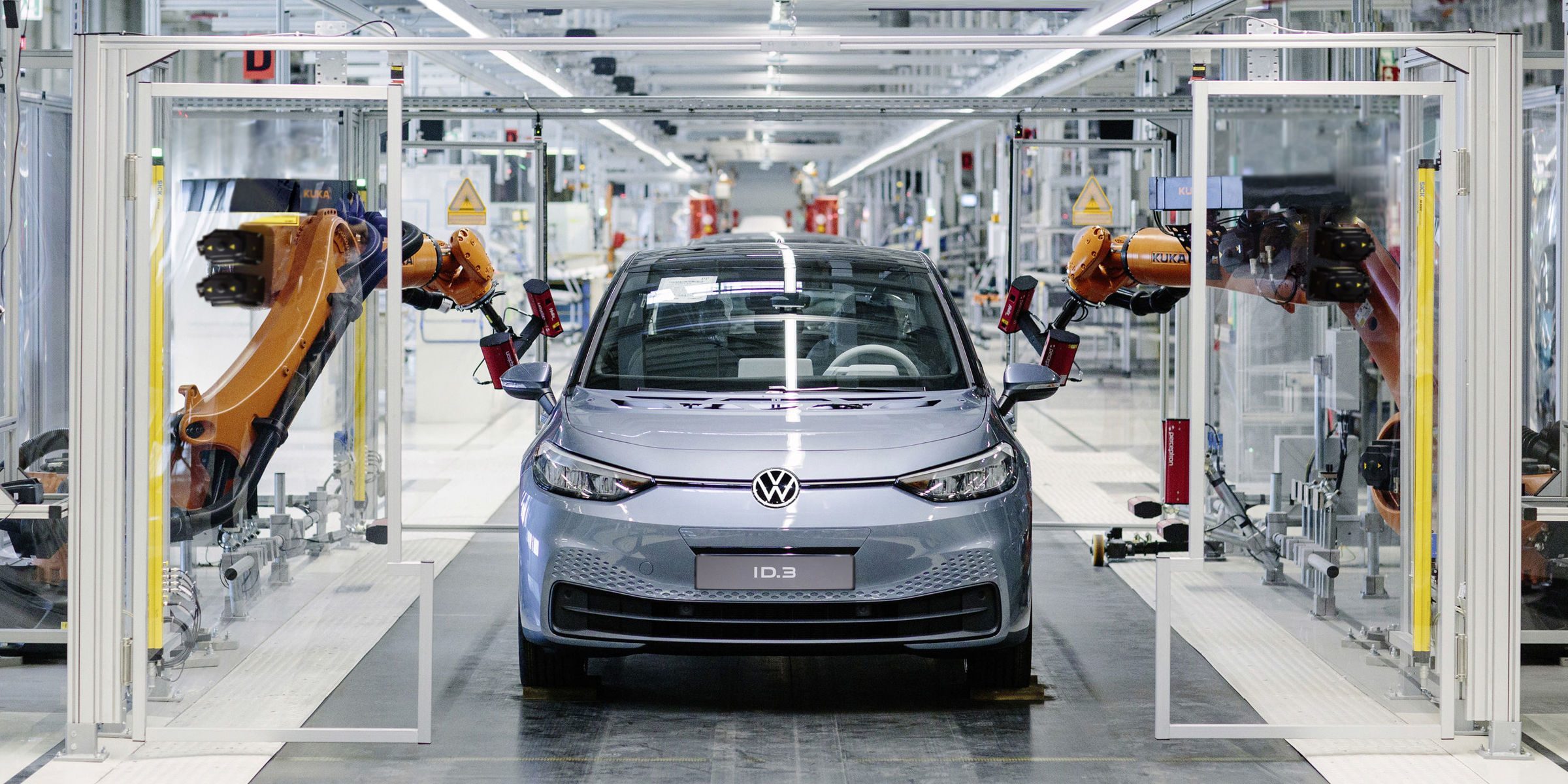
    Beyond showroom floors, the guidelines govern physical factory investments, which currently span more than 80 countries. Auto groups setting up regional assembly plants must adhere to local workplace safety, intellectual property protections, after-sales requirements, and labor standards.

    The policy also places strict limits on software and vehicle intelligence. Companies running connected-car or autonomous-driving systems abroad must handle consumer privacy and cross-border data transfers in accordance with local regulations.

    Exporting Domestic Competition

    Prolonged price wars inside China squeezed dealer margins and triggered aggressive showroom discounting over the past two years. By extending regulatory supervision overseas, Beijing is stepping in to prevent state-backed and private manufacturers from exporting those destructive discounting tactics into Southeast Asia, Europe, and Latin America.

    Passenger new energy vehicle shipments reached 540,000 units in July alone, capturing 58.8 per cent of total passenger exports, as manufacturers attempt to outpace the 8.32 million total vehicles China exported worldwide in 2025.

  • Chinese Automakers Surge Overseas as Domestic EV Sales Slip in July

    Chinese Automakers Surge Overseas as Domestic EV Sales Slip in July

    Chinese electric vehicle exports jumped 147.8 per cent year on year in July, helping carmakers cushion a 5 per cent sales drop in their home market. Total domestic EV deliveries slipped to 980,000 units during the month, while global electrified vehicle sales rose 9 per cent to 1.85 million units.

    Total Chinese auto exports reached 923,000 vehicles in July, up 88.2 per cent. At home, overall car sales slid 21.1 per cent to 1.47 million units, extending a ten-month contraction across mainland dealerships. During the first half of the year, domestic vehicle sales fell by 2.3 million units, a 20 per cent decline.

    BYD and the European Push

    BYD illustrates the shift. The Shenzhen-based manufacturer saw domestic sales fall 35 per cent during the first seven months of the year, yet its overseas deliveries jumped 79 per cent. Brazil and Britain have become BYD’s two largest markets outside China this year.

    Mainland brands now account for nearly a quarter of all EV shipments into Europe. In July, European EV demand expanded 33 per cent to 450,000 units, supported by incentives in Spain, Germany, France and Britain. Several Chinese manufacturers are now moving beyond direct shipments to construct assembly plants across the continent.

    Tariff Headwinds and Emerging Markets

    Demand outside the major western economies expanded faster. In markets across Southeast Asia, Latin America and parts of Asia outside China, EV sales rose 96 per cent through July to 1.7 million units, according to the International Energy Agency.

    North America moved in the opposite direction. EV sales across the region dropped 27 per cent in July to 140,000 units after the United States ended federal tax credits in September 2025. In Mexico, Chinese brands captured 17 per cent of new car sales in the first half, selling 137,525 vehicles, even after Mexico imposed a 50 per cent tariff on Chinese auto imports on January 1.

    Regional manufacturers now face tighter margins as price competition at home forces them to secure port capacity and local factory sites across Europe and Southeast Asia before trade barriers rise further.