Tag: car manufacturing

  • Chery to Launch iCAUR EV Brand in Britain in Early 2027

    Chery to Launch iCAUR EV Brand in Britain in Early 2027

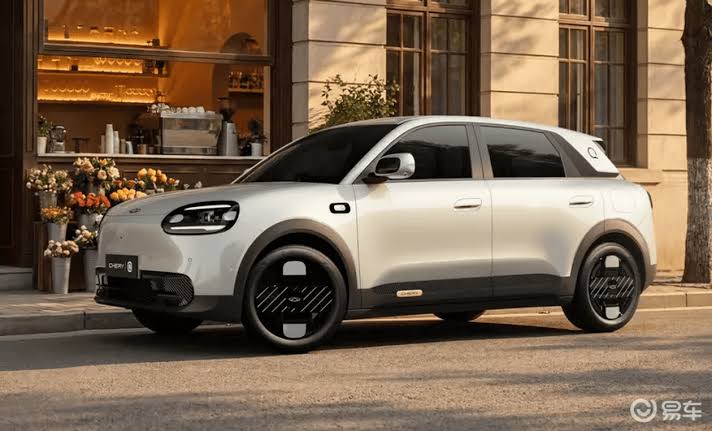
    Chery plans to launch an electric sport utility vehicle under its iCAUR marque in Britain in early 2027. The debut expands its product line in Europe’s second-largest vehicle market.

    Registration data from the Society of Motor Manufacturers and Traders shows Chery’s collective brands captured a 7 per cent market share in Britain through September. That volume makes the Wuhu-based company the top-selling Chinese vehicle group in the country. It ranks second overall behind Volkswagen.

    Expanding Multi-Brand Lineups Across Britain

    The iCAUR launch brings a dedicated five-seater electric SUV to British showrooms three years after Chery entered the UK with its Omoda line. Chery International currently sells vehicles in 40 overseas markets.

    This model will sit alongside four existing marques Chery already distributes in Britain: Chery, Omoda, Jaecoo and Lepas. Managing multiple nameplates allows the manufacturer to target separate consumer brackets without diluting individual badges.

    Rival Chinese Automakers Step Up European Assembly

    Chinese manufacturers are pressing into Europe with pricing and software packages designed to undercut legacy domestic brands. Chery held a 2.3 per cent share of total vehicle registrations between January and August across the European Union and the European Free Trade Association.

    Competition among Asian exporters is accelerating. BYD took 2.5 per cent of European registrations over the same eight-month period. It plans to open a factory in Hungary in late 2026 and assemble all European-market vehicles locally by 2028. Changan is negotiating local manufacturing partnerships to begin regional assembly in early 2027.

    Tariff Hurdles and Manufacturing Strategy

    Brussels has imposed countervailing tariffs on Chinese-built battery electric vehicles. This policy has driven carmakers to establish local production hubs inside European borders. Chery bypassed greenfield construction by taking a 40 per cent stake in a joint venture with Spanish manufacturer EBRO.

    The venture will build vehicles at a repurposed former Nissan plant in Barcelona. Plant output targets reach up to 30,000 units. The facility gives Chery a production base within the tariff zone to supply southern and western European dealerships.

    The Timeline to 2027

    Chery laid the groundwork for its current British sales volume by introducing Omoda, followed by Jaecoo and Lepas models. British buyers accepted the alternative badges faster than continental consumers. That response established the UK as Chery’s strongest European profit center.

    Production at the Barcelona joint-venture facility will begin between late 2026 and the first quarter of 2027. That timing lines up with the arrival of the iCAUR five-seater SUV in British showrooms.

  • Xpeng to Unveil 5.12-Metre G9L Electric SUV at Paris Motor Show

    Xpeng to Unveil 5.12-Metre G9L Electric SUV at Paris Motor Show

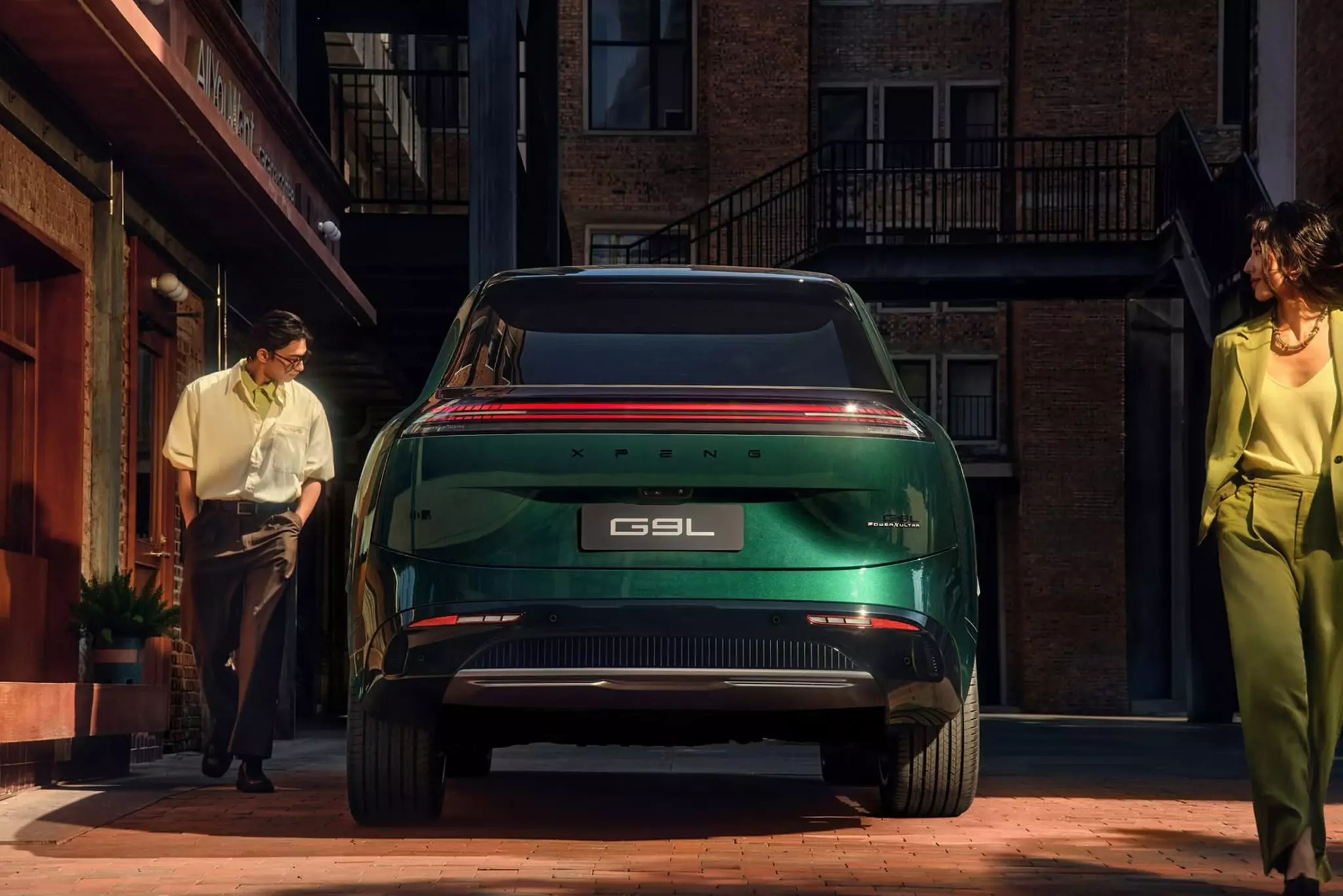
    Xpeng will unveil its new G9L electric SUV at the Paris Motor Show this year ahead of a European rollout. The flagship model is already on sale in China and features peak DC charging power of 540 kW.

    The 5.12-metre vehicle is 23 centimetres longer and 10 centimetres taller than the standard G9. It carries a 110 kWh battery that charges from 10 to 80 per cent in under 12 minutes.

    Dimensions and executive cabin layout

    Engineers stretched the wheelbase by 12 centimetres and added 10 centimetres of height compared to the standard G9. That yields a total vehicle height of 1.78 metres and a width of roughly two metres. Passengers enter via electrically deployed sliding side steps and automated remote doors. Outside, a revised closed front fascia and updated lighting clusters alter styling while keeping aerodynamic drag low.

    Inside, the cabin prioritises rear passenger amenities over raw cargo space. Second-row seating features two individual captain chairs with ventilation, heating, and massage functions. A thermoelectric storage unit sits between the rear seats, capable of freezing, cooling, or heating food and drinks. Overhead, a retractable ceiling display handles entertainment alongside powered side window blinds.

    Storage and configuration choices

    Luggage capacity stands at 367 litres with all three rows occupied, including a lower underfloor well. Folding down the third row expands cargo volume to 1,330 litres in the six-seater and 935 litres in the seven-seat configuration. A front trunk adds 65 litres. At the back, an electrically deployed tow bar provides up to two tonnes of towing capacity.

    European dealerships will stock both six-seat and seven-seat configurations. A five-seat version is designated strictly for the UK market. The six-seater comes exclusively with an all-wheel-drive powertrain, while seven-seat buyers can choose between single-motor and dual-motor specifications.

    Charging capability and drivetrain output

    The entry rear-wheel-drive variant generates 270 kilowatts and hits 100 kilometres per hour in seven seconds flat. It achieves a certified WLTP driving range of 591 kilometres. The twin-motor all-wheel-drive performance trim increases output to 430 kilowatts. That cuts the sprint to 100 kilometres per hour to roughly four seconds, while delivering 553 kilometres of WLTP range.

    A 22-kilowatt onboard AC charger comes standard across all versions for overnight wallbox replenishment. On fast-charging DC networks supporting 800-volt architectures, the vehicle draws up to 540 kilowatts at peak input.

    Market positioning against German rivals

    Chinese electric vehicle makers are targeting the upper tier of the European market. Higher transaction prices there help absorb logistics costs and regional trade duties. The G9L aims at executive fleet operators and wealthy private buyers who typically buy the BMW iX, Audi Q8 e-tron, or Mercedes-Benz EQS SUV.

    Official European pricing is not yet confirmed. However, the standard G9 starts at €59,600, while the dual-motor Performance model sells for €72,600. Offering rear-seat cinema screens, 12-minute charging, and three-row seating below legacy German price bands tests whether European corporate buyers will switch badges.

    Xpeng launched the original G9 platform nearly four years ago before rolling out a mid-cycle refresh last year. Full regional pricing schedules and delivery windows will follow the Paris debut.

  • Chinese Electric Vehicle Makers Prepare Canada Launch with Lower Cost Models

    Chinese Electric Vehicle Makers Prepare Canada Launch with Lower Cost Models

    Chinese electric vehicle manufacturers are preparing shipments to Canada, offering advanced vehicle technology at price points below established North American competitors.

    Domestic assembly plants across China have scaled output to supply overseas export corridors as international distribution plans advance.

    Export expansion into North America

    Production lines inside Chinese EV facilities are shifting capacity toward global specifications. Manufacturers have focused on software integration, high-voltage battery architecture, and cabin electronics to compete directly with legacy marques.

    Canada represents a key entry corridor in North America. Integrated local supply chains and battery manufacturing scale allow Chinese carmakers to price vehicles competitively even after international freight costs.

    Pricing pressure and regulatory hurdles

    Competitive pricing remains the primary lever for Chinese automakers entering developed automotive markets. By controlling component supply, cell manufacturing, and digital operating systems in-house, these plants maintain substantial production cost margins.

    Establishing certified retail networks and securing federal safety approvals in Ottawa remain the operational steps ahead of the first scheduled consumer deliveries.

  • Hyundai Commits to Extended-Range Electric Vehicles

    Hyundai Commits to Extended-Range Electric Vehicles

    Hyundai Motor Group is developing extended-range electric vehicles to broaden its electrified lineup across major automotive markets. The powertrain format pairs electric motors with a small petrol engine acting solely as an onboard generator to charge the battery pack while driving.

    The technology eliminates direct mechanical drive from the combustion engine to the wheels, delivering pure electric driving dynamics without public charging dependency on long journeys.

    How the Powertrain Operates

    Extended-range electric vehicles rely on an electric motor to turn the axles at all times. When battery capacity runs low, an internal combustion engine kicks in to supply electricity directly to the battery and motor. Drivers refuel at conventional petrol stations while retaining the smooth acceleration and regenerative braking of a dedicated battery electric vehicle.

    Automakers increasingly view the technology as a practical interim solution for buyers concerned about charging station availability, high battery replacement costs, and cold-weather range degradation.

    Market Competition and Powertrain Shifts

    Chinese manufacturers such as Li Auto and Seres built substantial domestic market share using extended-range architectures over the past three years. Hyundai’s push into the format brings direct competition from an established legacy carmaker to a powertrain segment previously dominated by Chinese electric vehicle specialists.

    The strategy lets the Seoul-based manufacturer scale electrified production while managing capital allocation across pure battery development, conventional hybrids, and software-defined vehicle architectures.

    Hyundai plans to roll out its initial extended-range models across target regional markets as production schedules and regional regulatory frameworks align.

  • Nissan Streamlines Vehicle Engineering to Match Fast Chinese Product Cycles

    Nissan Streamlines Vehicle Engineering to Match Fast Chinese Product Cycles

    Nissan Motor is overhauling its engineering process in Yokohama to match Chinese rivals that now bring new vehicles to market in around two years.

    The Japanese carmaker plans to standardize powertrains, basic frameworks and software technologies across multiple vehicle models to lift operating profitability.

    Shared architecture and software

    Under the revised development approach, engineers will apply common modular components across different model segments rather than engineering separate platforms from scratch. Shared software architecture and unified powertrain systems are designed to strip out duplicate spending across regional model lines.

    Speed has become the decisive operating metric across Asia’s car industry. Chinese automakers have compressed product development schedules to roughly 24 months, forcing legacy manufacturers in Japan to abandon four-to-five-year vehicle gestation cycles or risk losing showroom share to quicker model refreshes.

    Pressure from two-year cycles

    The strategy shifts Nissan toward a shared development structure similar to emerging electric vehicle manufacturing playbooks. Faster design iteration lets automakers respond directly to price shifts, updating cabin software and battery configurations as supplier costs fall.

    For retailers and dealership networks across the Asia-Pacific region, shorter vehicle development timetables mean quicker inventory turnover and more frequent product updates. Managing standardized software stacks also lowers warranty servicing complexity across multi-market distribution networks.

    Nissan held to its full-year earnings forecast after reporting a first-quarter net profit, leaving investors watching how quickly the unified development platform translates into production-ready showroom models.