Tag: car parts

  • Auto parts market set to boom as vehicle population ages

    Auto parts market set to boom as vehicle population ages

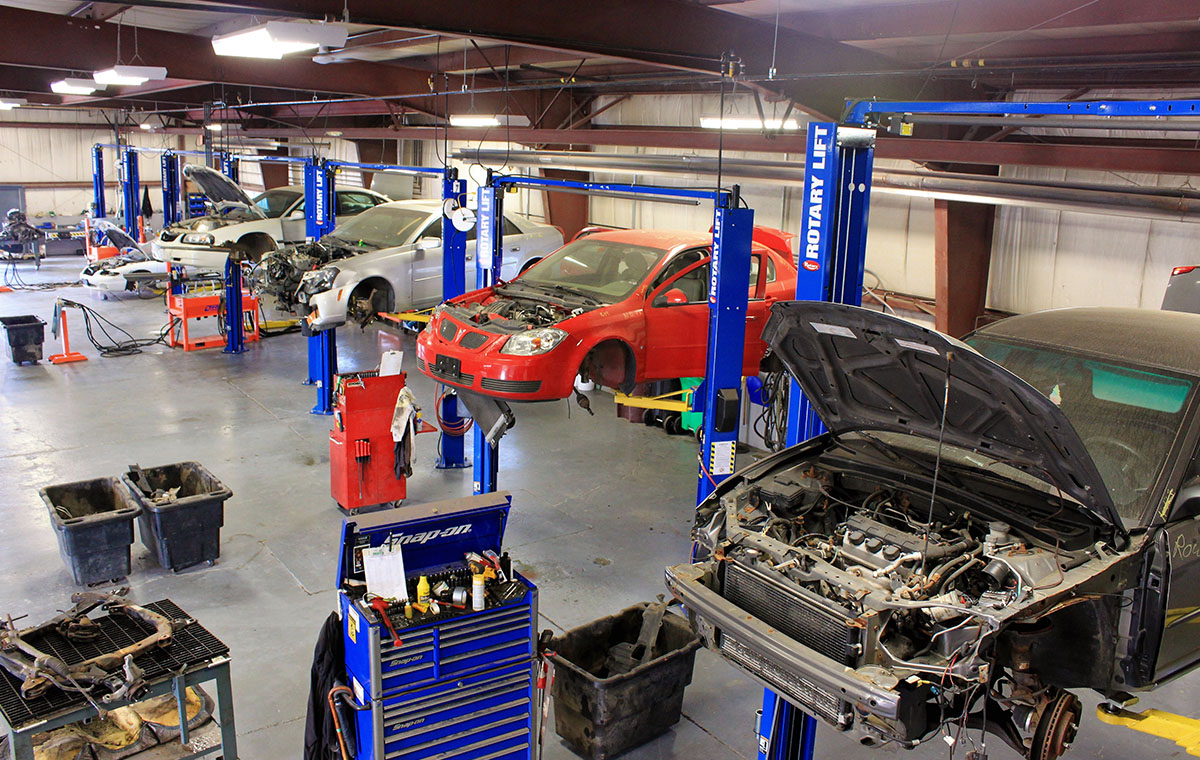
    The average age of automobiles in Vietnam is 5.7 years, or near a major maintenance milestone and requiring many replacement parts, according to experts.

    Passenger cars usually have a warranty period of three to five years, and need a major overhaul after six to seven years of running.

    With cars aged nearly 6 years, the demand for components and parts for maintenance, repair and replacement purposes will increase sharply in the near future.

    At an auto parts show in Ho Chi Minh City in late June, Teoh Chee How, head of the Asia Pacific aftermarket division at ZF Aftermarket, a German seller of components and systems for cars, said: “In the next five years the number of new cars on the road will increase by 10%.”

    “The average age of vehicles is near the time of overhaul,” How said. “That is why we consider Vietnam to be a very promising auto parts market and well worth investment.”

    According to research by ZF Aftermarket, the total number of passenger cars in circulation in Vietnam is 2.5 million, and their average age is 5.7 years, compared with 12.5 years in the U.S. and 12 years in Europe.

    Markus Wittig, head of business line passenger cars at ZF Aftermarket, said the biggest challenge facing the Vietnamese auto parts market is the lack of in-depth, methodical support and diagnostic tools for workers at independent repair centers.

    The country’s annual automobile production capacity is 755,000, with foreign-owned plants manufacturing for 35% of them, according to the Ministry of Industry and Trade.

    Imports of components for production and repair are worth around US$5 billion a year.
  • Ford exploring 3D printing of one-piece auto parts

    Ford exploring 3D printing of one-piece auto parts

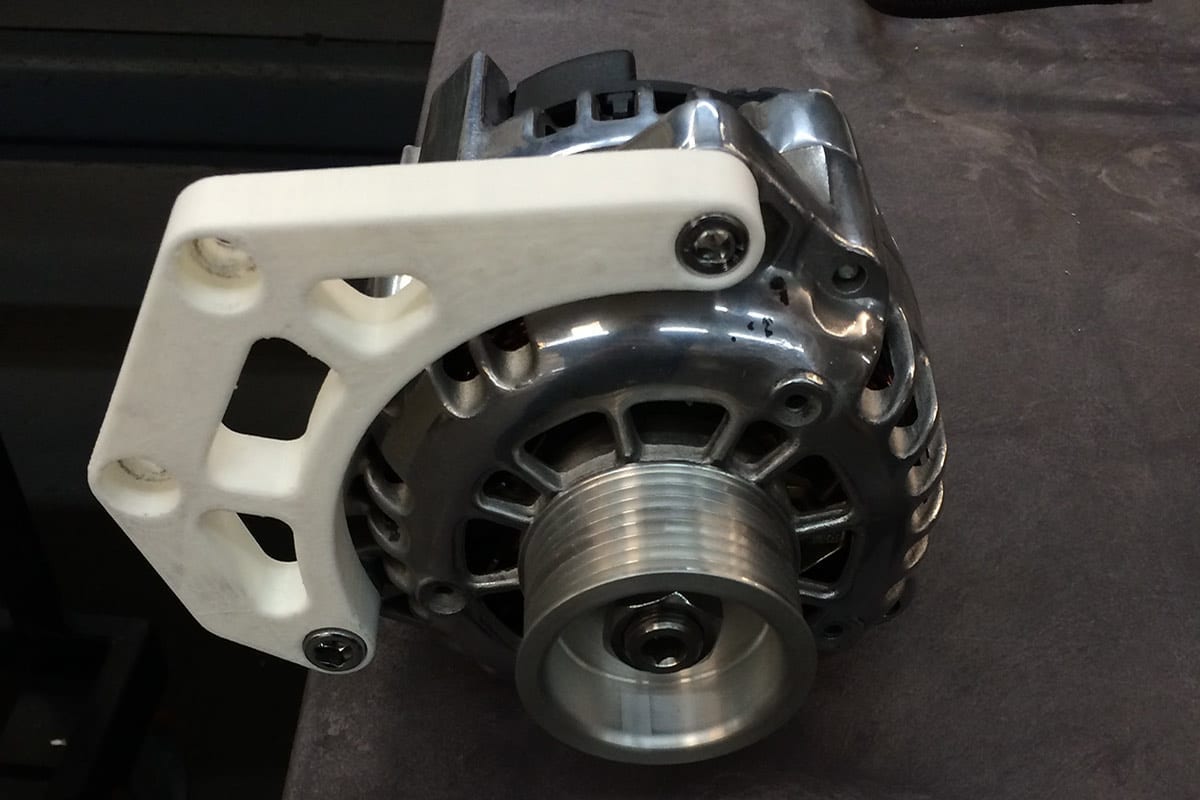
    US based car manufacturer Ford Motor Company is exploring how large-scale one-piece auto parts, like spoilers, could be printed for prototyping and future production vehicles, as the first automaker to pilot the Stratasys Infinite Build 3D printer.

    Capable of printing automotive parts of practically any shape or length, the Stratasys Infinite Build system could be a breakthrough for vehicle manufacturing claims the company. It will provide more efficient and affordable way to create tooling, prototype parts and components for low-volume vehicles such as Ford Performance products, as well as personalized car parts.

    The new 3D printer system is housed at Ford Research and Innovation Center in Dearborn.

    “With Infinite Build technology, we can print large tools, fixtures and components, making us more nimble in design iterations,” said Ellen Lee, Ford technical leader, additive manufacturing research. “We’re excited to have early access to Stratasys’ new technology to help steer development of large-scale printing for automotive applications and requirements.”

    Wider adoption of 3D printing has been driven by recent technology advances, new areas of application and government support, according to Global Industry Analysts.

    By 2020, the global market for this emerging technology is expected to reach $9.6 billion, the organization reports. As 3D printing becomes increasingly efficient and affordable, companies are employing it for manufacturing applications in everything from aerospace to education to medicine.

    3D printing could bring immense benefits for automotive production, including the ability to produce lighter-weight parts that could lead to greater fuel efficiency. A 3D-printed spoiler, for instance, may weigh less than half its cast metal counterpart.

    The technology is more cost efficient for production of low-volume parts for prototypes and specialized race car components. Additionally, Ford could use 3D printing to make larger tooling and fixtures, along with personalized components.

    How it works
    With 3D printing, specifications for a part are transferred from the computer-aided design program to the printer’s computer, which analyzes the design. The device then goes to work, printing one layer of material at a time, then gradually stacking layers into a finished 3D object.

    When the system detects the raw material or supply material canister is empty, a robotic arm automatically replaces it with a full canister. This allows the printer to operate unattended for hours – days, even.

    Using traditional methods to develop, say, a new intake manifold, an engineer would create a computer model of the part, then have to wait months for prototype tooling to be produced. With 3D printing technology, Ford can print the intake manifold in a couple of days, at a significant cost reduction.

    3D printing is not yet fast enough for high-volume manufacturing, but it is more cost efficient for low-volume production. Additionally, minus the constraints of mass-production processes, 3D-printed parts can be designed to function more efficiently.