
Tag: Car sharing

  • Park24 to Pay ¥3,000 to 1.46 Million Car-Share Breach Victims

    Park24 to Pay ¥3,000 to 1.46 Million Car-Share Breach Victims

    Tokyo-listed parking and mobility operator Park24 will pay ¥3,000 in cash or gift cards to 1.46 million car-sharing customers whose personal identification records were compromised in a cyberattack.

    The payouts will cost approximately ¥4.4 billion, forcing the operator to book an extraordinary loss of ¥5.5 billion for its fiscal year ending October 2026.

    Total unauthorized access hit 6.62 million user accounts on the group’s flagship Times Car network. Park24 confirmed that external actors extracted stored identification images, including driver’s licenses, from 1.46 million of those profiles. The company maintains that the files were encrypted and were not immediately readable at the point of extraction, pledging to review individual cases if verified financial damage emerges.

    The Cost of Driver Verification Failures

    Park24 restricted the ¥3,000 consolation sum strictly to the subset of members whose scanned identification documents were transferred outside its servers. The remaining 5.16 million affected account holders will receive no direct payout under the present scheme.

    For Japanese app-based mobility providers, digital know-your-customer data forms the core operational bottleneck. Fleet operators require high-resolution driver’s license scans to validate bookings and satisfy Japanese transport regulations. When those image repositories leak, consumers face identity theft risks that basic password resets cannot address.

    Settling customer goodwill for roughly $19 per compromised identity card represents a defensive maneuver. The flat payment aims to head off churn across urban hubs where Times Car competes against railway operators and leasing conglomerates for shared-fleet market share.

    Mounting Class Action Resistance

    Consumer acquiescence is far from guaranteed. Tokyo-based Makino Law Office confirmed plans to organize affected Times Car drivers and file a joint damages lawsuit against the mobility operator.

    Attorney Yuki Makino characterized the compensation plan as inadequate for the long-term administrative burden imposed on drivers. More than 90,000 vehicle-sharing members have already enrolled online to join the collective legal action.

    The legal push challenges the standard Japanese corporate playbook of issuing small fixed-value gift vouchers after systemic cybersecurity failures. If the lawsuit secures broader certification or forces higher restitution tiers, legal liabilities will spill over into the group’s 2027 accounts.

    Prior Intrusions Across Consumer Networks

    The incident traces back to September 2026, when security teams at Park24 initially spotted unauthorized access within Times Car network infrastructure.

    Corporate Japan has faced an intense run of consumer-facing breaches throughout 2026. Official tallies recorded over 19,000 personal data breaches nationwide during fiscal 2025, prompting trade bodies and digital agencies to tighten oversight rules.

    Park24 now enters its next financial reporting cycle with an open legal docket, as Makino Law Office prepares its court filings against the car-sharing operator.
  • GetGo Launches Cross-Border Car Sharing from Singapore into Malaysia

    GetGo Launches Cross-Border Car Sharing from Singapore into Malaysia

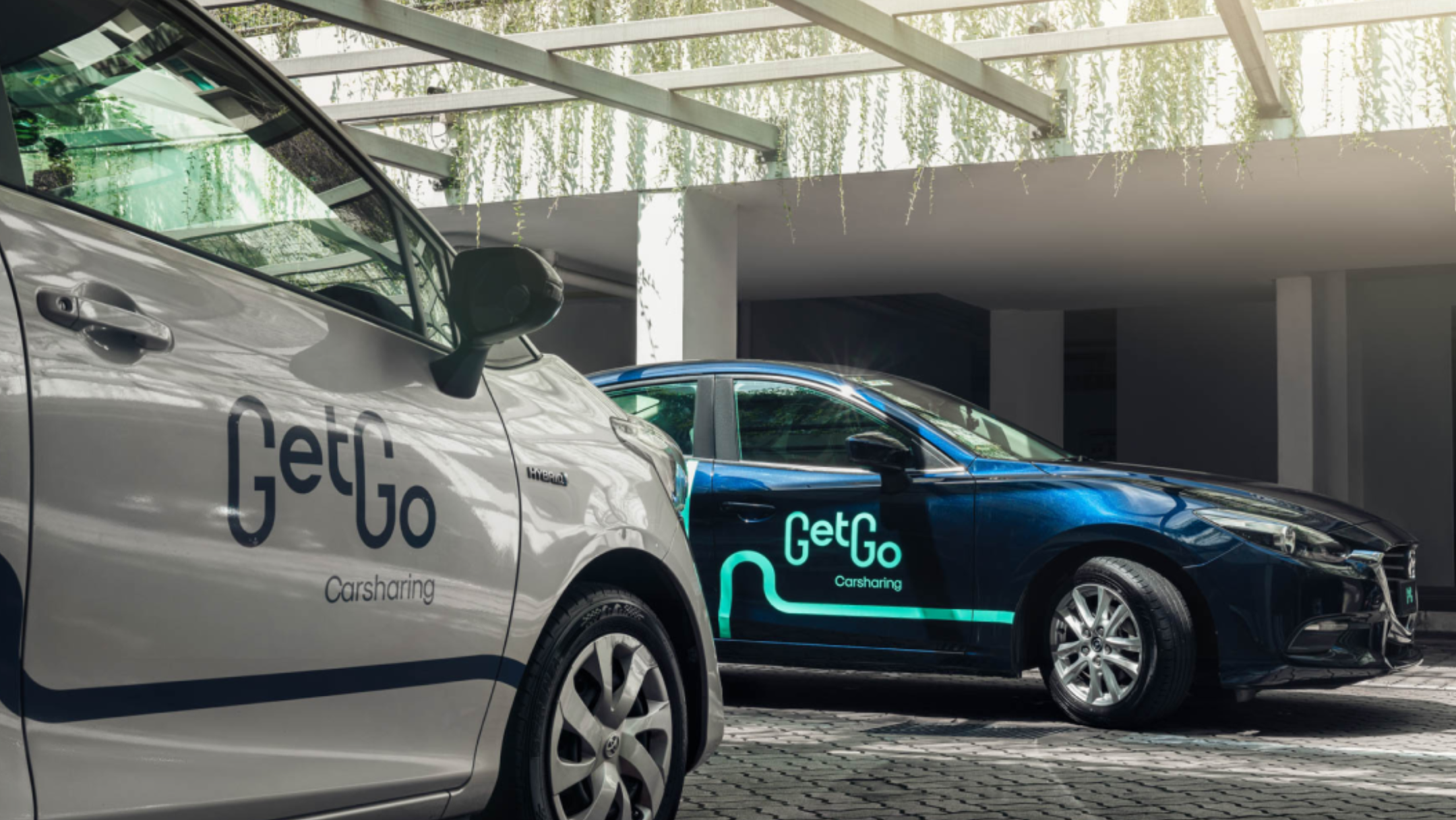
    Singapore car-sharing operator GetGo rolled out a cross-border rental feature letting users drive vehicles directly across the Causeway into Peninsular Malaysia. The service gives drivers access to cars pre-registered with Malaysia’s mandatory Vehicle Entry Permit.

    Users can collect a car from local Singapore neighbourhoods and drive across the border to destinations including Johor Bahru and Kuala Lumpur. Unlike point-to-point cross-border taxis and ride-hailing services, the rental imposes no fixed route requirements or designated drop-off points during the booking window.

    How the Causeway booking works

    The feature, branded Drive to Malaysia, handles the regulatory paperwork required by Malaysian transport authorities before drivers leave the city-state. Each eligible vehicle comes fitted with a registered Vehicle Entry Permit RFID tag, avoiding the administrative delays that private vehicle owners face when securing cross-border clearance.

    Drivers retain full control of the itinerary throughout Peninsular Malaysia for the entire duration of their scheduled reservation. They pick up the car at an assigned Singapore bay and return it to the same spot once their trip concludes.

    Shifting border transit demand

    The service targets weekend shoppers, business commuters, and holiday travellers who previously depended on cross-border coach networks, licensed cross-border cabs, or private vehicle ownership. Cross-border transit across the Johor-Singapore Causeway ranks among the busiest land crossings worldwide, yet car-sharing models in the region historically restricted fleets to domestic borders.

    By clearing regulatory permit hurdles in advance, fleet operators open a new revenue line during peak travel weekends. The next operational test for cross-border car sharing centres on fleet availability and user adherence to Malaysia’s digital toll and fuel regulations during peak holiday travel periods.

  • RideCell Delivers Global Carsharing And Ridesharing Platform For Automakers

    RideCell Delivers Global Carsharing And Ridesharing Platform For Automakers

    RideCell, the developer of a Mobility-as-a-Service (MaaS) platform for leading automakers and transit providers globally, unveiled today at AutoMobility LA the worldwide release of its multiservice platform that allows car manufacturers to provide on-demand mobility when it’s needed and where it’s needed.

    By integrating ridesharing and carsharing into a single platform, RideCell makes it easy for car manufacturers to create and launch a premium mobility service in a matter of months.

    RideCell offers the ability for OEMs to brand and launch a standalone ridesharing service, a standalone carsharing service, or a service that offers both all from within a single integrated app experience. The white-label RideCell platform is a complete end-to-end solution and premium platform that automates every part of managing a ridesharing or carsharing operation, including: onboarding new riders, checking IDs, dynamic pricing, driver-rider matching, ride scheduling, payment processing, demand-supply balancing, personalized settings, and even referral programs and promotions. Using the RideCell platform, auto companies will be able to enter the carsharing market with a premium “free floating” carsharing service that allows customers to pick up and park cars anywhere within a service district.

    “Transportation is on the brink of a massive paradigm shift,” said Aarjav Trivedi, founder and CEO of RideCell. “We’re moving from a car ownership model to one where people order transportation for a specific purpose. Our expertise in powering mobility as a service since 2009 helps automakers become instant experts in carsharing and ridesharing. Our multiservice RideCell platform enables automakers to launch a service that provides choice, personalization, and convenience to every rider or driver.”

    The RideCell platform is being used by the BMW Group to power the ReachNow carsharing service. First introduced in April 2016, RideCell powers the service which has more than 370 BMW and MINI vehicles.

    RideCell is showcasing the multiservice platform for the first time publicly at AutoMobility LA in the Technology Pavilion in front of the West Hall at the LA Convention Center November 14-17. For more information about RideCell and its mobility services, please go to www.ridecell.com.