Tag: cara

  • Bentley recalls two Continental models due to fire risk

    Bentley recalls two Continental models due to fire risk

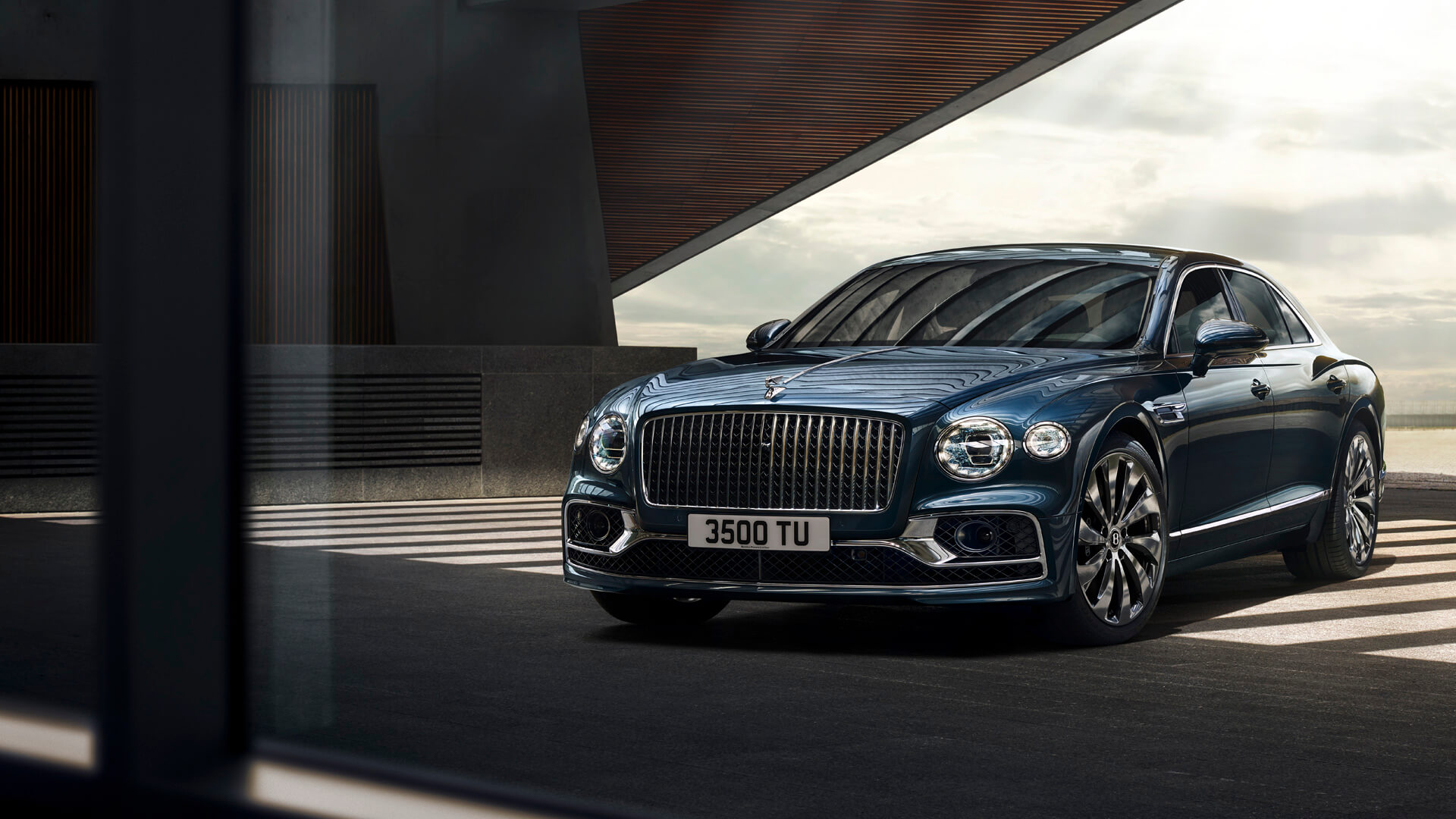
    Luxury carmaker Bentley is recalling its Continental GT First Edition W12 and W12 cars in Vietnam to fix a faulty water pump that poses a threat of fire.

    Due to a design defect, the water pump could create a vacuum within the electrical area of the pump and cause liquid from the coolant system to permeate the housing of the water pump and damage the electrical circuitry which could cause a fire, it said.

    The recalled vehicles were manufactured in 2018 and imported from the U.K.

    Dealers of distributor CT Wearnes Vietnam are handling the recall, and it will take some 50 minutes to replace the faulty water pump.

    A spokesperson for the British carmaker in Vietnam said if the engine management light lights up or smoke is detected, people should immediately stop the vehicle wherever it is safe to do so, turn off the ignition, evacuate the vehicle, and contact the nearest retailer immediately.

    Bentley has an authorized dealer each in Hanoi and Ho Chi Minh City.

    The Continental GT is a two-door sedan with a price-tag of at least VND18 billion (US$762,700) in Vietnam.

  • Fiat Chrysler shares fall as it plans to curb production

    Fiat Chrysler shares fall as it plans to curb production

    Shares in Fiat Chrysler fell more than 5 percent on Thursday amid worries that problems in China were undercutting sales of flagship models such as the Maserati and Alfa Romeo sport utility vehicles.

    The shares fell after a trade publication, “Automotive News”, reported on Wednesday that FCA would temporarily cut production of the Maserati Levante SUV and the Alfa Romeo Stelvio SUV and Giulia sedan at plants in Italy, because new import rules in China were hurting sales.

    Fiat shares closed down 6 percent in Milan at 13.99 euros. The stock was also hit by weakness in the auto industry overall, after Nissan announced that it was suspending all car production in Japan.

    “The whole auto sector is under pressure today, but the market also seems to be digesting the impact the production shutdowns could have on FCA,” a trader said.

    Manufacturing of the Levante, which is essential to reviving sales at Maserati, was suspended for two weeks during October and November, unions said. The Mirafiori plant produces around 130 Levantes per day, they said.

    “This is the first time we have a shutdown at the Levante line since it came into production, so this is quite worrying,” said Federico Bellono, general secretary for the FIOM union in Fiat’s home town of Turin.

    FCA also reduced production of the Stelvio and the Giulia models, which were designed to revamp the Alfa Romeo brand, by making fewer vehicles per shift this month and halting lines on four Fridays. FCA declined to comment on the cuts.

    Deliveries of the Levante to Chinese dealerships dropped to 310 in July and just under 400 in August, compared with 1,064 in June, data from market researcher JATO Dynamics show.

    Stelvio deliveries were around 1,006 in June and 2,666 in July but fell to 227 in August. Sister model Giulia saw a similar crash in deliveries over the summer.

    The sales drop will make it difficult for FCA to reach its global goal of selling 60,000 Maseratis and 170,000 Alfas this year, said Felipe Munoz, an automotive analyst at JATO.

    Adding to the pressure were a slow sales start for Alfa Romeo in the United States, from which it had been absent for years, and growing competition for both brands in the popular premium segment.

    “The Stelvio SUV has done good so far, but it arrives ten years after the segment took off,” Munoz said.

    Levante, which helped Maserati increase sales by 90 percent in the first six months, “is perhaps the most beautiful of its segment, but it soon lagged behind its rivals in terms of technology when they were updated … The new Porsche Cayenne could be its biggest headache”, Munoz said.

    The analyst forecasts global sales this year of 130,000 to 140,000 for Alfa and 40,000 for Maserati.

  • One person, one car in Hanoi as it considers a new traffic plan

    One person, one car in Hanoi as it considers a new traffic plan

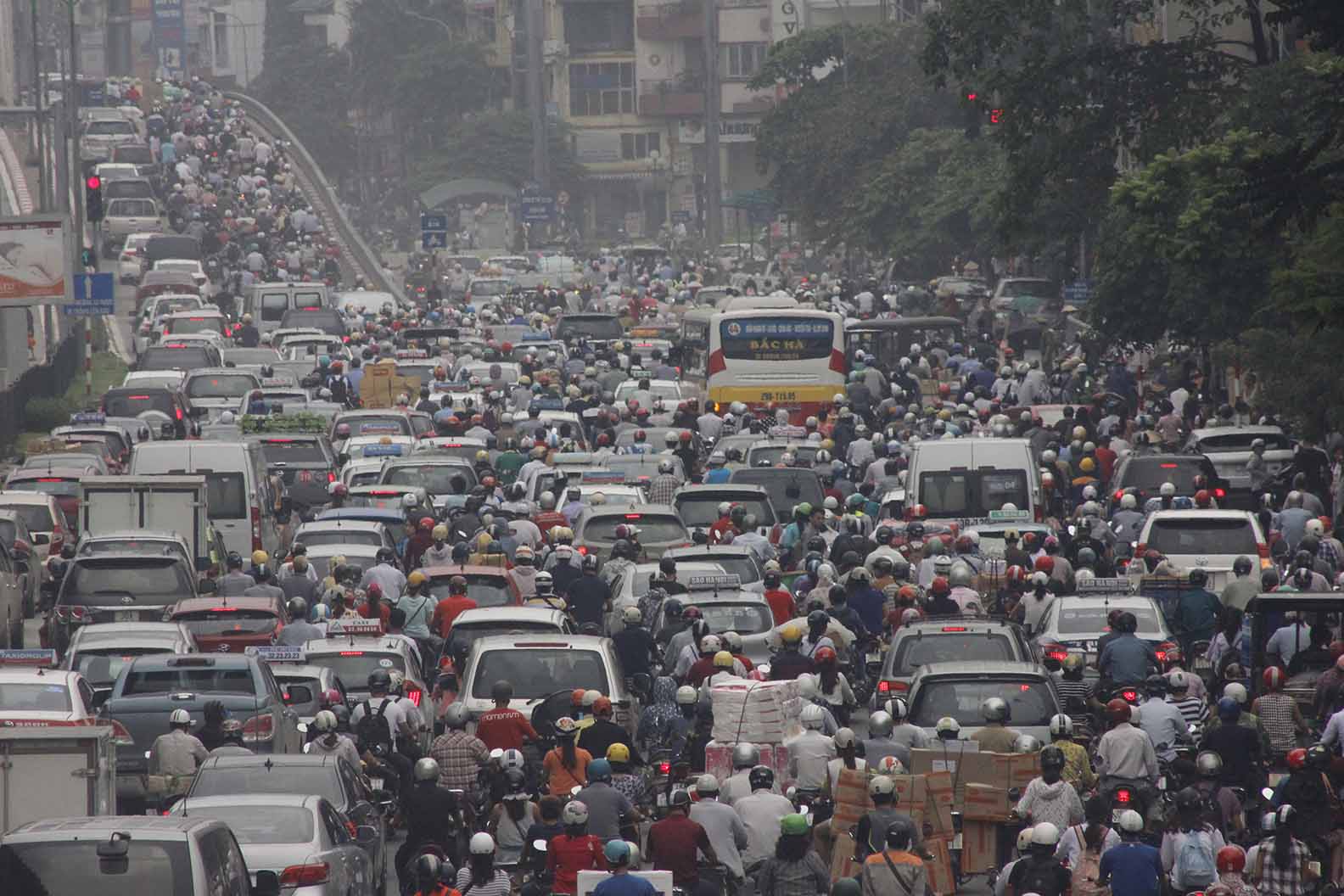
    Hanoi is considering limiting individuals to one car and one license plate to ease pressure on its roads due to the continuing rise of newly-registered vehicles.

    Colonel Dao Vinh Thang, the chief of the Hanoi traffic police force, made the proposal at a meeting on Friday, urging municipal leaders to consider the new regulation.“If people want to get a new vehicle, they must use the old license plate,” he added.

    16,000 new motorbikes and 500 new cars are registered in the city every month, official figures show. Five years ago, Hanoi’s traffic infrastructure could support 5 million vehicles, but now it has to cope with two or three times that amount, which authorities are really struggling to control, Thang said.

    Major General Tran The Quan from the Ministry of Public Security shared the same view, saying this type of restriction on vehicle ownership has been applied in other countries, and that transferring license plates from old cars to new vehicles could help lower registration costs.

    However, Quan said that since Vietnam’s current law doesn’t impose any limit on the number of vehicles citizens are allowed to own, the regulation would require a lot of amendments to existing decrees and government circulars.

    But the proposal has raised some eyebrows.

    Attorney Pham Thanh Binh, director of Bao Ngoc Law Company, warned that restricting vehicle ownership would risk violating the Constitution.

    “Vietnam’s Constitution says that all citizens have the right to buy or sell any assets that are not prohibited by the state,” said Binh.

    The attorney, however, supports the idea that each person should only be allowed one license plate which they can use for life.

    Statistics show that Hanoi has more than 5.5 million personal vehicles (nearly 500,000 cars and more than five million motorcycles). The numbers are expected to increase to more than 7.3 million motorbikes and 1.3 million cars by 2025.

    Hanoi recently launched a competition seeking solutions from the public to solve its serious congestion problems, with a first prize of $200,000.

    The capital has been trying to ease traffic by constructing more highways and overpasses and launching the city’s first bus rapid transit route, in addition to more normal buses. To ease congestion, the city previously suggested banning motorbikes from inner-city streets over the next four years. However, experts said the proposal was unfeasible due to undeveloped and insufficient public transport.

    Last September, the city’s top leader Hoang Trung Hai also put forward another plan to make vehicles park only on one side of the road, depending on whether it’s an odd or even day. To date, no additional details of the plan have been unveiled.

  • Volkswagen’s Audi plans electric car push to put heat on Tesla

    Volkswagen’s Audi plans electric car push to put heat on Tesla

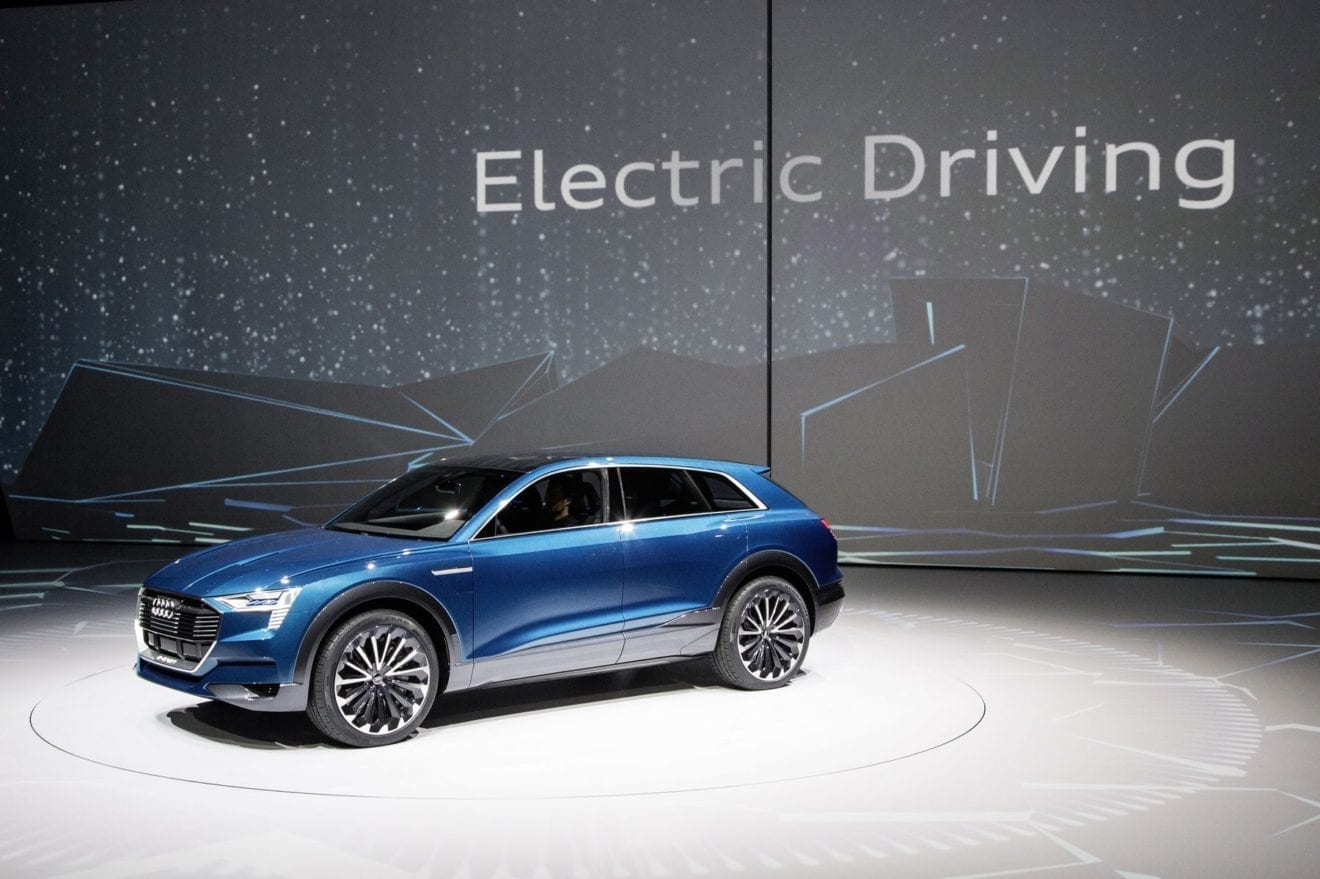
    Audi will aim for electric cars to account for a quarter of its sales by 2025 as part of a strategic overhaul following the emissions scandal at parent Volkswagen, company sources said, in a move that could step up the challenge to U.S. group Tesla.

    Audi, which has been slow to embrace battery-powered vehicles, will now invest about a third of its research and development (R&D) budget into electric cars, digital services, and autonomous driving, two company sources told Reuters.

    Based on the 1.8 million cars sold by the German automaker last year, that would mean it selling at least 450,000 electric cars a year. Factoring in an expected rise in sales, that could turn Audi into a major competitor to Tesla (TSLA.O), which believes it can sell 500,000 electric cars by 2020 or sooner.

    With the exception of BMW (BMWG.DE), Germany’s luxury automakers have been late to develop electric vehicles, a market which is still loss-making. But Audi’s parent Volkswagen (VOWG_p.DE) is under pressure to clean up its image in the wake of its emissions-test cheating scandal.

    Audi CEO Rupert Stadler plans to outline details of the new business roadmap to more than 2,000 managers on Wednesday at a closed-door conference in Munich, the sources said.

    An Audi spokesman declined to comment. German business daily Handelsblatt reported late on Monday about Audi’s plans.

    Figures compiled for Reuters by LMC Automotive show German trio BMW, Mercedes-Benz (DAIGn.DE) and Audi – the world’s largest producers of luxury cars – rank 12th, 14th and 22nd respectively when it comes to annual sales of electric and hybrid vehicles, trailing Toyota, Honda, Lexus and Nissan.

    LACK OF DEMAND

    In the wake of Volkswagen’s diesel test cheating, regulators around the world have intensified a clampdown on toxic fumes, potentially providing a boost in demand for zero emission cars.

    Customers have, however, been slow to adopt electric cars which have a limited operating range and long recharging times.

    Of the 14,202,024 new cars registered in the European Union and the European Free Trade Association last year, only 186,170 were electric vehicles and 234,170 were hybrids, figures from European auto association ACEA show.

    Year-to-date growth for electric vehicles has been slowing. While sales jumped by 55 percent last year, they have risen just 15 percent to 37,000 so far in 2016, according to JATO Dynamics.

    “Some governments in Northern Europe where most of the electric vehicles are sold have announced fewer incentives. At the same time there hasn’t been any important new launch in the electric vehicle segment,” said Felipe Munoz, global automotive analyst with JATO.

    The lack of an electric sport utility vehicle, and broad demand for hybrid vehicles, has dampened demand in pure electric cars, JATO added.

    To free up funds for the new strategy, Audi plans cutbacks in its conventional combustion car program including steps to reduce country-specific variants of engines and transmissions, the sources said, without being more specific.

    Volkswagen last month announced plans to spend billions of euros on electric cars, ride-hailing and automated driving to become a world leader in green transport by 2025.

    In 2015, Audi spent 4.24 billion euros ($4.69 billion) on R&D. Of the brand’s 50 or so models, only two are electric or semi-electric and Audi is now taking orders on a third, the Q7 e-tron plug-in hybrid.
  • Volvo cars plans showroom in Yangon

    Volvo cars plans showroom in Yangon

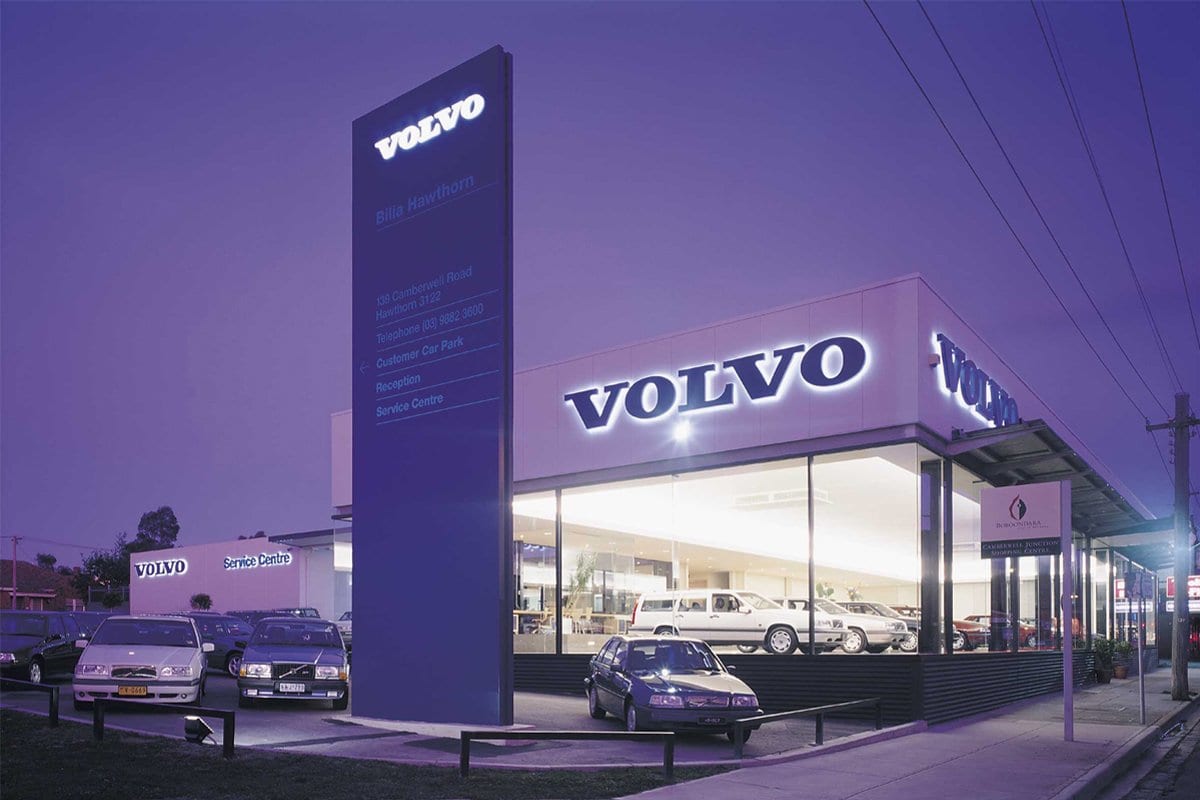
    Volvo Car Group has appointed RedPlus Auto Co ltd as importer and distributor of Volvo’s cars in Myanmar. RedPlus Auto is a joint venture between UMG Co Ltd – a local company involved in sectors of real estate property, IT and entertainment – and Wai Family Gems Co Ltd.

    RedPlus will be responsible for importing, distribution, sales, marketing, PR and after sales services for Volvo cars in the country.

    “Our new products, the XC90 and S90, which have just been launched, add a distinct modern luxury experience to our brand offer that will be very well appreciated in Myanmar,” said Jari Kohonen, vice president of Volvo Cars, Asia Pacific.

    The development of Volvo Center, a new one-stop facility is planned to complete by September 2016 covering about 22,000 square feet in Yangon with an investment of $1.8 million.

    “We are thrilled to have the opportunity to represent the Volvo brand in Myanmar and are certain that our depth of experience combined with the passion for this brand will stand us in good stead in this partnership,” said Daw Mar Lar Win, managing director of RedPlus Auto Co Ltd.

    The Volvo Centre will be equipped with a five car showroom, a fitting lounge, customer longue and be built to the Volvo Car group’s new retail guidelines.