Tag: Cargill

  • Cargill Commits $130 Million to Expand Asian Poultry Production

    Cargill Commits $130 Million to Expand Asian Poultry Production

    Cargill will spend more than $130 million over the next two years to expand its poultry processing and feed manufacturing operations in Thailand and the Philippines.

    The investment will lift the company’s cooked poultry output in Thailand to 160,000 metric tons annually. It targets THB 25 billion in yearly export revenue.

    Automation in Saraburi and Thai Storage Expansion

    At its central processing plant in Saraburi, Thailand, Cargill is installing an automated cooked chicken production line. The system uses robotic machinery and artificial intelligence to process real-time sorting and quality data. Work will run through 2028. It will create more than 300 manufacturing jobs in the province.

    Upstream feed operations in Thailand get direct support through a new 30,000 metric ton grain silo. Ground was broken on the facility this year, with commissioning planned for early 2027. The extra holding capacity lets the company buy grain outside standard harvest cycles. That buffers feed costs against seasonal price swings.

    Feed Milling and Retail Brands in the Philippines

    Across the Philippines, capital spending focuses on domestic feed supply and farm networks. An animal feed mill with an annual capacity of 190,000 metric tons is now under construction for late 2027 completion. It will employ over 100 workers and supply commercial producers nationwide.

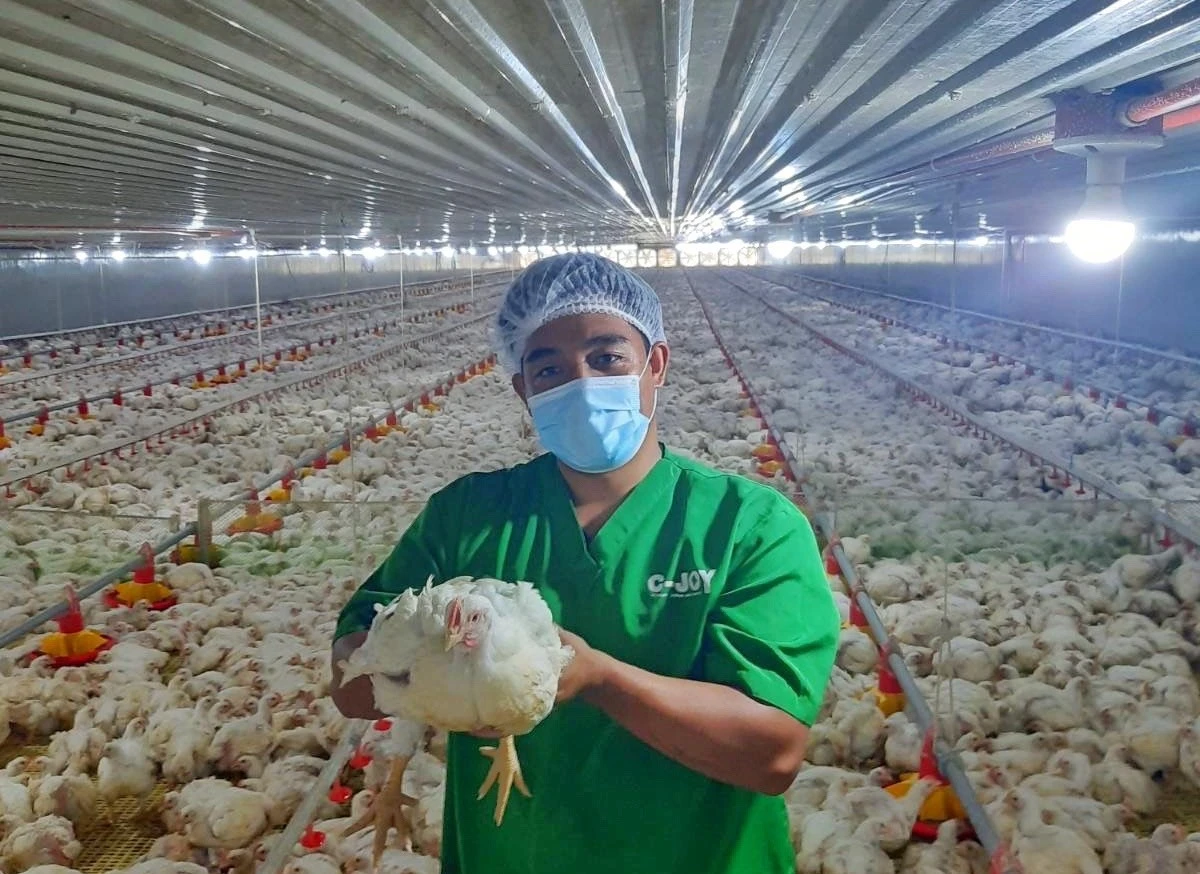
    Beyond the mill, capacity is expanding across local hatcheries, breeder facilities and broiler farms. The extra volume supplies contracted foodservice buyers. It also stocks Tip-Top, Cargill’s retail chicken brand sold in Philippine supermarkets.

    Demand for high-quality protein continues to grow across global markets, and customers are looking for reliable innovation partners who can help them scale with confidence.

    Watcharapon Prasopkiatpoka, vice president and managing director for Cargill’s Asia-Pacific poultry business, oversees the program across both markets.

    Supply Chain Realignment for Export Markets

    Two distinct strategies define the regional split. Thailand serves as the primary export base, shipping cooked poultry to supermarkets and restaurants in Japan, Europe, North America and Asia. Automation at Saraburi addresses industrial labor shortages in central Thailand. It also enforces consistent portion control for strict overseas food safety audits.

    Philippine investments target domestic food security and price stability rather than exports. Local integrators face frequent raw material bottlenecks and volatile feed prices. Controlling the feed mill and hatchery network shields Cargill from spot-market disruptions. That gives its retail pack business a cost edge over smaller domestic processors.

    Earlier Footprint and Regional Competition

    Global agribusiness groups have spent recent years retooling Southeast Asian protein units around processed, cooked meat instead of raw commodities. Thailand became a processing hub through bilateral sanitary agreements with the European Union and Japan. That sparked heavy capital spending from regional competitors CP Foods and Betagro.

    Cargill previously focused regional spending on standalone feed mills and local joint ventures. This capital plan shifts that focus toward integrated infrastructure. It links grain storage directly to automated cooking lines.

    Work on the Thai grain silo wraps up in early 2027. The Philippine feed mill follows late that year, and the Saraburi processing line comes online in 2028.
  • Cargill enters partnership with Japfa for poultry products in Indonesia

    Cargill enters partnership with Japfa for poultry products in Indonesia

    Cargill and So Good Food, a wholly-owned Indonesian subsidiary of leading agri-food company Japfa, have entered into a 60-40 joint venture to produce and supply fully-cooked poultry products in Indonesia. The strategic partnership will leverage Cargill’s broad industry expertise to boost So Good Food’s capabilities in consumer food processing technologies, product innovation and quality assurance. Cargill and Japfa will also work together to produce a new range of value-added consumer food products.

    Besides toll manufacturing for So Good Food, the joint venture company, Cahaya Gunung Foods (Shining Mountain Foods), will supply high quality products to well-established and reputable quick service restaurants (“QSR”); hotels, restaurants, and the food service sector (“HORECA”); as well as convenience stores and petrol kiosks (“CVS”) in Indonesia. Cahaya Gunung Foods will also have the capability to export products to the region.

    Cementing Partnership, Strengthening Capabilities

    Derek Schoonbaert of Cargill was appointed Managing Director of Cahaya Gunung Foods and he stated: “Indonesia is an important growth market for Cargill. This is our first venture in the poultry business in Indonesia and we are excited to be partnering with Japfa. We will implement our world-class systems and processes to ensure high quality chicken products through our broad industry expertise and quality standards.

    On Japfa’s latest partnership, Mr Tan Yong Nang, Chief Executive Officer of Japfa, explained, “We are pleased to further cement our relationship with Cargill, whom we have had a long standing business relationship with. To be selected as Cargill’s JV partner is testament of Japfa’s high quality, food safety and welfare standards. We look forward to strengthening our capabilities and know-how with Cargill’s broad industry expertise, and deliver even better quality chicken products.”

    Cahaya Gunung Foods will initially operate out of So Good Food’s existing value-added meat plant at Boyolali, Indonesia and take over the employment of the employees at the processing facility. Both companies will look to invest and expand the operations together, focusing on new premium products.

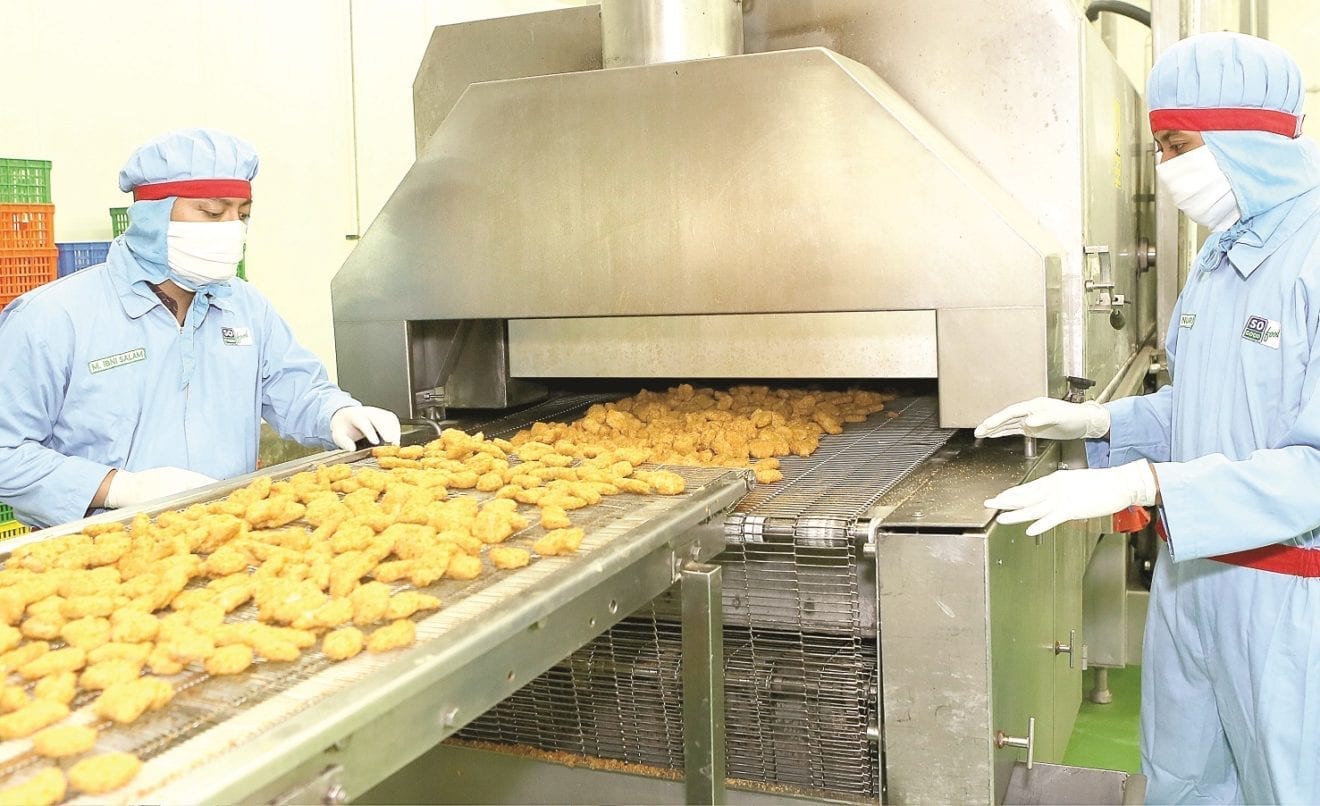
    Meanwhile, So Good Food will continue to operate its four meat processing plants in Indonesia, focused on producing downstream branded ready-to-eat consumer food products such as chicken nuggets, meat balls and shelf-stable sausages.

    Growing Appetite in Indonesia

    According to Euromonitor, Indonesia is the largest foodservice market in ASEAN. The value sales for Indonesia’s foodservice market grew at a compound annual growth rate (“CAGR”) of 8.7% from 2010 to 2014, reaching US$36.8 billion in 2014, which was about US$14 billion higher than the next largest ASEAN market, Thailand.

    Full-service restaurants, fast food and street stalls/kiosks are the top three growth drivers for Indonesia’s foodservice market. The sales value of the foodservice market is estimated to increase at a CAGR of 9.0% from 2015 to 2019 to hit US$56.3 million by end 2018.

    “As the world’s fourth most populous nation, Indonesia’s foodservice market offers immense opportunities. Today, our So Good, So Good Sozzis and So Nice brands are already award-winning household brands in Indonesia for processed meats such as chicken nuggets, meat balls and shelf-stable sausages. Our JV with Cargill will take us a step further into new growth segments such as HORECA and CVS with a wider range of consumer food products,” concluded Mr Tan.