Retail News CRM

Tag: carnews

  • BMW 1 Series Breaks Cover

    BMW 1 Series Breaks Cover

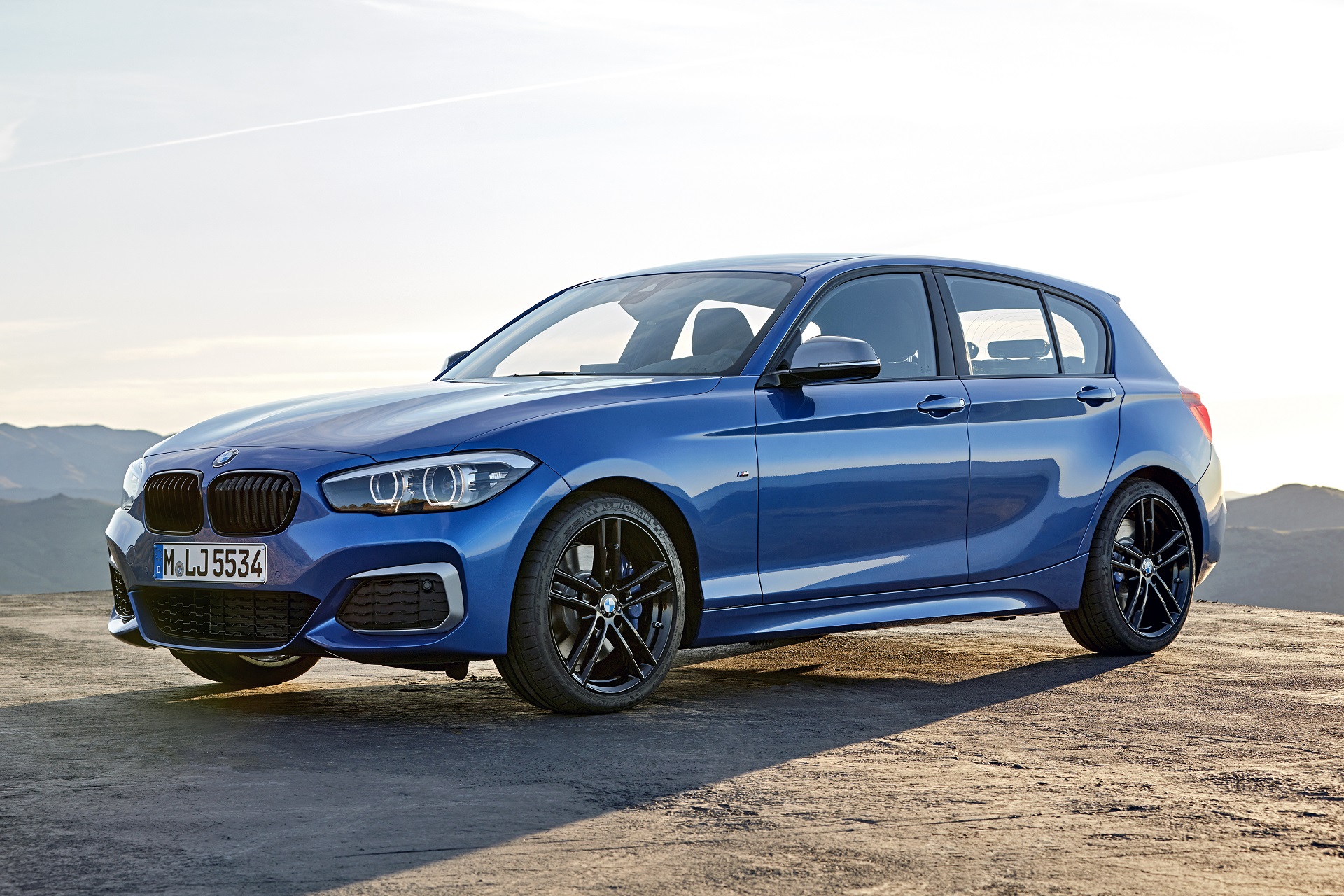
    The BMW 1 Series has been one of the most fun to drive hatchbacks over the previous generations and the automaker has now released the all-new generation of the model. The 2020 BMW 1 Series is quite literally all-new, having been built from the ground up and shares little details with its predecessor. The biggest change by far comes with the front-wheel-drive (FWD) set-up on the third generation that replaces the rear-wheel-drive architecture, which made it such a hoot to drive in the first place. The new 1 Series also comes with All-Wheel Drive (AWD) on the top trims. As a result, the new BMW 1 joins the automaker’s smaller set of FWD cars including the X1, 2 Series and the 1 Series sedan.

    The third generation BMW 1 Series is based on a completely new platform and the design language is also all-new and must we say more proportionate too over the older version. Most prominent are the larger kidney grilles up front that mimic the newer Beamer models, while the bonnet length is long yet in-line with the rest of the body. The headlamps are smartly designed bringing a fresh look and can be had with adaptive full-LEDs that are available as optional. At the sides, the flat beltline on the 1 Series is now slightly raked and the Hofmeister kink gets a subtle update. The rear sports a more athletic appearance with the sharply styled bumper, raked windscreen, and roof spoiler, while the massive wraparound LED taillights to look bold. A first on the new 1er will be the addition of a panoramic sunroof while wheel sizes will range between 16-inch and 19-inch depending on the variant you choose.

    With respect to dimensions, the 2020 1er is 5 mm shorter at 4319 mm (170 inches), whereas the width has increased by 34 mm at 1799 mm. The height is up by 13 mm to 1434 mm, with the wheelbase now shorter by 20 mm and sits at 2670 mm. Nevertheless, the FWD set-up has helped liberate more room in the cabin. You get 33 mm of additional knee room at the rear along with 19 mm of extra headroom and 13 mm of elbow room. The luxury hatchback can also take up more luggage than its predecessor with a cargo capacity of 380 liters, which can be expanded to 1200 liters with the rear seats folded. The automaker says the boot is also wider than before that makes it easy to load and unload luggage, while the tailgate is now electric.

    Inside, the 2020 BMW 1 Series replicates the familiar design language from the larger Beamer models. The car comes with an 8.8-inch touchscreen infotainment system with gesture control and Apple CarPlay compatibility. The instrument console is fully digital and gets a 10.25-inch screen that displays all the necessary information.

    Under the hood, the third generation BMW 1 Series will get two petrol and three diesel engines. The most powerful version will be the M135i xDrive with the 2.0-litre four-cylinder turbocharged motor tuned for 301 bhp and 450 Nm of peak torque. The range-topping model can sprint from 0-100 kmph in 4.8 seconds and has an electronically limited top speed of 250 kmph. An optional M performance package will further shave a tenth of a second on the hatchback. Other engines will range between three- and four-cylinder versions churning out as low as 115 bhp. All units will come paired with a 7-speed dual-clutch or 8-speed Steptronic automatic transmission. There’s a 6-speed manual available as well.

    The new 1 will also come with a host of electronic aids including Lane Departure Warning with active lane return, Active Cruise Control, Lane Change Warning system, rear collision warning and crossing traffic warning. The car also comes with Park Assist, while features like VDC (Variable Damper Control) and  ARB (actuator contiguous wheel slip limitation) technology, further improve the car’s handling capabilities. Customers can also opt for the BMW Digital Key and the BMW Intelligent Personal Assistant on the new 1 Series.

    The all-new BMW 1Series will make its debut in Munich from June 25 to 27 as part of the #NextGen event, while a public showcase has also been planned at Frankfurt in September this year. The previous version of the 1 Series was sold in India, but it’s unclear if the new one will actually make it here. Globally, the car will lock horns against the Mercedes-Benz A-Class, Audi A3 Sportback, Volkswagen Golf and the likes

  • Fiat Chrysler Confirms Merger Talks With Renault

    Fiat Chrysler Confirms Merger Talks With Renault

    Fiat Chrysler has made a “transformative merger” proposal to French peer Renault, the Italian carmaker said on Monday, in a deal which would create a world leader and help address some of the weaknesses in both Renault and Fiat.

    Fiat said the combined business would be 50 percent owned by FCA shareholders and 50 percent owned by those of Renault.

    Pressure for consolidation among carmakers has grown with the challenges posed by electrification, tightening emissions regulations and expensive new technologies being developed for connected and autonomous vehicles.

  • Audi Q3 Sportback To Be Unveiled In July 2019

    Audi Q3 Sportback To Be Unveiled In July 2019

    Coupe SUVs are catching the fancy of car buyers. Mercedes-Benz and BMW have been selling such models for quite some time and Audi too followed the trend with introducing the five-seater Q8 which will be its new flagship in the SUV range. The German carmaker had also shown interest in making a coupe body style of the 2019 Q3 and finally has confirmed that it is coming. The Audi Q3 Sportback will make its first public appearance in July this year.

    The Audi Q3 Sportback is among the seven new SUVs the German carmaker has lined-up for this year. The company shared its plans in its 130th Annual General Meeting where it also mentioned about organizing a dedicated event to unveil the Q3 Sportback as there are no Auto shows or major Auto events lined up during that time. The Coupe SUV will be showcased at the Frankfurt motor show as well in September.

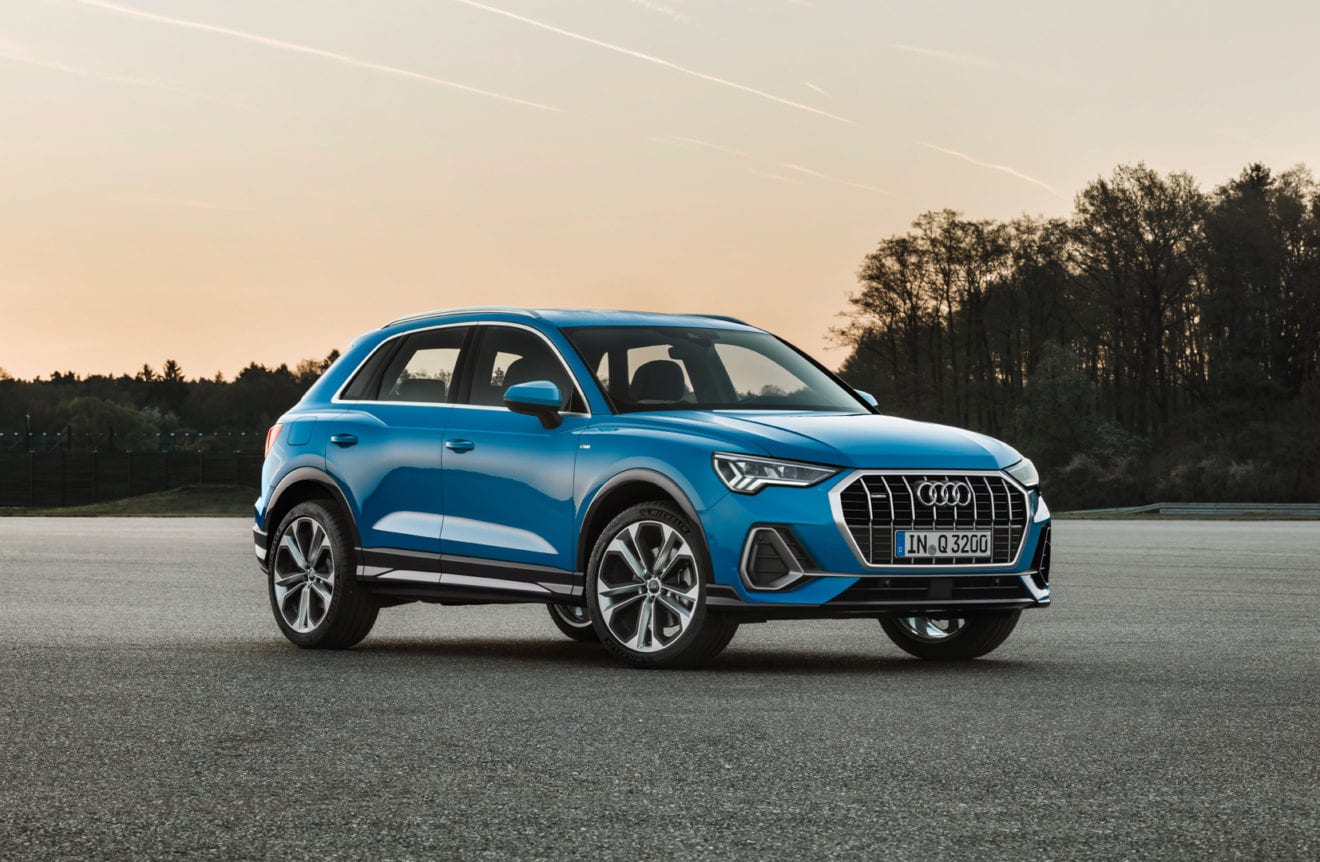
    Now we still don’t have any clear details about the Q3 Sportback but we expect it to be similar in design to the new-generation Audi Q3. The model will borrow design cues from the Q8 Coupe SUV as well as sporting a similar kind of coupe roofline which may not be as steeply raked as we have seen on other models like the A5 and A7 Sportback. The facade and profile is expected to remain identical to the Q3 housing the same massive grille which may be finished in piano black to add a sense of sportiness. Mechanically, the car is likely to use the same powertrains that drive the Q3 which means that the 2.0-litre TDI diesel and 1.5-litre turbocharged petrol engines will be on offer. Audi may also consider the 2.0-litre TFSI petrol engine for the Q3 Sportback.

  • Renault Clio Based On The CMF-B Platform Bags Five-Star Ratings In Euro NCAP

    Renault Clio Based On The CMF-B Platform Bags Five-Star Ratings In Euro NCAP

    The all-new Renault Clio which is spawned by the CMF-B platform has bagged five-star ratings in the global NCAP crash test and this news stands even more crucial for the India market given the onset of the Bharat New Vehicle Safety Assessment Program  (BNVSAP) which is set to roll out next year. The CMF-B platform is an advanced and elongated version of the CMF-A platform which spawns the Renault Kwid and Datsun Go range. The CMF-B platform has been developed in alliance with Mitsubishi to underpin a slew of compact and mid-size models from both the carmakers globally.

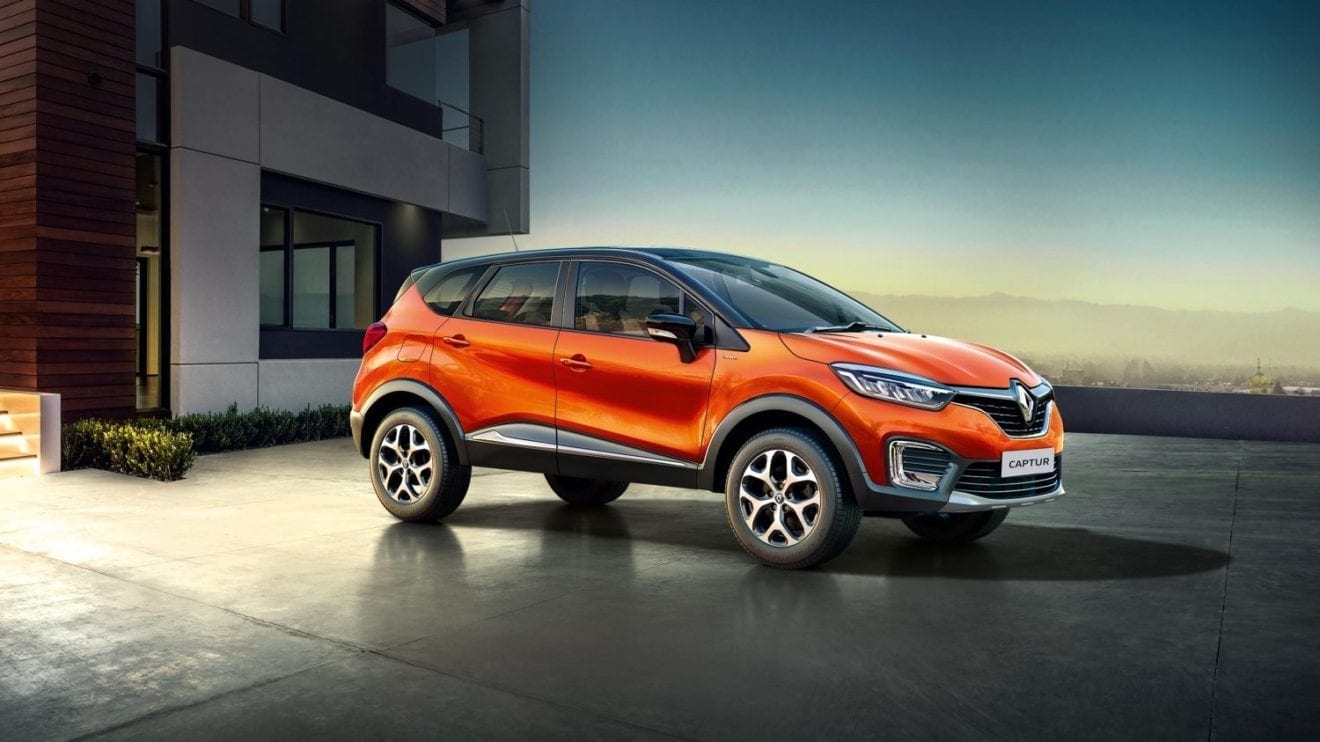
    We know that Renault and Nissan are also in an agreement and share a range of cross badged models in India. The MO platform underpins all the compact models of both carmakers like the Duster, Terrano, Captur and Kicks among others. The platform was developed by Renault and both carmakers have been using it for long. The CMF-B platform is more rigid and lighter and can spawn next-generation models of these models other models like the next-gen Nissan Sunny which will help the brands to comply with the upcoming crash test and fuel efficiency norms. Renault is also gearing up to launch the seven-seater version based of the Kwid which has been developed on an advanced version of the CMF-A platform and is expected to meet the safety standards.

    Moreover, the CMF-B platform is also a silver lining for the India business of both carmakers. It may help them fill white spaces and introduce the next-generation of some previous models which were discontinued, like the Renault Scala. Uncertainty also hovers over the Renault Kwid which future depends on it clearing the crash test norms. The company can also use the learning to develop a high-tensile CMF-A platform which can underpin the next-generation Kwid or it can be entirely shifted to the CMF-B platform which is scalable and can be moderated for the model. However, the Kwid will likely witness a price hike in any of the cases.

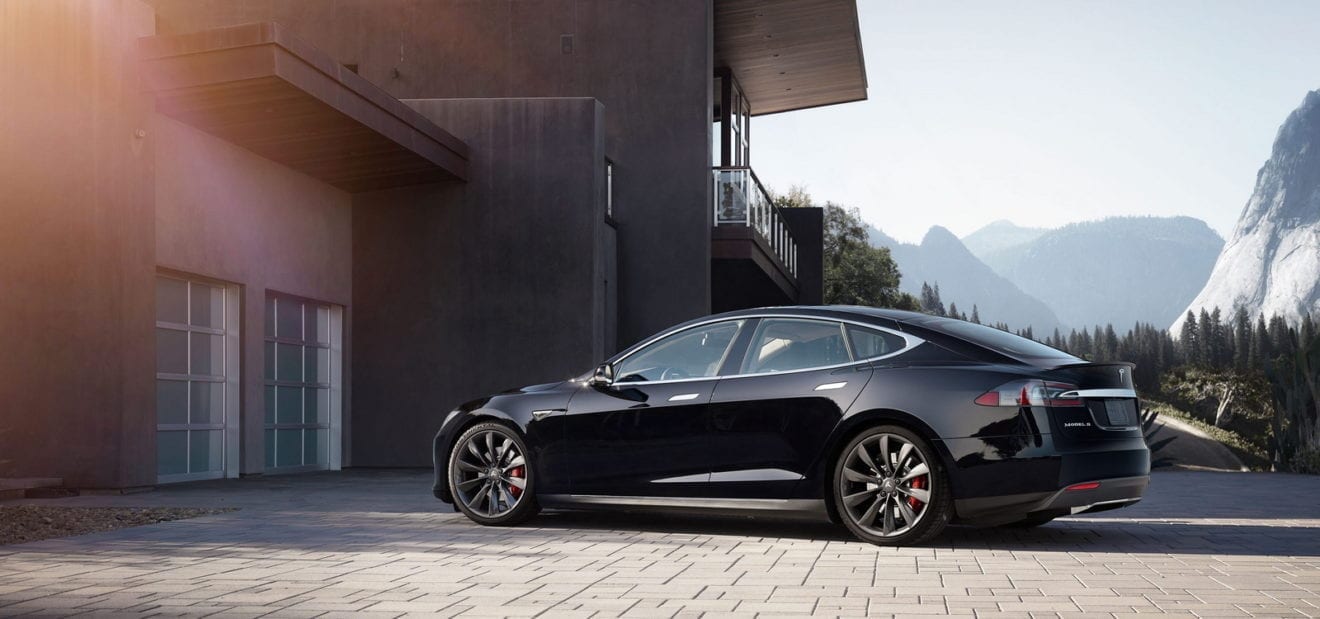
  • Tesla Reduces Prices On Model S and X Amid Stock Slump

    Tesla Reduces Prices On Model S and X Amid Stock Slump

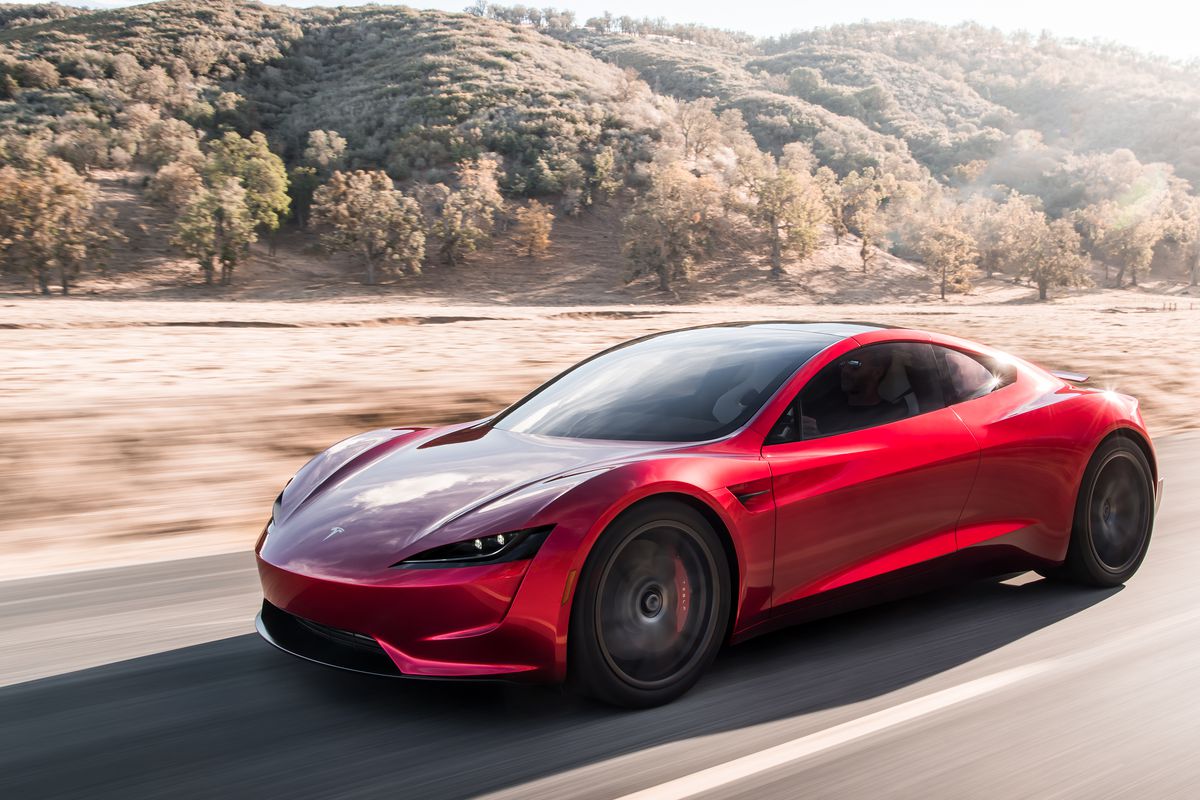
    Faced with a slumping stock price and questions about demand for its vehicles, Tesla has lowered the U.S. base prices of its two most expensive models. The company on Monday cut $3,000 from the price of the Model S sedan and $2,000 from the Model X SUV. Tesla said in a statement that it periodically adjusts prices and available options like other car companies. The decreases offset price increases from a month ago when Tesla offered longer battery range and added a new drive system and suspension. The statement didn’t say if slowing sales influenced the decision.

    The Model S now starts at $71,250 while the X starts at $71,950. Both prices don’t include federal and state tax credits.

    The moves come as Tesla’s stock is under pressure and has at times dropped below $200 per share. Several analysts have questioned whether the company can sell enough cars to cover its expenses without dipping into cash reserves.

    Shares traded Tuesday afternoon at $205.62, up slightly from Monday’s closing price. They are down more than 38 percent so far this year, cutting the company’s market value more than $20 billion to $36.5 billion. On Monday the shares hit their lowest point since late 2016.

    Tesla said in a statement that the reductions are about 2% to 3% on the S and X. The company last week raised the price of its top-selling Model 3 by $400, pushing the base price to $35,400. “By any reasonable standard, these small changes are not newsworthy,” the company said in a statement.

    On Monday Wedbush analyst Daniel Ives wrote in a client note that he has concerns about Tesla’s growth prospects and underlying demand for the Model 3 during the coming quarters.

    Ives called Tesla a “code red” situation. “We have continued concerns around Tesla’s ability to balance this ‘perfect storm’ of softer demand and profitability concerns, which will weigh on shares until Musk & Co. prove otherwise in terms of delivering solid results over the coming quarters,” Ives wrote, referring to CEO Elon Musk.

    Palo Alto, California-based Tesla said last month it lost $702.1 million in the first quarter, among its worst quarters in two years. Sales tumbled 31% in the period. Musk predicted another loss in the second quarter but said Tesla would be profitable again by the third quarter.

    In January, the automaker cut its prices by $2,000 per vehicle, acknowledging that the pending expiration of a $7,500 federal tax credit for its electric cars will hurt sales. The credit is gradually being phased out for Tesla by the end of the year.

  • BMW X5 2019 Launched In India

    BMW X5 2019 Launched In India

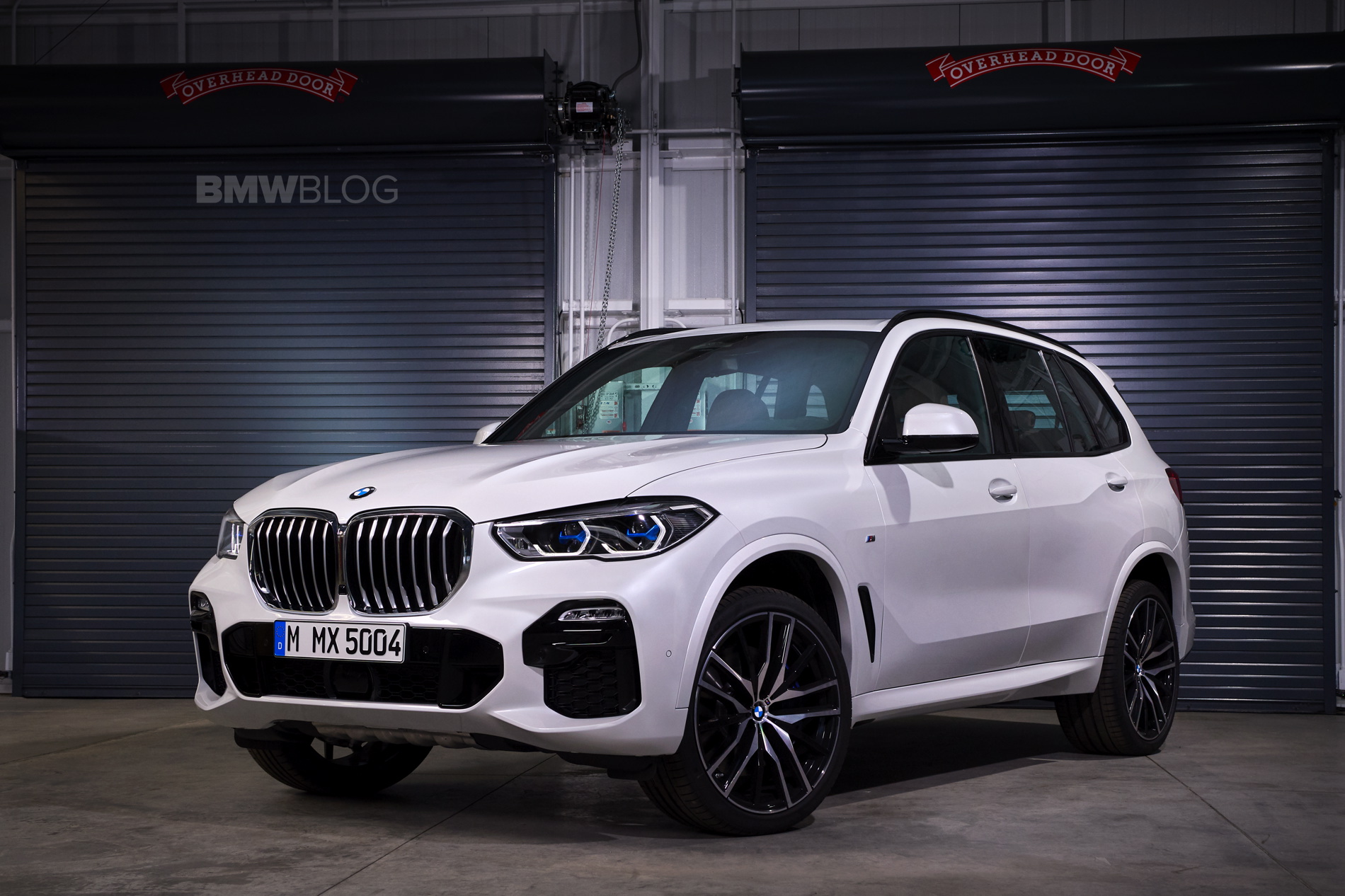
    BMW has launched the new generation of the X5 in India and prices for the SUV start at ₹ 72.90 lakh (ex-showroom India). The company has stated that it will launch 12 new models in the country in 2019 and the new-gen X5 is one among them. The all-new BMW X5 is available in two diesel models – BMW X5 xDrive30d Sport and BMW X5 xDrive30d xLine. The petrol variant BMW X5 xDrive 40i M Sport has also been launched at ₹ 82.40 lakh, however, it will go on sale later in 2019. The price for the new X5 tops out at ₹ 82.40 Lakh.

    Internally codenamed G05, the fourth generation BMW X5 is now based on the CLAR platform that also underpins the 5 Series, 7 Series and the X3 in the automaker’s line-up. The SUV is now larger and more feature-loaded than its predecessor while maintaining the sporty character of the older models. The BMW X5 has been a popular seller for BMW in India but the new gen model has become longer, taller and wider compared to its predecessor.

    It’s the largest X5 ever and this fourth-generation model is 35 mm longer, 32 mm wider and 11 mm taller than its predecessor. The space between the wheels too has increased and it now gains 42 mm on that front and it now stands at 2975 mm. Despite the new model getting bigger, the boot space remains the same at 645 litres that expands to 1,640 liters when the rear seat is folded.

    What’s also different is the way the X5 looks now. The fourth generation BMW X5 gets substantial upgrades on the design and feature front. The signature Kidney grille has grown larger and more imposing on the SUV, while the headlamps are all-LED with X-shaped inserts and get the new adaptive LED DRLs. The front bumper has been reworked and gets larger vents and LED fog lights. The new X5 looks more agile than ever but retains the same silhouette as the older model. The wide LED taillights with the 3D signature add to the distinctive look of the SUV, while the model now gets 21-inch wheels as an option.

    The cabin though is all familiar, in-line with other BMW models and gets the digital instrument console called the BMW Live Cockpit Professional display; along with a floating infotainment screen, updated iDrive along with Apple CarPlay and Android Auto compatibility. Like the other BMW models, you also get gesture and voice commands, as well as a customizable display. The cabin is covered in leather upholstery, while the feature list includes four-zone climate control, wireless charging, screens for rear seat passengers, a panoramic sunroof, welcome carpet light, ambient lighting, and a revised gear-selector lever.

    2019 BMW X5 Key Features

    • Live Cockpit Professional Display
    • Digital Instrument Console
    • Floating Infotainment Screen
    • Updated iDrive System
    • Gesture Control
    • Voice Command
    • Four Zone Climate Control
    • Wireless Charging
    • Rear Passenger Screen
    • Panoramic Sunroof
    • Ambiente Lighting
    The BMW X5 is powered by a 3.0-liter turbo diesel motor.

    Power will come from the 3.0-liter turbo diesel motor tuned for 261 bhp and 620 Nm of peak torque and the BMW X5 can clock triple-digit speeds in 6.5 seconds. The petrol will also be offered soon but for now, there’s just the diesel on offer. The new BMW X5 faces competition from the likes of the Mercedes-Benz GLE,n Volvo XC90, Range Rover Velar, Porsche Cayenne and the Audi Q7.

  • 2020 Skoda Superb Facelift Global Debut End of May

    2020 Skoda Superb Facelift Global Debut End of May

    The Superb is the flagship in Skoda’s portfolio and it is planning to present the 2020 facelifted model to the world on a special occasion. IIHF Ice Hockey World Championship is a grand affair for the Czech carmaker and it has signed up for the 27th time as its lead sponsor and will supply 50 fleet cars for the event. Skoda will also seize the opportunity to unveil the 2020 Superb Facelift on May 23, 2019, on the quarter-final match day.

    Pulling off a surprise, Skoda may also introduce the Superb Facelift with a new plug-in hybrid powertrain which was expected in the next-generation model. For the first time in history, Skoda will be offering a hybrid model and we are expecting it to borrow the powertrain from the Volkswagen Passat GTE. The same 1.4-liter, turbocharged TFSI petrol motor which powers the Audi A4 is expected to be coupled with an electric motor in the upcoming Skoda Superb. We have seen the same powertrain earlier at the 2016 Auto Expo in the Volkswagen Passat GTE plug-in-hybrid variant in which it develops 212 bhp and 400 Nm of peak torque. The 2020 Skoda Superb is likely to get it in the same state of tune.

    The car has already been spotted testing and design modifications on the new model will be rather subtle. The front bumper will get a wider air dam along with slightly muscular overhangs and the rear bumper will be revised as well. Moreover, new elements such as full-LED headlamps and new daytime running lights (DRLs) will also be on offer. Expect the rear to have the new widespread Skoda badging instead of the logo.

  • Next Generation Mercedes-Benz S-Class Interior Leaked

    Next Generation Mercedes-Benz S-Class Interior Leaked

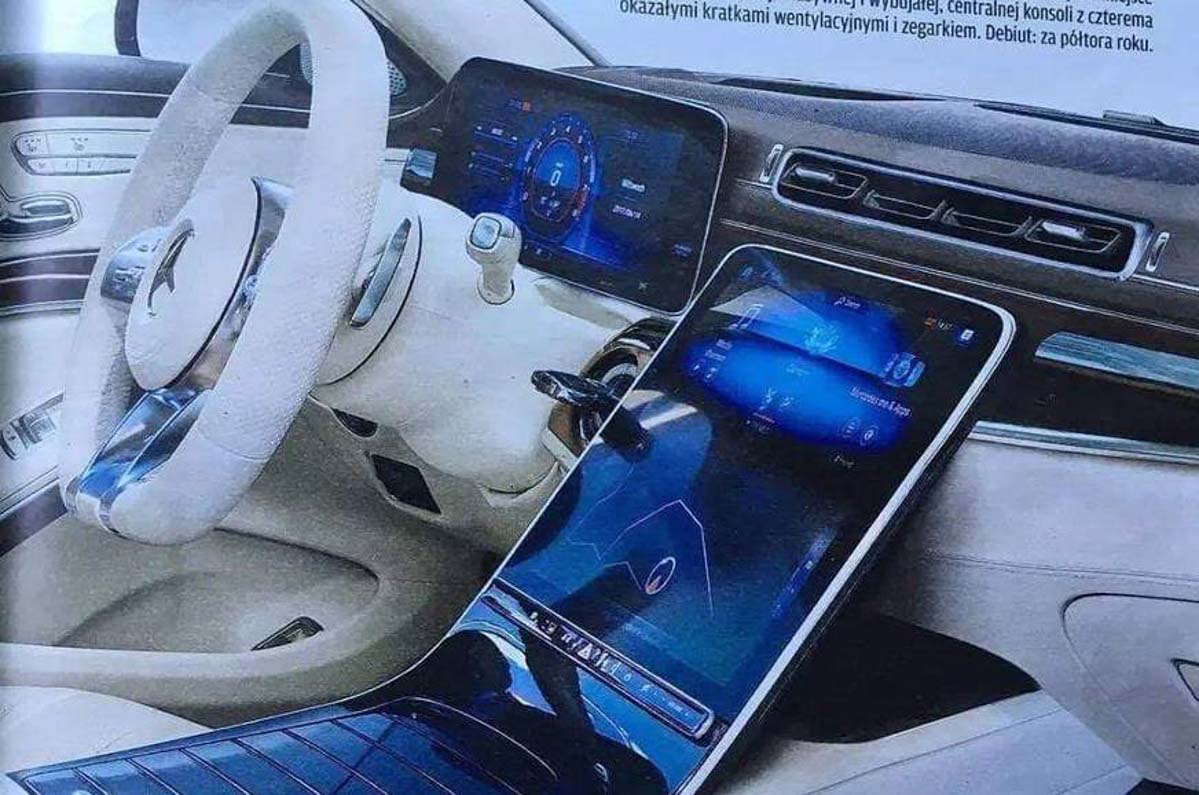
    Mercedes-Benz is readying the next generation of its flagship S-Class sedan and while we’ve seen test mules in the past, a leaked image of the interior have now made its online. The next generation Mercedes-Benz S-Class due to make its debut sometime in 2020 and going by the leaked image, the car appears future ready. Confirmed by earlier spy shots, the W223 S-Class replaced the dual infotainment screen with single unit for the instrument console and a massive vertically-stacked display for all other controls. The Tesla like touchscreen system replaces a tonne of switches on dashboard that gets a clutter-free appearance with sleek looking air-con vents and a new steering wheel. The leaked image also reveals the dual-tone treatment to the cabin in pristine while and black shades.

    The new generation Mercedes-Benz S-Class will be based on the automaker’s MRA platform and will come with a range of six and eight cylinder petrol and diesel engines. There will also be an electrified version called – the EQ S – and will be based on the company’s new Modular Electric Architecture (MEA). The new electrified version is expected to sport a range of 500 km on a single charge, as the automaker’s new top-of-the-line electric saloon. Not to forget, there will be the Affalterbach versions too with the AMG-tuned S-Class drawing power from the 4.0-litre V8 bi-turbo motor that is likely to go hybrid.

    In addition, the new Mercedes-Benz S-Class is expected to be offered in only the long-wheelbase guise globally. That said, do expect the Pullman and Maybach versions to follow suit packing in tech and comfort over the current W222 S-Class. It needs to be seen if Mercedes will continue with the Coupe and Convertible versions on the next generation. With respect to new tech, expect improved autonomous driving capability possibly up to Level 3; a new and updated version of the Airmatic suspension and more segment-first creature comforts on the offering.

    In terms of design, the new S-Class is likely to get an evolutionary styling along lines of the new A-Class, CLS and the likes. The current version is one of the most gorgeous looking saloons out there, which really sets the benchmark for the new version. It is also likely to serve as the design inspiration for the next C-Class and E-Class models, when its time for their respective new life cycles.

    More details on the new S-Class will be available in the months to come. A global debut will happen next year while sales globally should commence by 2021 or 2022, depending on the market. The W222 S-Class is assembled in India, and given the sheer demand for the flagship Mercedes, expect the new model to be locally assembled as well.

  • Ford Invests $500 Million In Rivian, a Battery Supplier

    Ford Invests $500 Million In Rivian, a Battery Supplier

    Rivian announced an equity investment of $500 million from Ford Motor Company. In addition to the investment, the companies have agreed to work together to develop an all-new, next-generation battery electric vehicle for Ford’s growing EV portfolio using Rivian’s skateboard platform. Rivian already has developed two clean-sheet vehicles with adventurers at the core of every design and engineering decision. The company’s launch products – the five-passenger R1T pickup and seven-passenger R1S SUV – will deliver up to 644 kilometres of range and provide an unmatched combination of performance, off-road capability and utility, starting in late 2020.

    RJ Scaringe, Rivian founder and CEO said, “Ford has a long-standing commitment to sustainability, with Bill Ford being one of the industry’s earliest advocates, and we are excited to use our technology to get more electric vehicles on the road.”

    Ford intends to develop a new vehicle using Rivian’s flexible skateboard platform. This is in addition to Ford’s existing plans to develop a portfolio of battery electric vehicles. As part of its previously announced $11 billion EV investment, Ford already has confirmed two key fully electric vehicles: a Mustang-inspired crossover coming in 2020 and a zero-emissions version of the best-selling F-150 pickup.

    Rivian remains an independent company. The investment is subject to customary regulatory approval. Following Ford’s investment, Joe Hinrichs, Ford’s president of Automotive, will join Rivian’s seven-member board.

    Bill Ford, Ford’s executive chairman said, “We are excited to invest in and partner with Rivian. I have gotten to know and respect RJ, and we share a common goal to create a sustainable future for our industry through innovation.”

  • Tesla Reports $702 Million Loss In The Last Quarter

    Tesla Reports $702 Million Loss In The Last Quarter

    Tesla said on Wednesday it would return to profit in the third quarter of 2019 after racking up two consecutive losses in the first half of the year, as it struggled to deliver cars to customers and launched a cheaper version of its Model 3 sedan. The company, which Wall Street suspects may soon have to raise more cash, said it ended the quarter with just $2.2 billion in cash, after paying off a $920 million convertible bond obligation in March.

    Tesla affirmed its outlook of delivering 360,000 to 400,000 vehicles in 2019 and said it may produce as many as 500,000 vehicles in the year if its Gigafactory in Shanghai reaches volume production in the fourth quarter. Tesla reported net loss attributable to common shareholders of $702.1 million, or $4.10 per share, in the first quarter ended March 31, compared with $709.6 million, or $4.19 per share, a year earlier.

    “As the impact of higher deliveries and cost reduction take full effect, we expect to return to profitability in Q3 and significantly reduce our loss in Q2,” Chief Executive Officer Elon Musk said in a letter to investors.

    The Silicon Valley company has weathered a challenging few months, marked by a sharp drop in the number of vehicles delivered to global customers during the quarter and a public spat between Musk and financial regulators.

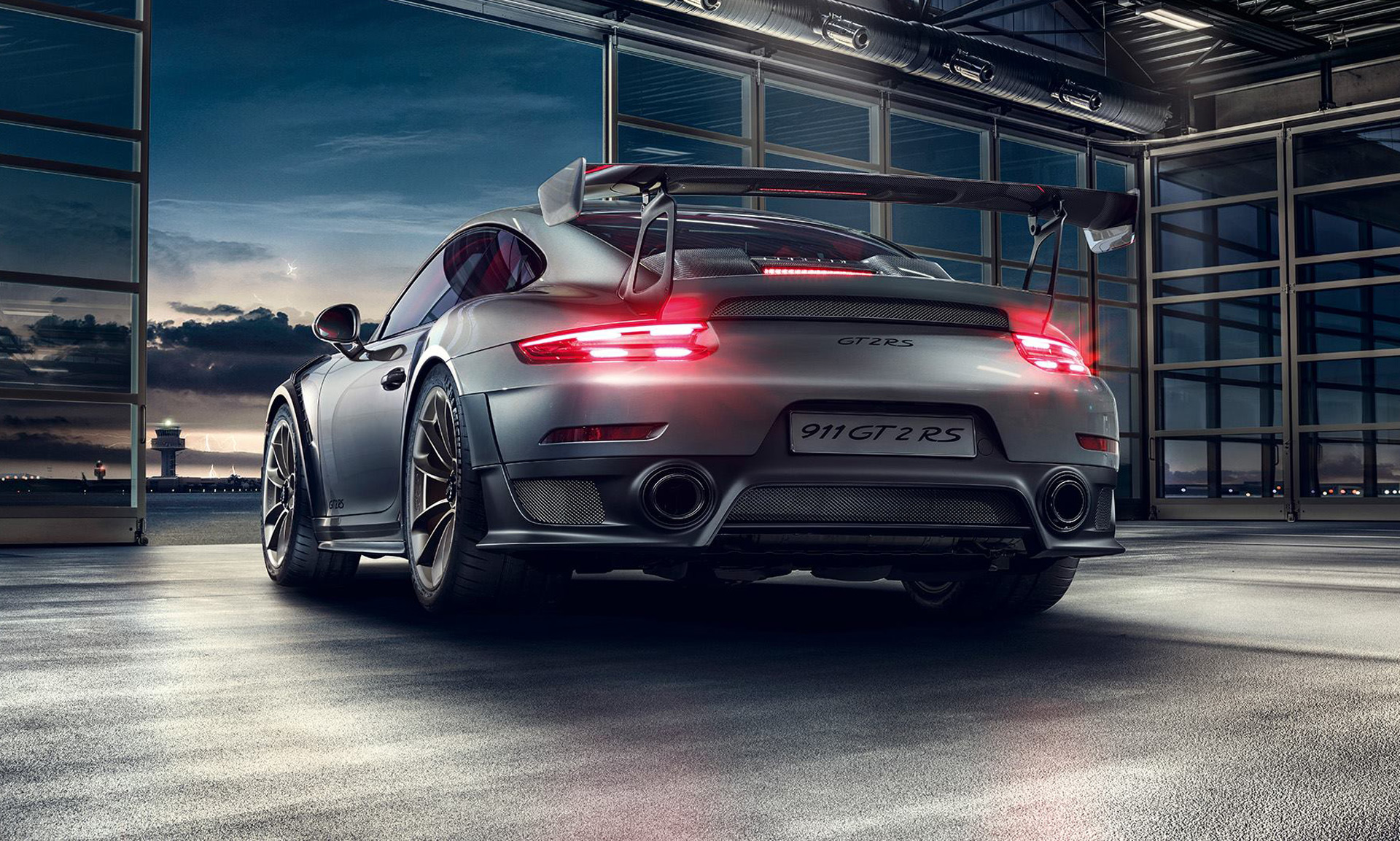
  • 2019 Porsche 911 India Launched

    2019 Porsche 911 India Launched

    The new-generation 2019 Porsche 911 went on sale in India today and we have all the highlights from the from the launch here. The eighth-generation Porsche 911 coming to India was internally codenamed 992 and retains the iconic silhouette that is distinctive to the Porsche 911 family. Furthermore, the car also comes with a heavily revised, more powerful range of six-cylinder turbo petrol engines. In India the new Porsche 911 comes in two variants as of now – Carrera S and Carrera S Cabriolet, priced at Rs. 1.82 crore and 1.99 crore respectively, very close to what we has expected.

    The eighth-generation Porsche 911 gets an extensively re-engineered platform that uses generous amounts of aluminium in its construction in its rear section, for improved weight distribution. Under the hood, the Porsche 911 Carrera S is powered by the extensively 3.0-litre flat-six, turbo petrol engine that makes an additional 30 horses. The total power output now stands at 444 bhp.

    The 0-100 kmph sprint time has been dropped under 4 seconds, with the new Porsche 911 Carrera S reaching 100 kmph from standstill in just 3.7 seconds. The 911 Carrera 4S does the same run in just 3.6 seconds and it also comes with all-wheel drive. The optional Sport Chrono Package further reduces the sprint by 0.2 seconds. The top speed on the Carrera S is rated at 308 kmph, while that on the heavier Carrera 4S is 306 kmph.

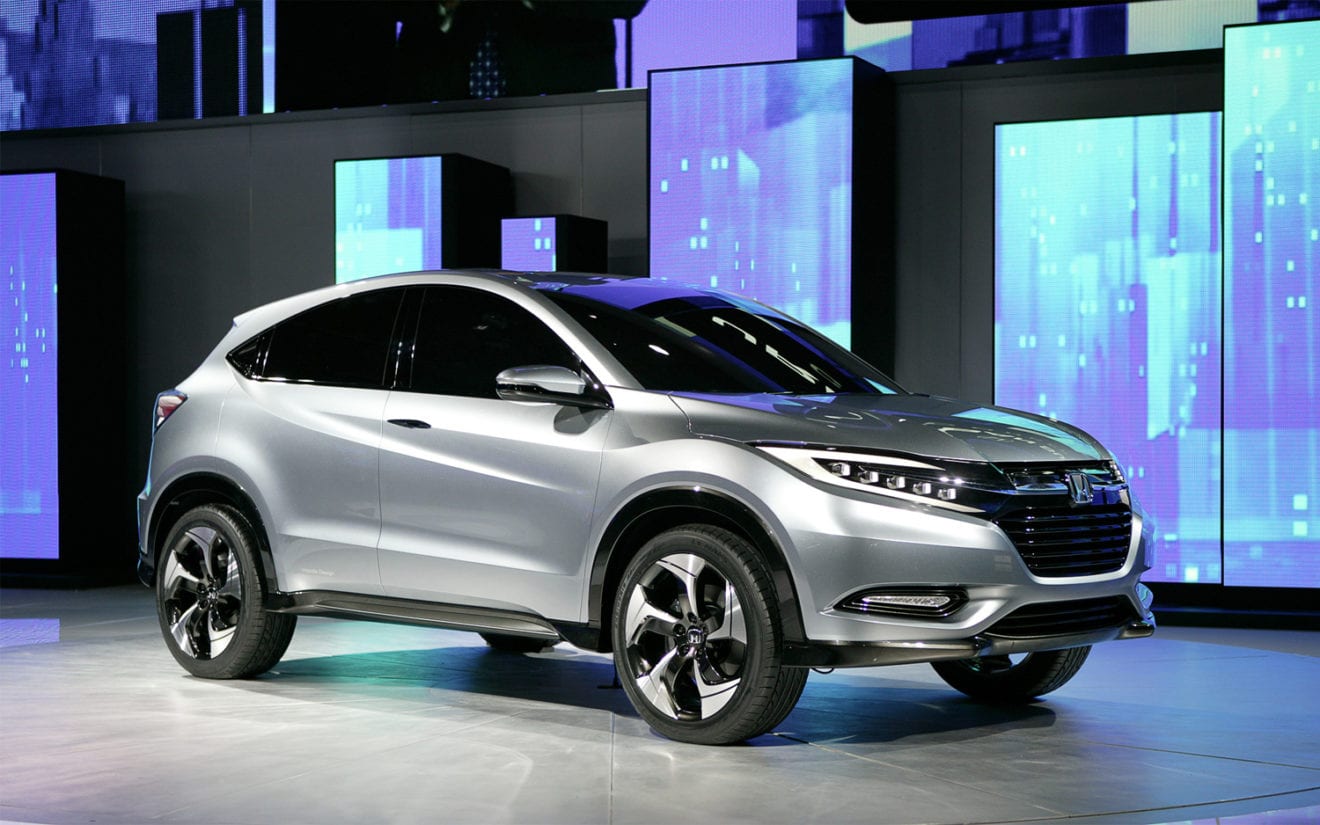
  • Honda plans North American production shifts to make more SUVs

    Honda plans North American production shifts to make more SUVs

    Honda Motor Co is shifting around its North American vehicle production mix and may raise imports from Japan to squeeze out more SUVs as it struggles to keep up with strong U.S. demand for larger models, a factor which has prompted the automaker to trim its annual sales forecast.

    From early next year, Honda will dedicate production at its Alabama plant to its Pilot SUV, Ridgeline pick-up truck and Odyssey minivan, shifting production of its luxury Acura MDX SUV to its plant in Ohio as part of efforts to align its overall production of popular models to better reflect market demand.

    Demand for multi-tasking vehicles from cost-conscious consumers and historically low gasoline prices have ramped up demand for SUVs and other larger models over that of passenger cars.

    So far this year, roughly 59 percent of all new vehicles sold in the world’s No.2 auto market have been light trucks, versus 41 percent passenger vehicles, compared with 55 percent and 45 percent, respectively, a year earlier.

    In comments scheduled for release on Thursday, American Honda Motor Co CEO Toshiaki Mikoshiba told reporters that by also shifting more production of its popular CR-V model to its Indiana plant from Mexico, and producing more of its HR-V models in Mexico, the company planned to lift its production weighting between light trucks and passenger cars more in favor of light trucks, from an even balance currently.

    “While maintaining our current overall capacity (in North America), we’d like to also consider our production options in Japan … to produce more light trucks to respond to strong demand,” Mikoshiba said.

    “So long as we don’t see a sudden reversal in gasoline prices, we believe this would be the right move for the market.”

    Japan’s third-largest automaker by vehicle sales also said that it was considering producing the CR-V and the Civic sedan in Japan to be exported to North America to fill any gaps in local production.

    Honda is planning to market the recently revamped Civic in Japan, which a company spokeswoman said would add to production capacity, while it is also considering marketing the latest CR-V at home.

    Last month, Honda lowered its annual North American vehicle sales forecast to 1.985 million, from its previous expectation for 1.990 million, due in part to the skew in market demand.

  • Tesla’s Musk unveils solar roof tiles, longer-lasting batteries

    Tesla’s Musk unveils solar roof tiles, longer-lasting batteries

    Tesla Motors Inc Chief Executive Elon Musk on Friday unveiled new energy products aimed at illustrating the benefits of combining his electric car and battery maker with solar installer SolarCity Corp.

    The products include solar-powered roof tiles that eliminate the need for traditional panels and longer-lasting batteries aimed at helping to realize Musk’s vision of selling a fossil fuel free lifestyle to consumers.

    “This is sort of the integrated future. An electric car, a Powerwall and a solar roof. The key is it needs to be beautiful, affordable and seamlessly integrated,” Musk said during an event to showcase the products at the Universal Studios theme park near Los Angeles. “If all those things are true why would you go any other direction?”

    Musk is the biggest shareholder in both Tesla and SolarCity, which is run by two of his first cousins. Analysts have been dubious of the deal’s proposed synergies, with some suggesting the merger is a way for Tesla to rescue money-losing SolarCity. A vote on the acquisition is scheduled for Nov. 17.

  • Toyota with Daihatsu gets ready to enter small-car market

    Toyota with Daihatsu gets ready to enter small-car market

    The world’s largest carmaker, Toyota Motor, is finally getting ready to enter the Indian small-car market and challenge the dominance of Maruti Suzuki and Hyundai Motor in their bread-and-butter segment. The Japanese automaker and its unit specialising in small cars, Daihatsu Motor, are expected to drive in a new range of vehicles to India starting 2020-2021.

    A few days ago, Toyota and its fully owned Daihatsu unit announced plans to establish an internal company that will be responsible for compact vehicles for emerging markets, from product planning to production preparation. India is an integral part of this move. The structure of this new internal company is likely to be formed by January, 2017.

    The groundwork has already been done through various studies commissioned over the years, said people in the know of the plans. The Toyota-Daihatsu combine will target the A and B segments, where vehicles are typically priced below Rs 10 lakh. This segment, where Toyota currently has only a limited presence here with the Etios range, is the mainstay for Maruti and Hyundai Motor India.

    The branding for the products is yet to be defined. The new cars under the venture may be branded Toyota or Daihatsu, or it could be an all-new brand in line with how Toyota introduced a ‘Scion’ brand in North America in 2003 — the brand was discontinued this year.

    Through the proposed internal organisation, the objective is to develop and launch competitive compact vehicles in emerging markets based on Daihatsu’s approach to manufacturing affordable, high-quality products. While the small car champion will take the lead responsibility in this new initiative, in India, it will seek to gain from the parent’s understanding of the market.

    Vikram Kirloskar, vice chairman of Toyota Kirloskar, the Indian unit of Toyota, told ET that the initial target of the new company would be Asian countries and that joint decisions would be made to enable the effective use of both companies’ existing bases of operation.

    “We are happy to note that India is among the countries being considered as the responsibility of Daihatsu as the Indian market has strong need for compact vehicles in the B Segment and A Segment which is Daihatsu’s strong point. The priority would be to strengthen operations in each country by first enhancing the collective capabilities of the Toyota Group,” he said.

    More details on the initiative will be known by January of 2017, when the formal structure will be defined, Kirloskar said, while declining to comment on products or timelines.

    A person in the know of the plans said the vehicles would come around 2020 and conform to the BS-VI emission guidelines that would come into effect that year.

    It makes sense for Toyota to launch compact cars in India around 2020, by when the market would grow more than 70% from now and the buying power of the middle class would be much higher, said Gaurav Vangaal, senior analyst for forecasting at IHS Markit Automotive. “But then, countering the already strengthening Maruti and Hyundai won’t be an easy task, though the cars will be from Toyota,” he added.

    Daihatsu will be responsible for the development, procurement and production preparation for compact vehicles for emerging markets based on “DNGA”, a Daihatsu vehicle architecture now being defined, and Toyota will support these efforts by providing knowledge and resources. The business plans will be formulated jointly and, in India, the Toyota-Daihatsu combine is likely to use Toyota’s existing facility on the outskirts of Bengaluru. It factory has an annual capacity to produce 3.1 lakh vehicles and is being underutilised.

    Kirloskar said Toyota is learning about Daihatsu’s strengths, such as its work processes and approach to manufacturing at both its production and development workplaces. Daihatsu, on the other hand, is receiving various kinds of support related to the evolution of automobile manufacturing, such as information related to advanced technologies, starting with hybrids.

    “We are hopeful that by sharing and unifying strategies for the future, mutual synergies will be steadily achieved and result would be seen in India as well,” he added.

    Daihatsu has twice in the past attempted to enter the Indian market — first in late 2000 and then a few years later.

    According a person in the know of Toyota’s plans, the sourcing executives of Daihatsu have already met vendors to discuss a few projects.

    Another said future growth for the company would likely come from Asia. “The needs of these markets are different from the developed world; they can be catered only through Daihatsu’s small car,” he added.

    Daihatsu will launch a new generation Agya or Ayla — a small car sold in Indonesia — by 2019 and it is the same car which is being explored for the Indian market, said year another person. “The company has also studied the possibility of launching the B segment SUV for India.”

  • High-end luxury car market hit hard

    High-end luxury car market hit hard

    The bottom may already be falling out of the high-end luxury car segment because of the gloomy economy, but Indonesia’s tax amnesty scheme seems to be exacerbating the situation.

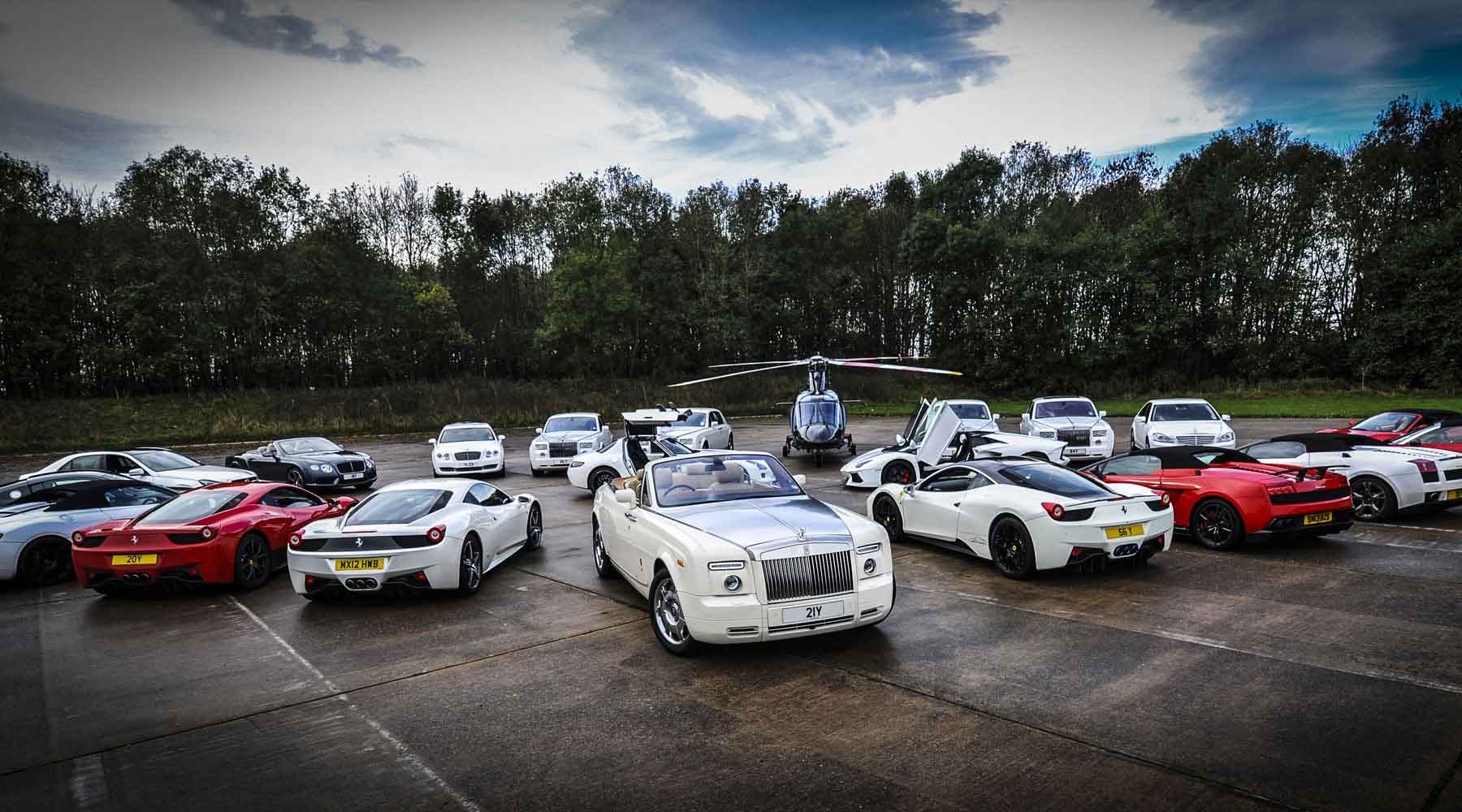
    This segment groups super sports car and ultra luxury limousine brands, namely Ferrari, Lamborghini, McLaren, Aston Martin, Rolls-Royce and Bentley.

    From January to August this year, a total of 91 of these cars were registered here, according to the Land Transport Authority. This is down 27 per cent or about a quarter from the 125 units registered in the same period last year.

    This is in stark contrast to the total year-to-date registrations for the overall car market, which soared 71 per cent from 33,673 to 57,468.

    According to some dealers, the high-end luxury car segment has been particularly quiet in the past couple of months since the start of the Hungry Ghost Festival, a period when prospective buyers traditionally refrain from making big-ticket purchases.

    Pang Cheong Yan, managing director of Wearnes Automotive, said: “Generally, people are becoming more cautious as they are not sure how long this current economic climate will continue.”

    Mr Pang, who is in charge of the Aston Martin and Bentley brands, added that it did not mean that this group of buyers is “less rich”.

    “They are just not willing to spend on discretionary items.”

    Melvin Goh, chief executive officer of EuroSports Global, said that the wealthy are being “more careful with their spending”. EuroSports distributes Lamborghini and Zonda, among other brands.

    Mr Goh said: “Business sentiment is weak and this has affected the Lamborghini business. Fortunately though, we have the LP580-2 Coupe and Spider priced below S$1 million and these are still selling.”

    Mr Goh explained that the S$1 million mark is a psychological barrier for many people, so anything just below it becomes a “magic number”.

    Besides the economy, however, some dealers said that Indonesia’s tax amnesty scheme is also hurting their business.

    The director of a high-end luxury brand, who declined to be named, said that as many as 30 per cent of his customers are wealthy Indonesians and “this group is gone”.

    He said that many are “scrambling for cash” to pay the taxman after having declared their assets to the authorities.

    “As for the rest who still have spare cash, they won’t spend until they are in the clear.”

    The head of another high-end luxury dealership agreed. He said that while the large majority of his customers – up to 90 per cent – are Singaporeans, some of the remaining 10 per cent are also feeling the heat from the tax amnesty issue.

    “For now, they are not going to be seen spending any of their money on expensive cars.”