Retail News CRM

Tag: CarPlay

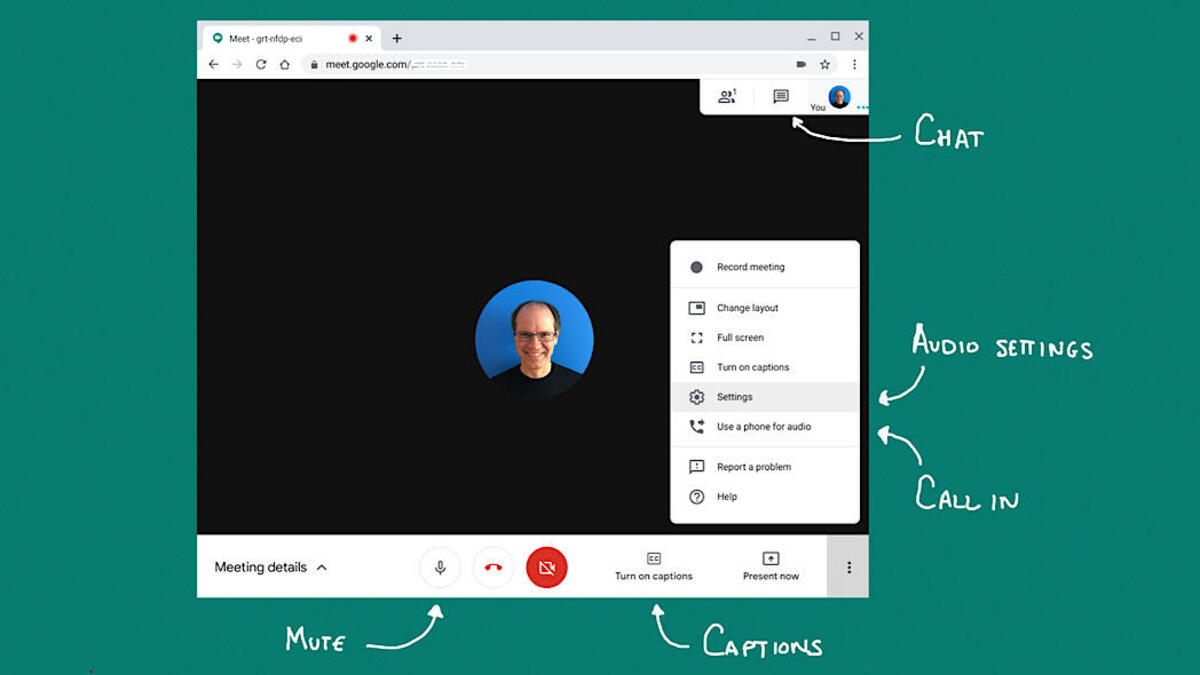
  • Google Meet Zooms onto CarPlay: A Hands-Free Meeting Revolution Android Auto Can’t Join Yet

    Google Meet Zooms onto CarPlay: A Hands-Free Meeting Revolution Android Auto Can’t Join Yet

    Google has recently introduced its video meeting application to automobile dashboards, enhancing the in-vehicle experience for iPhone users. Now, through CarPlay, drivers can join Google Meet calls hands-free while commuting. However, it’s worth mentioning that this feature is not yet available for Android Auto users.

    Google Meet on CarPlay: An Audio-Only Experience

    Google has officially confirmed that Google Meet is now accessible on Apple CarPlay. The feature was launched on March 23rd and is expected to be available to all users within a fortnight.

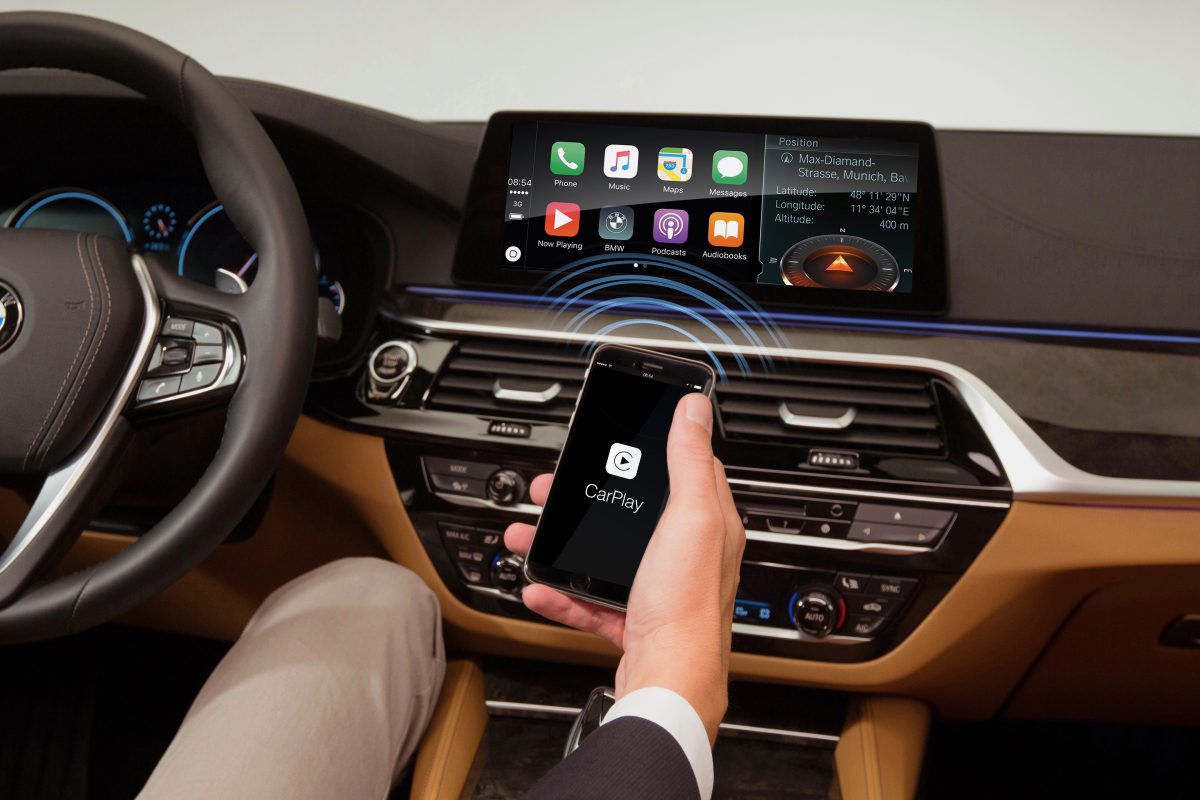
    The operation is simple and user-friendly. Upon connecting your iPhone to a CarPlay-compatible vehicle, the Google Meet application automatically appears on your vehicle’s display. Users can view their upcoming meetings and join them with a single click, enjoying an audio-only call experience.

    By design, there is no video functionality in this setting. The camera remains off, and users will not see other participants’ video feeds. The interface is simplified to only include two buttons—one to mute the call and another to leave the meeting. For a comprehensive meeting experience, users are advised to park their vehicle and switch to their phones.

    A minor setback for Google is the lack of this feature for Android Auto users. The company has confirmed that an Android Auto version of Google Meet is underway but has provided no further details regarding its release.

    Significance for Commuters

    This new feature holds significant potential for millions of individuals who use Google Meet for work. Commuters with tight schedules no longer need struggle with their phones to join meetings. The real advantage lies in the calendar integration, which presents upcoming meetings directly on the vehicle’s display.

    This development aligns well with the broader evolution of CarPlay. As Apple continues to enhance the capabilities of CarPlay, the presence of Google applications on this platform bolsters its appeal and functionality.

    Questions & Answers

    What is the new Google Meet feature on Apple CarPlay?
    Google Meet is now accessible on Apple CarPlay, allowing users to join meetings with a single click and engage in audio-only calls.

    Is the Google Meet feature available for Android Auto users?
    Currently, the Google Meet feature is not available for Android Auto users. However, Google has confirmed that it is working on a version for Android Auto.

    What are the benefits of Google Meet’s integration with Apple CarPlay?
    The integration of Google Meet with Apple CarPlay simplifies the process of joining meetings for commuters. The calendar integration feature, which displays upcoming meetings on the vehicle’s screen, is particularly beneficial for users with busy schedules.
  • Gemini Revolutionizes Android Auto: Introducing a Smarter, More Conversational AI Assistant for Productive Hands-Free Driving

    Gemini Revolutionizes Android Auto: Introducing a Smarter, More Conversational AI Assistant for Productive Hands-Free Driving

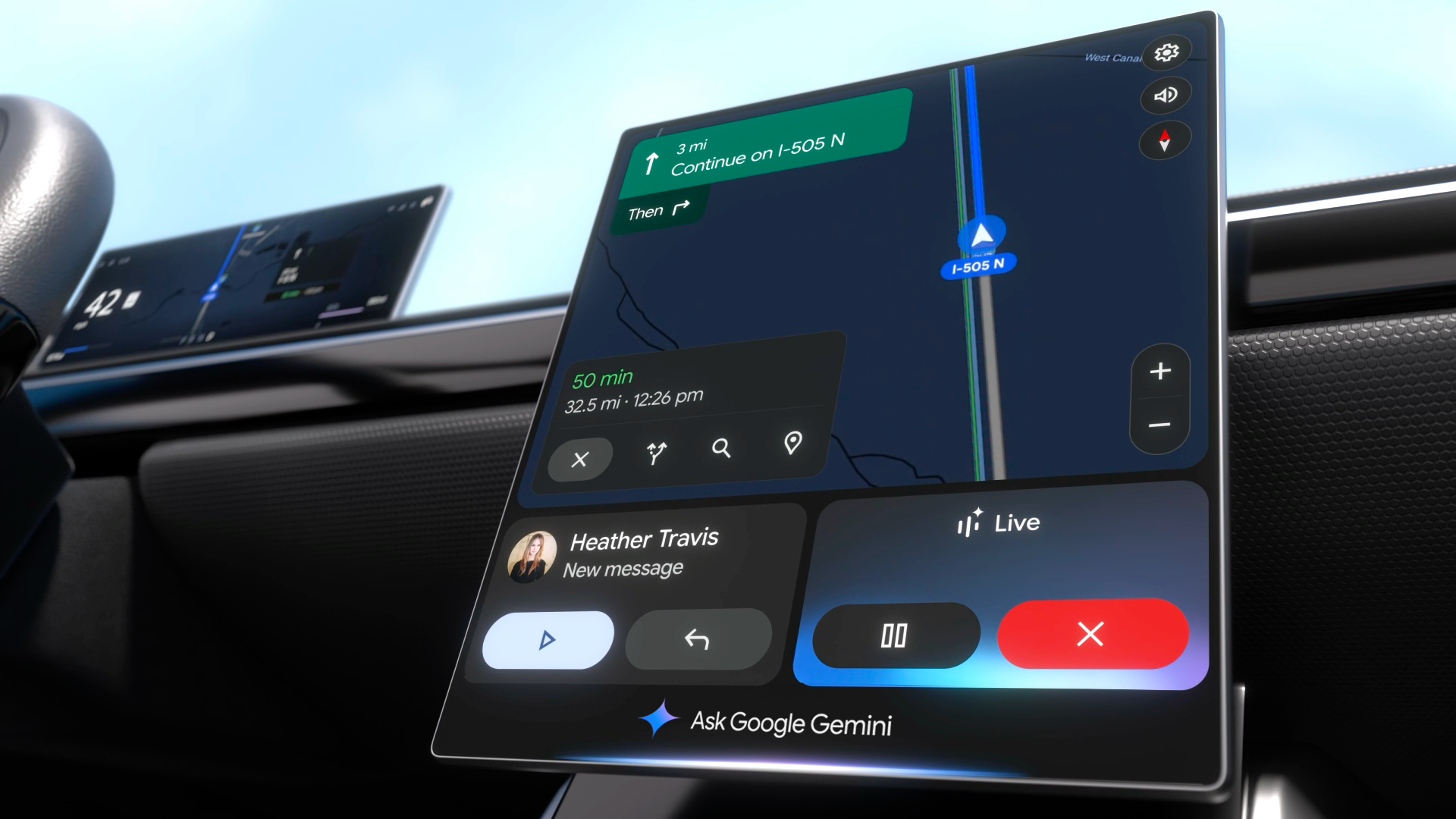
    Gemini, a new conversational AI, is set to enhance the Android Auto experience by improving voice command capabilities. This latest update offers an elevated hands-free driving experience by integrating with emails, real-time reviews, and more.

    Gemini’s Arrival to Android Auto

    Android Auto users have traditionally utilized built-in voice commands for elementary tasks like navigation and phone calls. The previous Google Assistant, while functional, was somewhat inflexible, often requiring precise phrasing.

    The introduction of Gemini, a more interactive and intuitive AI assistant, aims to change this. This new conversational AI has begun its global rollout to Android Auto users who have updated their devices. The implication of this is a less taxing and more natural interaction with the system while maintaining safe, hands-free control of the vehicle.

    Google confirmed that, while continuing to handle basic hands-free tasks, Gemini will extend its functionality as a comprehensive conversational AI. This means the need for memorizing specific phrases is eliminated, allowing users to interact with the system using natural language.

    The rollout is currently underway and all users need to access Gemini is the app on their Android device. Users can initiate interaction with the AI by simply saying “Hey Google,” or by using the on-screen or steering wheel controls.

    The Leap Towards a Better User Experience

    This significant update is set to revolutionize Android Auto’s user experience, which until now, has been somewhat clunky due to the requirement for very precise wording. This update is set to tackle this issue head-on, resulting in less distraction and a more authentically helpful virtual assistant.

    Comparatively, Apple’s CarPlay uses Siri, which is capable of handling rudimentary commands and integrating with Apple Music and Maps. However, Siri has not been known to provide the in-depth, cross-app conversational intelligence that Gemini offers.

    Gemini is poised to redefine the in-car AI experience, offering superior conversational utility and outpacing its competition. Its introduction is a significant victory for the multitude of vehicles already equipped with Android Auto, and for regular drivers and commuters who stand to benefit immensely from this product.

    The Future of Driving Assistance

    This update represents a momentous advancement towards driving assistance’s future. Although the former Google Assistant was adequate, its limited ability to process complex queries or follow up on previous commands often left users frustrated.

    The transition to a truly conversational AI in a hands-free environment is a game-changer. The “Live” feature allows users to brainstorm or rehearse, turning monotonous commutes into productive journeys. It can summarize emails or find addresses in Gmail, offering practical, frictionless utility. Android users eagerly await the arrival of this update on their devices.

    Questions & Answers

    What is the Gemini update in Android Auto?
    Gemini is a new conversational AI update in Android Auto that enhances the built-in voice command capability. It allows for more natural language interaction, making hands-free tasks less taxing and more efficient.

    How does the Gemini update compare to Siri on Apple’s CarPlay?
    While Siri on Apple’s CarPlay can handle basic commands and integration with Apple Music and Maps, it does not offer the same level of in-depth, cross-app conversational intelligence that Gemini provides on Android Auto.

    What are the benefits of the Gemini update for Android Auto users?
    The Gemini update offers Android Auto users a more genuinely helpful virtual assistant. It reduces distraction, supports safe driving, and turns potentially unproductive commute time into useful “done time” by completing tasks such as summarizing emails or finding addresses within Gmail.

  • Tesla Shifts Gears: Embracing Apple CarPlay in Game-Changing Move

    Tesla Shifts Gears: Embracing Apple CarPlay in Game-Changing Move

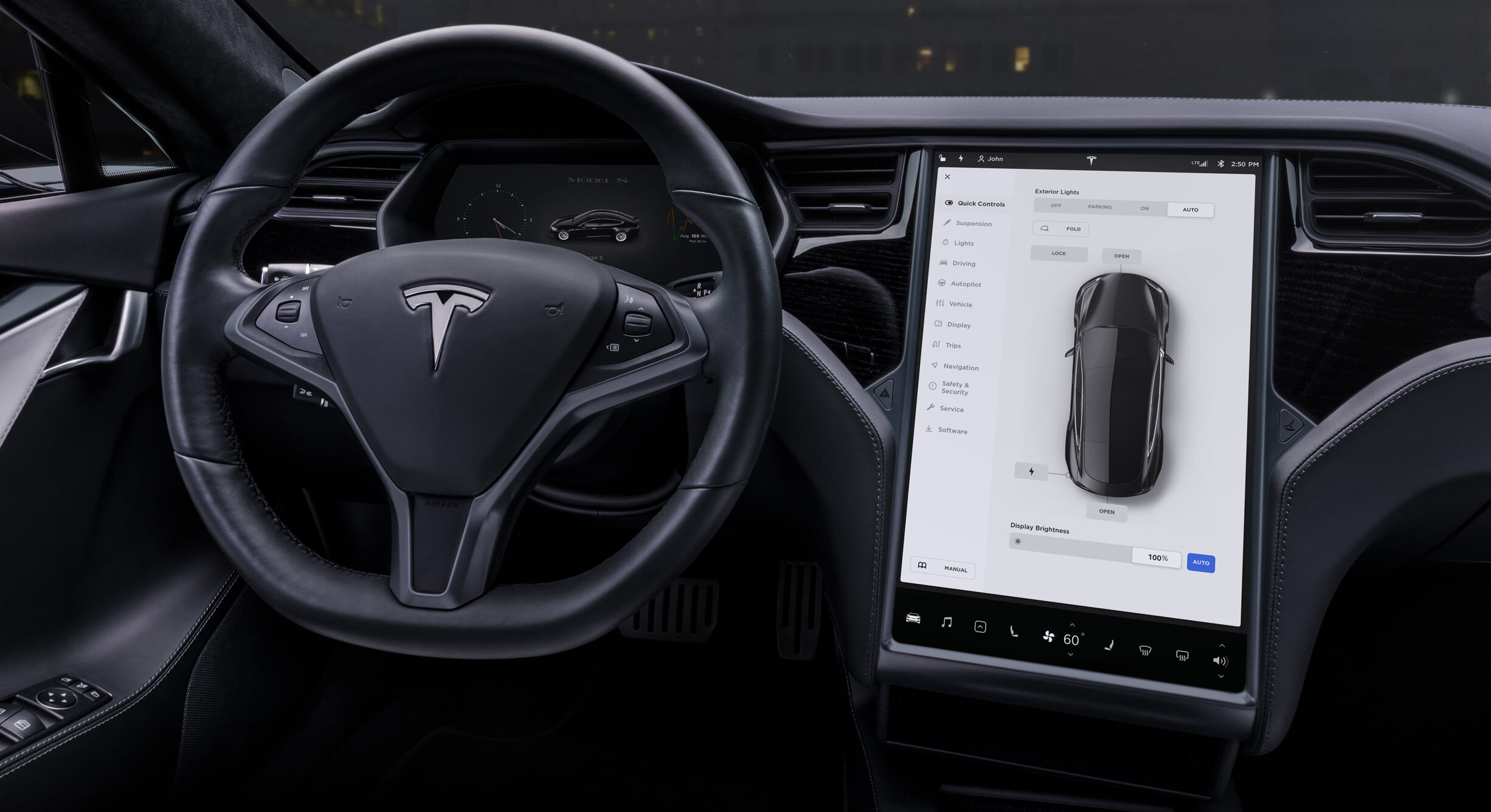
    Tesla, a renowned auto manufacturing powerhouse, is said to be on the cusp of incorporating Apple CarPlay into its vehicles. This decision is a significant shift from the stance of Tesla’s CEO, Elon Musk, who had previously opposed the integration of Apple’s entertainment system into Tesla cars.

    Tesla and Apple’s Gradual Convergence

    iPhone-using Tesla drivers have long awaited the integration of Apple CarPlay into their vehicles. Over the years, Tesla has been gradually integrating components of Apple’s ecosystem into its models. In 2022, it incorporated Apple Music, followed by the addition of Apple Podcasts in 2023. However, offering full CarPlay integration remained a stubborn line the company wouldn’t cross.

    This situation is on the verge of changing, however. Reportedly, Tesla is gearing up to launch full support for CarPlay, a move expected to occur in the coming months. For Tesla drivers immersed in the Apple ecosystem, this is a welcome development. It enables them to use their iPhone’s mapping, music and messaging applications seamlessly on the vehicle’s large display, offering what many consider a long-desired feature.

    Why the Change in Tesla’s Stance?

    Elon Musk’s resistance to CarPlay integration has been reportedly linked to the protection of Tesla’s proprietary infotainment system, a key aspect of the vehicles’ user experience. So, what caused this change in attitude? The primary reason appears to be the increasing competition in the electric vehicle market.

    Reports indicate that the evolving electric vehicle landscape has prompted this shift in Tesla’s strategy. The absence of CarPlay has increasingly become a notable drawback as global competition intensifies, potentially affecting Tesla’s sales. The expected standard of vehicle integration has been established by CarPlay, and its exclusion is a conspicuous deficit.

    Another contributing factor is Apple’s decision to halt its car production ambitions. It is speculated that Musk would have held out on integrating CarPlay if Apple continued to be a direct competitor in the car industry. However, with the absence of this potential threat and with sales targets to meet, Tesla has deemed it necessary and strategic to integrate the Apple system.

    Tesla Embraces the ‘If You Can’t Beat ‘Em, Join ‘Em’ Philosophy

    Tesla seems to be adopting the old adage: ‘If you can’t beat ’em, join ’em.’ Many believe this move has been long overdue. While slick, Tesla’s native system is not an iPhone. The advantage of CarPlay lies in its seamless, effortless integration with the device many people use for their entire digital life.

    Forcing users to use a different proprietary system for navigation and media, despite its high quality, creates friction. The persistent opposition to CarPlay has often been perceived as a personal vendetta rather than a decision made with the user’s best interests in mind. By integrating CarPlay, Tesla is improving the user experience for drivers by eliminating a major point of frustration and making their high-tech cars feel truly connected to the driver’s digital life.

    Questions & Answers

    Why has Tesla decided to integrate Apple CarPlay into its vehicles?
    This decision is primarily motivated by increasing competition in the electric vehicle market and the need to meet customer expectations for seamless, device-integrated experiences.

    Wasn’t Elon Musk resistant to integrating Apple CarPlay into Tesla vehicles? What changed?
    Reportedly, Musk’s resistance was rooted in the protection of Tesla’s own proprietary infotainment system. However, the evolving electric vehicle landscape and Apple’s withdrawal from car production have necessitated this strategic adjustment.

    What does the integration of Apple CarPlay into Tesla vehicles mean for drivers?
    The move means that drivers can now enjoy a seamless connection between their iPhones and their vehicles, using their favorite maps, music, and messaging apps directly from the car’s display, enhancing the driving experience and usability of the vehicle.

  • My Porsche App Now Integrated With Apple CarPlay

    My Porsche App Now Integrated With Apple CarPlay

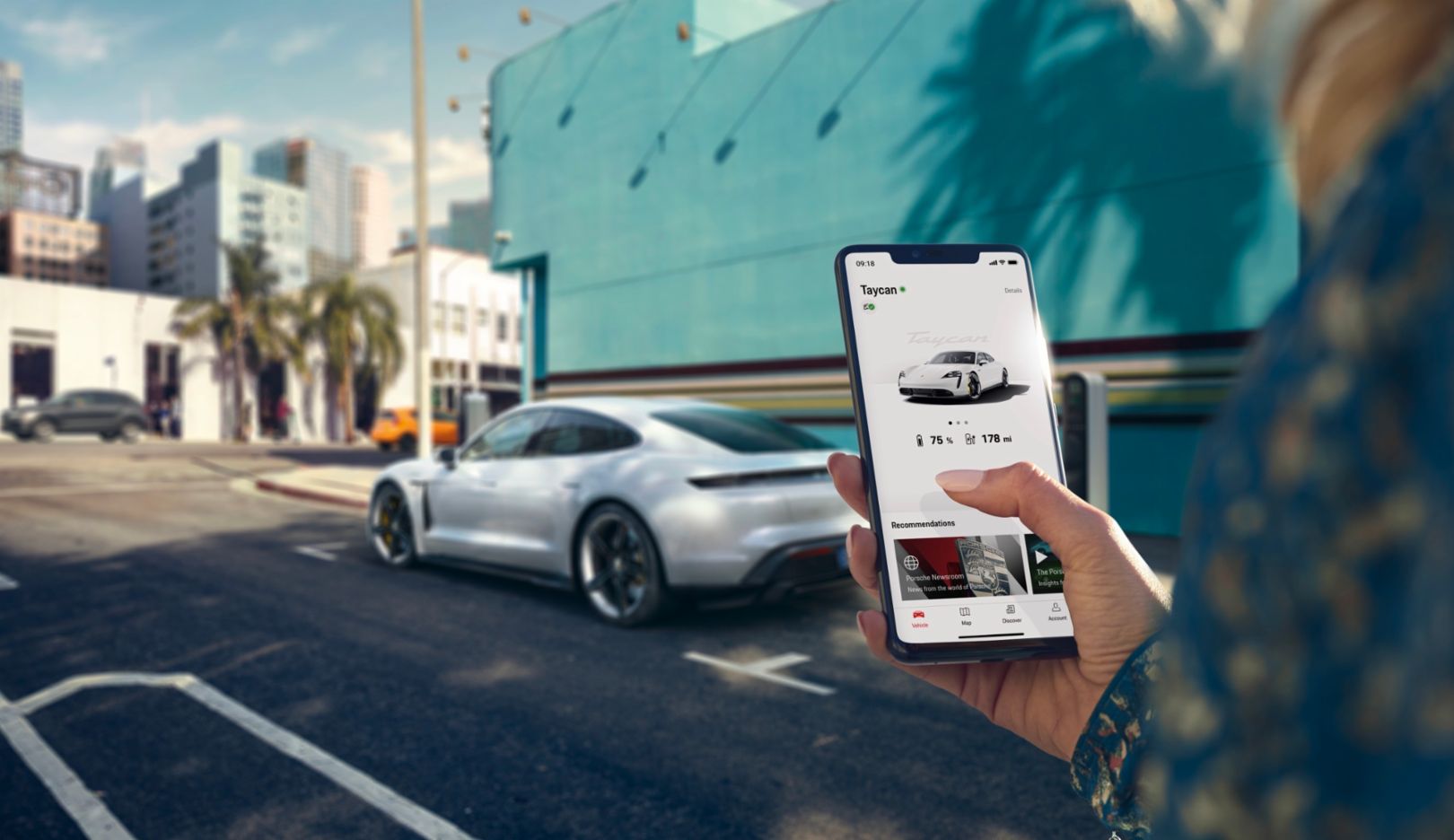
    Porsche has expanded the functionality of the My Porsche App by integrating it with Apple CarPlay. This added functionality has established Porsche as the first automotive manufacturer to integrate vehicle functions into the CarPlay experience.

    The My Porsche App serves as a centralized hub for the digital management and control of vehicles. With this update, users can now access a range of vehicle functions directly within CarPlay. The integration brings features like real-time battery charge status, climate control adjustments, audio settings, such as sound profiles and radio station selection,  and ambient lighting adjustments. and seamless navigation input.

    Additionally, these functions can be combined into preset “wellness modes,” such as “relax,” “warm-up,” and “refresh,” accessible via quick actions within CarPlay. Furthermore, users can control various vehicle functions using Siri while driving their Porsche.

    Moreover, the My Porsche App integrates with third-party platforms like Apple Music, enabling users to access their associated apps directly through the Porsche Communication Management system.

    The updated app also displays images of the specific Porsche model within the CarPlay interface.

    To get started with this the user has to only do a quick QR code scan displayed on the PCM. As the new features get developed within the Carplay, the customers will get updates to their My Porsche App. The updated functionality has debuted in the new Porsche Cayenne, which is available now and will be rolled out to other Porsche model lines.

    “We are excited to further improve the My Porsche App and use the capabilities of Apple CarPlay to deliver a truly enhanced customer experience,” says Mattias Ulbrich, CEO of Porsche Digital and CIO of Porsche AG. “Technology and digitization are crucial factors for the enduring fascination of our brand – now and in the next 75 years.”

  • Volvo’s Latest Apple CarPlay Update Brings Navigation, Call Details To Driver’s Display

    Volvo’s Latest Apple CarPlay Update Brings Navigation, Call Details To Driver’s Display

    Volvo Cars is rolling out an important update for Apple CarPlay users in its vehicles worldwide. The over-the-air software update enhances the infotainment system and brings significant improvements to the Apple CarPlay experience. A key enhancement is the integration of Apple Maps and other supported navigation apps directly into the driver display (instrument cluster). This integration allows drivers to access navigation information conveniently while keeping their eyes on the road, improving safety and convenience.

    The update also improves call management by displaying call information on the driver display. Drivers can answer, reject, and end calls using the steering wheel buttons. Additionally, the CarPlay tile in the centre display now provides media information, making it easier to control media playback functions like play, pause, and skip.information

    Speaking on the announcement, Alwin Bakkenes, Head of Software Engineering at Volvo, said, “The latest update on CarPlay features is an excellent example of how we continuously improve and add features and functions together with our technology partners, making our customers’ experience richer over time.”

    In addition to the CarPlay improvements, the update brings various changes to enhance the overall driving experience. Drivers can now switch between different driver support functions using the steering wheel buttons. There is also an option to choose whether the wing mirrors should fold when locking the car. Volvo also says that the update includes minor engine calibration optimizations and bug fixes as well.

    The over-the-air update will become available on Volvo cars with Google built-in.

  • Apple Eyes Fuel Purchases From Dashboard As It Revs Up Car Software

    Apple Eyes Fuel Purchases From Dashboard As It Revs Up Car Software

    Apple Inc wants you to start buying gas directly from your car dashboard as early as this fall, when the newest version of its CarPlay software rolls out, accelerating the company’s push to turn your vehicle into a store for goods and services.

    A new feature quietly unveiled at Apple’s developer conference this month will allow CarPlay users to tap an app to navigate to a pump and buy gas straight from a screen in the car, skipping the usual process of inserting or tapping a credit card. Details of Apple’s demo for developers have not previously been reported.

    But Dallas-based HF Sinclair, which markets its gasoline at 1,600 stations in the United States, told Reuters that it plans to use the new CarPlay technology and will announce details in coming months.

    “We are excited by the idea that consumers could navigate to a Sinclair station and purchase fuel from their vehicle navigation screen,” said Jack Barger, the company’s senior vice president of marketing.

    Fuel apps are just the latest in a sustained push by Apple to make it possible to tap to buy from the navigation screen. It has already opened up CarPlay to apps for parking, electric vehicle charging and ordering food, and it also is adding driving task apps such as logging mileage on business trips.

    Fuel is a major expense for car owners. The U.S. Energy Information Administration estimated in April that the average U.S. household will spend about $2,945 on gasoline in 2022, or about $455 more than last year.

    Apple currently does not charge automakers, developers or users for CarPlay; the business interest is putting Apple at the forefront as cars transform into rolling computers, said Horace Dediu, an analyst with Asymco and founder of Micromobility Industries. The new feature will hit hundreds of car models already compatible with CarPlay when Apple releases software updates this fall.

    “Forget about Apple Car – Apple CarPlay is a bigger deal,” Dediu said. “It’s very likely to scale to millions and millions of cars, if not hundreds of millions.”

    To use the new CarPlay feature this fall, iPhone users will need to download a fuel company’s app to their phone and enter payment credentials to set up the app. After the app is set up, users will be able to tap on their navigation screen to activate a pump and pay.

    “It’s a massive marketplace, and consumers really want to take friction out of payments,” said Donald Frieden, chief executive officer of Houston-based P97 Networks, which makes the digital plumbing that many fuel companies will use to connect their apps to cars.

    Frieden said he has fielded calls from oil companies that are interested to make their apps work with CarPlay. BP, Shell and Chevron Corp did not respond to requests for comment about whether they plan to make their iPhone apps work with CarPlay.

    Apple’s latest move is likely to increase tensions with automakers that have their own ambitions for commerce in the car.

    For example, vehicle makers have tried – and failed – to popularize gasoline purchasing from the car before. General Motors Co rolled out a system for doing so in 2017, but shuttered it earlier this year “due to a supplier exiting the business,” GM told Reuters in a statement.

    Beyond apps for fuel and other purchases, Apple is also seeking to expand CarPlay further into the car’s driving systems by accessing speed and fuel gauge data.

    But automakers are not likely to hand over that data to Apple without making demands of their own in talks that analysts  believe are likely already under way.

    Speaking at the Reuters Automotive Europe conference in Munich on Wednesday, Mercedes Benz CEO Ola Kaellenius said the company’s goal “is to have a complete, holistic, Mercedes experience.”

    Kallenius said Mercedes would not seek to reinvent every category of app, but that “when interacting with companies that are in this digital domain … anything and everything that crosses into product liability relevance, we would be very cautious.”

  • New CarPlay Update Is Classic Apple Before It Invades A New Product Category

    New CarPlay Update Is Classic Apple Before It Invades A New Product Category

    The funny thing about Apple’s World Wide Developer Conference (WWDC) was that the most interesting piece of software the Cupertino-based giant showcased may not reach the hands of consumers till 2024. And no, it isn’t the much-talked-about VR and augmented reality headset it has been working on. It is the new expanded version of CarPlay it showed off which showcased a wild new interface for cars that extended beyond the infotainment screen to the instrument cluster.

    Apple says that this new CarPlay will show up in partner cars in late 2023. It lined up a show of force with brands like Mercedes Benz, Volvo, Volkswagen, Audi, Porsche,  Honda, Ford, Jaguar Land Rover and Renault. But when some of these brands were asked independently, it seemed that they didn’t know much about what Apple was doing and sounded cagey about confirming or denying that Apple’s new CarPlay would show up in their product line in the future.

    Apple’s gambit is also one that is predicated on the iPhone remaining the centre of the experience. The Volkswagen group on some level has made a tacit admission that its clientele is an iPhone crowd. That’s why the deep integration with Apple Music has been added to Porsche and Audi models while audio streaming services like Spotify and YouTube Music have been left behind in the dust. But this is also a scary proposition for auto companies as it creates a layer of dependence on a tech giant like Apple which seemingly has unlimited resources.

    Tesla has famously left both Apple and Google out of its infotainment experience. But then there is pragmatism at places like Ford and Volvo who have wholeheartedly adopted Google’s Android Automotive embedded OS for cars. They believe that Google is better at software and they could save the extra cash as they spend the next decade during a once-in-a-lifetime power train transition towards electric.

    However, in the case of Google, Android Automotive is at the heart of the car and is not beamed off an Android phone. OEMs get a say in what apps are being approved. For instance, the Vivaldi browser is on Renault and Polestar cars with Android Automotive but not in the Volvo XC40 Recharge.

    Apple’s interface doesn’t look just gorgeous and simple – more so than what Google has cooked up, but it will be also very private following one of the principles of the Tim Cook-led gadget-making titan. This would scare the bejesus out of an automaker as not a lot of data would be forthcoming. Apple could leverage the App Store on the iPhone to extend apps to the car via CarPlay which would help it create a bigger and better store faster. This would entrench a carmaker’s dependence on Apple.

    Already CarPlay and Android Auto have become table-stakes as phone beaming technologies. But they also visually break the experience one has in the car. Even with the latest lot that features digital instrument gauges – even on the best of the best – the Mercedes S-Class, you see MBUX that looks like something from the mid-2000s designed for Windows and then when you turn on CarPlay you see a simple and functional UI. Apple extends that elegance with the new CarPlay with gauge clusters designed using the ideas from the Apple Watch complications and widgets for iOS.

    Siri may not be as good as the Google Assistant but remains light years ahead of anything an automaker has including the “Hey Mercedes” voice command in the new C-Class and S-Class. Apple will certainly be able to enhance Siri and basically help decimate any of these software ventures that Mercedes and some of the European automakers are developing. No wonder, Mercedes hasn’t come out wholeheartedly and said that “we are adopting the new CarPlay”.

    Apple hasn’t revealed much about any specific hardware requirements. In fact, Apple says that this new system can scale to multiple screens and sizes seamlessly. Apple has shown a penchant for supporting multiple screen sizes and resolutions better than Google with less fragmentation in the user experience, but it will come with some strict hardware requirements something the company isn’t talking about right now. This is a technical eventuality.

    All of this also is also in line with how Apple enters a new product space. It does a taster. It launched iTunes before the iPod. It partnered with Motorola for the iPod phone before the iPhone. It spent more than a decade perfecting its own designed semiconductors before it added it to the Mac a year and a half ago. Likely, it will do the same with AR and VR with iOS and all of its platforms being ready for the technology for now more than five years since when AR Kit was launched.

    It is perhaps the auto industry’s worst-kept secret that Apple has been developing an electric self-driving car. It has been a rocky journey which has a number of executives coming in and leaving the tech giant. Now with operations of the Apple Car being under the care of John Giannandrea and Kevin Lynch – the leads for AI and Apple Watch, the new CarPlay shows signs of their touch quite succinctly.

    But with an actual Apple Car still, years away or perhaps a pipe dream like the so-called Apple TV that many expected after the death of Steve Jobs, this new CarPlay is certainly a way for Apple gets a hang of the auto industry – what works, what doesn’t. It also gets a consumer touch point and potentially it could be another hook for revenues either by licensing this interface to automakers or through App Store fees or both.

    It also flexes why Apple’s software chops are far beyond any automaker perhaps outside of Tesla. If this works – everyone wins – but in the long run, if Apple is able to get its self-driving car project off the rails, then this could also mean trouble for everyone who adopts it. But automakers also don’t have much choice here – they aren’t as good as Apple or Google with software and nor are remote as cash-rich as the two. At the same time, their lunch is being had by Tesla quarter by quarter as the world increasingly moves towards electric cars, so they can best hope – Apple doesn’t have their breakfast, lunch and dinner with this invasion via CarPlay.

    And oh, while this happens, Apple is continuing to develop the basic phone beaming CarPlay. So either way, Apple wins and the iPhone remains the centre of yet another experience.

  • Apple Music Voice Plan to go live in iOS 15.2

    Apple Music Voice Plan to go live in iOS 15.2

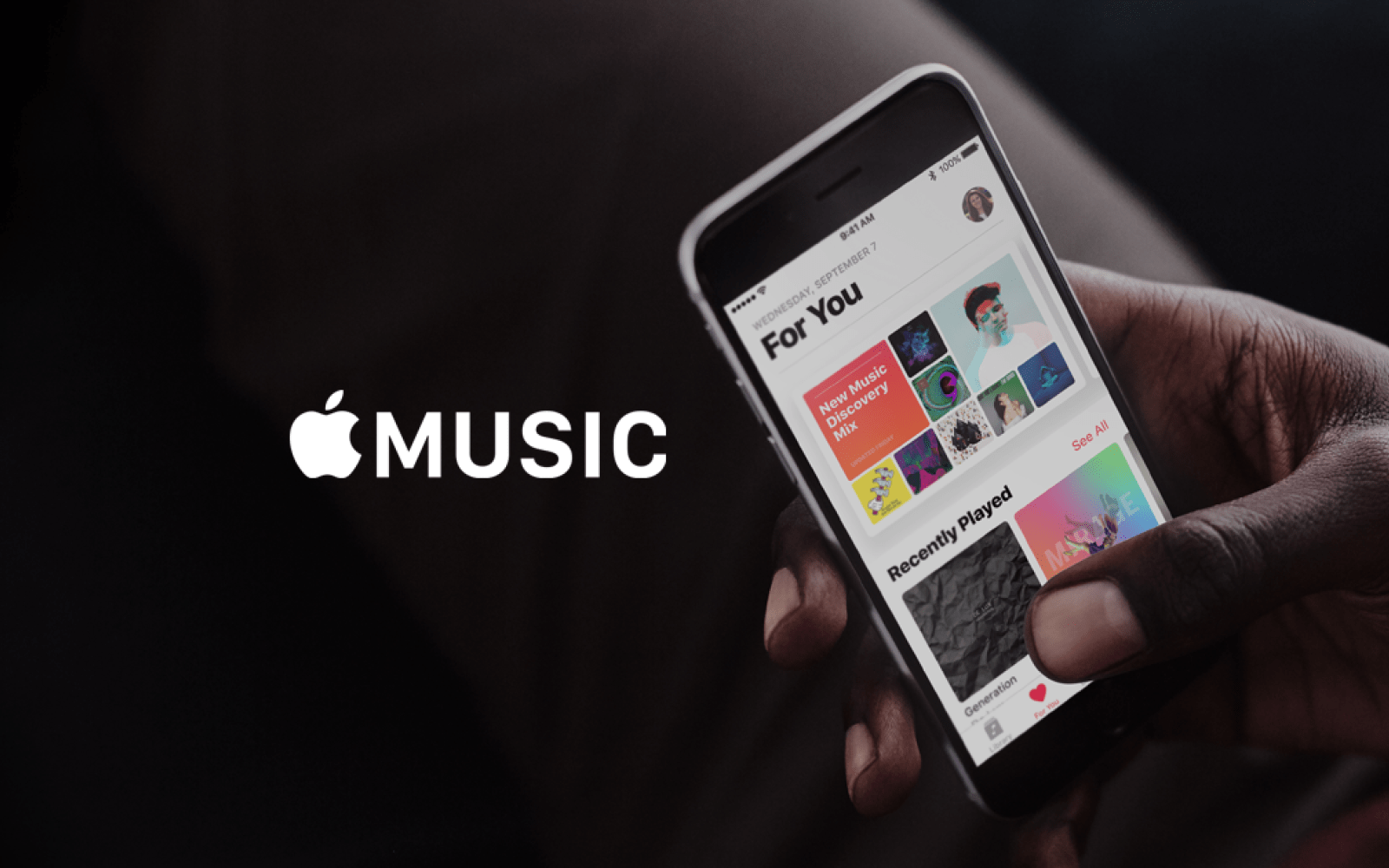
    Designed exclusively for Siri, Apple Music’s Voice Plan is likely to be available for users in the United States this month, after being officially unveiled back in October. The new subscription service for Apple Music offers access to a catalog of 90 million songs, thousands of playlists, and Apple Music Radio via Siri for $4.99.

    The Voice Plan is so integrated with Siri that even the subscribing process must can be done through Apple’s voice assistant. Those who wish to subscribe to the Apple Music Voice Plan must say “Hey Siri, start my Apple Music Voice trial.” Of course, another option would be to simply sign up through the Apple Music app.

    The service allows users to request music be played across all Siri-enable devices, including HomePod mini, AirPods, iPhone, or any other Apple device, and even when using CarPlay.

    The new tier subscription service was mentioned in release notes for the upcoming iOS 15.2 software update and seeing that Apple has just released the fifth iOS 15.2 beta software update, it’s very likely that the stable version will be made available in December.

    Unlike the standard Apple Music subscription tier that cost $9.99 per month, the Siri-controlled tier doesn’t allow subscribers to manage the service with the Music app. Also, Spatial Audio, lyrics, and the ability to save music offline aren’t supported by the Voice Plan. However, Apple Music subscribers have all the features offered by the Siri-oriented plan included.

  • New patch for Google Maps on CarPlay addresses annoying issue

    New patch for Google Maps on CarPlay addresses annoying issue

    If you own an iOS device and use any Google apps on it, you are probably no stranger to them being less optimized and maintained than their Android counterparts. One of the more recent cases was a particular bug in the Google Maps app where your chosen route would not show up on the screen when using CarPlay.

    The issue was first spotted during February this year in Google Maps for Android Auto. Many users reported that the blue line highlighting their chosen route had disappeared. The only indicators that remained were the guiding white arrows and the audio.

    Thankfully, the search giant acted somewhat quickly, and after a few weeks, the issue was resolved for Android Auto users. However, almost as an infectious disease in the code, the problem migrated to the CarPlay app for iPhone.

    In the middle of June, Google released patch 5.71 for Maps on CarPlay, partially taking care of the missing blue line issue. Now with patch 5.72, the problem seems to have disappeared entirely. This statement comes purely from users’ feedback, as Google has made no official comment on it.

    Apart from the missing blue line, some had also been reporting inconsistency in the GPS tracking of the app. Simply put, Maps would randomly stop following your location, almost as if it gave up. With the latest update, this issue looks to have gotten resolved, and the app no longer loses the person’s location.

    For those of you out there who are not sure which version of Google Maps you have, here’s how you can find out:

    1. Open Google Maps
    2. Tap on your profile at the top right
    3. Select Settings
    4. Tap on About, terms and privacy
    If you don’t yet have the latest update, just tap on the option in the App Store to manually search for it.
  • Ford Is Going All In On Android Automotive Starting In 2023

    Ford Is Going All In On Android Automotive Starting In 2023

    If it often befuddled you why carmakers like Ford were developing their own car infotainment system software, then that’s about to change. Ford has stated that starting in 2023, it will be turning to Google’s Android Automotive platform for the operating system of its vehicles and this will not be a one-off thing but rather millions of vehicles will be equipped with the software.

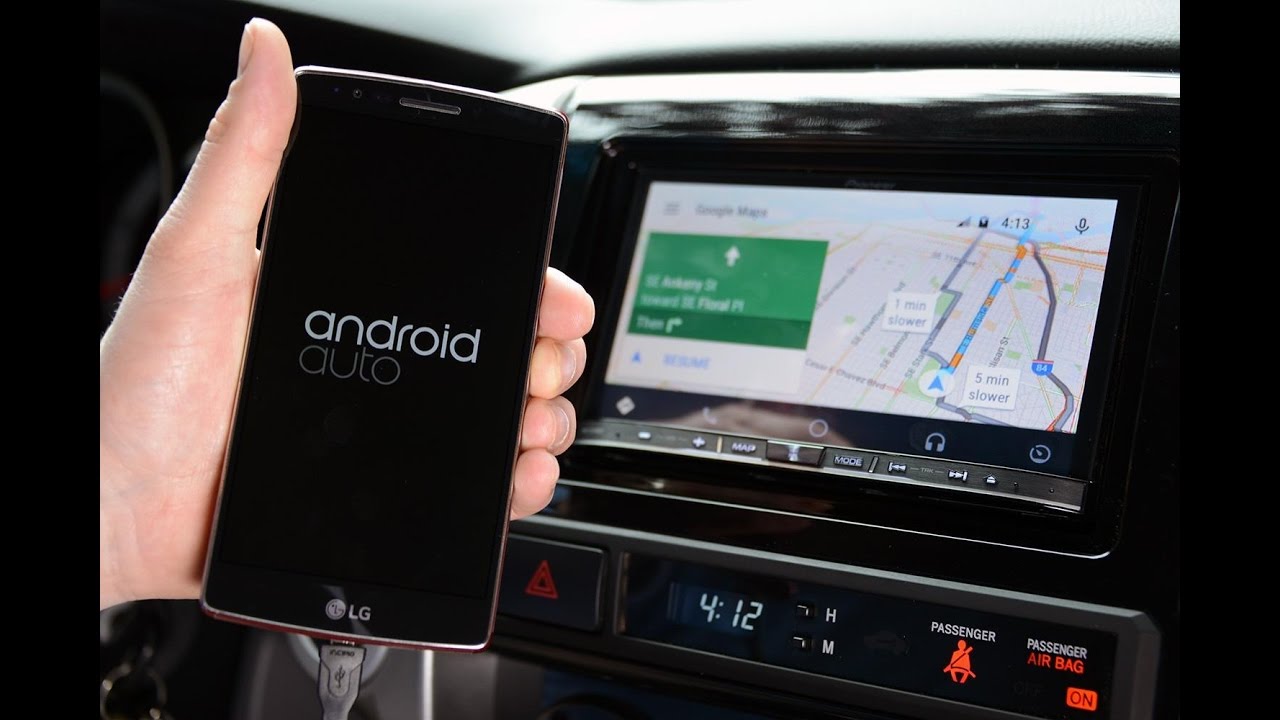
    This will give Ford’s vehicles access to core Google services like Maps, Google Assistant, and other apps without needing an Android smartphone. Currently, via Android Auto users can mirror the features of their phones onto the infotainment system of their cars.

    This integration will be deeper than what is possible via Android Auto. For instance, users will be able to summon the Google Assistant and say “okay Google” “make it warmer”. This will also enable OTA updates for adding features or addressing maintenance issues.

    Ford is making a system that will still retain compatibility with Apple’s CarPlay and Amazon’s Alexa as options too. This will scale to millions of vehicles under the Ford and Lincoln brands, except in China where Google’s services are banned.

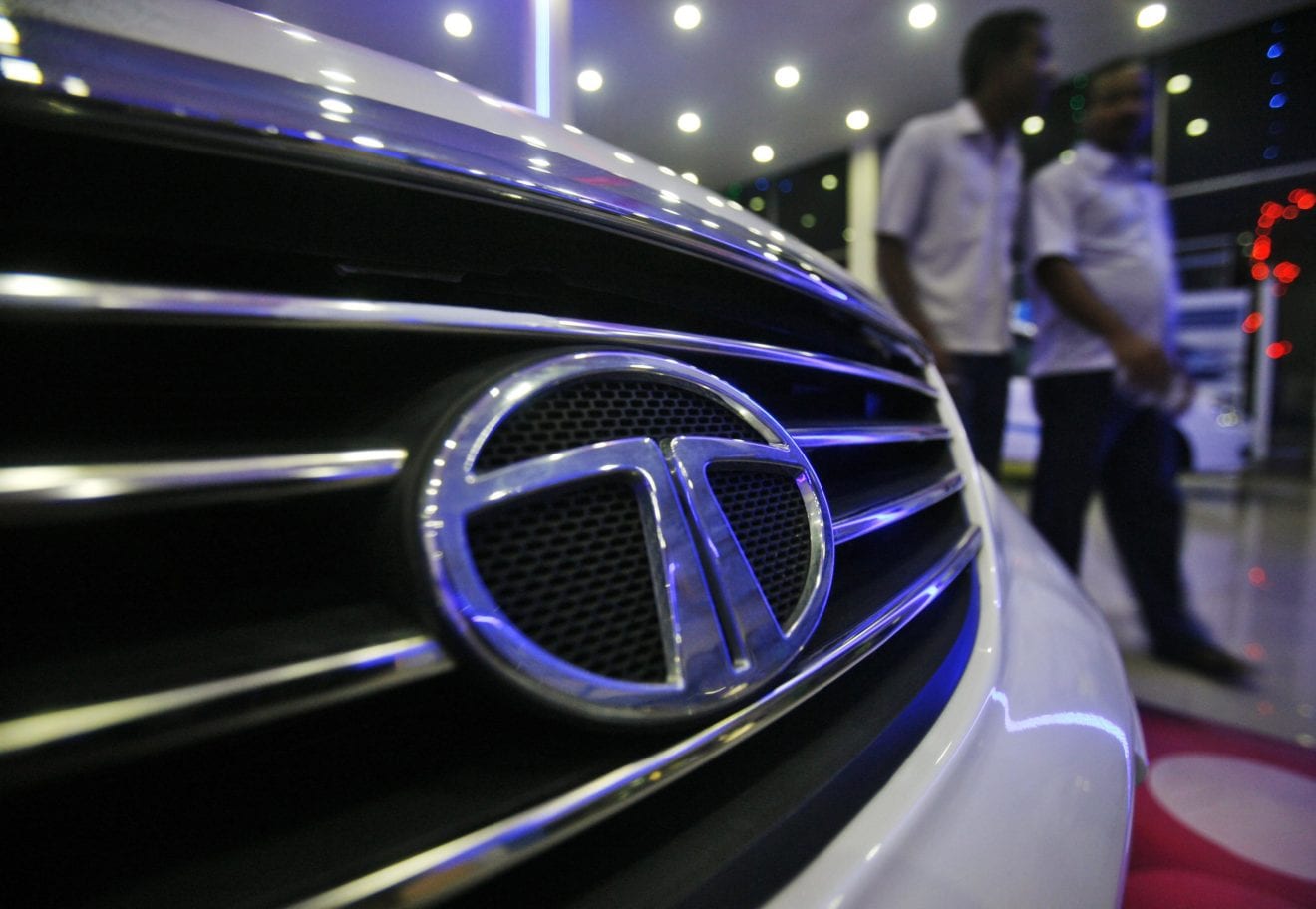
  • Tata Harrier Updated With Apple CarPlay Compatibility

    Tata Harrier Updated With Apple CarPlay Compatibility

    It is likely that the first batch of Tata Harriers already sold will be able to get the connectivity system with a software update. There are no changes to the infotainment system on the SUV that continues to be offered with the 8.8-inch floating touchscreen display and has been developed by JBL. The infotainment system is offered on the XZ or higher trims.

    More recently, Tata announced that the Tiago and Tigor XZ+ variants now come with Apple CarPlay as well, having been updated with the larger 7-inch touchscreen infotainment system previously. Like the Harrier, the top variants of the Tiago and the Tigor were only offered with Android Auto on the XZ+ trim.

    Apart from the feature addition, expect no major changes on the Tata Harrier. The SUV is powered by the Fiat sourced 2.0-litre diesel motor tuned for 138 bhp and 350 Nm of peak torque. The motor is paired with a 6-speed manual transmission. A 7-speed version of the Harrier is due for launch later in the year and was revealed as the Tata Buzzard. The new offering could see an automatic transmission being introduced on the SUV.

  • Tata Tiago & Tigor Updated With Apple CarPlay

    Tata Tiago & Tigor Updated With Apple CarPlay

    Tata Motors top-selling Tiago hatchback and its sibling Tigor have been updated with a touchscreen system on the range-topping XZ+ variants. The Tata Tiago XZ+ is priced from ₹ 5.71 lakh, while the Tata Tigor XZ+ has been priced at Rs 6.75 lakh (all prices, ex-showroom Delhi). As a result, the new system is not only better in terms of use but also gets the much awaited Apple CarPlay compatibility feature. The Tata Tiago XZ+ variant was launched last year with the new 7-inch touchscreen infotainment system but only offered Android Auto connectivity. The new compatibility option will allow iPhone users to connect their smartphone with the car that makes for distraction-free driving.

    Interestingly, existing owners of the Tiago and the Tata Tigor XZ+ variants can update their existing infotainment systems to access Apple CarPlay. Owners will have to head to a Tata Motors service centre to for a software update. In addition to the touchscreen system, the Tata  Tigor and the Tiago XZ+ variants come with new headlamp styling, and diamond cut alloy wheels.

    Apart from the feature additions, the Tata Tigor and the Tiago continue to use the same mechanicals. Power comes from the 1.2-litre three-cylinder Revotron petrol engine that belts out 83 bhp and 114 Nm of peak torque. The 1.05-litre three-cylinder Revotorq motor is tuned for 69 bhp and 140 Nm of peak torque. Both engines are paired with a 5-speed gearbox, while an AMT unit is optional.

    With the new system updated across the Tiago and Tigor family, only the performance-friendly JTP versions are yet to get the feature. The Tata Harrier too will get the update in a few weeks.The Tata Tiago is quite the seller and locks horns against a number of offerings including the Maruti Suzuki Wagon R, Hyundai Santro, and the likes, while the Tata Tigor takes on the Ford Aspire, Maruti Suzuki Dzire, Hyundai Xcent among other sub 4-metre sedans.

  • Ford Cars Will Now Get In-Car Alexa Personal Assistant

    Ford Cars Will Now Get In-Car Alexa Personal Assistant

    After years of positioning its Microsoft Sync systems as the big in-car USP, Ford is now all set to make its cars Amazon Echo enabled. More specifically the In-Car Alexa personal assistant – which now takes the connectivity story ahead after Apple CarPlay or Android Auto have already become commonplace. Ford has partnered with Amazon for the Industry-first In-Car Alexa voice command assist system. This is the first such application in amass car brand’s portfolio and will work on similar lines as the latest voice-guided personal assistants that BMW and Mercedes-Benz have unveiled only recently. The Sync interface will continue to be in play here, and shall work in conjunction with Amazon’s flagship communicator. The Alexa voice assist system will be integrated into the latest Microsoft Sync 3 AppLink and will respond to various languages. According to our sources, Amazon is training the Alexa to understand multiple languages including Indian dialects. This leads us to believe that the product is set for a worldwide release, and not just within the United States.

    The latest AppLink system is built on an open source Smart Device Link Software which enables other processors such as the one used by Amazon for Alexa, to engage with it. The Smart Device Link is a cohesive software which will improve the open source and will allow other app developers and service providers to render service across automaker’s portfolio. So the idea is to grow this ecosystem. Ford has been tight-lipped about the rollout of this impressive new feature. Our emails to Ford India have also gone unanswered, though sources within the company’s Dearborn HQ have confirmed that the feature will be offered in the cars launched in India by 2020. And before you can ask – connectivity will be through either a sim card slot that will be provided on some models, or your smartphone which would hook up through Sync anyway.

    The In-Car Alexa assistant will allow the driver to access Alexa for traffic, or even destination information, besides giving her or him access to news, music and yes that includes Amazon Music’s vast library. Passengers can also enjoy highly personalised features like listening to audiobooks, search and transfer local destinations through navigation before even starting the trip, weather information and searching the Internet. In-Car Alexa can also be linked to its sister Alexa on the Amazon Echo device at the user’s home, through the home-to-car feature. This will assist the owner to command internet-enabled functions such as the house lighting, security system, garage doors etc. – basically anything hooked up to the Echo at home, can then be accessed through the IN-Car Alexa using voice commands. The home-to-car feature will also facilitate electric/hybrid vehicle owners to start-stop their car’s engine, lock and unlock the doors and monitor vehicle readings such as fuel level and the battery range.

  • 2019 Ford Figo Facelift Launch Date Revealed

    2019 Ford Figo Facelift Launch Date Revealed

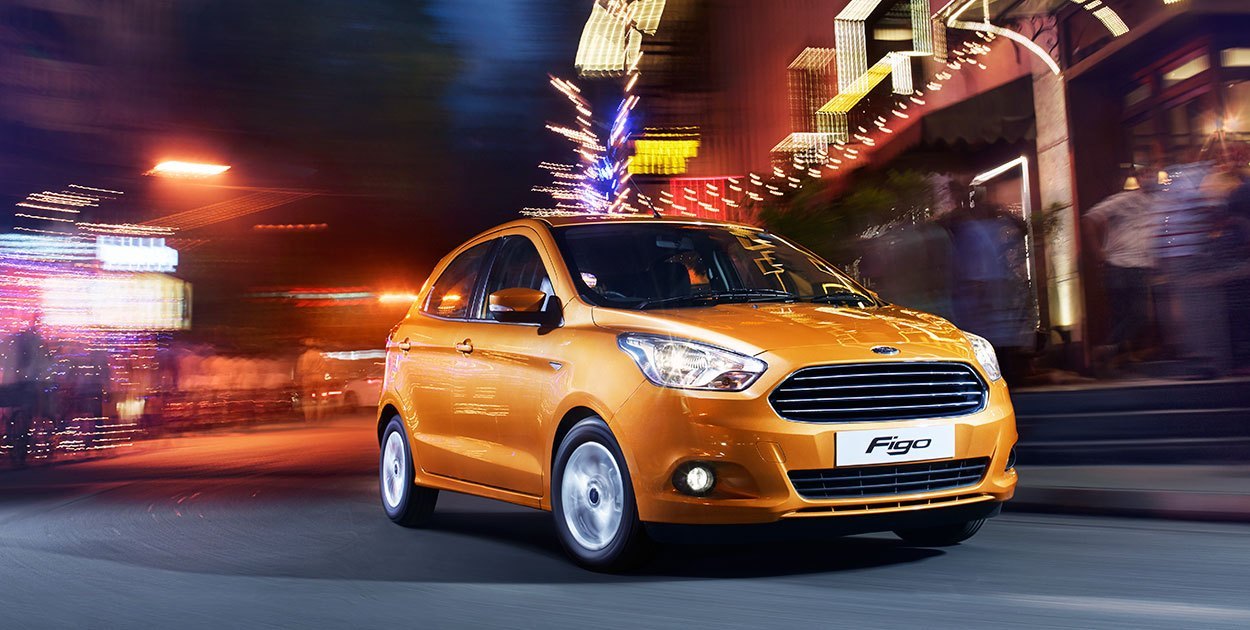
    The 2019 Ford Figo facelift is all set to go on sale in India on March 15, 2019. The car is set to receive an update over three years later and the facelifted Figo will come with a bunch of cosmetic changes, sharing most of its cues with the Aspire facelift, along with some new and updated features. In fact, a production-spec unit of the 2019 Ford Figo facelift has already been spotted testing in India. Furthermore, the updated Figo is also likely to come with powertrain options, which will also come from the updated Ford Aspire subcompact sedan.

    The revised engine options are likely to include the new 1.2-litre, three-cylinder petrol engine from the Dragon family that was first introduced with the Ford Freestyle. The motor is capable of producing 95 bhp and develops 120 Nm of peak torque while mated to a 5-speed manual gearbox. The 2019 Figo is also expected to get the bigger 1.5-litre three-cylinder unit that was introduced with the EcoSport facelift, which makes 123 bhp and 150 Nm of torque, with the new 6-speed torque converter.

    Of course, Ford will continue to offer the tried and tested 1.5-litre four-cylinder diesel engine, which continues to be the most popular choice among these models. The motor is tuned to churn out a maximum output of 99 bhp and 215 Nm of peak torque, and it comes paired with the same 5-speed manual gearbox as standard.

    Visually, the Figo facelift comes with a new honeycomb-pattern grille with chrome surrounds, the tweaked headlamps, with halogen units, and a new front bumper with the large end-to-end horns-like black element, with round foglamps and a wide airdam. The spy images also revealed that the car will come with new, sporty black alloy wheels, revised taillamps and similar black element as on the tailgate.

    The cabin design, on the other hand, is also likely to be identical to the new Aspire, but we do expect to see an all-black theme instead of the beige interior on the latter. Also, the car is likely to feature a new infotainment system, a floating unit that will support Ford’s in-car connectivity system SYNC3 in addition to Apple CarPlay and Android Auto. The car also comes with new air con vents along with illuminated USB sockets, auto climate control and a start-stop button.

  • Mahindra Marazzo MPV Gets Apple CarPlay

    Mahindra Marazzo MPV Gets Apple CarPlay

    Mahindra’s latest launch- the Marazzo will now be equipped with Apple CarPlay. The MPV was launched in India on September 3 and it’s infotainment system was Android Auto compatible. The UV maker has now confirmed to carandbike of having received the licence for Apple CarPlay. The company has sold over 4500 units of the Marazzo, which were rolled out of the Nashik plant. All these units did not have Apple Carplay but the company has informed us that all the models sold will be updated with the Apple CarPlay in their schedule service, without any additional cost.

    The timing for the license couldn’t have come at a better time as Mahindra is all set to launch the Y400 in the country in November this year and well, the SUV of course will get both Apple CarPlay and Android Auto now.

    The 7-inch touchscreen infotainment system in the Mahindra Marazzo is claimed to be the most updated unit in Mahindra’s product portfolio boasting of some cool features, for example configurable home screen. Buyers can add personalized images on the infotainment system’s internal memory via the USB socket and select it as the background wallpaper. Moreover, Mahindra has also been innovative with the creature comfort features in the Marazzo.

    The new Mahindra Marazzo is powered by a new 1.5-litre four-cylinder diesel engine that has been tuned to offer a maximum of 121 bhp and develops a peak torque of 300 Nm. The engine only comes mated to a 6-speed manual gearbox, and right now, there is no automatic transmission on offer. Mahindra is also working on the petrol engine and an automatic transmission for the Marazzo and could introduce the same when the BS VI emission norms come into effect from April 2020.