Tag: casual dining

  • Japan Foods Posts S$234,000 Profit as Halal Pivot Offsets Store Cuts

    Japan Foods Posts S$234,000 Profit as Halal Pivot Offsets Store Cuts

    Japan Foods swung to a half-year net profit of S$234,000 for the six months ended Sep 30, arresting losses sustained since 2023 after slashing nearly a third of its dining network in Singapore.

    The Catalist-listed restaurant group had reported a net loss of S$3.3 million during the corresponding period a year earlier. First-half revenue fell 18 per cent to S$30.2 million as its total store count dropped from 68 to 46 restaurants by late September.

    Management turned the business around by terminating unviable leases and converting underperforming locations into Steak 99, a proprietary halal dining format launched in October 2025.

    Pruning Legacy Noodle Brands for Halal Beef

    The format serves steak meals starting from S$9.90 with free-flow side dishes. It expanded to 14 locations by the end of September, generating S$9.5 million in first-half revenue, or nearly one-third of the group total.

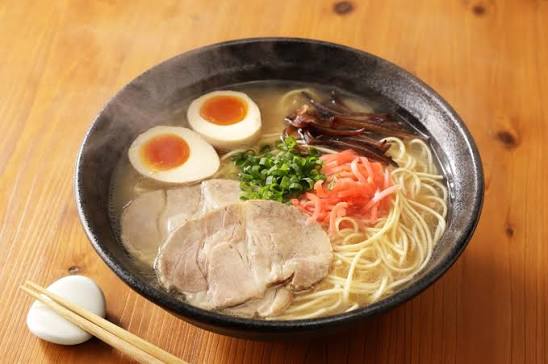
    To build the budget steak network, Japan Foods took over shopping centre units previously occupied by its Ajisen Ramen brand, including high-footfall sites at Plaza Singapura, Bedok Mall and Tampines Mall. Ajisen Ramen shrunk from 12 outlets to eight over the 12-month period, while Tokyo Shokudo dropped from 14 restaurants to two. The operator removed brands including Menya Musashi and Osaka Ohsho entirely from its active roster.

    Operating Costs Fall Across the Chain

    Shrinking the restaurant network produced immediate cost relief across primary overhead lines. Selling and distribution expenses fell 27.8 per cent to S$22.3 million as store closures reduced headcounts, utility bills and lease depreciation charges. Administrative costs dropped 22.4 per cent to S$1.4 million, while other operating expenses decreased by roughly half to S$747,000.

    The balance sheet adjustments funded an interim dividend of S$0.0013 per share, payable on December 15. The group distributed no interim payout a year earlier.

    Why Suburban Value Squeezes Mid-Tier Dining

    For mall landlords across Singapore, the retreat of established Japanese noodle concepts illustrates how aggressively casual dining economics have shifted. Suburban retail mall rents have held firm even as labor costs and ingredient prices climb, leaving mid-tier dining chains with little room to absorb softer traffic. Operators that rely on S$15 to S$20 noodle bowls face consumer pushback as inflation-weary families trade down to food courts or aggressively priced casual dining alternatives.

    Pivoting to certified halal menus solves a structural occupancy problem for multi-concept restaurant operators. By securing halal certification, Japan Foods opened its suburban dining rooms to Muslim families who could not dine at its traditional pork-broth ramen stores. Retaining those retail leases under a value-led S$9.90 entry price point allowed the company to keep prime mall locations without maintaining the staff levels required by complex Japanese specialty menus.

    From Red Ink to Budget Offshoots

    The overhaul addresses operational losses for Japan Foods, which had been loss-making since 2023. Management responded by testing variations of its budget steak model, rolling out Wagyu Steak 99, Shabu Suki 99 and Yaki Zakana 99 under the same pricing structure. Each variation offers an entry-level meal priced at S$9.90 to defend suburban table turnover.

    The company informed investors that the rate of store closures will slow during the financial year ending March 31, 2027, as it works on optimizing remaining operations. The board will monitor early trading figures across its newer value spin-offs before committing capital to additional retail conversions.
  • TGI Fridays Signs Deal to Open 15 Restaurants in Pakistan

    TGI Fridays Signs Deal to Open 15 Restaurants in Pakistan

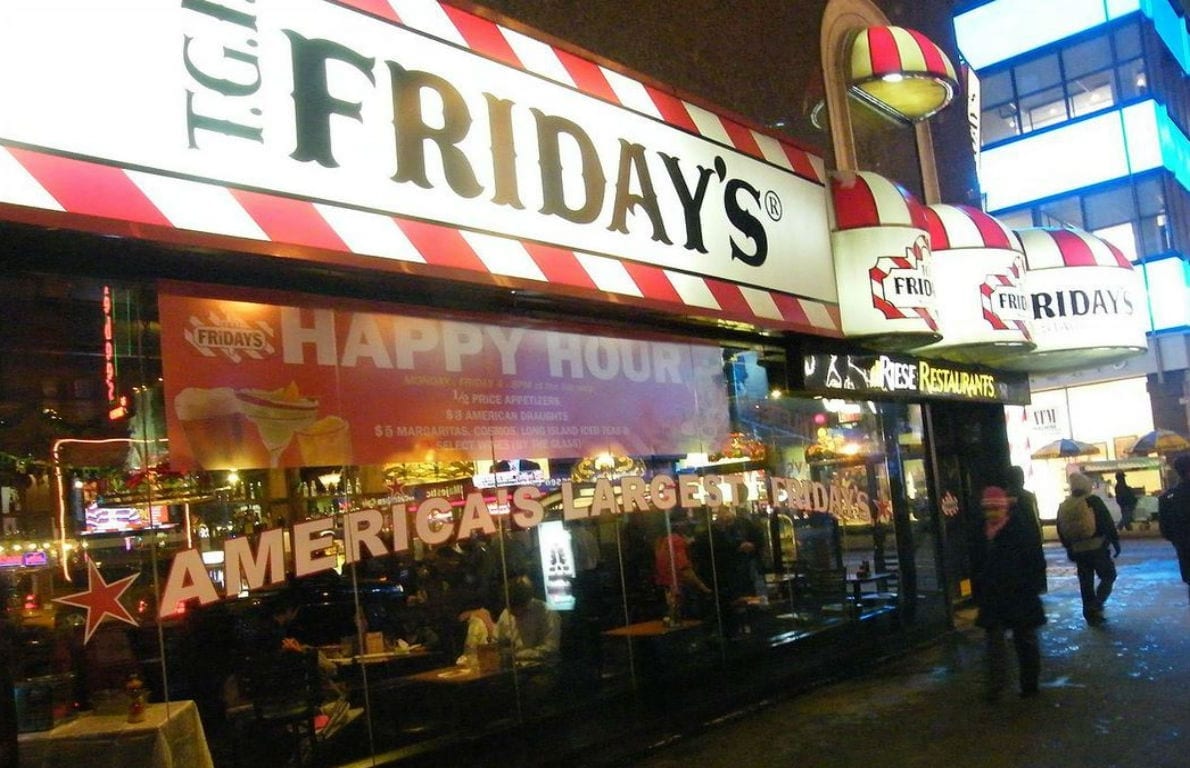
    TGI Fridays announced a development agreement with Meerab Hospitality on Sept. 23, 2026, to expand its presence in South Asia by scaling to 15 restaurants across Pakistan.

    The agreement targets a market of more than 240 million people with a median age of 21, aligning with the brand’s wider 1-2-3 Strategic Vision to reach over 1,000 restaurants and $2 billion in annual revenue by 2030.

    Flagship site set for Lahore

    Development begins in Lahore, where the first flagship restaurant is targeted to open within the next 12 months at the Hyatt Regency Hotel complex to establish the standard for future locations.

    Operating rights belong to Meerab Hospitality, the franchise and development arm of Meerab Properties. Led by founder and group chief executive Pervaiz Iqbal Shahid, the group holds two decades of property and operational assets across the UAE, Pakistan, and Central Asia.

    Shahid confirmed the group plans to rebuild the brand through a capitalized operating structure following earlier market exits.

    Franchise mechanics and local operating risks

    Pakistan offers international operators massive demographic scale, but execution risks are high. Western chains operating full-service formats face volatile currencies, rising utility overheads, and shifting import duties on specialized ingredients. To protect unit economics from currency shocks, operators must build domestic supply chains for poultry, produce, and dairy.

    Competition is fierce from domestic dining brands and fast-casual burger chains running lower average checks. TGI Fridays bets that dense commercial developments and hotel sites like the Hyatt Regency will generate the footfall needed to fill large dining rooms.

    Shift toward experiential dining formats

    Retail landlords and developers increasingly rely on international food-and-beverage banners to pull foot traffic into mixed-use sites. Landlords in Lahore, Karachi, and Islamabad are shifting gross leasable area away from apparel retail and toward dining and entertainment hubs aimed at consumers under 30.

    Offerings will center on non-alcoholic drinks, mocktail menus, and American bar-and-grill staples tailored to local dining habits. Support hubs in Dubai, London, and Dallas will handle franchisee assistance, quality audits, and menu localization across South Asia.

    Global pipeline targets 1,000 locations by 2030

    The expansion fits into the Dallas-based chain’s 1-2-3 Strategic Vision turnaround plan. That program aims to expand the global footprint past 1,000 restaurants and generate $2 billion in annual system revenue by 2030. Today, the chain runs roughly 400 restaurants across nearly 40 countries.

    September has already brought two market entries for the brand, starting with a franchise launch in the Balkans. Over the past year, regional agreements have added nearly 200 commitments across the Maldives, the Philippines, Japan, Kenya, Peru, Mexico, Spain, Greece, and Cyprus.

    Fit-out work at the Hyatt Regency complex in Lahore begins this year, with initial guest intake targeted before the final quarter of 2027.

  • Burma Burma Expands to 21 Outlets Across India with D2C Lines

    Burma Burma Expands to 21 Outlets Across India with D2C Lines

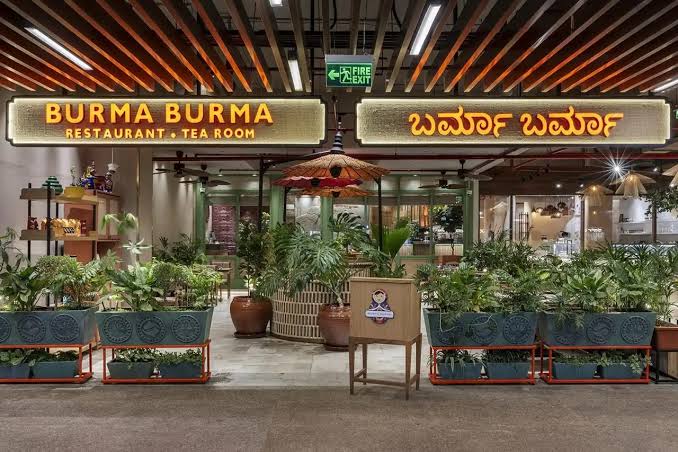
    Indian dining chain Burma Burma has expanded its footprint to 21 outlets across India while adding direct-to-consumer pantry goods and ice cream lines. The concept, launched in Mumbai in 2014, built its network by converting traditionally meat-heavy and fish-sauce-based Burmese dishes into an entirely vegetarian, alcohol-free format.

    Founder Ankit Gupta began development for the concept in 2011, three years before opening the first restaurant in Mumbai’s Kala Ghoda district. Gupta spent that period travelling through Mandalay, Yangon, and Sagaing to document street food preparations, dine in private homes, and secure supply links directly from local agricultural markets. His connection to the cuisine came through his mother, who lived in Myanmar for more than 20 years.

    Adapting a Regional Menu

    Traditional Burmese cooking relies on fermented seafood pastes and meat broths, ingredients that Gupta stripped out entirely to fit Indian dining preferences. The resulting menu created a new reference point for a cuisine that had virtually no commercial presence in India prior to the chain’s launch.

    Most international food concepts entering India rely on pre-existing consumer awareness or western brand equity. Burma Burma established demand for an unfamiliar Southeast Asian category by pairing strict vegetarian compliance with specialized ingredient sourcing, demonstrating that niche regional formats can scale nationally without serving alcohol or meat.

    Retail Pantry and Ice Cream Expansion

    Alongside its 21 physical restaurants and tea rooms, the business has diversified into packaged consumer goods. The brand now sells a direct-to-consumer pantry line and an artisanal ice cream range, targeting at-home consumption across major urban centres.

    The company continues to distribute its packaged line online while managing supply chain flows for imported specialty ingredients across its 21-store restaurant network.

  • SM Supermalls Revenue Rises 8% to $667M on Record Occupancy

    SM Supermalls Revenue Rises 8% to $667M on Record Occupancy

    SM Supermalls lifted first-half revenue by 8 per cent to US$667 million across the Philippines as mall occupancy reached a record 96 per cent.

    Same-store sales rose 4.8 per cent to 41.8 billion Philippine pesos during the six-month period, driven by steady foot traffic and resilient food spending.

    Vacant floor space dropped to 4 per cent across the network, with the operator attributing most empty units to planned tenant relocations rather than lease cancellations. President Stephen Tan said shoppers have grown more deliberate about where they spend, favouring better quality and experiential formats over basic discount hunting.

    Casual dining led tenant performance, according to executive vice president for marketing Joaquin San Agustin, who noted that trading held steady across nearly all retail categories.

    Shifting space from apparel to leisure

    To keep mall floors full, the group is reallocating square footage away from traditional apparel racks toward sports, entertainment and social concepts. Recent additions include pickleball courts, running hubs, food halls, game parks and combined dining-and-gaming venues.

    “A mall can’t stay the same,” Tan said. “You have to keep introducing new tenants and new experiences to keep customers coming back.”

    Across Southeast Asia, mall operators face a split market. While department stores in older suburban centres lose ground to online shopping, dominant prime developers in the Philippines, Indonesia and Thailand are converting excess retail capacity into recreational destinations to protect dwell times and rental yields.

    Provincial expansion pipeline

    Growth is now concentrated outside the capital. The company opens SM Nuvali in Laguna this November, installing the country’s first direct-view LED cinema screen to replace traditional projection booths.

    Further openings scheduled in the pipeline include new regional developments in Tagum, General Trias, Bohol and Malolos.