Tag: CAT

  • Inaba Breaks Into Australian Market With Innovative Cat Treat Range

    Inaba Breaks Into Australian Market With Innovative Cat Treat Range

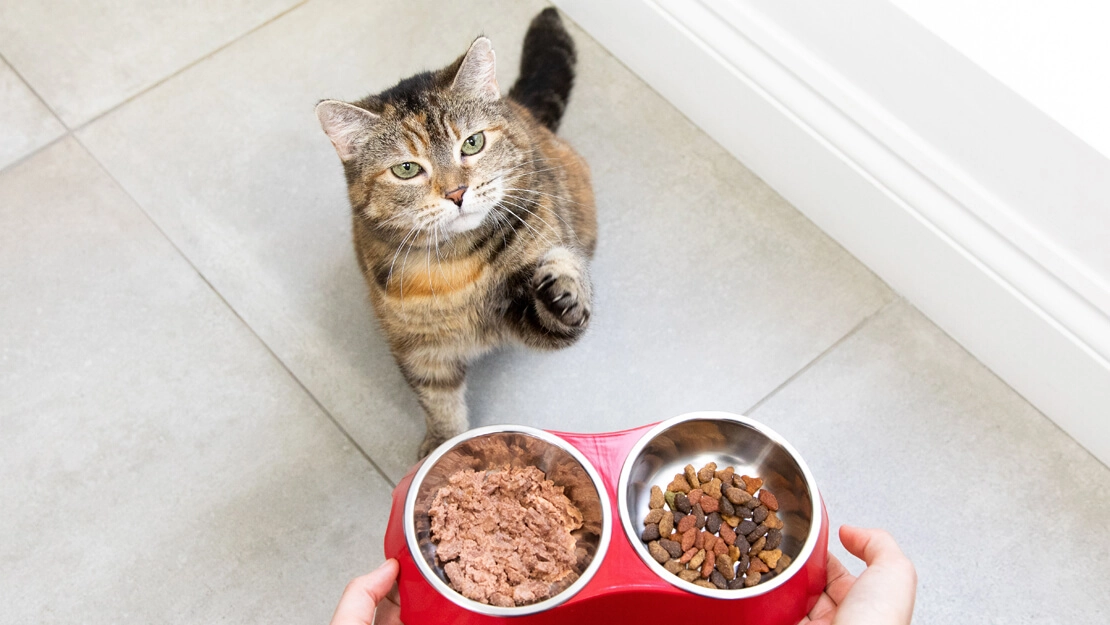
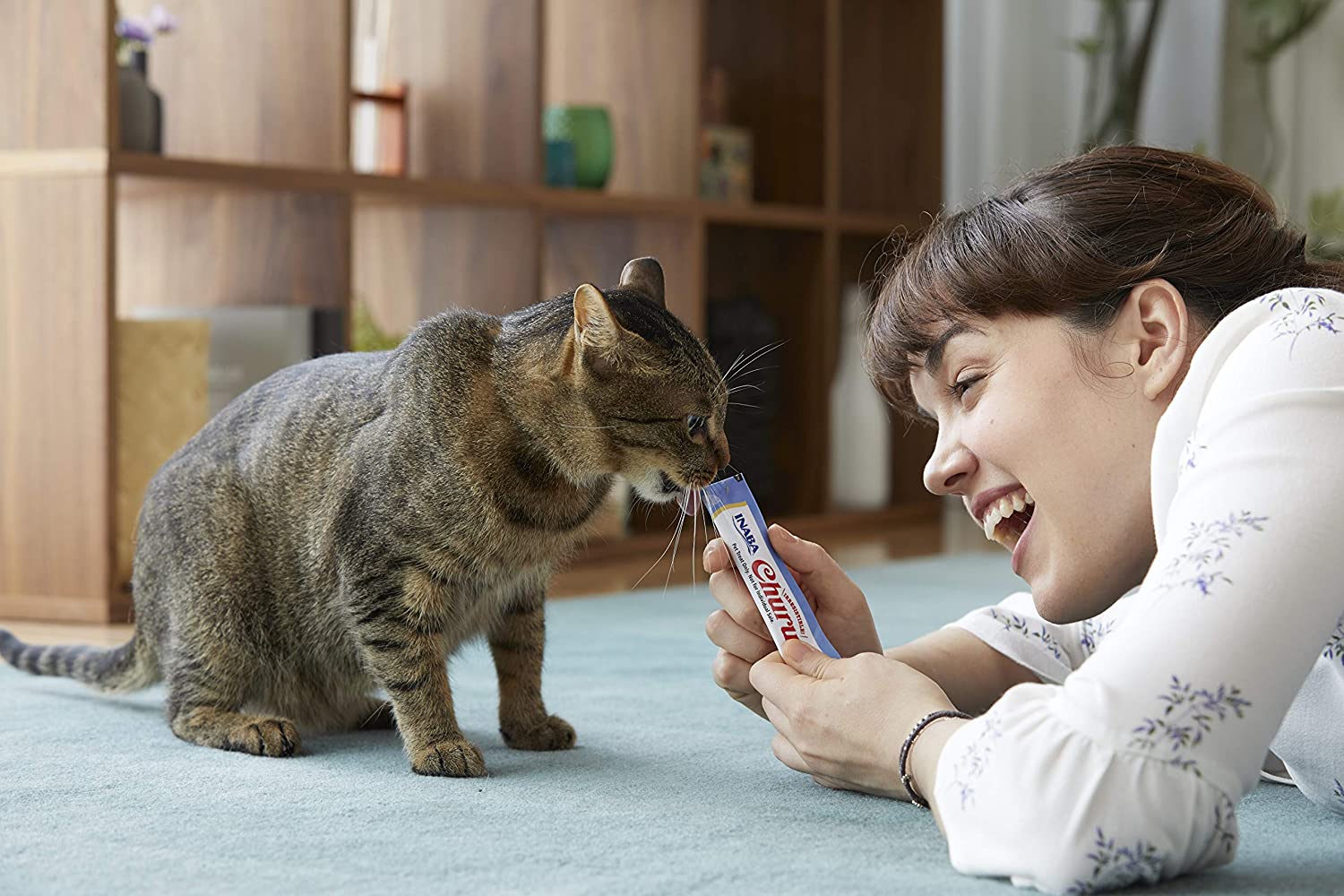
    Inaba, a renowned Japanese pet food brand, has made its debut in the Australian market with the introduction of its Churu cat treat range.

    The Innovative Inaba Churu Treats

    Inaba Churu treats stand out due to their fresh chicken and seafood ingredients, absence of preservatives, and high moisture content. Their unique texture can be either soft or chewy, and they are also low in calories.

    According to Adam Heelis, Inaba Australia’s Country Manager, the cat treat industry has been lacking in novelty for a long time. The introduction of these innovative products is expected to stimulate the growth of the cat treat sector.

    Product Availability

    The Churu treat range, which includes Puree, Bites, Stew, and Sprinkles flavours, will be made available nationwide in Woolworths and Coles supermarkets from September. Customers will also be able to purchase these treats online.

    The Inaba Brand Legacy

    Inaba was established in 1989 and has its roots in the family tradition of Yoshizo Inaba, who was a seafood harvester. The brand has been selling its cat food lineup in the United States since 2016. In 2020, it introduced sustainable tuna for cats.

    Questions & Answers

    What makes Inaba Churu treats unique?
    The Churu treats are created with fresh chicken and seafood, have no preservatives, and are high in moisture. They can be either soft or chewy and are low in calories.

    Where can customers purchase Inaba Churu cat treats in Australia?
    The Churu cat treat range will be available at Woolworths and Coles supermarkets nationwide. They will also be available for online purchase.

    When did Inaba start selling its cat food lineup in the United States?
    The Inaba cat food lineup has been available in the United States since 2016.
  • US-based Rover Group Acquires Mad Paws For $62m, Excludes Associated Brands

    US-based Rover Group Acquires Mad Paws For $62m, Excludes Associated Brands

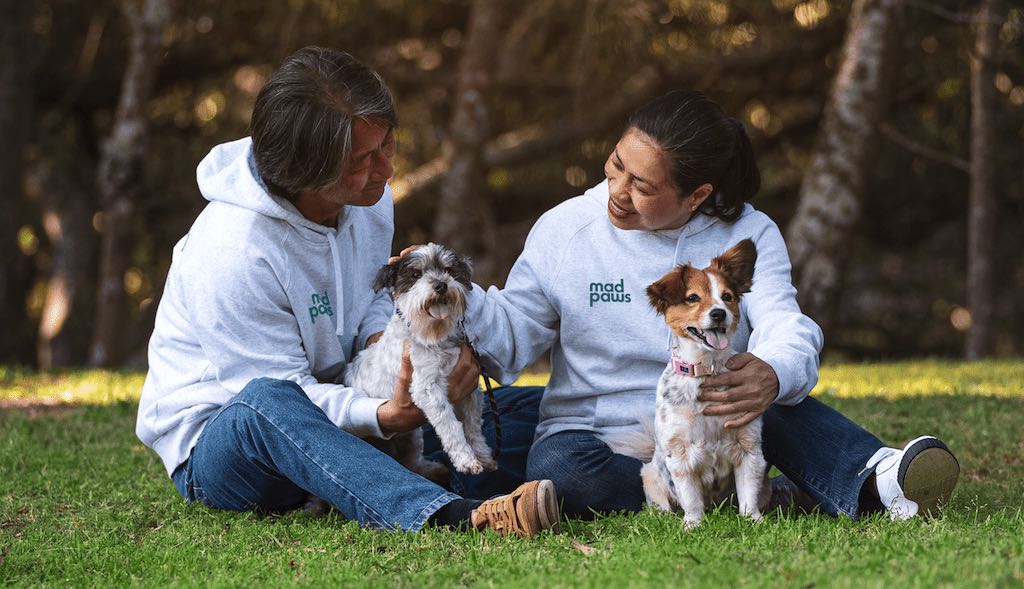
    Mad Paws, a pet services provider, has agreed to a takeover by US-based Rover Group in a deal valued at around $62 million. The planned acquisition will see Rover obtain complete ownership of Mad Paws through a scheme of arrangement, with each Mad Paws shareholder receiving $0.14 per share in cash. This offer reflects an 87% premium on the closing price of Mad Paws shares as of Monday. The deal puts the transaction equity value at $62 million.

    Deal Specifics

    Rover Group’s interest lies solely in the online marketplace business of Mad Paws, and does not include its associated brands, namely the online pet pharmacy Pet Chemist, pet treat enterprise Waggly, and e-commerce brand Sash. Consequently, Mad Paws has agreed to sell its Pet Chemist division to VetPartners Australia for approximately $13 million and terminate the operations of Sash and Waggly. Upon finalization of the Pet Chemist sale, Howard Humphreys will step down from his role as an executive director of Mad Paws.

    Looking Ahead

    The CEO, executive director, and co-founder of Mad Paws Group, Justus Hammer, expressed his enthusiasm for the impending partnership with Rover. He stated that the company takes pride in the community of pet enthusiasts it has built over the last decade, and looks forward to leveraging Rover’s expertise to continue advancing towards their shared objective.

    Mad Paws, which was established in 2014, operates a pet care marketplace that enables users to find and offer pet sitting, hosting, walking, training, and grooming services. Even after the acquisition, the company plans to continue to function independently, retaining its own brand identity and Sydney-based operations under Hammer’s leadership.

    The completion of the deal is subject to various customary conditions, including approval from shareholders, the court, and the Foreign Investment Review Board (FIRB).

    Rover, founded in 2011 and stationed in Seattle, runs an online marketplace for pet care, with a presence in 16 countries across North America and Europe.

    Questions & Answers

    What is the valuation of the Mad Paws acquisition by Rover Group?
    The deal is valued at approximately $62 million.

    What happens to Mad Paws’ associated brands after the acquisition?
    Mad Paws’ Pet Chemist division will be sold to VetPartners Australia and the operations of Sash and Waggly will be terminated.

    What is the future of Mad Paws following the acquisition?
    Post-acquisition, Mad Paws plans to continue operating independently, maintaining its brand identity and base in Sydney under the leadership of Justus Hammer.

  • Diana Unicharm to sell cat food

    Diana Unicharm to sell cat food

    Diana Unicharm, a leading personal hygiene products manufacturer, is set to distribute Japanese cat food brand Silver Spoon.

    Takahiro Okada, CEO of Diana Unicharm, said the company would import the product from Japanese joint venture partner Unicharm and sell it through supermarkets, pet stores and e-commerce platforms in Vietnam.

    Since Covid broke out, the pet industry has thrived as families choose to raise dogs or cats to soothe themselves.

    Statistics from Pet Fair Asia, the organizer of an annual international tradeshow for pet supplies, show pet care industry sales in Southeast Asia are US$4 billion, with Vietnam accounting for $500 million.

    The Vietnamese market is forecast to grow at 11% a year.

    Diana Unicharm, one of the biggest makers of sanitary napkins and diapers in Vietnam, targets annual revenues of $1 billion by 2030.

    As of last year it had a 40% share of the child care segment, 58% of the women’s care segment and 88% of the adult care segment.

  • Cat Opening First Australian Store

    Cat Opening First Australian Store

    Global workwear brand, Cat, will open its first flagship store on Australian soil this weekend, on Saturday, May 11, at Pacific Werribee shopping centre in Victoria, according to owner Accent Group.

    For a brand that is all about “being on the tools” it was important to create a physical space that reflects the brand’s dedication to Australia’s trade business, according to Accent Group chief executive officer Daniel Agostinelli.

    “We’re committed to growing our local offering to be a leading player in the Asia-Pacific region,” Agostinelli said, noting that Cat was one of the group’s most successful brands.

    The grand opening will offer a free in-store barber service, as well as coffee and donuts to new members, and exclusive gifts for the first 20 visitors to walk through the doors on Saturday and Sunday.

    This is the first standalone store for the brand, though it has traded online and through retail partners, including The Athlete’s Foot, which is also owned by Accent Group, Totally Workwear, Shoes2U and The Hardware Store.

    Wesfarmers has also invested recently in the workwear space, with its commitment to a partnership with custom workwear brand ONTHEGO.

    The partnership initially involved the brand being offered through Officeworks’ website, but has since been expanded to include in-store kiosks at several Officeworks sites, allowing customers to create their own workwear on the spot.

  • Dtac, CAT, TOT to collaborate on 5G testbeds

    Dtac, CAT, TOT to collaborate on 5G testbeds

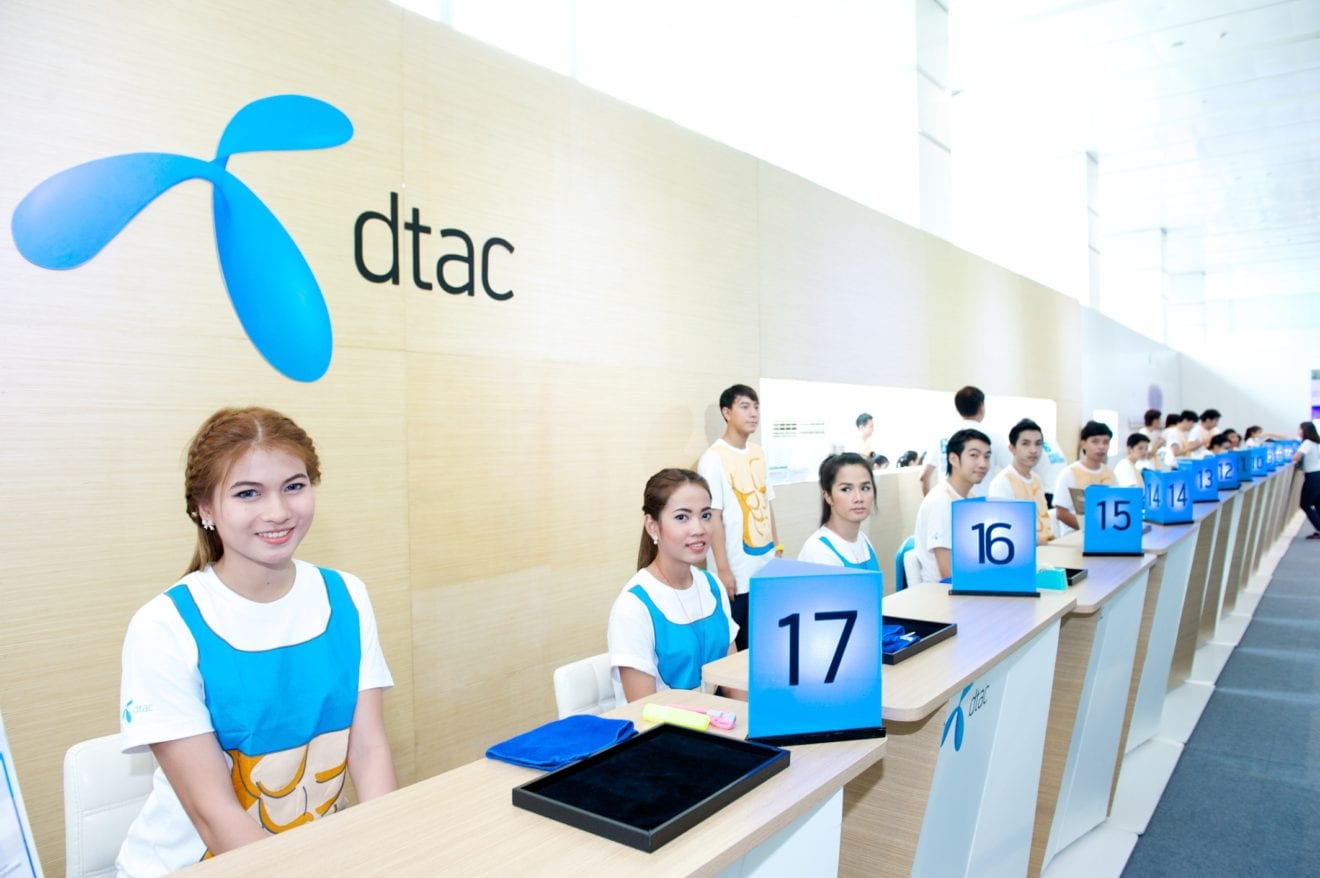
    Thai state owned operators TOT and CAT Telecom and privately-owned operator Dtac will collaborate on the development of 5G testbeds in the nation.

    The operators have signed a public-private partnership agreement to conduct both laboratory and live testing of 5G use cases at the 5G testbeds at Chulalongkorn University and the Eastern Economic Corridor.

    Applications due to be tested will focus on applications including smart farming, smart cities and environmental management.

    Specifically, TOT will test smart poles for smart city applications, CAT Telecom will trial 5G equipped air pollution sensors, and Dtac plans to test 5G connected drones to support real-time precision farming.

    The report cites Dtac CEO Alexandra Reich as noting that collaboration with vertical industries including co-investments will be essential for securing the resources required to pay for 5G infrastructure development.

    Meanwhile Dtac is urging the government to develop a clear 5G spectrum roadmap encompassing high, mid and low band spectrum, and including a clear allocation timeline, in order to support the industry’s preparations for the launch of 5G in Thailand.

  • Asia Pacific Pet Food Market is Expected to Grow Massively

    Asia Pacific Pet Food Market is Expected to Grow Massively

    Pet food is animal or plant material that is used for consumption by pets. These products are sold through a variety of distribution channels. However, these products are primarily made available in supermarkets and pet stores. The global pet food market offers specific food, which can be categorized as dog food, bird food, fish food, and cat food among others. A major proportion of the meat that is made available as pet food is not of human grade. These materials are generally byproducts of the human food processing industry.

    Increasing purchasing power, rapid urbanization, and changing lifestyle are some major factors fueling the demand for pet food in the Asia Pacific region. Apart from this, increasing preference of the population for a nuclear family has also fueled the adoption of pets in Asia Pacific. Moreover, rising awareness about pet health has further augmented the demand. Due to both these factors, the demand for nutritious pet food as compared to ordinary pet food has increased considerably in the last few years. In addition, a number of regulatory issues, rising cases of pet allergies in humans, and growing obesity among pets are some of the major factors boosting the demand for pet food in Asia Pacific.

    Dog Food Segment Remains Dominant

    The Asia Pacific pet food market in terms of pet type is segmented into dog food, cat food, and others. The others segment includes bird food and fish food. The dog food segment holds the most prominent chunk of the market share and is expected to swell to 61.1% by 2020. The dog food segment was nearing a valuation of US$6.0 bn by the end of 2015.

    Currently, there are several kinds of dog feed available in the market, which include dry, wet or canned, nutritious, and treats. Increasing awareness about pet health is one of the major factors fueling the demand for dog food in the Asia Pacific. Moreover, changing lifestyle and rapid urbanization is also expected to boost the demand during the forecast period. Additionally, the percentage of dogs as pets has increased considerably in the region in recent past. In India, the dog population had increased to about 58.1% by 2013 and similar trend has been observed in markets of Australia, China, and South Korea.

    India Emerging as Most Lucrative Market

    Japan is one the major markets for pet food in Asia Pacific, and is expected remain the dominant market during the forecast period, reaching a market share of 36.5% by the end of 2020. This dominance in demand from Japan is attributed to apartment-culture, which is the most common type of domicile in Japan. Because of this, Japanese consumers tend to prefer smaller pets. Australia is second most prominent market for pet food in Asia Pacific, which is due to considerable increase in pet ownership in the country in recent years. A large number of households are switching to pets for security and recreational purposes. However, the demand for pet food is also expected to increase at a fastest rate in the countries of India and China.

    The pet food market in Asia Pacific is dominated by a few major brands that operate globally, such as Mars Inc., Nestle S.A., Colgate-Palmolive Co., Procter & Gamble Co., Del Monte Foods Co., Agrolimen S.A., and Unicharm Corporation. However, stiff country-wide competition is prevalent from smaller players. For example, Purina Friskies in Japan, Whiskas in Australia, Pedigree in India, and Royal Canin in South Korea.

  • CAT to propose 2G tower JV with Dtac

    CAT to propose 2G tower JV with Dtac

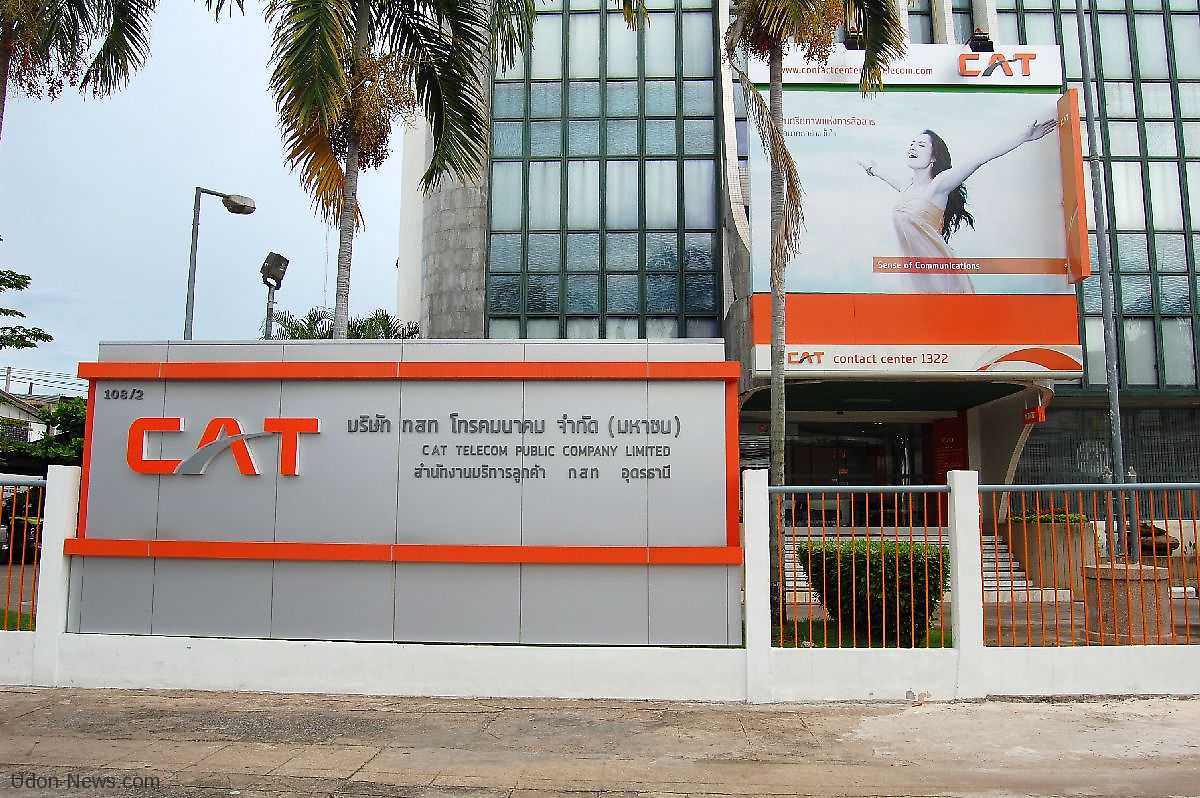
    Thai state-owned operator CAT Telecom is seeking to enter a telecommunications infrastructure joint venture with private operator Dtac to allow it to continue generating revenue after its concession revenue dries up.

    CAT’s concession agreement with Dtac expires in September 2018, marking the end to the prior build-operate-transfer regulatory regime, whereby private operators paid a portion of their revenues to the state-owned operators. The market is instead transitioning to the more conventional spectrum licensing model.

    After this period CAT will be left without a sustainable revenue stream. Dtac will meanwhile need to transfer its roughly 13,000 2G mobile towers and base stations to CAT. As the deadline approaches, the CAT board is exploring establishing a JV with Dtac for the operation of CAT’s 2G mobile tower assets.

    Under the proposal, Dtac would need to invest nearly 10 billion baht () in exchange for a 51% stake in the venture, which would be named Telecom Tower Co. CAT would take the remaining 49% in exchange for transferring the tower assets to the venture.

    According to the report, the CAT board believes that such an agreement would be mutually beneficial, as it would allow CAT to earn new revenue from the venture, while Dtac would be able to guarantee service continuity after the concession expires.

    The proposal still requires approval from the Thai Cabinet, the report adds. CAT hopes that the venture will help it realize annual revenue of around 10 billion baht per year.

  • SK Telecom, CAT to launch IoT network in Thailand

    SK Telecom, CAT to launch IoT network in Thailand

    SK Telecom has teamed up with Thai state-owned operator CAT Telecom for a project to deploy a LoRa-based IoT network and services in Thailand.

    Under the agreement, the operators plan to deploy a LoRa-based IoT pilot network in Bangkok and Phuket and launch IoT pilot services from April.

    SK Telecom will be responsible for deploying LoRa-based IoT networks in central areas of Bangkok and the entire Phuket province. The company has also been contracted to provide consulting services.

    In Phuket, SK Telecom and CAT will initially launch a LoRa-based vehicle location tracking service, and plan to follow this up with more IoT services including smart metering and smart street lighting services.

    In central Bangkok, the companies plan to offer an IoT-based location tracking service for tourists, designed to prevent children and the elderly from going missing near the Grand Palace during the mourning period recently deceased king Bhumibol Adulyadej.

    “SK Telecom will contribute to the growth of the ICT industry in Thailand by working together with CAT Telecom in the area of IoT, while nurturing a new ICT ecosystem by cooperating with many related companies,” SK Telecom EVP and head of IoT Cha In-hyok said.

    “Going forward, SK Telecom will collaborate with CAT Telecom in more areas to create more success stories in Thailand and other Southeast Asian markets.”

    SK Telecom and CAT also announced that Tree Pay, the joint venture established by the two companies as well as Korean digital payment company NHN KCP, has launched a payment gateway service in Thailand.

    Tree Pay will combine technologies from SK Telecom and NHN KCP to develop an innovative payment gateway supporting online, offline and mobile payment. CAT will meanwhile work with the Thai government to develop business opportunities for the new venture.

  • CAT to cut network leasing rates by 10%

    CAT to cut network leasing rates by 10%

    Thai state-owned operator CAT Telecom will cut its wholesale 850-MHz network leasing prices by 10% to help the companies using the network under an MVNO model improve profit margins.

    CAT plans to implement the price cuts by the end of the year, citing comments from president Col Sanpachai Huvanandana.

    Several MVNOs had asked CAT to lower its rates to help reduce operating costs and help MVNOs struggling to compete stay above water.

    But Sanpachai insisted that the rates are not too high, and that it is instead competitive pressures and low ARPUs that are leaving MVNOs finding it difficult to compete.

    CAT currently has five companies providing 3G services on the operator’s 850-MHz network – TrueMove subsidiary Real Move, Samart i-Mobile, Penguin operating unit the White Space, 168 Communication and Data CDMA.

    According to the report, Samart i-Mobile recently returned 300,000 mobile numbers to save rates on numbering fees after determining that the company can not profitably provide services due to a high network leasing cost. Thai mobile operators pay a fee of 1 baht ($0.029) per month per mobile number.

  • Thailand’s TOT and CAT won’t be merged

    Thailand’s ICT minister has insisted that there will not be a merger between the two state-owned operators TOT and CAT even as the companies are under pressure to consolidate their operations.

    Minister Uttama Savanaya has ruled out a merger on the grounds that the organizational structures of the two companies are incompatible.

    But he said the two companies will partly consolidate some of their similar core businesses to help avoid duplication of investment spending.

    Thailand’s State Enterprise Policy Commission has ordered both TOT and CAT to restructure to survive, terminating their unprofitable businesses and focusing on their core operations.

    Both are under pressure now that the nation has moved from a concession model – whereby private operators paid a share of their revenue to the state operators in exchange for use of spectrum assets – to the conventional licensing model.

    The commission has approved in-principal proposals involving consolidating the operators’ transmission, fiber, subsea cable network and internet data center operations.

    But Uttama said that other core areas of the two operators, including fixed broadband, mobility and network rental services, will remain separate.

    He noted that TOT and CAT will need to quickly adjust their organizational and business structures to ensure their survival. TOT has revealed it expects to face an operating loss of 1 billion baht in 2016.

  • Thai PM grants regulator total immunity when censoring

    Thai PM grants regulator total immunity when censoring

    Thailand’s Prime Minister and head of the ruling Junta General Prayut has used Article 44 of the interim constitution, commonly known as the absolute power clause, granting total indemnity for the National Broadcasting and Telecommunications Commission when engaging in censorship for national security.

    Article 44 order 97/2557 grants the NBTC commissioners, NBTC secretary-general, NBTC staff and anyone appointed by the NBTC total indemnity from any criminal, civil or disciplinary action resulting from their actions when acting in good faith against those who are engaged in sedition, are a threat to national security, are disturbing the peace or those who are acting against the good morals of the country. However, an affected third party may still seek monetary compensation through the courts.

    The order came days after the NBTC lost a court case when it tried to silence a TV station that was loyal to the former regime of Thaksin Shinawatra.

    Meanwhile, Thailand’s state enterprise policy commission has agreed with the plans put forth by the ICT Ministry and ordered the two state telcos – CAT Telecom and TOT Corporation – to merge their data operations and transfer staff to three new companies within a year.

    Transmission and fiber networks will be under the National Broadband Network Company, Internet gateway and submarine networks will be merged under the Neutral Gateway Company and data centers will be merged under the IDC Company.

    This has not gone down well with the unions.

    CAT Union chairman Thaworn Poomtieng held a rally at CAT’s headquarters yesterday and issued a statement that the plan was drawn up only by the ICT Ministry and Deloitte without any input from CAT management and condemned the order to split up the state telco as dictatorial.

    Thaworn questioned whether the plan was actually to strengthen the state enterprise or if it was simply to sell it off.

    CAT acting President Surapan Meknavin said that he has not yet received any details of the plan from the State Enterprise Policy Commission and that in the past he has only had some high-level talks about reorganisation without going into any detail.

    The move has only added to a groundswell amongst Thailand’s netizens with many fearing the merged Neutral Gateway is simply the first step towards the rebranding of the much hated Single Gateway mass-surveillance project.

    ICT Ministry spokesperson Chatchai Khunpitiluck issued a statement that anyone still talking about the Single Gateway probably either had some misunderstandings or that they were purposefully distorting the issue in order to damage the country.

    Earlier Prime Minister and junta leader General Prayut Chanocha dismissed the numerous Prime Ministerial orders published on the Cabinet website referring to the Single Gateway mass surveillance project as a clerical error by someone who simply got his notes wrong.

  • Thailand will tighten call drop regulations

    Thailand will tighten call drop regulations

    Thai regulator NBTC will introduce stricter standards governing the quality of mobile signals in an effort to address a growing number of complaints related to dropped calls.

    The NBTC will amend current regulations, which require operators not to exceed a dropped call rate of 15% across all calls, to instead require operators to maintain this rate in each of Thailand’s service areas.

    The new regulations, which are expected to come into effect in September, have been implemented in response to the fact that in more busy service areas with congested traffic dropped call rates are much higher than the average.

    In addition to the new regulation, the NBTC has given five mobile operators – AIS, Dtac, True Move, CAT Telecom and TOT – 15 days to resolve their dropped call problems.

    According to the report as of May there were 994 complaints involving dropped calls from AIS, 497 from Dtac, 386 from True Move, 32 from CAT and seven from TOT. Complaints are picking up now operators are focusing on customer acquisition strategies to maximize their 4G investments.

    Indian regulator Trai is also focusing heavily on the issue of call drops.

  • Tesco Thailand to offer phone services

    Tesco Thailand to offer phone services

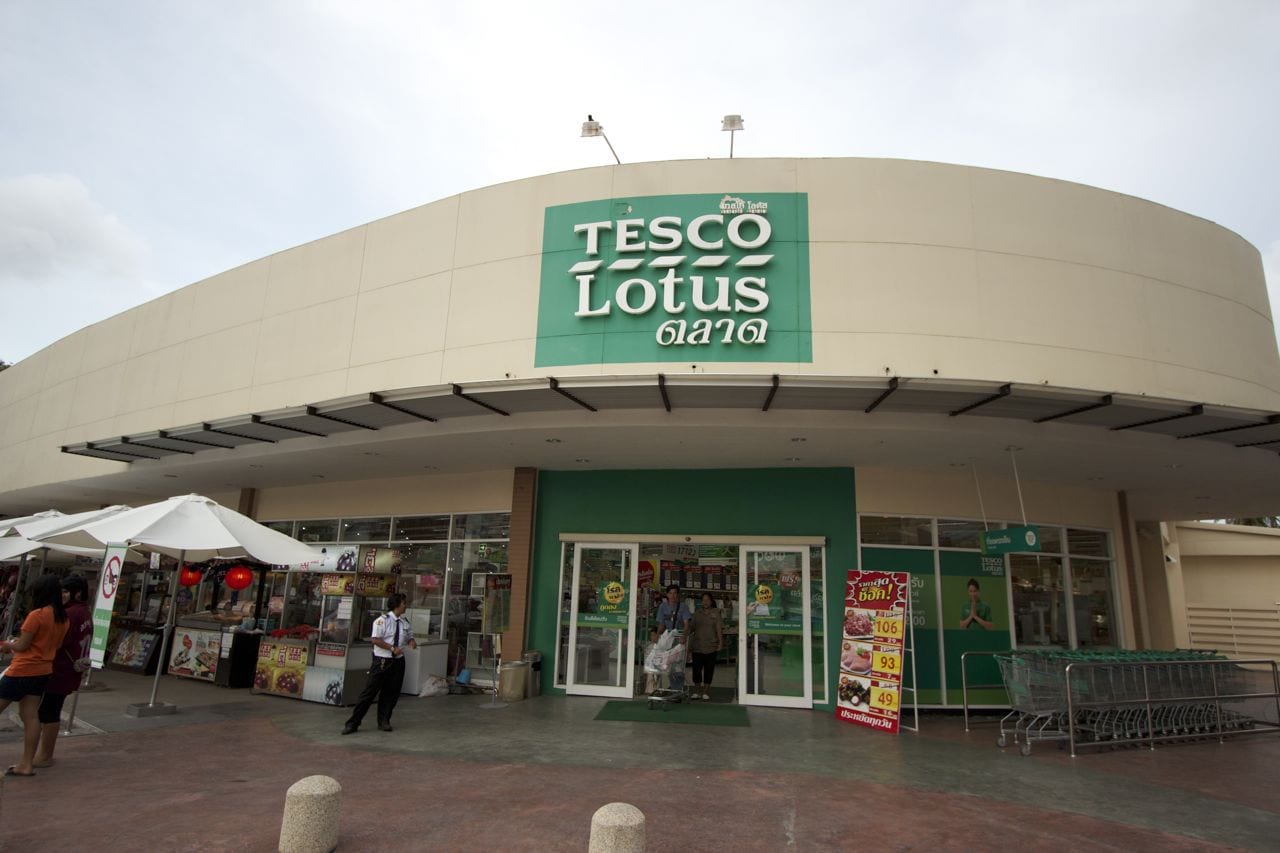
    Tesco Lotus Thailand is teaming up with CAT Telecom to offer a mobile virtual network service.

    The deal will see Tesco Thailand selling SIM cards to its 3 million Clubcard loyalty program members and other customers and marketing cellular network services under its own brand.

    CAT has similar partnerships with True and Real Move, among others. Real Move accounts for 80 per cent of its capacity, serving 13.5 million customers.

    The 50-50 joint venture partnership will run until CAT’s current licence expires in 2025, with Tesco Lotus marketing commencing next year. CAT will lease space on its network and Tesco Lotus will develop a marketing plan and distribute SIM cards.