Tag: catering

  • Vivaia Amplifies US Expansion with Offline Stores, Catering Sustainable Luxury Footwear to New Markets

    Vivaia Amplifies US Expansion with Offline Stores, Catering Sustainable Luxury Footwear to New Markets

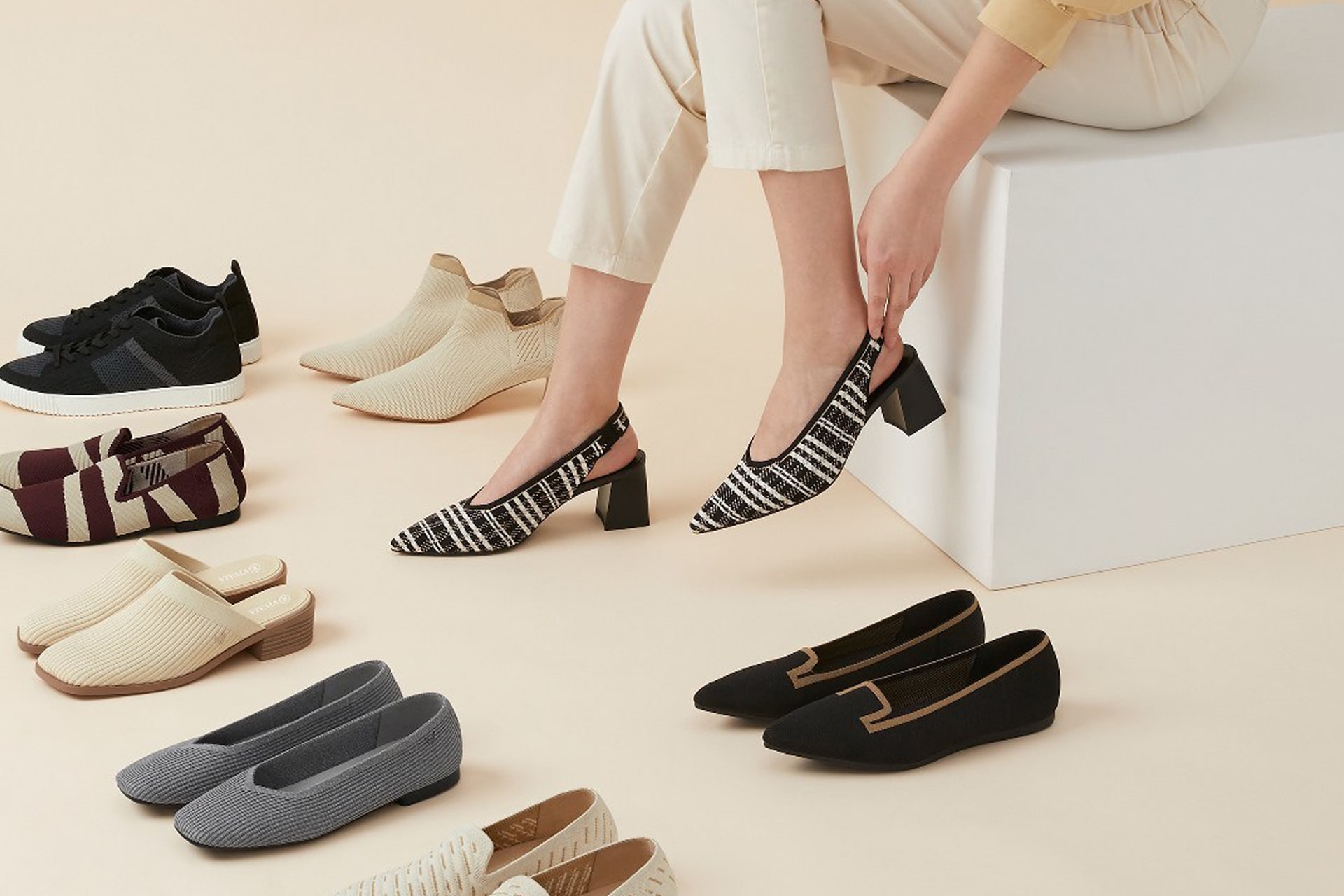
    Vivaia, a footwear brand originating from China, is extending its footprint in the United States with the launch of two new retail locations, highlighting the company’s ongoing commitment to increasing its physical availability globally.

    The first location was recently inaugurated at the Roosevelt Field Mall in Long Island, while the second store is scheduled to commence operations in late May at the Garden State Plaza in New Jersey.

    The Long Island outlet, encompassing 650 square feet, is architecturally fashioned after the ‘wabi-sabi’ principles. An inherent Japanese philosophy, wabi-sabi underscores minimalistic and pared-down aesthetics. The store boasts an ambiance marked by light wood finishes and soothing illumination, aimed at facilitating a serene shopping experience for the customers.

    Each store will showcase a handpicked assortment of Vivaia’s footwear offerings. The product line-up includes the Margot Mary Jane, Healing Garden Slingback Heels, and the Satin Sneakerina.

    Jeff Chan, Vivaia’s Co-founder, shared his insights on the brand’s US expansion strategy. He said, “Given that the United States constitutes our principal market and fuels our online growth, branching out beyond New York was a logical progression for us.” He added, “By synergising our robust digital presence with tangible retail outlets, we can better cater to our customers and make our comfort-centric, environmentally-friendly merchandise more accessible to them.”

    Established in 2020, Vivaia has garnered recognition for its footwear that seamlessly melds comfort and sustainability. The brand employs recycled materials in its manufacturing process, such as yarns derived from PET bottles, and leverages 3D knitting technology to minimise waste.

    Questions & Answers

    What is Vivaia’s expansion plan in the US?
    Vivaia plans to increase its US presence by opening two new retail outlets. The first store has already opened in Long Island’s Roosevelt Field Mall, and the second one is set to launch in late May at the Garden State Plaza in New Jersey.

    What are the principles behind the design of Vivaia’s Long Island store?
    The Long Island store is designed following ‘wabi-sabi’ principles, a Japanese philosophy that embraces minimalism and simplicity. The store is characterized by light wood finishes and soft lighting to provide a tranquil shopping experience.

    What is unique about Vivaia’s product offerings?
    Vivaia is known for its comfort-based and sustainably produced footwear. The brand uses recycled materials, including yarns made from PET bottles, along with 3D knitting technology to decrease waste.
  • How Ikea makes local shoppers feel at home in its stores across the world

    How Ikea makes local shoppers feel at home in its stores across the world

    Ikea’s blue-and-yellow stores are instantly recognizable: iconic, monolithic and now, as India’s first store throws open its doors to the masses, operating in more than 400 stores in some 50 countries.

    But while every branch of the world’s largest furniture retailer has that most unmistakable whiff of flat-pack conformity, regional differences do exist — not least where their famed Swedish meatballs are concerned. In many countries, the Ikea business model has been subtly tweaked to fit local preferences and customs. Opening hours are altered, menu options are adjusted and very occasionally, women are airbrushed out of catalogues.

    Here’s how a multinational company built on the principles of mass production caters to national tastes.

    The Restaurant

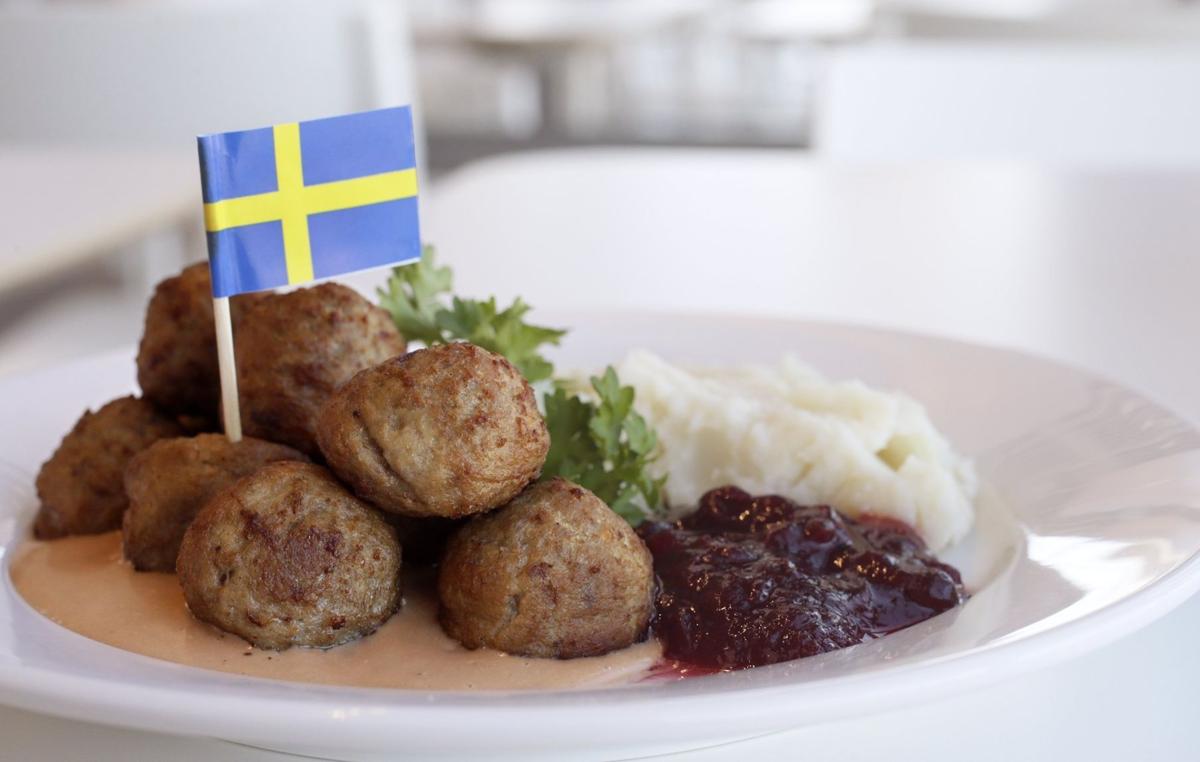
    The cafeteria in Ikea’s new Hyderabad store will have 1,000 seats; what it won’t have is Swedish meatballs. Out of respect for Hindu beliefs, the pork-and-beef dish will be dropped from the menu in favour of chicken meatballs, biryani, samosas and vegetarian hotdogs.

    It’s not the first time the retail giant’s best-known meal has got mixed up in religion. In 2013, traces of horsemeat were discovered in batches from a Swedish supplier, forcing Ikea to release statements in Malaysia and the United Arab Emirates reassuring customers that the pork-free “Swedish” meatballs in those countries were halal certified (and not, in fact, produced in Sweden).

    Most often, menus are tweaked simply to appeal to regional tastes: Crayfish in Japan, fish and chips in the UK, shawarma in Dubai. In a daring move that would pit popularity against convenience, Ikea’s menu may yet become available without a diner having to go anywhere near a stick of furniture: the company is reportedly considering opening standalone restaurants in the US, although “no decisions have been made,” according to a spokesperson.

    The Catalog

    Unsurprisingly, the product lines in the catalog vary somewhat from country to country: the kitchenware section in India will feature spice boxes and idli (rice cake) makers, according to the AFP, while its Chinese cousin goes heavy on woks, cleavers and steamers.

    The catalog itself has been more controversial. A woman-free catalog was produced last year for Israel’s ultra-Orthodox community by the company’s local franchisee, featuring photographs of men and boys only. Ikea later apologized, but the furore can’t have come as a surprise: in 2012 a Saudi catalog appeared with some photos of women airbrushed out, sparking a similar response.

    The Floor Space

    In densely-populated Hong Kong, where flats are typically small and the streets are crowded, Ikea is a place to relax as well as shop. The soft-furnishing section is often crowded with locals taking an air-conditioned break from the city, lounging around on the sofas. Meanwhile, in mainland China, shoppers make themselves even more comfortable: it’s common to find people sleeping in the display beds and armchairs, a habit that isn’t tolerated so readily in other parts of the world.

    Limited space is an issue for the company itself in crowded European capitals like London, Stockholm and Madrid, where it’s opened small-scale stores of less than 1,000 square meters. That’s good news for the maze haters who can’t stand following the arrows around a typical big-box Ikea, which typically sprawls across 25,000 square meters.

    Home Sweet Home

    The local touches aren’t just in-store — they follow you home. Hong Kong deliveries are priced depending on the number of steps up to your apartment (perhaps not unreasonable in such a high-rise city). In the US and UK, you can have your self-assembly furniture built for you using TaskRabbit, an online service that matches freelance labour to one-off jobs, which was acquired by Ikea in 2017. In London, having your kitchen assembled could set you back anywhere between about £13 and £52 ($17 to $67) an hour. Meanwhile, in Dubai, the local assembly service will charge you about 300 dirhams ($82) for the entire job.

    Does the thought of all this global mega-retail have you itching for a long evening browsing the modular storage systems? Head to Hyderabad. In a part of the world where many people’s day starts and ends late, Ikea’s newest branch will be open to 11 pm — a full three hours later than branches in the chain’s home country.

    If, however, you’ve suddenly gone right off the idea of leaving your tastefully furnished house, don’t worry, you can now shop online for your stainless steel shelving, your printed cotton pillowcases — and sometimes even your meatballs — in all but a handful of Ikea’s markets.

  • Neo Group’s 1H net profit soared 65.7% to $0.4m

    Neo Group’s 1H net profit soared 65.7% to $0.4m

    Singapore’s food catering group, Neo Group announced that its revenue for the six-month period ended 30 September 2016 (1H2017) grew 29.6% to S$67.4 million from S$52.0 million in the equivalent period last year.

    Improved performance across most business segments and a S$7.7 million revenue contribution from the Food Trading business segment lifted the integrated catering solutions provider’s 1H2017 topline performance.

    Food Retail grew 11.7% to S$9.8 million in 1H2017 from S$8.8 million on an increase in number of stores and effective promotions launched during the period under review.
    Similarly, Food Manufacturing reported a 45.9% growth in revenue of S$21.9 million compared to S$15.0 million across the comparative periods.

    Impacted mostly by seasonality due to the lack of festivities and in the absence of SG50 celebrations that lifted catering volumes last year, the Food Catering segment
    slid marginally by 1.2% to S$27.3 million in 1H2017 from S$27.6 million in 1H2016.

    In tandem with the stronger topline performance, coupled with other income earned of S$3.0 million, consisting mainly of a S$1.8 million one-time gain on disposal of a noncore
    property, Neo Group reported 1H2017 net profit attributable to owners of the parent (net profit) of S$0.4 million, a 65.7% rise from S$0.3 million in 1H2016.

    For the three-month financial period ended 30 September 2016 (2Q2017), Neo Group reported a 40 times increase in net profit of S$2.9 million compared to S$0.07 million a year ago (2Q2016) on a 13.4% rise in revenue to S$35.5 million from S$31.3 million across the same comparative periods.

    Removing the impact of the one-time gain on disposal, which amounted to S$1.8 million in 2Q2017, the Group reported an operational profit of S$1.1 million, turning
    around from an operational loss recorded in the preceding quarter.