Tag: Cats

  • Chagee Brews a Unique Blend: First Pet-Friendly Tea Store Launches in Southeast Asia

    Chagee Brews a Unique Blend: First Pet-Friendly Tea Store Launches in Southeast Asia

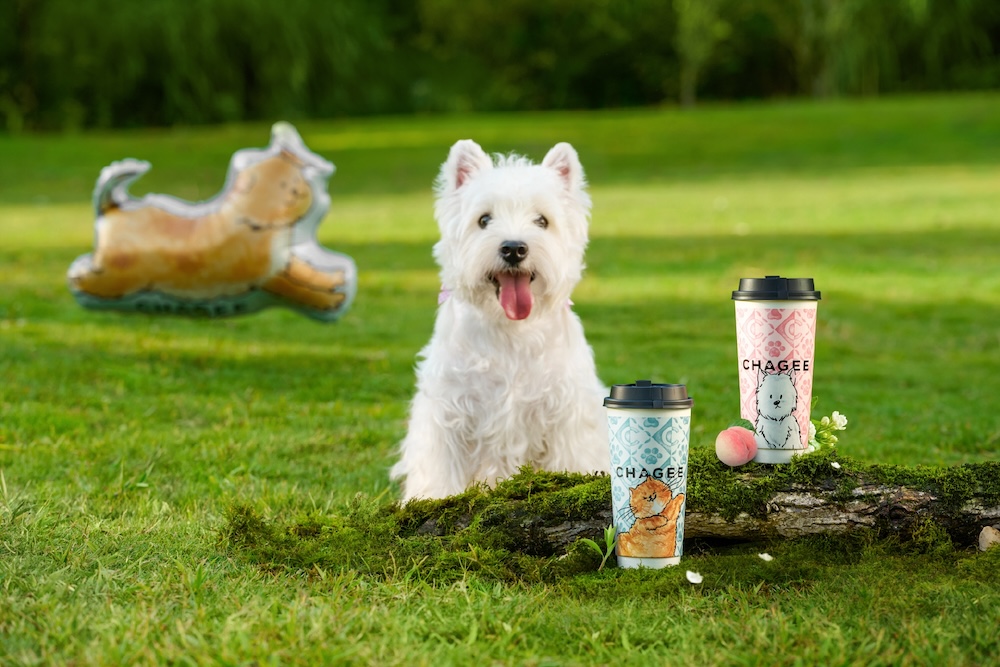
    Chagee, a Chinese tea chain, has broadened its horizons with the unveiling of its inaugural pet-friendly store in Eastwood City, Manila, in the Philippines. This ground-breaking concept in Southeast Asia has been designed to appeal to both pet owners and their beloved fluffy friends.

    Embracing Pet-Friendly Experiences

    The novel store offers an alfresco seating arrangement, complete with weather-resistant benches. The floor has been designed to be non-slip to ensure a pet-friendly environment. The store is also equipped with air purifiers and incorporates various safety-oriented aspects to cater to pets. Notably, the entrance is marked by a rooftop cat fixture and a dog sculpture, signifying the store’s pet-loving ethos.

    Additionally, pets are welcomed by the provision of free water served in specially designated bowls. The store also takes into consideration the tea lovers’ needs. An encased tea bar with transparent glass panels allows customers to observe their drinks being prepared while keeping the tea safe from pet fur and dander.

    The store also prioritizes cleanliness and hygiene. It boasts a cleaning station equipped with wet wipes, lint rollers, and trash bags. An inside handwashing station is also available to further promote sanitary practices.

    Creating Community-Oriented Spaces

    According to Christopher Tiong, the General Manager of Chagee Philippines, the launch of this new concept aligns perfectly with the ongoing surge in pet ownership. The initiative mirrors the company’s ongoing effort to create more community-oriented spaces.

    “We have always used our tea to bring people together, and the bonds we share with our pets are equally special”, Tiong said. “With this innovative store, we aim to merge tea culture and pet companionship in a warm, welcoming space that everybody can enjoy.”

    Chagee sets itself apart through its distinct luxury-leaning, minimalist brand identity. The chain is renowned for its commitment to using real tea leaves, fresh milk, and refraining from the use of any artificial sweeteners.

    Questions & Answers

    What is Chagee’s pet-friendly store concept?
    Chagee’s pet-friendly store concept is a novel space designed to cater to both pet owners and their pets. It offers alfresco seating, non-slip flooring, air purifiers, and safety-focused features. Pets are provided with free water and there is an enclosed tea bar for customers.

    Where is Chagee’s first pet-friendly store located?
    Chagee’s first pet-friendly store is located in Eastwood City, Manila, Philippines.

    What differentiates Chagee from other tea chains?
    Chagee differentiates itself by using real tea leaves and fresh milk in their drinks while avoiding artificial sweeteners. Its brand identity is minimalist and leans towards luxury.
  • Vietnam Cracks Down on Pet Policy: Harsher Fines for Free-Roaming Dogs and Cats on the Horizon

    Vietnam Cracks Down on Pet Policy: Harsher Fines for Free-Roaming Dogs and Cats on the Horizon

    Beginning December 15, a new government decree in Vietnam is set to impose stricter regulations and heftier fines against pet owners who allow their animals to roam freely in public spaces or those who graze livestock and poultry within residential complexes. Violators could face fines up to VND1 million (approximately US$38).

    New Regulations on Pets and Livestock

    The government decree, which pertains to administrative penalties in security, public order, and societal issues, significantly increases the existing fine for loose pets. Previously, the fine was between VND100,000 and VND300,000. With the new regulation in place, the fine will range from VND500,000 to VND1 million.

    The same penalties will apply to individuals who permit their pets, plants or other items to obstruct public spaces such as sidewalks, roads, parks, or communal residential areas.

    Heavier Penalties for Property Damage and Unauthorized Content

    The authorities plan to enforce tougher penalties on pet owners whose animals cause injury or damage property. Fines for such violations will fall between VND2 and VND3 million. In addition, individuals who deface public property such as walls and power poles, or attach unauthorized images or content to these structures, will face the same penalties.

    Regulations against Grazing Livestock in Residential Areas

    For the first time, clear rules have been established against the practice of grazing livestock or poultry within apartment buildings. The decree also outlines the penalties that will be imposed on pet owners whose animals cause harm to people or property.

    Questions & Answers

    What are the new regulations for pet owners in Vietnam?
    Pet owners are now required to prevent their animals from roaming freely in public spaces and grazing livestock within residential complexes. Failure to do so could result in fines of up to VND1 million.

    What are the penalties for property damage caused by pets?
    Pet owners whose animals cause injury or damage will face fines between VND2 and VND3 million.

    Are there penalties for obstructing public spaces with pets, plants, or other objects?
    Yes, individuals who allow their pets, plants, or other items to obstruct public spaces such as sidewalks, roads, parks, or shared residential areas will face fines similar to those for free-roaming pets.

  • Real Pet Food Pledges $1.3m For Safety Upgrades After Epa Directive Following Acid Spill Incident

    Real Pet Food Pledges $1.3m For Safety Upgrades After Epa Directive Following Acid Spill Incident

    Real Pet Food, also recognised as Australian Pet Brands, is set to expend over $1.3 million on safety improvements and equipment upgrades. This decision comes following a directive from the NSW Environment Protection Authority (EPA) after a phosphoric acid leakage incident at the company’s Dubbo location.

    Details of the Incident

    A defective valve is reportedly to blame for the spillage of around 300 litres of phosphoric acid within the production tower of the facility. The acid, a chemical agent used to extend the shelf-life of pet food, spread across several levels of the building. Emergency Hazmat crews were deployed to manage the clean-up operation.

    Company’s Response and Legal Obligations

    In response to the incident, the EPA accepted a legally binding Enforceable Undertaking (EU) from the company. As per this agreement, Real Pet Food is required to disburse over $1.38 million to implement preventive measures against such incidents in the future. Jason Gordon, EPA’s executive director of regulatory operations, emphasised the gravity of the incident, stating that while no environmental harm transpired, the risk potential was significant.

    Enforced Changes

    The impending changes, according to Gordon, will not only enhance safety for the site’s workers but also augment environmental protection by improving how chemicals are stored, monitored, and managed. The company is expected to move its acid dosing system from the top to the ground floor and automate previously manual systems, such as dosing products’ valve controls and holding tanks. Furthermore, it is required to bolster spill containment measures and enhance its training and inspection procedures.

    In addition, as part of its agreement with the EPA, the company will donate $75,000 to the Wambangalang Environmental Education Centre. The funds will be used to carry out repairs and improvements to the centre’s model wetland teaching space.

    Questions & Answers

    What are the changes that Real Pet Food needs to implement as per the agreement?
    The company is required to relocate its acid dosing system from the top to the ground floor, automate manual systems, strengthen spill containment measures and improve training and inspection procedures.

    What was the reason behind the phosphoric acid spill at the facility?
    A faulty valve was identified as the cause of the leakage of approximately 300 litres of phosphoric acid within the facility’s production tower.

    What will be the use of the $75,000 that the company will pay to the Wambangalang Environmental Education Centre?
    The funds will be utilised for repairs and enhancements to the centre’s model wetland teaching space.

  • PetO to cease live animal sales across its network

    PetO to cease live animal sales across its network

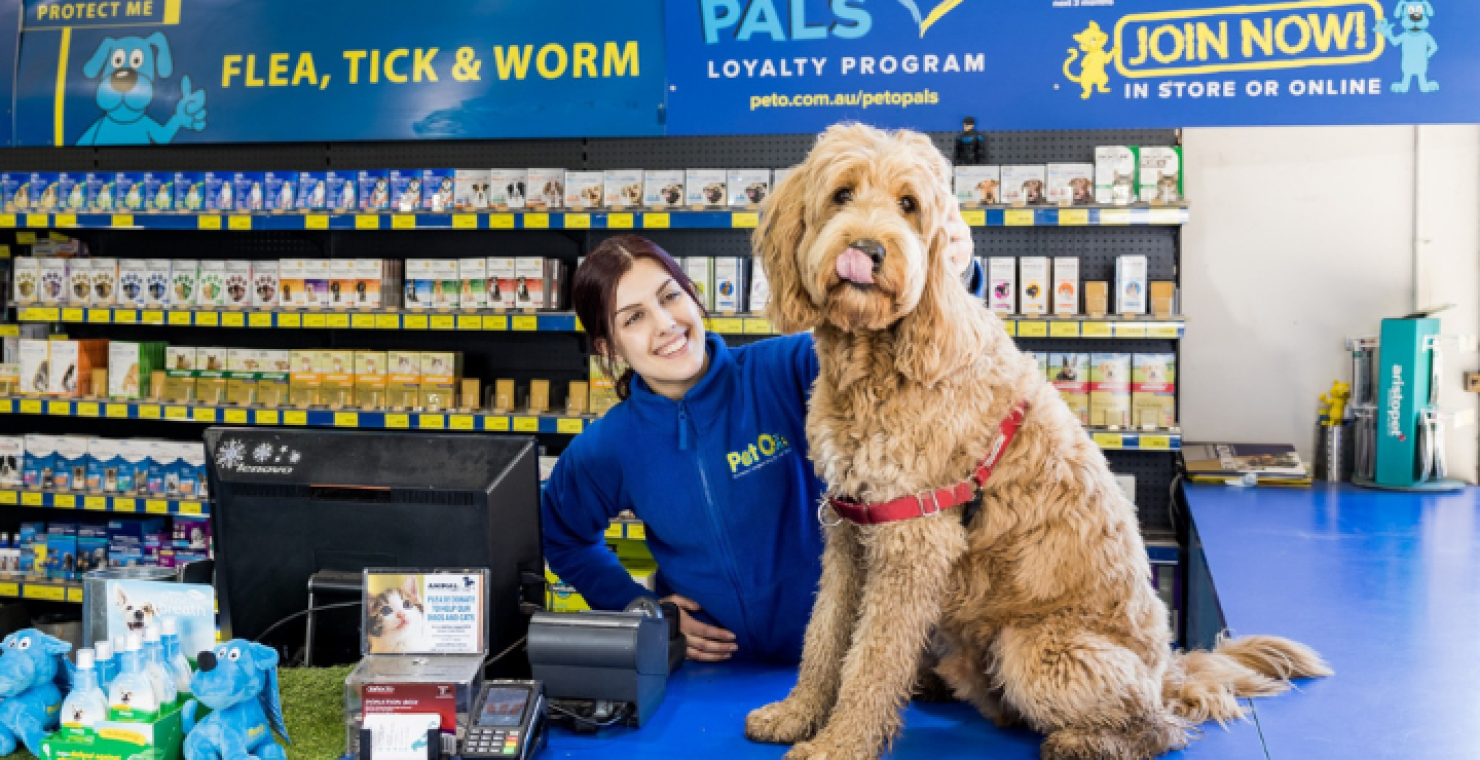
    PetO, a renowned family-owned pet retail company, has made the substantial decision to halt the sale of live animals throughout its 58 nationwide stores. The decision has been driven by mounting concerns about animal welfare and the notable absence of industry regulation.

    The Impetus Behind the Decision

    The decision from PetO comes at a time when the live animal sales sector is under increased scrutiny, particularly in an industry dominated by sizeable chains and multinational corporations. With over two-thirds of Australian households currently owning a pet, PetO posits that current industry practices are falling short of societal expectations.

    PetO’s spokesperson voiced concerns over the handling and sale of pets in pet shops, which presents ethical challenges and potentially leads to issues surrounding animal welfare and irresponsible pet ownership.

    Industry Influence

    In addition to implementing these changes within its own operations, PetO is encouraging other retailers to follow suit, particularly those who hold substantial influence on a national scale. The goal is to elevate the ethical standards across the industry.

    Expansion and Forecasted Growth

    In its recent expansion, PetO absorbed 41 retail stores and 25 veterinary clinics formerly under the ownership of Petstock and Woolworths, raising its total number of stores from 17 to 58. Although this transition may cause short-term commercial effects, the company views it as a strategic move aligned with its long-term growth vision. PetO aims to attain an annual revenue of $250 million by the year 2028.

    Questions & Answers

    Why has PetO chosen to cease the sale of live animals in its stores?
    In response to the growing concerns over animal welfare and the lack of industry regulation, PetO has decided to stop live animal sales in its stores.

    How is PetO encouraging other retailers to change their practices?
    PetO is publicly calling on other retailers, especially those with significant national reach, to follow its example and cease live animal sales, thereby raising the ethical standards of the industry.

    How does PetO’s recent acquisition of 41 retail stores and 25 veterinary clinics align with its long-term business strategy?
    While the acquisition may have some short-term commercial impacts, PetO sees this expansion as part of its long-term plan to achieve an annual revenue of $250 million by 2028.

  • Diana Unicharm to sell cat food

    Diana Unicharm to sell cat food

    Diana Unicharm, a leading personal hygiene products manufacturer, is set to distribute Japanese cat food brand Silver Spoon.

    Takahiro Okada, CEO of Diana Unicharm, said the company would import the product from Japanese joint venture partner Unicharm and sell it through supermarkets, pet stores and e-commerce platforms in Vietnam.

    Since Covid broke out, the pet industry has thrived as families choose to raise dogs or cats to soothe themselves.

    Statistics from Pet Fair Asia, the organizer of an annual international tradeshow for pet supplies, show pet care industry sales in Southeast Asia are US$4 billion, with Vietnam accounting for $500 million.

    The Vietnamese market is forecast to grow at 11% a year.

    Diana Unicharm, one of the biggest makers of sanitary napkins and diapers in Vietnam, targets annual revenues of $1 billion by 2030.

    As of last year it had a 40% share of the child care segment, 58% of the women’s care segment and 88% of the adult care segment.

  • Nectar of the dogs expands into Southeast Asia

    Nectar of the dogs expands into Southeast Asia

    Australian pet supplement brand Nectar Of The Dogs – which launched in the Australian market in 2021– is now expanding to meet the needs of overseas dog owners. Through a partnership with Asia Pet World, Nectar Of The Dogs is now available for online purchase and distribution globally, with pet owners in Singapore able to purchase the products in store.

    The partnership marks a dramatic milestone for the Sydney based start-up, which until now has been available to purchase only within Australia. Partnering with Asia Petworld means Nectar Of The Dogs can now reach the distributor’s network of over 500,000 households, and will be stocked on the shelves of Singpet Superstore – Singapore’s largest pet store.

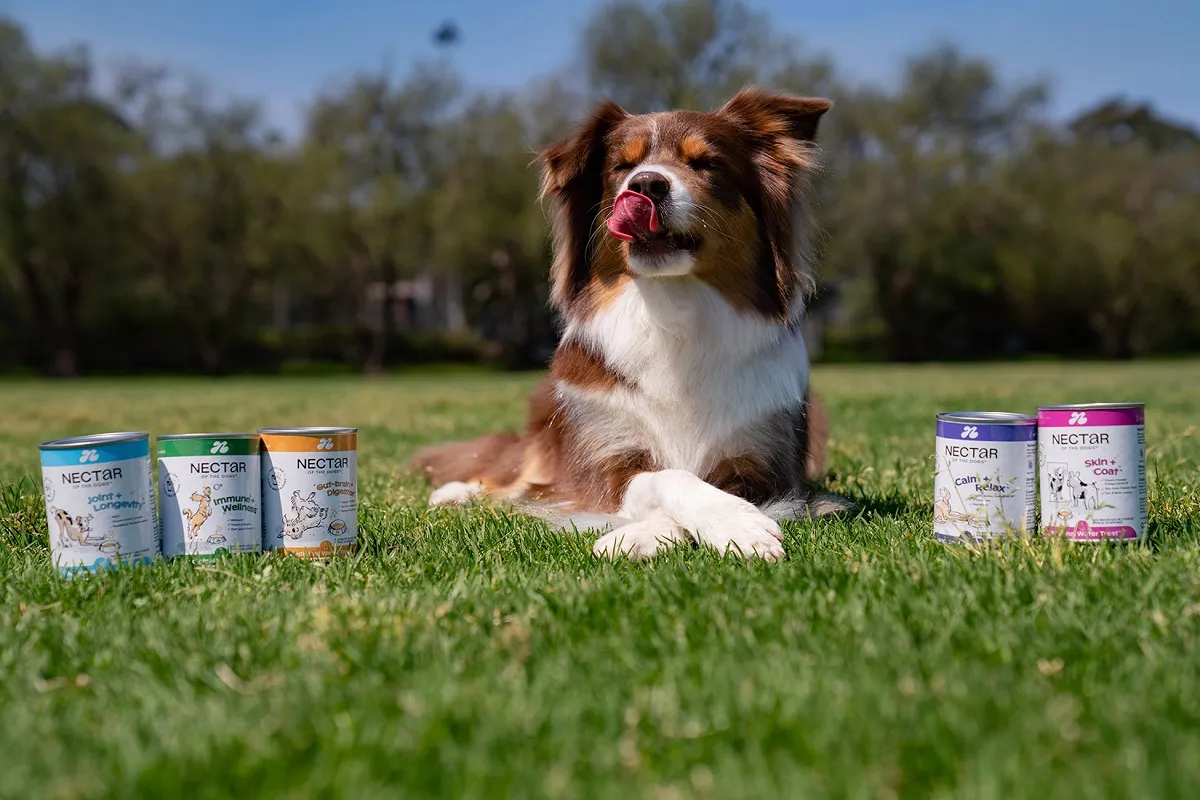
    Partnering with natural health experts, veterinarians, food technologists and dog lovers, Nectar’s range of medicinal water supplements are made in Australia with high-quality, human-grade, plant-based ingredients. Nectar’s formulations are aimed to assist pet parents with the top health concerns for today’s dogs, including joints, immune system, calming the nervous system, and supporting skin health, gut and digestive system. The five products from Nectar’s range will be available to dog owners throughout Singapore.

    The growth of the brand represents rising demand for high quality, natural supplements for dogs, not just in the Australian market. Formulated in Australia by a team of food technologists and complementary health experts, Nectar Of The Dogs offers human grade, plant-based supplements that dogs find delicious.

    “We’re experts in supplements for dogs and people,” shares Nectar of the Dogs Founder, Gabriel Perera. “With Nectar, we’ve created a range of products that we wanted for our own dogs, with each ingredient painstakingly formulated to deliver maximum benefit, based on clinical evidence in dogs that tastes amazing.”

    More than just a healthy dog supplement brand, plant-based and Australian-made Nectar is better for the planet. All of Nectar’s formulas are carefully packaged in recyclable and compostable packaging, avoiding any single-use plastics.

  • Waze adds cats and dogs voices and moods, car icons to its app

    Waze adds cats and dogs voices and moods, car icons to its app

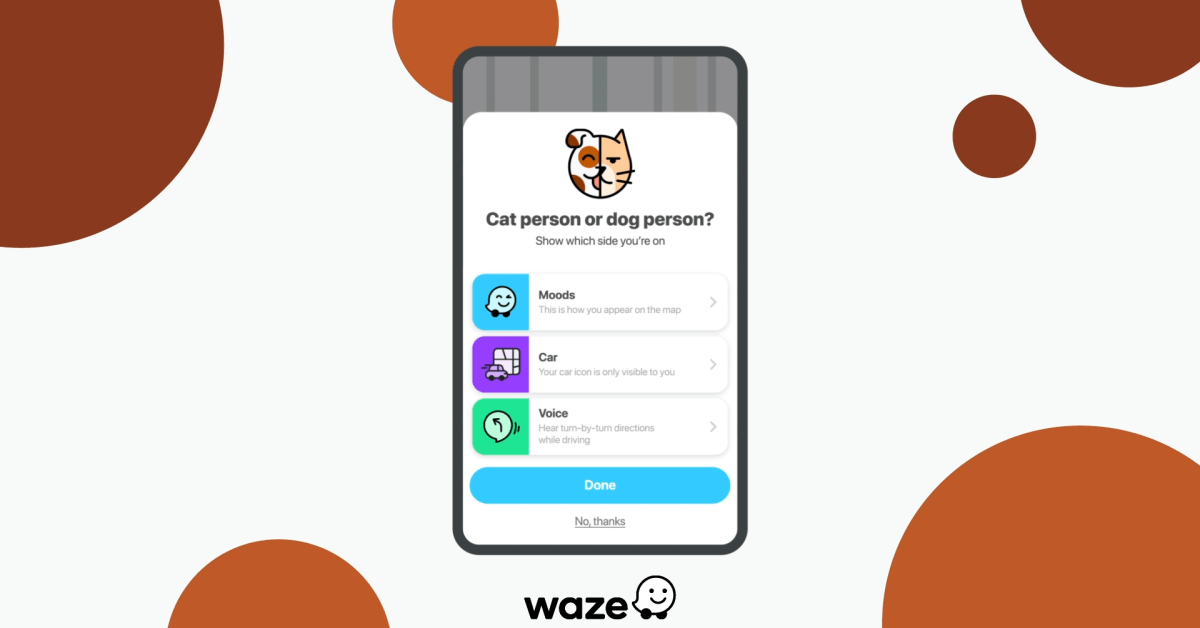
    More voices are coming to one of the most popular navigation app, Waze. This time we have something special to talk about, as Waze is adding cats and dogs voices to its mobile apps. So, regardless of whether you’re a cat or dog person, Waze now has you covered.

    From today for a limited time, Waze users can choose between two navigation voices that personify a dog or a cat. But we’re getting a lot more than just two voices, as each is themed toward a different mood.

    The dog voice is upbeat, positive, encouraging, and excited (distracted too!), while the cat voice is c, but also funny and irreverent. So it’s up to each user to choose the theme they like.

    In addition to the new voices, Waze introduces new car icons that can be used on the live map, such as the Meow Mobile and the Woof Wagon. There are also meant to show the user’s pet preference as they’ll have to change their mood to Cat or Dog.

    Keep in mind that the Cat & Dog theme will be available in English, French, and Spanish for a limited time, so make sure to download them before they’re gone.

  • Indonesia’s new fashion craze showcasing cosplay for cats

    Indonesia’s new fashion craze showcasing cosplay for cats

    It may not be haute couture, but former Indonesian school teacher turned tailor Fredi Lugina Priadi has found a lucrative market for his cat fashions, creating unique costumes and cosplay outfits for cats.

    After quitting his job as a teacher, he tried his hand at a number of businesses, including running a motorbike repair shop, before stumbling upon cat fashions, an idea from one of his cat-loving cousins.

    The 39-year-old now supplies outfits to picky pet owners looking to dress their felines in everything from superhero outfits for figures like Thor and Superman to cosplay characters, nurse uniforms and even traditional Islamic wear.

    “At first, my cousins who love cats gave me the idea to make these costumes and I thought it was weird,” said Fredi.

    “But it turned out to be funny to see them with costumes,” he said, speaking from his rustic workshop with a sewing machine in Bogor just south of the capital Jakarta .

    Since setting up his online business three years ago, he now generates up to 3 million rupiah ($210) a month if he sells at least four pieces a day. Each outfit is priced at between $6 to $10.

    Customer Risma Sandra Irawan has bought at least 30 outfits for her cat Sogan and puts in orders for special occasions like the Muslim festival of Eid al-Fitr or at Christmas.

    “Its for fun only…it can relieve our stress,” said Risma, who created an account on social media platform TikTok showing off Sogan’s outfits that has more than 50,000 followers.

    While many find it cute, Fredi has received some negative comments on social media from those who consider it cruel to dress up a cat and he advises buyers not to make their pet wear an outfit for too long.

    Indeed, in the wake of a boom in social media postings of pets dressed up, often in increasingly bizarre poses or outfits, some animal welfare groups have issued guidelines to make owners more aware of any signs that it may be causing their pet distress.

  • Asia Pacific Pet Food Market is Expected to Grow Massively

    Asia Pacific Pet Food Market is Expected to Grow Massively

    Pet food is animal or plant material that is used for consumption by pets. These products are sold through a variety of distribution channels. However, these products are primarily made available in supermarkets and pet stores. The global pet food market offers specific food, which can be categorized as dog food, bird food, fish food, and cat food among others. A major proportion of the meat that is made available as pet food is not of human grade. These materials are generally byproducts of the human food processing industry.

    Increasing purchasing power, rapid urbanization, and changing lifestyle are some major factors fueling the demand for pet food in the Asia Pacific region. Apart from this, increasing preference of the population for a nuclear family has also fueled the adoption of pets in Asia Pacific. Moreover, rising awareness about pet health has further augmented the demand. Due to both these factors, the demand for nutritious pet food as compared to ordinary pet food has increased considerably in the last few years. In addition, a number of regulatory issues, rising cases of pet allergies in humans, and growing obesity among pets are some of the major factors boosting the demand for pet food in Asia Pacific.

    Dog Food Segment Remains Dominant

    The Asia Pacific pet food market in terms of pet type is segmented into dog food, cat food, and others. The others segment includes bird food and fish food. The dog food segment holds the most prominent chunk of the market share and is expected to swell to 61.1% by 2020. The dog food segment was nearing a valuation of US$6.0 bn by the end of 2015.

    Currently, there are several kinds of dog feed available in the market, which include dry, wet or canned, nutritious, and treats. Increasing awareness about pet health is one of the major factors fueling the demand for dog food in the Asia Pacific. Moreover, changing lifestyle and rapid urbanization is also expected to boost the demand during the forecast period. Additionally, the percentage of dogs as pets has increased considerably in the region in recent past. In India, the dog population had increased to about 58.1% by 2013 and similar trend has been observed in markets of Australia, China, and South Korea.

    India Emerging as Most Lucrative Market

    Japan is one the major markets for pet food in Asia Pacific, and is expected remain the dominant market during the forecast period, reaching a market share of 36.5% by the end of 2020. This dominance in demand from Japan is attributed to apartment-culture, which is the most common type of domicile in Japan. Because of this, Japanese consumers tend to prefer smaller pets. Australia is second most prominent market for pet food in Asia Pacific, which is due to considerable increase in pet ownership in the country in recent years. A large number of households are switching to pets for security and recreational purposes. However, the demand for pet food is also expected to increase at a fastest rate in the countries of India and China.

    The pet food market in Asia Pacific is dominated by a few major brands that operate globally, such as Mars Inc., Nestle S.A., Colgate-Palmolive Co., Procter & Gamble Co., Del Monte Foods Co., Agrolimen S.A., and Unicharm Corporation. However, stiff country-wide competition is prevalent from smaller players. For example, Purina Friskies in Japan, Whiskas in Australia, Pedigree in India, and Royal Canin in South Korea.