Tag: Cell

  • General Motors To Supply Electric Batteries, Hydrogen Fuel Cell Systems For Wabtec Locomotive

    General Motors To Supply Electric Batteries, Hydrogen Fuel Cell Systems For Wabtec Locomotive

    General Motors Co will supply electric batteries and hydrogen fuel cell systems for rail supplier Wabtec Corp’s locomotives, in a move extending the No. 1 U.S. automaker’s reach outside the automotive sector. Wabtec, based in Pittsburgh, is developing locomotives powered by electric batteries and hydrogen fuel cells in response to rail industry demand to eliminate carbon emissions. It has a test electric locomotive model and intends to build a second-generation version, with deliveries starting in 2023. “The rail industry is on the cusp of a sustainable transformation with the introduction of batteries and hydrogen to power locomotive fleets,” Wabtec Chief Executive Rafael Santana said in a statement.

    Under the nonbinding memorandum of understanding, GM will supply Ultium electric batteries and Hydrotec hydrogen fuel cell power cubes. Terms of the deal were not disclosed. “Wabtec’s decision to deploy GM’s Ultium battery and Hydrotec hydrogen fuel cell systems further validates our advanced technology,” GM President Mark Reuss said. Ultium is a key part of GM’s strategy to roll out efficient and cost-effective electric vehicles, and closing a deal with Wabtec would help spread development costs over a larger volume of batteries. GM is developing a hydrogen fuel-cell-powered commercial truck with truck maker Navistar.

    GM’s Ultium batteries will be built by the company’s joint venture with South Korea battery maker LG Energy Solution, which is building plants in Ohio and Tennessee. The hydrogen fuel-cell systems will be assembled by GM’s joint venture with Honda in Brownstown, Michigan.

    Last month, Wabtec announced that its FLXdrive all-electric locomotive, during a test program with BNSF Railway in California, delivered more than an 11% average reduction in fuel consumption and greenhouse gas emissions for the entire train – the equivalent of over 6,200 gallons of diesel fuel saved and about 69 tons of CO2 emissions reduced. It is also developing hydrogen fuel-cell-powered locomotives.

    The 430,000-pound electric locomotive, with a battery capacity of 2.4-megawatt hours (MWh), uses 18,000 lithium-ion battery cells, Wabtec’s chief technology officer, Eric Gebhardt, said in a recent interview. It generates its energy largely through regenerative braking.

    The company intends to build a second-generation electric locomotive with a battery capacity of more than 6 MWh, a level it says can reduce fuel consumption and carbon emissions by up to 30%. Gebhardt compared that capacity to 100 Tesla vehicles.

    Wabtec expects to begin shipments of the second-generation electric locomotive in mid-2023, he said. The company has not disclosed volume targets.

  • China is reportedly behind huge hack of global cell networks

    China is reportedly behind huge hack of global cell networks

    Security research firm Cybereason reports that over the last seven years, hackers have been able to break into more than 10 cellular networks worldwide to gather information on calls made by at least 20 targeted individuals. The data obtained from this operation included the dates that calls were made, the times they were connected, the locations of the callers and more. The attack, dubbed Operation Soft Cell, has been active since 2012 and was spotted by Cybereason earlier this year.
    While the goal of the hackers was to obtain call detail records (CDR), other information obtained from this operation included usernames and passwords. According to the report, “the attackers worked in waves-abandoning one thread of attack when it was detected and stopped, only to return months later with new tools and techniques.” Cybereason says that it is very certain that this operation is a state-sponsored attack and is affiliated with China. The methods and tools used lead the security researcher to name APT10 as the so-called threat actor. This group reportedly works with Chinese Ministry of State Security (MSS).
    So why would the MSS go to all the trouble of hacking into 10 global cell networks? As Cybereason points out, when a nation runs an operation like this, it is not about the money. It is often done to steal intellectual property or obtain information about some of the carriers’ subscribers. The data that was stolen allowed the hackers to get call records that provided the destination, and duration of a call, information on the device used to make the call, the version number of the phone and its vendor, and the physical location where the call was made. With that data, the MSS (assuming that they were behind this) was able to learn who the individuals they were targeting had been talking to, the devices they were using to make such calls and where these people were traveling to. The security research company says that this is the type of information used to gather dirt on politicians and to track law enforcement.
  • Bosch Goes For Platinum-Light Fuel Cells

    Bosch Goes For Platinum-Light Fuel Cells

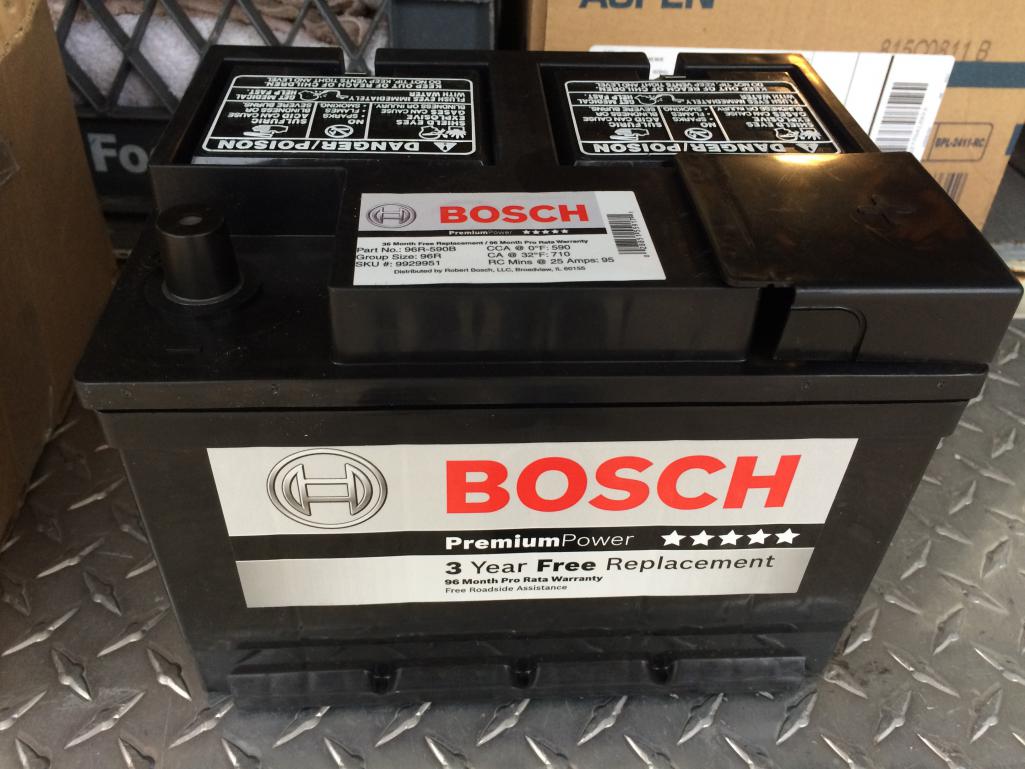
    Global automotive supplier Bosch expects platinum to play only a minor role in its new fuel cells, giving precious metal markets scant benefit even as the technology gains momentum for pollution-free transport. According to Reuters calculations, Bosch would only need a tenth of the platinum used in current fuel cell vehicles.

    Hopes of reviving demand and prices of platinum increasingly hinges on widespread uptake of fuel cells in vehicles, ships, and trains to make up for dwindling amounts used in each device, analysts say.

    The spot price of platinum has shed more than 40 percent in the last five years, burdened by persistent oversupply, before rebounding slightly in recent months.

    But hopes that fuel cells will boost long-term demand may be dampened after Germany’s Robert Bosch GmbH told Reuters that platinum was expected to play only a “minor role” in its plans to mass produce fuel cells.

    Privately-owned Bosch, which last month signed a deal with Powercell Sweden AB to mass-produce fuel cells, said its fuel cell design was not finalized, but it expects them to use only as much platinum as a diesel catalytic converter.

    A catalytic converter in a diesel passenger vehicle typically uses three to seven grams of platinum compared with around 30-60 grams currently needed for a fuel cell for the same vehicle, according to analysts.

    “There has been lots of optimization work concerning platinum in fuel cells,” Achim Moritz, product manager for mobile fuel cells at Bosch, told Reuters.”If you look at a diesel catalytic system, there is about the same amount of platinum content you need for a fuel cell,” he added.

    He declined to give specific estimated figures for the S3 fuel cell system it is developing with Powercell and expects to launch by 2022, citing commercial sensitivities.

    Bosch’s fuel cell deal with Powercell, announced last month, was another signal that the technology is poised to be rolled out more widely as governments toughen emissions regulations.

    China is leading the way, targeting 2 million fuel cell vehicles by 2030.

    Fuel cells generate electricity through a chemical reaction using hydrogen as a fuel and platinum as a catalyst but comprise only a fraction of the electric vehicle (EV) market even though they allow vehicles to travel much longer distances between charges than battery powered cars.

    For years, fuel cells were expected to boost platinum demand dramatically, but doubts have increased due to reports that scientists have found ways to cut the amount of platinum they contain.

    The best selling fuel cell vehicle, Toyota’s Mirai, is expected to cut platinum by two-thirds to around 10 grams per vehicle in its next version, down from 30 grams in the current model, according to David Hart, director of E4tech consultancy, based in Lausanne.

    “They (fuel cell makers) all have a pathway of using less platinum, which is fairly clear,” Hart said.

    Toyota Motor Corp declined to comment.

    Hyundai Motor Co has cut the amount of platinum needed for the fuel cell stack in the latest edition of its NEXO, released last year, to 56 grams from 78 grams previously, a company spokesman told Reuters.

    Hyundai plans to invest over 6 billion euros to make 700,000 fuel cell systems annually by 2030.

    Fuel cells give EVs longer ranges and recharging takes a matter of minutes, a fraction of what is needed for batteries.

    Hyundai’s NEXO has a range of 380 miles compared to 226 miles for the best-selling battery electric vehicle, Nissan’s Leaf.

    That is especially useful for heavy goods vehicles and buses, which are expected to be the primary market for fuel cells initially.

    “The heavy-duty truck side is the biggest initial opportunity for fuel cells because they are very hard to electrify with batteries,” said Marten Wikforss, a consultant for Sweden’s Powercell.

    Batteries would take up more space in a heavy goods truck and would take hours to recharge.

    Once costs come down, fuel cells may also appeal to car buyers who do not want to worry about frequent and time-consuming recharging.

    If fuel cells catch on in ships and trains as well as road vehicles, platinum demand may get a boost despite the lower loadings due to the sheer numbers, some analysts said.

    Global demand for platinum for all fuel cells from vehicles is forecast rise to 366,000 ounces by 2030 but to surge to 965,000 ounces when including other fuel cell and hydrogen uses, said Jonathan Butler, head of business development at Mitsubishi.

  • France and Germany To Support Battery Cell Consortium

    France and Germany To Support Battery Cell Consortium

    France and Germany have asked the European Commission to approve state subsidies for a cross-border battery cell consortium including carmaker PSA with its German subsidiary Opel and French battery maker Saft, a German official said on Monday. The two countries have earmarked 1.7 billion euros ($1.9 billion) to support company alliances to help reduce European carmakers’ dependence on Asian suppliers and protect jobs at risk from the shift away from combustion engines.

    The economy ministries of both countries sent a letter of intent to the European Union’s executive body asking it to give a provisional go-ahead, a German economy ministry spokeswoman said, without giving a sum for the planned state funding.

    “We’re now waiting for Brussels to give us the green light,” the spokeswoman said.

    German Economy Minister Peter Altmaier will meet French counterpart Bruno Le Maire in Paris on Thursday to discuss the matter, aiming to make progress with forging further battery alliances. The FAZ report said that the PSA/Saft alliance was planning to convert an Opel factory in the western city of Kaiserslautern close to the French border into a battery cell production site.

    Among the more than 30 companies that applied for state funding at the German Economy Ministry are carmakers Volkswagen and BMW, as well as German battery maker Varta and Swedish battery manufacturing startup Northvolt. Saft, a 100-year old French company owned by energy company Total, produces a range of batteries for industrial applications.

    It has joined forces with German industrial group Siemens, electronic components specialist Manz, Belgian chemicals group Solvay and Belgian material group Umicore to develop a new generation of batteries for electric vehicles.