Tag: central asia

  • Mom’s Touch Signs Master Franchise Deal for 50 Stores in Kazakhstan

    Mom’s Touch Signs Master Franchise Deal for 50 Stores in Kazakhstan

    South Korean fast-food brand Mom’s Touch signed a master franchise agreement with Shin-Line Group to open more than 50 restaurants across Kazakhstan over the next decade. The chain plans to launch its first flagship restaurant in the country before the end of 2026.

    The partnership gives Mom’s Touch exclusive development rights in Kazakhstan and includes territorial rights to expand into neighboring Kyrgyzstan. Shin-Line Group will oversee local real estate selection, operations and distribution across both Central Asian territories.

    Central Asian Franchise Structure

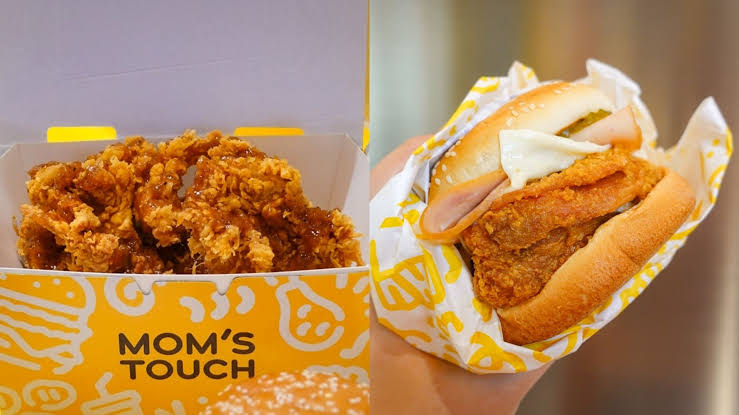
    Seoul-based Mom’s Touch, established in 1997, built its domestic business on made-to-order fried chicken and its core Thigh Burger sandwich. The master franchise framework shifts development risk and store capital expenditure directly onto Shin-Line Group, letting the Korean franchisor draw recurring royalty streams without funding store buildouts directly.

    Central Asia has emerged as an active proving ground for international fast-food chains seeking territory outside crowded East Asian capitals. For food and beverage operators in the region, teaming up with Shin-Line provides an existing logistics foundation in frozen foods and distribution that solves supply chain friction for quick-service poultry and bakery supplies.

    Supply Lines and Regional Risk

    Entering Kazakhstan requires managing long cold chains and securing quality poultry that matches parent company specifications. Franchisors taking this route depend entirely on the balance sheet and execution speed of their master franchisee, especially when consumer spending fluctuates against local currency pressures.

    Rival Korean food brands have focused primarily on Southeast Asia and North America to scale their offshore footprints. Taking a chicken concept into Central Asia tests whether Korean casual dining menus can secure repeat traffic against incumbent American burger giants already operating in major Kazakh hubs.

    Ten-Year Development Horizon

    The Korean quick-service brand spent recent years consolidating its domestic market presence before accelerating international franchise deals. Moving through local master partners has become its default model for international expansion, minimizing balance-sheet liabilities while testing brand appetite in emerging consumer markets.

    Attention turns to the exact launch date and location of the initial flagship store scheduled before the close of 2026. The pace of the subsequent rollout toward the 50-unit target will determine when Shin-Line exercises its development rights across the border in Kyrgyzstan.
  • Amazon Leo Partners with Uztelecom to Expand Satellite Internet in Uzbekistan

    Amazon Leo Partners with Uztelecom to Expand Satellite Internet in Uzbekistan

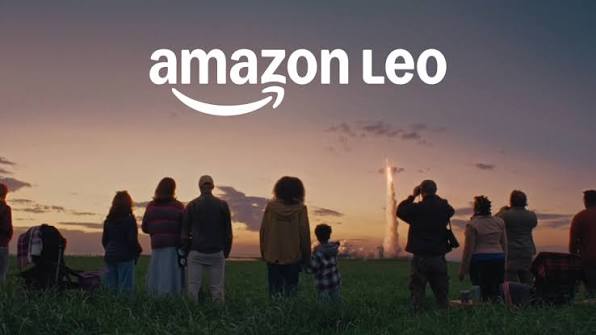
    Amazon Leo has partnered with Uzbekistan’s Uztelecom to expand satellite internet connectivity to remote and hard-to-reach areas of the country later this year.

    Under the agreement, Uztelecom subsidiary UZ-SAT will serve as an authorized distributor, using Amazon Leo’s satellite constellation to deliver broadband where deploying terrestrial infrastructure is difficult or costly.

    Tapping satellite capacity for hard terrain

    Uztelecom currently provides connectivity to 96 percent of communities in Uzbekistan, operating more than 378,000 kilometers of fiber-optic infrastructure and serving more than 13 million users.

    Low Earth orbit satellites connect to ground gateway antennas and private terrestrial fiber to run the network. Hardware comes in three tiers: the compact Leo Nano, the standard Leo Pro, and the high-throughput Leo Ultra.

    Fleet deployment and rollout schedule

    Crews have put nearly 400 satellites into orbit toward a planned constellation exceeding 3,000 spacecraft. The network operates under private preview testing with internal staff and select enterprise clients before initial commercial activations begin in selected territories later this year.

    Working with Amazon Leo will enable us to expand connectivity options in areas where the deployment of traditional terrestrial infrastructure is limited

    Bakhrom Azimov, general director of UZ-SAT, confirmed the arrangement.

    Central Asian network competition

    For regional telecoms, integrating non-terrestrial networks removes the heavy capital expenditure required to lay long-haul fiber across sparsely populated territory. Partnering with state-backed incumbents also prevents friction with regional regulators and state monopolies.

    Hardware affordability and bandwidth allocation present the main commercial risks. Satellite terminal pricing and subscription fees often exceed local wireline rates. UZ-SAT will target enterprise logistics, mining sites, and public sector outposts to recoup deployment costs.

    Digital transformation timeline

    Officials signed the agreement in Tashkent during the 5th Tashkent International Investment Forum on the opening day of ICT Week Uzbekistan 2026. Securing foreign network infrastructure investments remains a government priority to expand the domestic digital economy.

    Amazon Leo is preparing to accelerate satellite manufacturing and launch operations to double its annual mission cadence. Initial regional commercial activations will begin before the end of 2026.

  • Asia’s Retail Revolution: The Rise And Impact Of Pop-up Stores

    Asia’s Retail Revolution: The Rise And Impact Of Pop-up Stores

    The retail landscape in Asia is experiencing a significant transformation as businesses increasingly turn to innovative strategies to engage consumers. Amid this shift, a recent report highlights the rising trend of pop-up stores, which are capturing the imagination of shoppers and brands alike.

    The Allure of Pop-Up Stores

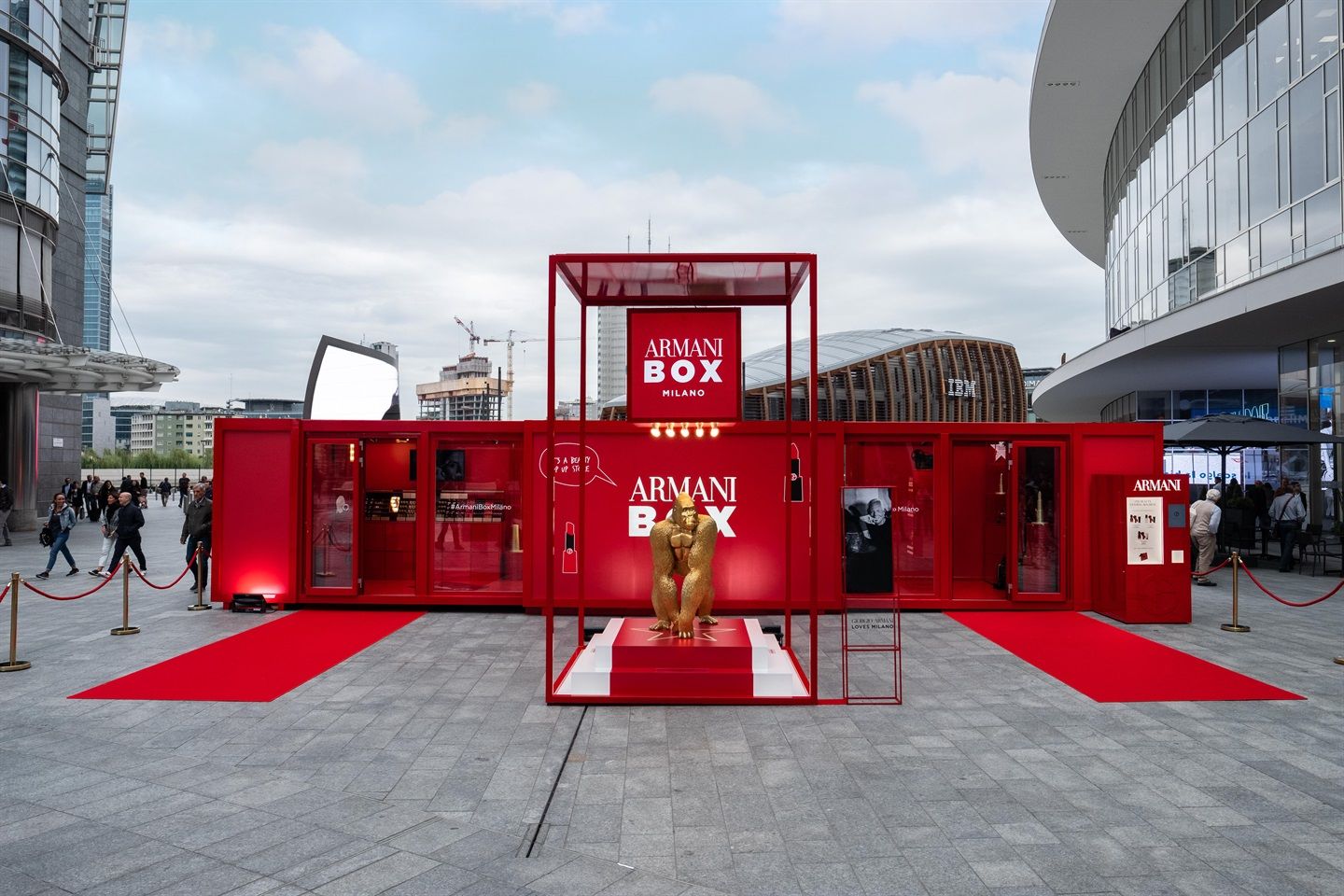
    Pop-up stores are sprouting across major cities, offering brands a unique opportunity to create immersive experiences that transcend traditional retail boundaries. These temporary setups not only drive foot traffic but also foster a sense of urgency among consumers. Whether it’s a themed cafe or a limited-time fashion boutique, pop-ups are designed to enchant and entice, encouraging shoppers to take action before it’s too late.

    Recently, leading fashion retailers have embraced this trend, recognizing the value of direct consumer engagement and the ability to test new markets with minimal risk. For instance, a well-known Japanese streetwear brand launched a pop-up in Tokyo’s bustling Shibuya district and reported a significant increase in brand awareness and sales.

    The Digital Shift

    In today’s digital age, pop-ups have evolved beyond mere physical spaces. Many are harnessing social media to create buzz even before opening their doors. Engaging visuals, teasers, and interactive campaigns drive anticipation and attract a dedicated following. Brands that integrate seamless online and offline experiences find themselves ahead of the competition, attracting a tech-savvy consumer base eager for unique encounters.

    And let’s not forget the unexpected perks—creating a FOMO effect among potential customers often means they’ll happily share their experience online, further amplifying the store’s reach.

    The Importance of Experience

    Today’s shoppers crave experiences just as much as they do products. Pop-up stores allow brands to tell their story through engaging encounters, turning a mundane shopping trip into something memorable. Customers leave not just with a purchase but with a narrative that binds them to the brand—a critical factor in fostering loyalty in an oversaturated market.

    With the emergence of experiential retail, brands can showcase their values and connect emotionally with consumers. Whether it’s through interactive installations or exclusive merchandise, the experience is king.

    As businesses pivot to adapt to changing consumer demands, the allure of pop-up spaces is likely to ignite even more interest in 2024. Retailers who blend creativity with strategy will undoubtedly set themselves apart in this fast-paced environment.

    So, what’s the next twist in this evolving tale of retail innovation?

    Questions & Answers

    What’s driving the rise of pop-up stores in Asia?
    The increasing consumer desire for unique and memorable shopping experiences, paired with brands’ need to engage directly, are key drivers behind the pop-up trend.

    How can online marketing enhance pop-up store success?
    Leveraging social media to generate buzz and excitement before opening can create anticipation, attracting customers both online and in-store.

    Why are experiences important in retail today?
    Experiences foster emotional connections between consumers and brands, encouraging loyalty and enhancing consumer engagement in an oversaturated market.

  • Etisalat to deliver first Open RAN implementation in Central Asia

    Etisalat to deliver first Open RAN implementation in Central Asia

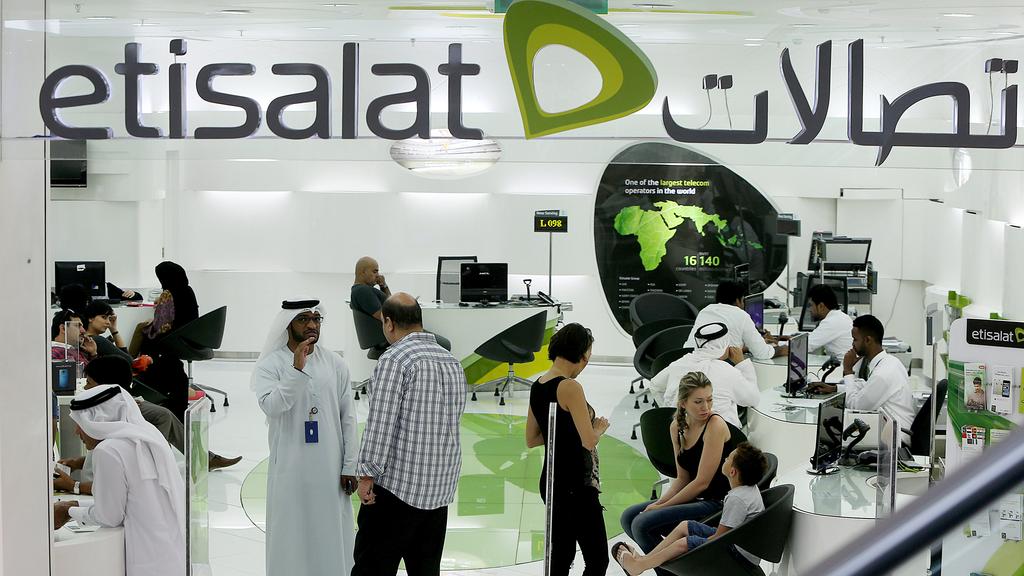
    Etisalat partners with Parallel Wireless, Intel, and Supermicro in deploying the world’s first cloud-native Open RAN solutions in Afghanistan — the first Open RAN implementation in Central Asia.

    Hatem Bamatraf, Chief Technology Officer-International, Etisalat Group, said: “The combination of Open RAN, virtualization, and automation will enable Etisalat to meet the needs of our customers most cost-effectively in Central Asia. Being able to use an Open RAN system will help us not only extend our initial investment but also bring new services much faster. Parallel Wireless together with Intel and Supermicro have become true strategic partners and key enablers in undertaking this Open RAN implementation.”

    Mobile network operators in Central Asia are facing strong pressure to evolve their businesses and operations to drive profitability. Addressing these challenges requires industry innovation focused on reducing traditional hardware-defined 2G, 3G, or 4G networks that require expensive and bulky equipment to deploy, operate or upgrade.

    Open RAN solutions are now ready for prime time as Parallel Wireless leads with innovation in Open RAN, including the world’s first network architecture that unifies all mobile connectivity standards – 2G, 3G, 4G, and 5G– under the same software and cloud-native umbrella.

    In Afghanistan, the Open RAN radio hardware ecosystem of Parallel Wireless shall provide Remote Radio Units (RRUs) that will allow Etisalat to replace legacy 2G/3G/4G systems with white box solutions that can be upgraded to 5G in the future.

    Amrit Heer, Director of Sales, Parallel Wireless, said, “We believe it is the ideal time to align and collaborate to solve the key challenges to deliver innovative RAN solutions that are ready for commercial deployment. Implementing our world’s leading O-RAN compliant software platform will allow Etisalat to enable new services to be deployed quickly, seamlessly, and more reliably.”

    Etisalat’s strategic goal is to build and grow wireless networks to provide next-generation digital services to its customers in the region. Working in collaboration with Parallel Wireless, Intel, and Supermicro, this can be achieved by assembling viable solutions that build on an open and modular architecture; improving service agility through cloudification; and reducing operational costs across geographically distributed sites with automation.

    Jeff Sharpe, Director Edge/5G Solutions, Supermicro, commented on this collaboration: “We are pleased to be working with Etisalat, Parallel Wireless, and Intel to enable an open ecosystem of disaggregated RAN solutions using vendor-neutral RAN hardware and software-defined technology based on open interfaces and community-developed standards.”