
Tag: central banks

  • MAS Opens 500-Tonne Gold Vault to Foreign Central Banks

    MAS Opens 500-Tonne Gold Vault to Foreign Central Banks

    The Monetary Authority of Singapore launched a gold vaulting service on Nov 10, opening its national currency vault to foreign central banks, international financial institutions and sovereign entities.

    The state facility offers 500 tonnes of storage capacity with scope for expansion as demand grows, adding institutional sovereign space to the Republic’s financial infrastructure.

    This public capacity will complement more than 2,000 tonnes of private commercial vaulting currently operating across Singapore for bullion banks, institutional investors and high-net-worth clients.

    Custody for Sovereign Holders

    Foreign central banks, international financial institutions and sovereign entities can now store official gold reserves inside the national currency vault. MAS will offer gold custody accounts to selected Singapore-based bullion banks that provide liquidity and precious metals services to sovereign customers. The storage site has room to add capacity beyond its initial 500-tonne limit as deposits increase.

    Deputy Prime Minister and MAS chairman Gan Kim Yong confirmed that several foreign central banks have opened confidential discussions to use the facility. Official vaulting infrastructure has remained concentrated in Western Europe and North America, leaving sovereign managers with few state-backed choices in Asian trading hours.

    Exchange Clearing and Bank Participants

    Physical custody is only half the framework. MAS completed industry testing for an over-the-counter gold clearing system operated by the Singapore Exchange, with final operating rules scheduled for release shortly.

    Six commercial lenders will serve as clearing members: DBS Bank, Deutsche Bank, ICBC Standard Bank, JPMorgan, OCBC Bank and UOB. Live settlement operations across the six banks will begin in the first quarter of 2027, clearing wholesale trades for both 400-ounce institutional bars and 1-kilogram bars favored in Asian retail and wealth channels.

    SGX plans to introduce a physically deliverable Gold Kilobar Futures contract in the second quarter of 2027 to anchor pricing between Asian daylight hours and Western paper markets.

    Tax Exemptions for Wholesale Processing

    Commercial viability for physical trading hinges on transaction costs. MAS and the Ministry of Finance plan an enhanced goods and services tax exemption scheduled to take effect in April 2027.

    The reform removes GST charges on business-to-business services between institutional participants, covering vaulting, refining, assaying, recasting and broking for gold not destined for domestic retail consumption. Specific statutory language for the tax relief will appear in the 2027 national budget.

    Building Asian Settlement Liquidity

    Singapore is tackling the structural problem that has capped Asian bullion volumes for decades: regional buyers purchase physical bars locally but clear, hedge and finance them against London and New York balance sheets. By combining sovereign-grade custody with central counterparty clearing through SGX, the city-state aims to keep metal and risk in the same time zone.

    Regional rivalry with Hong Kong, Shanghai and Dubai is intensifying as non-Western central banks reallocate reserve assets away from dollar holdings. Hong Kong continues to push its own physical warehouse and market links with mainland China, yet Gan argued that growing reserve diversification gives room for parallel hubs. The operational test rests on whether global bullion desks commit primary trading capital to Singapore rather than treating it merely as secondary overflow storage.

    The Timeline to Full Trading

    The state-backed facility follows an industry consultation started in March, when MAS convened a working group that brought together global banks, SGX, the World Gold Council, trading houses StoneX APAC and YLG Bullion Singapore, and refiner Metalor Technologies Singapore. Gan first flagged the vault plan publicly in June.

    System integration across the six clearing banks runs through the end of 2026, ahead of the live launch of SGX over-the-counter clearing in the first quarter of 2027.

  • Japanese Yen Drops to 156 Against Dollar Following Hawkish Federal Reserve Rate Hike

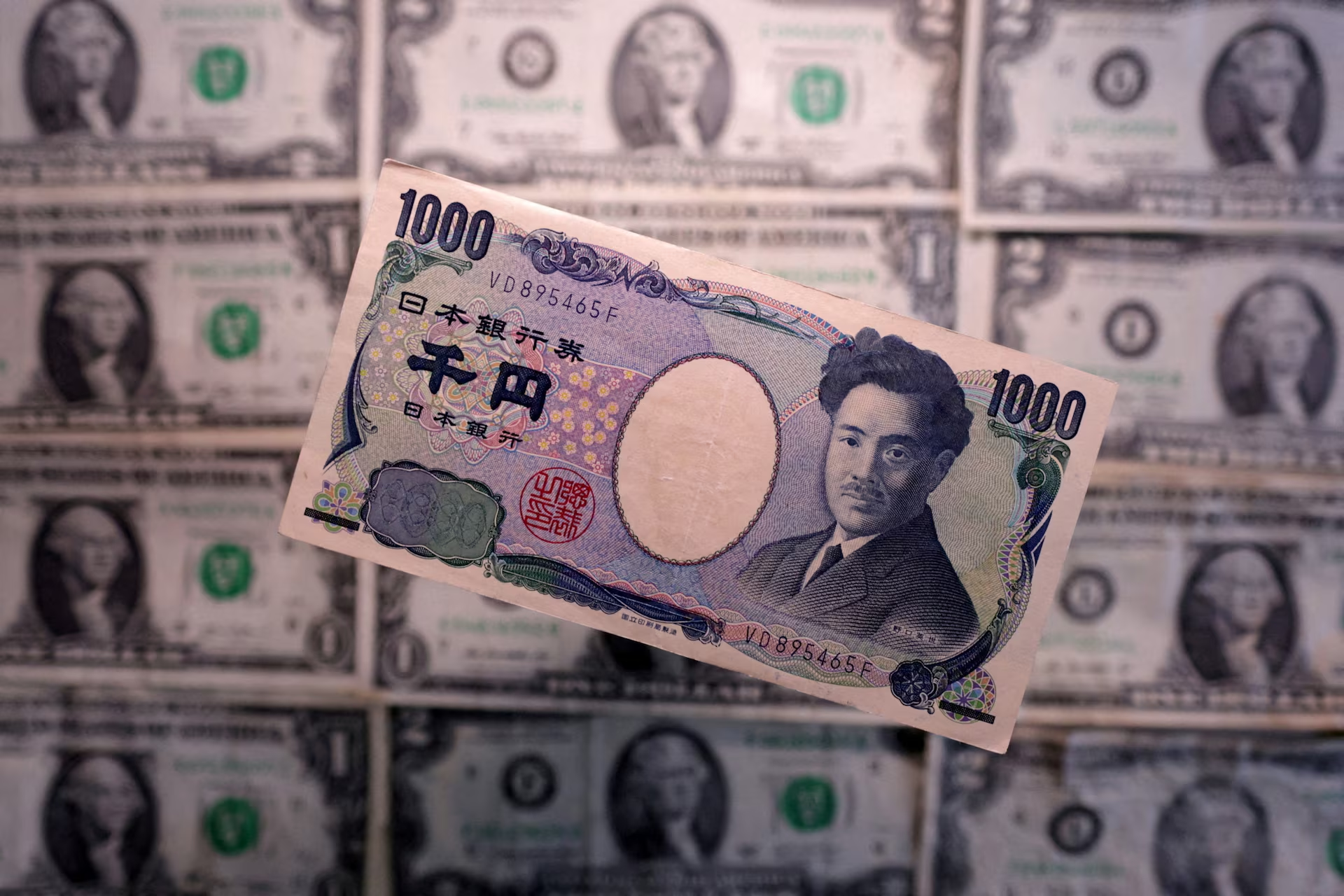
    Japanese Yen Drops to 156 Against Dollar Following Hawkish Federal Reserve Rate Hike

    The Japanese yen fell past 156 against the US dollar in Tokyo on Thursday morning after the Federal Reserve raised interest rates. Fed officials paired the hike with a hawkish outlook. The US Dollar Index climbed above 100 as Asian currencies retreated.

    This sell-off pushed the currency back toward multi-month lows against the greenback after earlier rallies had lifted it to 152 and 154. The reversal resets the cost floor for Asian supply chains. Most settle energy, raw materials and consumer electronics components in dollars.

    Widening Rate Gap Hits Asian FX

    Washington provided the catalyst. The Federal Reserve confirmed further tightening to curb stubborn inflation. Higher yields on US debt continue to draw capital away from Asian fixed income assets, penalising currencies tied to low or negative real interest rates.

    Consumer brands and retailers importing inventory across Asia face immediate margin hits. Importers of packaged food, apparel and tech hardware face higher wholesale landed costs. Export manufacturers gain a temporary translation boost, but it masks weak domestic consumer sentiment.

    Squeeze on Margins and Import Costs

    Retail operators cannot easily pass currency fluctuations to shoppers without dampening foot traffic. Department stores, specialty chains and supermarket networks across East Asia face a hard choice. They must absorb higher procurement invoices or risk volume drops by raising shelf tags.

    Japan’s Ministry of Finance and corporate treasurers lost the breathing room they had earlier in the week. The market had watched the yen strengthen toward 152. The Federal Reserve quickly extinguished bets on an early monetary pause.

    Bank of Japan Decision in Focus

    Earlier trading saw the yen swing between 152 and 154 to the dollar as desks weighed domestic inflation against global bond yields. Japanese land prices and tourism spending showed resilience. Still, imported input inflation continues to squeeze local business margins.

    Traders now look to the Bank of Japan’s upcoming policy meeting. Officials face rising pressure to consider domestic rate adjustments to arrest further currency depreciation.

  • More Central Banks Mulling Digital Currencies

    More Central Banks Mulling Digital Currencies

    Many central banks have or plan to launch digital central bank money. A PwC study looks at the winners and losers.

    A study from PwC released Monday analyzing central banks’ level of maturity and development of their digital currencies (CBDCs), shows that Nigeria’s eNaira scores high in retail models, with Thailand the frontrunner among wholesale customers.

    According to PwC’s Global CBDC Index report, over 80 percent of central banks have issued CBDCs or are in the process of doing so.

    This year’s PwC report looks at two separate models, retail and wholesale, ranking CBDCs on a scale of 100.

    Thailand came out atop the wholesale rankings, followed by Hong Kong and Singapore. Switzerland jumped up two spots from 12th to move into the top 10 globally and to second place in Europe.

    The Swiss National Bank (SNB) completed Phase II of the CBDC’s Helvetia project in January 2022. Together with five commercial banks, the SNB examined the settlement of interbank, monetary policy, and cross-border transactions on SIX Digital Exchange’s (SDX) test systems, the Swiss real-time gross settlement system SIX Interbank Clearing (SIC), and the core banking systems.

    Retail CBDCs reached a higher level of maturity than their wholesale counterparts, according to PwC, with the Nigerian eNaira receiving a score of 95, making it the most developed in the retail category.

    Also notable in the retail category was the Bahamas, which became the first country ever to introduce a digital central bank currency – the Sand Dollar. Jamaica’s Jam-Dex is scheduled to launch later this year. Thailand and Hong Kong top the large customer category for their joint mBridge project for cross-border payments.

    PwC found that stablecoins, which are private virtual digital currencies that peg their market value to an external reference, have become an integral part of the crypto ecosystem. It is impossible for any crypto fund or institution to be active in the crypto world without using stablecoins, the report said.