Tag: Central Retail

  • Vietnamese Brands Target Thai Supermarkets to Drive 25 Billion Dollar Trade Goal

    Vietnamese Brands Target Thai Supermarkets to Drive 25 Billion Dollar Trade Goal

    Vietnamese consumer brands wrapped up a Bangkok retail show on September 20, chasing shelf space across Thailand. Two-way trade between the nations hit a record 22.1 billion dollars.

    Both governments want annual trade to reach 25 billion dollars. Hitting that target requires Vietnamese manufacturers to turn low-margin bulk crops into finished, branded goods for modern retail shelves.

    Thailand is Vietnam’s top trading partner in ASEAN, and Vietnam ranks second for Thailand. Proximity keeps shipping costs and transit times well below long-haul routes to Europe or North America. That makes Thai chains an accessible testing ground for regional packaged goods.

    Shifting from Bulk Crops to Packaged Goods

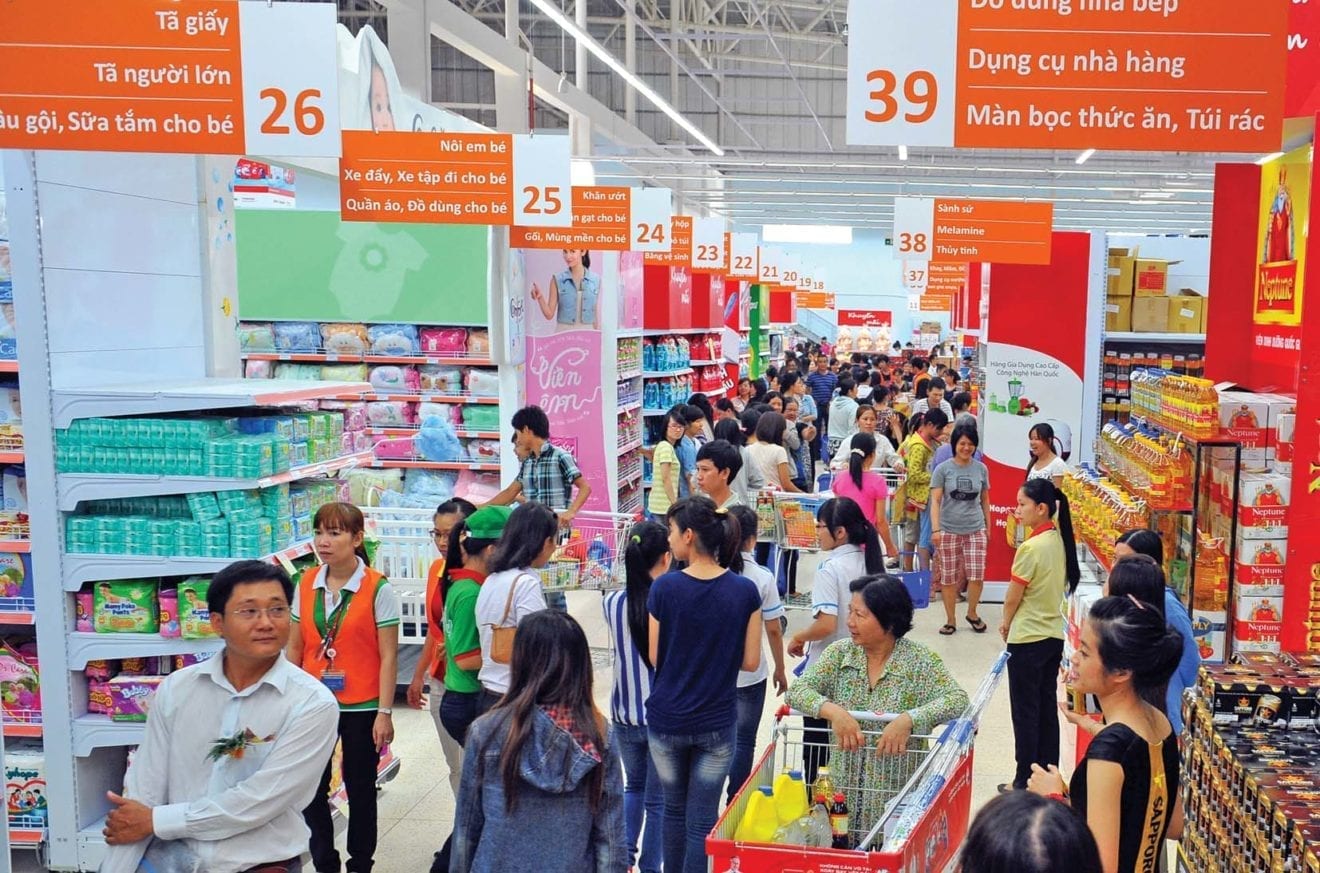
    Central Retail acts as the primary conduit through its Vietnamese Week exhibitions and sourcing networks. Central Retail vice president of Vietnam trade promotion Paul Le noted that suppliers are shifting away from basic raw crop exports. They are moving toward finished products with upgraded packaging, dedicated branding, and local regulatory certifications.

    Securing hypermarket shelf space does not guarantee sales velocity. Buyers demand that foreign suppliers fund their own on-ground marketing and understand price elasticity against established local brands. Suppliers must also align promotional calendars with regional holiday shopping cycles.

    “The handshake is only the first step. Businesses need to take responsibility for promoting their own products and making them visible in the target market. A product placed among thousands of others in a supermarket cannot attract consumers without proper marketing.”

    Provincial authorities in Vietnam are restructuring local supply chains around foreign supermarket specifications rather than domestic farm output. An Giang Province, an agricultural hub in the Mekong Delta, is aligning cooperatives with Central Retail. The goal is to establish consistent volume, commercial traceability, and international food safety standards before starting export runs.

    Local Adapters and Product Tailoring

    Trade officials in Da Nang curated specialized items for the Bangkok event, including packaged Ngoc Linh ginseng, instant Mi Quang noodle bowls, and roasted coffee. The city now subsidizes export-grade packaging design. This helps local processors meet Thai import rules on nutritional labelling and shelf life.

    Coffee roaster Ban Me Gold demonstrates how private labels manage regional segmentation. The company already ships to the United States and South Korea, and develops tailored variants for Japan, Dubai, and Malaysia. For Southeast Asian lines, it packages traditional metal drip filters with ground beans. It also tweaks roast profiles and packaging language for each market.

    Niche producers face a longer path through technical import barriers. Sinh Duoc Cooperative, a personal care maker based in Ninh Binh, spent a decade securing ASEAN cosmetic compliance, US FDA registration, and ISO 22000 food safety certifications. It finally presented herbal soap lines to Thai retail buyers this month.

    Cross-Border Distribution Realities

    Regional consumer goods flows are shifting structurally across Southeast Asia. Thai retail operators such as Central Retail and CP Group have spent billions acquiring store networks across Vietnam. That gives them bilateral use: they source Vietnamese specialty goods for Thai stores while filling Vietnamese aisles with Thai manufactured items.

    Suppliers relying solely on domestic distributors risk margin compression as modern retail expands into Tier 2 and Tier 3 Vietnamese cities. Partnering with cross-border supermarket chains provides volume scale. However, producers must absorb slotting fees, mandatory discounts, and strict return policies that eat into gross margins.

    Small-scale producers face real danger if they expand factory capacity without guaranteed re-orders. A seasonal promotion in Bangkok does not guarantee permanent listing status. Undercapitalized producers remain vulnerable if secondary sales lag behind local Thai incumbents.

    The Next Steps for Regional Trade

    Hanoi’s Ministry of Industry and Trade is steering its Go Global trade program toward digital marketplace integration and cross-border logistics partnerships. Bilateral discussions between Hanoi and Bangkok now focus on streamlining customs clearance and sanitary inspections for packaged food items to drive trade toward the 25 billion dollar milestone.

  • Central Retail to Add 37 Food Stores Across Vietnam by 2028

    Central Retail to Add 37 Food Stores Across Vietnam by 2028

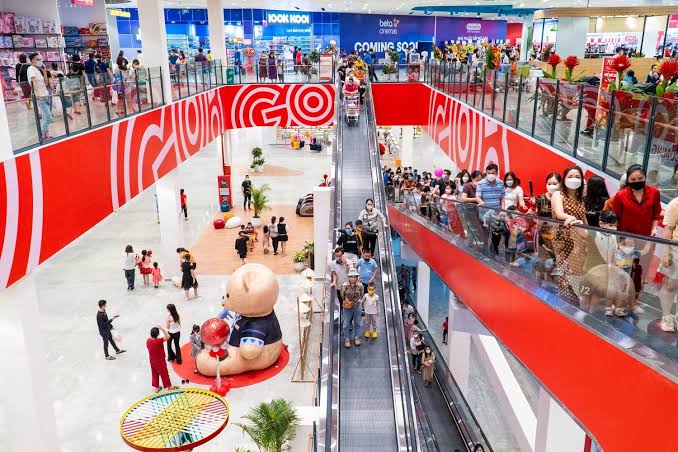
    Central Retail will open up to 37 food stores in Vietnam by 2028. The plan adds large-format hypermarkets and neighborhood supermarkets across primary and secondary cities.

    Targets include 10 to 12 Go! Hypermarkets and 23 to 25 Mini Go! Stores over the next two years. The group already operates more than 300 locations covering 1.3 million square metres of floor space.

    Splitting formats between city hubs and provinces

    Capital will split between large retail hubs and smaller grocery boxes. Central Retail Food Group is restructuring flagship Go! Hypermarkets around fresh produce, in-store bakeries and prepared dining counters. Smaller Mini Go! Branches will push into provincial markets. There, modern retail still competes against traditional wet markets.

    Food accounts for the bulk of local revenue. Beyond Go!, the portfolio includes Tops Market, Mini Go! And Lan Chi Mart. Sourcing leans heavily local. More than 90 per cent of inventory comes from roughly 2,000 Vietnamese suppliers.

    “Our strength lies in having a diverse range of store formats, from hypermarkets to supermarkets, allowing us to expand in ways that best suit the potential of each location and consumer segment across both major and secondary cities,” said Stephane Coum, CEO of Central Retail Food Group.

    Pressure on domestic grocers and floor space

    Rival operators like WinCommerce and Saigon Co.op face higher stakes in secondary provinces. Domestic chains spent the past three years closing unprofitable small stores and trimming distribution margins. Central Retail is taking the opposite route, committing fresh capital to physical stores as consumer spending climbs.

    Productivity outside Hanoi and Ho Chi Minh City remains the main operational hurdle. Secondary cities provide cheaper leases and less modern competition, but basket sizes are smaller and shoppers watch prices closely. The company bets fresh food counters and ready-to-eat meals will pull shoppers from wet markets faster than packaged goods.

    Building out the network

    Central Retail entered Vietnam nearly 15 years ago and has invested THB49 billion (US$1.5 billion) to date. It converted the Big C assets acquired in 2016 into the Go! Brand. Older hypermarket layouts were dropped for food-led centers that mix dining tenants with specialty retail.

    Loyalty data will feed directly into the physical roll-out. The 1 Vietnam loyalty programme reached 7.4 million members in its first year. The chain will use that database to drive shoppers into the 37 new locations as construction finishes through 2028.

  • Central Retail First-Half Profit Jumps 35% to $155 Million

    Central Retail First-Half Profit Jumps 35% to $155 Million

    Central Retail posted a 35 per cent increase in first-half net profit to 5.0 billion baht ($155 million), driven by grocery gains and aggressive store pruning in Thailand and Vietnam.

    Total revenue from continuing operations rose 2.4 per cent to 123.7 billion baht ($3.9 billion), with grocery accounting for 46 per cent of all sales.

    Store and online sales rose 2.2 per cent across the network, beating a 2.2 per cent expansion in total retail selling area. Gross margins widened by 110 basis points to 24.8 per cent, outpacing operational cost growth. Finance costs dropped sharply, while profit contributions from a newly acquired 40 per cent stake in JD Sports lifted the bottom line.

    Pruning hardlines and shifting to athleisure

    The conglomerate closed 11 branches of Power Buy, B2S, and Officemate over the past 12 months. It also severed 39 stores in April by exiting the NK appliance retail business in Vietnam. Hardlines revenue fell 2.9 per cent during the half, or 0.5 per cent when excluding the NK divestiture.

    Fashion sales edged up 2.1 per cent. Central Retail took its minority stake in JD Sports partly to overhaul sports merchandising at its proprietary Supersports chain, shifting shelf space toward high-turnover athleisure ranges.

    Food delivered the bulk of operating momentum. Grocery sales increased 6.1 per cent, recording same-store sales growth of 2 per cent in the first quarter and 3 per cent in the second quarter. Overall group same-store sales slipped 0.1 per cent for the six months, dragged down by two-year stacked declines of 7.5 per cent in hardlines and 5 per cent in fashion.

    Uneven regional recovery

    Across Southeast Asia, diversified retail conglomerates have spent the past two years ditching fragmented specialty formats to defend supermarket cash flow against inflation. Central Retail mirrors regional peers that expanded fast into bulky non-food retail during low-rate cycles, only to find floor space unproductive once discounters and online platforms undercut consumer electronics and stationery.

    Trading conditions remain split between its two core markets. In Thailand, high household debt and slow tourism recovery continue to curb discretionary spending, even with the central bank lifting its 2026 economic growth forecast to 1.9 per cent. Vietnam provides stronger retail momentum, backed by rising inbound tourism and state efforts to lift domestic consumer spending.

    Central Retail now manages 3,834 stores and 75 shopping centres with 779,000 square metres of net leasable area across both countries. Investors are watching third-quarter same-store sales figures to see whether hardlines and fashion can pull out of negative territory.

  • Thai retail giant to invest $1.1 bln for expansion in Vietnam

    Thai retail giant to invest $1.1 bln for expansion in Vietnam

    Thailand’s Central Retail Corporation plans to invest $1.1 billion in Vietnam in the next five years to expand its stores network.

    It said Vietnam’s wholesale and retail sector grew 7 percent year-on-year in the last quarter of 2020, and growth is likely to be strong this year, making it one of the most attractive markets in the world.

    Philippe Broianigo, CEO of Central Retail Vietnam, said the five-year plan would focus on multi-sector and multi-platform development.

    The company opened four shopping centers last year in central and southern Vietnam, and renamed five Big C supermarkets as “GO!”.

    It plans to invest $211 million for expansion this year, opening stores in the northern provinces of Thai Nguyen, Thai Binh and Lao Cai and the southern provinces of Ba Ria-Vung Tau and Tay Ninh.

    Over nine years in Vietnam, foods have proven to be a key product for Central Retail, contributing 70 percent of its revenues.

    With 37 shopping centers and 230 stores in 37 cities and provinces, it serves an average of 175,000 customers a day.

  • Central Retail posts growth in revenue, profit

    Central Retail posts growth in revenue, profit

    Its net profit stood at THB2.31b during the quarter.

    Central Retail Corporation (CRC) reported its net profit grew by more than 75% year-on-year to THB2.31b in the first quarter.

    Over the same period, the company’s total revenue went up by 12% to THB63.2b.

    “The company achieved a 30% sales growth in the fashion category, 9% growth in the food category. Sales in the hardline category in the Thai market also continue to grow at 9% despite the downward trend in the industry,” Yol Phokasub, CEO, Central Retail Corporation (CRC), said.

    “These results are positive signals, which are indicative of Central Retail’s further growth prospect in 2023, reaching its growth targets and driving up revenue by 12-15%.”

    The company noted Central and Robinson Department Stores continued to grow and develop as a result of its mission to deliver next-level shopping experiences to its customers.

    Moreover, Central and Robinson Department Stores continue to grow and develop as a result of its mission.

  • Central Retail invests US$3 million for Tops Market’s new model

    Central Retail invests US$3 million for Tops Market’s new model

    Central Retail has invested US$3 million to build Tops Market’s first standalone supermarket, on Bangkok’s Pattanakarn 30.

    Catering to the residential areas in Eastern Bangkok, the new standalone supermarket spans 3400sqm, housing more than 17,000 items across seven zones, including Healthiful, Snacker, Asian Flavours and Petster. Tops Market Pattanakarn 30 offers omnichannel with personal shopper service and quick commerce service through Line.

    “The new store will cater to modern consumers who prefer shopping near their home so that they do not have to worry about commuting,” said Stephane Coum, CEO of Central Food Retail. “We recognise the spending potential of the consumers in this area, as it is an upscale residential area in Eastern Bangkok, with many large-scale real estate projects.”

    Sustainability innovations and technology are implemented at the store in line with the Central Retail Retailligence strategy. Two EV charging stations are installed to support clean energy, while energy-saving refrigerators are used to reduce the use of electricity and carbon footprints.

    Customers can also collect trash and household waste to receive points on recycling days. Each point is equal to one baht, and Tops Market adds another baht to be donated to Empty Bottles, Full Value project by Wat Chak Daeng in Samut Prakan province, to make PPE uniforms for the temple and garbage collectors.

  • Central Retail becomes Reebok’s sole Thai distributor

    Central Retail becomes Reebok’s sole Thai distributor

    Sports brand Reebok has appointed CRC Sports, a subsidiary of Central Retail, as its sole distributor in Thailand.

    According to CRC Sports, it will take responsibility for e-commerce operations and the wholesale distribution of Reebok, pushing growth opportunities and aims to make Reebok one of the top five sports brands in Thailand.

    CRC Sports plans to expand Reebok’s network to more than 100 locations this year and enhance Reebok’s online presence through websites and e-commerce marketplaces like Lazada, Shopee and Central.

    “The heritage and potential of Reebok and its product portfolio support our efforts to offer even more of the best sporting trends to the new generation,” said Tony Morton, president of CRC Sports Company.

    “To have a world-renowned sports brand like Reebok in our portfolio helps to solidify our position as the go-to destination for sports apparel, shoes and sports equipment.”

    Other channels such as Click & Collect, Personal Shoppers, Call & Shop, Line Chat & Shop, and Facebook Live events are used to offer retail experiences for Reebok’s customers in Thailand.

  • Big C brand name to be fully replaced by Tops Market, GO!

    Big C brand name to be fully replaced by Tops Market, GO!

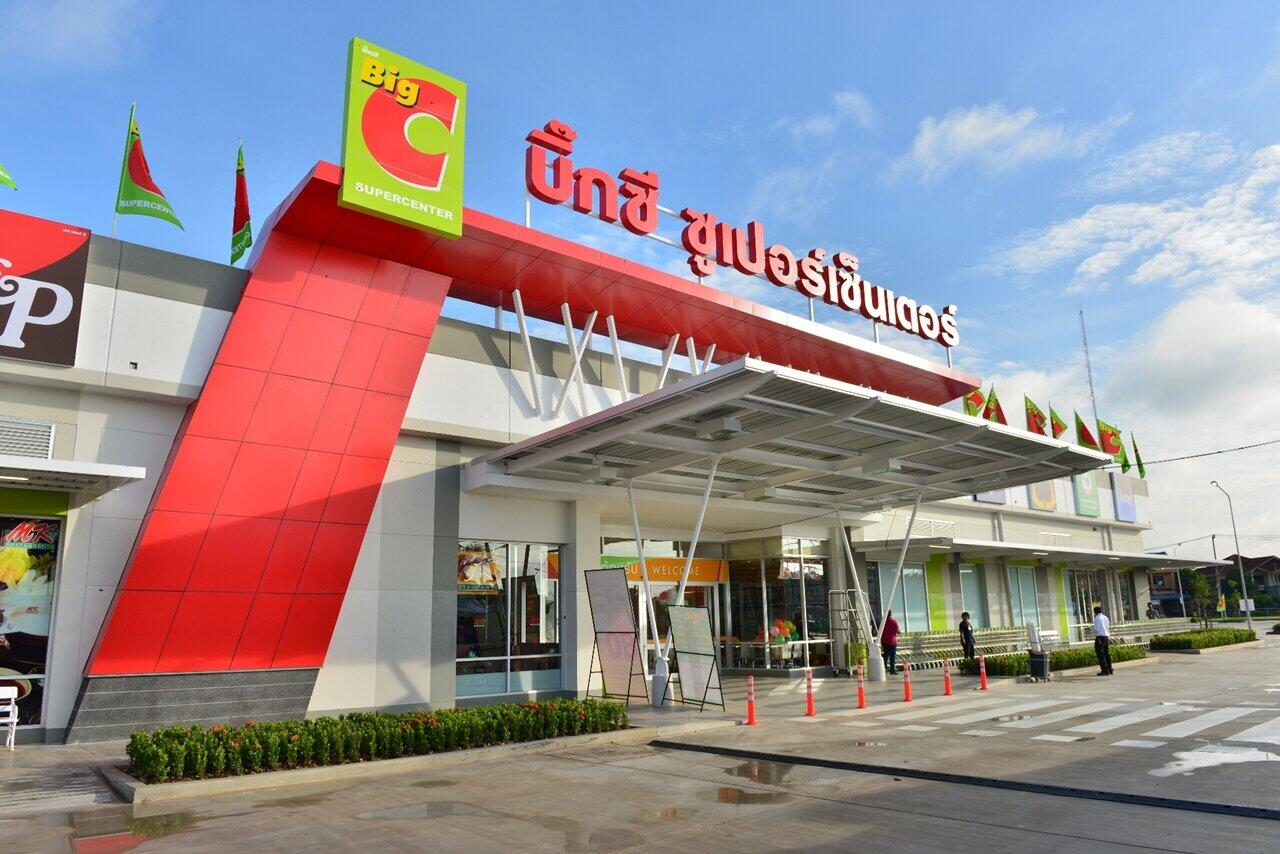
    Retail chain Big C plans to rebrand all its outlets as Tops Market or GO! this year, laying the Big C name to rest after 22 years in Vietnam.

    Thailand’s Central Retail, its owner, began the process on March 1 by changing the names of three Big C outlets in HCM City, in An Phu and Thao Dien in District 2 and Au Co in Tan Phu District, to Tops Market.

    The four stores in Hanoi in Tu Liem, Ha Dong, Thanh Tri, and Thanh Xuan districts will be renamed soon.

    By the end of last year five Big C hypermarkets in Nha Trang City, Can Tho and Ha Long cities and Binh Duong and Vinh Phuc provinces had their names changed to GO!.

    The company said the rebranding is meant to create a new look and upgrade its shopping space.

    Central Group bought Big C Vietnam from France’s Casino Group in 2016 for over $1 billion.

    From 2022, the Big C brand will only exist in Thailand, where it is owned by TCC Group led by tycoon Charoen Sirivadhanabhakdi.

  • Central Retail to merge Central with Robinson

    Central Retail to merge Central with Robinson

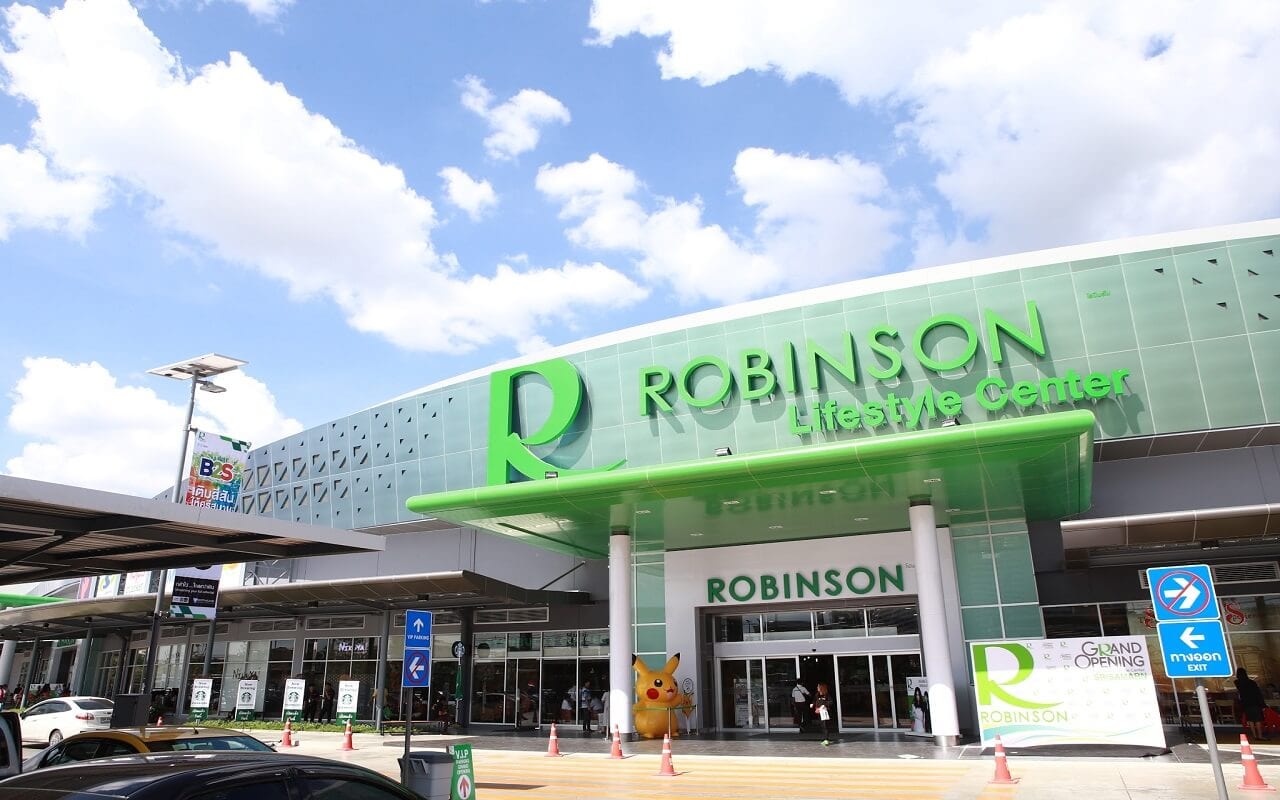
    Thailand’s Central Retail group plans to merge its two department-store businesses – Central and Robinsons.

    According to CRC, the merger is part of the company’s strategy to be the first omnichannel department store in Thailand. However, the company will continue to operate Central and Robinson as independent banners.

    “The business synergy will give the combined department stores a significant acceleration to become more customer-centric, as well as to strengthen the company’s omnichannel competencies,” said Nicolo Galante, president of Central Retail.

    “Through this new chapter of our business, we want to ensure that we continue to grow and create a winning company for the long term,” Nicolo said.

    Robinson department stores focus on apparel and beauty with 74 stores across the country. Central department stores are generally larger and have a more comprehensive product category-spanning multiple categories.

    It appears from information supplied by the company that the greatest impact of the merger plan will be in the fashion and apparel categories, streamlining offers.

    CRC also said it plans to open between two and five new stores annually.

  • Central Retail takes full control of FamilyMart Thailand

    Central Retail takes full control of FamilyMart Thailand

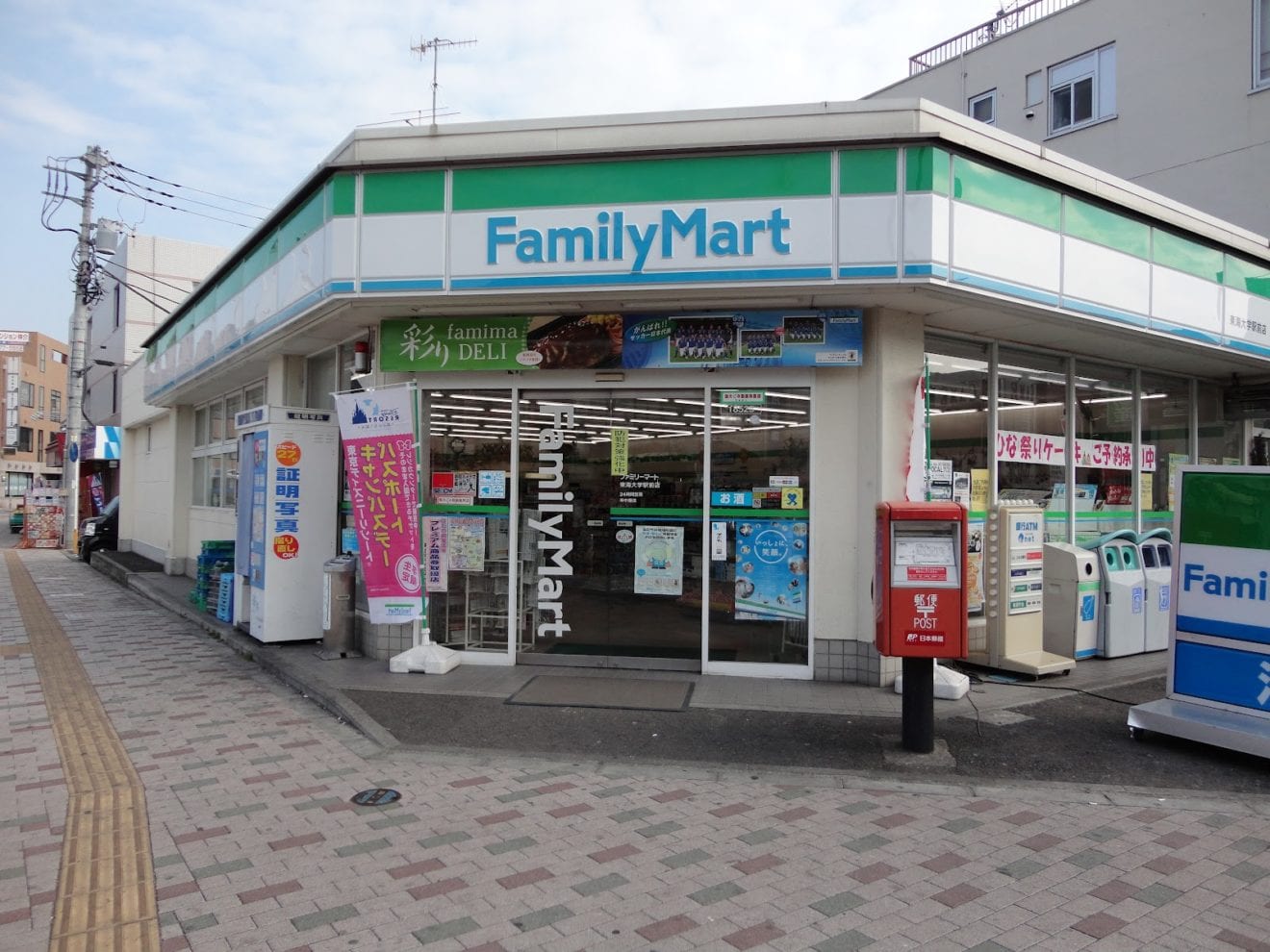
    Central Retail has taken full control of the FamilyMart Thailand business, a precursor to expanding the network in the country.  Currently, FamilyMart has just 1000 convenience stores, largely centered in the capital city of Bangkok. That’s a fraction of the 14,000-odd stores under CP All-owned rival 7-Eleven.

    “The acquisition of all the shares of FamilyMart is in line with Central Retail’s strategy to strengthen our Central Retail & Service Platform, reaffirming our leading position in the retail business, as well as to increase our potential in offering full-scale services through customer-centric omnichannel,” said Central Retail CEO Yol Phokasub.

    He said the company plans to continue expanding the FamilyMart Thailand store network but did not provide any further details.

    Central Retail has run the FamilyMart Thailand business in partnership with Japan FamilyMart Co since 2012, through a company called SFM Holdings. Central held 50.65 percent of the shares in SFM and its Robinsons department store division 0.35 percent. Yesterday, Central bought the remaining 49 percent from the Japanese company.

    Phokasub says the deal strengthens the power of Central’s food and convenience-store businesses at a time when Thailand’s food market is thriving.

    “Over the past eight years of operating FamilyMart convenience stores, CRC has always been committed to improving the business model and expanding stores to offer convenience to consumers through products and services, with unique selling points to meet the needs of consumers in all areas. It has become a lifestyle & food destination with ready-to-eat meals, beverages, Arigato fresh coffee, and open spaces for everyone to come mix and mingle 24 hours a day,” he said.

    Under Central Retail’s leadership, the FamilyMart Thailand concept has expanded into other areas of convenience, including installing 24/7 coin-operated washing machines in some stores.

    During the Covid-19 crisis the chain launched vending machines both inside and outside stores, serving ready-to-eat meals, beverages, and snacks.

    The company also recently partnered with delivery-service Grab to allow customers to purchase products from FamilyMart remotely

  • Central Retail to invest US$575 million on expansion this year

    Central Retail to invest US$575 million on expansion this year

    Thailand’s Central Retail Corporation achieved 8 percent revenue growth last year to US$7.1 billion and an 11-per-cent boost in profit to $394.7 million.

    CEO Yol Phokasub said the improvement reflected “robust platforms” in every country in which it operated: Thailand, Vietnam and Italy.

    “We increased market share in every product category, including fashion, food and hardlines, whilst we also grew our customer base in each market with our strong eco-systems,” he said.

    Central Retail is on track to achieve a five-year goal of achieving 8-10-per-cent average annual income growth and earnings growth of 10-11 percent.

    This year, Central Retail is investing $575 million into expanding its business in its three core markets, exclusive of mergers and acquisitions.

    In Thailand it plans to open three Robinson Lifestyle stores, seven Thai Watsadu stores and 3 Baan and Beyond stores, as well as expanding its food and specialty-store networks.

    In Vietnam it will open six supermarkets under the existing Big C banner and its new brand Go!

    It also plans to refurbish some existing stores and open more outlets under its LookKool, Kubo and SuperSports banners.

    In Italy, it will refurbish its department stores in Florence and Rome, and focus on leadership in the lifestyle-luxury segment of the market.

    “After many uncertainties in both the global and Thai economies this year, whether from the strong Baht, the COVID-19 epidemic, reduced tourist arrivals or declining consumer confidence, Central Retail must exercise caution in its business operations, closely monitor various issues and use technology to manage costs effectively,” said Phokasub.

    “Our multi-category and multi-format platforms give us flexibility and adaptability to rapidly changing and volatile situations. This offers us an advantage and a good opportunity to reach customers, providing them with new experiences through our robust omnichannel platforms.”

    Central Retail achieved sales growth online of about 56 percent last year.

    “This year, we forecast sales through the omnichannel platforms to account for over 10 percent of Central Retail’s sales,” he said.

  • Central Retail to double online after Shopee acquisition

    Central Retail to double online after Shopee acquisition

    Central Retail Corporation has announced plans to to double its online sales to THB10 billion (US$315.76 million) this year. Central’s CEO Nicolo Galante said the firm intends to lead in the omni-channel e-commerce business, overtaking Shopee. “Non-food businesses globally have been disrupted by digital transformation and are struggling against the likes of Amazon and Alibaba. As the biggest non-food player in Thailand, Central Retail pledges to move aggressively this year to tap into digital transformation,” said Galante in an interview.

    “We can be for Thailand what Amazon is in Western countries and Alibaba is in China. Everywhere in the world, the No.1 player in e-commerce and digital is always a new-economy company, but in Thailand it could be a company that is 71 years old.”

    In this regard, Central intends to launch an omnichannel platform of services distinctive from those of Lazada, Alibaba and Shopee, whereby the company will retail products and services both at physical stores and online. Central will assist partner brands who lack the resources to build their presence in the marketplace.

    It will launch the first such marketplaces for Central Department Store, PowerBuy and SuperSports within the next six months.

    “We will launch our omnichannel marketplaces for our retail business,” said Galante. “If there are some problems with the products, the customer can return the products to the store, get advice and other services at the store.”

    For apparel, Central will launch launch a “Reserve and Collect” service that allows buyers to reserve two or more sizes or colours of products online and choose which to buy after trying them in-store.

    The move is part of the firm’s considerable investment in technology, teams and new services in the hopes of taking the lead in the e-commerce business by 2021.

  • Who’s who of retail CEOs at Consumer Goods Forum

    Who’s who of retail CEOs at Consumer Goods Forum

    Next month’s Consumer Goods Forum to be held at the Marina Bay Sands will feature a ‘who’s who’ of international retail leaders.

    This year marks the first time in a decade the event is being held in Asia. Running from June 12-15, it is themed Consumer Centricity in a Data-Driven World.

    Industry leaders including Alibaba CEO Daniel Zhang, Dairy Farm International CEO Ian McLeod, Coca-Cola Company CEO James Quincey, Majid Al Futtaim Holding CEO Alain Bejjani, Ahold Delhaize CEO Dick Boer, JD international president Winston Cheng, Central Retail CEO Nicolo Galante, Carrefour China president and CEO Thierry Garnier and Metro AG CEO and chairman Olaf Koch are all on the speaking roster.

    Former US Secretary of State Madeleine Albright will deliver a keynote address.

    Consumer Goods Forum MD Peter Freedman says the summit is often described as the most important leadership event on the consumer goods industry’s calendar.

    “The key focus of this year’s conference will be on how to ensure that we continue to keep consumers at the centre of the digital transformation in our industry. In that context we will also be discussing how we can accelerate our work on global positive change, which millennials and younger consumers are so concerned to see. We are delighted to be holding the event in Singapore, one of the world’s leading smart cities, with some of the most digitally sophisticated consumers, and geographically close to so many Asian digital innovations.”

    More than 1000 delegates, from more than 400 leading retailers and consumer goods companies will engage with this year’s theme through sessions focused on stories such as:

    • Investing in the age of disruption;
    • Evolving retail for the smart consumer;
    • The future of work: people & technology;
    • Positive change in action: driving a circular economy;
    • New Retail: creating new value for consumers;
    • Global millennials: the data-driven facts;
    • Executing a digital and omni-channel growth strategy; and
    • Transforming customer experiences through big data.
  • Four trends to shape food retailing future

    Four trends to shape food retailing future

    “Genuine revolutions in food retailing are rare, but we’re living through one now.”

    That’s the view of Joanne Denney-Finch, CEO of the food and grocery researcher IGD, speaking who addressed last week’s Asia Pacific Retailers Convention and Exhibition (APRCE) conference in Manila.

    She believes the drivers of change are based on increasing population growth, especially in Asia and Africa, and urbanisation as well as rapid technological changes, and outlined four big trends that will shape the future of global food retailing:

    • The reinvention of stores.
    • The link between the online and offline world.
    • New ways of marketing.
    • Changing supply chains.

    “Change is sweeping through every part of international food retailing. The revolution is so big and powerful, that no-one knows exactly what the future will look like,” said Denney-Finch.

    “While this is creating the most challenging conditions for food retailers I’ve ever seen, there are many opportunities too. Retailers around the world are responding creatively and starting to build a new future.”

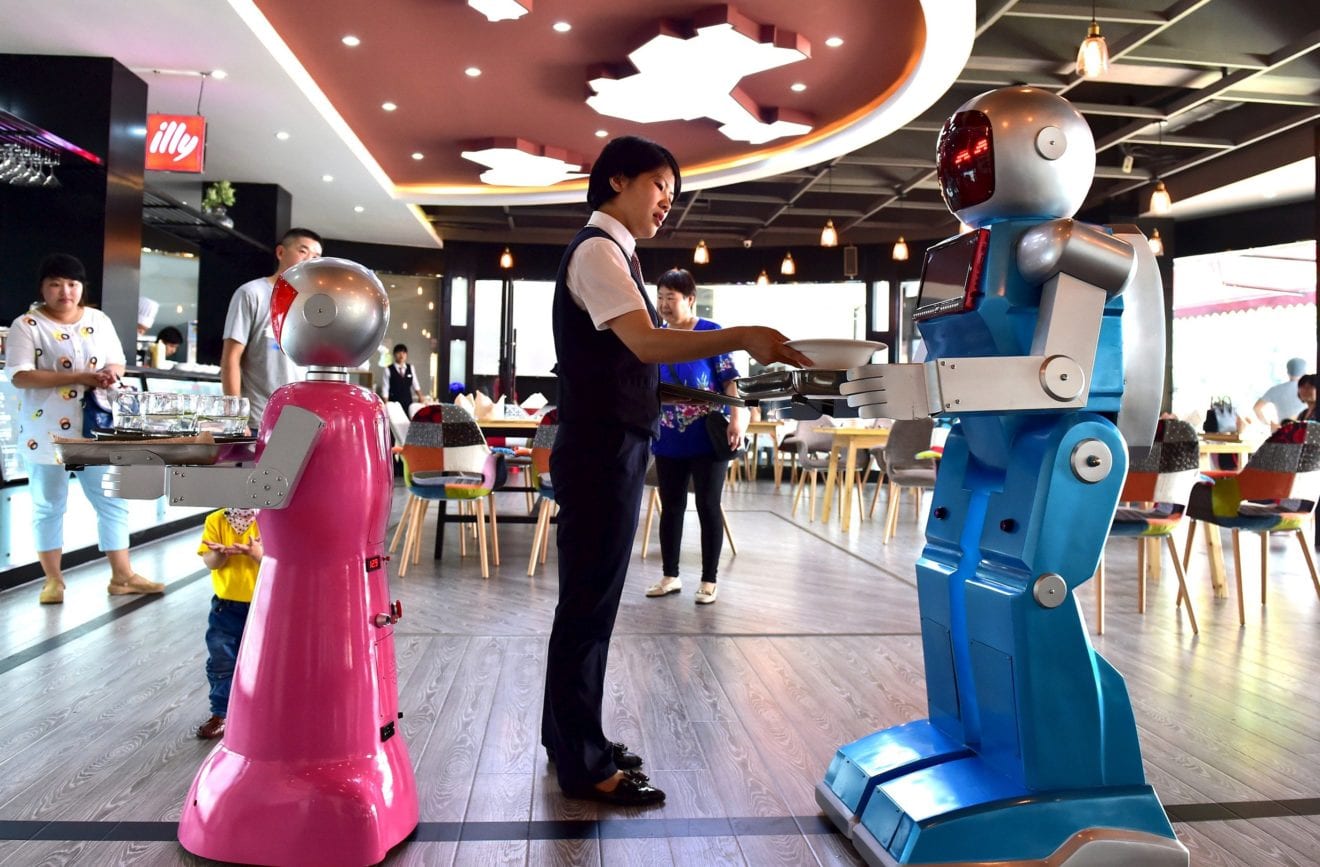
    On the reinvention of stores, Denney-Finch, said: “Technology is making a big difference to help improve the customer experience. Robots are starting to appear in stores around the world. In some Japanese shops, they meet and greet shoppers and give them advice on where to find products, while in Spain they are being used to give nutrition advice. They are a novelty at the moment, but robots will be a common sight in the future and we can expect them to patrol stores, looking for gaps on shelves and replenishing them.

    “Beyond technology, retailers are finding various ways to make shopping easier, more exciting and informative. Various British retailers have set up convenience sections within their largest stores where everyday items like bread and milk are grouped together to save time for top-up shoppers. Thailand’s Central Food Group has an expert Australian butcher to give shoppers advice on international product that they’re not familiar with.”

    On the merger of the online and offline worlds, Denney-Finch said: “Many retailers are viewing online and offline as two complementary ways to help shoppers buy whatever they want, anytime, anywhere and in the most convenient way to them. It’s what’s known as ‘omnichannel retailing’ and gives retailers the opportunity to regain loyalty. Phone apps are one way to link the online and offline worlds. People using the Walmart app, for example, shop there twice as often and buy 40 per cent more than other shoppers. Alliances are another way to utilise omnichannel shopping. The Chinese online platform Yihaodian, now owned by Walmart, has partnered with Family Mart stores to offer product collection.”

    On new ways of marketing, Denney-Finch, said: “In my view the most important role of marketing is to help build consumer trust and that requires a commitment to transparency and traceability. Stew Leonards stores have a live ‘web cam’ where you can watch their suppliers fishing. Some companies are also using computer game techniques to make promotions more exciting. In Singapore, McDonald’s provides an alarm clock phone app that wakes people up and delivers a new surprise each morning such as a discount or a game.”

    On changing supplying chains, Denney-Finch, said: “For many years, big food retailers were able to buy everything their customers wanted, at short notice and at a good price. However, with demand growing so quickly, as well as climate change and many other factors there’s more uncertainty about food supplies. So many retailers are thinking further ahead and building longer-term relationships with suppliers. For instance, Tesco has agreed to buy the whole banana crop every year from some regions of South America.”

    To conclude, Denney-Finch, said: shopper expectations will continue to rise in the future.

    “In response, retailing will become more flexible, personalised and exciting than ever before. New solutions are emerging every day from every part of the world. So the challenge for retailers is not just to reach the world class standards of today, but to set and deliver new standards for tomorrow.

    “Retailing in Asia is exceptionally dynamic, building on all the energy that comes naturally from such fast growing economies. So I confidentially predict that many Asian companies will be amongst the leaders of the retail revolution for the next 20 years and beyond.”

  • Robinson Thailand plans more border stores

    Robinson Thailand plans more border stores

    Thai department store chain Robinson says it will open outlets in planned special economic zones to encourage cross-border trading.

    The Central Retail Corporation subsidiary says it will open a new Lifestyle Centre at Mae Sot in the Tak province, on the border with Myanmar. It follows a similar store which opened in Mukdahan, on the border with Laos, last year.

    “These stores are being built to take greater advantage of cross-border trade,” CRC international business director, and Robinson president Alan Thomson said in an interview published in The Nation.

    “SEZ projects are good initiatives but will take time to develop and for us to realise any opportunities,” he said.

    CRC operates 42 department stores in Thailand; and two more in Vietnam – one in each of Ho Chi Minh City and Hanoi – which trade under the Robins brand name. Its 15 Lifestyle Centres are additional to those.

    In the interview, Thomson talks about the company’s performance in Vietnam to date, its plan to add a well known US apparel brand to its store-in-store brand portfolio next year and how the company is coping with the stagnant Thai economy.