Retail News CRM

Tag: Central

  • Central Group buying Dean & Deluca rights outside US

    Central Group buying Dean & Deluca rights outside US

    Thailand’s Central Group is set to acquire the Dean & Deluca chain of deli-cafes outside the US from Thai luxury property developer Pace Development for US$50 million.

    The deal is in the due diligence process, says Pace, which acquired the chain through its subsidiary Pace Food Retail for $140 million in 2014. Dean & Deluca was founded in the US in 1977.

    Under the agreement, the Thai retail giant will be licensed to run and expand the business outside the US while Pace retains ownership of the brand, runs the chain in the US and owns the right to produce and distribute consumer products under the Dean & Deluca trademark.

    Pace CEO Sorapoj Techakraisri says Central Group has the financial resources, expertise and knowledge to handle the day-to-day business of the stores, logistics and licensee relationships.

    “Having Central as a partner will give Dean & Deluca healthy growth globally,” he says.

    Pace, which develops luxury residential properties, has reported operating losses for five consecutive quarters, reaching THB1.7 billion ($50.9 million) last quarter.

    Currently, the company is developing four projects worth THB34 billion in total, including the Ritz-Carlton Residences Bangkok.

    The original Dean & Deluca was an iconic delicatessen in New York which continues to trade to this day. In Thailand, Pace converted the concept into more of a cafe business, before expanding outside Thailand, including in the Middle East, Tokyo, Seoul, Singapore and the Philippines. It was pursuing an aggressive expansion strategy in Asia.

  • Thailand’s Central Group to invest $512 million in Vietnam

    Thailand’s Central Group to invest $512 million in Vietnam

    Thailand’s Central Group has revealed plans to invest US$512 million in Vietnam over the next five years, to expand its retail operations.

    The company, which has acquired local businesses and is introducing its own Thai retail banners into the fast-growing market, is aiming to achieve sales growth of between 20 and 30 per cent annually there. It already has 160 outlets, including Robins department stores and the Big C hypermarket chain, the latter of which recorded 11 per cent sales growth in July.

    Central Group believes its Vietnam sales can reach 35 billion baht (US$1.05 billion) in 2017.

    Central Group Vietnam CEO Philippe Broianigo says the investment will be especially focused on food and electronics. Shopping malls, stationery shops, hotel management and wholesaling will also be nurtured.

    In early 2013, Central acquired a 49 per cent share of local electronics retailer Nguyen Kim and Central Group CEO Tos Chirathivat says there are plans to open a further 30 branches of the chain this year alone.

    Next year, Central will open 20 branches of Big C and its wholesale sister company Lanchi Mart.

    Tos was speaking at the second Vietnamese Goods Week in Thailand, aimed at promoting international business and trade opportunities in Bangkok.

    “We will continue to expand our business in Vietnam because of the country’s strong potential as an emerging market with high GDP growth,” Tos said.

    “Vietnam and Europe are our investment priorities. We are interested in building our own hotel in Ho Chi Minh City in the future.” The hotel would have between 200 and 500 rooms.

  • Central Pattana lifts profit by 8 per cent

    Central Pattana lifts profit by 8 per cent

    Central Pattana Public Company (CPN) had a second-quarter consolidated net profit of THB2.4 billion (US$74.6 million), up 8 per cent year on year.

    Total revenues grew by 6 per cent to THB7.62 billion.

    CPN, which manages 30 shopping malls, says its performance was resilient as its has continually placed great emphasis on effective revenue generation from new malls, asset enhancement and efficient management of running costs.

    At the end of the quarter, the occupancy rate for its retail properties remained high at an average of 92 per cent, slightly lower that the first quarter’s 93 per cent because of major renovations at CentralWorld and CentralPlaza Rama 3.

    For the second quarter, the average rental rate of all retail properties was THB1636 a
    sqm/month. Same-store rental growth was primarily driven by rental rate growth with lower discounts in most projects, especially at CentralPlaza Chiang Rai with double-digit rental growth after contract renewal, together with impressive rental growth at CentralMarina after a renovation.

    Excluding new and renovated projects, same-store rental revenues for the quarter grew by about 3.4 per cent, while effective costs management resulted in a higher gross profit ratio of 50.1 per cent, says the group.

    It attributes the strong performance to several factors:

    • The CentralPlaza Nakhon Si Thammarat shopping mall launched in July last year, which had an occupancy rate of 88 per cent at the end of the quarter.
    • Asset enhancement, including CentralMarina (previously Central Center Pattaya) being inaugurated in December after a six-month renovation, with its occupancy rate reaching 90 per cent by the end of the quarter; plus a Food Destination Zone, incorporating a supermarket, being added at CentralPlaza Bangna, CentralPlaza Chaengwattana, CentralMarina and CentralFestival Phuket.

    On a quarterly basis, CPN had a 1 per cent drop in total revenues partly because of projects under renovation (especially CentralWorld), higher administrative expenses with the engagement of new senior-management staff members in preparation for expansion, and higher marketing and promotional expenses. As a result, net profit declined 11 per cent quarter on quarter.

    For the first half, CPN had 6 per cent growth in total revenues and a 12 per cent leap in net profit. Excluding new and renovated projects, same-store rental revenues grew by about 3.4 per cent.

    Meanwhile, CPN has participated in Malaysia’s Central i-City project as its pioneering shopping complex abroad. This is by way of a JV in which CPN, through subsidiaries, holds a 60 per cent stake. Its wholly owned subsidiary I-R&D holds the balance. The project is scheduled to launch next year. CPN has already secured key anchor tenants.

    Also, the board has approved entering into a JV to develop a theme park project in central Phuket, while CPN and Dusit Thani Public Company will jointly invest in a mixed-use development project in Bangkok including a shopping mall.

  • Jay Mart launches Jaycamera chain

    Jay Mart launches Jaycamera chain

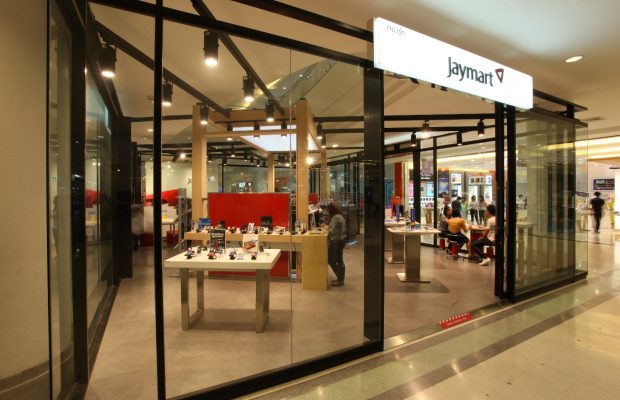
    Thai mobile handset distributor Jay Mart plans to spend THB50 million (US$1.4 million) opening up to 10 Jaycamera shops by the end of this year.

    The outlets are forecast to initially draw in revenue of THB800 million, and within three years the company hopes to claim 40 per cent of the camera market for the lead position in Thailand, with revenue of THB4 billion.

    Chief marketing officer Narathip Wirunechatapant says growth potential in the Thai camera market prompted the company to set up the chain, providing mid- to high-range models and accessories. It will focus mainly on mirrorless and digital single-lens reflex (DSLR) cameras in the THB20,000 to THB200,000 range with young people as the target market.

    The main brands are Canon, Casio, FujiFilm, GoPro, Nikon, Olympus and Sony. In May, the chain will start selling upmarket smartphones such as the Huawei P10.

    Jaycamera launched in the Fashion Island department store, with other outlets to follow in Central and The Mall department stores in and around Bangkok.

    Narathip says that by the end of this year the Thai camera market could reach about THB8 billion and the company hopes to gain about 10 per cent of that.

    By the end of 2019, the company says it will have about 50 Jaycamera shops nationwide, and will also sell camera products at more than 200 Jaymart shops.

  • Singapore’s Central Bank to Test Blockchain-Backed Digital Currency

    Singapore’s Central Bank to Test Blockchain-Backed Digital Currency

    The Monetary Authority of Singapore (MAS) will soon test how it could issue digital currency using a v-based interbank payment system.

    The planned proof-of-concept will be supported by blockchain consortium R3CEV, as well as eight banks and an unnamed local stock exchange. The Development Bank of Singapore, HSBC, Bank of America, JPMorgan, Credit Suisse and Bank of Tokyo-Mitsubishi are all said to be participating.

    In a speech on Wednesday, MAS managing director Ravi Menon said the test could come to include other central banks. Further, he credited the bank’s desire to remove cost and friction from traditional bank transactions as the motivation for the effort.

    Menon said:

    “Today, banks have to go through correspondent banks to intermediate these payments. It takes time and adds to cost. This project marks the first step in MAS’s exploration of ways to harness the potential of central bank-issued digital currency.”

    The trial would find banks depositing cash as collateral with MAS, which would then issue a digital currency to participants. The digital currency could then be exchanged among participants in the system and later redeemed for cash.

    The forthcoming trial bears similarities to a previously announced effort from UBS, Deutsche Bank, Banco Santander and startup Clearmatics in August.

    Called Utility Settlement Coin, the project envisioned how a central bank could issue digital currency that could then be redeemed for cash held by a central bank.

  • HMV closes iconic Hong Kong flagship store in Central

    HMV closes iconic Hong Kong flagship store in Central

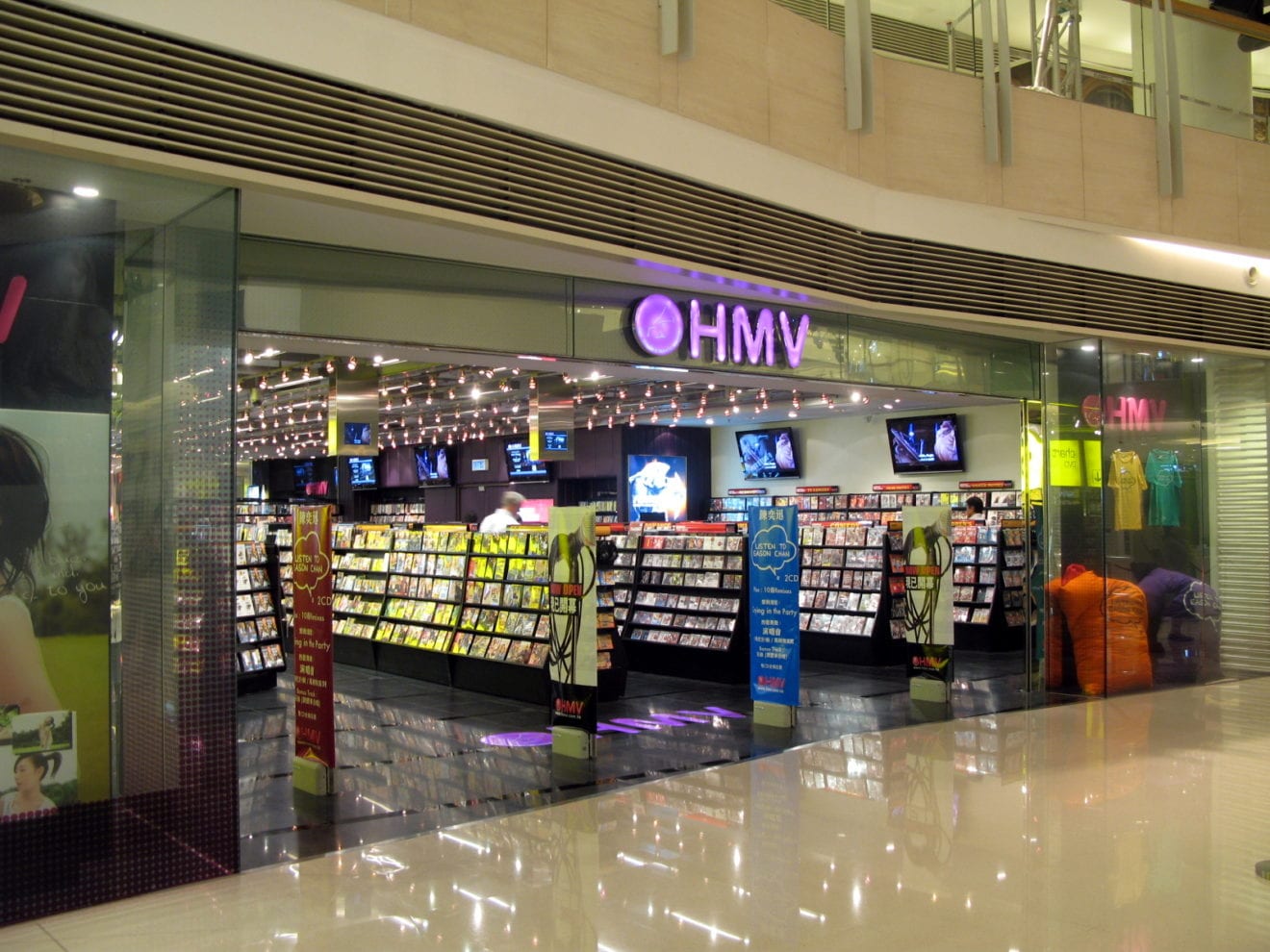
    Hong Kong’s largest music and DVD retailer HMV quietly closed its iconic flagship store in Central last month in a move to lower rental costs, as the city faces its steepest retail downturn since the Asian Financial Crisis.

    The closure will be followed by the opening of a new shop this September, just one block away from the old outlet in Entertainment Building on Queen’s Road Central, which will cost the entertainment retailer roughly HK$250,000 less in rent each month.

    A sign outside the recently-vacated Central store, which was HMV’s second-largest in the city, read:

    “We are closing on 16 April … Exciting new HMV Central opening in September 2016.”

    The new shop, located in the basement of Manning House, Central, will be only about 77 per cent of the size of the former, and will cost slightly more than HK$1 million a month in rent, according to Michael Chik, managing director of agency Sheraton Valuers.

    He said the rent HMV paid for the two-storey store at Entertainment Building was close to HK$100 per square foot, or HK$1.25 million a month. HMV had leased the space on the third and fourth level since 2011.

    “It was a pity,” Gilbert Ho, managing partner at AID, said.

    But he said the decision was not made due to poor sales. In fact, sales at the former Central store had increased by 15 per cent compared to the previous year, Ho said.

    “This doesn’t mean we want the landlord to pocket the money,” he said.

    Ho said it was easier for the company to find a more visible place with a lower rent given the current market situation. “Why not?” he asked.

    A staff member at Onshine Securities, landlord of Entertainment Building, said the company was still seeking a new tenant to replace HMV.

    The new tenant would pay about HK$1.5 million per month for the space, but famous luxury brands, such as Gucci and LV, could enjoy a deeper discount, the staff member added.

    When the British retailer HMV, founded in 1922, went into administration in January 2013, AID Partners brought its operations in Hong Kong and Singapore. The buyout firm sold 81.63 per cent stake at HMV to China 3D Digital for HK$408 million in March this year. AID is the single largest shareholder of the new owner.

    HMV, which currently operates four local outlets, opened its first Hong Kong store in Causeway Bay in 1994. The British brand has had a long bitter battle with the city’s rising rents in the past a few years, closing its Whampoa Garden store and a Causeway Bay store in 2015.

  • Louis Vuitton Hong Kong problems ‘cyclical’

    Louis Vuitton Hong Kong problems ‘cyclical’

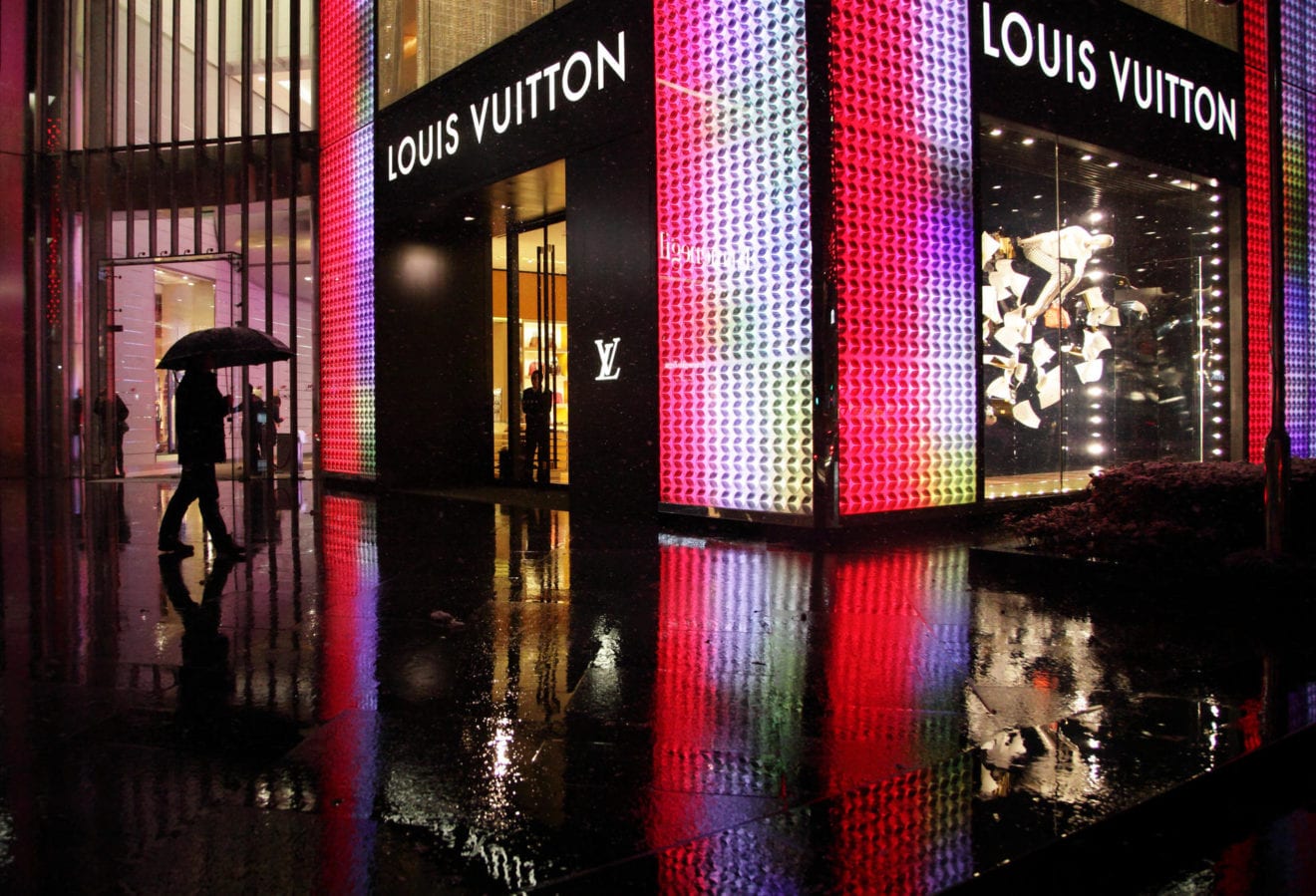
    Louis Vuitton is committed to the Greater China market and the company’s chief believes Hong Kong’s challenges are of a short term nature.

    And the company has announced it will soon commence renovations of its Louis Vuitton Hong Kong flagship store at Landmark Central.

    Chairman and CEO Bernard Arnault told the company’s annual meeting in Pairs that the current downturn in Hong Kong is just a “cyclical” problem.

    He said the luxury retailer will be keeping all of its stores in the territory, apparently referring to all the group’s brands which also include Celine, Loewe, Kenzo, Givenchy, Fendi, Donna Karan and Marc Jacobs.

    “In Hong Kong, [there] is no question of closing the few shops that we have,” he said.

    “Hong Kong is a cyclical city. As you know, you have ups and downs there. Right now, Hong Kong is going through a trough,” Arnault told shareholders.

    “Hong Kong will remain one of the high points in Asia and one of the drivers of our growth.”

    In the mainland, where Louis Vuitton has been culling about one in five of its stores, the company was planning to maintain the same number of stores – just in different locations.

    “If we [close stores], it is only because Louis Vuitton will open shops elsewhere,” he said.

    “The retail picture is evolving rapidly in China, you have some areas of the country that may be attractive one day, less attractive the next day.”

    The company will continue to close stores which were not performing when their leases came up for renewal.

    “When new malls are built, the leases are very attractive.”

    Arnault said it often made sense for the brand to leave a mall where the business was not performing well in order to open in another centre where the company might secure two or three years free rent.

    “Of course we will take the opportunity” he concluded.

  • Taste Hong Kong lineup revealed

    Taste Hong Kong lineup revealed

    IMG, organisers of the inaugural Taste Hong Kong in March, have revealed a star studded initial lineup of participating restaurants.

    A lucky eight Michelin stars have been accrued by the restaurants combined! Taste of Hong Kong will take place on the Central Harbourfront from March 10-13, with limited edition, early bird tickets on sale from today.

    The festival itself will host 12 of Hong Kong’s latest, greatest and hottest restaurants, transforming the Central Harbourfront into a foodie wonderland for four days of eating, drinking and entertainment. Founding Restaurants at Taste of Hong Kong include Aberdeen Street Social, Amber, Arcane, Chino, Duddell’s, Serge et le Phoque, Tin Lung Heen, Tosca, Yardbird and Ronin, with yet more to be revealed. The festival will also see international celebrity chefs and visiting restaurants engaging with the Hong Kong gourmet community.

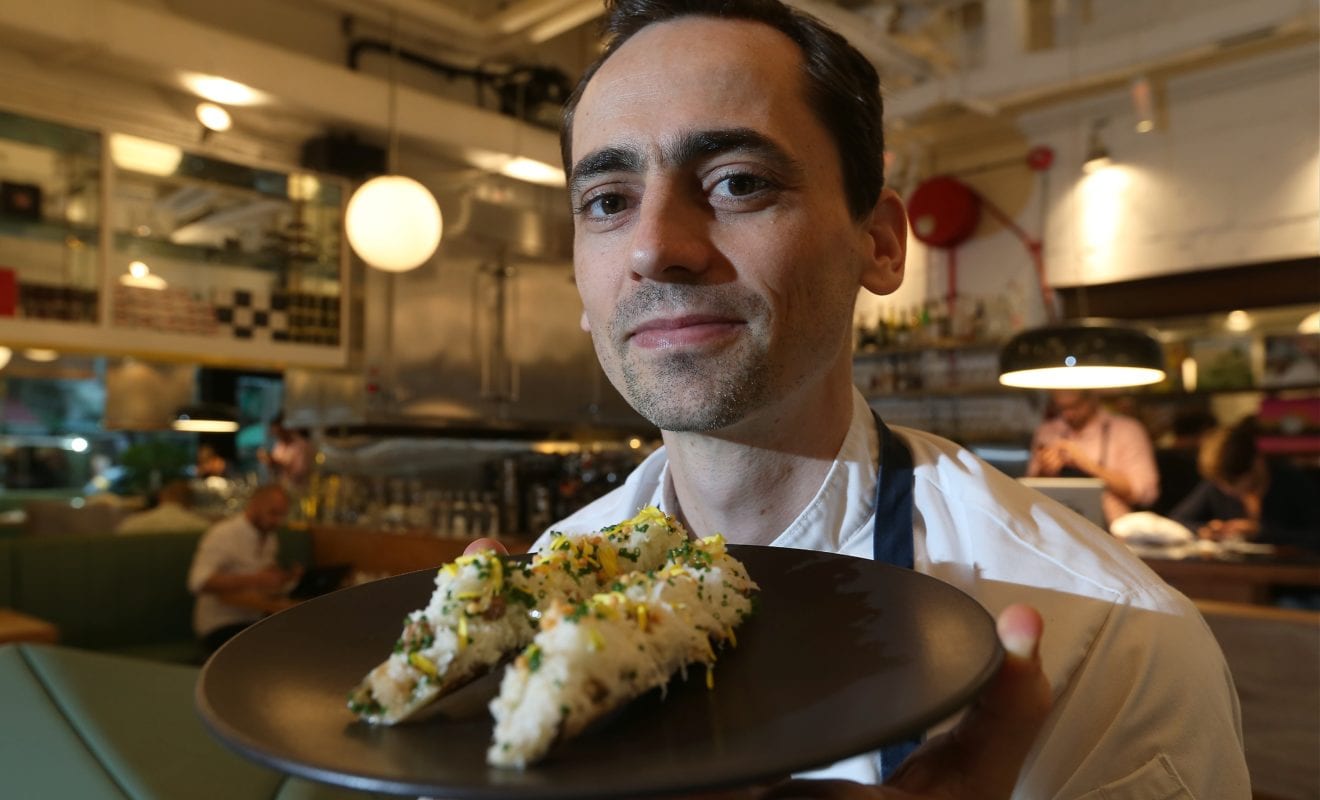
    Taste of Hong Kong chef

    Guests will see top chefs create spring dishes in live demonstrations, get hands on with interactive masterclasses, indulge in Champagne, wine and sake tastings and sample exceptional ingredients and artisanal products amongst the producers market. Three signature dishes will be served-up by each participating restaurant alongside one ‘Icon Dish’- an exclusive item created especially for the festival.

    Taste of Hong Kong Early Bird tickets are on sale from today (January 14) on Ticketflap. Tickets start at HK$108 on weekdays and HK$138 for weekend sessions. VIP pass holders enjoy fast track festival entry, exclusive access to the VIP enclosure, HK$300 worth of the official festival currency “Crowns” and three complimentary premium beverages.

    International banking group Standard Chartered is the presenting partner of the premium dining event, adding to its longstanding support of dynamic, citywide events.

  • Honeybunch Handmade opens in Hong Kong

    Honeybunch Handmade opens in Hong Kong

    New Zealand handmade soap company Honeybunch Handmade has opened its first own brand store in Hong Kong.

    Honeybunch Handmade is a brand owned by Soap Opera Productions, which has been supplying a Mainland China retailer with products for several years. Such is the popularity of the products, that retailer has grown from a single store to more than 20.

    Now the New Zealand company wants to trial marketing its products under its own brand and has chosen Hong Kong as the launchpad.

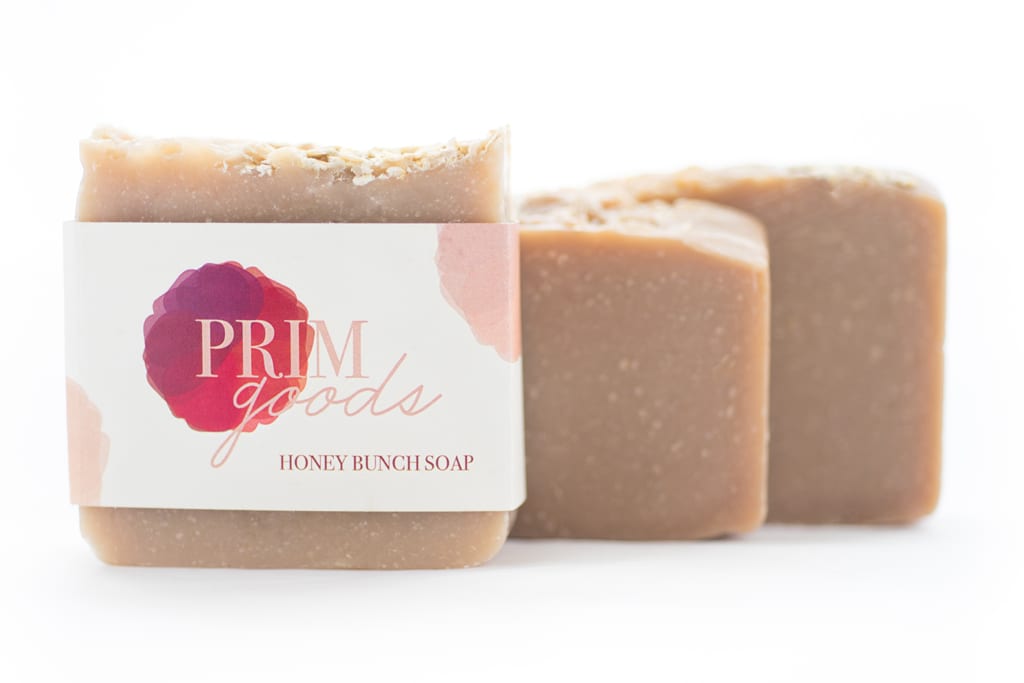
    The new retail store at Aberdeen St in Central sells handmade soaps, body care products and floral bouquets. The company claims its soap and bodycare products are 100 per cent handmade, using natural ingredients from New Zealand, and infused with pure Manuka honey and goat’s milk.

    Honeybunch Handmade

    MD Lisa Jolly says through the Mainland business partnership, her company gained the know-how and expertise in developing soap products that are suitable for the Chinese market.

    “Therefore we decided to launch our own brand in Hong Kong. Hong Kong is an international city famous for its breadth of retail choices. It gives new brands great exposure to residents, business traders and visitors. It is the best place from which to promote our New Zealand handmade gift and floral concepts to the world,” Jolly said.

    “I am impressed with Hong Kong’s fabulous logistic services. It offers exciting opportunities for us to extend our customer reach beyond Hong Kong through eCommerce. Our online store supports delivery to worldwide customers.”

    Associate director-general of investment promotion, Dr Jimmy Chiang, said Soap Opera Productions has extended its business model from a manufacturer to a retailer and InvestHK  is happy the company has chosen Hong Kong as its first overseas location.

  • Emack & Bolio’s opens in Hong Kong

    Emack & Bolio’s opens in Hong Kong

    The Emack & Bolio’s Central ice cream parlour just opened in Hong Kong is described as “unlike any other” you’ll find in the city.

    Emack & Bolio’s, at 26 Cochrane St, serves up 31 flavours of ice cream, frozen yogurt and sorbets along with smoothies, confections and more.

    The brand has its origins in Boston, Massachusetts, where it was founded in 1975 by Robert Rook, a lawyer and self-declared hippie who worked closely with the homeless, Vietnam war protesters, civil and gay rights advocates, and numerous rock bands such as Aerosmith, U2, Boston, The Cars, and James Brown, according to Wikipedia.

    It’s sometimes likened to Ben & Jerry’s, another ‘hippie ice cream store’ concept, but was actually founded three years earlier.

    The first Hong Kong outlet follows the brand’s entry into Asia last year when it opened in Bangkok Thailand. There is also at least one store in the UAE.

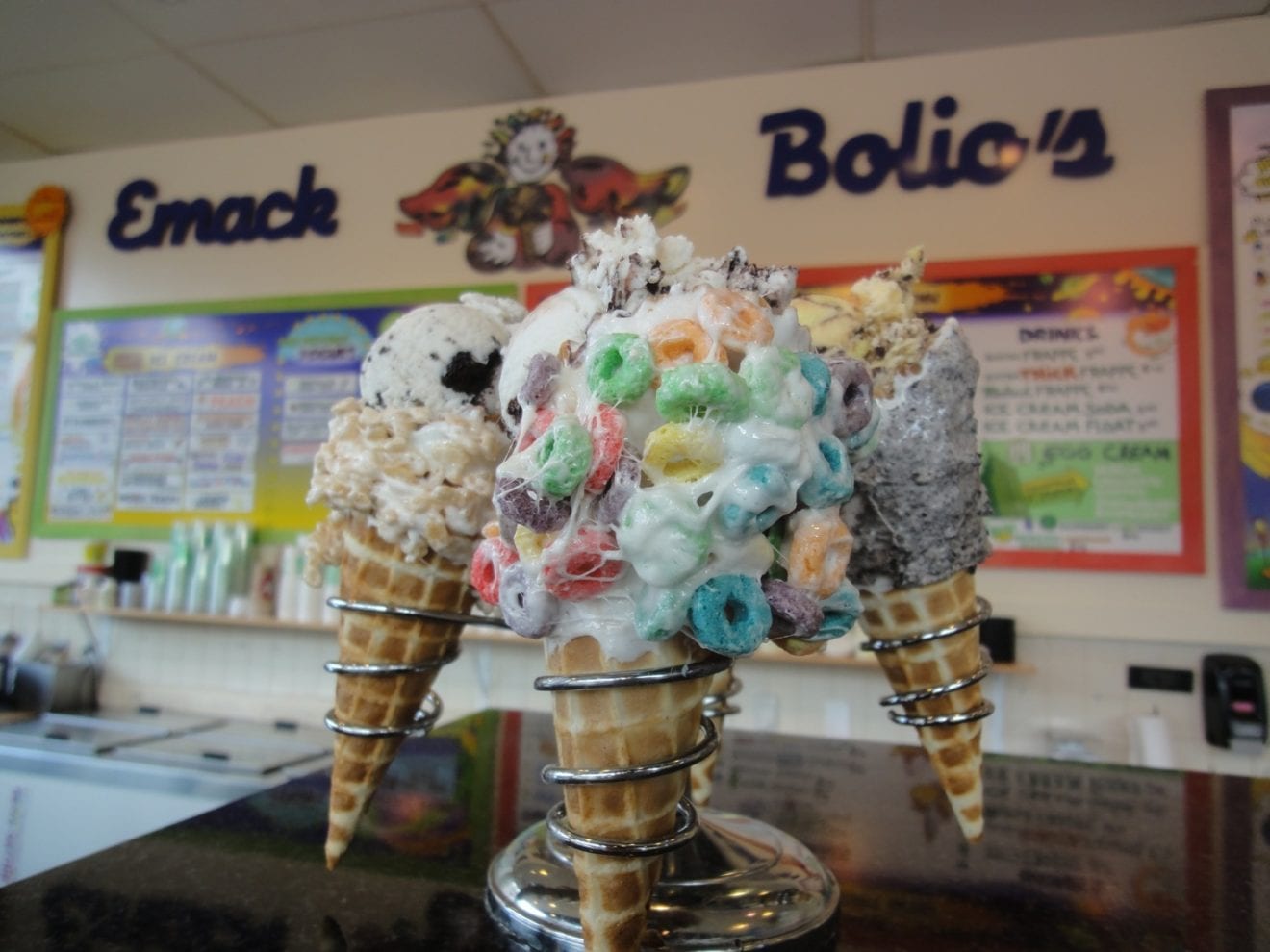
    Emack & Bolio's Hong Kong

    Emack & Bolio’s invented the flavored cone in 1980 and has been improving on the concept ever since.

  • Mercedes restaurant opens in Hong Kong

    Mercedes restaurant opens in Hong Kong

    German car maker Mercedes-Benz has opened a new retail and dining concept in the heart of Central.

    The Mercedes restaurant, called Mercedes Me, “is about creating the ultimate personalised experience, developed organically around you and the products that you love,” the company explains.

    “Here, you can keep up to date with the latest news and events not only from the Mercedes-Benz world, but also the worlds you want to know about, such as fashion shows and Formula 1 live broadcasts. Share with us the things you love, and we will share in your passions.”

    The 480 sqm store opened last weekend in the Entertainment Building, 30 Queen’s Rd, with a glitzy cocktail function to which special guests were chauffeured in a fleet of classic and new model Mercedes-Benz cars. There was a fashion show featuring the latest range of Hugo Boss apparel and a presentation on Formula 1, currently dominated by the marque.

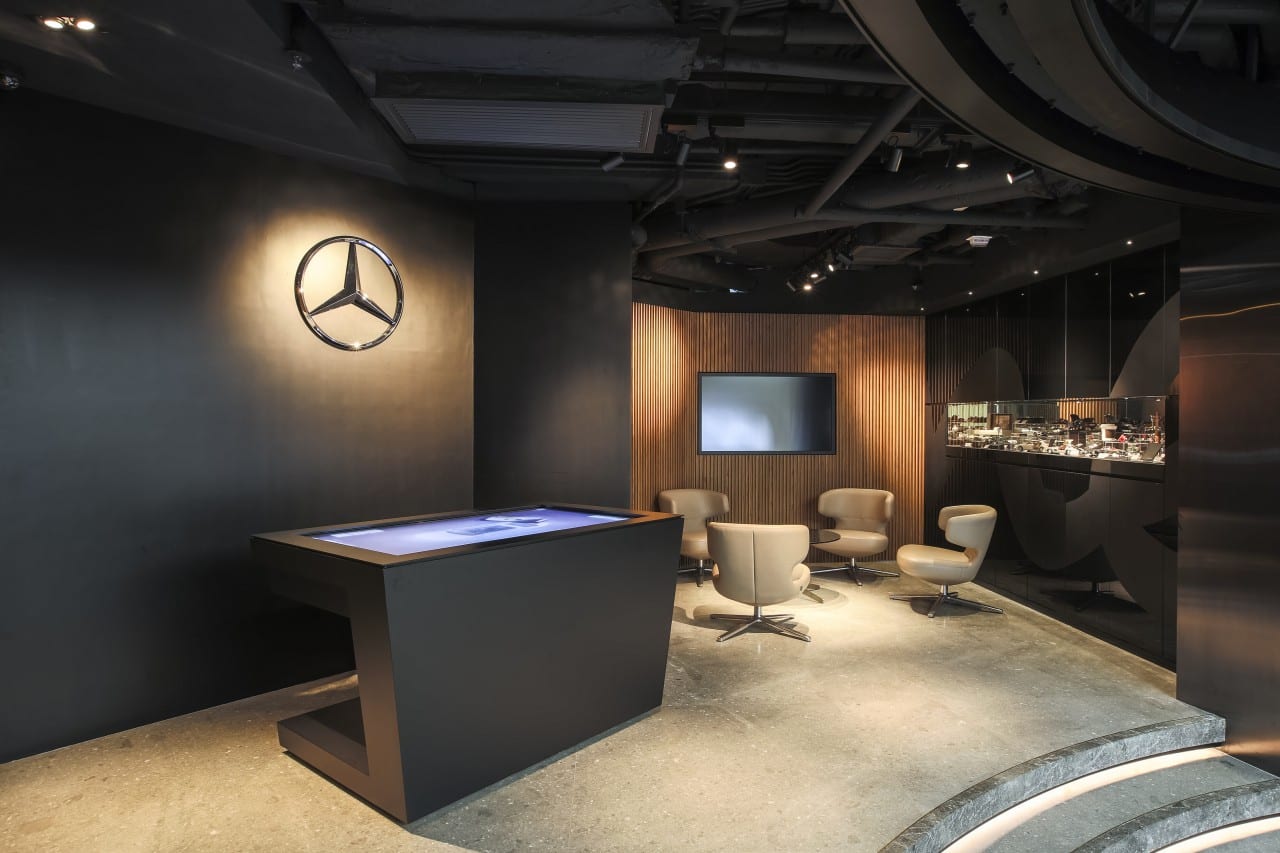
    Mercedes restaurant, Central Hong Kong

    Mercedes has created a destination lifestyle concept, a place to chill, a place to enjoy gourmet food, wines and cocktails, and somewhere to engage in cars, motor racing, design, art and fashion.

    It was created in partnership with Hong Kong restaurant group Maximal Concepts.

    The decor invites comparison with the interior of some of the brand’s cars: dark blue upholstered seats, polished timber and a collection of black and white photos of some of Mercedes-Benz’s greatest models from through the ages, all housed in a polished concrete shell.

    Oh, and you can take a look at the latest model cars from the brand as well.

    Mercedes Me is open for dinner from 5:30pm until 10:30pm daily. Breakfast and lunch will follow.

  • La Perla Hong Kong revamps flagship

    La Perla Hong Kong revamps flagship

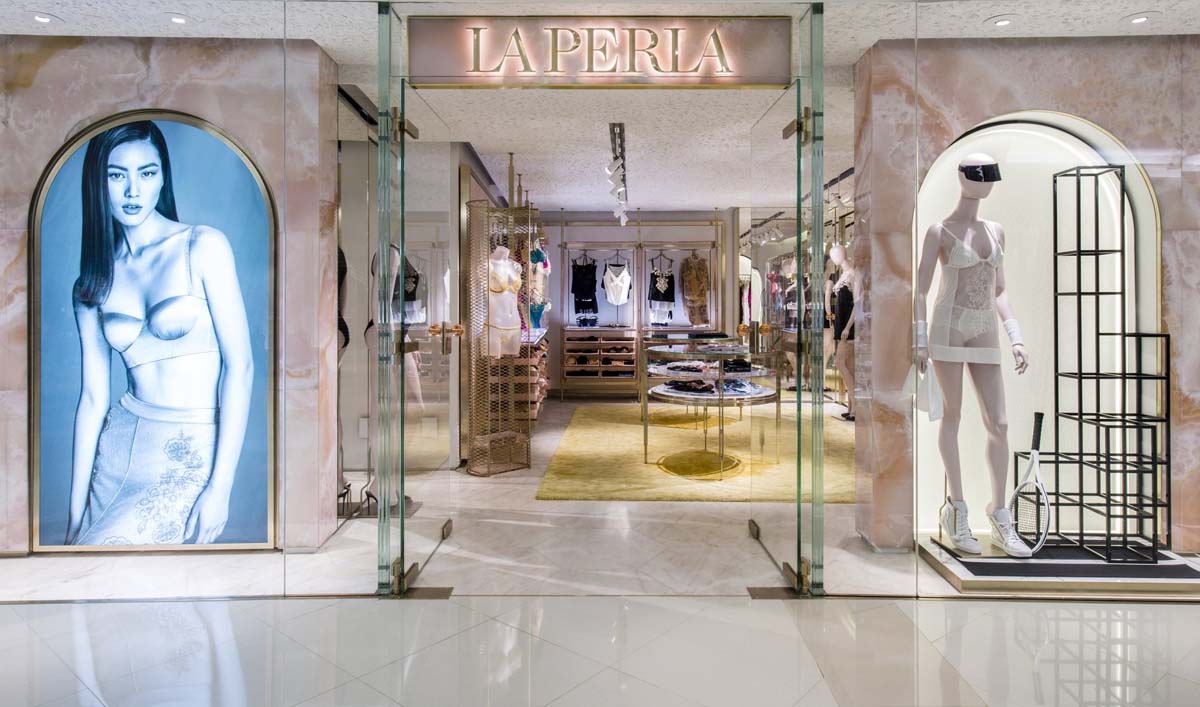
    Italian luxury lingerie brand La Perla has reopened its Russell St flagship store after renovation.

    Laperia - Russel street Hong Kong 2

    La Perla Hong Kong first opened in 2006 in Lane Crawford at pacific Place. Since then the brand has expanded to four stores – and the Russell St shop is described as its main showcase.

    Laperia - Russel street Hong Kong 3

    The newly revamped La Perla store features the new interior design concept of the brand and includes all La Perla Collections for women and men.

    Laperia - Russel street Hong Kong 1

    Gruppo La Perla is one of the leading international lingerie and beachwear groups, with 2000 employees globally. Since its establishment in 1954, the Gruppo La Perla has directed its production towards various market sectors including lingerie, beachwear and nightwear. The company has created a chain of exclusive boutiques in the main fashion capitals of 30 countries.

    Laperia - Russel street Hong Kong 4

  • Hong Kong retail ‘moves to the middle’

    Hong Kong retail ‘moves to the middle’

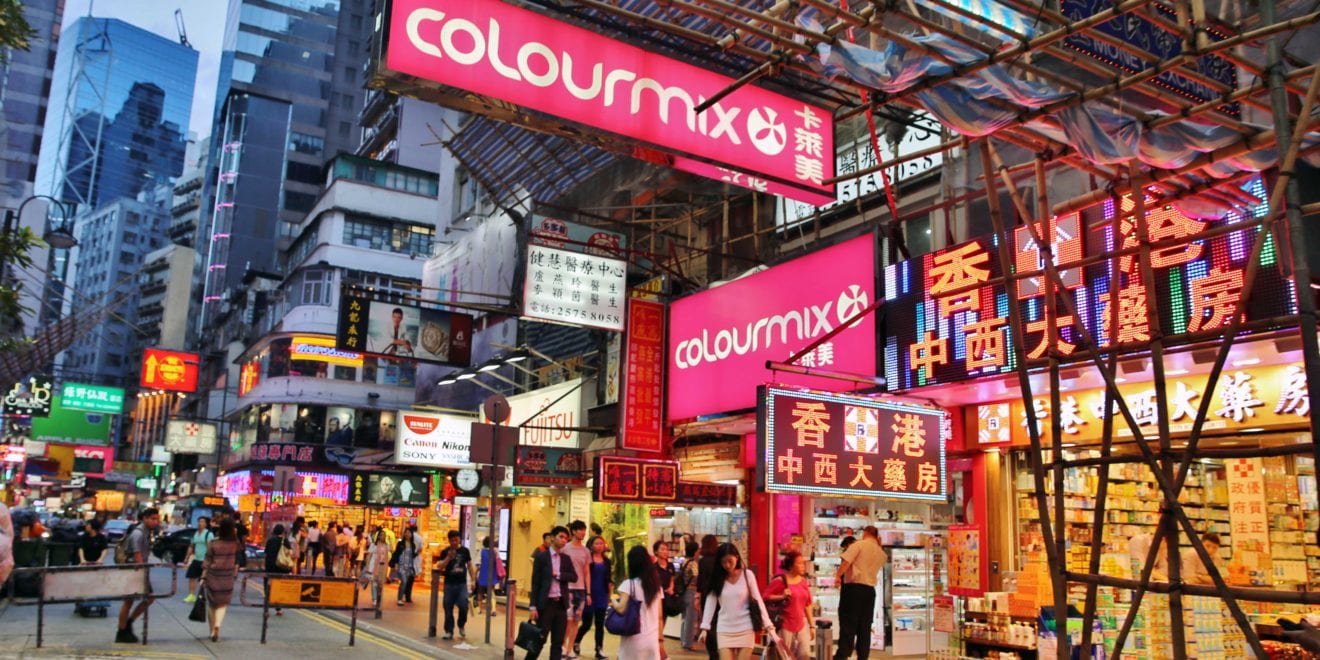
    Hong Kong retail is moving from its traditional luxury focus to the mid market and the demographics of shoppers change, according to a report from CBRE.

    Mid-market retail brands are set to overtake luxury brands  as the main driver of retail demand in the territory, according to the report, The Changing Retail Landscape: How to Survive the  Slowdown in Hong Kong?.

    The Hong Kong retail sector outperformed over the last decade with strong sales growth for high-end products. This generated an increase of 213 per cent in average rents from 2003 to 2014 for core street shops in Causeway Bay, Tsim Sha Tsui, Mong Kok and Central.

    “But the tailwind for luxury retailers has slowed since 2014 hindered by a range of factors including Chinese government’s anti-corruption measures, milder GDP growth in China, weakening Asian currencies and the loosening of policies on travel for mainland Chinese,.” says CBRE in a summary of the report.

    These are all unfavorable factors for Hong Kong’s tourism and retail sales. The total retail sales in Hong Kong from January to July 2015 edged down by 1.8 per cent year on year, while sales of watches and jewellery plunged 15 per cent in the first seven months of this year.

    “Despite the gloomy outlook  for the retail sector, opportunities are emerging for mid-market retailers.”

    “The retail sector is experiencing a structural change,” said Joe Lin, executive director, retail services, CBRE Hong Kong.

    “Over the past decade, high-street shop landlords have reaped the benefits of strong demand from luxury retailers and massive rental growth. Landlords must now be more realistic on rental negotiations, as luxury retailers are adjusting their leasing strategies to save costs, and more mid-range brands are looking to tap into prime locations at relatively affordable rental levels. This opens the door for mid-market brands to expand. In the last quarter, we saw prime street shops leased to mid-market brands following the lease expiry of the previous luxury goods retailers.”

    To cope with the slowdown, luxury retailers are consolidating their second-tier shops, which will increase space availability in the market. Some high-end fashion, cosmetics and watch and  jewellery retailers have either stopped renewing leases or surrendered spaces well ahead of  expiry. However, they will still strive to secure flagship premises in strategic locations with  prominent addresses and good visibility, which means a higher marketing value. They may also introduce secondary lines at accessible prices, targeting young consumers with a growing  demand for mid-market products.

    Consolidation by luxury retailers in Hong Kong implies that the tenant composition in some prominent retail locations will gradually change. Meanwhile, mid-range retailers previously not able to afford to lease a space in prime locations are now looking to take up vacant space  surrendered by luxury brands. Landlords are more willing to negotiate with tenants for more  affordable terms. While rents are generally falling, shops in the most strategic locations with  good footfall and visibility are not expected to run into high vacancy risks as long as landlords are prepared to be flexible in leasing terms.

    “The sales performance of luxury products is heavily reliant on the external factors mentioned,” said Marcos Chan, head of research, CBRE Hong Kong, Macau and Taiwan.

    “In contrast, the demand for mid-market goods from both tourists and local consumers is relatively steady.”

    CBRE foresees three trends in the next five years:

    • The main driver of demand for retail space are shifting from high-end consumer goods to mid-market brands;
    • Local demand will gradually regain a bigger share in total retail sales compared with tourist spending; and
    • Decentralised areas will provide a significant proportion of new retail space, offering more leasing options.

    “These trends suggest that retail market stakeholders, including  luxury and mid-market brands, and street shop and shopping mall landlords, will have to reconsider their business strategies,” said Chan.

    “Structural changes in the retail landscape will ultimately result in a more balanced and sustainable retail market in Hong Kong,” added Lin.

    “The tenant mix of both core areas and sub-markets will become more diverse, enabling both high-end and mid-market brands to offer a broader range of products to consumers. Domestic spending will get retailers’ attention and the mid-market sector will see healthy growth potential.

    “We would recommend mid-market retailers to continue to explore opportunities in emerging districts. This will ensure they obtain first-mover advantage. Meanwhile, street shop landlords should lower their rental expectations and consider leasing to mass-market brands to avoid long-term vacancy.”

    The lack of supply in the market is another reason for pushing retail rents to a high in past years. CBRE believes that supply in the next five years will ease some pressure on retailers on rental expense but new options in the core shopping districts will continue to remain limited.  The development of several new towns in more remote districts will result in substantial growth  in residential and working populations that will need to be served with by shopping facilities.

    CBRE estimates that in the next five years, 70 per cent of the new supply will be in non-core districts and 5.6 million sqft of retail space will be shopping arcades for residential estates.

    “This will provide opportunities for mid-range retailers to expand their store networks targeting the mid-to-high income households. Government statistics suggest that the catchment areas of these regional malls usually have an above-median household income.”
  • Carat* opens two new boutiques in Asia

    Carat* opens two new boutiques in Asia

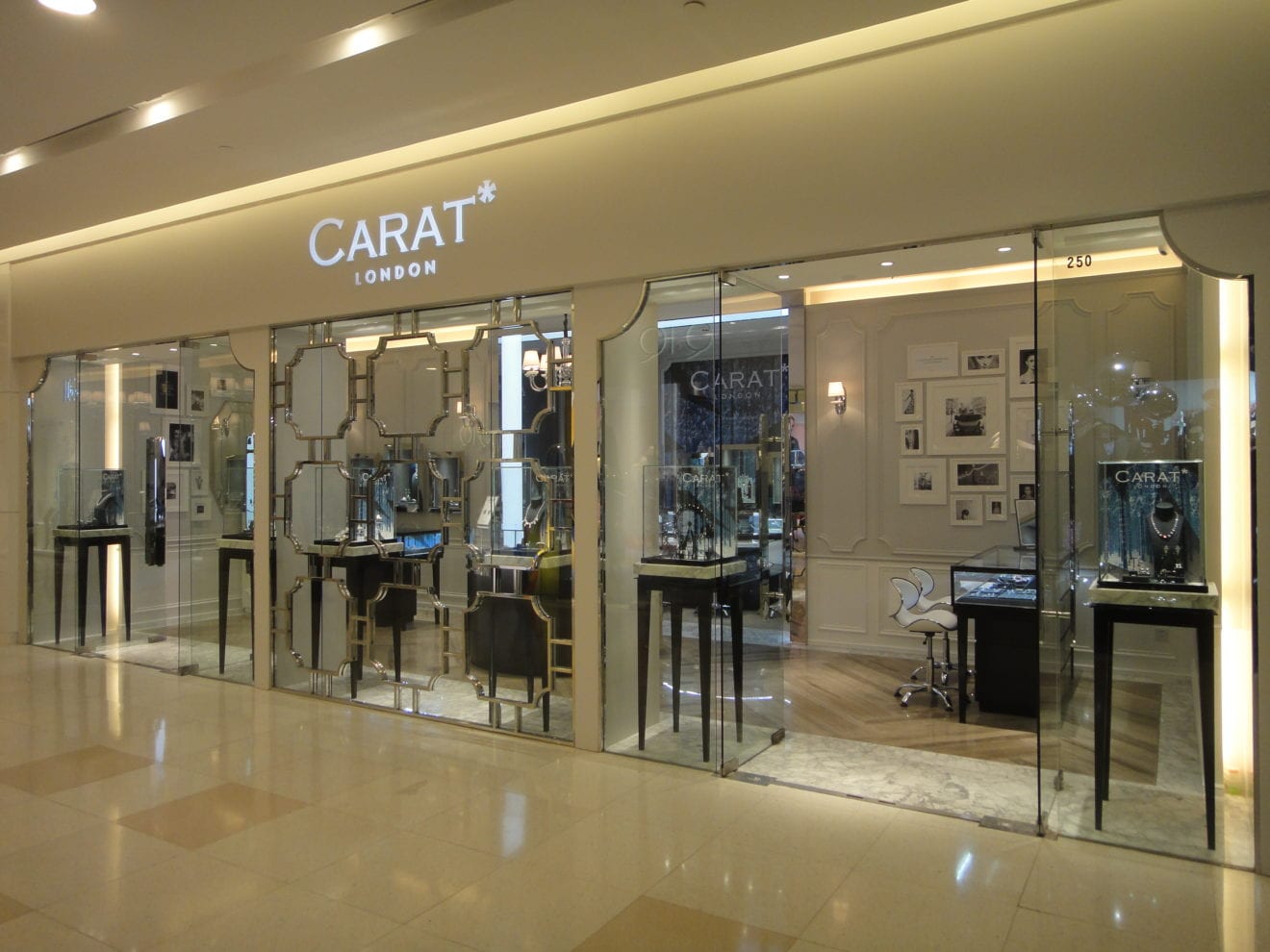
    London jeweller Carat* has opened a new boutique in IFC Mall in Central.

    The store is one of two opened in Greater China in recent weeks – the other being inside IFC Mall in Shanghai.

    Founded by Englishman Scott Thompson in 2003, Carat* describes itself as one of the world’s leading luxury fashion jewellers.

    “Our pieces combine the timeless glamour of a bygone era with a little modern day wearability. Carat* jewellery is about fantasy rather than reality and our jewels are chosen rather than invested, admired rather than shown off. Most importantly, though, our jewels are supposed to be worn rather than hidden in a safe,” the company says online.

    The two new stores feature a “refreshed” Carat* global store model with pale tones and a luxury ambience.

    As well as its stand alone boutiques, the jeweller has shop-in-shops in luxury department store Lane Crawford in Hong Kong, and in Harrod’s in London.

    Carat* designs, develops and assembles jewellery using its own uniquely created gemstones. Each stage of preparation is done by hand – from pre-forming and faceting to polishing and setting.

    The brand has been worn by celebrities all over the world, including Lisa Snowdon, Michelle Williams, the cast of Gossip Girl, Melissa, George, Katherine Kelly, Lucy Jo Hudson, Lydia Bright, Amy Nuttall, Kara Tointon, Juliet Stevenson, and Vicky McClure.

  • Hang Lung posts strong result

    Hang Lung posts strong result

    Hong Kong listed Chinese mall owner Hang Lung Group has reported a three per cent rise in turnover in the first half of 2015.

    The group said revenue reached HK$4.893 billion, with rental turnover up eight per cent to HK$4.148 billion. Property sales income decreased 17 per cent to HK$745 million due to the sale of fewer residential units.

    Overall operating profit of the group increased by three per cent to HK$3.725 billion.

    In Mainland China the group says it has benefited from increased investment in the Chinese market by luxury brands.

    “Our seven shopping malls in mainland China collectively posted an 11 per cent rental income growth to HK$1.684 billion,” the company said in its stock exchange filing.

    That portfolio comprises two malls each in Shanghai and Shenyang, and one each in Jinan, Wuxi and Tianjin. The two malls in Shanghai, Plaza 66 and Grand Gateway 66, contributed nine per cent more in rents to HK$1.059 billion and were almost fully let.

    “The young malls outside Shanghai cumulatively contributed 16 per cent more in rents year-on-year mainly attributable to contribution from the Riverside 66 shopping mall in Tianjin which commenced operation last September. All the young malls are going through different stages of gestation period with ongoing tenants or trade adjustments. Their occupancy rates ranged from 80 per cent to 90 per cent.”

    In Hong Kong, rental turnover of our diversified Hong Kong leasing portfolio rose seven per cent to HK$1.816 billion against the backdrop of declining overall retail sales in the local market.

    “All business segments of our portfolio recorded growth with total profit rose seven per cent to HK$1.556 billion. The resulting leasing margin was 86 per cent.”

    Positive rental reversions of Hang Lung’s Hong Kong commercial portfolio generated six per cent more in rents to HK$1.040 billion.

    “All the malls, which are situated in prime locations of Hong Kong, were virtually fully let. Grand Plaza in Mongkok and Amoy Plaza in Kowloon East both enjoyed a 13 per cent rental growth. The Causeway Bay commercial portfolio posted a five per cent rental income growth, despite Hang Lung Centre has been closed for renovation by H&M since January 2015.

    “The properties in Central collected seven per cent more in rents. The Peak Galleria at the

    Peak contributed extra five per cent leasing income to the Group. Kornhill Plaza, our regional mall in Hong Kong East, posted a stable rental growth of four per cent during the period.”

    Hang Lung said final preparations are underway for the opening of its shopping mall at Olympia 66 in Dalian towards the end of the year. This new mall comprises almost 222,000 sqm of retail area and 1200 car parks.