Microsoft Corp said on Friday it will not participate in person at the Consumer Electronics Show (CES) 2022 in Las Vegas, joining a list of companies opting not to have a physical presence at next month’s event on concerns over the rapid spread of the Omicron COVID-19 variant.
The U.S. software giant added that it will continue to participate at CES remotely, according to an emailed statement. The Verge was the first to report on Friday that Microsoft will not participate physically AT CES.
Several other companies including U.S. automaker General Motors Co, Alphabet Inc.’s Google, and its self-driving auto-technology company Waymo, Facebook parent Meta Platforms Inc, Twitter Inc, Lenovo Group, AT&T Inc, and Amazon.com Inc dropped in-person attendance plans earlier this week.
CES officials on Thursday said the event will still be held in person Jan. 5-8 with “strong safety measures in place,” which include vaccination requirements, masking and availability of COVID-19 tests.
Google Assistant has consistently beat out its rival virtual assistants like Siri, Alexa, and Cortana in tests measuring how well each one understands tasks and questions asked of it. The digital helper is the hub of the Google ecosystem which is one of the reasons why fans of the latter prefer Android over iOS. Today at CES, Google announced new features aimed at the more than 500 million monthly Assistant users which will make it more helpful on the phone, in the car, or at home.
Google is making it easier to connect smart devices to Google Assistant through the use of a notification link that will appear on your phone or a suggestion button that shows up on the Google Home app. This saves you the time of having to type in all of the information related to your Google account. Later this year, Google will add a new feature called Scheduled Actions that will allow you to set a schedule for other compatible smart devices in the home. For example, you can tell the Assistant to start the coffee maker at 6 am so you can awaken to a steaming hot cup of java and get your caffeine fix when you need it the most. Google points out that 20 new devices have been added to the Google Home app to help you control “AC units, air purifiers, bathtubs, coffee makers, vacuums and more.”
Did you ever sit back and wish that you were the genius who invented sticky notes? But they are quite a mess when you leave them up all around the house. Google is going to add a new feature that will create digital sticky notes for smart displays that support Google Assistant. All you need to do to leave a sticky note is say, “Hey Google, leave a note that says don’t forget your dental appointment after school today.” And if you have a smart speaker or smart display, another new feature will allow you to create a “speed dial” list that will make calls simply by saying “Hey Google, call Olaf.”
Google also previewed today a new technology that allows Assistant to read long-form content on your phone. This would allow you to listen to news stories posted on websites just by saying “Hey Google, read it” or “Hey Google, read this page.” Imagine being able to have PhoneArena read to you hands-free while you’re driving in your car. The company says, “Unlike traditional screen readers, this experience is built on new voice datasets to create more expressive and more natural sounding voices, so it’s easier to listen for a longer period of time.” The content can be translated into 42 different languages, and Google is working on a way for the website to highlight the portion of the text being read aloud by Google while automatically scrolling the page. This “Read It” feature will be available on Android phones running version 5.0 or higher by later this year.
Another feature for phones, smart displays, and smart speakers will allow people to engage in conversations even if they don’t speak the same language. Called interpreter mode, this is available starting today to guests of Google partners Volara and SONIFI. Both are in the hospitality business and Google is looking to bring interpreter mode to hotels, stadiums, arenas, human-rights based organizations and more.
Lastly, Google wanted to discuss privacy. The company says that while in standby, before being awoken by the “Hey Google” or “Ok Google” wake words, Assistant doesn’t eavesdrop on you and send to Google the conversations that you are having. You can always ask the Assistant, “How do you keep my information private?” and, “Hey Google, are you saving my audio data?” You can also ask Google to delete everything you said this week that it recorded. And if you said something after accidentally activating Google Assistant, by saying “Hey Google, that wasn’t for you,” the Assistant will instantly contact short-term amnesia and forget what you just said. By default, once your request has been processed by Google’s server (although the Pixel 4 series does this on-device), the information is discarded by Google. You can choose to participate in Google’s human-based review of Assistant, but that will allow Google to keep information heard through the virtual digital helper.
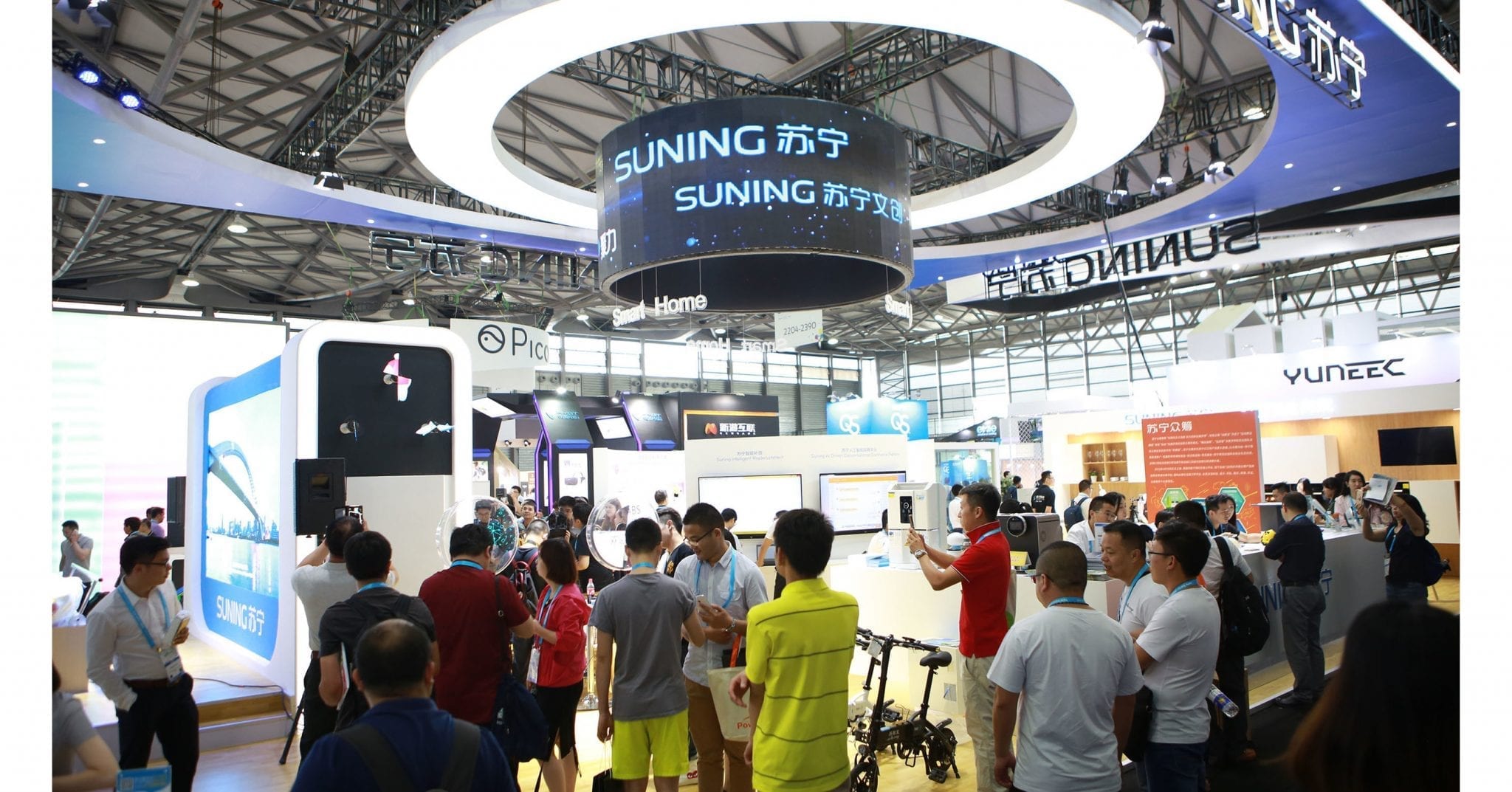
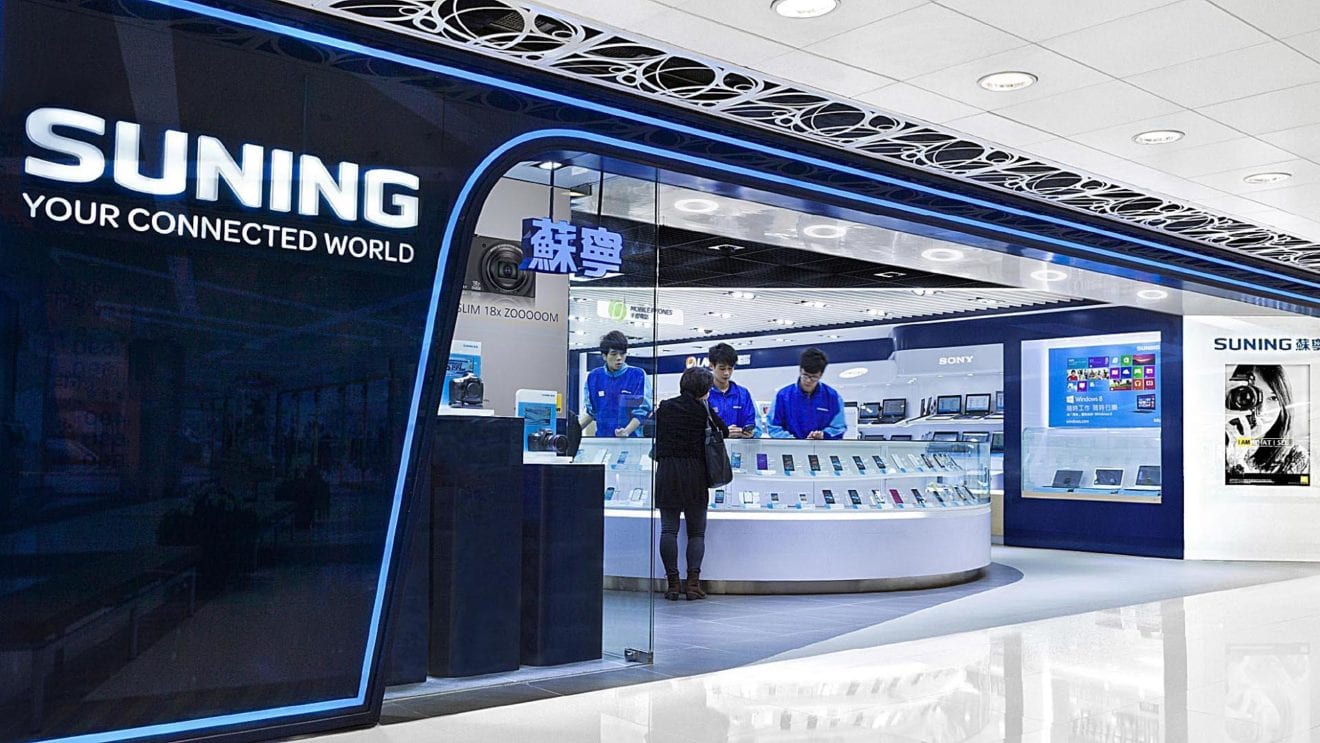
Chinese retailer Suning will present its latest smart technologies at this year’s CES Asia.
Suning will be demonstrating its smart home appliances based on its proprietary Biu OS system, which aims to create an open platform for sharing resources across the smart home appliance industry. Products include Biu refrigerators, air conditioners, washing machines, automatic washing machines, new fans, and smart security kits.
The company intends to release its BiuLink Open Agreement at a press conference held on June 12, through which Suning will work with partners to explore cross-brand connectivity.
“Nowadays, an increasing number of SME in the retail industry is facing crucial challenges,” said Suning Technology Group COO Dr Jack Jing. “As the leading omni channel smart retailer, Suning has deep insights into how technology is reshaping retail. Suning is willing to share its technology and experience to enable refined internal management and accelerate the digitalisation of the retail industry.”
As the largest omni-channel retailer in China, Suning will also be showcasing its core smart retail technology innovations at CES, including a self-service cash register, weighing rack, off-hook system, commodity heat, and track heat, which aim to help increase retail operation efficiency and improve customer experience.
The firm will also demonstrate its four cloud solutions designed to enable retailers to access its basic technology tools to increase industry efficiency.
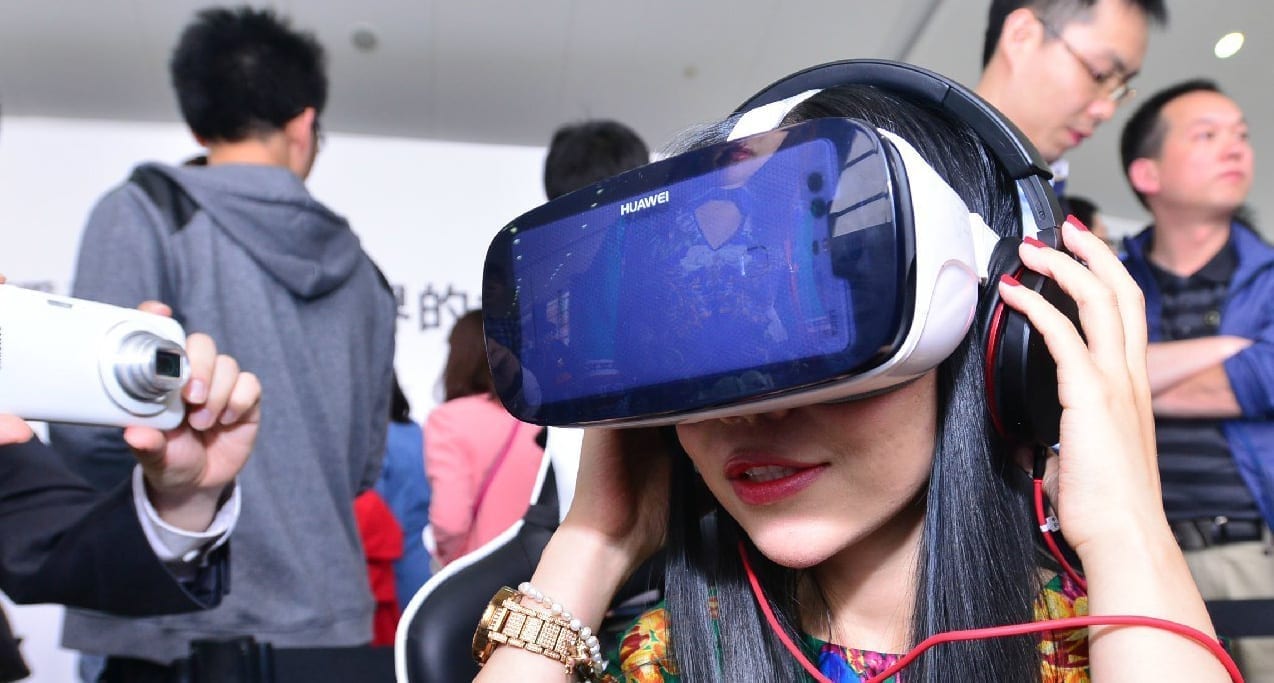
Consumer Electronics Show or CES serves as the best time of the year when manufacturers and developers all over the world get to showcase their greatest and latest technologies. And none of them disappointed this time around as well, especially with regard to the developments in the augmented in virtual reality technologies, and their application in the gaming industry of tomorrow.
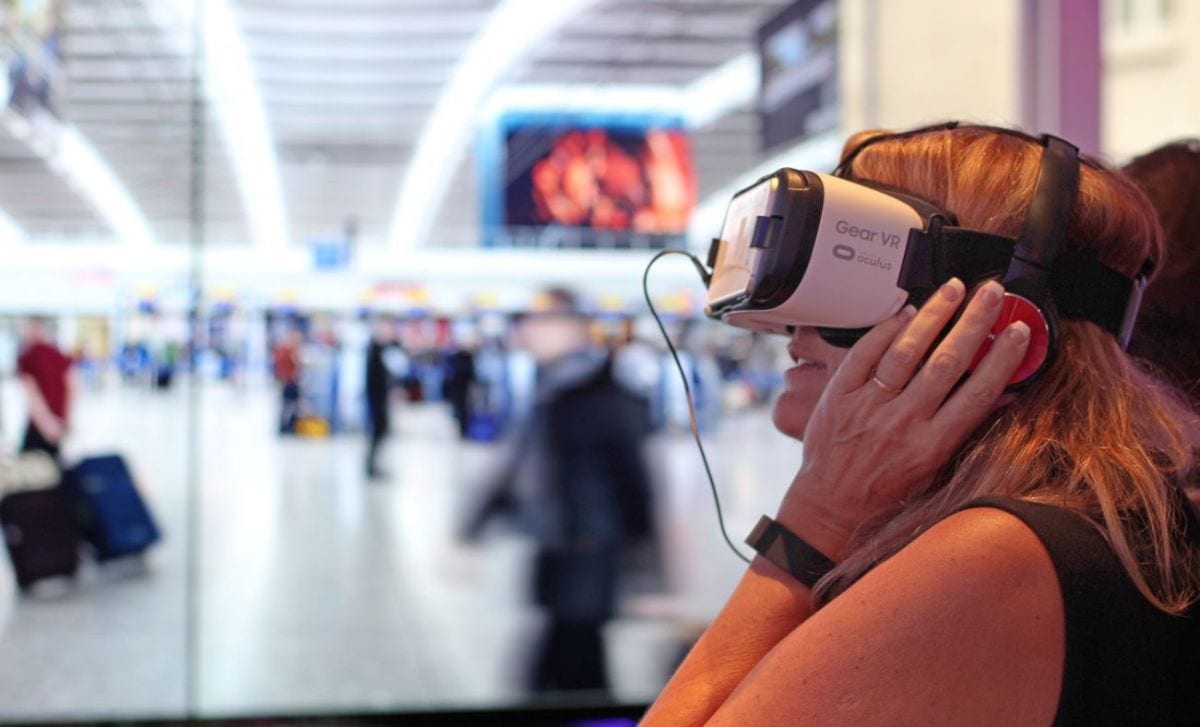
Right from the latest VR headsets to the system peripherals that are going to completely transform the way we interact with our surroundings in virtual reality, there were all kinds of impressive offerings in the CES 2019. You could very well see how the future of online slots and various other online casino games is going to unfold in the times to come. Let’s take you through some of the best AR and VR tech products that were showcased in this year’s edition of CES.
Oculus Quest
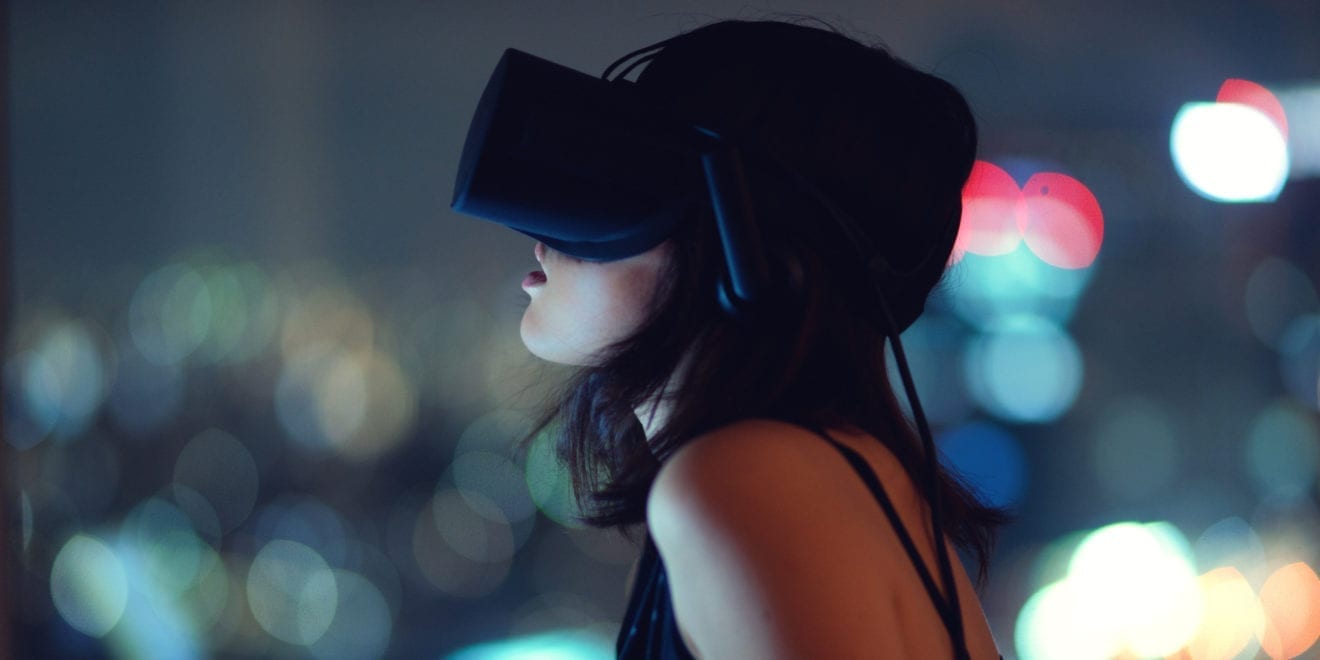
Nothing denying the fact that Oculus Rift is an excellent option for virtual reality enthusiasts, but we all know that it needs continuous tethering to a PC to be able to enjoy it. Oculus Quest does away with that requirement. It’s an all-in-one gaming headset which is absolutely wireless, enabling players to enjoy the VR games to the fullest, even while being on the move.
Once you set up Oculus Quest with the help of the oculus mobile app, it can start tracking your movements without the need of any external cameras. It instead uses the camera situated on the headset’s front, implying that you’ll be able to play anywhere you like as long as the place has room for the two controllers and the headset. It’s not without a reason that Time.com has called Oculus Quest the Virtual Reality’s best bet yet. Furthermore, you can operate Oculus Quest both from the sitting and standing positions. Although it lacks the power of Vive or Rift, the PC-powered headsets, the Quest still supports some of the highly popular VR games, including The Climb and Moss.
Vivo Pro Eye
This one’s a premium VR headset which is a version better than the earlier one, after integrating the Tobii eye-tracking technology. With Vivo Pro Eye headset you can enjoy an even more immersive VR experience, and get to navigate menus and execute all kinds of functions using nothing but your gaze. The headset is already being used in popular apps such as Major League Baseball’s Home Run Derby VR. It’s also expected to make it easier for businesses to use eye-tracking technology with minimum resources.
3D Rudder for Playstation VR
With PlayStation VR you can explore your virtual environment in 360° and PlayStation has done an excellent job in making this experience very realistic. However, people felt that something was slightly off as they were unable to use their feet in this environment. The 3D Rudder for PlayStation VR is meant to fix this problem, and allow the players to apply pressure, spin or tilt using their feet, and move around freely inside their favourite VR environments.
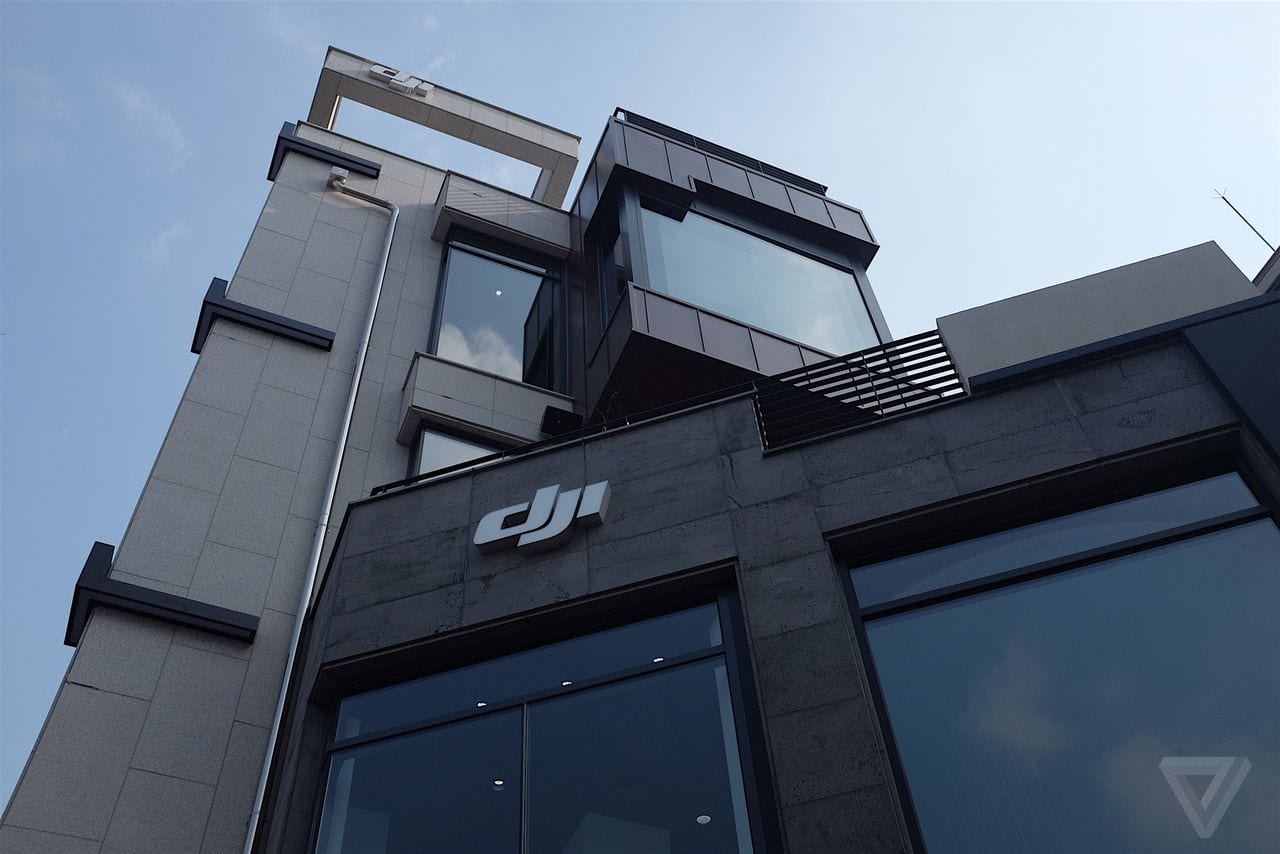
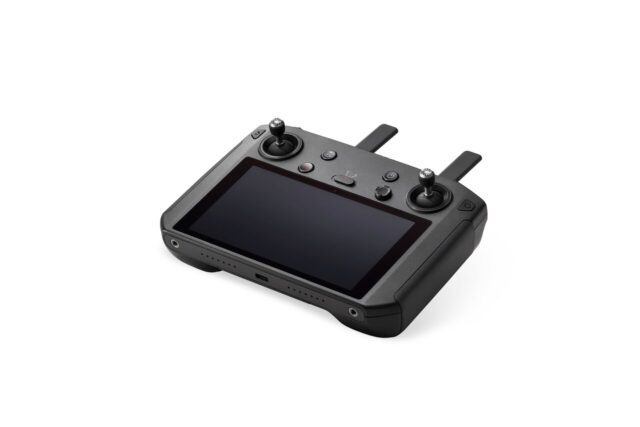
DJI, the world’s leader in civilian drones and aerial imaging technology, continues its tradition of making aerial technology accessible to everyone by introducing a powerful new remote controller for its drones at CES 2019. The Smart Controller features an ultra-bright display screen and controls optimized for DJI drones, allowing pilots to fly the newest drones without using a smartphone or tablet. DJI will also be exhibiting its full lineup of consumer drones and handheld imaging products at its booth at CES 2019, including the new Osmo Pocket stabilized camera, and will host exciting workshops, hands-on product demonstrations and more. Attendees can find DJI in the South Hall of the Las Vegas Convention Center.
Smart Controller Expands Pilot Options The DJI Smart Controller expands the ecosystem of accessories built around DJI’s industry leading drone technology. Using a crisp 5.5” screen built into the controller itself, the Smart Controller allows pilots to quickly get their drone in the air without the need to connect a mobile device. It can be paired with DJI’s newest drones including Mavic 2 Zoom and Mavic 2 Pro1 which use DJI’s OcuSync 2.0 video transmission system, displaying vivid images in Full HD resolution. Drone pilots can take advantage of its compact, highly portable design that has been optimized for use in direct sunlight. It features an ultra-bright display with an output of 1000 cd/m2, twice the brightness of standard smart phones. A customizable Android dashboard supports DJI GO 4, DJI Pilot2, along with various third-party apps such as editing programs. The DJI GO 4 app also touts several new features including SkyTalk, that allows pilots to livestream the drone’s camera feed to social channels including Facebook, Instagram and WeChat so that anyone can experience the thrill of flying a drone. Another new feature is DJI GO-Share which easily transfers imagery from the Controller to your mobile device. The DJI Smart Controller brings a new level of reliability when flying, with 2.5 hours of battery life and the ability to operate in adverse temperatures as cold as -4° Fahrenheit and as hot as 104° Fahrenheit.
Industry big boys aren’t the only companies exhibiting at this year’s Consumer Electronics Show (CES). Over 1,200 start-ups have set up at the event’s Eureka Park, reserved for smaller companies, to capture the attention of consumers and possibly become the next unicorn (a start-up valued at over $1 billion).
Of the start-up companies from Korea, those that developed through the “Israeli start-up” model have grabbed the most attention from the media. The model refers to companies with a weak capital base that grows with investment from other IT companies or venture capital firms. Many Korean start-ups that took part in CES this year got investments from IT giants such as Naver or Kakao.
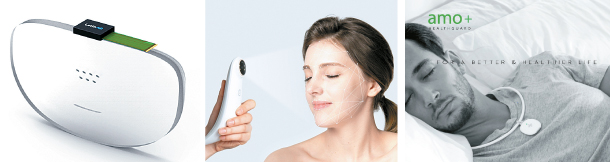
Augmented reality (AR) and virtual reality (VR) company LetinAR is one of the hottest start-ups. LetinAR produces smart glass lenses that makes use of “Pin Mirror” technology. The company incorporates the pinhole effect, which makes vision clearer by looking through a small hole, and applies it for use in VR and AR.
LetinAR also created a lens that provides vision of up to 80 degrees. While humans can see up to 150 degrees, existing products are typically limited to 50 degrees.
“The 80-degree vision is like looking at a 120-inch TV from a meter away [3.28 feet],” said Choi Kyung-on, a director at the company. “If our product becomes commercialized … we will be able to release smart glasses the size of large conventional glasses within three years.”
While smart glasses got a lot of headline in 2013 with the introduction of Google Glass, the product failed due to the difficulty of developing a lens with a wide-viewing angle.
Meanwhile, beauty artificial intelligence (AI) start-up lululab won the CES Innovation Award in the biotech sector for its AI skin care assistant Lumini.
The device analyzes skin conditions such as its wrinkles and pores and provides product information and recommendations personalized for a user.
“[Users] can use personalized AI skin analysis service without the help of a store employee,” explained Choe Yong-joon, CEO of lululab.
The company was born in Samsung Electronics’ start-up incubator, C-Lab.
AMO Lab is another promising start-up from Korea. The company, which got investment from Naver last September, specializes in products that improve users’ quality of sleep.
The company recently developed AMO+, a device worn like a necklace, which sends out minute electrical signals to the body to improve sleep.
According to recent test results, users’ parasympathetic nervous systems became active when wearing the device.
“We are currently discussing collaboration with U.S. and European companies after prototype development,” said Kim Min-kyu, CEO of AMO Lab.
WELT, another alumnus of Samsung’s C-Lab, gained attention for releasing a smart belt in collaboration with French luxury brand S.T. Dupont. WELT’s smart belt can be used for two months with a single charge and provides basic health information.
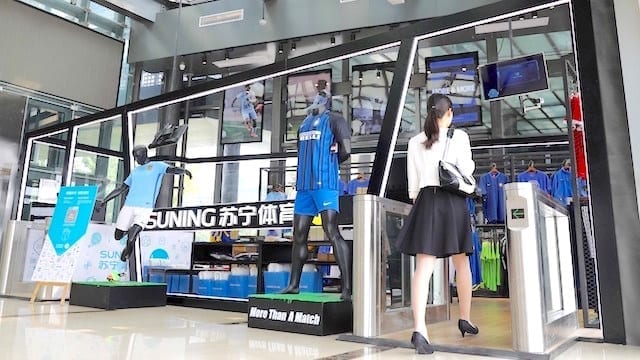
Suning Commerce Group, one of China’s largest non-government retailers, is showcasing its unmanned, automated Biu store at CES 2018 in Las Vegas this week.
Running until Friday, CES is the global stage for new innovative consumer electronics. Suning’s promotion of its Smart Retail program comes as the company prepares to launch its developments internationally,
“Suning’s Biu store concept showcases the latest in our online-to-offline retail strategy, designed to offer consumers a one-stop seamless shopping experience,” says the group’s R&D executive VP Joshua Xiang, who is also GM of Suning Global Research.
Suning’s Biu store concept is big-data driven and powered by facial recognition and radio frequency identification (RFID) technology. Since launching its first self-service store in Nanjing in August, Suning has opened a further four cashierless stores in China, in Shanghai, Beijing, Chongqing and Xuzhou.
It says shoppers have been flocking to the stores to buy gadgets, personal electronics, FMCG and sports accessories. They can also find branded football merchandise, including Italian team Internazionale Milano, which is owned by Suning.
Immediate identification
Bui shoppers who link their bank card to the Suning Finance app are immediately identified by camera at the store’s entrance and granted access. Inside, they can be helped with their purchase decisions by Suning Smart Recommendation, a shopping guide system based on big-data analysis. RFID technology along the payment pathway ensures an effortless check-out experience taking no longer than 15 seconds.
At CES, Suning is also showcasing its e-commerce services and tech products that focus on enhancing the consumer experience. These include the Smart Sue shopping assistant, with voice and text interaction system; the Anywhere AR shopping experience, allowing shoppers to place virtual products into a real scene; Suning Smart Home, incorporating advanced Internet of Things automation systems to control electronic home appliances and built-in technology; smart retail chain software; and logistics and shopping financial services.
A Created in China forum at CES tomorrow, hosted by Suning and the China Household Electric Appliance Research Institute, will explore electronics industry trends in China and also demonstrate Suning’s Smart Retail concept.
Suning Commerce (Suning), one of China’s largest e-commerce retailers, is present for the first time when the International Consumer Electronics Show (CES), the world’s largest annual consumer technology tradeshow, throws open its doors in Las Vegas on the morning of January 5, local time.
In line with the avalanche of “smart retail” and “smart home” products that are sweeping into the marketplace, this year’s CES highlights the technologies that have made the advent of the smart era possible and the conveniences that these newest technologies create for users. Suning showcases zc.suning.com, IT smart home products and other novel solutions in its exhibition zone. An app created by Suning enables interconnection between the Hisense intelligent air purifier, the UCON intelligent remote controller, the Blomberg intelligent refrigerator, the Whirlpool intelligent air conditioner and PPTV televisions. Joshua Xiang, executive vice president of IT at Suning Commerce and the top executive from Suning in attendance at the show, said that the firm is in the process of creating a smart home ecosystem for users by leveraging its online retail platform and bringing together brands.
CES, the world’s largest and most influential consumer electronics tradeshow, attracts many of world’s top companies who attend annually. As a pioneer in China’s home appliance 3C retail sector, Suning, in collaboration with several of China’s home appliance manufacturers, hosts the “China Innovation” summit forum.
The company also teams up with AVC and CHEARI to present awards to the many excellent companies and products that have contributed to the “China Innovation” transformation of the country’s economy, as the economic giant exits its earlier “Made in China” role and executes on the “Made in China 2025” initiative. Suning attends CES for the first time, with the aim of not only showcasing its “China Innovation” line of products and solutions, but also providing a model for other Chinese brands who are preparing to enter global markets.
China Information Technology Industry Federation executive secretary-general Gao Sumei said that several Chinese manufacturers attend the tradeshow where they introduce innovative Chinese consumer electronic products to the world, giving retailers and consumers worldwide an opportunity to learn more about products created in China and paving the way for other excellent Chinese home appliance manufacturers to take their rightful place on the international stage.
International automotive supplier and technology company Continental today announced that is has been named a CES 2017 Innovation Awards Honoree in the Vehicle Intelligence category for its Short Range Radar with Trailer Merge Assist and Trailer Length Detection technology. Products entered in this prestigious program are judged by a preeminent panel of independent industrial designers, independent engineers and members of the trade media to honor outstanding design and engineering in cutting edge consumer electronics products across 28 product categories.
“Technologies that are selected as CES Innovation Honorees demonstrate an incredible level of innovation and engineering in an industry where the bar is set remarkably high,” said Samir Salman, CEO of Continental, North America. “Continental is honored to receive this award which exemplifies our commitment to safety by engineering leading automotive technologies.”
Continental’s state-of-the-art Short Range Radar with Trailer Merge Assist and Trailer Length Detection is a “black box” sensor mounted in the rear/side area of the vehicle. The radar uses intelligent sensing with a new software feature allowing for the blind spot detection to be enhanced and extended by sophisticated object tracking, measurement and length detection algorithms allowing for the extended warning.
“The intelligent radar detects the trailer, automatically measures its length and extends the warning zone to the area beyond the trailer,” said Lutz Kuehnke, Head of Advanced Driver Assistance Systems, Continental, North America. “These features reduce the risk of accidents and increases driver confidence while towing and merging a vehicle with a trailer.”
This is the first blind spot warning system that allows a driver to enjoy the function without driver input even while towing a trailer. Systems without this feature either disable the warning while towing a trailer or experience unintended or false warnings from the trailer.
The Short Range Radar is just one environmental sensor within Continental’s comprehensive product portfolio of future-oriented advanced driver assistance systems (ADAS). Continental offers ADAS safety products and functions, as well as system solutions for assisted and automated driving including Long Range Radar, Camera, Surround View, High Flash 3-D Lidar and electronic control units.
Continental’s Short Range Radar with Trailer Merge Assist and Trailer Length Detection will be displayed at CES 2017, which runs January 5-8, 2017, in Las Vegas.
The prestigious CES Innovation Awards are sponsored by the Consumer Technology Association (CTA)™, the producer of CES 2017, the global gathering place for all who thrive on the business of consumer technologies, and have been recognizing achievements in product design and engineering since 1976.
Entries are evaluated on their engineering, aesthetic and design qualities, intended function and user value, unique features present and how the design and innovation of the product directly compares to other products in the marketplace. Products chosen as CES Innovation Honorees reflect innovative design and engineering in some of the most cutting edge tech products and services coming to market.
Visit Continental at CES 2017, Thursday, January 5 through Sunday, January 8, at North Hall Booth #3128. Continental will also showcase its latest automotive innovations and technologies in a private exhibit at the Renaissance Hotel. An invitation only media event has been scheduled on January 5. Please contact Mary Arraffor details.
At CES Asia 2016, which opens today, Isobar will be showcasing BVRAIN and UMood, two marketing innovations from Isobar, which demonstrate the agency’s capabilities in leveraging new technologies to provide brands with innovative marketing solutions.
BVRAIN are VR goggles that visualize the activity and emotions of the human brain. After a short scanning process, users are able to see a real-time abstraction of their brain in compelling and interactive 3D visuals. The system outputs emotional values based on the user’s brain activity. These values are also mapped onto the corresponding areas of the brain.
In addition to visualizing people’s minds, BVRAIN also allows for brain adaptive games and content. In a coin collecting VR game, users are able to see obstacles based on their brain activity. The entire journey will also be generated by their actual brainwaves, opening up a whole new area of adaptive gaming.
BVRAIN is the brainchild of Isobar Shanghai’s NowLab. The first application of BVRAIN was launched for Coca Cola’s Innovation Center at Wanda Theaters in major cities across China in April 2016.
NowLab is a new initiative by Isobar’s global network to accelerate innovation through technology. NowLab’s objective is to enable quicker application of world-class innovative technologies in clients’ brand marketing and create an innovative brand experience for consumers. Isobar’s NowLab project teams in 14 offices worldwide are currently collaborating on international product and technology development, striving to create innovative programs for clients and employees.
Francis Lam, Head of NowLab and Chief Innovation & Technology Officer of Isobar China, commented: “Technology is a crucial component of today’s market innovation. Using an unprecedented approach to discover the potentials of technologies, NowLab is committed to providing innovative human-machine interfaces, multi-screen interactions and various indoor/outdoor environments when our clients and consumers need us the most, in order to deliver a variety of unique and realistic innovative solutions. By combining VR with brainwave technologies, BVRAIN can create innovative, experiential programs for brand communication.”
UMood, a smart product selection system developed for UNIQLO by the Isobar Australia and Dentsu Science Jam, a Dentsu Aegis Network company, also debuted at the exhibition to provide visitor with a cutting-edge user experience which recently grabbed headlines in Australia and the region.
UMood is the first of its kind product selection tool, which uses neuroscience to help match customers’ moods with the perfect T-shirt. Consumers wear a neuro headset to watch a series of images and videos on the screen. The headset uses neuro analysis, measuring their brainwave reactions to the stimulus, to determine the user’s mood and subsequently make product recommendations based on that mood.
Sven Huberts, Managing Director for Isobar Asia Pacific, said: “We don’t believe in using technology for technology’s sake. When we are addressing a client’s business challenge, we are constantly looking for new ways to elevate the brand experience to deliver value to that particular challenge. UMood is a good example of what a Brand Commerce solution can look like, whereby you’re bringing points of inspiration and points of transaction ever closer together.”
Following last year’s successful debut at CES Asia™, Dentsu Aegis Network has expanded its presence at CES Asia this year, attending the world’s top consumer electronics show. The three-day event will see the network present 12 consumer marketing innovative products, doubling its presence last year. These products are owned or co-created by Dentsu Aegis Network offices in Australia, China, India and Japan. These technologies are centered on the theme of “Empower the Extended Self”, by using latest digital technologies including VR, robotics, facial recognition and real-time emotion analyzers.