Tag: charger

  • No More iPhone Models Without Charger in Brazil

    No More iPhone Models Without Charger in Brazil

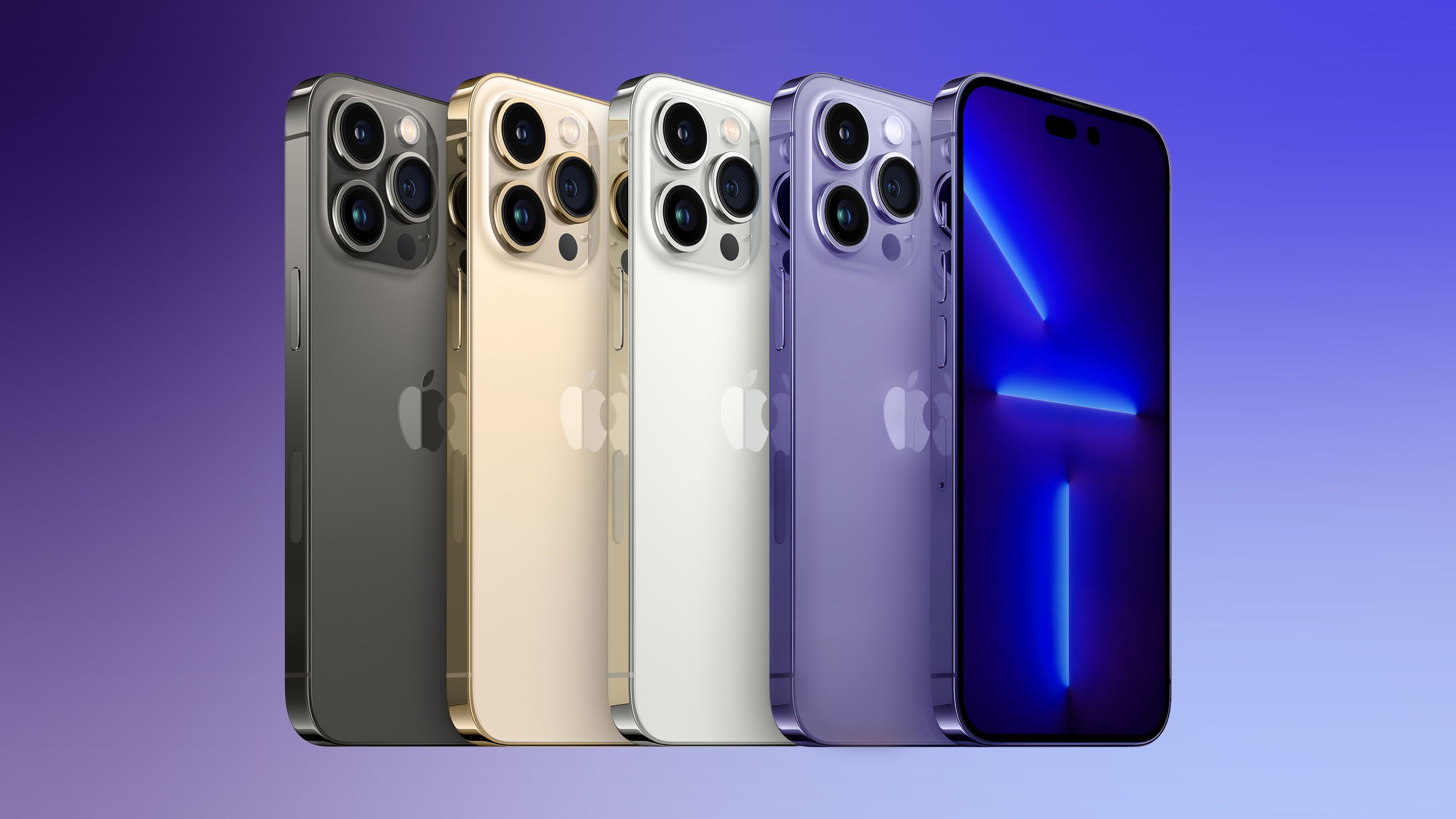
    The new iPhone 14 lineup is coming, but Brazilians may not be able to get it in the country. Apple cannot sell its iPhone models without a charger in Brazil anymore, particularly the existing iPhone 12 and 13 models, and was fined more than $2 million (12.28 million reais) over the issue.

    In an official notice, Brazilian authorities ordered “the immediate suspension of the distribution of iPhone brand smartphones, regardless of model or generation, that are not accompanied by a battery charger.”

    This is from the official mandates of the Ministry of Justice and Public Security and the Department of Consumer Protection and Defense.

    Apple has been under investigation in Brazil since December for “the sale of an incomplete product,” “discrimination against the consumer” and “the transfer of responsibility to third parties” by offering the iPhone 12 and newer versions without chargers for power outlets, according to the official statement.

    Starting with the iPhone 12, Apple no longer includes power adapters in every box as it moves to reduce package waste and indirectly makes more profit on accessories.

    As Apple explained during its iPhone 12 event in 2020, excluding the power adapter reduces the size of the box, causing less space consumption in the shipping and more iPhone 12 devices delivered.

    According to Brazilian authorities, Apple alleges that the decision to exclude chargers from iPhone sales comes from an “environmental commitment.” Reportedly, smaller boxes would allow Apple to reduce yearly carbon emissions by 2 million metric tons.

    However, the ministry determined that “there is no effective demonstration of environmental protection on Brazilian soil as a consequence” of Apple’s policy and accused the company of “deliberate discriminatory practices against consumers.”

    “There is no justification for an operation which, in aiming to reduce carbon emissions, leads to the introduction into the consumer market of a product whose use depends on the acquisition of another (product) which is also marketed by the company,” the official notice added.

    In response, Apple said that it would continue to work with Brazilian consumer protection agency Senacon in order to “resolve their concerns,” and will appeal the recent decision.

    In June of this year, the EU stated that it believes a standard cable — USB-C — for all devices will cut back on electronic waste, but Apple argues that a one-size-fits-all charger would slow innovation and create more pollution.

    The imposition of the USB-C as a cable standard and the latest ban on Brazilian grounds could affect the iPhone juggernaut’s sales, along with the entire global smartphone market.
  • Ather Energy Launches New Compact Home Charger Ather Dot

    Ather Energy Launches New Compact Home Charger Ather Dot

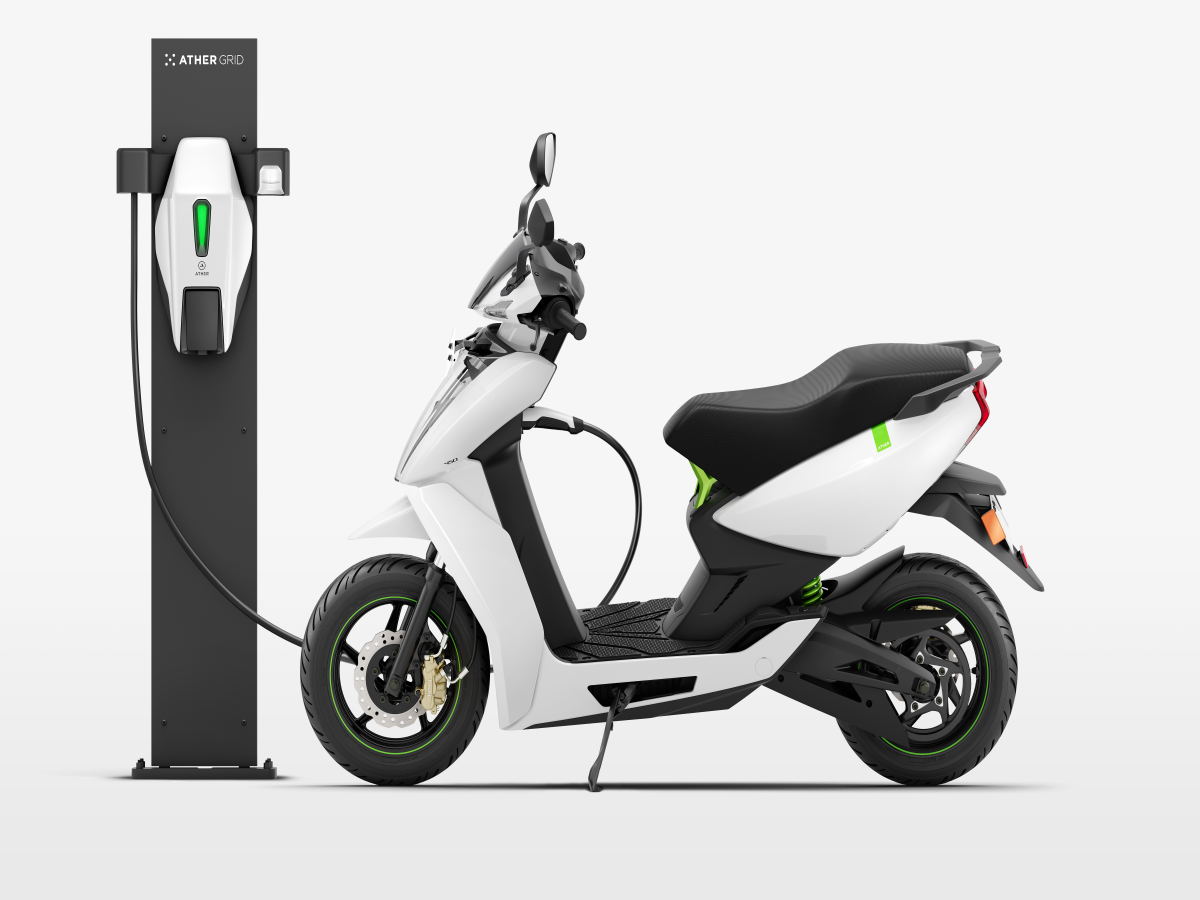
    Electric scooter start-up Ather Energy has announced the launch of a new home charging point – Ather Dot, for its Ather 450 customers in Chennai & Bengaluru. The new charger has been designed specifically for the Ather 450 electric scooter and company says that it took a lot of feedback from its existing customers to make this charging point smaller, lighter and easy to install. The new Ather Dot comes with surge protection and authenticated power transfer so that it’s safe and works only with an Ather scooter. The new Ather Dot also comes with several safety measures like auto cut-off function and it also gets app integration, which means owners can also monitor the charging levels through their mobile app.

    In its official launch announcement, Ather Energy said, “Ather has been working with its customers in the past year to make improvements and changes to its intelligent scooter, the Ather 450. One of those was to take the charger off-board. Taking it off helps in improving weight distribution and also improves vehicle dynamics. All this without a drastic change in the charging performance.”

    The new Ather Dot comes with surge protection and authenticated power transfer so that it’s safe and works only with an Ather scooter

    The new Ather Dot unit weighs just 3.5 kg and comes with a 2-metre long output cable and 1.2-meter long input cable. The charging unit delivers a 60 V, 12 A DC supply, which is capable of offering 0 to 80 percent charge in just 4 hours and 30 minutes, while 0 to 100 percent takes 5 hours and 15 minutes. Ather says that the charging patterns data show that most Bengaluru owners charge either overnight or during the day at their workplace. So, the slight spike in the charging time will not affect the charging behavior and usage of the owners. Furthermore, the charging time at the Ather Grid, the company’s fast chargers placed across the city, remains the same.

    Customers can get their new Ather Dot installed by the company for ₹ 1800, which includes standard installation, consumables, labour charges and even GST. However, Ather says that the installation of Ather Dot is a simple process, and for customers who might want to get the unit installed by their local electricians, the company will provide an installation manual as well.

    The new Ather Dot charging point will be shipped to them post completing the payment for the Ather 450 and prior its delivery. While the unit will be delivered to all Chennai customers along with scooter, in Bengaluru, all the customers taking delivery after October 2019 will get the Ather 450 with the new charging point.

  • Charging-device producer Anker aims to tap Indonesian market

    Charging-device producer Anker aims to tap Indonesian market

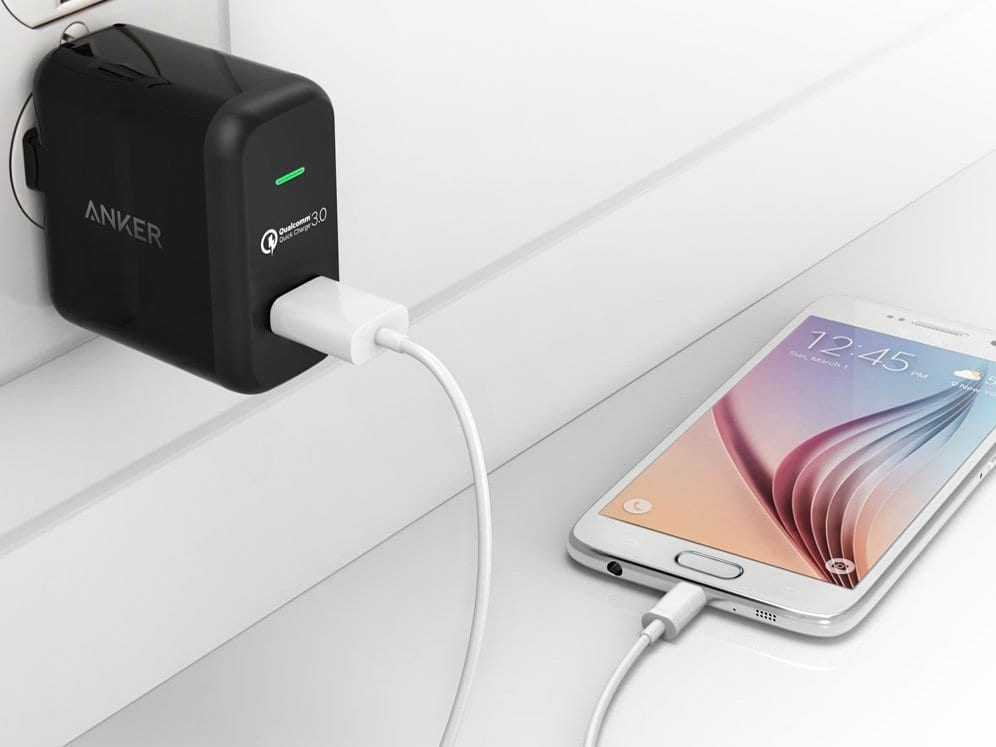
    Anker, a company based in Seattle, the US, and which specializes in USB charging products, has opened an official store in Jakarta, its first in Southeast Asia, in the hope of reaping benefits from the Indonesian market, the largest economy in the region.

    Anker’s regional sales head for Asia Pacific Romeo Luo told that the company had sold more than 300 million products globally this year and hoped to expand its leverage in Indonesia, particularly “with those people who are concerned about quality and safety, not just price.”

    “We are sure that our products can guarantee safety for smartphone users in Indonesia, particularly for high-end brands,” he said in Jakarta on Thursday.

    He said that opening the official store in Indonesia, home to around 250 million people, would be the first step by the brand before penetrating further into other countries in Southeast Asia.

    “I know the speed of the mobile phone sales growth here. The quantity is huge and most of those users will need power banks when stuck in traffic,” he said.

    He said he was confident that the brand could gain popularity in Indonesia, mainly as a result of the lack of similar competitors that exclusively specialized in power-charging products and consumer trends toward accessing social media, which is power consuming.

    Romeo added that by the end of 2017, the firm established in 2011 by former employees of search engine giant Google, expected to open 50 new outlets spread across major cities in Indonesia.