Tag: charging stations

  • Sunwoda Unveils 15C Flash Battery to Challenge BYD in Fast Charging

    Sunwoda Unveils 15C Flash Battery to Challenge BYD in Fast Charging

    Sunwoda Electric Vehicle Battery unveiled a 15C flash charging system in Zaozhuang on September 17 that charges an electric vehicle from 10 to 97 per cent in nine minutes.

    The system matches the benchmark room-temperature charging speed established by market leader BYD. It also comes with a company commitment to deploy 10,000 megawatt charging stations by the end of 2027.

    Charging Performance and Cold Weather Specs

    At room temperature, the battery charges from 10 to 70 per cent in five minutes. That adds 100 kilometres of driving range in 60 seconds. Total driving range exceeds 700 kilometres on a full charge.

    Cold weather tests show the pack charges from 10 to 97 per cent in 15 minutes at minus 20 degrees Celsius. Sunwoda attached a warranty covering 10 years or 300,000 kilometres to non-commercial vehicles with unlimited ultrafast charging cycles, targeting buyer anxiety over high-current cell degradation.

    Hardware Architecture and Grid Storage

    Hardware diagnostics rely on proprietary cell sensors, an energy domain controller and a cloud monitoring engine. Sunwoda stated the platform identifies more than 20 separate failure modes between two and 10 days before a breakdown. Its detection rate reaches 99.77 per cent.

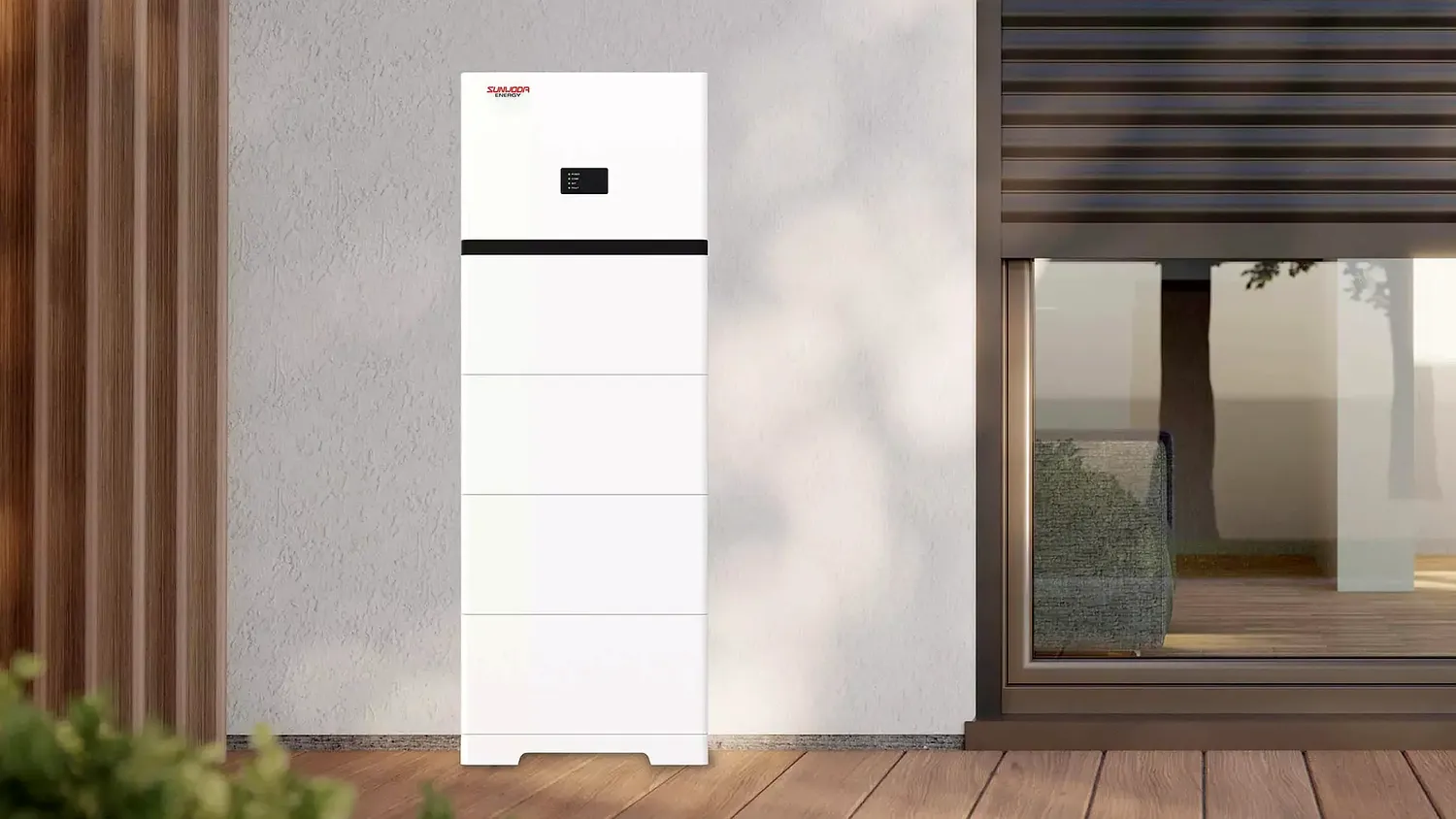
    On the grid side, the company introduced an integrated platform that bundles solar generation, stationary battery storage, liquid-cooled charging posts and megawatt-scale dispensers. The multi-brand terminal design allows third-party automakers to access the high-voltage stalls under commercial sharing agreements.

    The Race for Megawatt Infrastructure

    China’s EV power race has shifted from laboratory power ratings to physical network footprint. BYD crossed its 10,000th flash charging station milestone on August 28. It maintains a target of 20,000 operational stations by the end of 2026.

    Other domestic manufacturers are pushing similar power thresholds. Dongfeng introduced a prototype 1,500-kilowatt charger on July 29, matching BYD’s peak terminal rate. FAW Hongqi posted July laboratory results showing a 10-to-70 per cent charge in three minutes and 41 seconds with battery partner CNET. In Hong Kong, Xpeng energised its first one-megawatt X-Energy stall with 400 kilowatt-hours of local storage on September 15.

    Commercial Rollout and Factory Timelines

    Sunwoda EVB faces a crowded manufacturing landscape. CATL and BYD command more than 60 per cent of China’s domestic vehicle battery volume. Total battery installations across the country grew 26.3 per cent year-on-year in August, but second-tier cell makers must prove station economics to justify high capital spending on utility-scale grid connections.

    Initial announcements omitted capital expenditure figures, manufacturing site allocations, commercial vehicle partnerships and the first production passenger car chosen for the 15C pack. Filings with the Ministry of Industry and Information Technology will soon show which automaker integrates the hardware first ahead of the 2027 station rollout target.
  • Australia To Speed Up Rollout Of Electric Car Charging Stations

    Australia To Speed Up Rollout Of Electric Car Charging Stations

    The Australian government on Tuesday pledged A$178 million ($132 million) to ramp up the rollout of hydrogen refuelling and charging stations for electric vehicles but did not offer EV rebates or set targets to phase out petrol cars. Prime Minister Scott Morrison said the beefed up Future Fuels Fund provides “an Australian way” to lower transport emissions, reiterating a slogan he introduced recently to describe the country’s middle ground on climate change policy. “We will not be forcing Australians out of the car they want to drive or penalizing those who can least afford it through bans or taxes,” Morrison said in a statement. “Instead, the strategy will work to drive down the cost of low and zero-emission vehicles.”

    The additional investment, which adds to an existing A$72 million commitment and will be spent by the end of June 2025, will also aid purchases of electric cars and buses for government and business fleets. Industry groups and green activists, however, said rebates and tax breaks were necessary to encourage the purchase of cleaner cars in a country where transport is the third-largest source of carbon emissions. “The federal government purports to support choice for Australian motorists, but in fact its strategy stifles choice by making it very challenging for Australia to attract a wide selection of battery electric vehicles to the market,” Clean Energy Council Chief Executive Kane Thornton said.

    The federal funding is only slightly more than a separate commitment by New South Wales, the country’s most populous state, to spend A$171 million on EV chargers over the next four years. Victoria, the second-most populous state, is planning to spend A$29 million on charging infrastructure in regional areas and replacing government cars by 2023. The federal government said its plan should lower carbon emissions by more than 8 million tonnes by 2035, based on its own projection that battery-electric and plug-in hybrid electric vehicles will make up 30% of annual new car and light truck sales by 2030.

    Morrison in 2019 slammed a proposal by the opposition Labor Party to target half of all new car sales to be electric by 2030, saying the policy would “end the weekend” for Australians who want to tow their trailers and boats to go camping. However, a recent survey by The Australia Institute thinktank found 64% of Australians favored requiring all new car sales in the country to be zero-emission vehicles by 2035 and 71% supported government subsidies for electric cars. Battery electric and plug-in hybrid vehicle sales in Australia hit a record 8,688 in the first half of 2021, but made up just 1.6% of total light-vehicle sales. In Norway, the global leader in EV uptake, battery electric vehicle sales made up nearly 80% of new car sales in September.

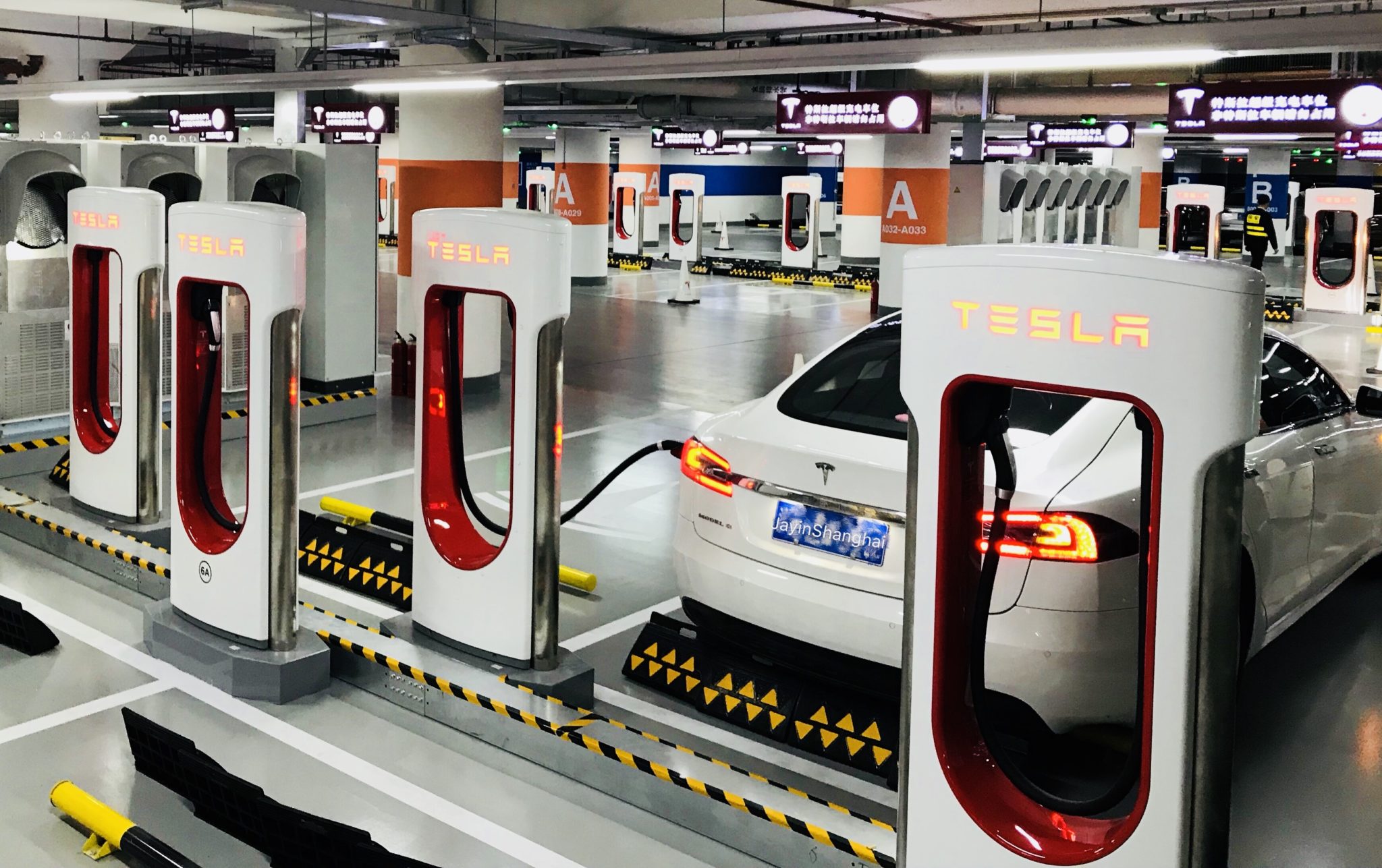
    The Future Fuels Fund will focus on extending coverage of fast-charging stations to regional areas, investing with private firms in 1,000 public charging stations, and in charging infrastructure at businesses and households. Australia has about 3,000 public chargers installed across the country, according to the Electric Vehicle Council. By comparison, California alone has over 73,000 public and shared chargers. The Electric Vehicle Council said the national plan should have at least included fuel efficiency standards.

    “If Australia continues to be one of the only developed nations without fuel efficiency standards then we will continue to be a dumping ground for the world’s dirtiest vehicles,” council Chief Executive Behyad Jafari said in a statement. The transport infrastructure funding was announced just weeks after Morrison adopted a net-zero carbon emissions target by 2050 in the face of international criticism that the major coal and gas producer was not doing enough to address climate change.