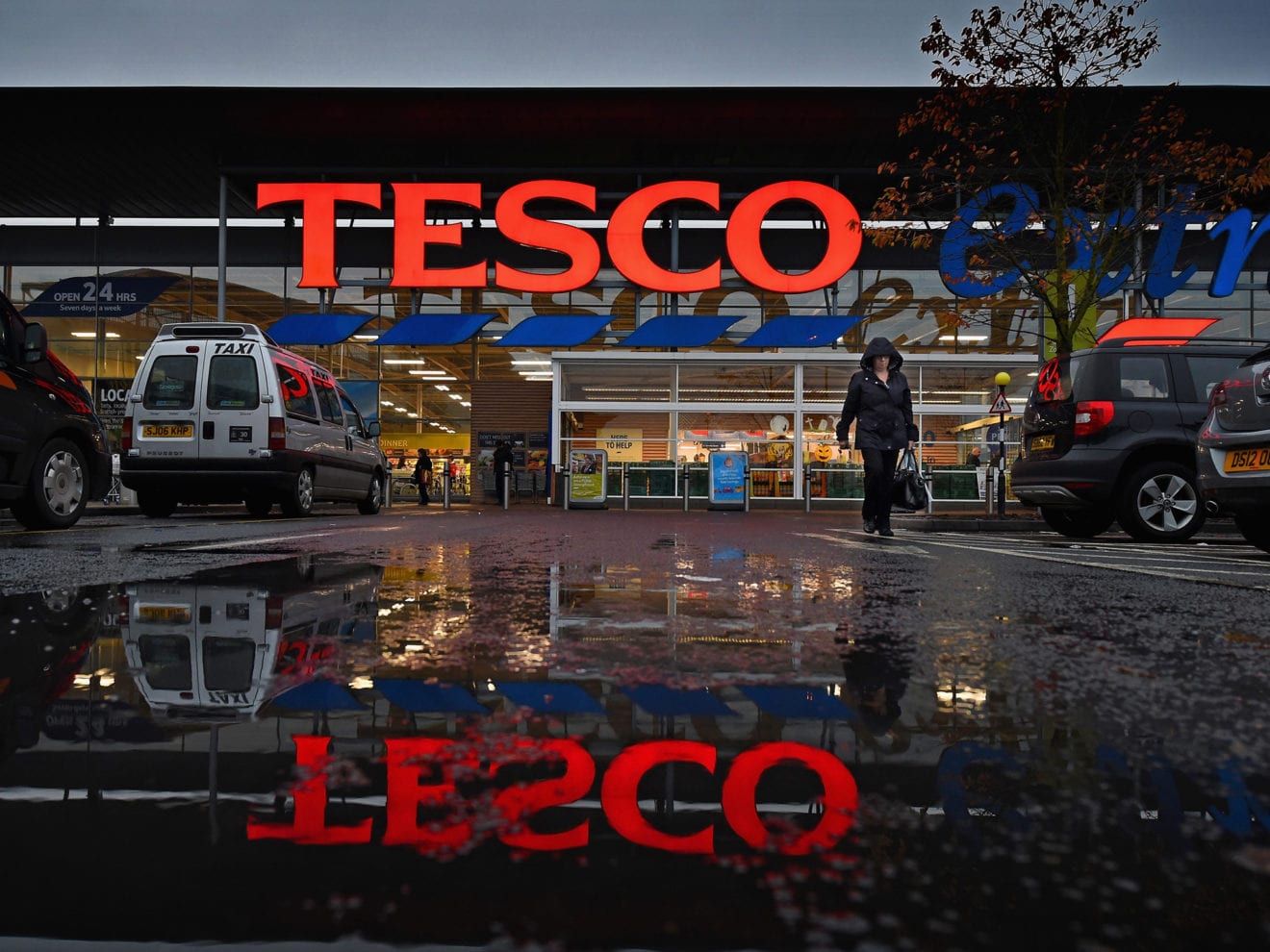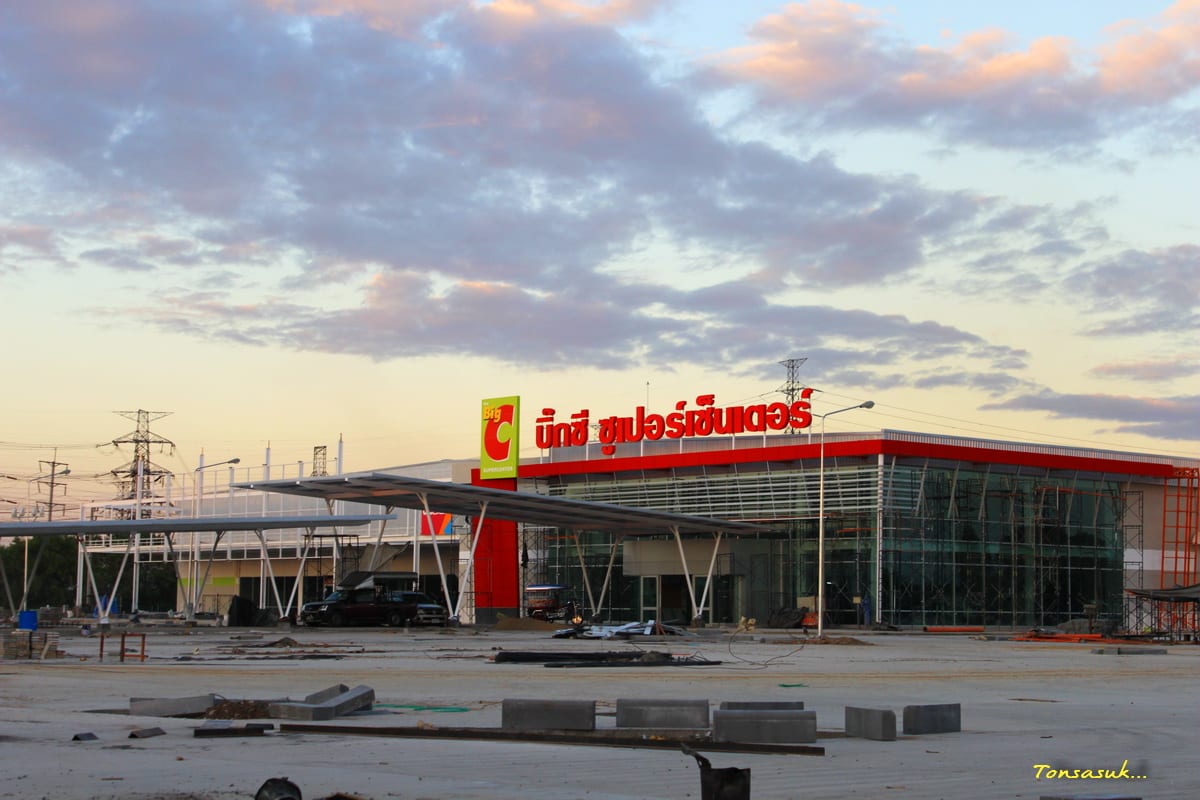
Big C was at the centre of the previous shake-up when it bought the Thai arm of Carrefour, another French retailer, in 2011. Carrefour Thailand’s network of 42 stores helped make Big C the No 2 player in the hypermarket segment, second only to Tesco Lotus.
This time, Big C is also at the centre, as the target of big names like the Chirathivat family, Charoen Pokphand Group and Berli Jucker – a business unit owned majority by the Sirivadhanabhakdi family.
The Chirathivat family seems to be the most likely suitor. Big C was established as a joint venture of that family and Casino Group. But the family sold its stake in Big C to Casino Group after the 1997 financial crisis.
The family’s operations in the retail industry would be complete with the inclusion of the hypermarket format.
Another suitor is CP Group. Sitting on piles of cash and rich in experience in retail business, it is the founder of Ek-Chai Distribution System, which operates Tesco Lotus. Also owning Siam Makro, its control in the market would be strengthened.
However, CP Group’s bid to buy back shares in Ek-Chai Distribution from embattled UK retailer Tesco has reportedly been rejected. Tesco last year sold the assets in South Korea for 4 billion pounds (Bt208 billion). In September, it assured shareholders that it would not sell other overseas assets, including in Thailand. In October, it instead sold 14 land plots for 250 million pounds.
Berli Jucker has recently expanded into the retail industry. After acquiring the retail chain Family Mart (renamed B’s Mart) in Vietnam in mid-2014, it acquired Metro Cash & Carry Vietnam from its German owners. It is not beyond imagination that it would want to make its presence felt in the Thai retailing industry.
Among the three, whoever turns out to be the winner of this race may need to pay would surely need not to concern with financial matters.
Yesterday, Big C’s share price ended at Bt226, gaining Bt28.50 or 14.43 per cent from the previous closing. If the transaction is executed at that price, the buyer will need to pay at least Bt109 billion for the 483.45 million shares or a 58.6-per-cent stake currently owned by Casino.
The price is about 23 times its prospective earnings. More than 1 million shares were traded yesterday, the highest in recent months when the number of shares changing hands on a daily basis ranged widely from below 20,000 to more than 900,000.
On December 15, Casino Group announced a plan to strengthen its balance sheet and enhance its financial flexibility with by deleveraging more than 2 billion euros (Bt79 billion) through real-estate transactions and disposal of non-core assets.
It was confident that the proceeds from the deleveraging plan would reduce its consolidated debt. More than half of the total proceeds of the plan are expected to be generated by the disposal of assets fully owned by Casino. It also announced that in the last 10 years, Casino had always achieved its deleveraging plans.
In a statement dated January 14 concerning the sale of Big C in Thailand, Casino Group said: “In the context of the ongoing process for the sale of its operations in Vietnam, Casino Group has received expressions of interest for its publicly listed subsidiary Big C in Thailand. The group is taking steps towards the sale of this asset, which will be implemented in the best interest of the company and its shareholders.”
Big C is now waiting for the new shareholder, while proceeding with business plans. Among them, it plans to open six hypermarkets this year.
“As Casino is receiving a number of expressions of interest to acquire its shares of Big C Thailand, it clearly demonstrates the great company that Big C is and the strong relationships between customers and Big C itself,” said Warunee Kitjaroenpoonsin, director of corporate affairs at Big C.