Retail News CRM

Tag: chatgpt

  • Revolutionizing Beverage Discovery: Starbucks Tests ChatGPT for Personalized Drink Recommendations

    Revolutionizing Beverage Discovery: Starbucks Tests ChatGPT for Personalized Drink Recommendations

    Starbucks is testing an innovative feature, ChatGPT beta, which allows customers to explore and customize their drinks through interactive prompts. This latest feature, which was rolled out this week, provides consumers with personalized beverage recommendations based on their mood, preferences, or situations, with the optional use of image inputs to further tailor the suggestions.

    The ChatGPT tool signifies a shift from traditional menu browsing to a more user-friendly, intention-based interaction. The platform allows customers to customize their order, select a store, and initiate an order. The final checkout can be completed via either the Starbucks app or their website.

    Reimagining the Ordering Process

    The addition of the ChatGPT beta feature to the Starbucks digital ordering process reflects the company’s commitment to making online ordering more instinctive and emotionally engaging. The aim is to transform the beverage selection process into an enjoyable journey of discovery, rather than a mere transactional search.

    Paul Riedel, Senior Vice President of Digital and Loyalty for Starbucks, stated, “Our goal is to engage with customers at the point of inspiration and make it as simple as possible for them to find a beverage that resonates with them.” He further added, “The introduction of the Starbucks app into ChatGPT is a significant move towards making this a reality, in a manner that is uniquely Starbucks – welcoming, warm, and steeped in creativity.”

    Stages of Development

    Starbucks is presenting this beta version as an initial testing phase. The development and enhancement of this feature will rely heavily on feedback from users.

    Questions & Answers

    What is the purpose of the new ChatGPT beta feature launched by Starbucks?
    It allows customers to discover and customise their beverages based on their preferences, moods, or occasions through interactive prompts.

    How does Starbucks view the new feature?
    Starbucks views the new tool as a shift from conventional menu browsing to a more user-friendly, intention-based interaction. It aims to make digital ordering more instinctive and emotionally engaging.

    What will determine the further development of the ChatGPT beta feature?
    The further development and improvement of the ChatGPT beta feature will depend on the feedback received from its users.

  • OpenAI Unveils ChatGPT Health: A Revolutionary Tool Tailoring Health Advice to Your Personal Records

    OpenAI Unveils ChatGPT Health: A Revolutionary Tool Tailoring Health Advice to Your Personal Records

    Artificial Intelligence (AI) has become a common tool for individuals seeking answers to health and wellness queries. OpenAI reports that hundreds of millions of people make use of AI in this way every week. Consequently, the company is introducing a specialized feature within ChatGPT called ChatGPT Health.

    Introducing ChatGPT Health

    ChatGPT Health is a new function nested within ChatGPT. It presents a safe, personalized platform for users to explore their health-related questions. The platform has its dedicated chat history and memory function, ensuring the information does not blend with other parts of ChatGPT.

    OpenAI provides an opportunity for users to link their personal medical records and wellness applications with this new feature. Integrations include well-known apps such as Peloton, MyFitnessPal, Weight Watchers, and Apple Health. Once these connections are established, users can receive personalized responses to their health inquiries. Importantly, the data shared with ChatGPT Health is kept confidential and is not used for training OpenAI’s models.

    The feature is currently in the testing phase, and users can request access by joining a waitlist. Eventually, ChatGPT Health will be rolled out incrementally to all users of all subscription levels, although app connectivity may be restricted in some regions.

    Using ChatGPT Health Responsibly

    In its announcement, OpenAI is clear that ChatGPT Health is “not intended for diagnosis or treatment”. Despite this, the company does not lay out specific boundaries for the tool’s usage. Given the company’s inability to control user behavior, there have been instances of individuals following incorrect advice given by chatbots.

    The company envisions the use of its tools as a health assistant. ChatGPT Health, they suggest, could assist users in comprehending test results, preparing for a doctor’s appointment, and getting advice about diet and exercise regimes.

    Conversely, they did not address the topic of mental health in their announcement. There have been several reported incidents of adults and minors taking their own lives after using ChatGPT. The chatbot is becoming a widely-used and cost-effective substitute for therapy.

    Proceed with Caution

    Having a readily available tool for understanding health issues sounds incredibly promising. However, some may question the reliability of AI in handling such sensitive topics. Despite their convenience, chatbots have been known to generate inaccurate or invented information, leading to potential misunderstandings. Therefore, many may continue to rely on human specialists and use AI tools like ChatGPT for simpler tasks such as correcting spelling errors, translating text, and coding assistance.

    Questions & Answers

    What is ChatGPT Health?
    ChatGPT Health is a new feature within ChatGPT designed to answer users’ health-related questions in a safe and personalized environment.

    How does ChatGPT Health work?
    Users can connect their personal medical records and wellness apps to ChatGPT Health to receive tailored responses to their health queries.

    What are the limitations of ChatGPT Health?
    ChatGPT Health is not intended for diagnosis or treatment. It should not be the sole source of health advice or treatment, and users should always consult with healthcare professionals for medical concerns.

  • Disney Unleashes Its Characters into the World of AI: Unprecedented Deal with OpenAI Signals a New Era for Fan-Created Content

    Disney Unleashes Its Characters into the World of AI: Unprecedented Deal with OpenAI Signals a New Era for Fan-Created Content

    Disney, a company known for fiercely guarding its characters and intellectual property, has forged a new path by entering into a three-year licensing agreement with OpenAI. Through this groundbreaking deal, users of OpenAI’s Sora platform will be able to create brief videos featuring over 200 animated, masked, and creature characters drawn from Disney, Marvel, Pixar, and Star Wars franchises. This includes a range of costumes, props, vehicles, and iconic environments. At the core of the agreement is a blend of Hollywood’s prized intellectual property and OpenAI’s advanced AI technology.

    Revolutionizing Video Creation with Sora

    The deal’s focus is on the application of OpenAI’s Sora video creation platform. Users will have the opportunity to create short, user-prompted videos to share with others. Additionally, through ChatGPT Images, users can convert a few words into fully generated AI images in mere seconds. However, the deal doesn’t extend to the likeness or voices of specific Disney characters or those who lend their voices to animated Disney personas.

    Certain content created on the Sora platform may also find its way onto Disney+, enhancing the streaming service’s selection of videos with fan-created content. Moreover, the agreement transforms Disney into an OpenAI customer, with access to ChatGPT for internal use. It also gives Disney the ability to utilize OpenAI APIs to introduce new features on the Disney+ streaming platform.

    Disney Characters in AI Videos

    Disney enthusiasts can use a host of beloved characters in their AI video creations. This roster includes Mickey and Minnie Mouse, Lilo, Stitch, Ariel, Belle, Beast, Cinderella, Baymax, Simba, Mufasa, and more.

    Additional characters from popular franchises such as Encanto, Frozen, Inside Out, Moana, Monsters Inc., Toy Story, Up, Zootopia will also be available. Fans can also incorporate animated versions of Marvel and Lucasfilm characters like Black Panther, Captain America, Deadpool, Groot, Iron Man, Loki, Thor, Thanos, Darth Vader, Han Solo, Luke Skywalker, Leia, the Mandalorian, Stormtroopers, Yoda, among others.

    Commitment to Responsible AI Use

    The agreement between Disney and OpenAI underscores a dedication to responsible AI use, safeguarding user safety and creator rights. As part of the deal, Disney will invest $1 billion in OpenAI equity and receive warrants to purchase additional equity in the company. OpenAI is committed to implementing measures to protect users, such as age-appropriate policies and other necessary controls. Both parties are determined to prevent the generation of illegal or harmful content.

    Disney’s Stand Against Google

    In a parallel development, Disney has accused Google of large-scale copyright infringement. According to Disney, Google has used AI models to exploit and distribute images and videos that violate Disney’s intellectual property rights. The company has sent Google a cease-and-desist letter, demanding an immediate end to these alleged infringements.

    Disney has made it clear that it will not tolerate unauthorized commercial exploitation of its copyrighted works by AI services. The company has expressed concern over Google’s use of infringed copyrighted works to sustain market dominance.

    Questions & Answers

    What does the licensing agreement between Disney and OpenAI entail?
    The agreement allows users of OpenAI’s Sora platform to create short videos featuring over 200 characters from Disney, Marvel, Pixar, and Star Wars franchises. However, it does not cover the likeness or voices of specific Disney characters or those lending their voices to these characters.

    What benefits does Disney get from this deal?
    The agreement turns Disney into an OpenAI customer, enabling the company to use ChatGPT for internal purposes and OpenAI APIs to add new features to the Disney+ streaming platform. It also opens up opportunities for fan-created content to enhance the streaming service’s video inventory.

    How does the deal address intellectual property and user safety?
    The agreement emphasizes responsible AI use, with OpenAI pledging to implement measures such as age-appropriate policies and other controls to protect users. Additionally, both parties have committed to prevent the generation of illegal or harmful content.

  • Unlocking AI Success: How Data Readiness Paves the Way for Retail Innovation

    Unlocking AI Success: How Data Readiness Paves the Way for Retail Innovation

    In the rapidly evolving landscape of retail technology, the integration of artificial intelligence (AI) is increasingly becoming a cornerstone for businesses across Asia. Yet, amid the excitement lies a pressing question: How prepared are organizations in Singapore and the broader APAC region to embrace AI on a meaningful scale? While AI can be a game changer, the capability to leverage it effectively hinges significantly on one crucial element—data readiness.

    Data Preparedness Is Key to AI Success

    According to predictions by Gartner, by 2026, more than half of AI projects will falter due to a lack of AI-ready data, rendering even the most sophisticated algorithms ineffective. Disorganized, fragmented, or incomplete data can undermine an organization’s AI ambitions, leading to costly missteps, missed opportunities, and potential compliance breaches. In Singapore, where regulatory measures around data governance are rigorous, the challenge becomes not just gathering data but ensuring it is clean, structured, and secure enough for effective AI utilization.

    An Inside Look at AI Implementation

    To dissect the realities of data readiness and the journey toward sustainable innovation, iTNewsAsia sat down with Norihiro (Nick) Katagiri, the Senior Vice President at Canon in Singapore, who has been partnering with organizations to integrate smart technologies into their digital strategies.

    Katagiri notes that businesses in Asia are accelerating their AI adoption—a trend most evident in Singapore, where companies are eager to harness AI, often before fully articulating their goals. “While AI is used to enhance workflow efficiency and overall competitiveness, the challenge of widespread employee adoption remains paramount,” he explains. Even the fanciest AI tools can flop if the workforce lacks the understanding or trust needed to use them effectively.

    Assessing AI Readiness in Organizations

    Organizations looking to tap into the power of AI should first concentrate on achieving data readiness. Many enterprises still house valuable information in paper and analogue forms, and digitizing these records is essential to transform inert data into usable assets. Only after this can they categorize their data—into structured, semi-structured, and unstructured types—thus ensuring they can apply the right AI tools effectively.

    However, ensuring data readiness is just the beginning. Organizations must also focus on their technological capabilities, identifying specific workflows where AI can deliver immediate value. This requires careful planning rather than an expansive disruption of existing systems. It is equally crucial to prioritize workforce readiness, ensuring staff have the skills and training necessary to leverage AI effectively. After all, a well-prepared team can turn technological potential into tangible business results.

    Navigating the Challenges of AI Adoption

    The appetite for AI in APAC is strong, with investments projected to grow at a compound annual rate of 24 percent from 2023 to 2028. Yet, organizations often grapple with aligning their ambitions and operational readiness. Hurdles abound—companies frequently struggle to define measurable KPIs, ensure data accuracy, and manage their data effectively. One common pitfall is the continuing reliance on analogue records that inhibit the ability to leverage AI technology for critical business decisions.

    “Robust data governance is non-negotiable,” emphasizes Katagiri. Maintaining compliance, securing sensitive information, and fostering trust in AI-driven processes are essential elements for success.

    The Weight of Data Quality and Integrity

    At the heart of AI efficacy lies data quality. Flawed data, often resulting from human error—like mis-entered data or illegible handwriting—can derail even the most promising AI initiatives. Moreover, data consolidation fosters seamless collaboration by uniting various data channels into a cohesive platform, enabling AI to deliver insights from a singular, reliable source.

    For organizations operating on a multinational scale, the complexity multiplies as data transcends geographic and linguistic barriers. Convincing everyone to tidy up the data before calling in the AI cavalry is crucial to achieving reliable outcomes.

    Turning Data into Actionable Insights

    To unlock data’s true potential, organizations must first recognize the types of data they manage. While structured documents are straightforward for data capture solutions, semi-structured and unstructured documents require more sophisticated handling. Fortunately, modern AI can automate the processing of all types of documents, using Natural Language Processing (NLP) to derive context and discern meaning, thereby reducing the manual labor involved.

    For instance, Canon’s document capture solutions can process over 1,000 invoices daily, drastically reducing manual input and errors—a win-win that not only speeds up processes but also enhances compliance.

    Spearheading Smart Technology Implementation

    While the introduction of smart technologies can enhance collaboration and productivity, poorly integrated systems can lead to employee disengagement rather than empowerment. Recent surveys show that 51 percent of organizations face challenges in getting their staff to embrace new technologies, highlighting the need for human-centric design and robust change management.

    “It’s crucial to illustrate the real, practical benefits of smart technologies,” says Katagiri, emphasizing that tangible improvements in day-to-day operations can foster greater trust and engagement with new tools.

    Real-World Successes in AI Adoption

    In the legal sector, where professionals often juggle numerous documents under tight deadlines, AI can facilitate significant time savings. For example, tools developed for automated document comparison enable law firms to identify discrepancies quickly, while summary tools distill lengthy legal documents into concise overviews, equipped precisely for strategic decision-making. These advancements are reshaping how law firms manage workflow and maintain compliance.

    A Word of Caution in the Rush to AI

    As organizations feel pressure to jump onto the AI bandwagon, they must tread carefully to avoid common pitfalls. Treating every data set homogenously can lead to inefficiencies; similarly, a lack of clarity around objectives hinders performance evaluation. Organizations also need to fortify their data governance frameworks to mitigate risks related to compliance and security breaches.

    Ultimately, a comprehensive assessment of risks—beginning with disciplined data management—is vital for ensuring that AI initiatives yield actionable insights and sustainable business value.
    – Norihiro (Nick) Katagiri, Senior Vice President, Canon, Singapore

    Practical Steps Towards AI and Data Transformation

    To effectively embark on an AI and data transformation journey, organizations should begin with digitization, converting paper records into digital formats that promote accessibility and accuracy. This initial step paves the way for embedding advanced tools into everyday workflows, transitioning from basic data storage to innovative, data-driven decision-making.

    By methodically organizing their digital strategy—building from data capture to advanced analytics—organization can ensure a solid, risk-managed foundation that facilitates seamless integration of AI technology.

    Preparing for an AI-Driven Future

    Canon is actively adapting its technology and data infrastructure to support evolving customer needs across various sectors. By collaborating closely with clients, Canon gathers insights to deliver tailored solutions that meet specific challenges while optimizing operational efficiency.

    Canon’s commitment extends to deploying AI-driven security solutions across workplaces and retail environments, which not only enhance operational efficiency but also ensure compliance and protection of sensitive data. Their approach positions them poignantly at the intersection of innovation and practicality.

    To sustain and future-proof AI initiatives, organizations must begin with a robust data strategy, ensuring alignment between business aims and measurable KPIs. Investing in scalable, interoperable infrastructure is pivotal as the volume of data continues to grow.

    As AI technology evolves, adopting a modular and adaptable framework allows for the seamless integration of future innovations, ensuring longevity and relevance in a fast-paced digital marketplace.

    Questions & Answers

    What is the most critical first step for organizations looking to implement AI?
    Data readiness is paramount. Organizations must first digitize their analogue records to transform data into a usable format before they can successfully integrate AI tools.

    How does employee engagement impact AI implementation?
    Without trust and understanding from employees, even the best AI solutions can fail. Successful implementation requires human-centric design and robust change management strategies to ensure smooth adoption.

    What common challenges do organizations face in AI adoption?
    Many organizations struggle with defining clear business objectives, ensuring data accuracy, and integrating new technologies with existing workflows, hindering their ability to leverage AI effectively.

  • Openai’s Chatgpt Enters E-commerce With Instant Checkout: Opportunities, Risks, And Future Prospects

    Openai’s Chatgpt Enters E-commerce With Instant Checkout: Opportunities, Risks, And Future Prospects

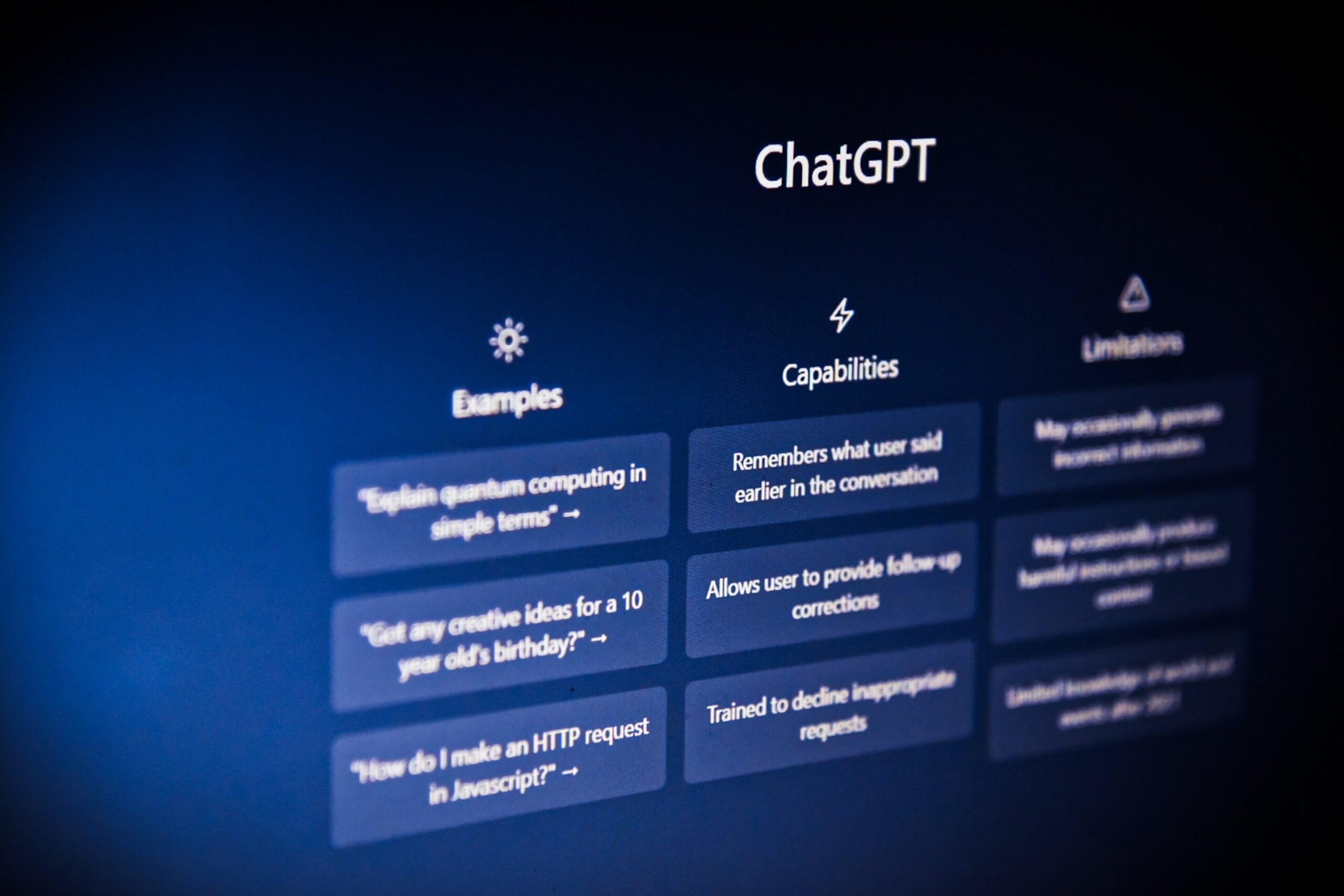
    OpenAI is broadening the horizons of its ChatGPT capabilities. Instead of simply responding to inquiries and maintaining dialogues, the artificial intelligence system is now making its entrance into the e-commerce sector. The newly added Instant Checkout feature now allows U.S. users to buy items from select Etsy and Shopify stores directly within the ChatGPT interface.

    Understanding the Instant Checkout Feature

    The Instant Checkout feature enables ChatGPT to locate items in response to a user’s search queries. If the product is available through Etsy or Shopify and the merchant has enabled Instant Checkout, a “Buy” button will appear directly in the chat interface. The transaction can then be completed without exiting the ongoing conversation, with the user paying via their credit card or other available options.

    The feature operates on the Agentic Commerce Protocol from Stripe to manage payments and interact with merchants. As of now, Instant Checkout only supports the purchase of single items, although OpenAI is said to be developing capabilities for multiple-item transactions.

    How Sellers Can Use Instant Checkout

    Sellers intending to use the Instant Checkout feature need to integrate it into their system and agree to the transactional fee imposed by OpenAI on completed purchases. OpenAI maintains that it does not favor Instant Checkout items in its search results. When different sellers offer identical items, ChatGPT takes into consideration the price, availability, quality, and whether Instant Checkout is enabled when deciding which product to display.

    Implications for Business and Users

    For OpenAI, this development transforms ChatGPT from a purely informational tool to a transactional one, essentially creating an integrated shopping assistant. While this could enhance user convenience, it also brings up issues regarding trust, privacy, and bias.

    In terms of user trust and safety, allowing transactions within a chat interface offers seamless convenience but also potentially increases risks such as fraud, accidental purchases, and unwanted upselling.

    There could also be concerns about algorithmic bias, as the products that appear may subtly favor merchants who integrate the Instant Checkout feature or pay elevated fees.

    Furthermore, this development could blur the lines between AI assistants, search engines, and marketplaces even more, and ChatGPT may start to compete directly with platforms such as Amazon and Google Shopping.

    Present Restrictions and Future Prospects

    Currently, the Instant Checkout feature is only available to U.S. users and supports only single-item purchases. OpenAI intends to extend support for more merchants, regions, and the capability to process multiple items in one transaction.

    Questions & Answers

    How does the Instant Checkout feature work in ChatGPT?
    The Instant Checkout feature allows ChatGPT to find items based on user queries. If the product is available on Etsy or Shopify and the merchant supports Instant Checkout, a “Buy” button will appear, enabling the user to complete the purchase without leaving the chat.

    What are the implications of ChatGPT’s expansion into e-commerce?
    This development could increase user convenience by providing an integrated shopping assistant. However, it also raises issues of trust, privacy, and bias. Potential risks include fraud, accidental purchases, and unwanted upselling.

    What are the current limitations and planned expansions for the Instant Checkout feature?
    Currently, Instant Checkout supports only U.S. users and single-item purchases. OpenAI plans to expand this feature to more merchants and regions and add the ability to handle multiple items in a single transaction.

  • OpenAI Plans Ambitious 1 GW Data Center Investment in India

    OpenAI Plans Ambitious 1 GW Data Center Investment in India

    OpenAI, the innovative force behind ChatGPT, is making waves with its plans to potentially establish a data center in India, targeting a staggering capacity of at least 1 gigawatt. According to a report from Bloomberg, discussions are ongoing between OpenAI and local partners to bring this ambitious vision to life.

    Details of the Proposed Data Center

    The data center will play a pivotal role in OpenAI’s Stargate initiative, an extensive expansion of its infrastructure across Asia. While the specific location and timeline for the facility remain under wraps, anticipation is building, especially with CEO Sam Altman poised to share more details during his upcoming visit to India.

    Aiming for Local Impact

    This initiative comes on the heels of OpenAI planning to launch its first office in Delhi NCR later this year, marking a significant milestone as India stands as OpenAI’s second-largest market by user base. Altman recently revealed that ChatGPT usage in the country has surged fourfold within the past year, reinforcing the company’s commitment—“We are excited to invest much more in India,” he stated.

    Collaborating with Government Initiatives

    The project aligns with India’s ambitious IndiaAI Mission, designed to foster the development and deployment of indigenous AI technologies. OpenAI has expressed interest in collaborating with the Indian government to “build AI for India with India,” signaling a dedication not just to market growth but also to local development. This can be likened to a high-stakes chess game, where each move must be calculated to succeed on a grand scale.

    Strategic Partnerships and Investments

    With backing from Microsoft, OpenAI has already made its mark by registering as a legal entity in India and assembling a local team. This move complements a larger framework of investment under the Stargate initiative, which unveiled a commitment of up to $500 billion for AI infrastructure in the U.S., supported by major players like SoftBank and Oracle.

    Questions & Answers

    What is the projected capacity of OpenAI’s proposed data center in India?
    The data center is projected to have a capacity of at least 1 gigawatt.

    How has ChatGPT usage in India changed over the past year?
    ChatGPT adoption in India has reportedly grown fourfold in the last year.

    What is the significance of the IndiaAI Mission in relation to OpenAI’s plans?
    The IndiaAI Mission aims to foster homegrown AI development, aligning with OpenAI’s vision of partnering with the government to enhance local AI capabilities.

  • ChatGPT down for hours globally

    ChatGPT down for hours globally

    AI chatbot ChatGPT suffered outage globally for several hours Thursday before resuming services.

    “ChatGPT, API, and Sora were down today but we’ve recovered,” the parent company OpenAI said in a post on X at around 1:00 p.m.

    It referred to API, a cloud interface that gives users access to AI models, and Sora, the new video generation AI model.

    OpenAI’s data shows that a “major outage” occurred for 4 hours and 10 minutes Thursday morning.

    But at the time of publishing the issues have been resolved.

    “All services are now fully operational,” OpenAI said in a note on its website, adding that it will run a full root-cause analysis of the outage and will share details when complete.

    Users began reporting outages at around 7:00 a.m, according to Downdetector, a platform which tracks the status of websites.

    In the U.S., nearly 28,500 people were unable to access ChatGPT as of 7:40 a.m.

    ChatGPT, launched in 2022, has more than 300 million weekly active users, OpenAI CEO Sam Altman said earlier this month.

  • ChatGPT app for Android is now officially available on the Play Store

    ChatGPT app for Android is now officially available on the Play Store

    Chat GPT, the revolutionary AI-powered chatbot, has been making headlines in the tech world for its ability to simulate human-like conversations through the use of its advanced language model. Although initially the most popular way to use the tool was via its official website, it soon became obvious that its users wanted to take Chat GPT with them on the go with the convenience of just launching a mobile app rather than a browser.

    This became half a reality when OpenAI, the AI research company that developed Chat GPT, released an app for iOS devices. When the iOS version was released, OpenAI promised that an app for Android was soon to follow.
    Two months later, OpenAI followed its promise and opened pre-registrations for Android users interested in installing the app. Once registered, the app was to install on your phone automatically once it was available.

    Fortunately, we didn’t have to wait long as the app is now fully available on the Google Play Store with its listing stating that “This official app is free, syncs your history across devices, and brings you the newest model improvements from OpenAI. With ChatGPT in your pocket.” This is great news for those that already use Chat GPT on their desktops and would like to have their chat history available everywhere.

    Just as with the iOS app, ChatGPT Plus subscribers will have exclusive access to the next-gen GPT-4 language model, early access to features, and faster response times. Free subscribers, however, will be using OpenAI’s standard GPT-3.5 language model.
    In addition to the new official app, Android and iOS users alike have the option to utilize the ChatGPT chatbot through the Bing app, which now offers a Bing Chat widget that can be conveniently added to their mobile device’s home screen. Your move Google.
  • Alibaba tests ChatGPT-style tool as AI buzz intensifies

    Alibaba tests ChatGPT-style tool as AI buzz intensifies

    Alibaba Group on Wednesday said it is developing a ChatGPT-style tool that is currently in internal testing, joining a race by tech companies globally to show they are up to speed on generative artificial intelligence (AI) developments.

    The Chinese e-commerce group’s statement came after the 21st Century Herald newspaper reported that Alibaba is developing a ChatGPT-like dialogue robot which is currently open to employees for testing.

    When asked about the newspaper report, which also said that Alibaba might combine the technology with the group’s communication app DingTalk, Alibaba declined to comment.

    The company said it had been focused on large language models and generative AI for a number of years. Large language models are natural language processing systems which are trained on massive volumes of text, and are capable of answering and comprehending questions as well as generating new text.

    Alibaba’s US-listed shares rose 3.2 per cent premarket after the news.

    Shares in a number of other Chinese AI technology companies have soared in the past few days due to investor excitement over Open.Ai’s ChatGPT, which can generate articles, essays and jokes in response to prompts and has been rated the fastest-growing consumer app in history.

    Shares in Chinese search engine giant Baidu jumped by 15 per cent on Tuesday after it said it planned to complete testing of its “Ernie bot” in March. Google owner Alphabet Inc is also planning its own chatbot service and said it will use more artificial intelligence for its search engine.

    Microsoft, which owns Open.AI, plans to tie ChatGPT in with its search engine Bing.

    On Wednesday, another Chinese tech group JD.com said it was looking to integrate some methods and technology similar to ChatGPT’s into some of its products, such as its e-commerce platform’s customer service.

    A source familiar with NetEase told Reuters that the Chinese gaming company plans to deploy similar large language models technology to serve its education business.

  • Microsoft’s big AI announcement means that Bing could replace Google as top search app

    Microsoft’s big AI announcement means that Bing could replace Google as top search app

    Microsoft announced tonight that it is integrating its Bing search engine and Edge web browser with the AI superstareveryone is talking about, ChatGPT. Microsoft is investing billions in OpenAI, the developer of ChatGPT, so it makes sense that Microsoft’s search engine and web browser get first crack at adding the conversational AI experience to its mobile apps.

    While Bing currently has about 9% of the online search market, Microsoft expects to generate $2 billion in additional advertising revenue for each percentage point of market share it adds. For Q4 2022 Google Search generated revenue of $42.6 billion compared to “only” $3.2 billion for Microsoft’s search and news advertising revenue. That’s a gap Microsoft is hoping to close and more.

    During a press briefing at Microsoft headquarters in Redmond, Washington, CEO Satya Nadella said, “This technology is going to reshape pretty much every software category.” ChatGPT is available on the Bing website for a limited number of users and will be ready for mobile users via the Bing app in the weeks ahead. But before you get too excited, during the “limited preview stage,” only pre-set queries will be allowed. At a later date in the future, free-form queries will be answered.

    You first need to join a waitlist to get the Bing app with ChatGPT integration. You can jump ahead in the line by making Microsoft apps the default choice on your PC and scanning a QR code to install the new Bing app on your phone.

    Bing will use OpenAI’s most powerful Prometheus model which will use real-time web data from Bing. That means Bing’s chatbot will be able to give answers based on current events rather than post answers that are limited to 2021 data. And with ChatGPT, Bing users will be able to get a summary of the articles they are reading, compose emails, and translate them to reach more readers. Microsoft warns that ChatGPT, like most AI chatbots, is apt to give incorrect information which it calls a hallucination. The company says more user feedback will help reduce hallucinations.

    Not all analysts see Microsoft’s move as a big one for consumers. Gartner analyst Jason Wong said Microsoft’s “partnership with OpenAI is more relevant for its business customers.” Even so, Wong stated that Microsoft could offer “disruptive opportunities” in consumer businesses as well. The analyst said, “Except for gaming, Microsoft has not been a leader in key consumer technologies, such as search, mobile and social media.”

    Microsoft says that the AI-driven Bing will no longer simply disseminate links. Instead, it will give users clear answers in simple language combining answers that Bing found on the web and from its collection of data. On the Edge web browser, ChatGPT could be used to help users understand long and complex documents.

    Google tossed its hat into the conversational AI era yesterday by announcing Bard. Google CEO Sundar Pichai wrote that AI is “the most profound technology we are working on today. AI helps people, businesses and communities unlock their potential.”

    ChatGPT was forecast back in December to replace Google in a couple of years. Now it seems possible that this is going to happen earlier than expected. The chatbot can “write computer code, create complex essays, decorate your home, come up with a winning marketing idea, and more.” Teaching professionals are concerned that students will turn to AI chatbots to write essays instead of using their own brains.

  • Vietnamese can’t wait for official rollout, pay for ChatGPT accounts using VPN

    Vietnamese can’t wait for official rollout, pay for ChatGPT accounts using VPN

    With ChatGPT still not available in Vietnam, service providers are offering to set up accounts for fees of up to VND200,000 (US$8.52).

    Seeing friends chat with the artificial intelligence-based chatbot provided by U.S. startup OpenAI, Hong Nhung, an office clerk in the central city of Da Nang, tried to create an account.

    However, in Vietnam, the only way yet to set up an account is by using a virtual private network (VPN) and getting a foreign phone number.

    Since she was unable to do it by herself, Nhung turned to service providers. “Some people say they will do it for free, some say they will do it for a cup of coffee but others charge VND20,000 to VND200,000,” she said.

    In the end she managed to set up an account for VND20,000.

    Dong Quan, the administrator of a ChatGPT group with more than 20,000 members, said demand increased sharply a week ago.

    There are dozens of posts about selling accounts and how to use the chatbot on the online group every day, and each attracts hundreds of comments, he said.

    The price varies based on the flexibility to change passwords and other benefits, he explained.
    OpenAI’s has said users can start experimenting with $18 in free credit that can be used during their first three months.

    Some sell the same account to many users, even take free accounts shared on online groups and sell them at high prices.

    Quan said his group has received reports of some people paying money but not getting an account and others tricked into clicking on fake links and losing their email accounts.

    Experts suggest people should not pay more than a few tens of thousands of dong for an account or should register with their own email address to get permanent use.

    For service providers, creating an account on OpenAI takes just a couple of minutes, and the cost of messaging is VND3,000.

    According to AI engineer Nguyen Hoang Bao Dai, ChatGPT has become popular globally and in Vietnam because this is the first time people have access to a large AI model.

    ChatGPT not only chats normally like traditional chatbots, but also searches, processes information and responds precisely and instantly. Its ability to keep the chat smooth and easy-to-use interface are other factors.

    Data from Similar Web shows that within two months of its launch, ChatGPT has reached 100 million users.
    According to Sensor Tower, TikTok needed nine months to reach 100 million users, Instagram needed 2.5 years and Google Translate 6.5 years.