Bangladesh Railway plans to overhaul its freight operations to lift rail cargo market share from barely 3 per cent to 20 per cent, targeting direct track connections into industrial supply chains.
The shift aims to reroute bulk consumer freight and apparel exports away from congested national highways into dedicated rail corridors linking Chattogram Port with Dhaka manufacturing hubs.
Under the Logistics Policy 2025, transport planners want rail to carry a fifth of all commercial freight across the country. To map that buildout, state operators launched the Tk 930 million Green Railway Transport Project Preparation Facility Project, backed by World Bank financing. The study evaluates track lines running from Faujdarhat to the Chattogram Goods Port Yard, alongside future connections into the planned Bay Terminal and the Mirsharai Economic Zone.
Overhauling Chattogram Port Rail Access
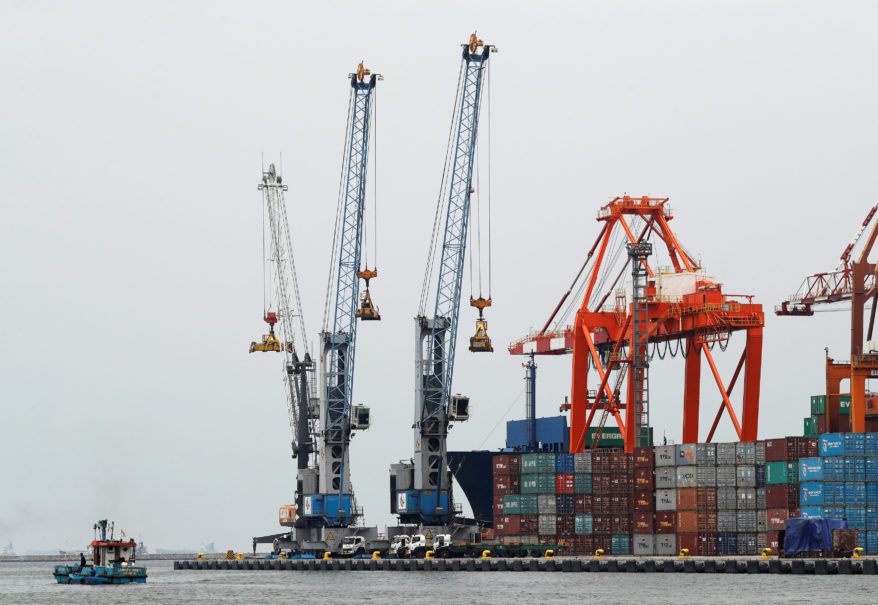
Chattogram Port handles roughly 90 per cent of Bangladesh’s international merchandise trade, yet rail links across its terminal footprint remain uneven. Older installations including the General Cargo Berth and Chittagong Container Terminal have direct tracks, while newer sites like the Patenga Container Terminal and New Mooring Container Terminal lack equivalent integration.
That disconnect leaves cargo trains idling while diesel trucks haul containerised freight across jammed access roads. Track gauge fragmentation complicates the network further. Large segments of the eastern railway run on narrow metre-gauge tracks, requiring costly transshipment before rolling stock can connect with broad-gauge lines servicing northern and western trade lanes.
The feasibility project assesses the rolling stock and yard hardware required to eliminate those delays. Planners are auditing requirements for dedicated freight locomotives, container wagons, shunting yards and loading tracks, alongside modernised maintenance depots in Chattogram.
Building Inland Terminals Near Dhaka
Upstream logistics hinges on getting containers quickly into garment manufacturing belts around the capital. The proposed Dhirasram Inland Container Depot in Gazipur serves as the primary inland node designed to clear maritime boxes away from maritime quays.
Shippers running supply chains between Dhaka and coastal docks currently face unpredictable transit schedules. Road transport delivers flexibility on local spurs, but highway bottlenecks add substantial inventory holding costs for consumer brands, textile mills and bulk distributors. Shifting cargo to scheduled freight trains cuts fuel burn while lowering per-ton haulage expenses on longer runs.
Railway freight targets extend beyond export apparel boxes. State authorities want long-term freight agreements covering petroleum products, fertiliser, grain imports and construction materials, securing reliable baseline volume through predictable tariff contracts.
Logistics Realities for Regional Shippers
For factory operators, retail importers and cargo forwarders, rail is viable only if end-to-end transit times beat road haulage. Shifting cargo off roads requires modern handling machinery, quick digital customs clearance and dependable departure times at inland dry ports.
Commercial transport planners argue that engineering projects must incorporate freight forwarders and port operators before track laying begins. Without matching first-mile handling and competitive terminal fees, inland container depots risk operating below capacity while trucks continue to command container flows.
Regional trade corridors present additional operational capacity. Bangladesh Railway forms part of the Trans-Asian Railway framework, offering rail freight routes into India, Nepal and Bhutan. Unlocking those border routes requires harmonised customs systems and unified track standards to eliminate cross-border shunting delays.
Technical evaluations for the World Bank funded port link project are expected to complete their studies by the end of 2027.