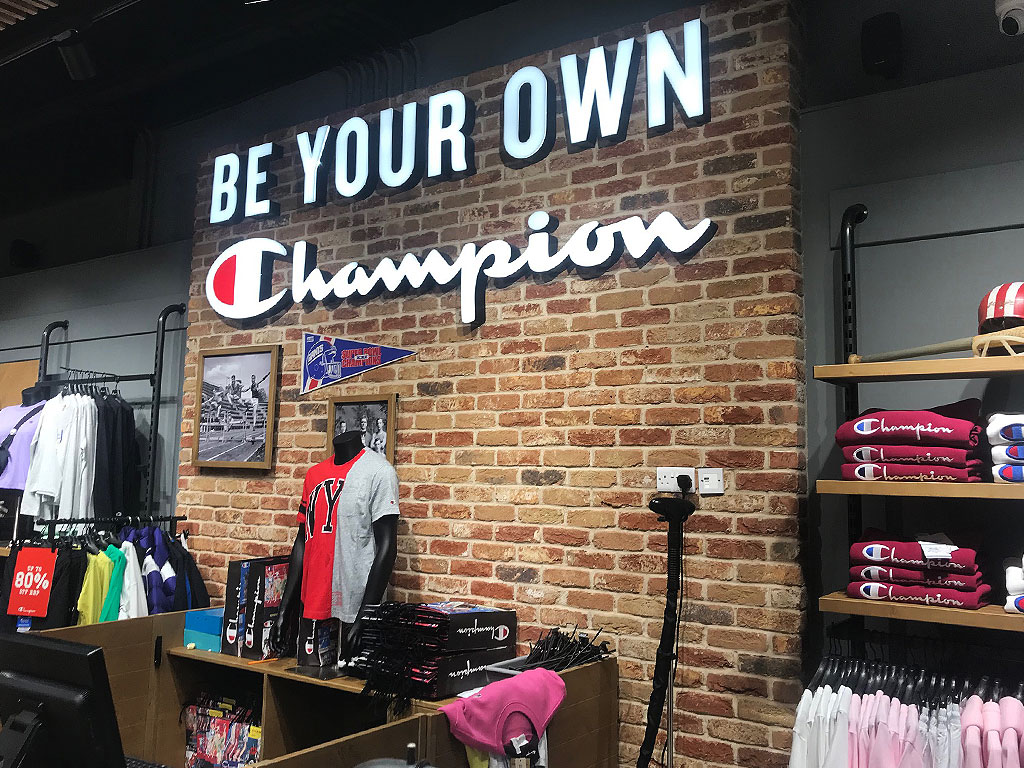
Renowned sportswear brand, Champion, recently revealed the reimagined design of its flagship store located in Chengdu’s Yingjia Plaza, China. The refurbished two-story establishment beautifully integrates Champion’s established American roots with the traditional bamboo-weaving artistry inherent to Chengdu.
Infusing Traditional Elements into Modern Retail
The ground floor of the store is effused with textures inspired by bamboo, complementing the brand’s trademark collegiate and sporty themes. This strategic integration of bamboo textures illustrates Champion’s commitment to incorporating Chengdu’s cultural essence into its retail spaces.
The upper level of the store incorporates an interactive model, highlighting a two-story sweatshirt exhibit and a DIY zone. The latter allows customers to partake in bamboo-weaving activities, such as making coasters, exemplifying the city’s rich artisanal history.
Embracing Local Culture in a Global Brand
Champion’s store redesign embodies the brand’s endeavour to adjust its retail spaces to reflect local culture whilst preserving its trademark Reverse Weave sweatshirt technique, a crucial component of the brand’s legacy. The Chengdu location serves as one of the first instances of this innovative approach.
Established in 1919, Champion has been steadily revising its retail tactic in China to offer more interactive, culturally-embedded experiences. The Chengdu flagship is anticipated to serve as an archetype for future store revamps as the brand progressively aligns its global identity with local relevance.
In the previous year, Champion was acquired by Authentic Brands Group from HanesBrands for a staggering US$1.2 billion, indicating the company’s persistent emphasis on broadening its influence in prime markets, including China.
Questions & Answers
What is the unique aspect of Champion’s renovated flagship store in Chengdu?
The store’s redesign blends Champion’s American heritage with traditional elements of Chengdu, particularly bamboo-weaving.
What interactive features does the store offer to customers?
The store contains a DIY area where visitors can engage in bamboo-weaving activities, such as making coasters, reflecting Chengdu’s artisanal heritage.
What strategy is Champion adopting for its retail spaces in China?
Champion is focusing on providing more interactive experiences that are grounded in local culture, while maintaining its global identity.
Spanish contemporary fashion label Bimba Y Lola is launching in China with a joint venture with ImagineX, Lane Crawford Joyce Group’s distribution and brand management arm.
With a corporate office to be set up in Shanghai, the brand aims to establish a retail presence on Alibaba’s Tmall and Tencent’s WeChat, and physical pop-ups by 2022, to ramp up brand awareness and customer following.
It will be followed by store rollouts, with plans to open 30 points of sale across 15 major cities in China, including Shanghai, Beijing, Shenzhen, Chengdu, and Chongqing in the next five years.
Founded in 2005, Bimba Y Lola targets fashion-forward Millennials and Generation Z with ready-to-wear, jewelry, and accessories. It operates more than 290 stores across 20 countries, including the U.K., France, Singapore, and South Korea.
According to researchers at SEMrush, Bimba Y Lola’s website traffic saw some of the biggest surge pre-pandemic, outperforming traditional retail fashion leaders such as macys.com and online giant Amazon.
Last month, Madonna’s daughter Lourdes Leon made her fashion campaign debut with the brand’s fall 2021 campaign, a jaunt through a digital landscape.
Uxia Dominguez, founder and president of Bimba Y Lola, believes that in China, a market of strategic importance yet one that is unique and complex to navigate, ImagineX has the right channels to unlock the potential of the brand.
Alice Wong, president of ImagineX, thinks that the brand will resonate well with “Chinese consumers, especially the Gen Zs and Millennials.”
“They have an increasing appetite for international accessible-luxury and affordable brands with cutting edge design, which truly stands out from the crowd,” she added.
ImagineX manages 25 brands, including Salvatore Ferragamo, Canada Goose, Ba&sh and Club Monaco, with 448 points of sale across 48 cities in the Greater China region.
Goodbaby International has opened two flagship stores in Chengdu, China.
One of the new stores is located at International Finance Square (IFS), the other at Chengdu Joy City. Both opened last Saturday.
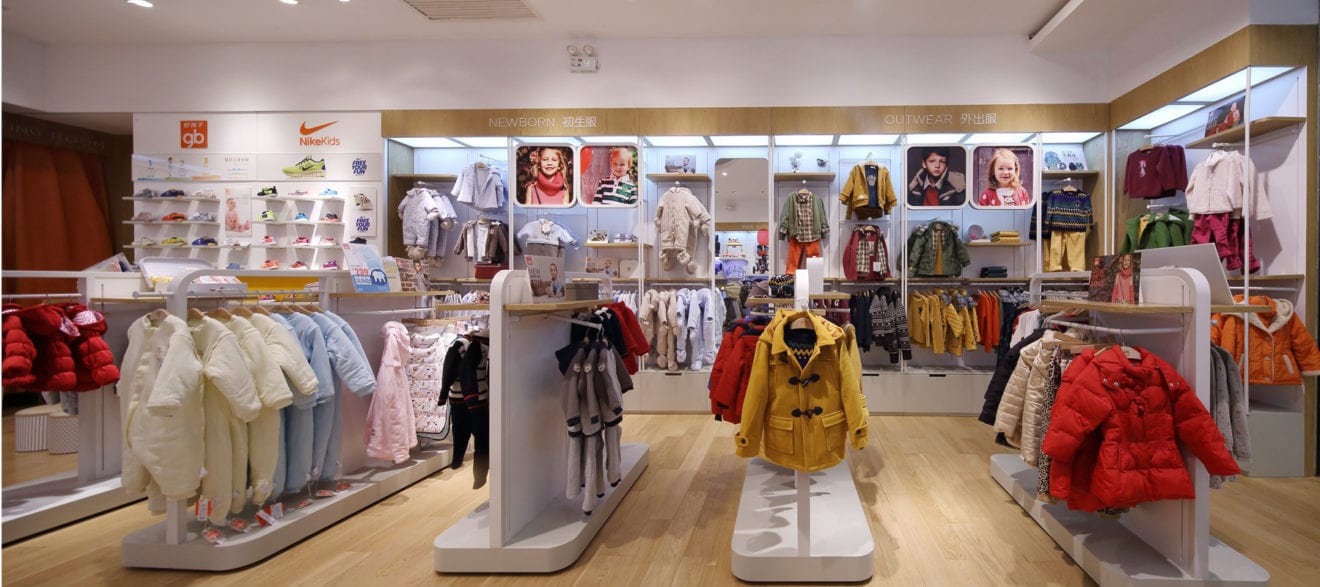
The stores represent the parenting-products retailer newest offline store model and were designed by an unnamed “well-known designer” who has previously cooperated with many globally renowned luxury concept stores.
“The key to mom-and-child products lies in experience,” said Goodbaby China CEO Jiang Rongfen.
“The new global flagship stores are designed with both the sensitive and sensible factors of the consumers’ shopping behaviors in mind.”
The designer aimed to create an immersive, scenario-based smart lifestyle environment for parenting families, where consumers can experience and interact with the products to make better shopping decisions with the help of AI, VR and AR technologies, as well as making one-stop shopping convenient.
“Our goal is to make every customer willing to share their satisfactory experience with their friends,” Jiang said.
With Chengdu considered an up and coming fashion hub in China, Goodbaby decided to launch its new Hey Box smart products at the two flagship stores.
“It is usually said that winning Chengdu’s consumers is a big step towards winning China’s consumers,” said Jiang.
Goodbaby was set up in China 1989 as a global company with local operations in China, Germany and the US. At the core of its range are baby carriages and child car seats.
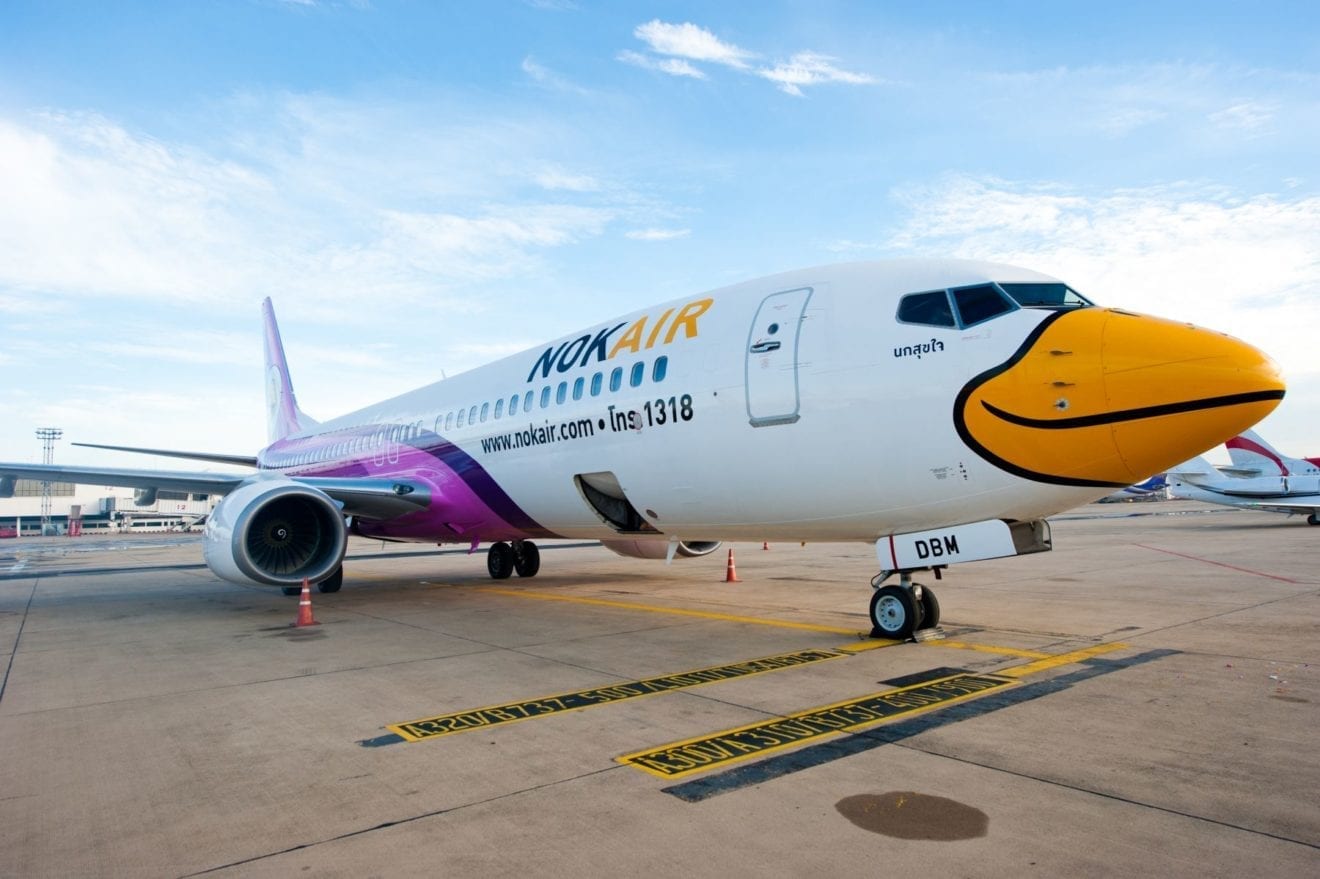
Nok Air launches the daily international direct flight, Phuket-Chengdu, aiming to offer passengers the most impressive travel experience Nok Air always commits itself to impress all travelers lifestyle. To offer Chinese passengers the best experience, Nok Air has just launched the new daily direct flight from Phuket to Chengdu, China, 7 flights a week (1 round-trip flight/day) starting from 4,000 baht with free of charge baggage allowance of 20 kilograms and free Royal Orchid Plus (ROP) mileage earning from THAI Airways.
Nok Air also provides various routes to China which include Zhengzhou, Nanning and ‘Phuket-Chengdu’ as the latest one with more than 500,000 Chinese passengers in the last year.Phuket-Chengdu and Chengdu-Phuket tickets are available on www.nokair.com from October 8th 2018.
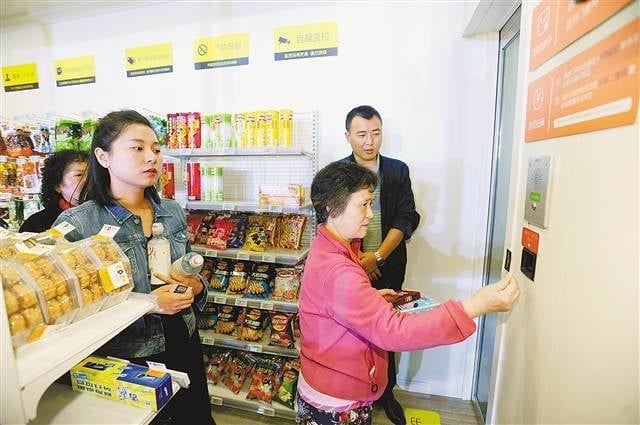
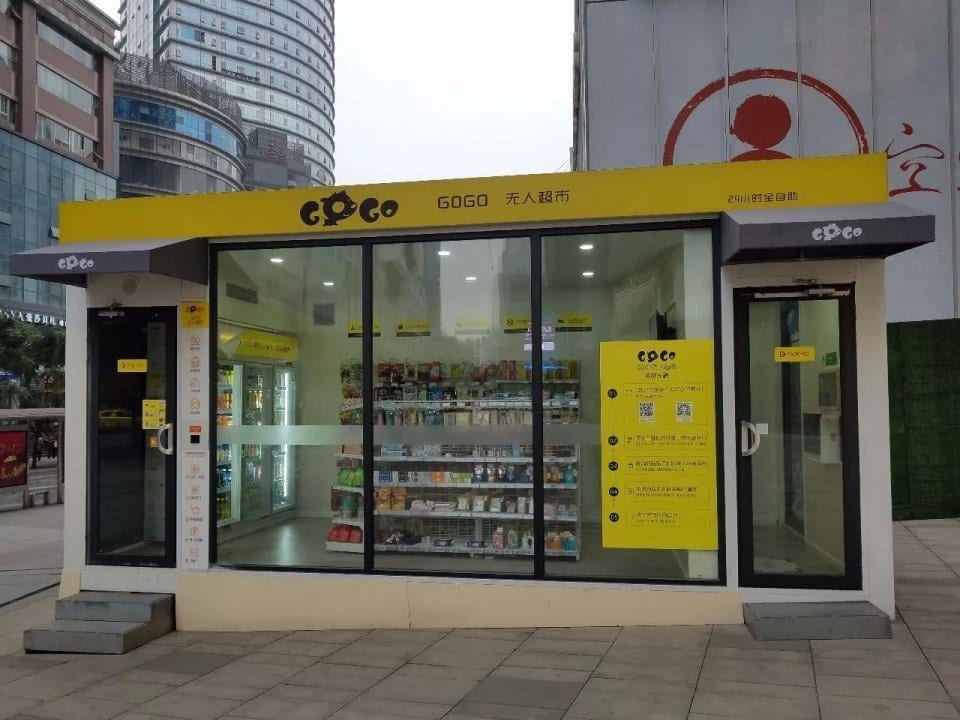
After just four months, Chengdu’s first unmanned supermarket, Gogo Nobody, has reportedly shut down.
This follows the unmanned shelf project Gogo Small, run by the same Chengdu-based startup Xiao Mang Guo Technology, closing down in November.
It is reported that at least 30 employees have not been paid on time, one claiming they had not received payment since November.
A Xiao Mang Guo spokesman says the unmanned supermarket is only “temporarily closed” and will be re-opened after its facial-recognition system has been upgraded.
However, he did admit the company had misjudged the market, forcing it to terminate the unmanned shelf project. “In hindsight, the project expanded way too fast.”
He also acknowledged the issue of backpay, saying the company is sorting out its financial problems and will handle the unpaid wages by April or May. “We did violate the regulations, and we apologise … We will not avoid any responsibilities.”
Originally the company planned to open 500 Gogo supermarkets in commercial complexes across China, and establish 500 unmanned shelves near business districts and office buildings.
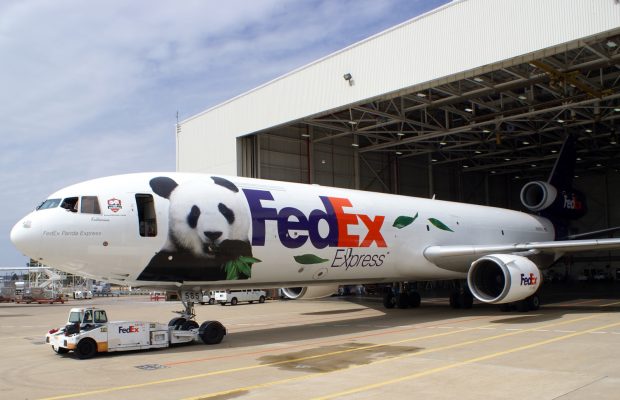
FedEx Express, a subsidiary of FedEx Corp., has donated the use of its extensive global transportation network to ship a giant panda from the United States to Chengdu, China.
The giant panda Bao Bao landed at China’s Chengdu Shuangliu Airport on 22 February 2017 at 6:59 pm onboard a custom-decaled FedEx B777 Freighter (B777F)—known as the FedEx Panda Express—from Washington D.C. in the US. Upon arrival, the panda was transported to her new home in Sichuan province, the China Conservation and Research Center for the Giant Panda’s Dujiangyan City Reserve.
“It’s a great honor for FedEx Express to be able to support this latest mission by donating our expertise and resources, and to be entrusted once again with such a valuable and symbolic shipment,” said Karen Reddington, president, FedEx Express Asia Pacific. “We’ve assisted with giant panda shipments several times in the past and have considerable experience of managing the process, which involves months of planning and cross-disciplinary teamwork. Transporting Bao Bao is also an act of good global citizenship that leverages our unique network and specialized capabilities to help connect the world.”
Bao Bao, a three-and-a-half-year-old female panda born in August 2013 at the Smithsonian’s National Zoo, is the offspring of Mei Xiang and Tian Tian, both currently living in the US.
FedEx provided a dedicated aircraft to bring Bao Bao’s brother Tai Shan to China in 2010, and her parents, Mei Xiang and Tian Tian, to the United States in 2000.
Asia is home to more than half the world’s most dynamic retail hubs, according to new research that reinforces images of the region’s mall-strewn megacities.
The research, by professional services and investment management company JLL, says 12 of the fastest-growing retail cities are in Asia, with eight in China alone — another indication that global economic growth is increasingly driven by the Asia-Pacific region.
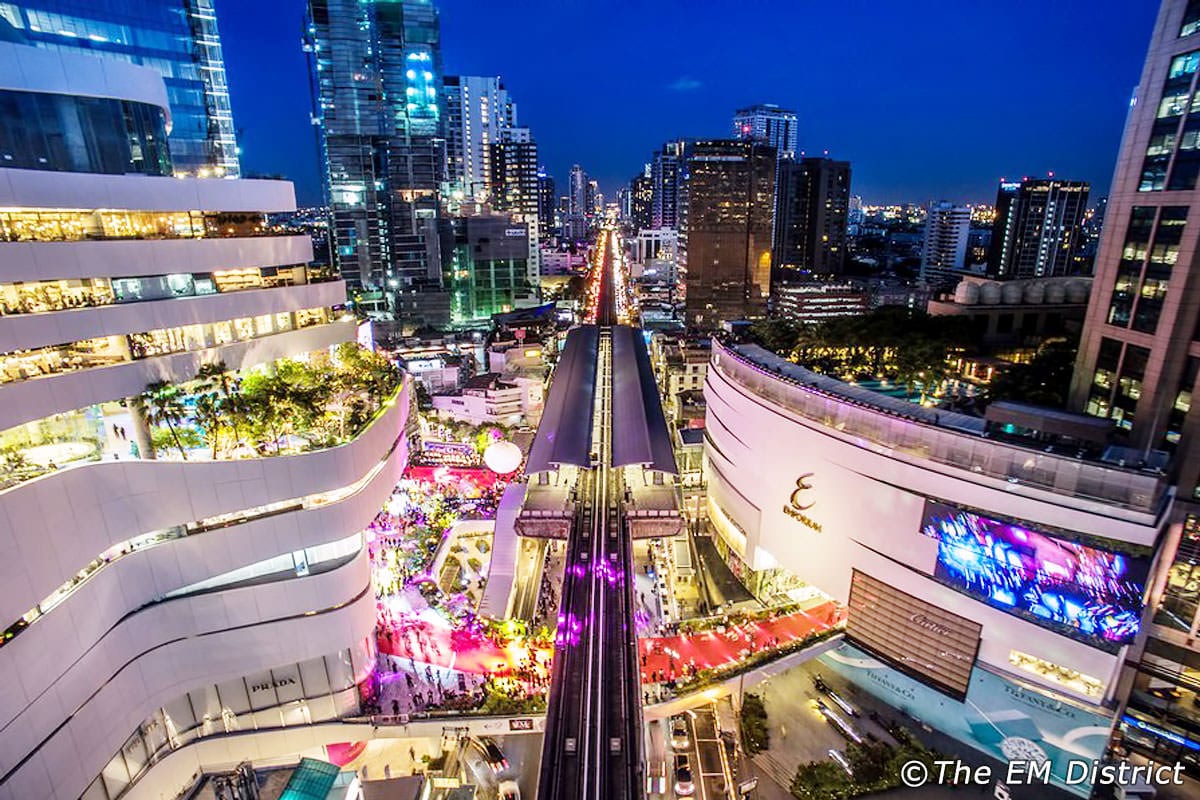
JLL lists Dubai as the world’s fastest-growing retail destination, with Shanghai second and Beijing third. Places 9 to 13 are occupied by Bangkok, Chengdu, Kuala Lumpur, Jakarta and Manila, respectively. Only two European cities make the top 20 — Moscow and Istanbul — with none from Africa. Mexico City is the sole city from the western hemisphere, sitting at number 19.
Overall, JLL lists London as the “most attractive” city for retailers, with Hong Kong second and Paris third. Dubai, Singapore, Shanghai, Tokyo and Beijing all make the top 10, with Bangkok, Taipei, Seoul and Osaka in the top 20.
Shanghai at night. The Chinese megacity is projected to be one of the world’s retail hubs in the coming years (Photo: Simon Roughneen)
The study looks at the presence of 240 international retail brands in 140 cities — which altogether make up 36% of the world’s gross domestic product, 13% of the global population and a third of total worldwide consumer spending.
“The search for growth is escalating the penetration of international brands across the world’s most attractive retail cities, especially in Asia,” said David Zoba, chairman of JLL’s Global Retail Leasing Board.
Asia catching up
Many Western economies continue to suffer from slow growth — in stark contrast with Asia, where the International Monetary Fund predicts overall growth of more than 5% in 2016-17 and describes the region as “the engine of the global economy.”
Asia is urbanizing rapidly as economies develop and incomes rise, meaning that big global brands will increasingly look to Asia as a source of consumers. World Bank research shows that nearly 200 million people in the East Asia and Pacific region –excluding India and its heavily populated neighbors such as Pakistan — moved from the countryside to cities during the decade after 2000.
In 1800, only 3% of the world’s population lived in cities, a figure that rose to 13% by 1900. Now more than half the world’s population is urbanized, with projections that 70% or more of the world will live in urban areas by 2050. And while in the 19th and 20th centuries urbanization was mainly a Western and Japanese phenomenon, developing countries are catching up fast, particularly in Asia.
Despite the steady rural-urban shift, only 36% of East Asia’s population had moved to urban areas by 2010, with only Japan, Malaysia, South Korea and Taiwan having larger urban than rural populations.
While China had by far the largest absolute numbers of people moving to cities, smaller countries such as Cambodia, Laos and Vietnam showed higher rates of urbanization. Laos more than doubled its small urban population, while high-growth economies such Cambodia and Vietnam both had between 4% and 4.5% annual urban population growth rates. Retail investors are noticing opportunities even in smaller cities such as Phnom Penh, where Japanese mall operator Aeon opened the city’s first large shopping mall in 2014.
Asia’s cities will continue to grow over the coming decades as the region becomes wealthier. McKinsey Global Institute expects that in the next 15 years, “the center of gravity of the urban world will move south and, even more decisively, east.” According to MGI, half of global GDP in 2007 came from 380 developed world cities, with the 22 biggest cities in developing countries contributing a mere 10%.
However, MGI predicted that by 2025 half of the cities in its 2007 rankings will not make the list, with 136 developing world cities entering its ranking of the 600 biggest urban economies — including 100 from China alone.
“By 2025, developing-region cities of the City 600 will be home to an estimated 235 million middle-class households earning more than $20,000 a year at purchasing power parity (PPP),” MGI reported. The figure is larger than the 210 million such households expected in the cities of developed regions.
Thinktank Oxford Economics said that cities such as Chengdu, Hangzhou and Wuhan “will become as prominent in 2030, in economic terms, as cities like Dallas and Seoul are today.”
Shift east
The thinktank predicted that by 2030 eight European cities will drop out of the global top 50 cities ranking, measured by GDP, while nine Chinese cities will join that group, taking the Chinese total to 17, which will be more than North America and four times more than Europe.
In turn, the thinktank said, this will mean more Asian consumers with money to spend. “Starting from a comparatively low base today, China will boast some 45 million high-income urban households (exceeding $70,000 per annum at 2012 prices and exchange rates) by 2030, putting it well ahead of Europe and hot on the heels of North America. Shanghai will jump from a rank of 69th today to 8th for its number of high-income households in 2030,” Oxford Economics said.
Otherwise, however, the seven megacities with the most high income residents will remain the same as today, with Tokyo leading New York, London, Osaka, Los Angeles, Paris and Chicago.
But Asian cities are set to add tens of millions of middle-income households (incomes between $10,000 and $70,000) to their ranks by 2030. Jakarta will be home to 9.4 million, with 7 million to 9 million more in each of Chongqing, Shanghai, Tokyo and Beijing, the projected top five cities ranked by population of middle-income households, according to the thinktank.
JLL said that for retailers, vying for market share in emerging economies is sometimes risky, but the potential prize — market access to vast populations and rapidly expanding middle classes — outweighs any perils.
For example, China’s anti-corruption crackdown has had “a knock-on effect” on the luxury goods market in the world’s second-biggest economy, said James Hawkey, JLL’s head of retail for China. But retailers are nonetheless “increasingly comfortable dealing with these risks, and generally have their eyes on the long-term prize of establishing a strong position in major world markets.”
Although incomes and spending power remain lower in many Asian countries and cities than in the West, part of the attraction of smaller, less-developed markets is relatively low rental costs.
“Places like Ho Chi Minh City, Jakarta and Bangalore present an opportunity for retailers to establish their brands at rents of less than $2,000 per square meter per year with projected in-store sales increasing by 8% to 10% until 2019,” JLL reported.
Wealthy mid-sized cities or trade-oriented city-states such as Singapore and Hong Kong also benefit from high numbers of visitors such as tourists or business travelers.
But Asia’s urbanization will not mean that rural dwellers will be ignored by retailers, particularly in China.
“Retail potential in Asian hubs is strongly influenced by what is happening in their hinterlands — what is happening in nearby provinces and/or countries,” Steven McCord, JLL’s head of research for northern China, told the Nikkei Asian Review.
“Shanghai exerts a ‘gravity effect’ over its surrounding cities and provinces due to its size and the wealth of its retail offer. Therefore, close to 80 million people within day-trip distance to Shanghai will regularly travel to that city for large shopping sprees,” McCord added.
CapitaLand Retail China Trust (CRCT) is acquiring a shopping mall in Chengdu for 1.5 billion yuan (S$303 million).
Galleria is located in the Xinnan Tiandi retail precinct of Gaoxin District in the south of Chengdu, a major shopping belt in the city.
The mall has been valued at 1.52 billion yuan by Savills Valuation & Professional Services as at July 26. Including acquisition-related expenses, the total investment cost for the mall is expected to be about 1.527 billion yuan. CRCT plans to finance the purchase with a mix of existing cash and additional debt.
When the transaction is completed, the acquisition will enlarge CRCT’s portfolio size by about 14 per cent to 12.55 billion yuan. The mall has a current net property income yield of about 5.4 per cent and the acquisition is expected to be distribution per unit-accretive for CRCT.
Tony Tan, chief executive of the manager of CRCT, said: “The proposed acquisition will diversify CRCT’s income and strengthen the resilience of our portfolio to deliver sustainable growth. With the opportunity to tap on CapitaLand’s network of five existing malls in Chengdu, the proposed acquisition is aligned with CRCT’s investment strategy to expand our footprint by leveraging on our sponsor’s strong presence in key Chinese cities where it has a competitive edge.”
Leases accounting for about two-thirds of the mall’s total rent are up for renewal by 2018, which will give it an opportunity to boost rental income by adjusting the tenant mix, he added.
The six-storey mall, which opened its doors in 2010, has a gross floor area, excluding car park, of about 53,619 square metres and 900 car park spaces. As at end-May, it was fully occupied.
Hong Kong-listed Joy City Property has opened its newest Mainland China mall – Joy City Chengdu.
The new 400,000 sqm mall opened its doors on Christmas Eve – five days after the opening of sister mall, Joy City Shanghai.
Joy City Property describes the Chengdu development as China’s “first experiential recreation-cum-shopping park”.
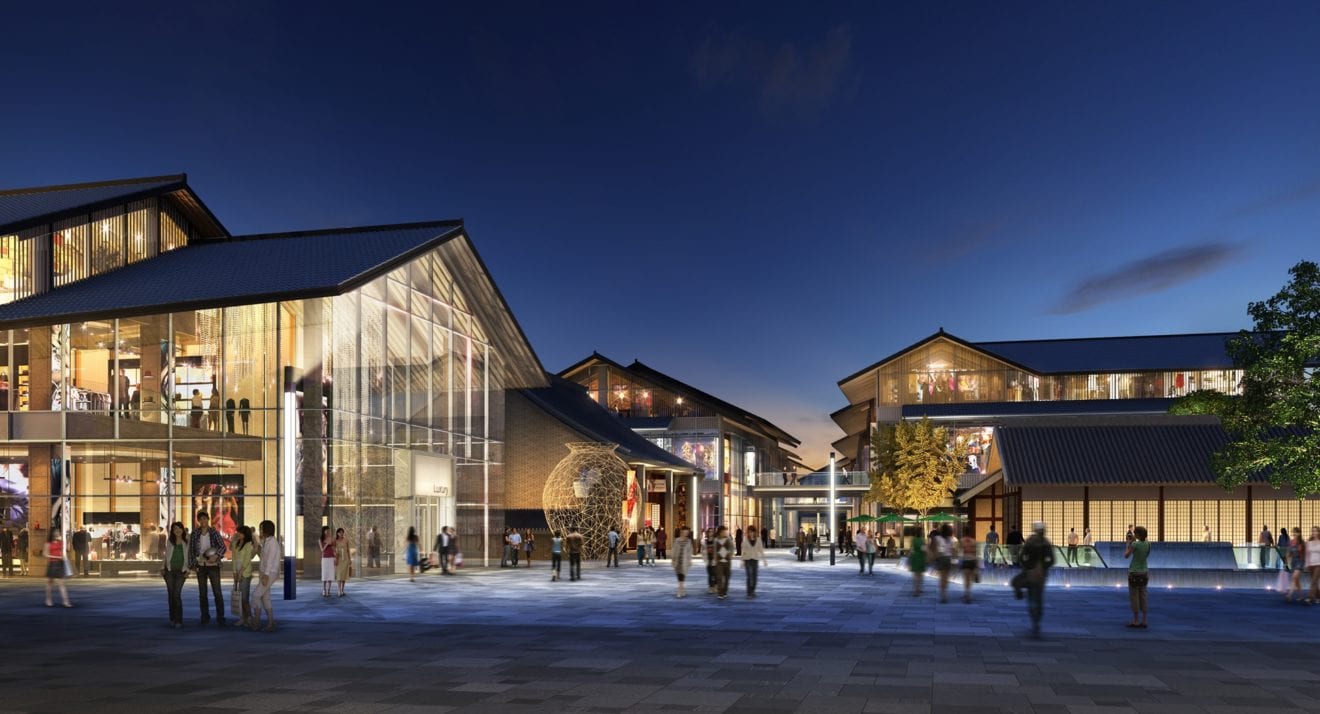
Located in the Wuhou District of Chengdu, Sichuan Province, Chengdu Joy City is also the company’s first Joy City project in the southwestern part of the country. Chengdu Joy City’s main building is comprised of a grade-A office building, shopping centres and themed indoor pedestrian streets.
“Inspired by the scenery of the renowned Jiuzhai Huanglong, the architectural design of Chengdu Joy City incorporates elements of Chengdu’s lifestyle and culture, and showcases Joy City Property’s innovation in creating unique modern shopping spaces,” the company said.
In Joy Street, a round-the-clock themed commercial district of Chengdu Joy City, consumers can enjoy various activities including bars, a mini-theatre, KTV, a video game arena, a studio for creative arts, boutiques, restaurants offering Chengdu cuisine, the largest indoor playground for children in southwestern China and a farm themed adventure park. In addition, there is the Gulu School for original living which consists of 44 creative boutiques in various styles. Serving as a landmark for leisure and social life, the Gulu School fills the gap in the regional market for shopping space.
Zhou Zheng, VP of Cofco and chairman of Joy City Property, said the development marks his company’s “great stride in expansion of the domestic market”.
“This experiential recreation-cum-shopping park is expected to become a landmark for a new style of living and consumption among the locals. Overall, the earlier successful opening of Shanghai Joy City and the grand debut of Chengdu Joy City on Christmas Eve this year mark a milestone in Joy City Property’s development.”
Apple, continuing its aggressive retail expansion in China, has announced that it will be opening its 22nd retail store in the country in Chengdu, a major city in Sichuan Province, on Saturday, November 21 at 10:00 AM local time. The new store is slated to open less than a month after the grand opening of the 21st Apple Store in China in the major port city of Dalian on October 24.The new Chengdu store will be located in the upscale Taikoo Li shopping plaza at 8 Middle Shamao Street in the Jinjiang District, where several high-end retailers such as Gucci, Omega and Zara are located. The store will be open 10 AM-10 PM local time everyday and offer traditional Apple Store services, including the Genius Bar, Workshops, JointVenture, events and seminars.
Apple has also posted new job listings for its first retail store in Singapore, which is rumored to open in late 2016 at the Knightsbridge four-story luxury shopping center. The company is looking for Specialists, Geniuses, Creatives, Business Specialists and other traditional Apple Store positions.
Apple does not currently have an official retail presence in Singapore, a large city-state and country south of Malaysia in Southeast Asia, but the Apple Online Store and dozens of Apple Authorized Resellers operate in the region. The closest physical Apple Stores are located several hours away by plane in Australia and Hong Kong.
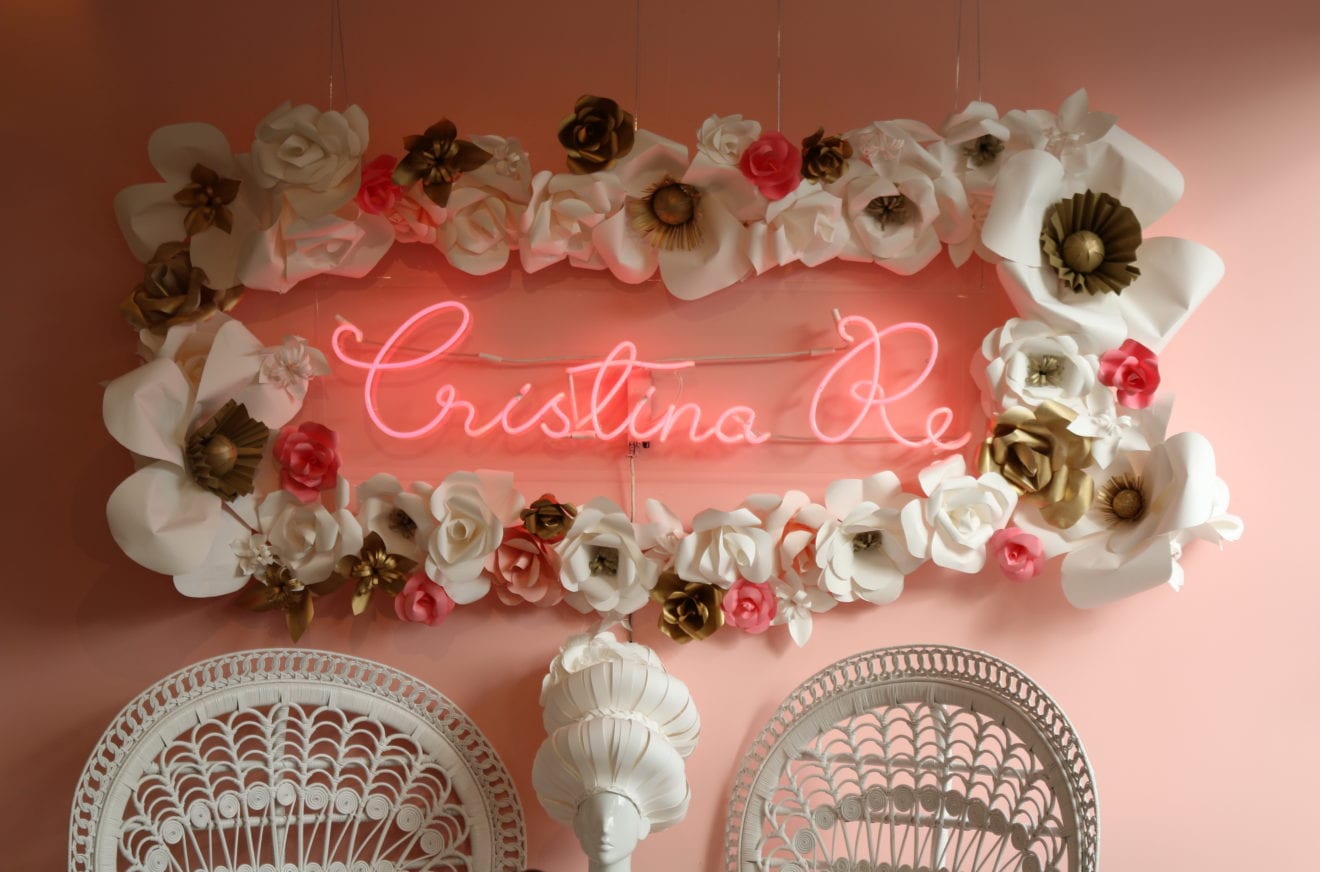
Australian way of life model Cristina Re has opened its first stand alone Excessive Tea Salon and Boutique in Chengdu, China.
The brand new retailer is situated on the just lately opened Taikoo Li retail complicated in Chengdu an opulent new mall which units a brand new commonplace in purchasing and eating within the metropolis.
Taikoo Li presents a variety of luxurious manufacturers in a single luxurious complicated whereas sustaining the quaint really feel of a boutique lined aspect road. Luxurious tenants within the centre promise to impress with flagship shops from Gucci, Cartier, Hermès, and Jimmy Choo, amongst others. No expense has been spared within the complicated match out of Taikoo Li which targets the town’s rising center class.
Cristina Re says she selected Chengdu for the tea salon idea’s debut as a result of it’s considered one of China’s quickest rising markets for luxurious items.
“Residents of Chengdu have a robust want for western labels and to immerse themselves in Western tradition.”
The brand new retailer options the newest in excessive finish structure and inside design, the results of an in depth collaboration between Cristina Re and the designers who sought to create a sense of “atmosphere and splendor”.
The salon options white marble flooring, bronze and copper fitouts, bespoke white leather-based furnishings and an opulent outside courtyard invoking a sensation of indoor/outside dwelling suited to the hotter local weather.
Cristina’s trademark aesthetic of making an expensive and indulgent excessive tea expertise has been prolonged inside the retailer to incorporate a full à la carte menu ready by a well-known worldwide chef from Hong Kong and that includes a fusion of Japanese and Western delicacies with natural produce sourced from around the globe.
The model says an in depth cocktail and Champagne supply will attraction to the extremely social and classy Chengdu crowd.
The Cristina Re retailer in Taikoo Li is the primary in a “multifaceted retail technique” the corporate is planning for China together with additional enlargement all through Asia within the coming two years.
In Australia, Cristina Re is understood for her signature and opulent trendy patterns and female type executed throughout a various product vary from stationery to house decor in a mess of boutiques all over the world.
Increasing the Cristina Re Model into China is a big transfer for the label that started over 20 years in the past and presently provides greater than 1000 wholesalers.
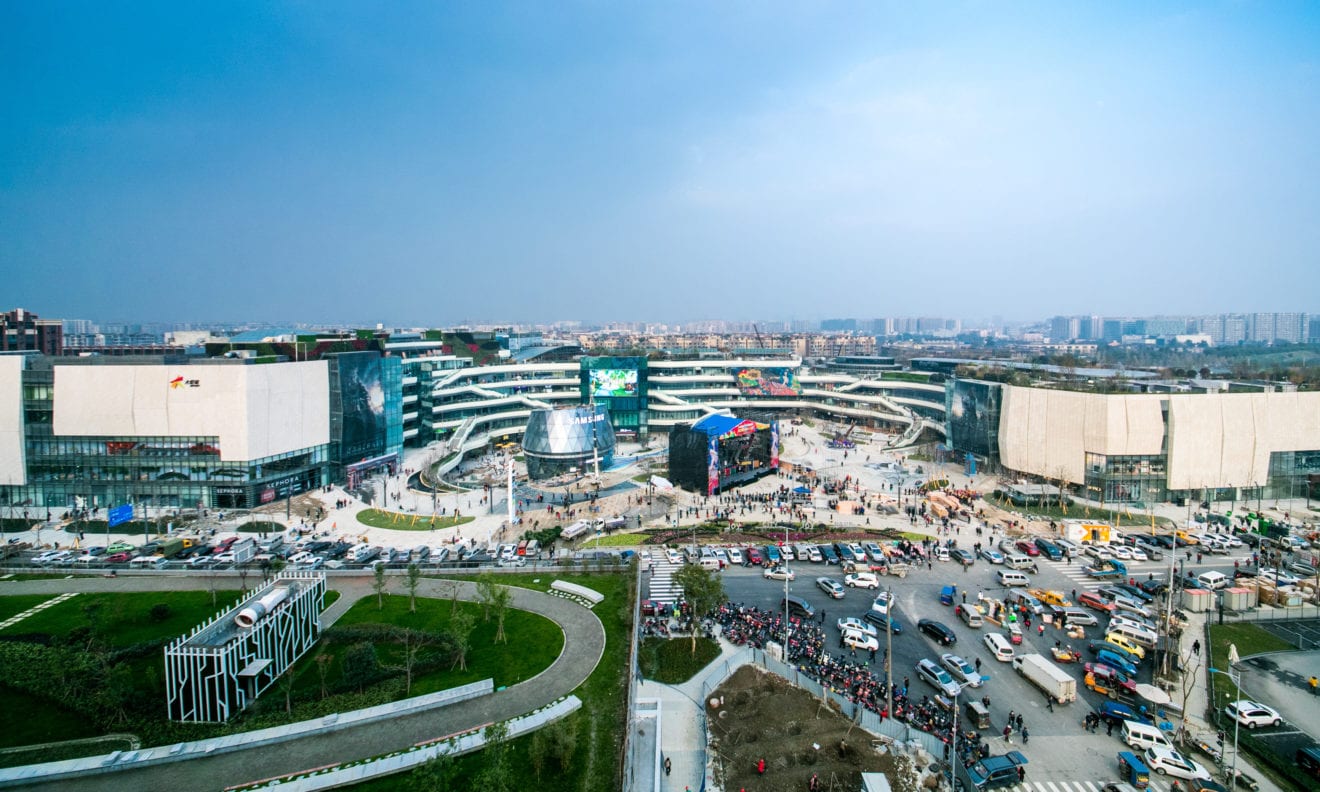
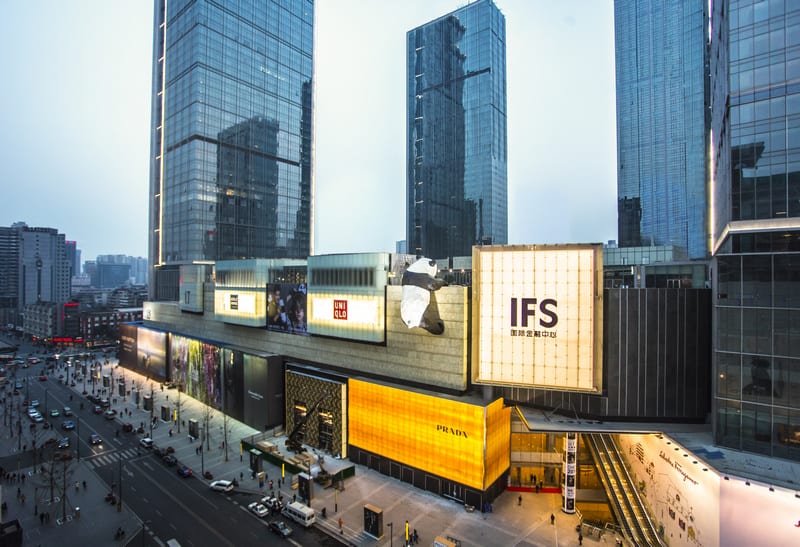
The 206,000sqm Chengdu IFS mall which opened last year is trading 21 per cent ahead of budget.
The mall’s success helped drive Hong Kong-based parent The Wharf Holdings’ Chinese revenues by 57 per cent to HK$1.984 billion in 2014. Operating profit in the market rose 30 per cent to HK$991 million.
Located on the prime intersection of Hongxing Rd, Dacisi Rd and Beishamao St, Chengdu’s busiest pedestrian shopping area, the IFS (International Finance Square) mall is modelled on The Wharf’s Harbour City mall in Hong Kong.
The total development area of 760,000 sqm features a mega shopping mall designed by Benoy, two premium-grade A office towers designed by Kohn Pederson Fox Associates, a luxurious residential tower and a premium hotel. The mall and the office towers were completed in 2014 and the full development will be completed this year.
“Since its opening in early 2014, the mega mall has become a one-stop lifestyle shopping landmark in Western China, thanks to its unparalleled location, critical mass, world-class management and services,” said The Wharf in its 2014 profit announcement.
“Its most comprehensive trade mix, lifestyle and entertainment offering fuels strong demand from the rising middle class. The presence of nearly 300 of the world’s most coveted brands (including over 100 debut stores of renowned brands in Western China) underlined retailers’ confidence in Wharf’s management expertise. With its 530 metre retail street frontage on par with Harbour City’s Canton Rd frontage, Chengdu IFS is comparable to Harbour City in terms of showcase effect and attraction power.”
The mall is over 99 per cent leased, with 98 per cent of shops already trading. Since its opening, retail sales jumped 400 per cent and foot traffic by 250 per cent at year-end.
The mall generated a revenue of RMB483 million in 2014, 21 per cent above target, and is expected to reap an annual retail revenue of RMB600 million at full operation.
Further China success
The Wharf’s other properties also enjoyed improved fortunes in 2014.
Shanghai Times Square, located on Huaihai Rd, has been transformed into a high-end retail destination with the largest Lane Crawford store in China and a mega lifestyle specialty store City’Super, upon completion of its substantial renovation in 2013. The renewed mall alongside the new cluster on HuaiHai Rd and the new Lane Crawford complements one another and creates value. Shanghai Times Square was over 99 per cent occupied at year-end after the tenant mix was further refined with the addition of new brands, culinary and lifestyle tenants.
The Wharf group is developing five IFSs in China, with a scale comparable to or surpassing that of Harbour City and Times Square in Hong Kong. These IFSs, upon full completion by 2017, will significantly enhance the group’s recurring income base in China and be a significant growth driver.
Award-winning book retailer Fang Suo Commune has opened another stunning store – this time in Chengdu, China.
Two more are planned later this year – one in Chongqing in March and another in Qingdao later in the year. It is already planning a Shanghai store for 2017.
The original Fang Suo Commune store, in Guangzhou was named the world’s best retail store in 2013 in the prestigious World Retail Congress Awards. According to Chinese news reports the store turns over as much as 1.5 million yuan (US$240,000) a day, although books account for just 35 per cent of that figure.
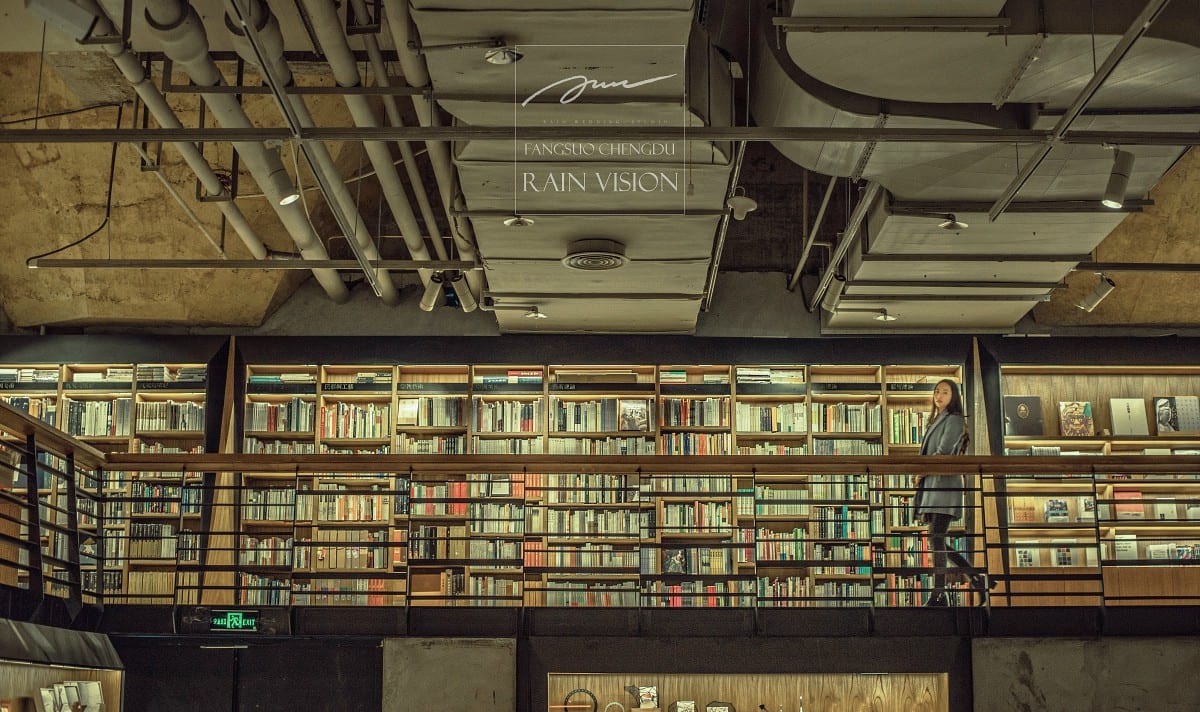
The Fang Suo concept is more than a retail store. The founders want to encourage shoppers to relax and ‘hang out’ in store, as well as to shop. It features a cafe, a home living collection and space for cultural events.
The 4000sqm Chengdu store officially opened at the end of January but during a two-month long ‘soft opening’ it attracted between 7000 and 20,000 visitors per day – twice the number of Guangzhou.
“A brick-and-mortar bookstore that only sells books is unable to survive in the digital age,” Fang Suo Commune chief consultant Liao Mei-li said at the Chengdu opening ceremony.
“However, what’s amazing about the book industry is that it can do crossovers with many other industries such as beverages and movies. There is a market for such cross-industry bookstores,” Liao said.
“To achieve business success, a cross-industry bookstore needs a big enough scale. But most importantly, we need a professional team to operate it. The leading members in Fang Suo’s team all have more than a decade of experience in the book or retail industry,” Liao said.
The two-storey store, located in Taikoo Li Mall, features a 100 metre long display of books on either side of a giant room and handcrafts selected from all over the world on display tables in the centre.