Tag: Chery

  • BAIC Launches Xingtan 5X SUV from 126,900 Yuan in China

    BAIC Launches Xingtan 5X SUV from 126,900 Yuan in China

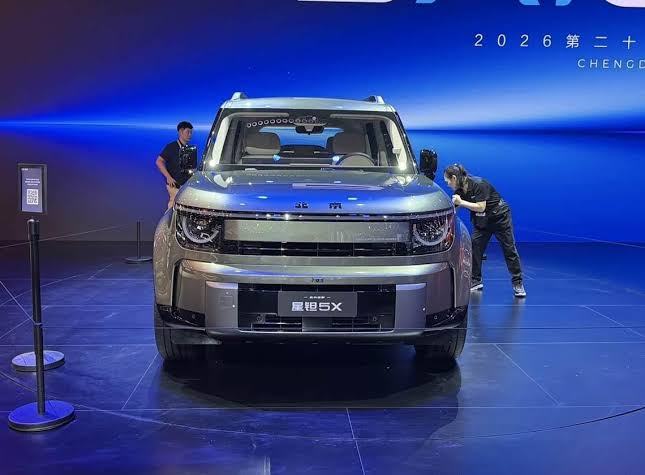
    BAIC Group launched the Xingtan 5X sport utility vehicle on Thursday with a limited-time base price of 126,900 yuan ($18,890) across battery electric and plug-in hybrid powertrains.

    The five-seat mid-to-large model generated 30,208 orders during its 23-day pre-sale run leading up to the official rollout.

    Pricing Structure and Trim Levels

    Beijing Off-road built the Xingtan 5X across seven distinct configurations. Standard guide prices run between 129,900 yuan and 174,900 yuan, reduced by a uniform introductory discount of 3,000 yuan to range from 126,900 yuan to 171,900 yuan.

    Buyers choose between three pure battery electric vehicle (BEV) trims and four plug-in hybrid electric vehicle (PHEV) models. BEV list prices span 129,900 yuan to 159,900 yuan before the discount. PHEV guide prices start at 134,900 yuan and top out at 174,900 yuan.

    Dimensions reflect the boxy utility silhouette popular in China’s recreational segment. The SUV measures 4,865 mm long, 2,000 mm wide and 1,910 mm tall, riding on a 2,875 mm wheelbase under a flat roofline.

    Huawei Hardware and Cabin Systems

    Driver-assistance technology forms the core competitive pitch for the mid- and upper-tier models. BAIC integrated Huawei’s Qiankun ADS 5 Pro package on select variants, which start at limited-time prices of 146,900 yuan for the BEV and 151,900 yuan for the PHEV.

    Vehicles fitted with the Huawei setup carry 27 sensors alongside an in-cabin solid-state LiDAR unit mounted behind the windshield. The suite bundles Highway Navigation Cruise Assist, route-retracing reverse assistance, remote parking and exit-first automated parking. Operating the urban navigation assistance functions requires a paid subscription service.

    Display configurations change across the pricing ladder. Base editions carry a 15.6-inch center touchscreen paired with an 8.8-inch driver instrument screen. Higher-specification models install dual 15.6-inch cabin displays driven by Qualcomm’s 8295P processor.

    Platform Performance and Range Specs

    Pure electric options use an 800-volt electrical architecture driving a single 227 kW rear motor producing 304 horsepower. An 81.9 kWh battery delivers 625 km of CLTC range, with DC fast charging moving the cell from 30 percent capacity to 80 percent in 14.5 minutes.

    Plug-in hybrid grades rely on a 1.5-liter turbocharged petrol engine paired with a 50.4 kWh battery pack. Two-wheel-drive PHEV versions rely on a 200 kW front-mounted motor for 310 km of pure-electric CLTC range. Four-wheel-drive variants bolt on a second 200 kW motor at the rear axle to generate 400 kW of combined motor output, achieving 285 km of battery-only range. These all-wheel editions also add a mechanical rear locking differential, crawl control and 14 all-terrain driving programs.

    Market Rivalry and Brand Headwinds

    Commercial headwinds remain substantial despite the sharp pricing. BYD commands substantial showroom loyalty with its Fang Cheng Bao Tai 7, while Chery aggressively markets its iCar V27 to urban drivers wanting off-road aesthetics. BAIC has struggled to build equivalent consumer cachet in China’s electric vehicle retail sector.

    Squeezing prices below 130,000 yuan pressures component margins throughout BAIC’s off-road division. Supplying costly 800-volt packs and optional LiDAR units inside this price band forces suppliers to absorb steep price cuts to keep the platform viable against higher-volume carmakers.

    The Xingtan launch follows an earlier brand initiative by Beijing Off-road, which unveiled its luxury off-road nameplate Taitan in July before delivering the Taitan 700 to dealerships on August 25. That top-end vehicle established BAIC’s premium rugged design language prior to the Xingtan volume rollout.

    Deliveries across domestic dealership networks will demonstrate whether the 30,208 pre-sale reservations translate into sustained monthly registrations against established domestic rivals.
  • Chery Explores Canada Factory Plans Ahead of 2027 Retail Debut

    Chery Explores Canada Factory Plans Ahead of 2027 Retail Debut

    Chery is evaluating options to manufacture vehicles in Canada ahead of a planned retail sales rollout in 2027.

    Executive vice president Zhang Guibing confirmed the automaker is examining idle manufacturing capacity at existing Canadian automotive assembly plants while speaking with local investment partners.

    The plan involves either acquiring spare production lines or constructing assembly operations alongside regional backers. Canada holds viable commercial demand on its own merits without needing vehicle access across the United States border, Zhang said during briefings at the company headquarters in Wuhu, Anhui province.

    Tariffs and Bilateral Import Quotas

    Ottawa updated its trade rules for Chinese-built electric models following an agreement struck in January. That pact established an entry quota allowing 49,000 imported Chinese electric vehicles per year at a most-favoured-nation tariff rate of 6.1 per cent, with volume thresholds scheduled to climb annually.

    Washington maintains high tariff barriers alongside technological bans that effectively shut Chinese brands out of the American domestic network. United States officials have stated that Chinese-badged passenger cars assembled or routed via Canadian hubs will face border blockades. Establishing Canadian assembly grounds gives Chery a domestic base insulated from third-party cross-border restrictions.

    Canadian Industry Minister Melanie Joly travelled to China in June for talks with Chery, Geely and BYD regarding local joint ventures. Charlie Zhang, vice president at Chery, conducts direct discussions with Joly regarding factory structures.

    Offshore Factory Expansion Across Key Continents

    Domestic automotive price wars inside mainland China have forced original equipment manufacturers to secure higher margin vehicle volume outside Asia. Assembling cars inside host territories shields carmakers from emergency tariffs while cutting maritime logistics costs.

    Chery already operates a joint venture manufacturing facility in Spain. The group acquired Nissan’s former production plant in South Africa to anchor distribution across the continent, while assessing manufacturing slots inside Nissan’s Sunderland facility in the United Kingdom.

    Rival brands from China are following identical tracks into the Canadian car market. Geely confirmed plans on October 9 to deliver its opening vehicle range to Canadian showrooms in 2027, while BYD has reviewed site locations to establish domestic vehicle production.

    Timeline for Production and Sales Milestones

    The outreach to North America follows an active model offensive across international auto markets, including the display of Chery’s Jetour G700 sports utility vehicle at the Beijing Auto Show in April 2026.

    Operating within Canada enables Chinese carmakers to test local consumer acceptance, dealer network recruitment and service logistics before taking on broader Western vehicle markets. The main commercial risk sits with supply chain integration, as component suppliers must establish local links to keep production lines viable.

    Canadian government ministries are reviewing partner submissions as Chery vets prospective factory facilities before its planned retail vehicle launch in 2027.

  • Audi Appoints Former Chery CEO Jeff Zhang as China President

    Audi Appoints Former Chery CEO Jeff Zhang as China President

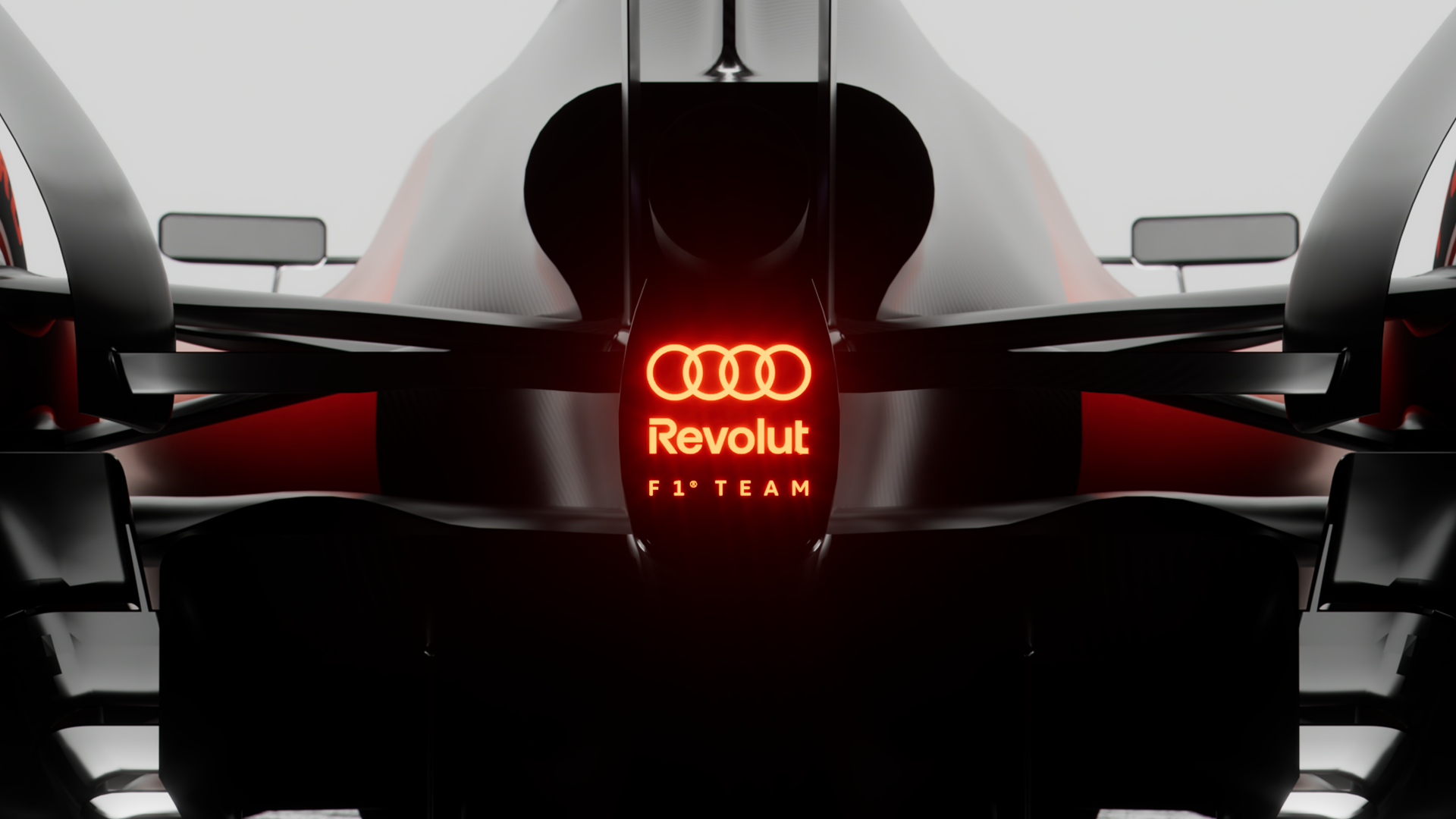
    Audi announced on Thursday that former Chery brand CEO Jeff Zhang will take over as president of Audi China on November 1, replacing Johannes Roscheck.

    Rolf Michl, chairman of the management board of Audi Sport GmbH, steps in on the same date as chief operating officer to form a dual-leadership board of management with Zhang.

    Roscheck, who has led Audi China since April 2024, will hand over duties before returning to Ingolstadt in early 2027, while Rouven Mohr assumes interim leadership of Audi Sport GmbH on November 1.

    The Two-Brand Joint Venture Split

    The management overhaul accompanies an operational division of Audi’s manufacturing partnerships in China. Under the updated operating structure, SAIC Audi will handle exclusively the AUDI sister marque, while FAW Audi retains the legacy four-ring emblem covering combustion and global electric vehicle lineups.

    The standalone AUDI brand drops the classic four interlocking rings in favor of capital letters tailored specifically for buyers in mainland China. On September 3, Audi and SAIC Motor established the AUDI Innovation & Technology Center in Shanghai to engineer dedicated models for that portfolio.

    Zhang brings more than 20 years of automotive operations experience to the role. He previously served as vice president of Chery International, directed Chery’s European division, managed Chinese operations for Alfa Romeo and DS Automobiles under Stellantis, and worked at Nissan across Japan and North America. Between 2018 and 2020, Zhang worked within Audi China to build the sales footprint at SAIC Audi and steer joint projects with FAW Audi.

    Foreign Luxury Marques Under Local Pressure

    Foreign premium automakers in China face severe volume contraction as domestic electric brands eat away at traditional luxury segment dominance. By putting a Chinese automotive veteran at the helm, Audi is shortening regional reporting lines to counter pricing pressure and faster product iteration from domestic carmakers.

    German premium brands spent decades relying on centralized vehicle designs. That playbook failed to anticipate how fast Chinese buyers shifted toward connected software platforms, leaving legacy imported architectures exposed in dealership showrooms.

    Dual-Leadership Architecture at the Operating Level

    Michl balances the commercial side with product experience from Audi’s performance business. He has run Audi Sport GmbH since September 2022, managing RS high-performance cars and Audi exclusive customization programs after starting in product marketing in 2007.

    The split board answers directly to Audi chief executive Gernot Döllner, who is restructuring international divisions to defend Chinese sales volumes. Dividing the executive mandate allows Zhang to negotiate regional dealer networks while Michl protects component integration with global platforms.

    First Joint EV Platform Targets 2028 Debut

    The leadership transition follows two months of structural reorganisation across Audi’s Chinese corporate footprint. SAIC Audi and FAW Audi operated overlapping showrooms for years, complicating sales operations and discounting discipline across provincial dealer groups.

    SAIC and Audi plan to develop four production models on the co-developed ADP 2.0 platform through the new Shanghai engineering center. The first electric model from that pipeline is scheduled to reach the market in 2028.

  • China Warns UK of Firm Retaliation over Electric Vehicle Tariffs

    China Warns UK of Firm Retaliation over Electric Vehicle Tariffs

    China’s Ministry of Commerce threatened countermeasures against Britain on Monday if London introduces import duties on Chinese electric vehicles. The warning follows British trade minister Anas Sarwar’s remarks confirming ongoing discussions with European partners over potential alignment with European Union tariffs of up to 45.3 per cent.

    Beijing urged the UK to follow World Trade Organization rules and maintain equal trade terms rather than copying Brussels. Automotive cooperation between both countries relies on complementary strengths, the ministry said in an official statement.

    “China will closely monitor the UK’s actions. If the UK insists on imposing restrictions on Chinese EVs, China will take firm countermeasures to safeguard the legitimate rights and interests of its industry,” the ministry said.

    London weighs European market access

    British officials are balancing domestic trade ties with European supply integration. London wants British manufacturers included in the EU’s Industrial Accelerator Act, a framework giving local production preferential access to public procurement programs.

    Exclusion from that initiative would penalize vehicle assembly operations across Britain. To secure access, EU negotiators asked London to align vehicle tariffs directly against Chinese carmakers, turning trade protection into an entry fee for European industrial policy.

    Retaliation risks for British exporters

    British Business Secretary Jonathan Reynolds acknowledged the friction in September, pointing out that the domestic automotive manufacturing base relies heavily on export markets. Any Chinese tariff retaliation would hit British luxury vehicle shipments hard, slicing into margins for premium brands that count China as their primary profit engine outside Europe.

    For Chinese original equipment manufacturers, losing tariff-free access to Britain would alter dealer pricing models and compress gross margins on mass-market models like the MG4 hatchback. Importers would have to absorb the cost difference or pass price increases to British car buyers, dampening EV adoption rates across consumer segments.

    The fallout from the 2024 duties

    Brussels imposed definitive countervailing duties on Chinese battery electric vehicles for five years in October 2024. Those levies added between 7.8 per cent and 35.3 per cent on top of standard 10 per cent baseline import duties, pushing total import taxes to 45.3 per cent for affected producers.

    Britain chose not to replicate those duties at the time, keeping its market open and becoming an essential European distribution hub for Chinese automakers. The European Commission subsequently urged London in September to eliminate that regulatory gap.

    Expansion plans continue regardless

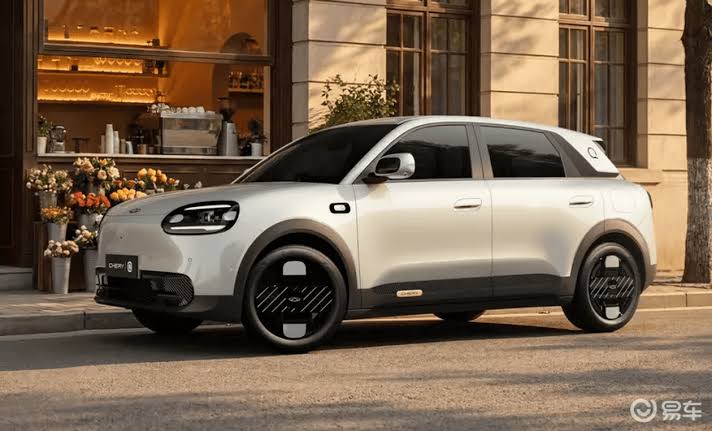
    Chinese brands are pressing ahead with British retail distribution networks despite the regulatory dispute. Chery plans to introduce its iCar brand into the UK market under the name iCaur with the launch of the V27 in early 2027.

    That rollout will represent Chery’s fifth distinct brand trading in Britain. Whether those vehicles face standard import duties or double-digit countervailing penalties depends on the final terms London negotiates with Brussels over the coming months.

  • Chery to Launch iCAUR EV Brand in Britain in Early 2027

    Chery to Launch iCAUR EV Brand in Britain in Early 2027

    Chery plans to launch an electric sport utility vehicle under its iCAUR marque in Britain in early 2027. The debut expands its product line in Europe’s second-largest vehicle market.

    Registration data from the Society of Motor Manufacturers and Traders shows Chery’s collective brands captured a 7 per cent market share in Britain through September. That volume makes the Wuhu-based company the top-selling Chinese vehicle group in the country. It ranks second overall behind Volkswagen.

    Expanding Multi-Brand Lineups Across Britain

    The iCAUR launch brings a dedicated five-seater electric SUV to British showrooms three years after Chery entered the UK with its Omoda line. Chery International currently sells vehicles in 40 overseas markets.

    This model will sit alongside four existing marques Chery already distributes in Britain: Chery, Omoda, Jaecoo and Lepas. Managing multiple nameplates allows the manufacturer to target separate consumer brackets without diluting individual badges.

    Rival Chinese Automakers Step Up European Assembly

    Chinese manufacturers are pressing into Europe with pricing and software packages designed to undercut legacy domestic brands. Chery held a 2.3 per cent share of total vehicle registrations between January and August across the European Union and the European Free Trade Association.

    Competition among Asian exporters is accelerating. BYD took 2.5 per cent of European registrations over the same eight-month period. It plans to open a factory in Hungary in late 2026 and assemble all European-market vehicles locally by 2028. Changan is negotiating local manufacturing partnerships to begin regional assembly in early 2027.

    Tariff Hurdles and Manufacturing Strategy

    Brussels has imposed countervailing tariffs on Chinese-built battery electric vehicles. This policy has driven carmakers to establish local production hubs inside European borders. Chery bypassed greenfield construction by taking a 40 per cent stake in a joint venture with Spanish manufacturer EBRO.

    The venture will build vehicles at a repurposed former Nissan plant in Barcelona. Plant output targets reach up to 30,000 units. The facility gives Chery a production base within the tariff zone to supply southern and western European dealerships.

    The Timeline to 2027

    Chery laid the groundwork for its current British sales volume by introducing Omoda, followed by Jaecoo and Lepas models. British buyers accepted the alternative badges faster than continental consumers. That response established the UK as Chery’s strongest European profit center.

    Production at the Barcelona joint-venture facility will begin between late 2026 and the first quarter of 2027. That timing lines up with the arrival of the iCAUR five-seater SUV in British showrooms.

  • Chinese Automakers Double Paris Car Show Presence with 20 Brands

    Chinese Automakers Double Paris Car Show Presence with 20 Brands

    Around 20 Chinese automotive brands unveiled new models at the Paris car show on Oct 12. They doubled their presence from 2024 to capture European market share.

    Passenger vehicle sales across China fell 20 percent in the first half of 2026. That drop forced domestic manufacturers to accelerate overseas distribution.

    Car manufacturers from China and Europe presented up to 60 new models at the event. Chinese participants included established exporters BYD, Chery, and SAIC’s MG brand, alongside newer entrants such as Aito. State-owned Changan debuted two separate marques, Nevo and Avatr, targeting retail buyers across Western Europe.

    Export pressure mounts as domestic sales drop

    The United States market is largely closed to Chinese automotive imports. That leaves Europe as the central battleground for manufacturers dealing with price competition at home. Chinese car companies have expanded their European market share steadily over the past three years, relying on aggressive retail pricing and rapid model cycles.

    For retailers and dealership groups across Europe, arriving Chinese marques offer wider inventory margins. But they also bring operational volatility. Multi-brand dealership networks in France and Germany face showroom floor adjustments as new brands compete directly against established European volume models.

    Regulatory headwinds and hybrid curbs

    Tightening trade barriers across the European Union now challenge this product rollout. A recent pact between Brussels and Beijing could cut Chinese hybrid vehicle shipments to the bloc by more than half. Detailed implementation mechanisms remain unpublished.

    Those curbs hit hybrid channels directly. Investment bank Jefferies reported in an Oct 11 client note that BYD, Chery, and SAIC’s MG accounted for 90 percent of all Chinese-brand hybrid vehicle sales in the European Union during the first eight months of 2026.

    Local assembly strategies take shape

    Trade friction has pushed Chinese original equipment manufacturers toward European industrial partnerships. The European Union imposed import tariffs on Chinese-assembled fully electric vehicles in October 2024. Meanwhile, policymakers are drafting minimum local-content thresholds under upcoming Made in Europe rules.

    Several groups are responding by moving production directly onto European soil. Geely Auto confirmed in July that it will manufacture electric sport utility vehicles at a Ford Motor plant in Spain. Geely chief executive Alex Nan met partners on Oct 11 in Paris to reinforce joint manufacturing and powertrain ventures with French carmaker Renault.

    Legacy automakers fight back

    European car manufacturers are defending their home territory with competing entry-level models. Stellantis revealed six production vehicles and nine concept cars in Paris. Its push was led by a low-cost electric Citroen 2CV aimed at halting Chinese market share gains.

    Volkswagen chief executive Oliver Blume stated on Oct 11 that European markets require equal operating conditions. He urged foreign manufacturers selling in Europe to generate domestic employment and industrial value.

    Brussels will trigger the next shift when the European Commission releases draft text for its Made in Europe local-content mandate. That measure will define factory sourcing requirements for electric vehicle sales across the bloc.

  • Chery Delivan Targets 100 UK Dealerships for Electric Van Expansion

    Chery Delivan Targets 100 UK Dealerships for Electric Van Expansion

    Chery Commercial Vehicle brand Delivan plans to establish more than 100 UK dealership sites over the next five years to sell electric delivery vans.

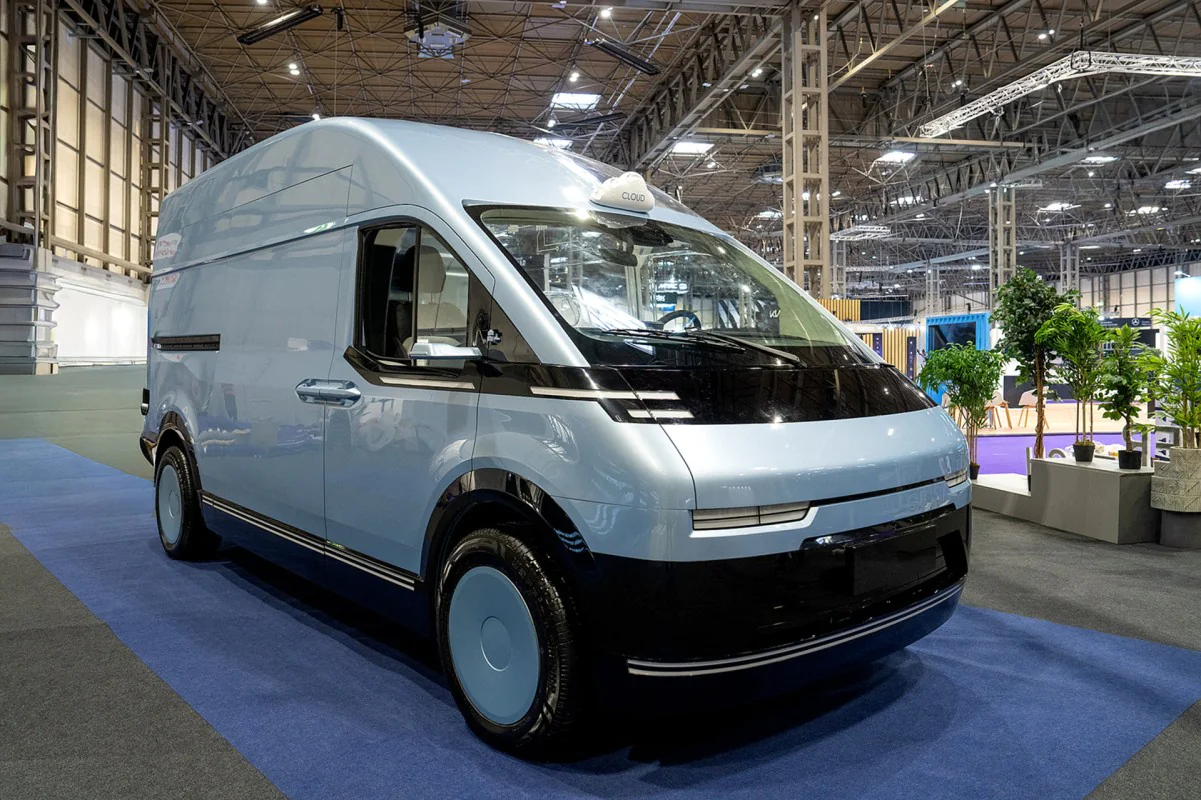
    The Chinese automotive group unveiled its production van range at the IAA Transportation show in Hanover, preparing for commercial deliveries in 2027 across Britain, Germany, France, Spain, Italy and the Nordic region.

    Hardware specifications and conversions

    Delivan built its launch lineup on a single electric architecture, offering battery capacities between 50.4 kilowatt-hours and 97.4 kilowatt-hours. The vehicles deliver up to 426 kilometres of WLTP combined range with speed capped at 100 kilometres per hour, while direct-current fast charging takes the battery from 15 percent to 80 percent in roughly 22 minutes.

    The range includes the L1H1 panel van with a 1,400-kilogram payload, the larger L2H3 panel van offering 11.6 cubic metres of cargo capacity, and the L3 chassis cab supporting payloads up to 2,120 kilograms. Both panel vans carry a 2,500-kilogram towing rating. Delivan also displayed four specialist conversion bodies developed with European bodybuilders: a crew van, a refrigerated box, an integrated tool storage layout and a three-way tipper.

    Fleet software and uptime service

    Commercial operations will run on a package the company calls its 1+3 proposition, combining vehicle hardware with three digital support layers. Delivan I handles telematics, route efficiency and real-time energy usage tracking, while Delivan PRO links operators to an uptime centre for predictive maintenance and remote diagnostics. Delivan X oversees third-party vehicle conversions and bodybuilder certifications.

    Software integration has become a primary sales mechanism for Chinese commercial vehicle exporters targeting overseas corporate buyers. Fleets evaluate total cost of ownership through vehicle availability and software integration rather than purchase price alone. Delivan is attempting to bypass typical import friction by embedding diagnostics and bodybuilding approvals directly into European fleet workflows.

    Dealership network strategy

    Distribution in Britain will combine franchised car retailers with dedicated commercial vehicle centres. Chery plans to convert selected existing passenger-car showrooms to carry Delivan while appointing independent commercial vehicle specialists to cover high-density logistics corridors.

    Establishing physical workshops and rapid parts supply presents the main execution hurdle for new commercial vehicle brands in Europe. Delivery companies cannot absorb prolonged vehicle downtime. While Chinese electric passenger cars rely heavily on direct retail or light dealer agreements, light commercial vehicles require round-the-clock maintenance agreements and guaranteed replacement turnarounds to win institutional fleet tenders.

    European expansion timeline

    Delivan initiated its Western European rollout in April at the Commercial Vehicle Show in Birmingham, where Chery first introduced the commercial sub-brand. The company subsequently established regional operating headquarters and technical teams in the UK and Germany to adjust suspension, cargo packaging and cab ergonomics for local delivery routes.

    “Using real-time connected-vehicle data, our in-house smart system applies AI to connect the entire operational chain, from individual vehicles to fleet management,” said Yueqiong Gong, vice president of Chery Holding Group and general manager of Chery Commercial Vehicle.

    Chery will finalize its initial UK dealer appointments over the coming months before opening order books ahead of customer deliveries in 2027.

  • Dongfeng Motor to Begin Trial Humanoid Robot Production at Year-End

    Dongfeng Motor to Begin Trial Humanoid Robot Production at Year-End

    Dongfeng Motor plans to begin small-batch trial production of its humanoid robot at the end of this year, aiming to bring its working capabilities on par with human workers by the end of next year.

    The humanoid robot will enter manufacturing factories in October to handle sorting and quality inspection tasks, according to Zhang Zhenlin, chief engineer of intelligent technology at Dongfeng.

    Factory Sorting and Showroom Patrols

    Development covers two distinct platforms: a bipedal humanoid named Xiaodong and a quadruped model called Yuanzai. Both debuted at the 2026 World Robot Conference in August this year.

    Xiaodong handles material sorting inside automotive manufacturing plants. Over time, the system will move from single repetitive tasks to autonomous factory floor operations.

    Commercial rollout begins earlier for Yuanzai. The quadruped will handle customer guidance in auto dealerships, campus patrols, and facility monitoring through onboard multimodal perception and autonomous navigation.

    Cross-Sector Technology Sharing

    Chinese automakers are applying EV software architectures and artificial intelligence models directly to robotics hardware. Dongfeng chief engineer of intelligent technology Zhang Zhenlin said developing embodied intelligence lets teams reuse automotive large-model technology and speed up commercialization.

    Automakers’ development of embodied intelligence products allows technology to be reused across multiple areas such as automotive large models, thereby speeding up commercialization and mass production.

    Overlapping supply chains give carmakers immediate access to batteries, vision sensors, and assembly infrastructure. Factory operators expect the humanoid units to reduce assembly costs while running round-the-clock inspections on vehicle lines.

    The Competitive Field in China

    Dongfeng is not alone in the push. Several domestic EV makers have built dedicated robotics divisions to automate shop floors and sell commercial hardware.

    Xpeng opened a humanoid robot production line on September 8, 2026. It plans mass production of its Iron robot by late 2026, with customer deliveries starting in 2027. Chery-backed Aimoga Robotics has shipped more than 3,000 units globally and is preparing an IPO. Li Auto, Seres, and Leapmotor have also put capital into embodied AI development this year.

    Capital Allocation and Global Goals

    Robot deployment fits into a wider overseas expansion budget. Dongfeng plans to invest 50 billion yuan ($7.41 billion) internationally to launch more than 50 vehicle models.

    Under a roadmap presented by deputy general manager Zhou Feng, the company will build 10 assembly plants and five research hubs outside China. Dongfeng targets 1.5 million overseas vehicle sales annually by 2030, using Xiaodong’s 15-month trial run as the baseline test for broader automation.

  • Chery-JLR Launches Freelander 8 in China Starting at 289,900 Yuan

    Chery-JLR Launches Freelander 8 in China Starting at 289,900 Yuan

    Chery and Jaguar Land Rover launched the Freelander 8 in China on Thursday, pricing the extended-range electric SUV from 289,900 yuan ($42,750) after incentives. The final entry sticker cuts 40,000 yuan from the pre-sales price announced in late August.

    Buyers can choose between five-seat and six-seat cabin layouts across Pro, Max and Max+ versions, which top out at 379,900 yuan. Six-seat configurations add 10,000 yuan to each trim. A flagship launch edition limited to 1,000 units and priced at 449,900 yuan sold out prior to the official debut.

    Powertrain and charging specs

    The 5.1-metre SUV runs on an 800-volt electrical architecture paired with a 60.3-kilowatt-hour ternary lithium battery from CATL, delivering 310 kilometres of pure electric range under China light-duty vehicle test cycle standards. A fast-charging cycle takes the pack from 20 per cent to 80 per cent in 12 minutes.

    A 1.5-litre turbocharged four-cylinder engine acts as a dedicated range extender for a dual-motor all-wheel-drive system. Output reaches 610 kilowatts (818 horsepower) and 813 Newton-metres of torque, driving the vehicle from zero to 100 kilometres per hour in 4.6 seconds. Standard chassis hardware includes dual-chamber air suspension, continuously variable dampers, and rear-wheel steering that delivers a 5.15-metre turning radius.

    Software and export plans

    Cabin systems operate on Qualcomm Snapdragon 8397 chips alongside a 46.3-inch 8K display and Huawei’s Qiankun ADS 5 driver-assistance platform. Higher trims add multi-channel roof LiDAR hardware for advanced automated navigation.

    Foreign automakers in China have steadily lost market share to domestic extended-range producers such as Li Auto and Seres. By turning JLR’s legacy Freelander badge into an electric sub-brand built on Chery platforms and Huawei software, the joint venture is attempting to hold premium territory without relying entirely on British engineering.

    Chery-JLR plans to introduce six Freelander models over the next five years. Initial exports start between late 2026 and early 2027, led by left-hand-drive shipments to the Middle East.

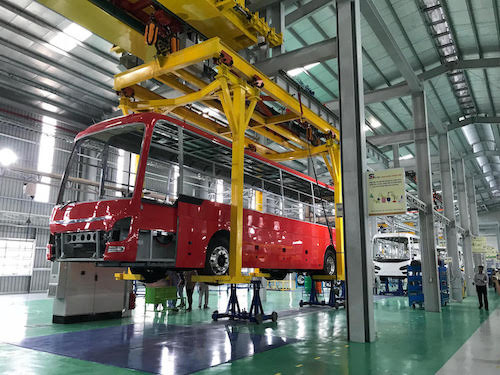
  • Chinese automaker Chery plans to set up plant in Vietnam

    Chinese automaker Chery plans to set up plant in Vietnam

    China’s state-owned Chery Automobile has said it wants to sell its first made-in-Vietnam car by next year.

    “We want to build a factory in Vietnam as we don’t want to merely import and sell cars,” Chery Vietnam director Tocy Tang told VnExpress.

    The plant would allow Chery to “build vehicles that are localized for Vietnamese and optimize its potential,” while enhancing the branding of Chinese cars in Vietnam, he said.

    Several Chinese auto brands like BAIC, Hongqi and Brilliance are present in Vietnam, but they are imported by a dealer in Hai Phong.

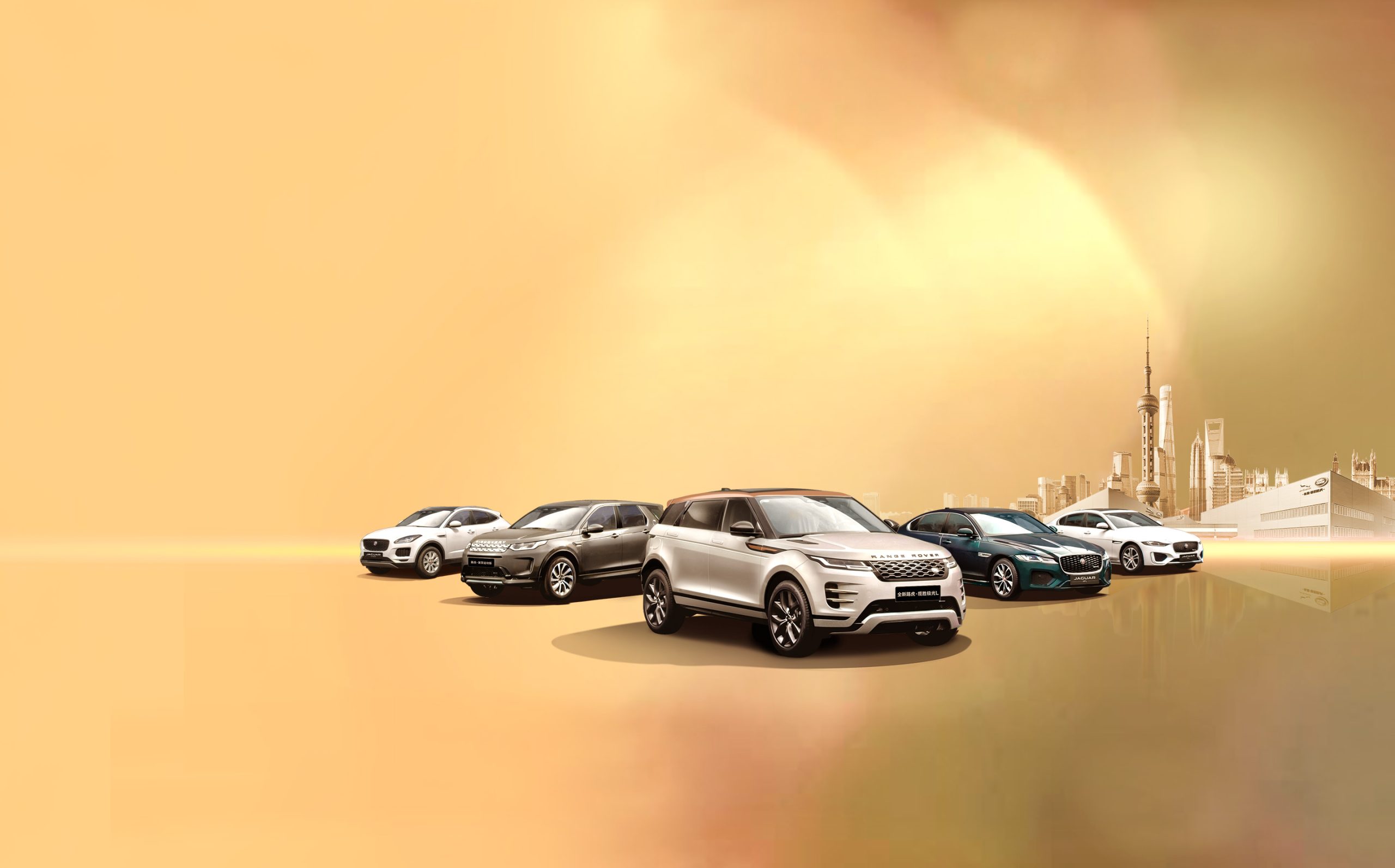
    Founded in 1997, Chery is the ninth largest car manufacturer and top exporter in China. It also produces Jaguar and Land Rover in China under a 50:50 joint venture with the UK-based luxury carmaker.